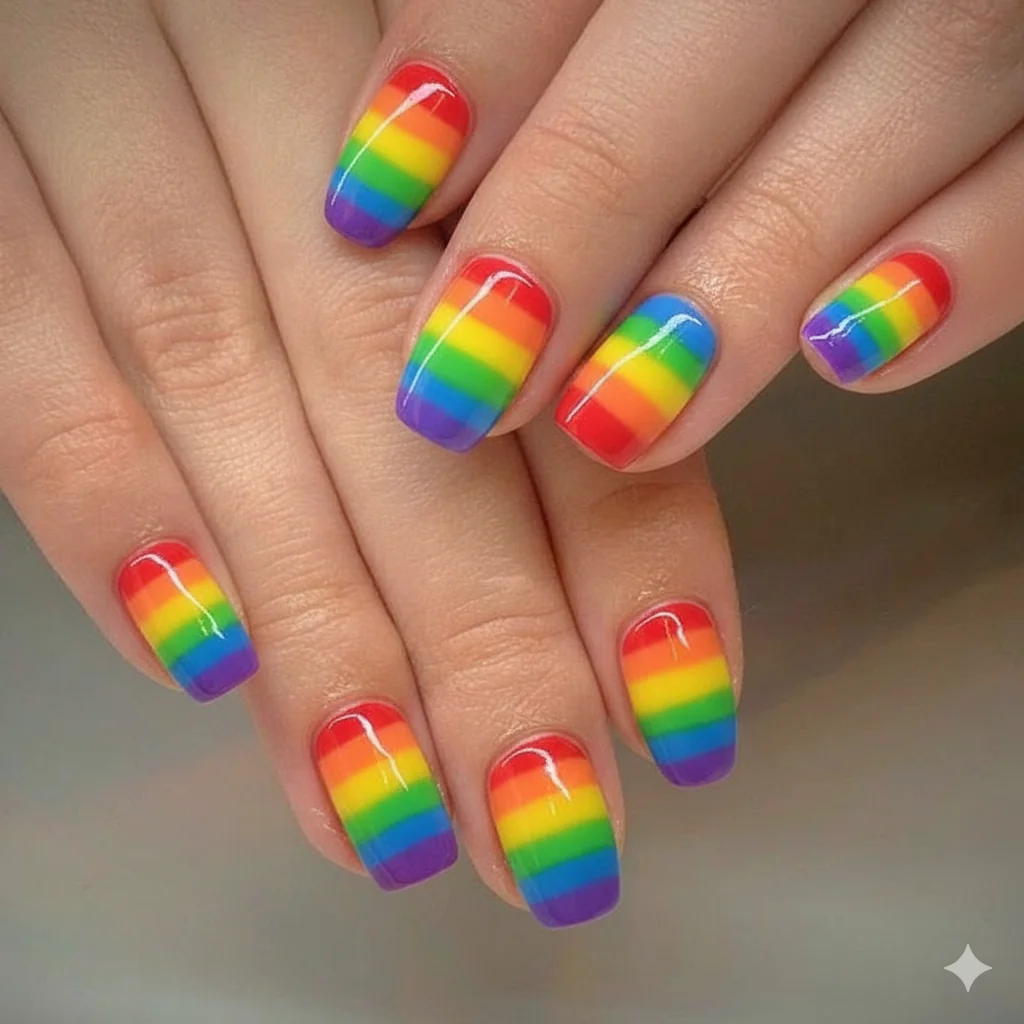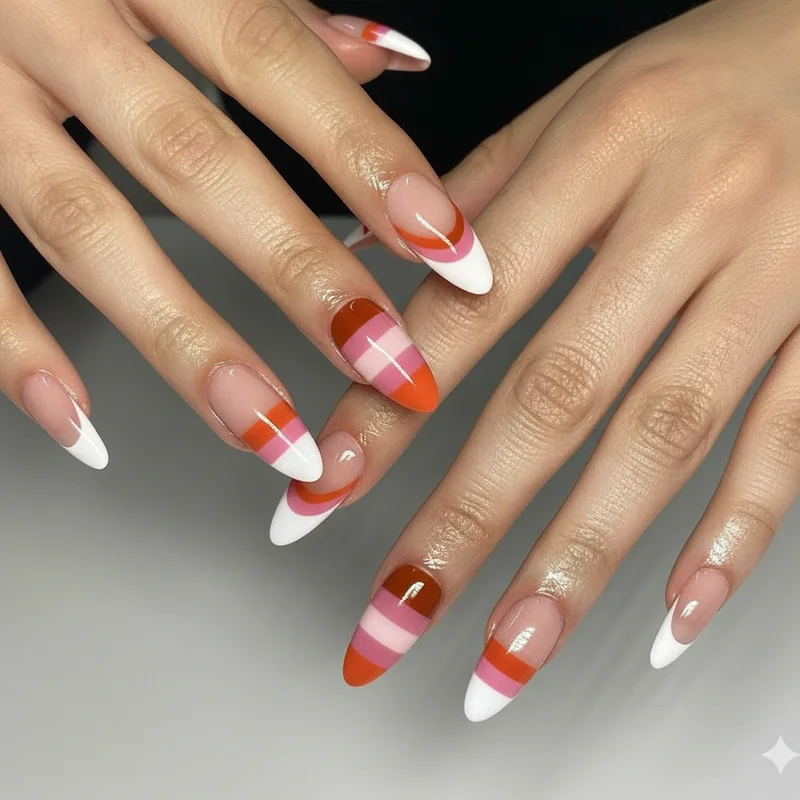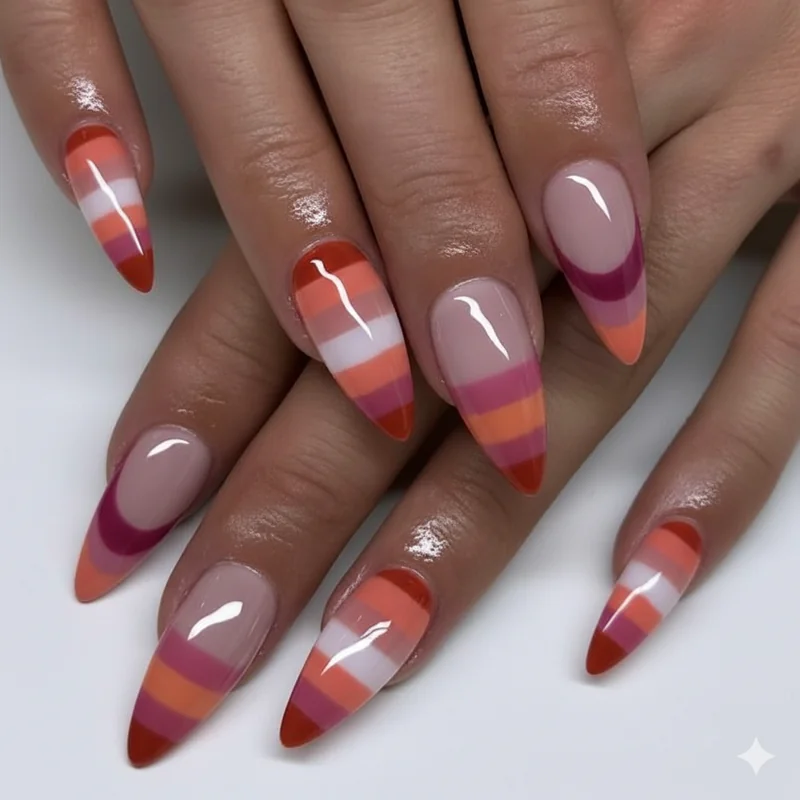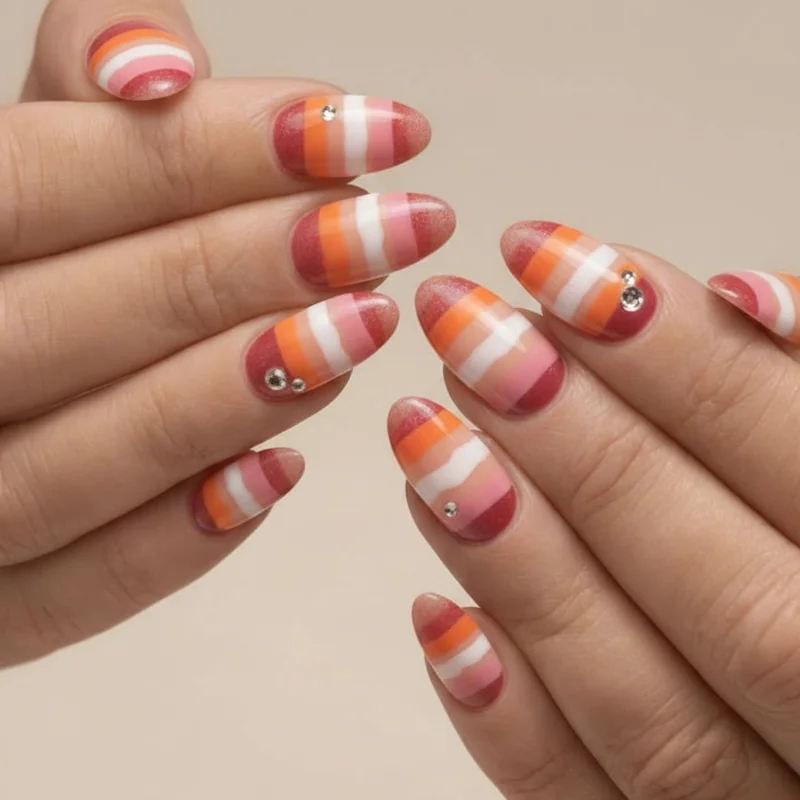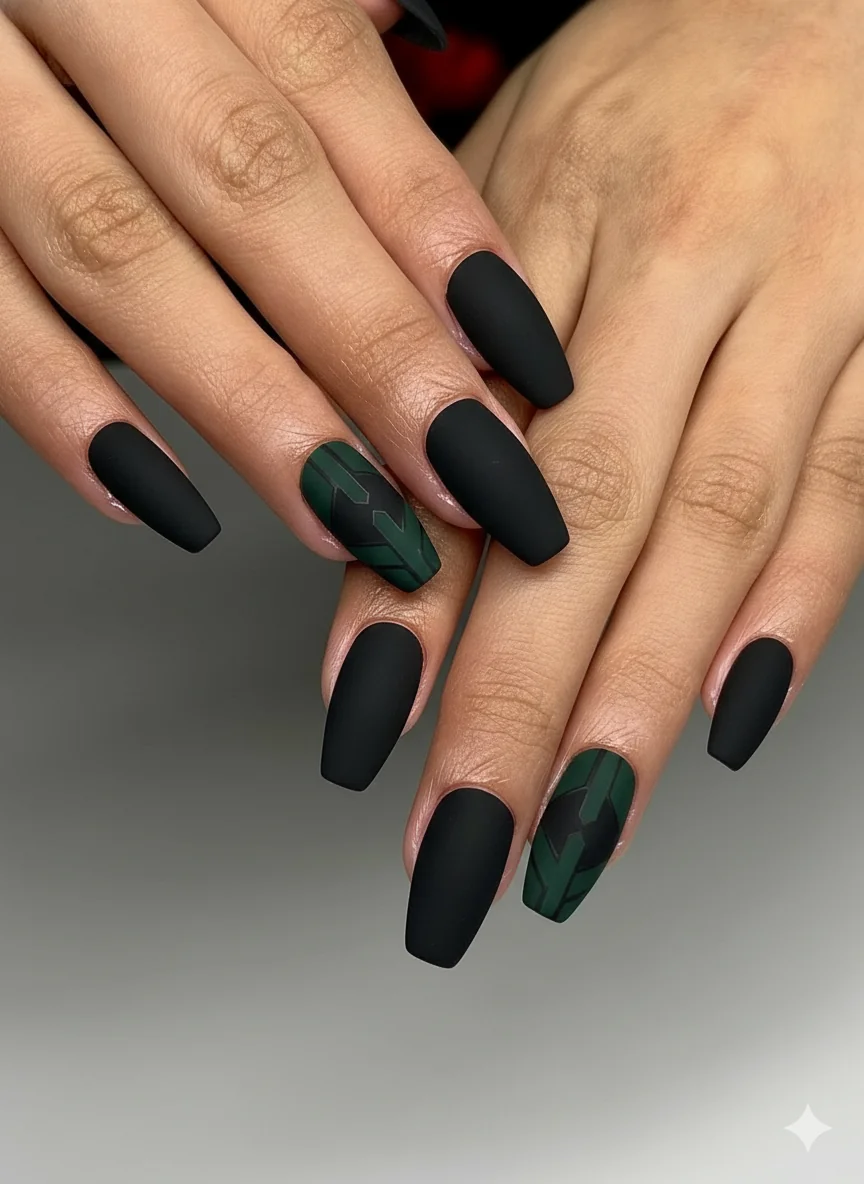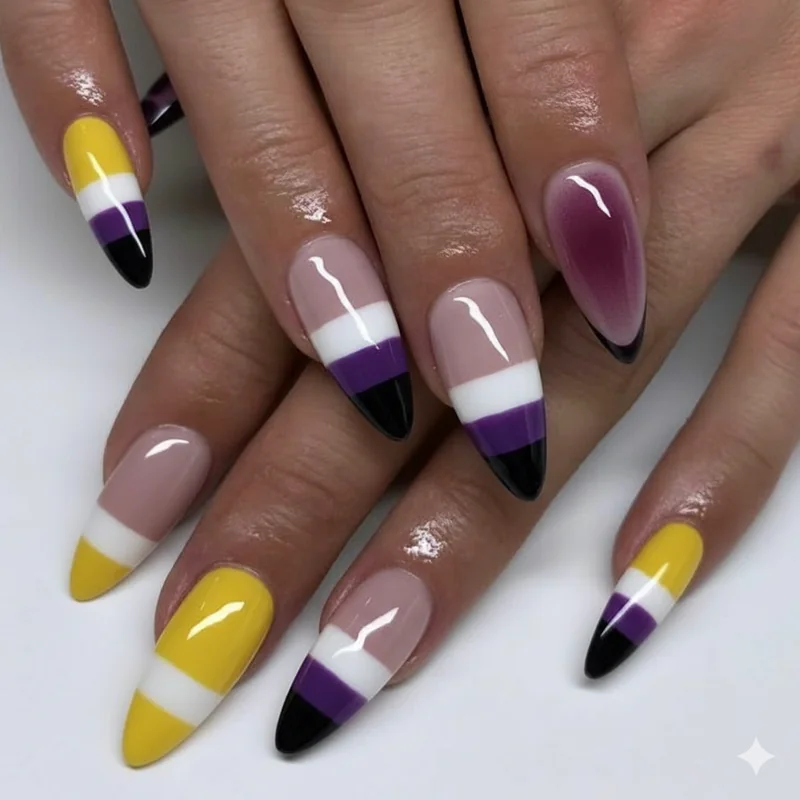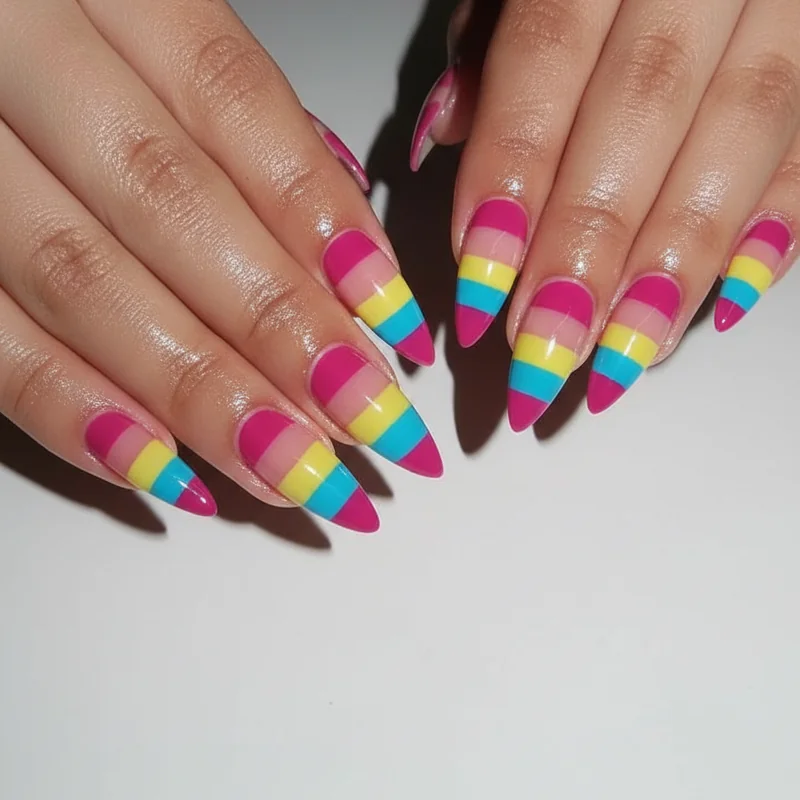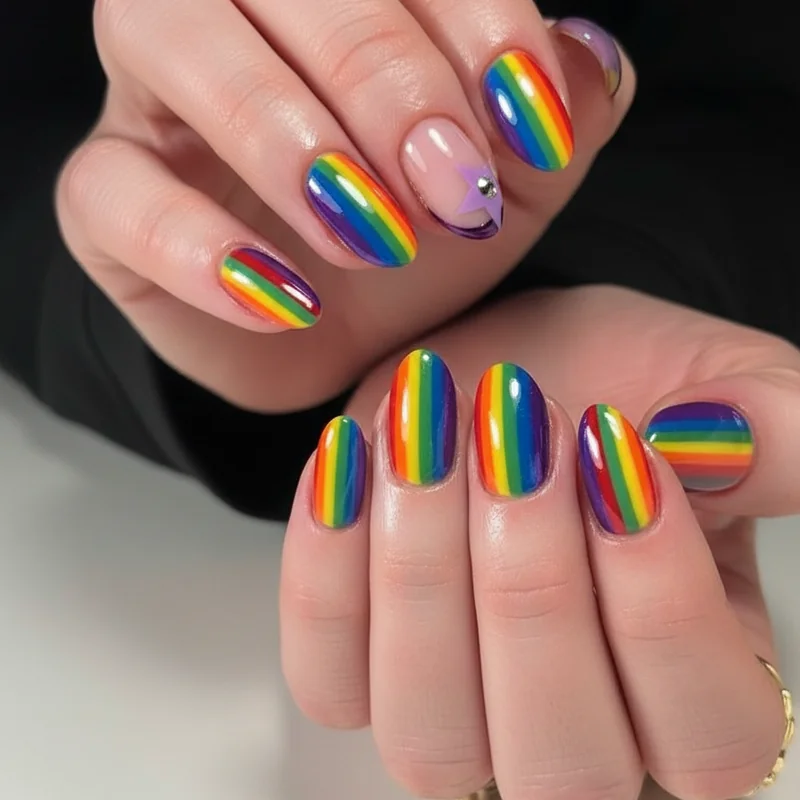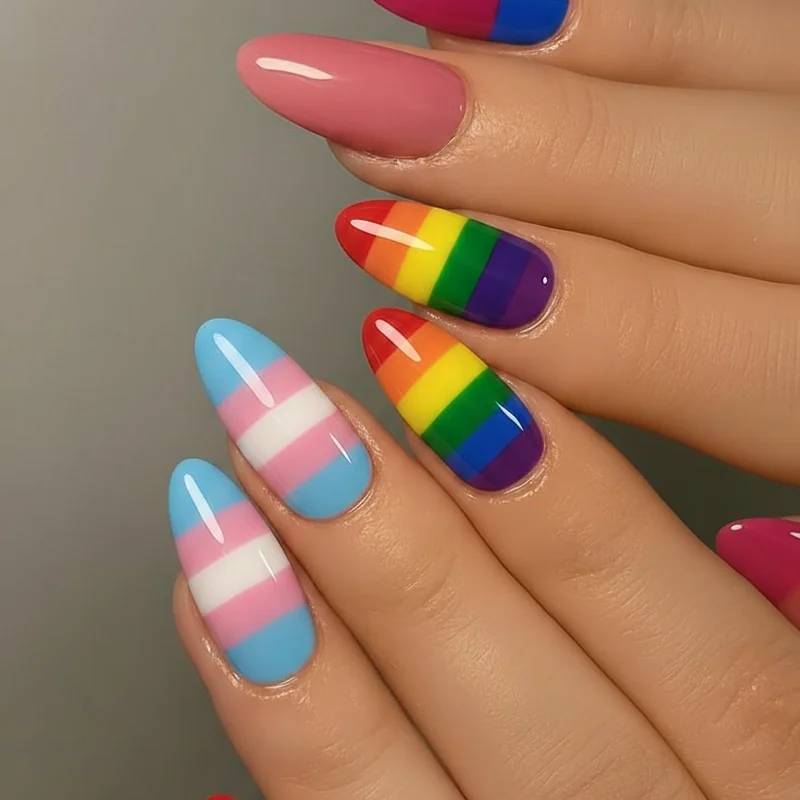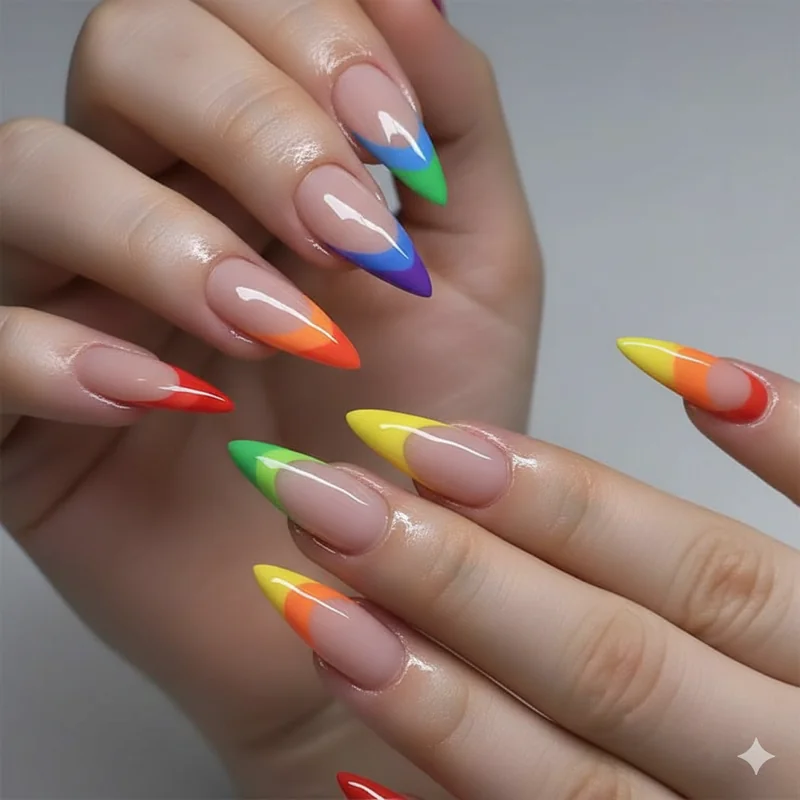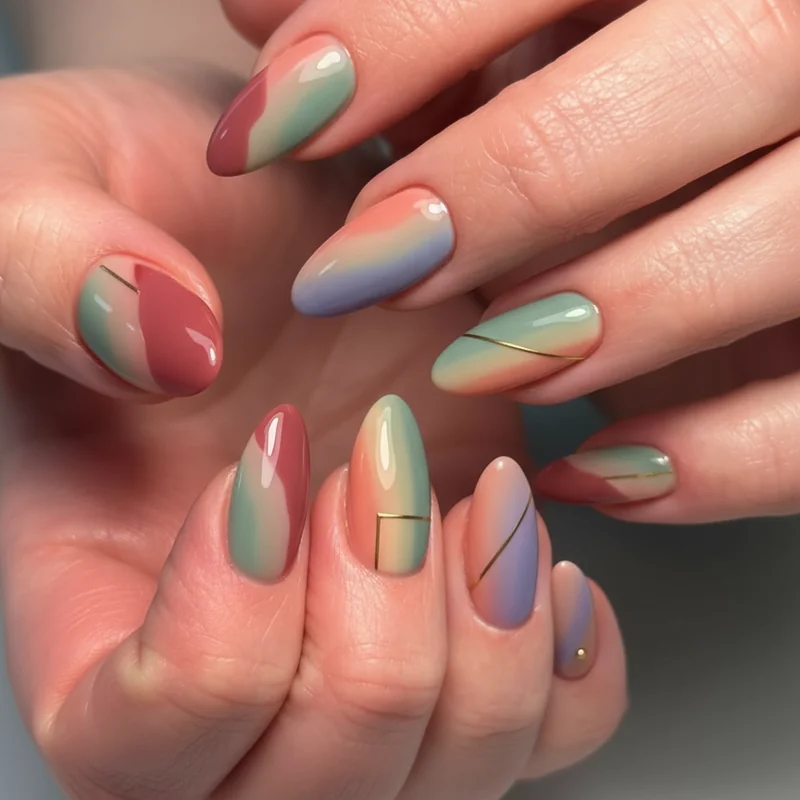
Subtle pride nails are not the restrained version of something bolder. They are their own category — with their own design logic, their own palette vocabulary, and their own kind of authority. The reader who searches for subtle isn't settling. They have made a precise choice about how they want to show up, and they want designs that respect that precision. If you want the full spectrum of June inspiration alongside these, Pride Month Nails: 50+ Ideas to Celebrate in June 2026 covers everything from bold to barely-there. This post is for the barely-there — and all the intention behind it. The Spring Nail Trends 2026 macro mood is quiet luxury and edited minimalism, which makes this the exact right moment for subtle LGBTQ nail designs to feel genuinely current, not like a concession.
What you'll find here: the five techniques worth actually knowing, an honest breakdown of which minimalist pride nail ideas survive a conservative dress code (and which ones don't), how to translate every identity flag into a low-key design, and how to make a single accent nail look like a decision rather than an accident.
What Makes a Pride Nail "Subtle"? (And Why That's a Real Design Category)
Subtle is not what happens when you run out of confidence. It is a design brief — one with specific parameters, specific techniques, and a specific kind of visual intelligence behind it. Subtle pride nails occupy the space where identity expression and design restraint overlap, and that space has its own aesthetic rules.
The working definition: a subtle pride nail design is one where the pride coding is present and intentional, but where the first read of the manicure is "beautiful nail" rather than "pride nail." The second read — for anyone who knows — is unmistakeable. This is the "only if you know, you know" principle, and it is a legitimate design strategy, not a compromise.
What separates a subtle pride design from just a colourful nail is intentionality of palette and placement. A random teal and pink combination is not bi pride. A carefully desaturated version of the pink, lavender, and blue flag, applied as a three-tone ombre on a single accent nail against four nude nails, is unmistakeably bi pride to anyone who recognises the palette — and reads as tasteful minimalism to anyone who doesn't.
The Pride Nail Trends 2026 landscape backs this up: micro-details, quiet luxury, and edited minimalism are the dominant directions this year. Subtle pride nails are not behind the curve. They are the curve.
The Five Subtle Pride Nail Techniques Worth Knowing
Three coats of rainbow glitter is a choice. These are the techniques that give you the same result — recognisable identity expression — with a fraction of the visual noise.
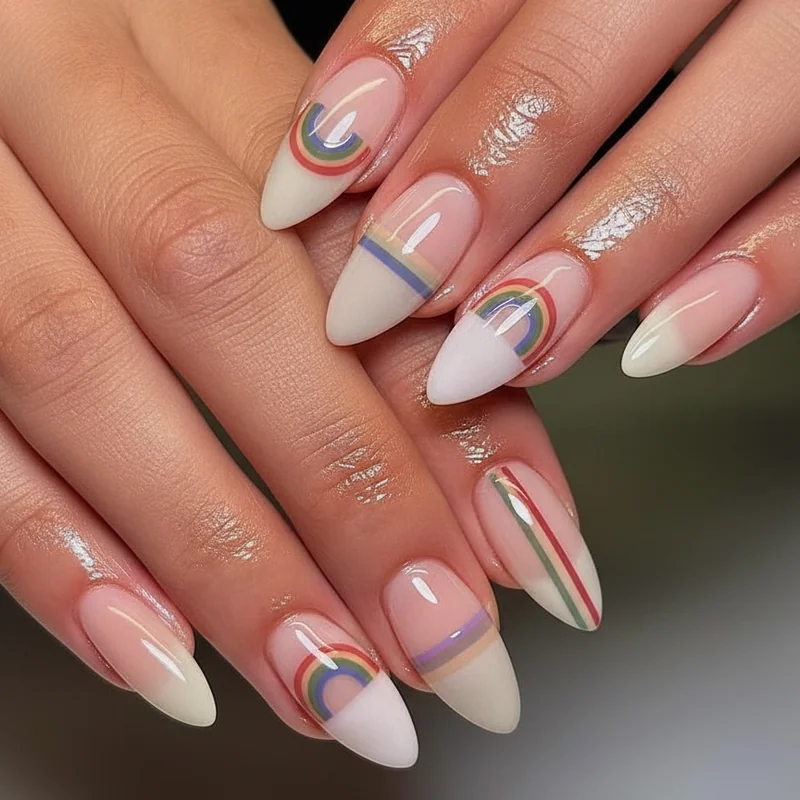
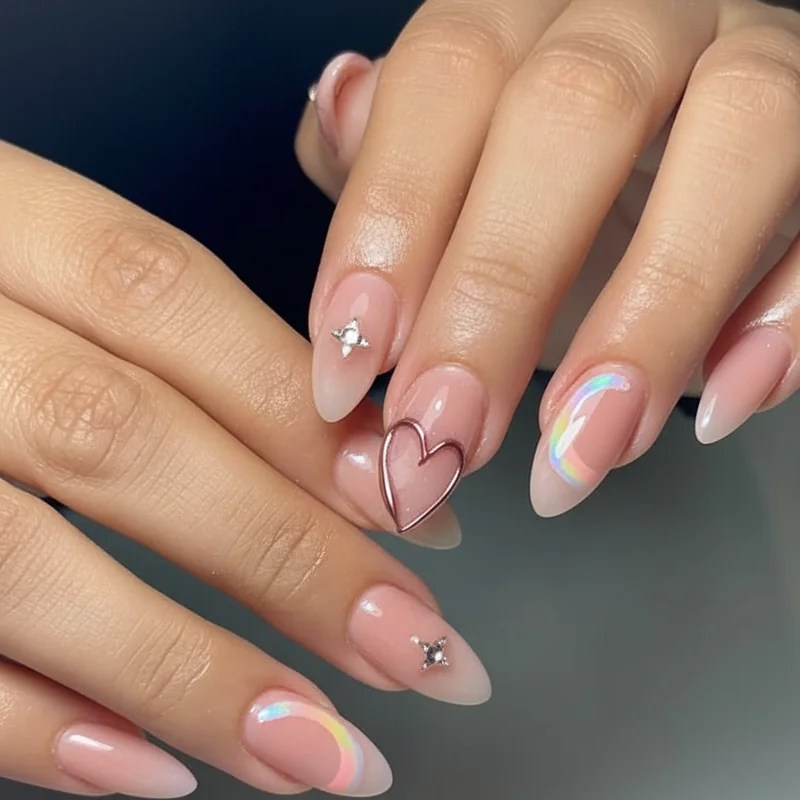
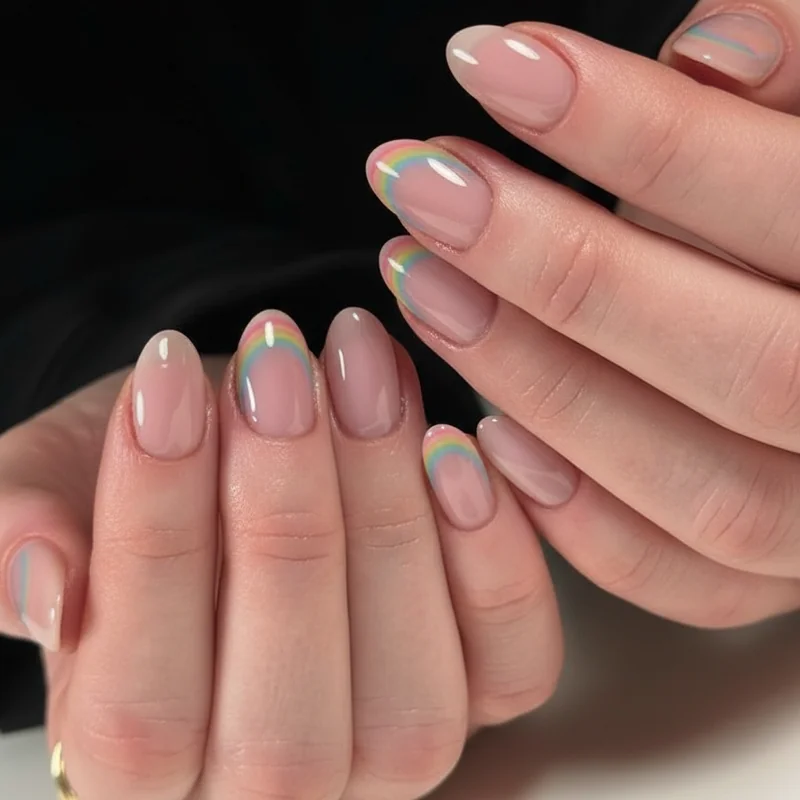
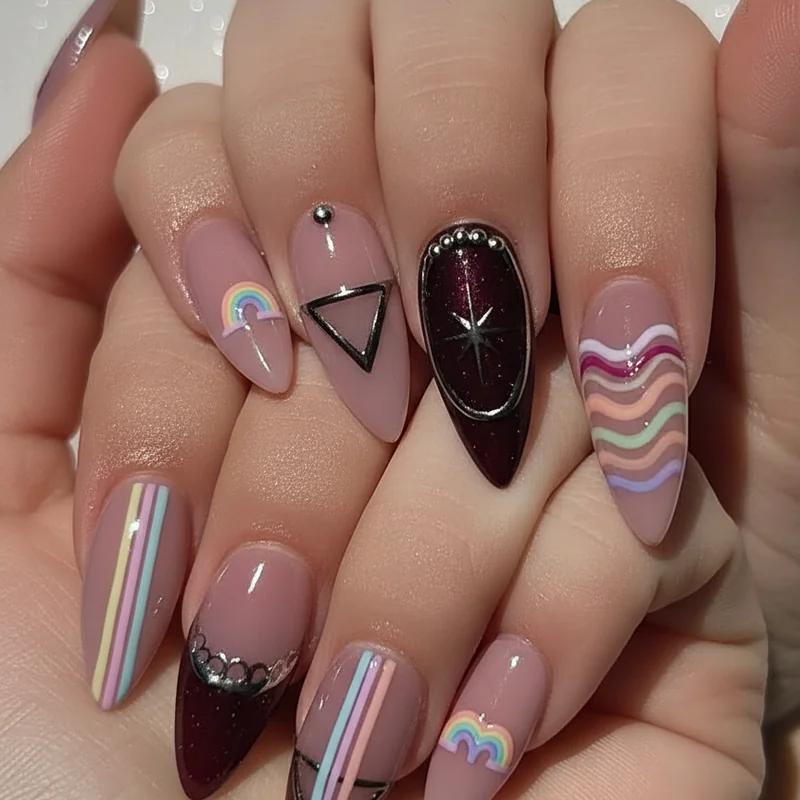
Micro rainbow arc at the cuticle. A fine striping brush draws a thin arc of the six pride colours (or your specific flag colours) along the cuticle edge, sitting on a sheer or milky nude base. At conversational distance it reads as a delicate detail. Up close, it is unmistakeable. This is one of the most work-appropriate subtle pride nail techniques available, and it works on any nail length.
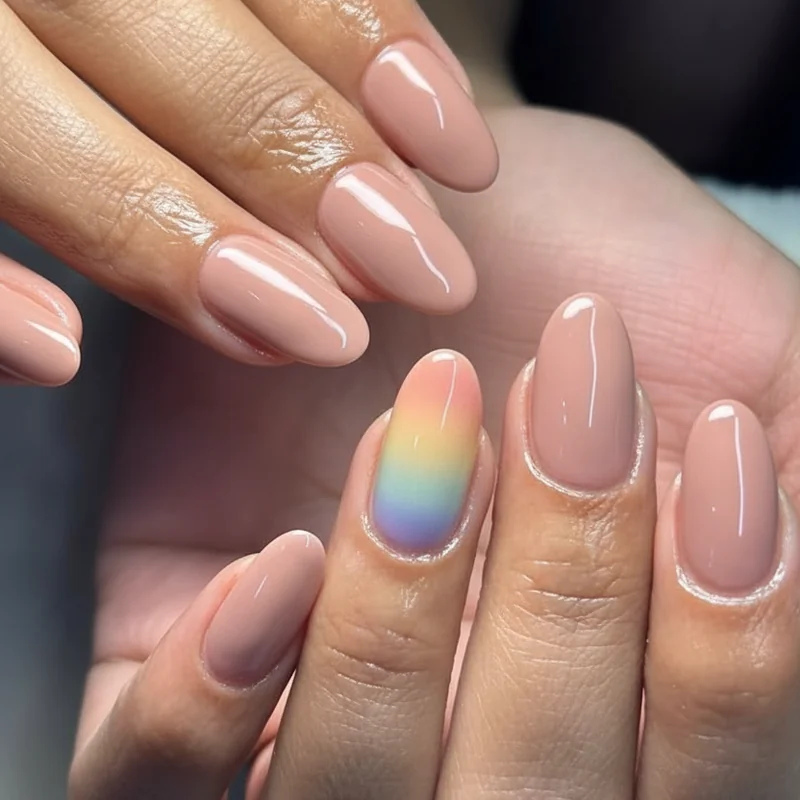
Single accent nail in muted flag ombre. Four nails in a clean nude or sheer base; one nail with a soft two- or three-colour ombre in desaturated flag tones. The sponge technique creates a gradient that reads as a colour-wash rather than a stripe. On a bi, lesbian, trans, or nonbinary flag, the palette carries the meaning without the flag needing to be literal.
Negative space pride stripe. On a clear or barely-there base, a single thin horizontal stripe in one flag colour crosses one nail. The rest of the nail remains bare or sheer. The design is architectural and editorial — it reads as quiet luxury minimalism, and the colour choice signals identity to those who know the flags.
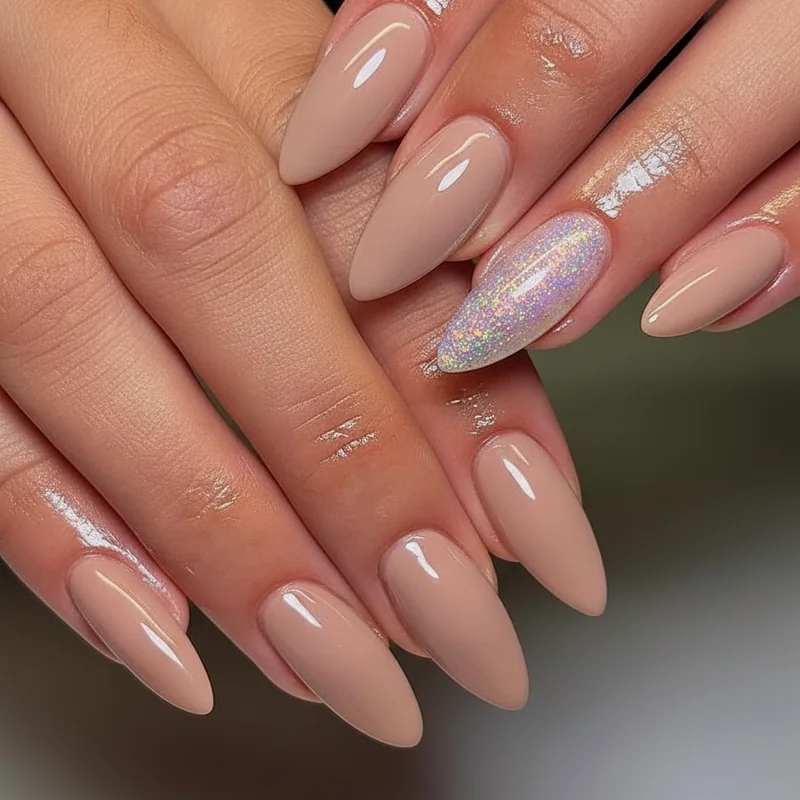
Iridescent or pearlescent finish. A full-nail iridescent polish shifts between colours as it catches the light — some shift through pinks, purples, and blues that echo the bi or trans flag. It is plausibly deniable as just a beautiful finish, and entirely intentional. This is the subtlest option in the toolkit.
Micro French tip in flag colours. Instead of white or nude, the French tip is painted in one or two tones from a flag palette — a pale pink and white for lesbian, a pale blue and pink for trans. The tip is kept thin and the colours kept muted. It reads as a variation on the classic French manicure to most; it reads as a considered identity choice to the right people.
Which Subtle Pride Designs Actually Survive a Conservative Dress Code?
This is the question competitors hedge. The honest answer is: not all of them.
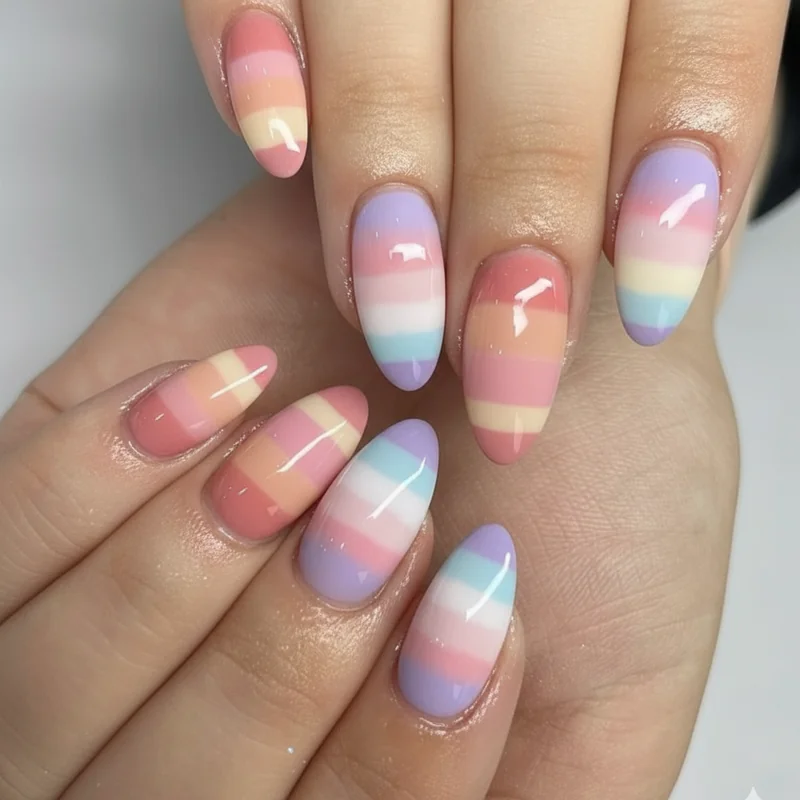
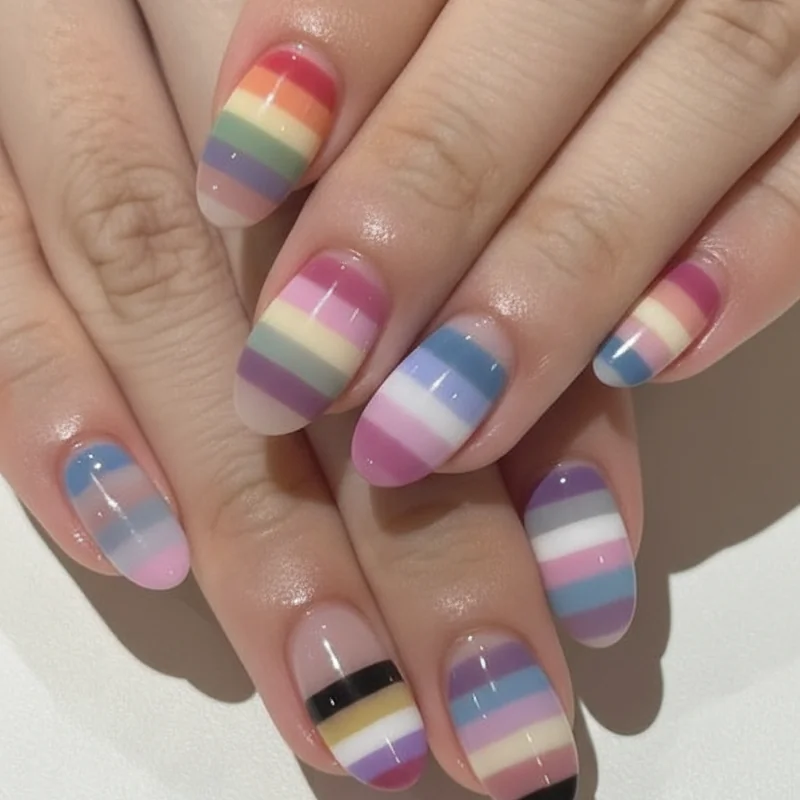
A pastel skittle mani — each nail a different soft pride colour — is pretty and genuinely quieter than a neon rainbow, but it will register as colourful in a law firm, a surgical ward, or a conservative finance floor. It passes in a creative office, a school, or most healthcare admin roles. It does not pass as "invisible" in a formal dress code environment.
What does survive the strictest dress codes:
- Single accent nail with a muted ombre, the remaining four nails in a neutral or sheer — one design choice on one nail is almost universally within even strict dress codes, particularly if the colours are desaturated
- Iridescent full-nail finish — this reads as a polish choice, not a pattern
- Micro French tip in barely-there flag tones — a pale pink-and-white tip on short nails reads as a French manicure variant in any environment
- Micro arc at the cuticle on a nude base — at arm's length in a meeting, this is a barely-visible detail on what looks like a nude manicure
What doesn't reliably survive a strict dress code: any design where multiple nails carry pride-coded colour, any design with visible stripes or arcs on more than one or two nails, and any design where the flag colours are saturated rather than muted.
For a full breakdown of what professional environments actually require by industry, Professional Nail Designs for Work in 2026 covers office nail standards in detail. The short version: legal and finance are the most restrictive, healthcare varies by role, and creative and tech environments are largely neutral on nail art.
How to Represent Your Specific Flag Without Going Full Rainbow
The general rainbow is the most recognisable symbol of LGBTQ+ identity, but it is not the only one — and for many people, representing their specific identity flag is the entire point. Subtle does not mean generic.
Every major flag has a minimalist translation. The key is palette selection and desaturation — taking the flag's actual colours and shifting them three stops toward muted before you pick up a brush.
Lesbian flag (shades of orange, white, and pink): A single accent nail in a peach-to-white-to-dusty-rose ombre reads as a sunset nail to most people, and as lesbian pride to anyone who knows the flag. For more design options specific to WLW expression, Subtle Lesbian Nails: Low-Key Designs for Everyday covers this in full.
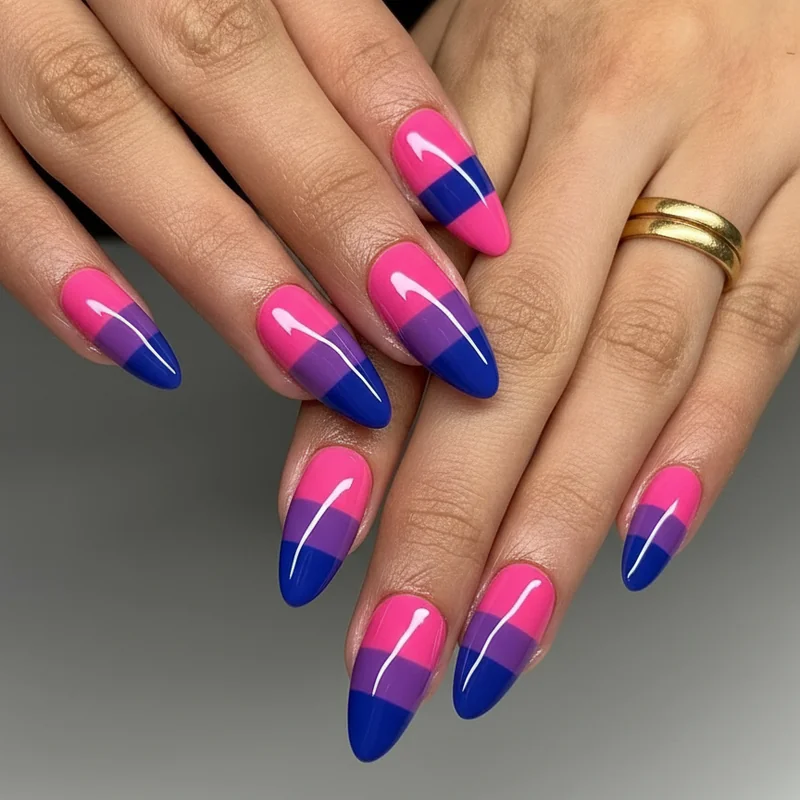
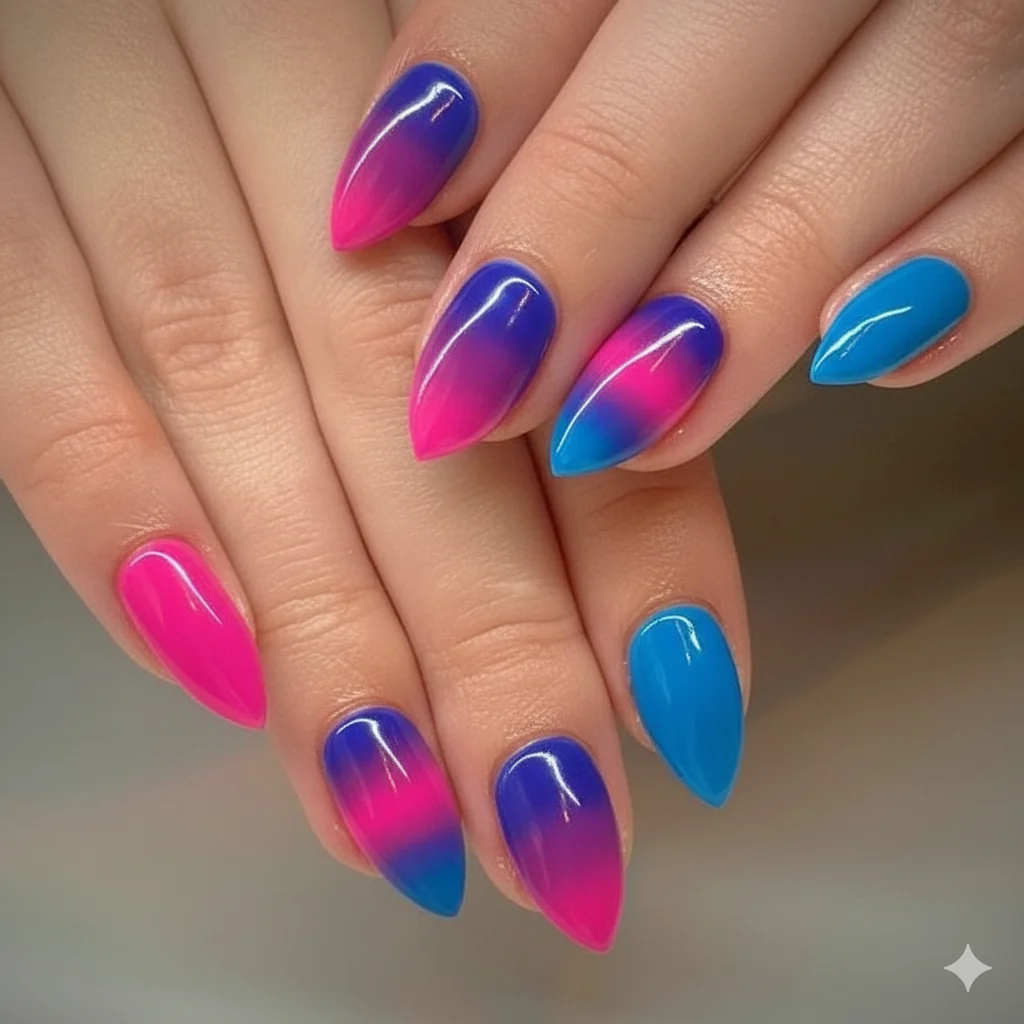
Bisexual flag (pink, lavender, blue): The bi palette is one of the most naturally minimalist flag combinations available. A muted pink-to-lavender gradient on one nail, or a barely-there three-stripe negative space design, translates cleanly into a sophisticated manicure. Subtle Bisexual Nails: Discreet Bi Pride Designs goes deeper on bi-specific techniques.
Trans flag (pale blue, pink, white): The trans flag colours are already pastel, which means they require the least transformation for a subtle application. A milky base with the thinnest pale-blue and pale-pink micro French tip is quiet luxury by any measure. See Subtle Trans Nails: Quiet Pride Designs for Everyday for identity-specific options.
Nonbinary flag (yellow, white, purple, black): The NB palette is the most challenging to make subtle because yellow and black create high contrast. The solution: use a pale gold instead of yellow, a sheer grey instead of black, and apply as a negative space two-stripe on a single nail. Subtle Nonbinary Nails: Minimalist Enby Pride Designs handles this palette with specificity.
For identity flags across the full LGBTQ+ spectrum, Pride Flag Nails: Designs for Every Identity is the resource for flag-by-flag nail design breakdowns.
Subtle Pride Nails for Short Nails: What Works and What Doesn't
Short nails are not a limitation here. They are an advantage.
The micro-scale techniques that define subtle pride nail design — thin arcs, fine stripes, single-nail details — read better on shorter lengths because there is less surface area competing with the detail. A micro rainbow arc painted near the cuticle on a short, rounded nail looks intentional and precise. The same arc on a long coffin nail can look incidental.
What works on short nails:
The micro cuticle arc works beautifully on lengths from bitten-short upward. The negative space stripe is similarly suited to short lengths — the less nail you have, the more architectural a single stripe looks. The single accent nail ombre also reads clearly on short nails provided the ombre colours are distinct enough to read at a small scale; keep the colour shift gradual and the tones distinct.
What doesn't translate as well:
Detailed multi-step nail art — anything that requires drawing lines on a surface smaller than a centimetre wide — becomes difficult and can look muddy rather than precise. The iridescent full-nail finish is arguably even better on short nails, since the colour shift across a smaller surface looks intentional rather than overwhelming.
The single most practical note for short nail subtle pride designs: nail prep matters more, not less, at short lengths. Any texture or surface irregularity on a small nail will be visible. A clean base coat and properly buffed surface is the difference between a design that looks editorial and one that looks like a home attempt.
Can Subtle Pride Nails Work Year-Round, Not Just in June?
The answer is yes, but the palette is what makes it work.
Saturated rainbow nails — six bright bands of red, orange, yellow, green, blue, violet — read as Pride Month in October. Muted, desaturated, or iridescent interpretations of the same concept read as good taste in any month. The calendar problem is a colour problem, not a design problem.
The three palette categories that make minimalist pride nail art genuinely year-round:
Muted flag palettes. Take any flag's colours and shift them toward the muted or dusty end of the spectrum. A dusty rose, sage, and pale blue combination does not read as a June design. It reads as a thoughtful, contemporary palette that happens to carry meaning for those who know it. This is what "quiet but queer" looks like in November.
Iridescent and pearlescent finishes. A shifting iridescent finish has no seasonal association. It is a 2026 quiet luxury manicure in any month — the pride coding is structural (the colour shift) rather than explicit (a stripe or arc). It is the easiest option for year-round discreet pride nails.
Negative space and architectural detail. A single thin horizontal stripe in one flag colour on an otherwise bare nail reads as a design decision in any season. Stripe nails are a perennial minimalist manicure choice. The colour is the quiet signal.
The "not a parade nail, an everyday nail" principle is exactly this: choose the technique and the palette that would look at home on a Tuesday in October, and make the pride coding live in the colour choices rather than the graphic form.
How to Make a Single Accent Pride Nail Look Intentional
The single accent nail is the most versatile tool in the subtle pride toolkit, and also the most frequently mishandled. Done correctly, it reads as a considered design decision. Done incorrectly, it reads as one nail you ran out of time on.
The difference is cohesion. An accent nail looks intentional when the relationship between that nail and the other four has been thought about. The accent nail is not a random nail with a different colour — it is a deliberate contrast to a deliberate base.
The formula that works:
Four nails in a single, clean base — sheer, milky, or a true neutral. One nail (ring finger is the traditional accent placement, but the index works for visibility) carrying the pride design: a muted ombre, a micro arc, or a negative space stripe in flag colours. The accent nail draws the eye because the surrounding nails direct the eye toward it, not away.
What breaks the intentional read:
Multiple nails with different treatments, a base colour that is itself busy or patterned, or an accent design that is too complex relative to the nail size. Restraint on the base nails is what earns the accent nail its authority.
For the corporate and professional context specifically, the single accent nail approach aligns with the Corporate Girl Nails aesthetic that has dominated professional nail trends in 2026 — micro-detail on one nail against a clean neutral base is entirely on-trend and entirely within most professional dress codes.