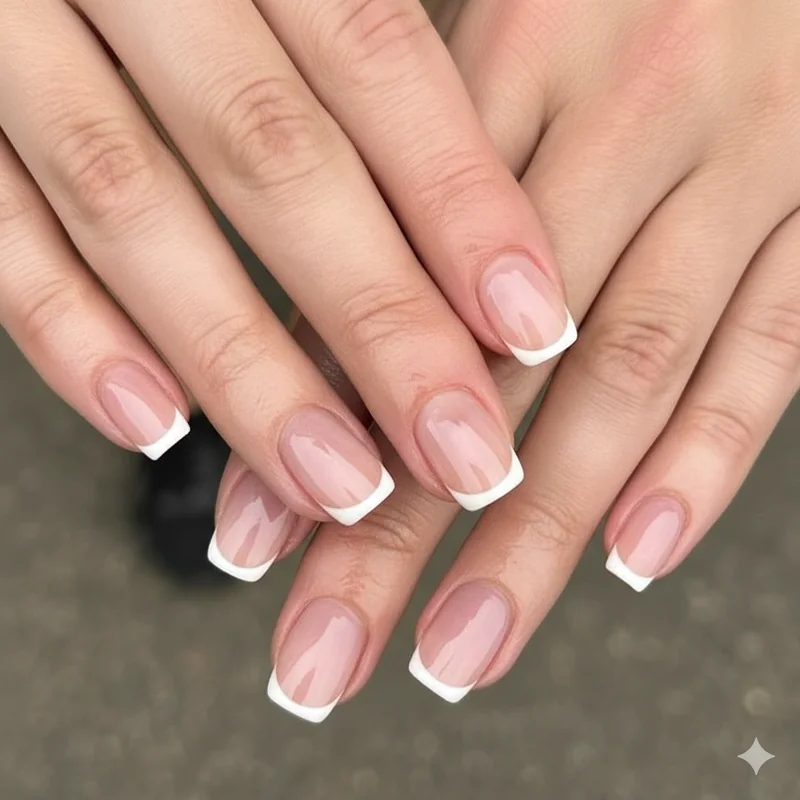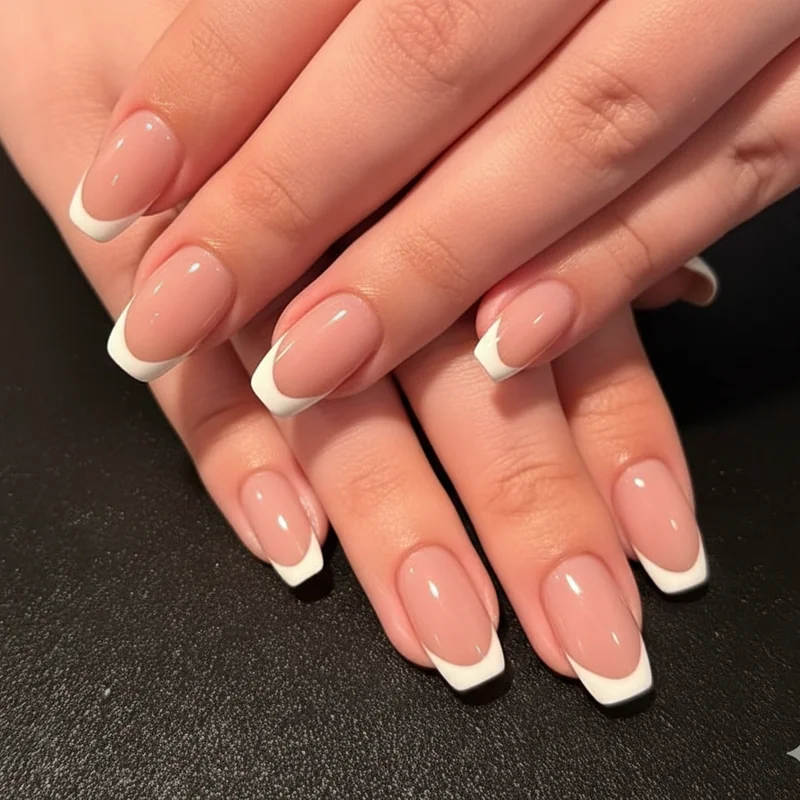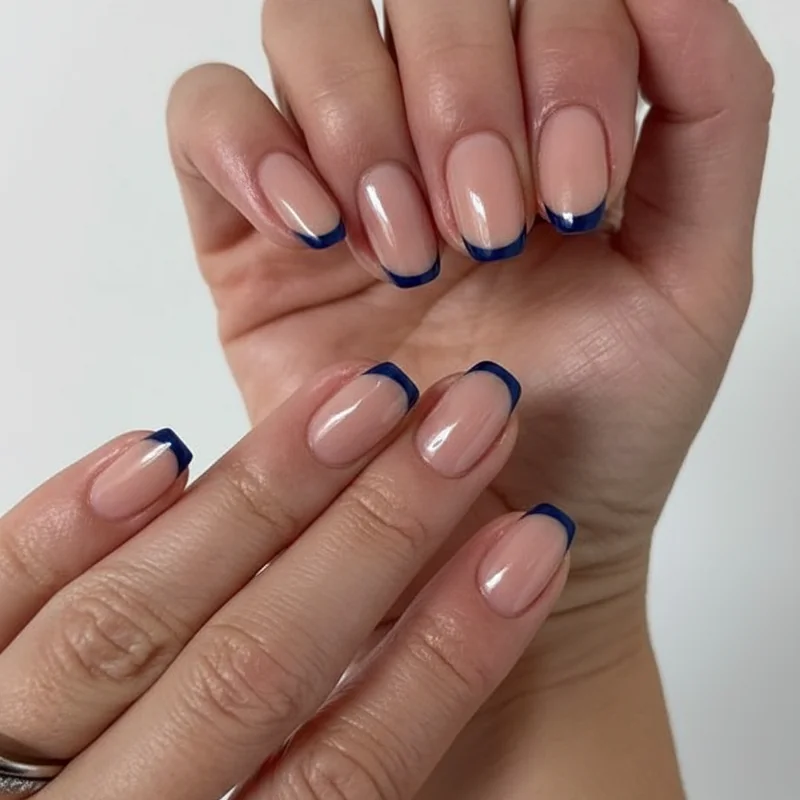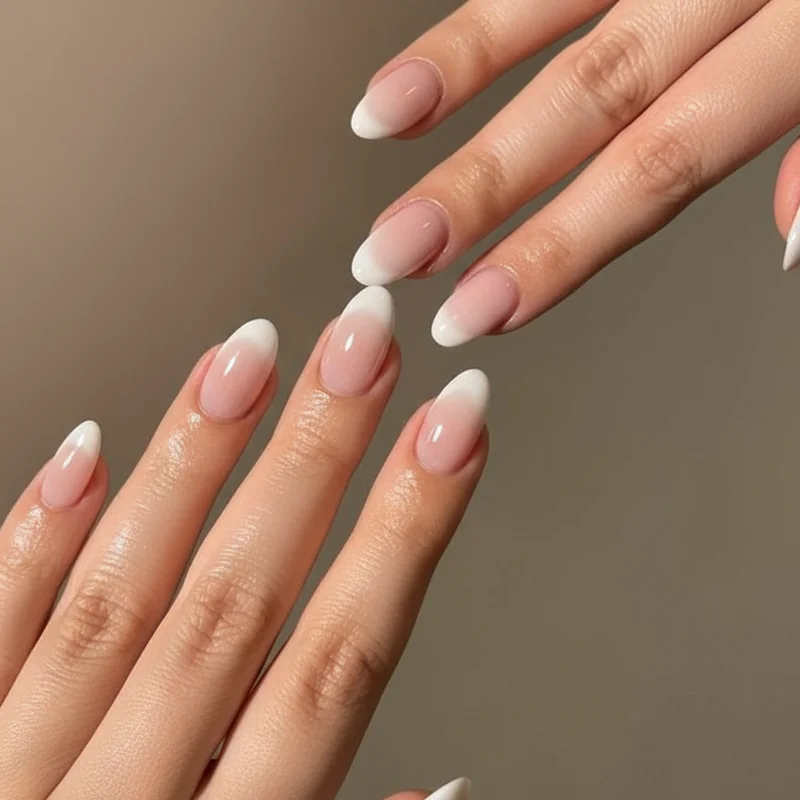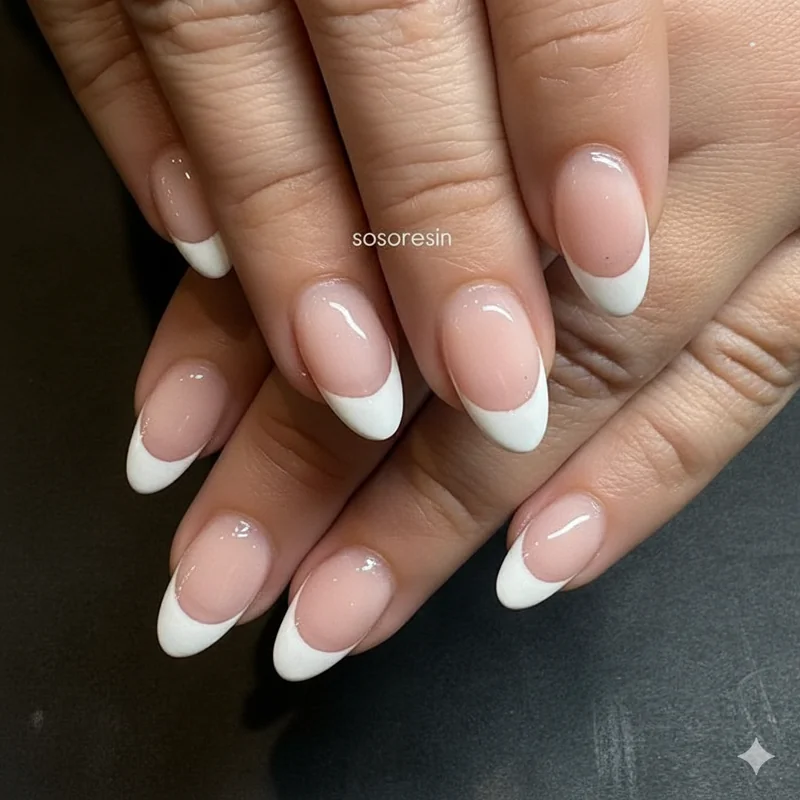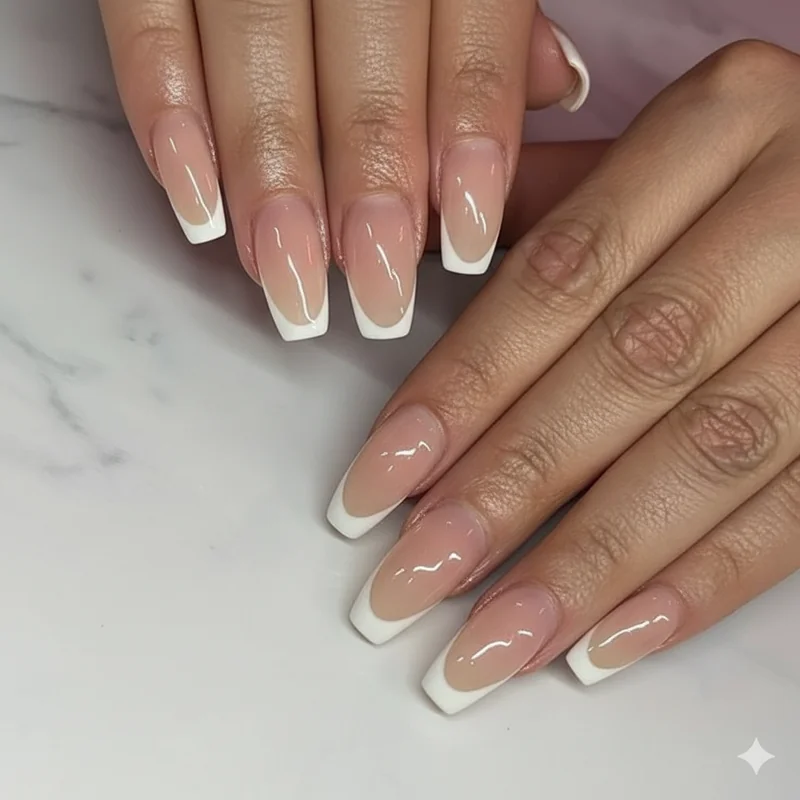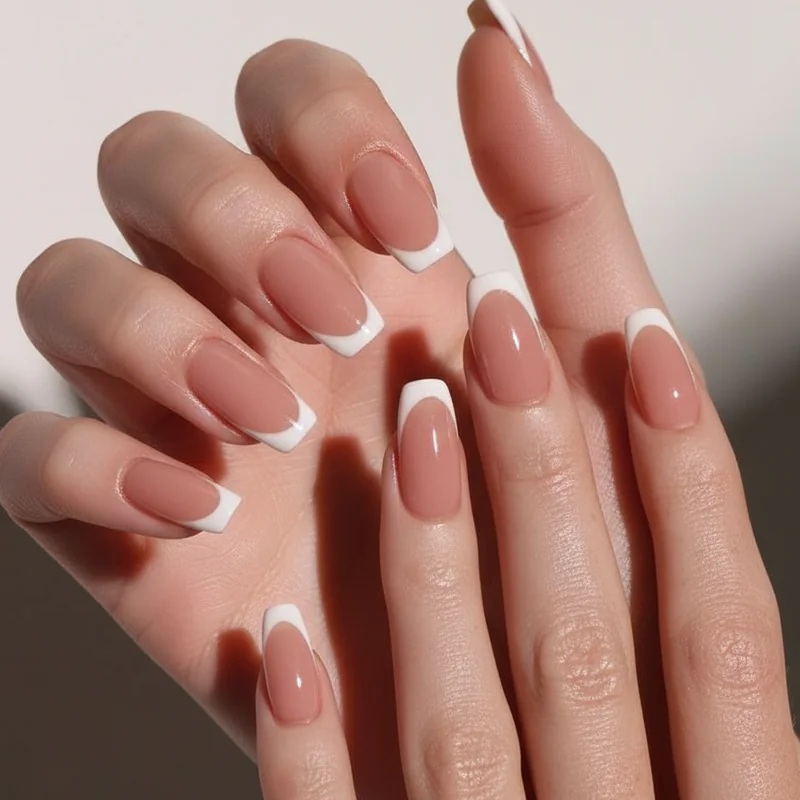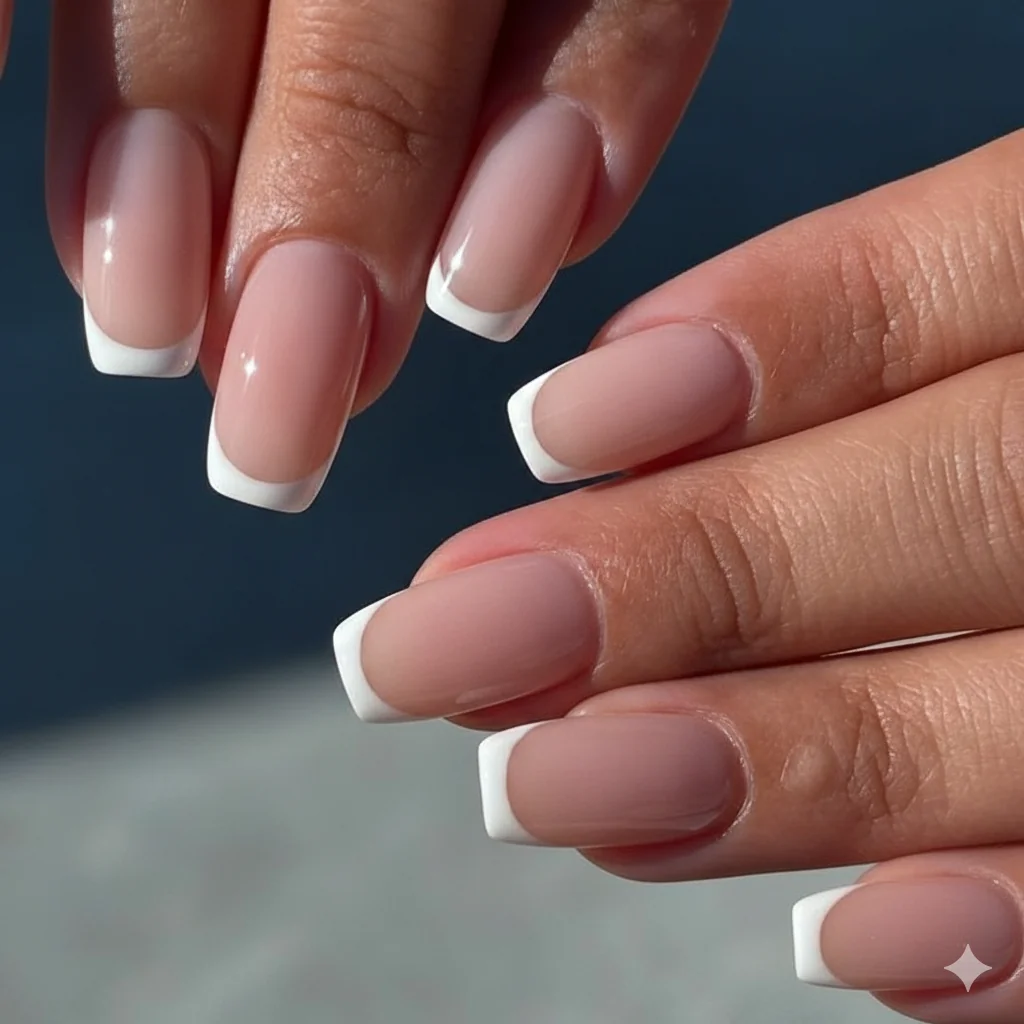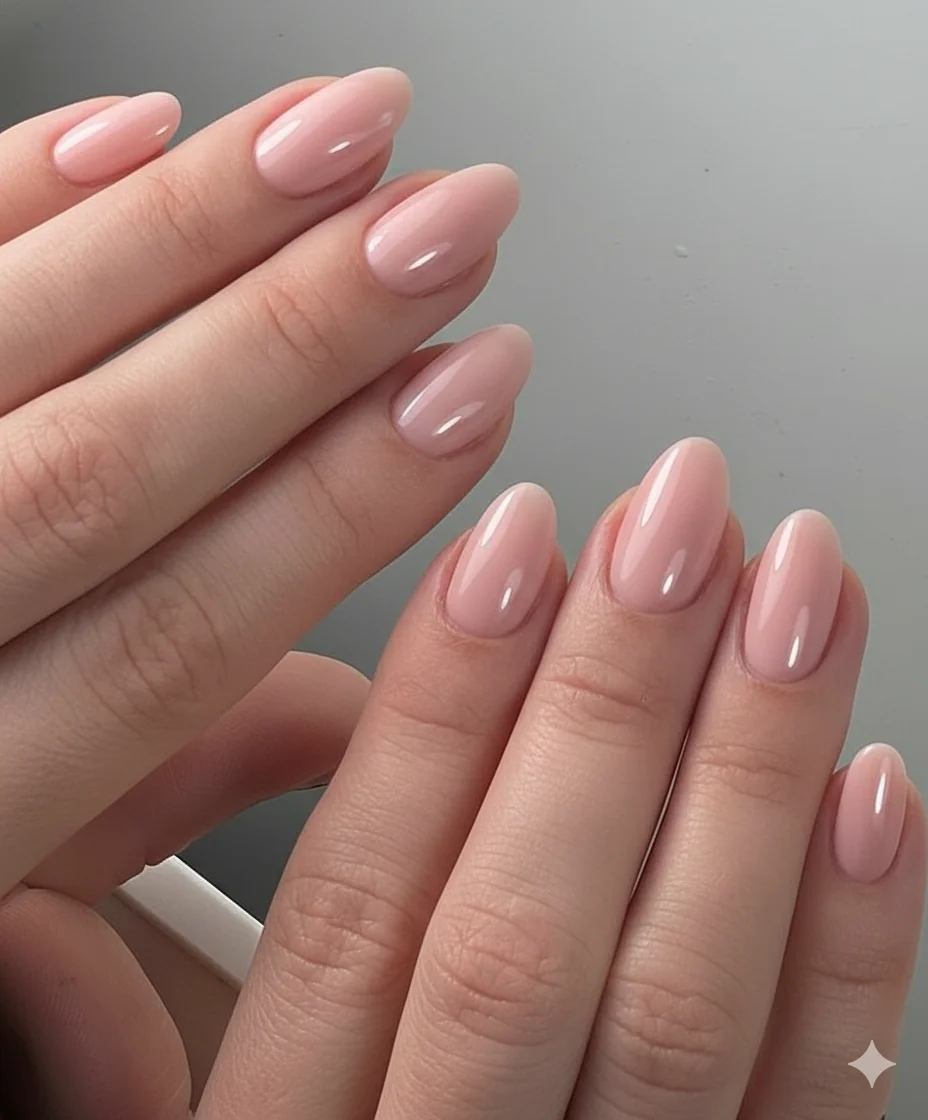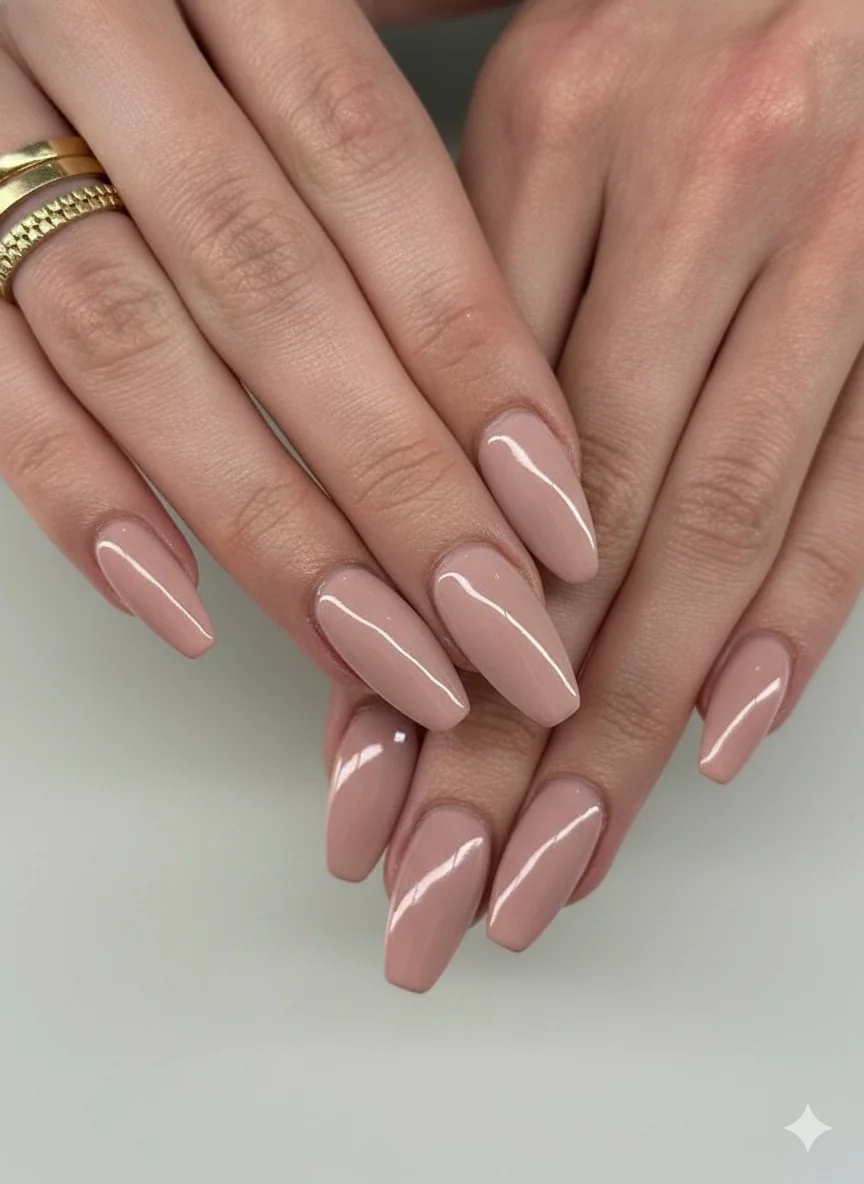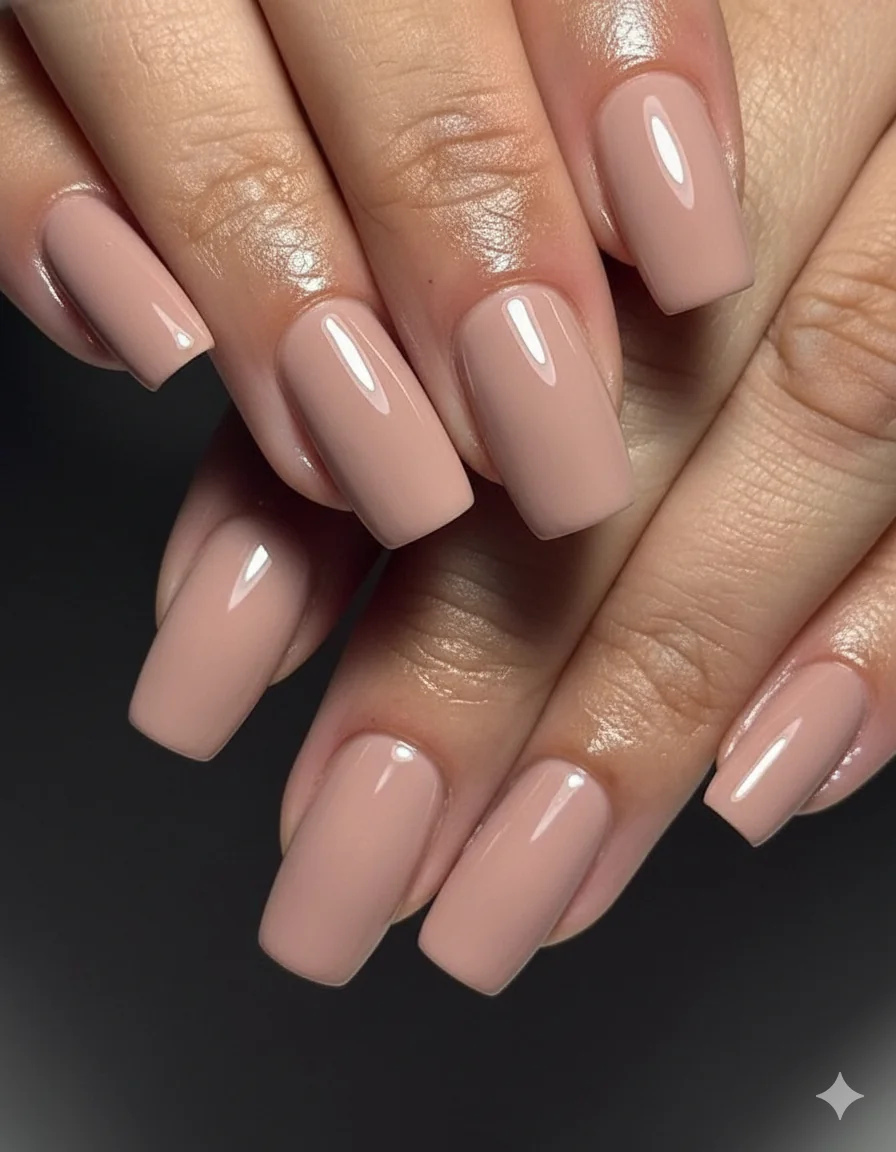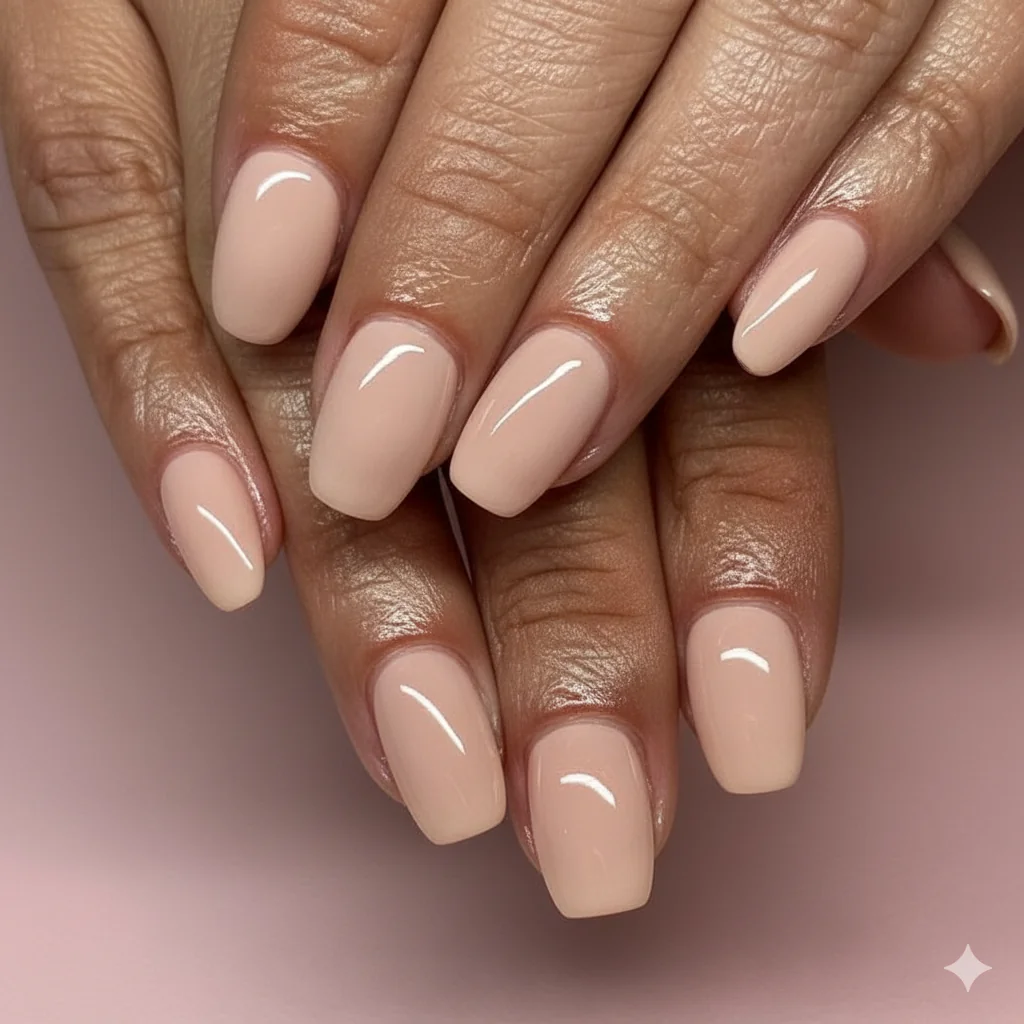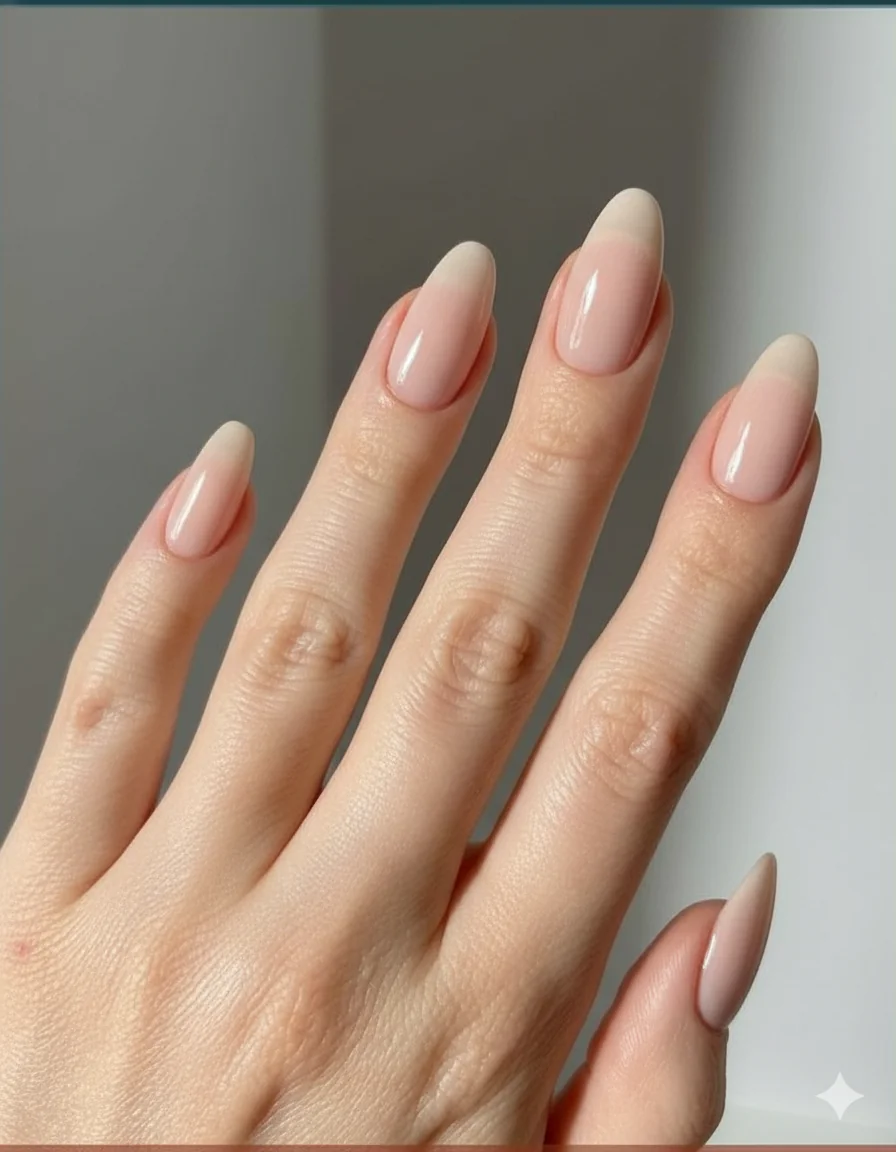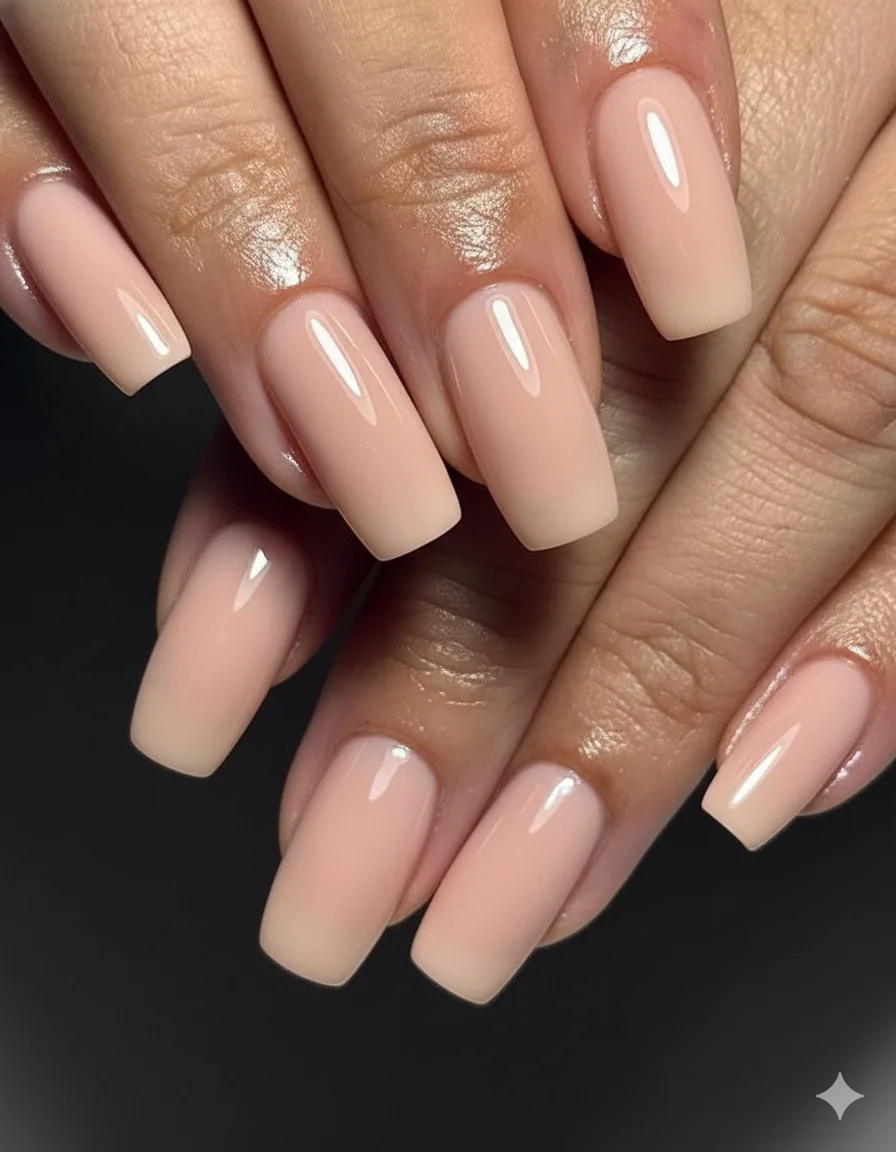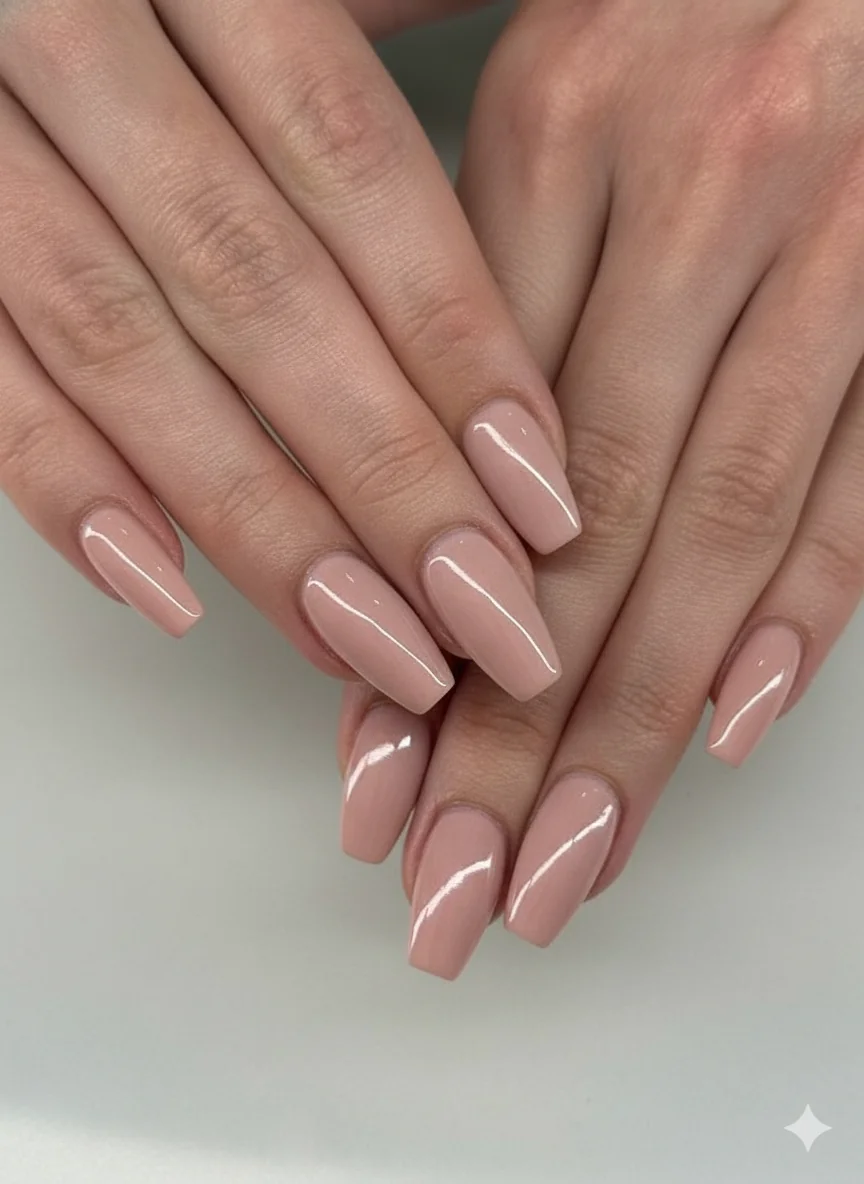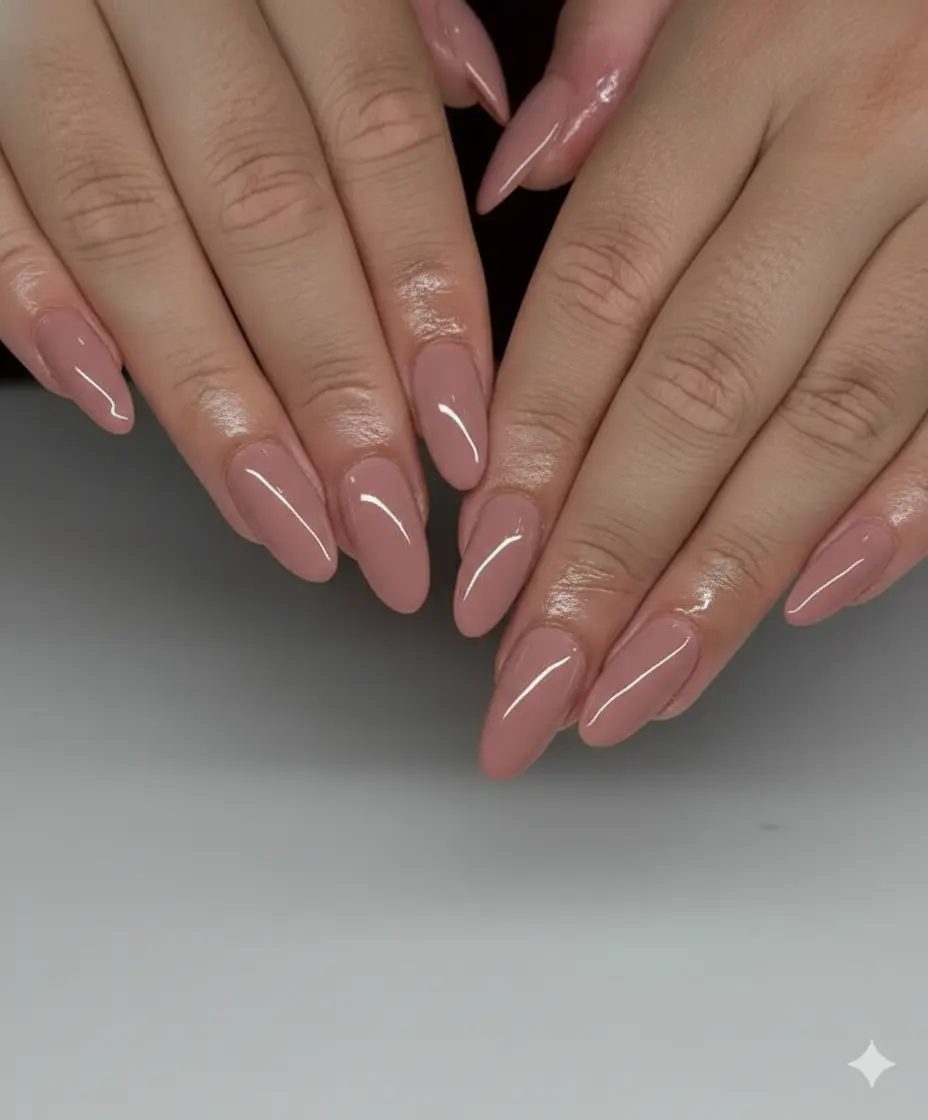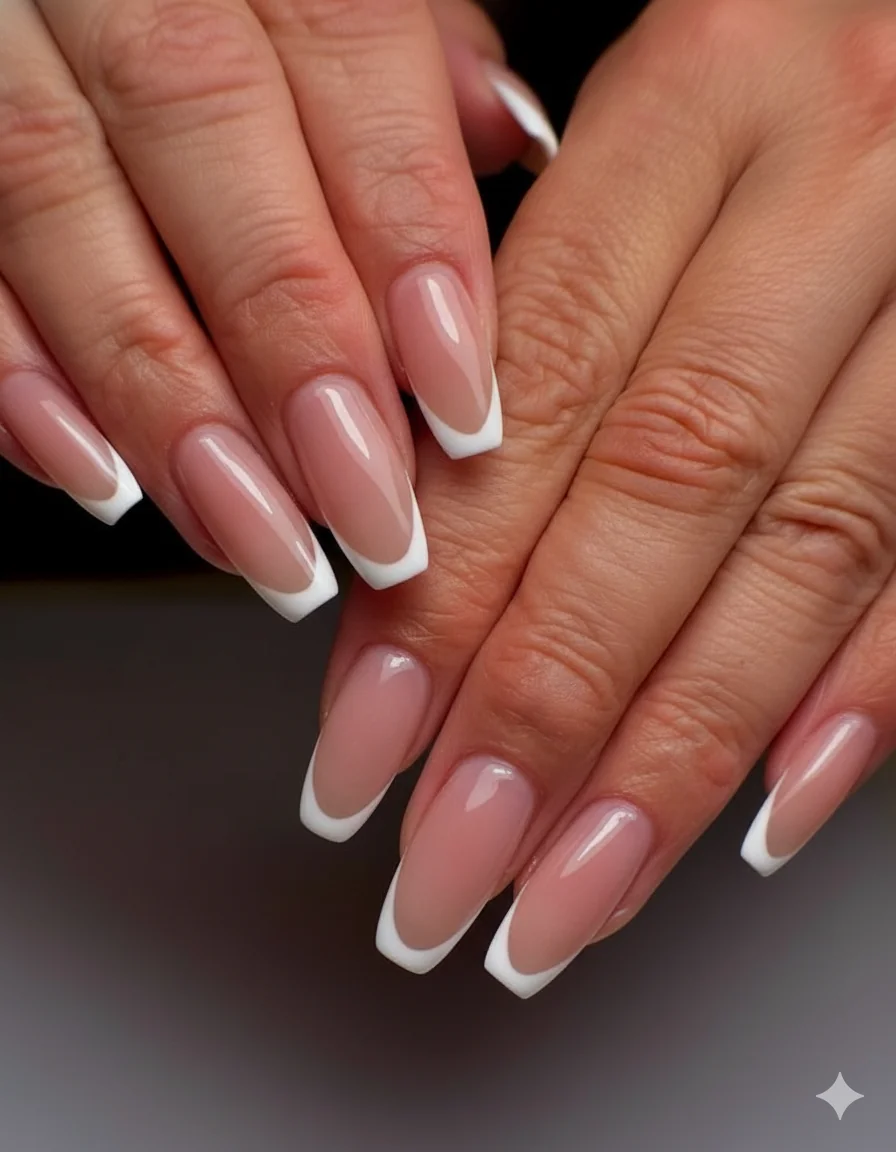
French tip nails for work have held the top spot in professional manicures for fifty years. In 2026, they still do. What has changed is which French tip you should actually be getting because the thick white smile line of the 1990s office and the razor-thin micro French a senior associate books before a client presentation are both technically French manicures. Only one reads as current.
This guide covers the full spectrum: which styles work for which industries, what to do with short nails or a deeper skin tone, how to make any French tip survive the working week, and the one variation to always book for a job interview. For the broader picture on office-appropriate nails across every style, the Work Nails: The Complete Guide to Office-Appropriate Manicures has the rest.
Why French Tip Nails Remain the #1 Work Manicure in 2026
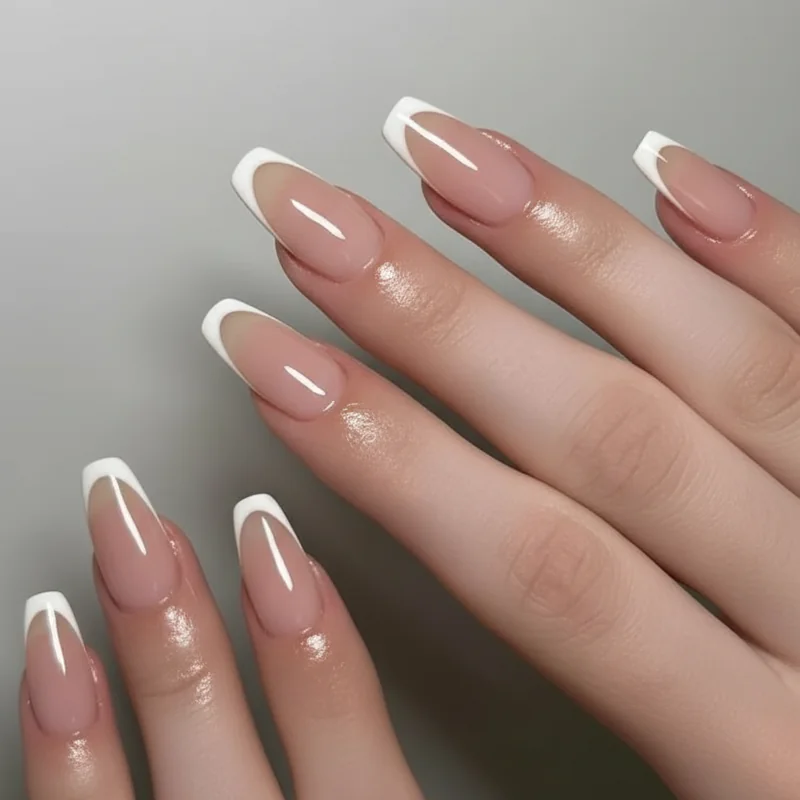
The French manicure guide points to a simple truth: the style was designed, from the start, for women who needed their nails to recede into the background while their work took centre stage. A sheer base and a clean tip signal grooming without announcing themselves. That restraint is what professional settings reward.
In 2026, that logic has only strengthened. Quiet luxury has moved from trend to default in many corporate environments the "clean girl" manicure, milky finishes, tonal neutrals. French tips sit at the centre of all of it. They work across every nail length, every skin tone with the right base, and every workplace culture from BigLaw to a creative studio in East London. No other nail style covers that range.
Is Classic White-Tip French Still Professional or Has It Gone Dated?
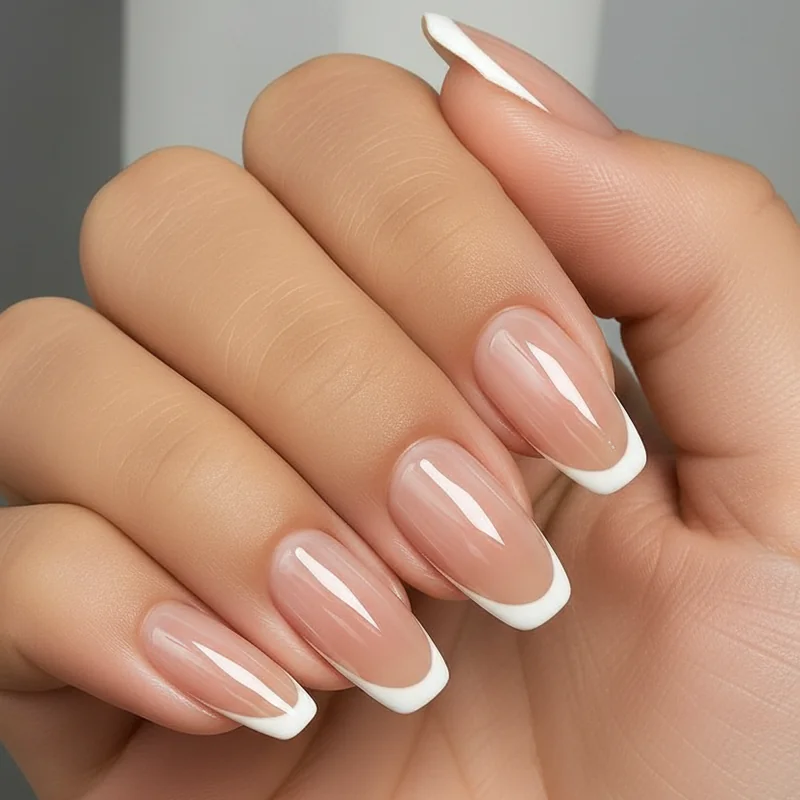
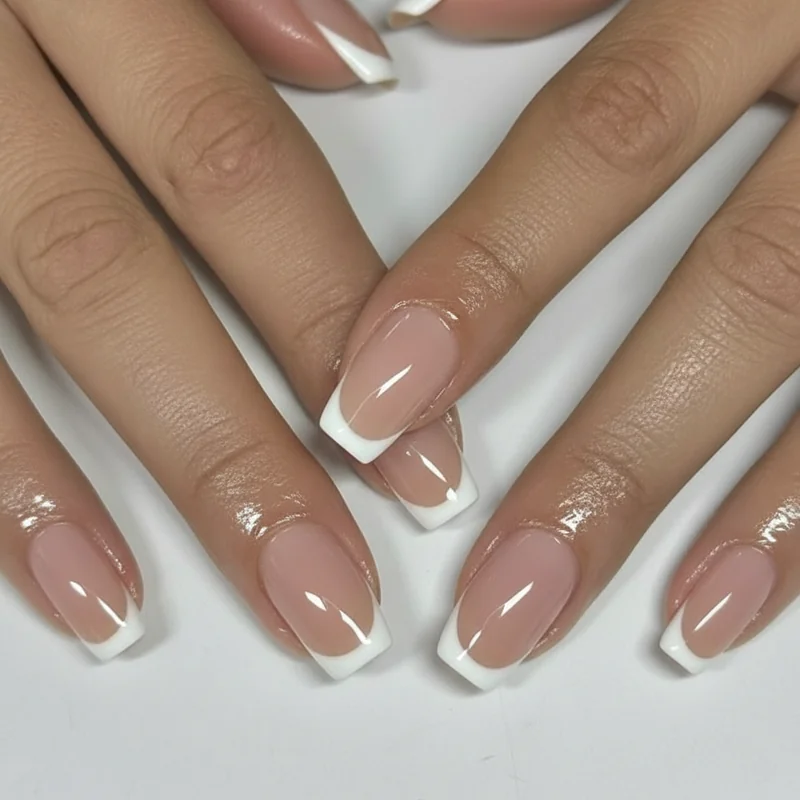
Classic French is not dated. A specific version of it is. A thick, high-contrast white smile line on an almond or square nail reads as early 2000s that is the version people mean when they say "French tips look dated." The same base-and-tip formula executed with a narrower smile line, a sheerer base, and a contemporary nail shape reads entirely differently.
Professional Nails for the Modern Woman: Navigating 2026 confirms it directly: the French manicure remains eternally professional, and the 2026 update is narrower tips and softer bases. The issue was never the French tip. It was the proportions. If your salon is still painting a thick solid-white band across the top third of your nail, ask for a "micro French" or "skinny French" at your next appointment. Same concept, contemporary execution.
The 2026 French Tip Spectrum: From Classic to Micro to Coloured
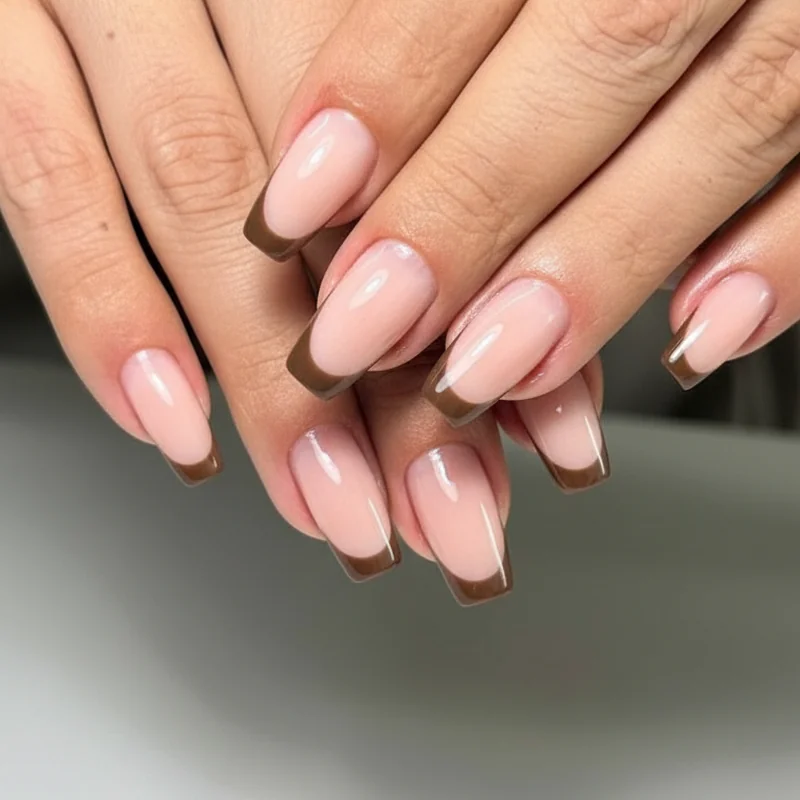
At one end: the invisible French, a sheer base with a tip so faint it simply brightens the free edge. Next, the micro French the current professional default. The smile line is thin and precise, one to two millimetres, on a sheer pink, milky, or nude base. It reads as groomed and modern without broadcasting effort. From there: the baby boomer (soft ombré fade from nude to white), then classic French, and at the bolder end, coloured French tips in navies, mochas, and warm browns squarely work-appropriate in most industries in 2026.
The Summer Nail Trends 2026 confirms the micro French and coloured tip as key 2026 movements with a specifically work-friendly context. For the full range of professional designs beyond French tips, Professional Nail Designs for Work in 2026 covers every category. For screenshot-ready inspo, the French Tip Nails 2026 gallery has 100+ modern designs.
Which French Tip Style Suits Which Workplace?
Industry context is the variable most nail guides ignore. Real professional nail discussions at Corporette make the anxiety clear: women in conservative roles are not asking whether French tips are appropriate they are asking which French tip will not distract.
BigLaw, investment banking, corporate finance: Micro or invisible French only. White or pale ivory tip, sheer pink or nude base, squoval or soft oval shape. Baby boomer is acceptable; anything with warmth or colour in the ombré is less so.
Corporate creative, consulting, marketing: The full spectrum is available. Coloured tips in navy, mocha, and taupe work comfortably. Baby boomer reads as current throughout.
Startups and remote-first roles: Coloured French tips are expected. Reverse French and tonal French are appropriate. The micro French baseline still applies as a minimum grooming signal.
Healthcare and teaching: Short nail length is the priority. Micro French on short squovals professional, practical, grow-out friendly.

French Tip on Short Nails: Why It Works Better Than You Think

Short nails and French tips have a reputation problem they do not deserve. The traditional wide smile line on a short nail is the problem it compresses the nail bed and creates a stubby effect. The micro French does the opposite. A thin tip on a short squoval actually elongates the appearance of the nail bed, adding just enough visual separation to make the nail look intentional rather than bitten-down.
For nurses, teachers, and anyone who types heavily, this combination is the professional baseline. It chips less visibly than coloured polish (the contrast at the free edge is so subtle that even a small chip is not immediately obvious), and it grows out cleanly because the sheer base shows no visible regrowth line.
Choosing the Right Base Shade for Your Skin Tone

The "what french tip base colour suits darker skin tones at work" question is among the most-searched on this topic, and one that almost no competitor answers properly. A stark white tip over a bubblegum pink base on a deeper skin tone reads as artificial the contrast is too high and the base too pink to look natural against medium to deep complexions.
Fair to light skin: Sheer pink base and white tip. Essie Mademoiselle is the standard reference a barely-there pink that keeps the look entirely natural.
Olive and medium skin: A warm nude or milky beige base with an ivory tip is more flattering than a pink-dominant base. The warmth reads as the skin's own undertone rather than sitting against it.
Medium to dark skin tones: A caramel, warm taupe, or peachy-nude base with an ivory or champagne tip creates the most natural professional result. Alternatively, a tonal French tip two or three shades lighter than the base looks genuinely expensive on deeper complexions and is one of the most underrated professional choices available.
Are Coloured French Tips Office Appropriate? (Navy, Mocha, Taupe, and More)

"Can you wear coloured french tips to a corporate office?" Across most modern workplaces in 2026, yes. The colours that cross workplace cultures without friction: navy, mocha, warm taupe, chocolate brown, deep mauve. They are dark enough to look intentional, neutral enough not to draw attention in a client meeting, and sophisticated enough to read expensive rather than trendy. A navy French tip on a milky base at a Zoom call looks like the person wearing it knows exactly what she is doing.
What does not cross: neon tips, high-contrast pastels against a dark base, glitter, rhinestones. The distinction between a sophisticated coloured French and one that reads inappropriate is almost always tip width (thin is always safer) and base neutrality.
Reverse French, Baby Boomer, and Invisible French What's Work-Safe?

Baby boomer: Work-safe in most environments. The soft ombré fade from nude to white creates no sharp contrast line at boardroom distance it reads as a very polished nude nail. For ultra-conservative environments, the crisper micro tip is the safer call, but for most offices, baby boomer is entirely appropriate.
Invisible French: The most conservative option. A sheer base with the faintest free-edge brightening often a pearlescent top coat rather than a separate tip colour. There is no workplace where this is not appropriate.
Reverse French: Requires context. On a short squoval in a neutral accent shade, it works in creative and modern corporate environments. In the most traditional roles, it is noticeable enough to distract. Keep the cuticle accent in the neutral family nude, ivory, pale pink and it reads sophisticated rather than fashion-forward.
Gel, Regular Polish, or Press-Ons: Which Lasts Through the Work Week?

Longevity matters more for French tips than any other manicure style. The contrast between a white tip and a sheer base means even a small free-edge chip is visible at arm's length. A chipping solid nude is nearly invisible. A chipping French tip in a client meeting is not.
Gel French is the baseline recommendation. CND Shellac and OPI gel systems last two to three weeks chip-free with proper free-edge sealing. The Best Gel Nail Polish for Work guide covers the best systems in detail. BIAB is the upgrade structurally thicker, three to four weeks chip-free, and meaningfully more resistant at the free edge. Worth the additional cost for women who type heavily or travel frequently.
Regular polish is a midweek risk for French tips. The exposed free edge will show wear before the week is out for most working women.
Press-on French tips in 2026 are fully viable. Salon-quality sets with nail glue look identical to gel on close inspection. The Press-On Nails for Work guide addresses the professionalism question directly they read as professional when applied well, and they are ready in fifteen minutes.
How to Make Your French Tip Manicure Last Longer at Work

The how to make french tip nails last guide goes deep on technique the core principle across every system is free-edge sealing. Ask your nail technician to wrap every coat slightly around the tip of the nail. This closes the gap where lifting and chipping begin, and it is the single most effective instruction you can give at a salon appointment.
Daily cuticle oil keeps the skin flexible and reduces the micro-stress that causes gel to lift at the sidewalls. Apply it at your desk ten seconds, measurable improvement in lifespan. Book your infill at three weeks rather than four. The week-three-to-four window is where most French tip chipping occurs.
French Tips for a Job Interview: Which Variation to Choose

Micro French or invisible French. That is the interview recommendation, without qualification. An interview is not the moment to test whether a potential employer shares your taste in mocha French tips the goal is to remove every possible distraction from what you are saying.
A razor-thin white or ivory smile line on a sheer base in a squoval or soft oval communicates exactly one thing: this person is put-together. What nail artists call the "skinny french" is the interview standard for a reason. It reads as professional across every industry, every region, every seniority level. Not a compromise. The most refined version of the style.
Save the navy tips and baby boomer for after the first ninety days.
The French Tip Is Not Going Anywhere. Update the Proportions.
The debate about whether French tips are dated rests on a false premise that "French manicure" means one specific style. It does not. The micro French, the invisible French, the tonal French, the baby boomer, the navy coloured tip: these are all French manicures. The most sophisticated professional manicure you can book in 2026 is a micro French in gel on a squoval, with a base shade matched to your skin tone. It photographs well, grows out cleanly, and will not distract from a single word you say in a meeting.
That is not a compromise. That is the point of the style. For everything else on the work nails spectrum, the Work Nails: The Complete Guide to Office-Appropriate Manicures covers it all.