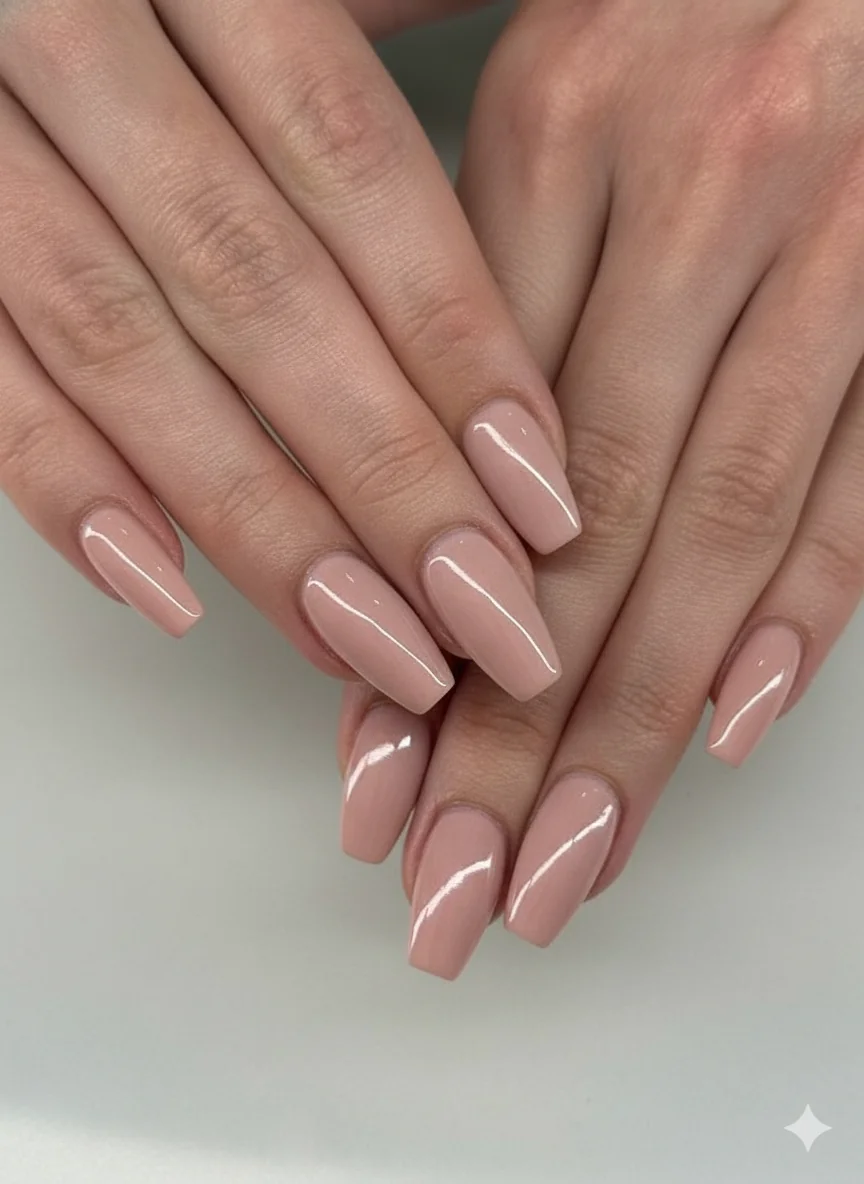
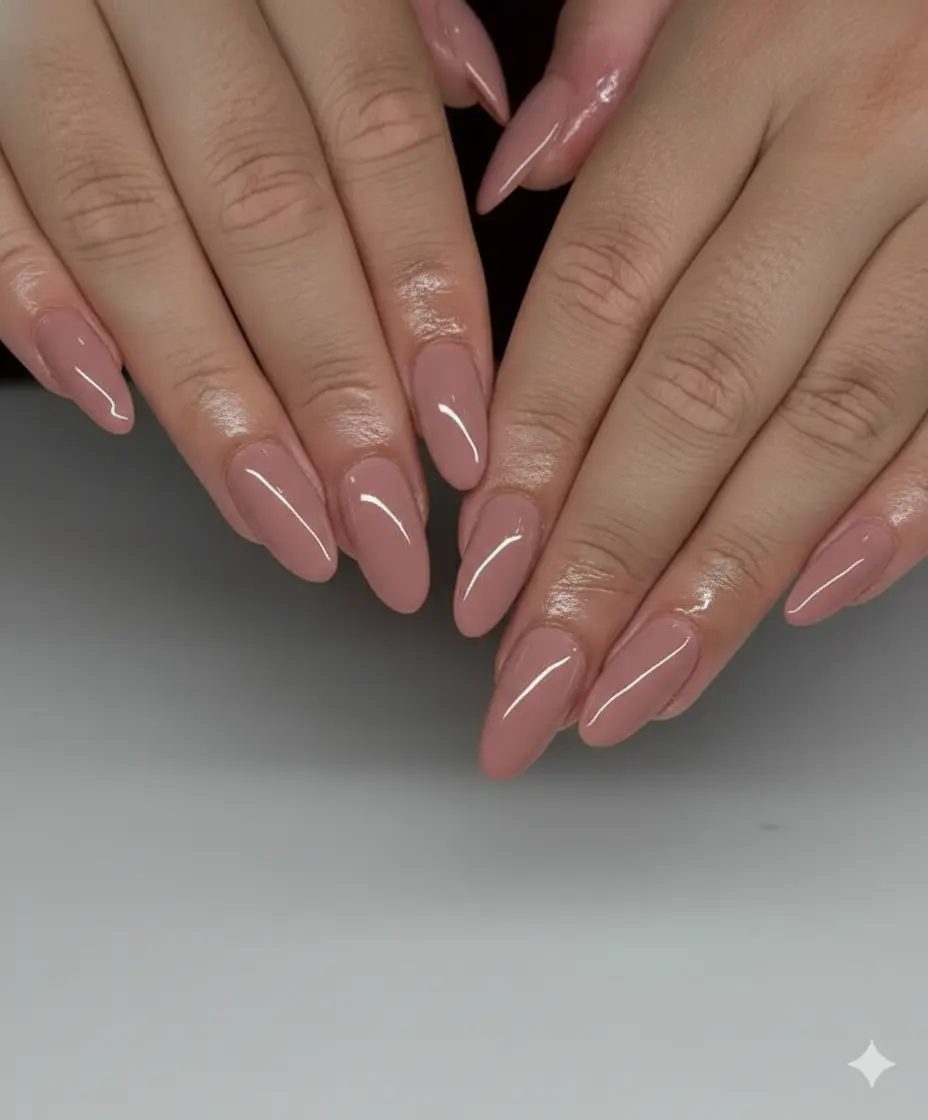
The question isn't really "gel or acrylic." The question is: which one survives your actual workday without becoming a thing you have to think about?
Gel vs acrylic nails for work is one of those comparisons that should have a clear answer by now, and yet most of what you'll find online is a chemistry lesson wrapped in stock photography, with zero acknowledgement that you type for six hours a day, touch-up your hand sanitiser between every client, and genuinely cannot afford to lose a nail on a Tuesday. This post is not that. It's a work-specific decision guide, written for the professional woman who already knows the basics and just needs someone to tell her which system actually makes sense for her job.
For the broader picture on office-appropriate nail choices, Work Nails: The Complete Guide to Office-Appropriate Manicures is where to start, this post goes deeper on the system comparison specifically.
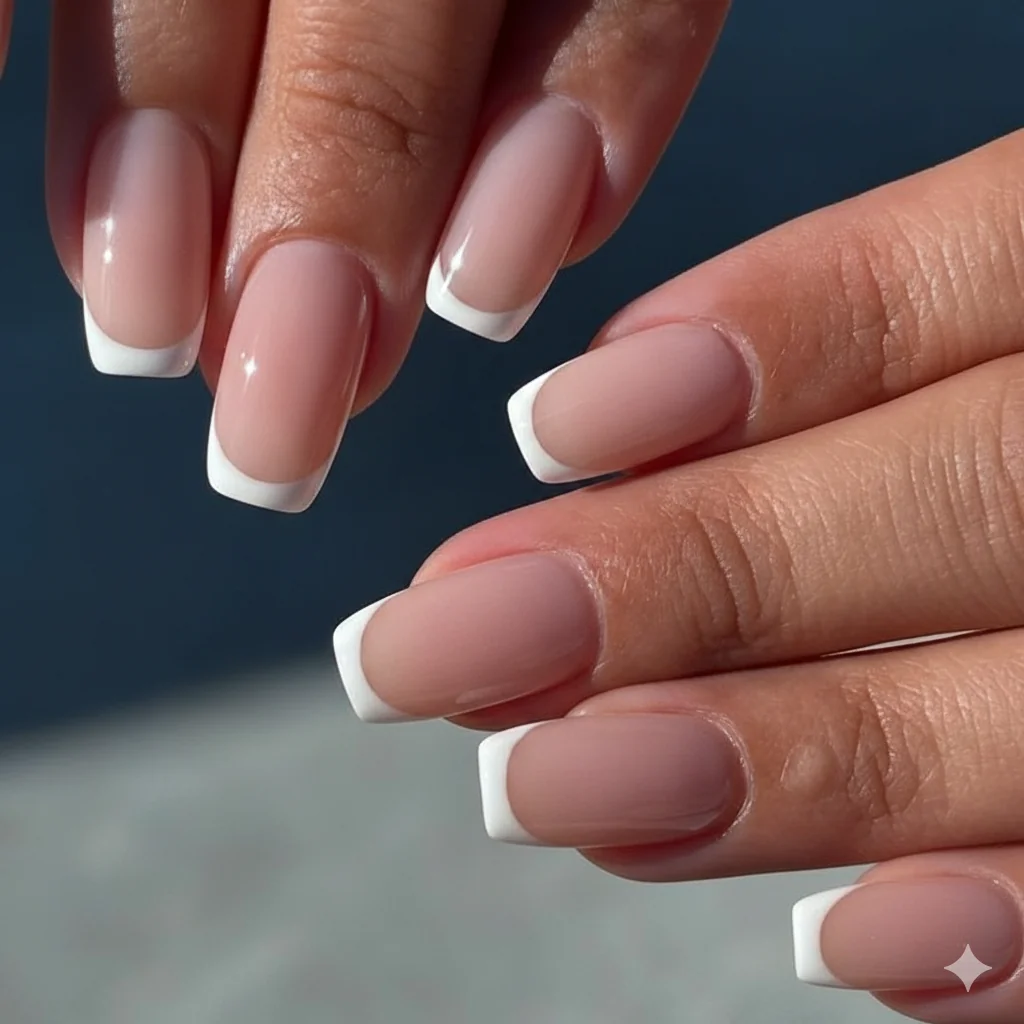
The Real Question: Which Looks More Natural and Professional in an Office?
Finish, not formula, is what most offices actually judge.
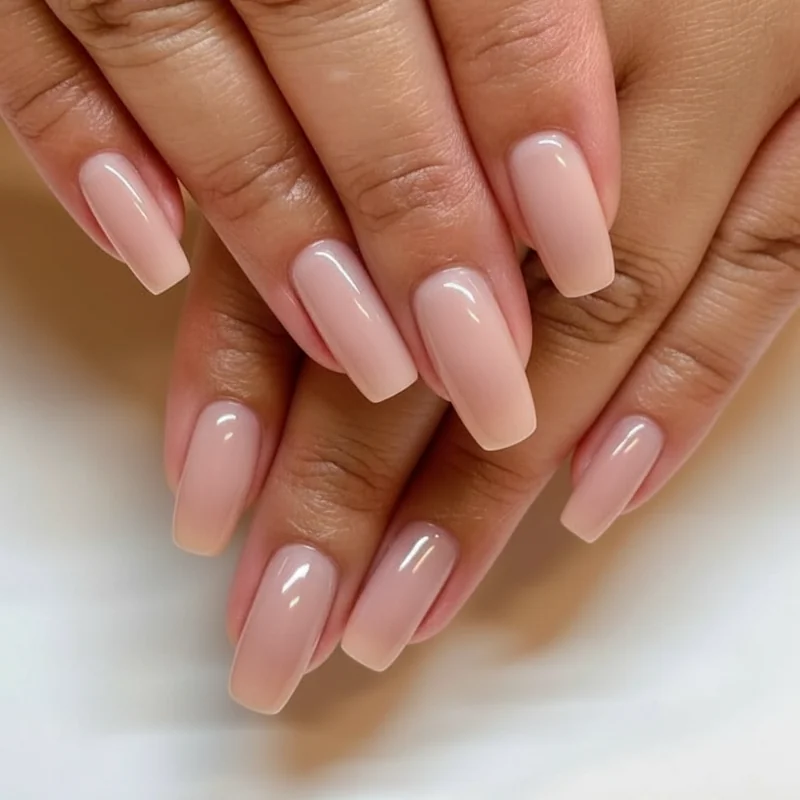
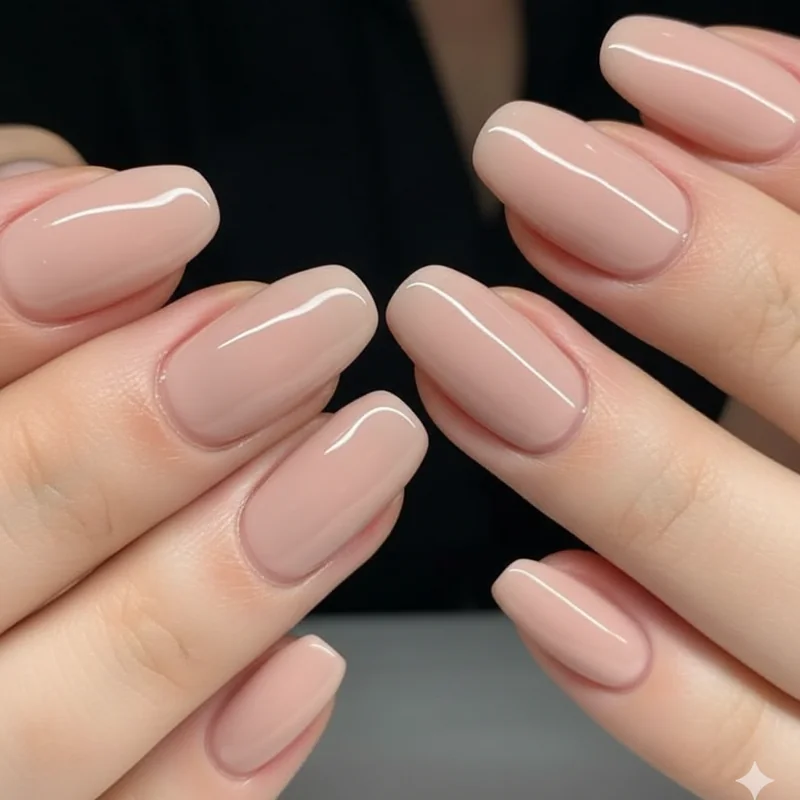
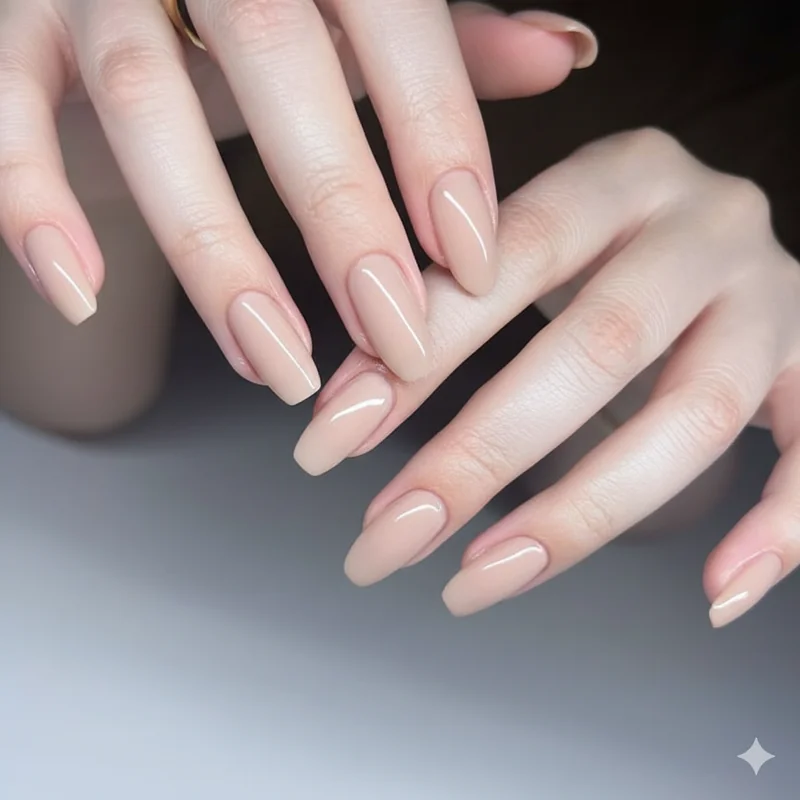
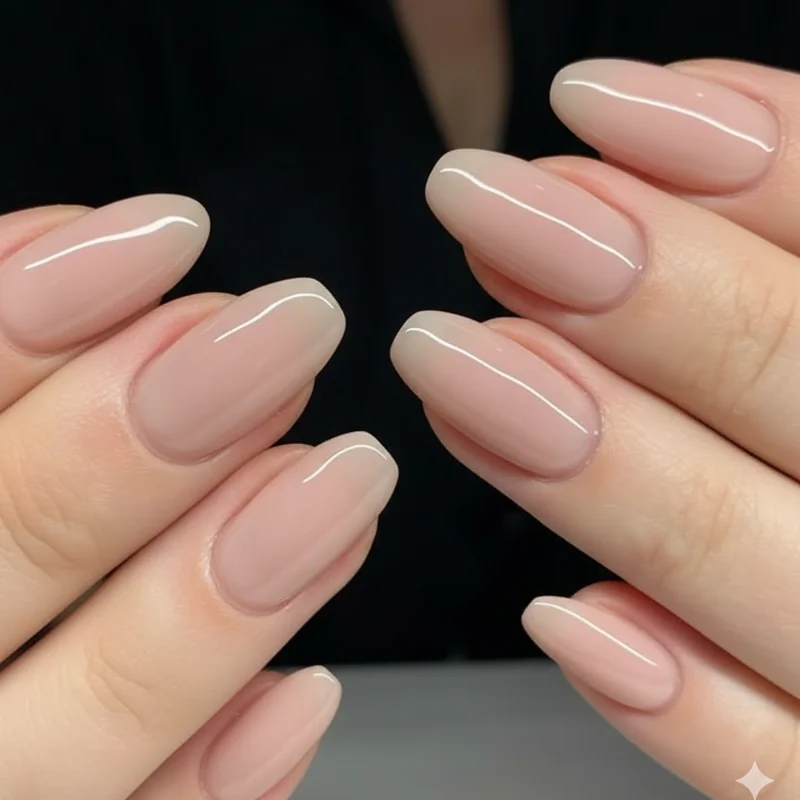
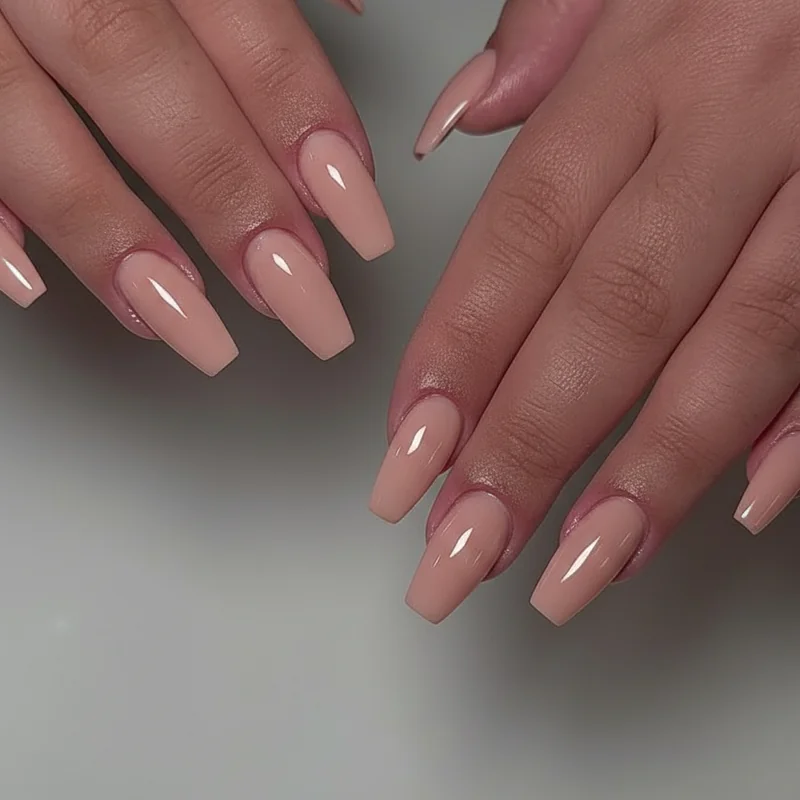
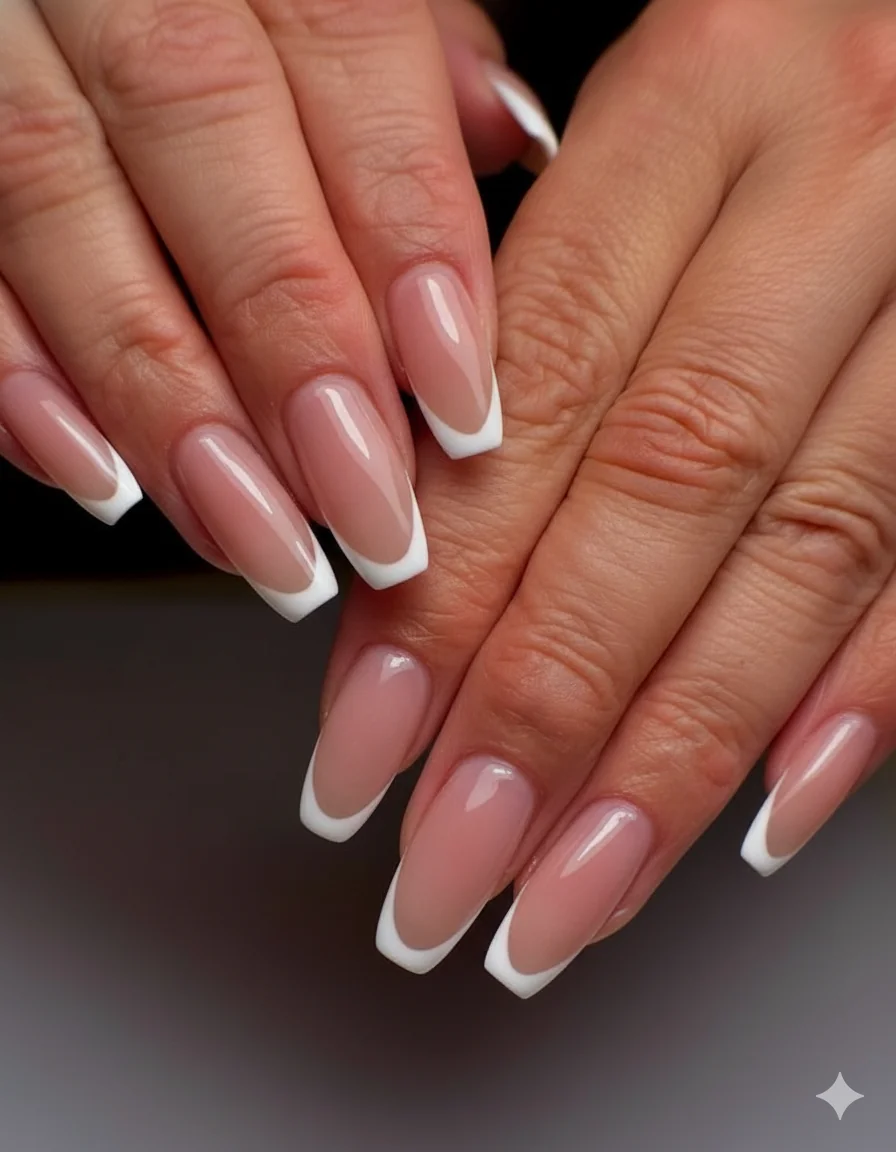
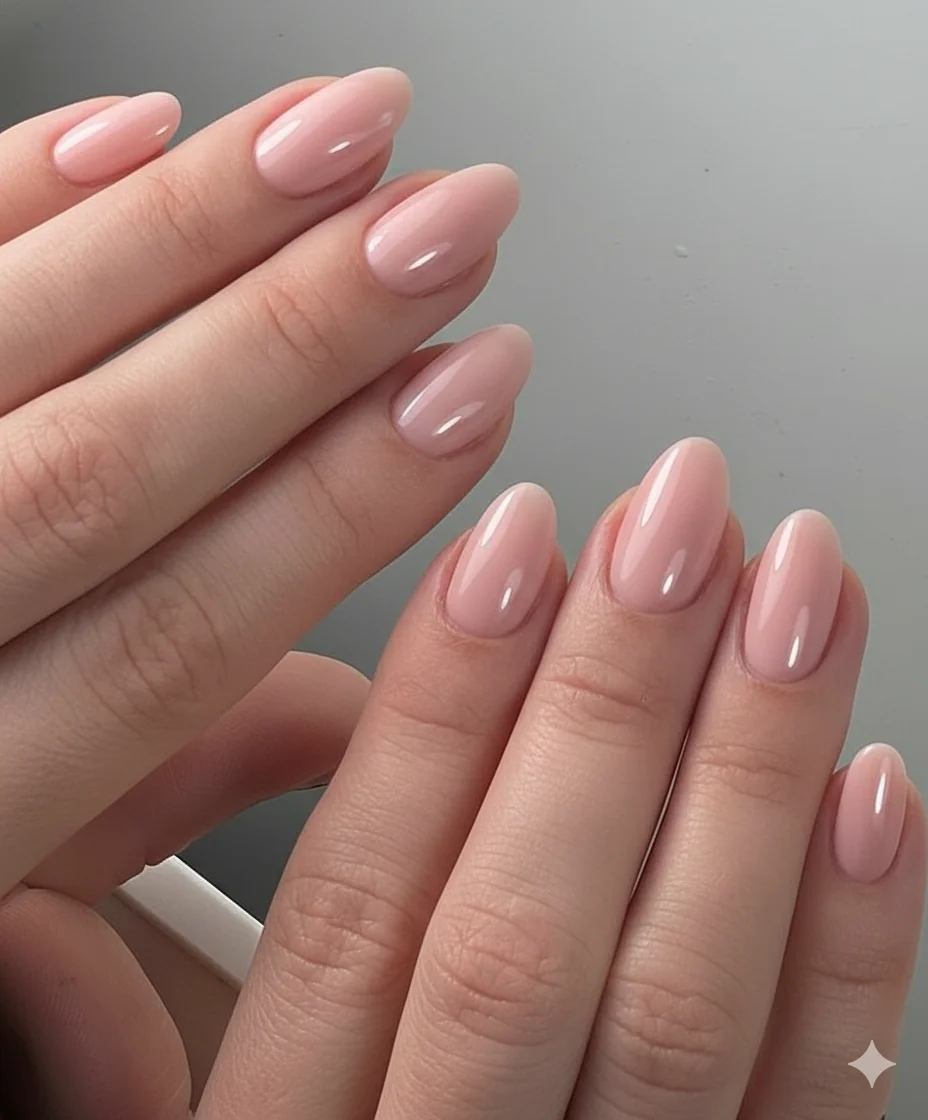
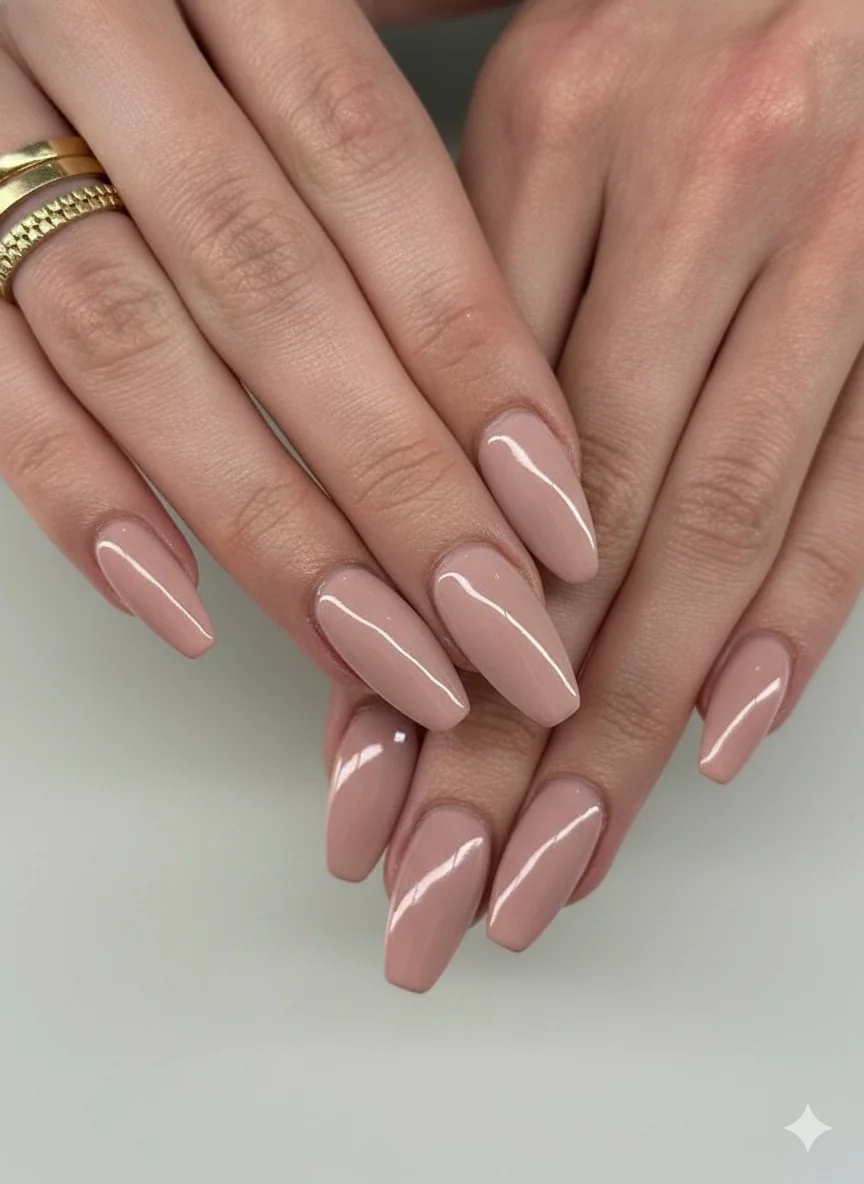
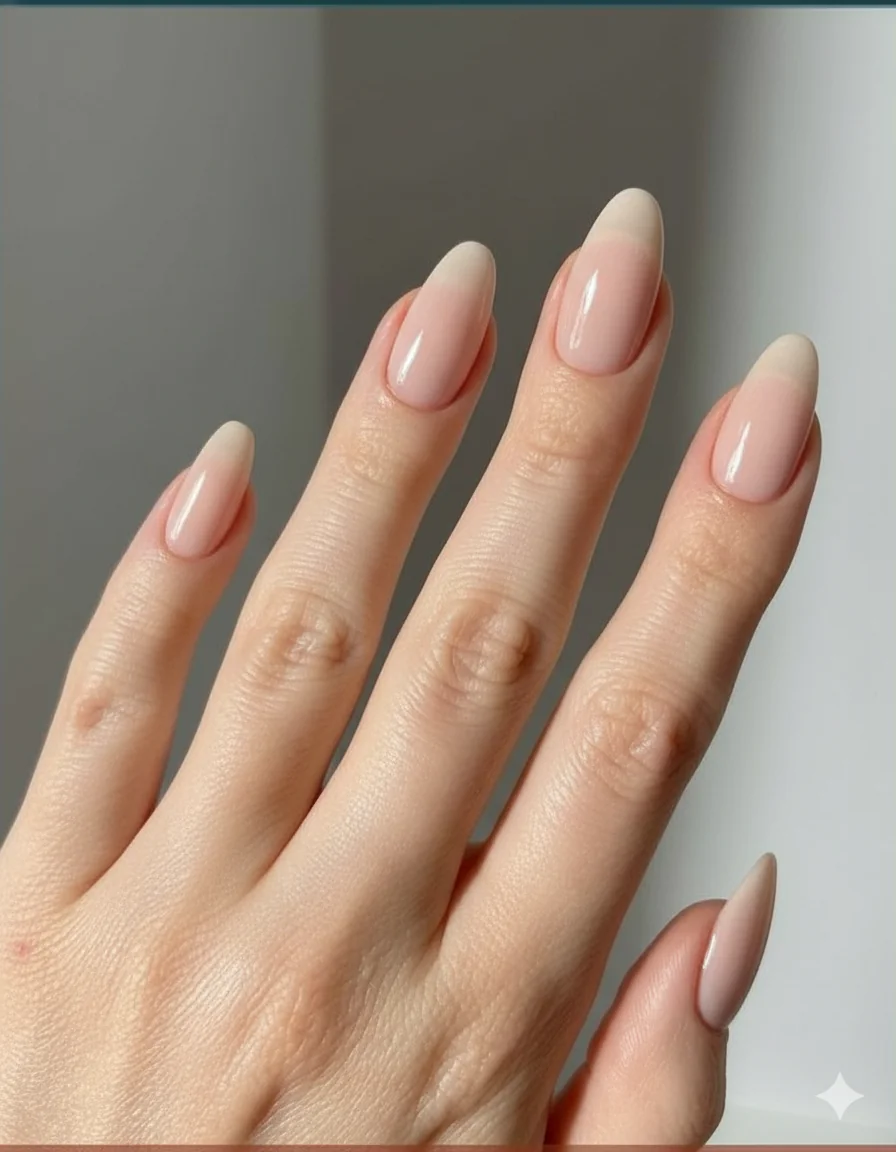
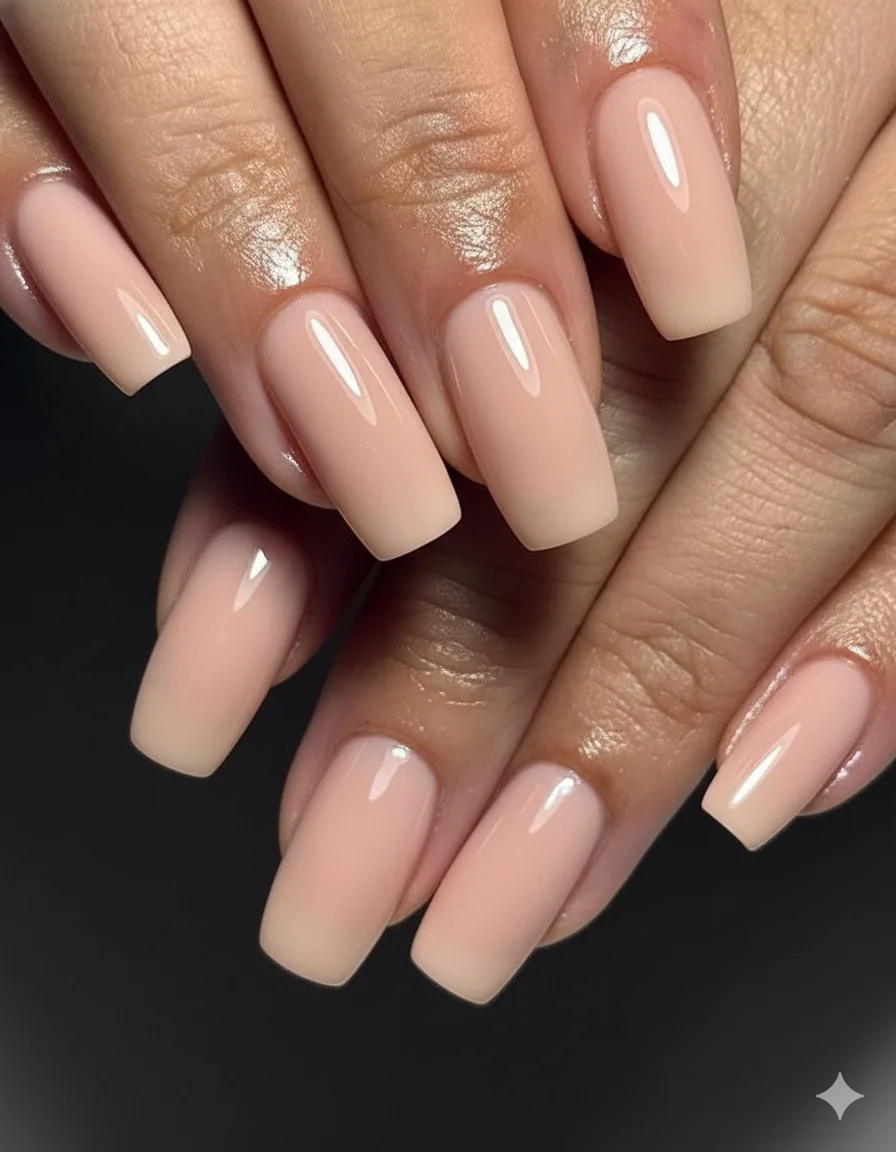
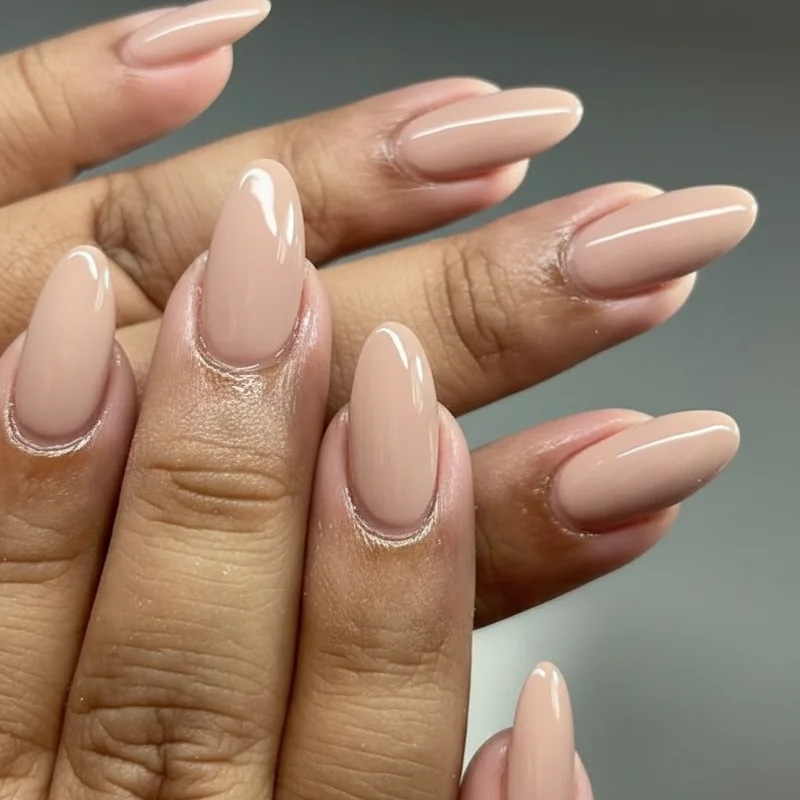
Gel systems, overlays, builder gel, Gel-X extensions, produce a thinner, more translucent result that sits close to the natural nail. The surface has a slight flexibility to it, and the finish reads as "polished" rather than "done." For a corporate or client-facing role where the unspoken standard is groomed-but-not-obvious, gel is the easier choice.
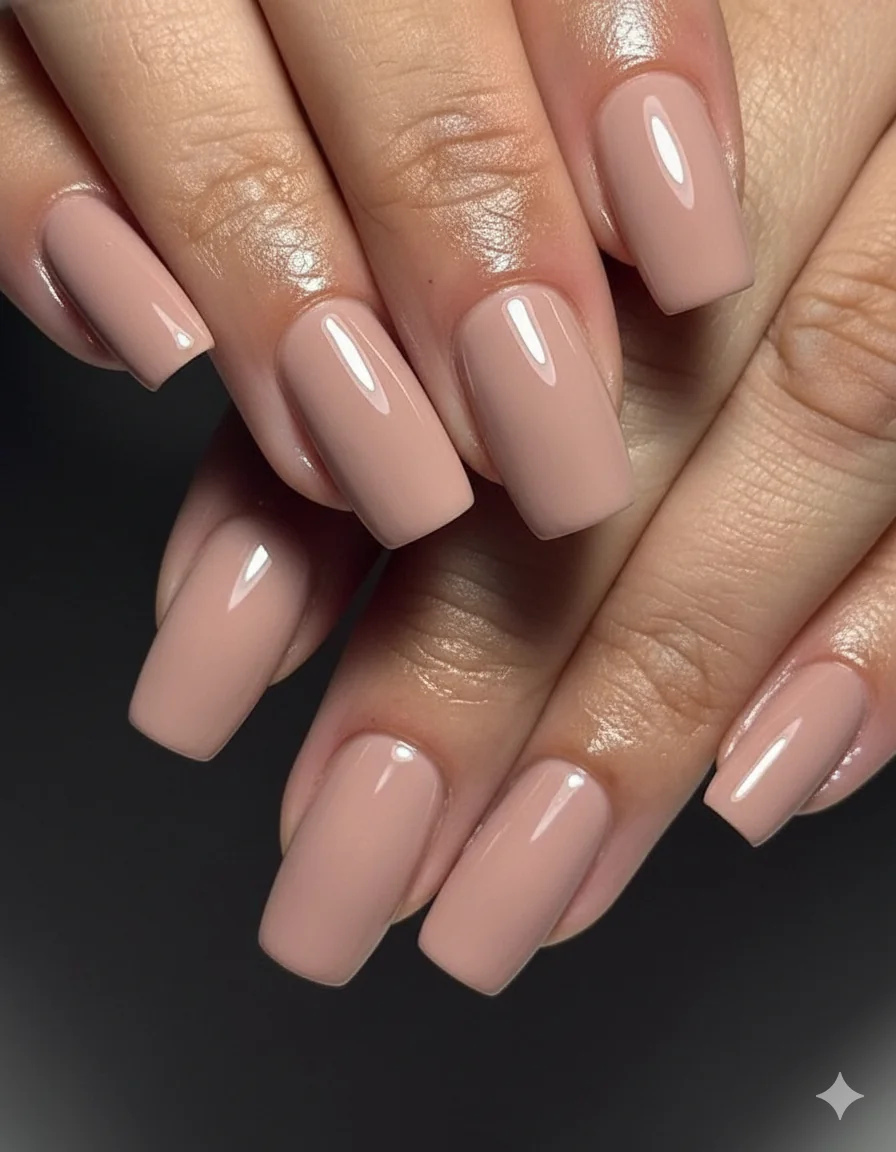
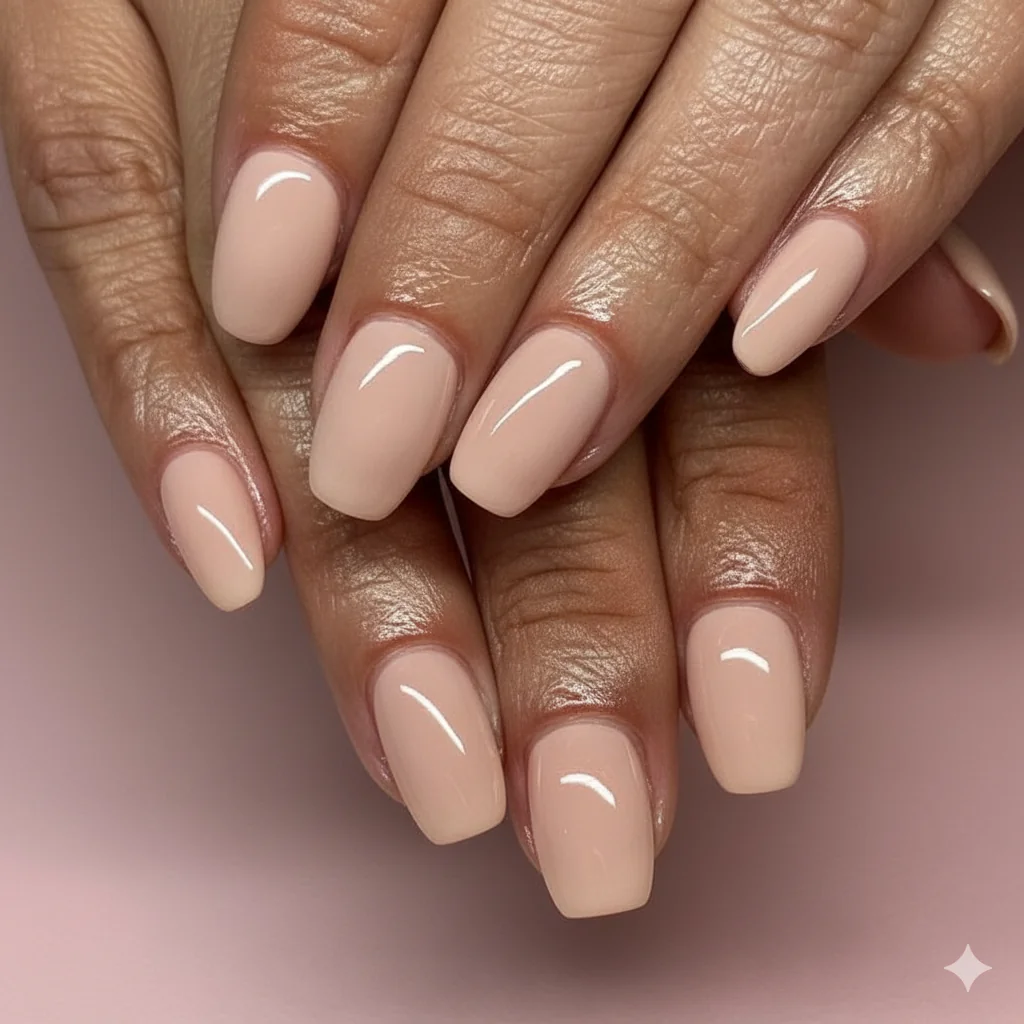
Acrylic's reputation for looking "fake" is almost entirely a length and maintenance problem, not a chemistry one. A short, freshly filled acrylic set with a sheer nude or natural finish is functionally indistinguishable from gel in most meeting rooms. The issue is when acrylics grow out without a fill, the gap between the enhancement and the cuticle is more visible on acrylic than on softer gel systems, and that grown-out look is what reads as careless in a professional setting.
L'Oréal's comparison of gel and acrylic finishes notes that gel consistently produces a lighter, more natural-looking result because of the way it photopolymerises, it cures to a smooth, slightly flexible finish rather than the denser, harder surface acrylic creates.
The honest answer to "which looks more professional": gel, for zero effort. Acrylic, if your nail tech is good and you're consistent with fills. Length, in both cases, does more for your professional appearance than the system underneath ever will. Short Nails for Work: Why They're the Smartest Office Choice makes the case for keeping both systems short, it's still the single best thing you can do for office-appropriate nails.
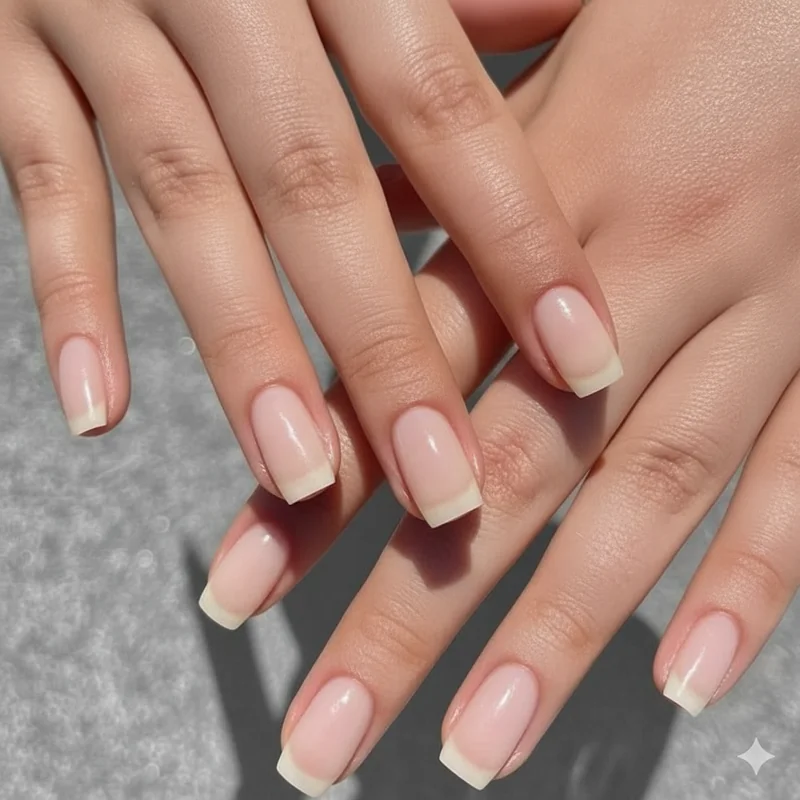
What's Actually Different Between Gel and Acrylic, The Short Version Working Women Need
Skip the chemistry. Here's what matters for your day-to-day.
Gel is a polymer that cures under UV or LED light. It stays slightly flexible when set, which means it moves with your natural nail rather than against it. Standard gel polish is a colour coat only, no structural strength. Gel overlay adds a thin layer of protective gel over the natural nail without adding length. Builder gel (BIAB) is thicker, adds structure, and can be used to create short extensions.
Acrylic is a two-part system: liquid monomer and powder polymer that air-cures into a hard, durable surface. It's stronger than soft gel at longer lengths, holds its shape under more pressure, and can be sculpted into extensions of almost any length. The trade-off is a harder, less flexible finish, and the monomer odour during application, which does matter in an open-plan office if you're getting them done in a nail bar nearby.
The practical upshot: gel is lighter on the finger, more comfortable for extended keyboard use, and easier on the natural nail at removal. Acrylic is harder, more durable under impact, and generally holds up better in high-contact environments. Both can look identical once a colour coat is applied. Neither is inherently more "professional", that's a maintenance and length conversation, not a formula one.
Which Holds Up Better When You're Typing All Day?
"Can I even type with these?" is the question nobody in beauty editorial ever answers directly.
The honest answer: yes, you can type with both, but the experience differs. Gel overlays and short gel extensions sit closer to the nail plate and have a slight give, which makes them virtually unnoticeable during keyboard use. Acrylic is harder and more rigid, and at even medium lengths you'll feel the contact point change slightly. It's not unmanageable; typing professionals with acrylics adjust their technique without thinking about it after a few days. But if you're someone who types fast and accurately matters to your job, the lighter feel of gel is genuinely better.
Length is the variable that actually controls your typing comfort, not the system. As real professionals note across forums like Corporette and Glassdoor: "gel is better for keyboards, acrylic is better for heavy hands." That's not a criticism of acrylic, it's just an acknowledgement that the harder, denser finish changes the tactile experience at the keyboard. If you're on a laptop six hours a day and accuracy matters, gel at short-to-medium length is the smarter call.
professional nail supply guide to gel vs acrylic confirms that the flexibility differential between soft gel and acrylic is most apparent in daily use situations, which is exactly what keyboard work represents.

Does Hand Sanitiser Really Ruin Gel Nails? (And What It Does to Acrylics)
This is the most underreported practical concern in every gel vs acrylic guide, and it has a real answer.
Alcohol-based hand sanitiser breaks down the bond in soft gel systems over time. The alcohol acts as a solvent, gradually weakening the adhesion between the gel layer and the nail plate. For someone who uses hand sanitiser occasionally, this is a non-issue. For someone in healthcare admin, hospitality, or any role where sanitiser is applied multiple times an hour, the cumulative effect is real, lifting, separation, and mid-week wear that doesn't reflect how fresh the set is.
Nail technicians who work with hospital and clinical clients consistently report this. One professional community discussion on the subject captures it plainly: repeated use of strong alcohol-based sanitiser causes gel adherence to fail faster than normal wear would.
Acrylic is more resistant to this degradation. The polymer structure is denser and less permeable, so repeated sanitiser exposure doesn't break down the bond as quickly. This is a genuine acrylic advantage for roles where hand hygiene is constant, not a small one. It's also why some healthcare administrators and hospitality managers specifically choose acrylic over gel despite gel's more natural appearance.
The workaround for gel wearers: apply sanitiser to the palm of your hand and rub it in rather than spraying or dispensing it directly onto the fingers. It sounds minor but it meaningfully extends wear. And if sanitiser exposure is truly constant in your role, multiple times per hour, every day, acrylic or builder gel is the more practical system, full stop.
For a full picture on nail health and enhancement wear over time, The Complete Nail Care Guide covers removal risks and what to watch for with long-term enhancement wear.

Maintenance Schedules: Which Fits a Busy Work Life Better?
The salon visit you can't fit in is the manicure that starts looking neglected.
Standard gel polish: 2–3 weeks before visible wear or growth becomes noticeable. Non-negotiable if you want it to look intentional. For someone with a packed diary, that's a frequent commitment.
Gel overlays and builder gel (BIAB): similarly 2–3 weeks, though a well-applied builder gel set can push to three weeks more comfortably than gel polish because of the structural layer. Infill appointments for builder gel are typically 30–45 minutes, faster than a full acrylic appointment.
Acrylic fills: 3–4 weeks is entirely workable with a good nail tech. The fill itself, not a full removal and reapplication, takes an hour or less, and at three-week intervals it's a manageable schedule. The product is resilient enough that the set doesn't deteriorate as visibly as gel polish does approaching that three-week mark.
The real question is whether you're someone who actually makes it to the salon every two weeks. If yes, gel is seamless. If your schedule is unpredictable and you sometimes push appointments, acrylic or builder gel gives you more grace without looking like you've forgotten about your nails.
For product-specific options that work well within a tight schedule, Best Gel Nail Polish for Work: Long-Lasting Office Manicures That Won't Chip covers the gel side of this in detail.

Do Acrylic Nails Look "Too Done" for a Conservative Office?
The stigma is real. Whether it's fair is a separate question.
In conservative professional environments, law firms, finance, certain corporate cultures, the concern isn't really about acrylic the material. It's about the visual associations that come with a certain style of acrylic nail: long, thick, sculpted, with very obvious enhancement depth at the free edge. That look exists, and in some offices it genuinely reads as incongruous with the dress code signal those environments are trying to send.
The community discussion at professional women's community discussion on office nails makes this precise distinction: long, "clicky-clacky" nails draw professional scrutiny, but the same professionals confirm that short, well-maintained nails in neutral colours are unremarkable regardless of system. The line is length and upkeep, not the chemical composition.
Short, freshly filled acrylic with a sheer nude or ballet-pink finish in a square or slightly rounded shape passes completely unremarked in most conservative offices. The risk is grow-out. An acrylic set at day 18 without a fill starts to show the gap at the cuticle more obviously than gel, and that visible grow-out is what actually reads as careless, not the acrylic itself.
The real conversation for conservative offices isn't gel vs acrylic. It's about whether you can maintain either system consistently. And for length guidance that crosses both systems, Professional Nail Length for Work: What's Appropriate and What's Too Long is the clearest framework available.

Which Is Better by Job Type: A Quick Decision Guide
Nail techs who see a full client roster know this: the right system changes completely depending on what someone does for eight hours a day.
Corporate office, desk-based, mostly typing: Gel overlay or builder gel. The natural finish, keyboard comfort, and 2–3 week schedule align well with a structured office environment. If your office is conservative, gel's more natural appearance does the professional optics work without any effort.
Client-facing roles (sales, account management, consulting): Either works, but gel overlay or Gel-X at a natural length reads as polished and intentional. Clients notice grooming, not system chemistry. The priority here is chip-free, grow-out-free, consistently maintained.
Healthcare administration or clinical-adjacent roles: Acrylic or builder gel, kept very short. The sanitiser resistance of acrylic is a practical advantage in high-hygiene environments. Note: clinical healthcare roles in most hospital trusts and NHS settings prohibit nail enhancements entirely for infection control reasons.
Hospitality management, front-of-house leadership: Acrylic is the traditional choice for durability, but Gel-X or builder gel now offer comparable wear. Constant hand contact, washing, and customer-facing work favours a harder-wearing system.
Finance, law, traditionally conservative sectors: Gel overlay for the natural appearance, kept short, neutral colour. If you prefer acrylic, it works, but the maintenance discipline has to be consistent. Visible grow-out at week three will draw more attention than the system underneath.
Creative industries, tech, media: More latitude here. Both systems in either direction. The professional standard is "intentional and maintained" rather than "natural and neutral."
For a deeper cut on industry-specific guidance, Professional Nails for the Modern Woman: Navigating 2026 maps workplace nail decisions specifically by sector.
The 2026 Update: Gel-X and Builder Gel Changed the Comparison
The traditional gel vs acrylic binary is no longer the full picture.
Builder gel, specifically BIAB (Builder In A Bottle), has become the most recommended system for professional women in 2026 among nail technicians who work with office clients. It sits in the gap between standard gel polish and traditional acrylic: more structural than gel polish, more natural-looking than acrylic, fillable like acrylic, soak-off removable like soft gel. For someone who wants durability without the density of acrylic and a more natural look than traditional gel extensions, it is the strongest recommendation.
Gel-X is different again. It uses pre-formed soft gel tips, full-cover extensions that are adhered and cured under UV/LED. The result is thinner, lighter, and more natural-looking than acrylic extensions, with a finish that sits closer to the natural nail. The trade-off is that Gel-X is designed to be fully removed and reapplied rather than filled, which affects the maintenance calculation slightly. For professional women who want the appearance of natural nails with some added length and structure, Gel-X at short-to-medium length is a genuinely good option in 2026.
Neither of these were widely available or understood five years ago. If your comparison has been "gel or acrylic" and you haven't asked your nail tech about builder gel or Gel-X specifically, you may be choosing between two options when three or four exist. The right answer to "which is better for office workers, gel nails or acrylic nails" in 2026 might actually be: neither, it's builder gel.

Cost, Breakage, and the Practical Realities Nobody Talks About
The less glamorous end of the comparison, but often the most deciding.
Cost: Initial acrylic sets typically cost more than a gel overlay appointment. Fills are comparable, though acrylic fills at good salons run slightly higher. Over a year, gel overlay at bi-weekly intervals and acrylic at three-weekly intervals can come out similarly priced depending on your salon and location. Builder gel sits in the mid-range. What changes the calculation is how often you break a nail.
Breakage and repair: Acrylic is more rigid, which means when it does break, it tends to break more completely, but a single nail repair at the salon is quick and cheap. Gel, being more flexible, tends to crack or lift rather than snap cleanly, and lifting can be harder to address mid-week without a salon visit. If you're hands-on in your job and breakage is a real risk, acrylic's repairability is a genuine advantage.
The mid-week nail emergency: This is the scenario nobody plans for but everyone encounters. Breaking a nail at work on a Wednesday before a Thursday meeting is a different problem depending on your system. Acrylic: most nail techs can fit a single nail repair in 15 minutes, the match is usually very good, and you walk out with a complete set. Gel: a broken gel overlay can be repaired with nail glue and a clear gel top coat as a temporary fix, but the texture match is imperfect. Builder gel sits closer to acrylic in repairability.
The practical reality: both systems require maintenance discipline to stay professional. The professional women who look consistently good in either gel or acrylic are the ones who treat the fill appointment as non-negotiable, not optional. The system matters less than that habit.

The System That Fits Your Work Life Is the Right System
Here's the thing about this comparison: the answer was never going to be "gel is always better" or "acrylic wins." It was always going to be "it depends on what you actually do from nine to five."
For most office workers who type, meet clients, and occasionally forget their salon appointment, gel overlay or builder gel is the better default. It looks more naturally polished with less effort, is more forgiving on a keyboard, and the removal process is gentler. For women in hands-on, high-sanitiser, or physical roles, acrylic or builder gel is the more durable, more practical call. For anyone who has been having the gel vs acrylic conversation without considering builder gel or Gel-X: ask your nail tech. The 2026 category often makes the original debate irrelevant.