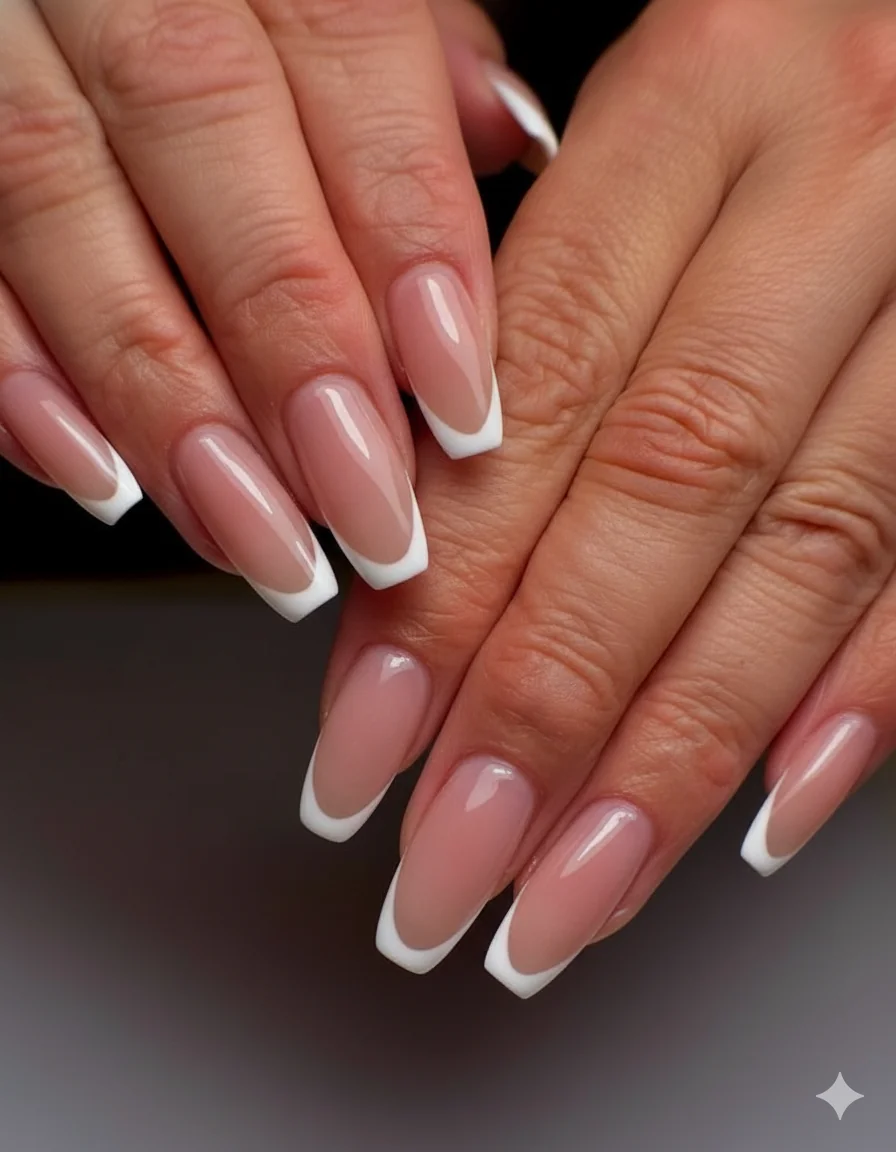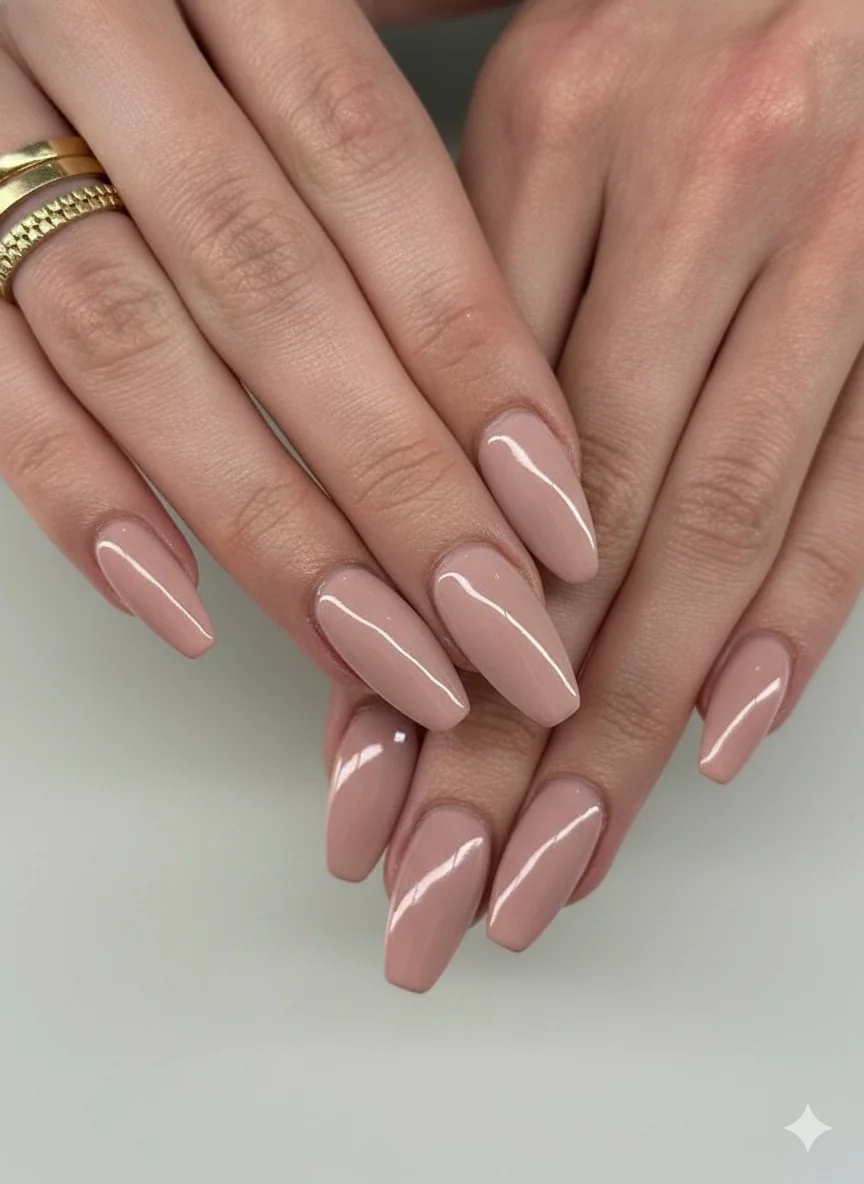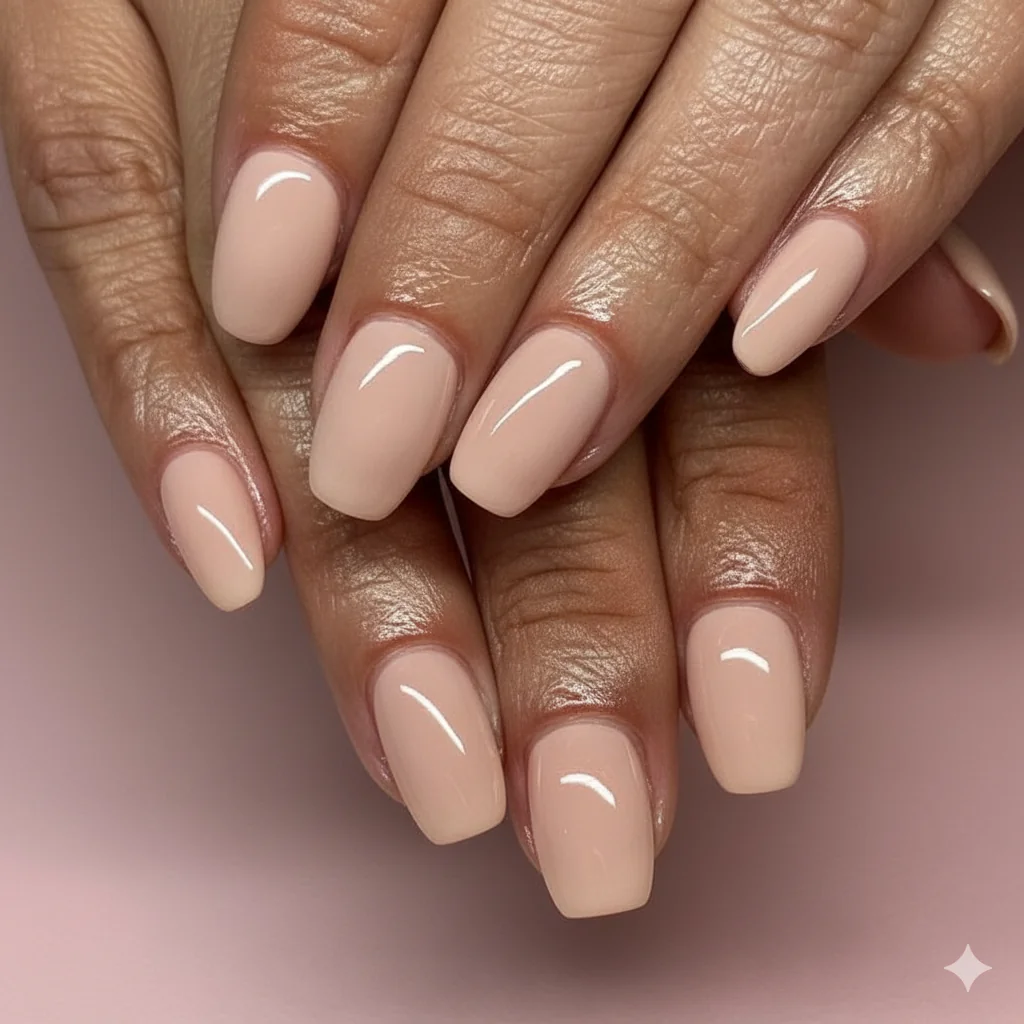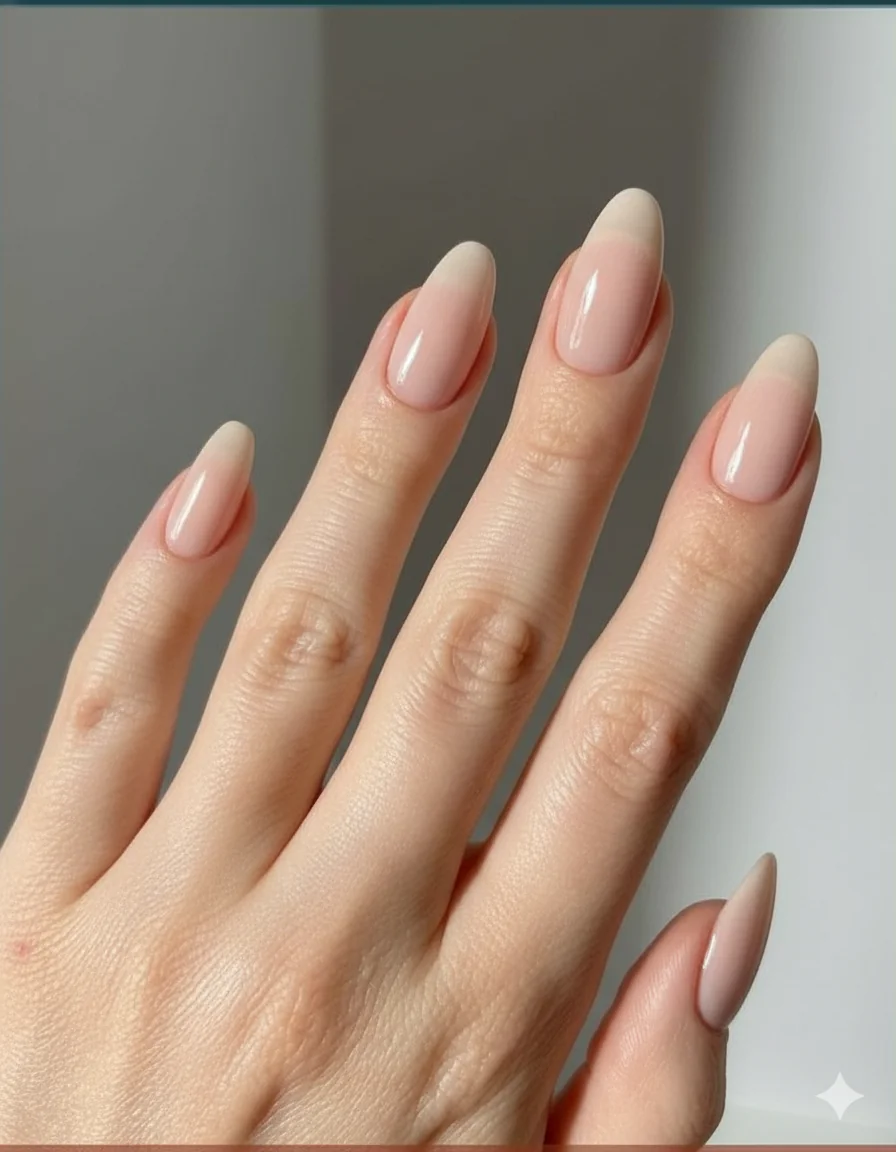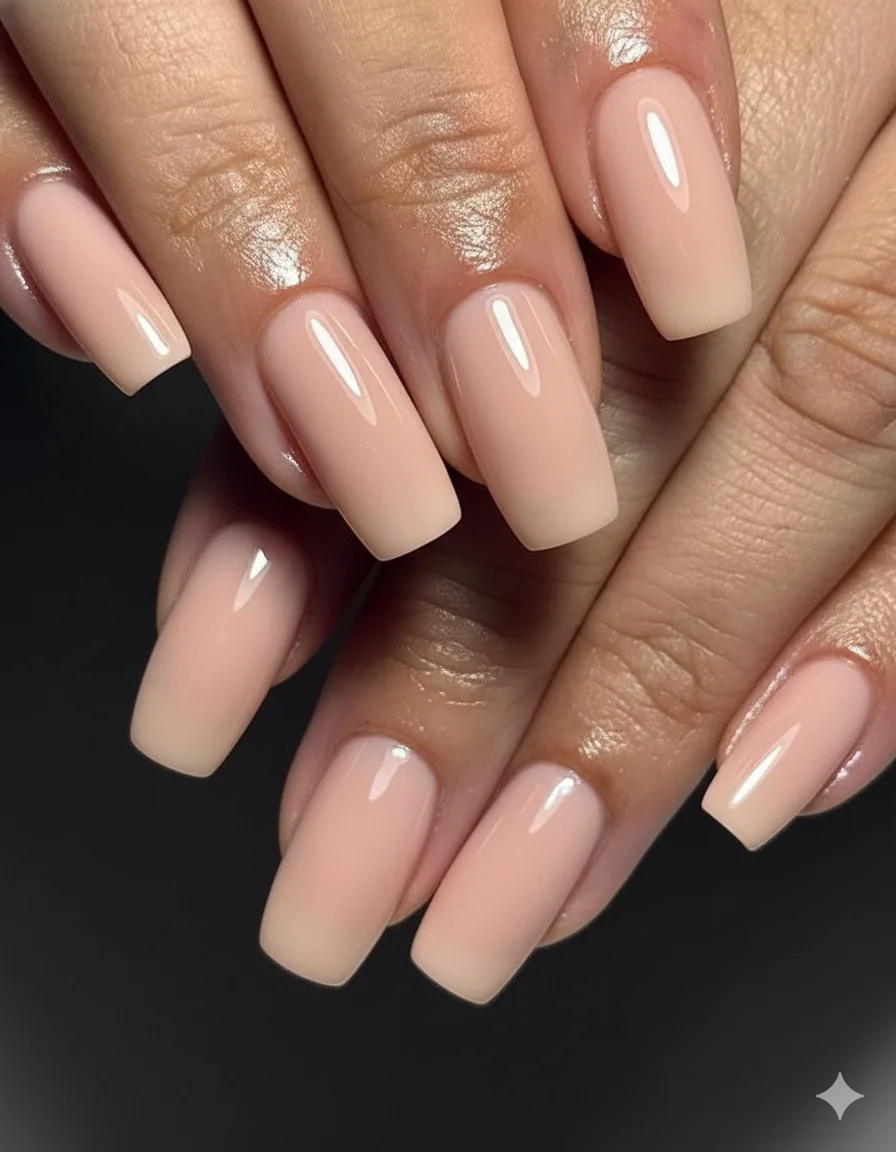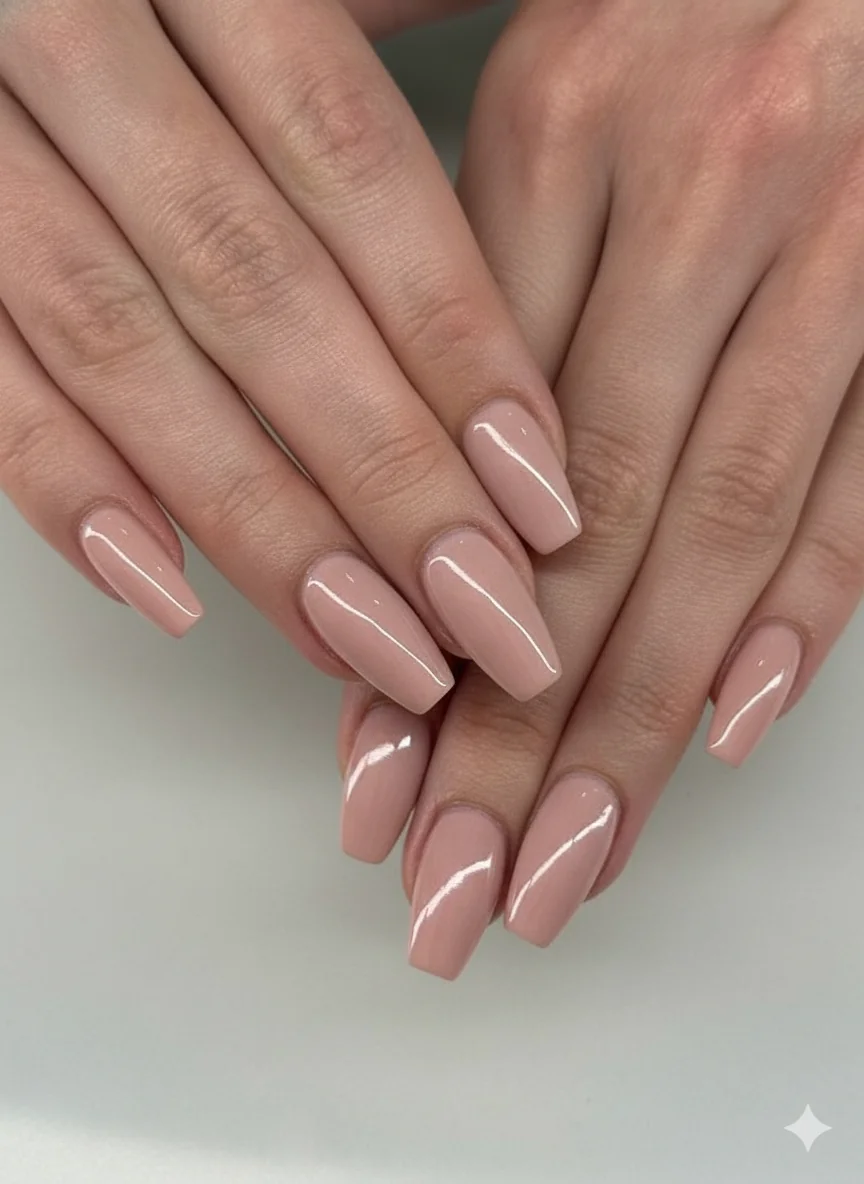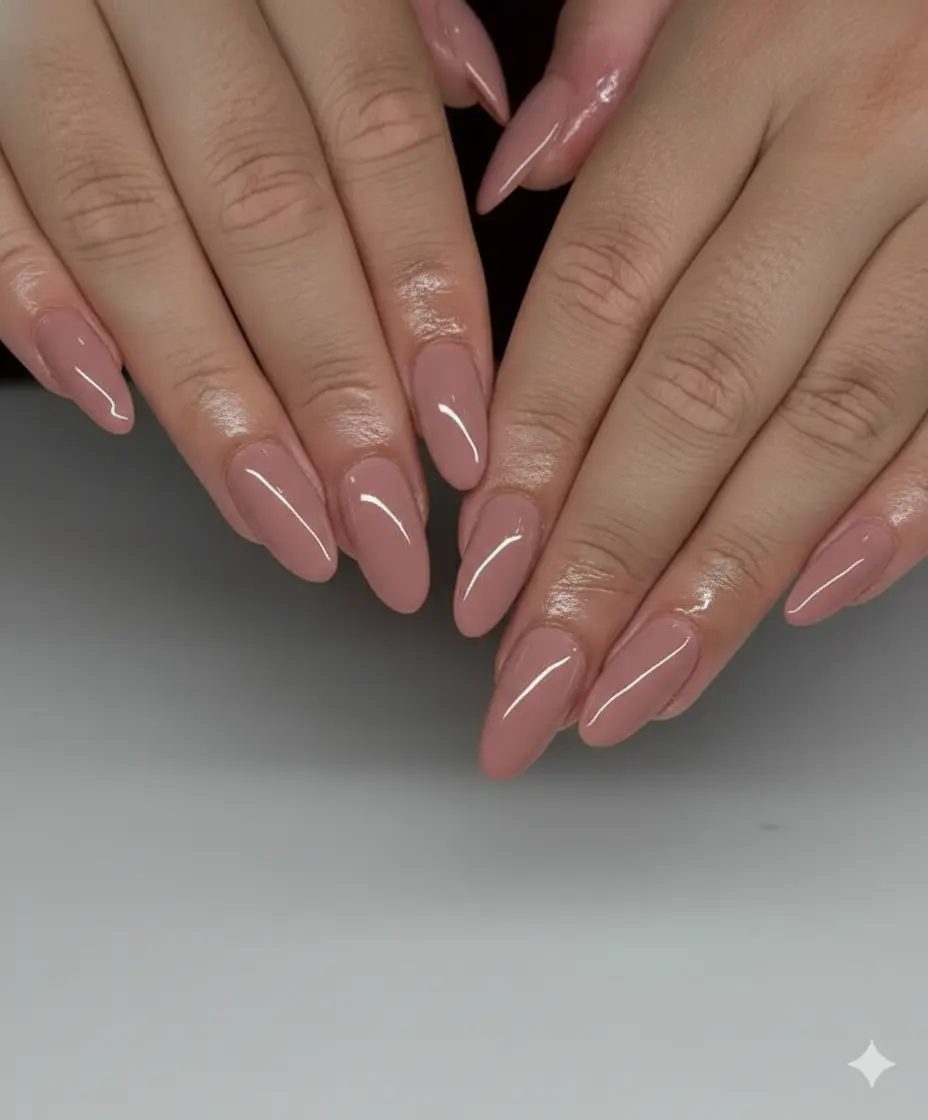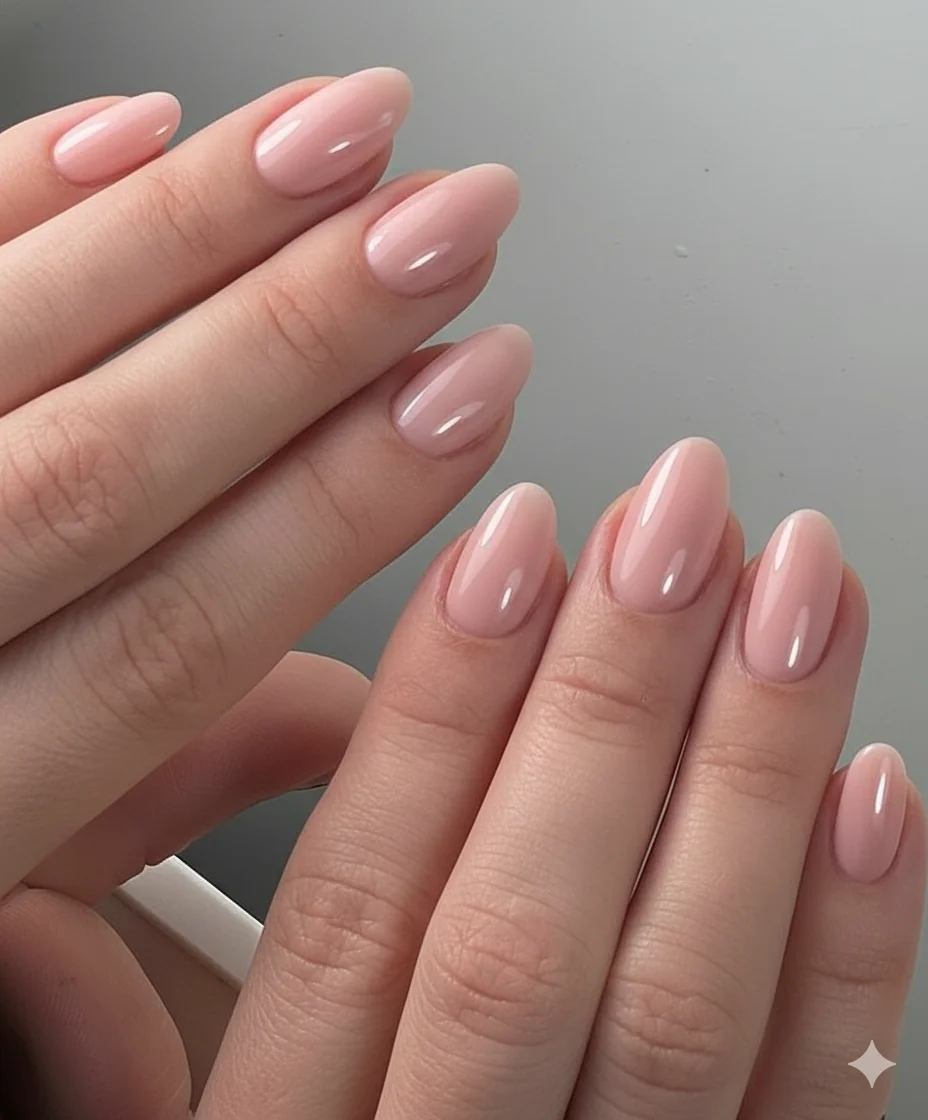
Shape is not a neutral choice. Walk into a boardroom with coffin nails and something has already been communicated before the handshake, before the presentation, before anyone has registered what colour they are. Nail shapes for work matter because shape carries social meaning, and in professional environments, that meaning runs on a fairly legible set of signals.
This guide gives you clear verdicts. Not "it depends" with no follow-up criteria, but actual guidance on which nail shapes for work hold up across industries, which are borderline, and which will quietly work against you. It covers the shapes themselves, then the profession-specific and hand-type overlays that most guides skip entirely. If you want the full picture on work nails and office-appropriate manicures, that's the broader starting point but if shape is the specific decision you're wrestling with, you're in the right place.
Does Nail Shape Actually Affect How Professional You Look?
More than most people realise and in a more specific way than colour does.
Colour is legible to everyone. Someone can tell you that a deep red reads bolder than a nude without knowing a single thing about nails. Shape is subtler. Most people couldn't name what they're reacting to, but they're reacting. A tapered, elongated nail reads as groomed-for-leisure. A clean squoval reads as groomed-for-work. Neither is right or wrong as a personal choice, but one lands better in a conference room.
The reason comes down to proportion and practicality signals. Squoval, round, and oval shapes suggest that the wearer uses their hands. They look like nails built for a person who types, files, opens things, and shakes hands. Dramatic shapes coffin, stiletto, long almond suggest the opposite, however unfair that read might be. Shape is shorthand, and professional environments run on shorthand.
The honest answer to "does it matter?" is: yes, but not as much as length. A long oval is riskier than a short coffin. Shape and length work as a system, which is why the most useful guidance always addresses both. For now, the short version: keep the free edge in check, and keep the shape in the territory that signals practicality. The rest of this guide tells you exactly where that territory starts and ends.
The Professional Verdict: Which Shapes Work at the Office (and Which Don't)
The clearest possible answer to "what is the most professional nail shape for work":
Professional wear with confidence: Squoval, oval, round, short square.
Borderline context-dependent: Short almond, soft square (2–4mm free edge maximum).
Avoid in conservative or client-facing environments: Coffin, stiletto, long almond, any pointed shape.
That's the framework. The sections below explain the reasoning behind each verdict because "squoval is professional" without the why is exactly the kind of guidance that leaves you back at the search bar three days later.
Squoval Nails for Work: Why Nail Techs Call This the Professional Standard
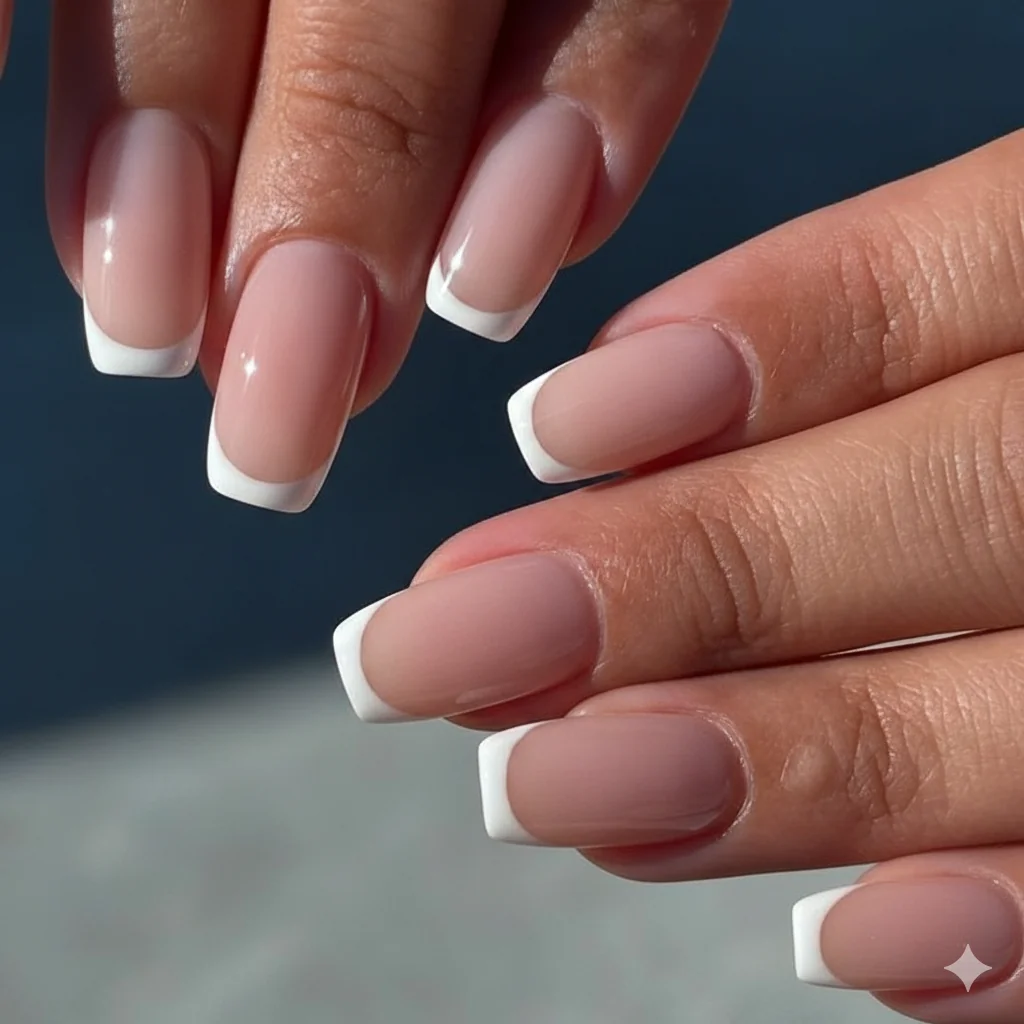
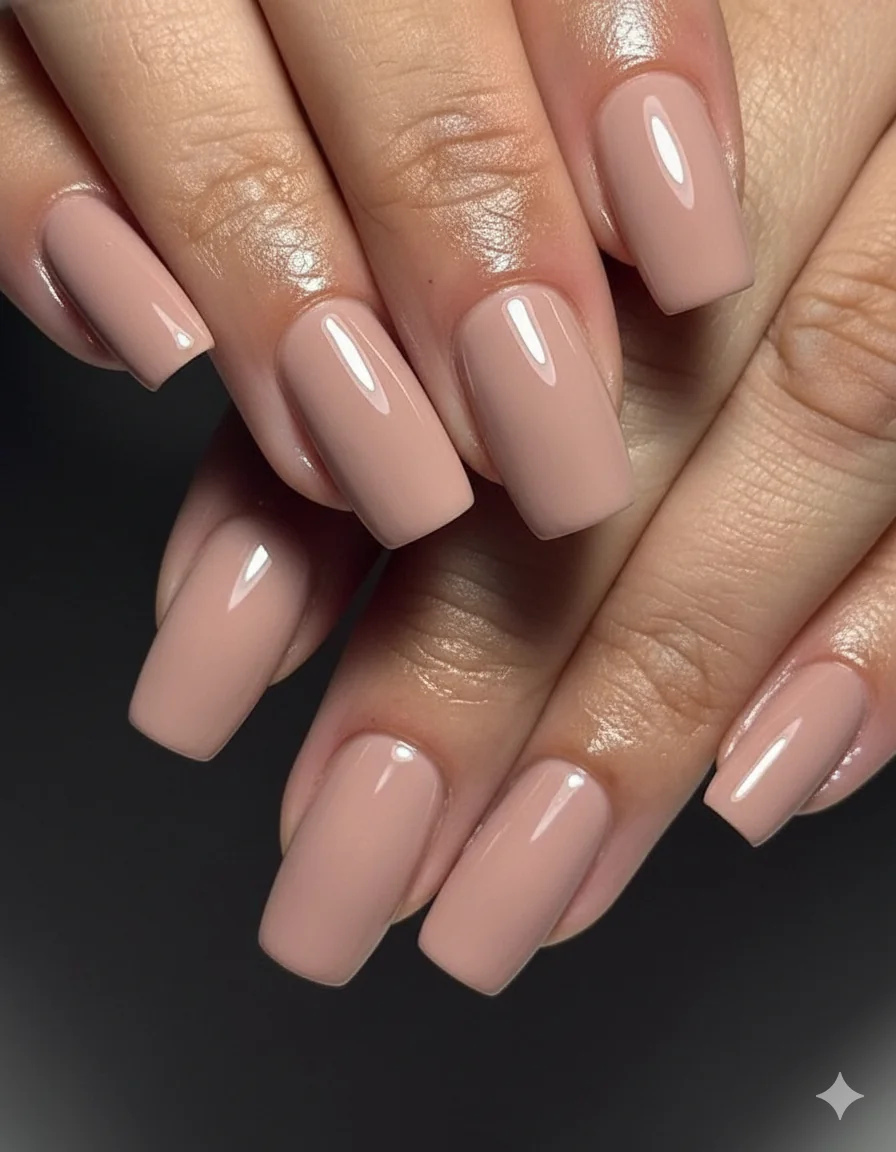
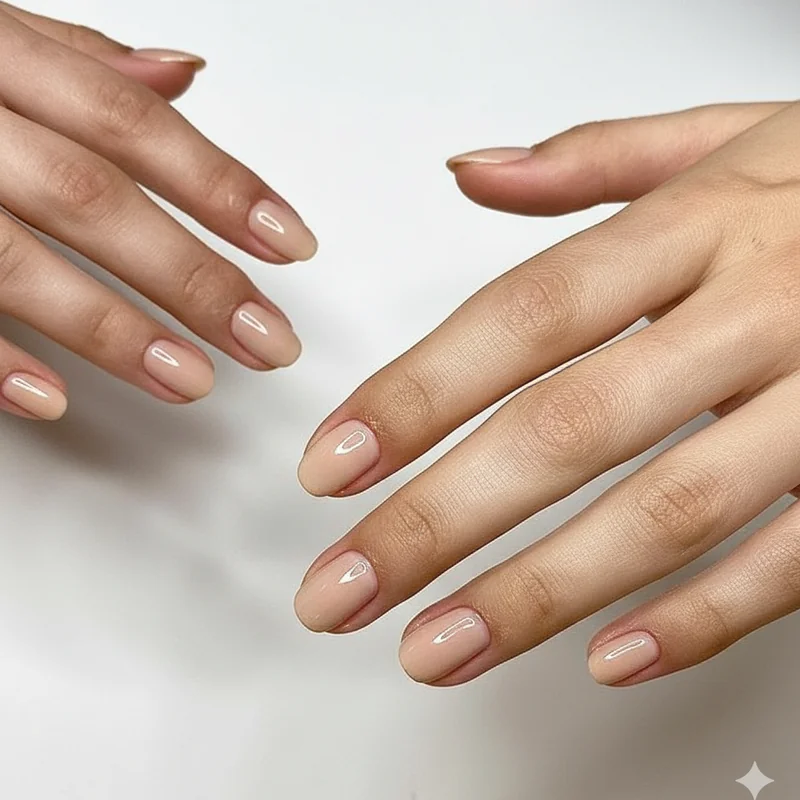
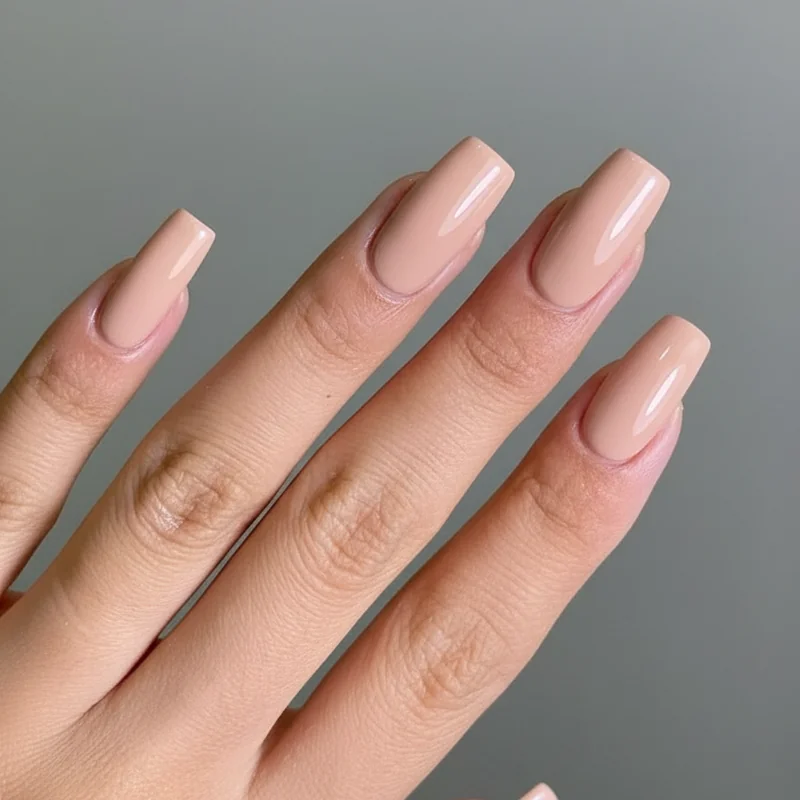
Squoval the hybrid of square and oval, with straight sides and gently rounded corners is what nail technicians recommend when a client says "I need something for work." That consensus exists for good reason.
The shape hits every practical requirement without sacrificing polish. The straight sides give it structure and longevity; the rounded corners mean no catching on fabric, no snagging on keyboard edges, and none of the breakage that comes with a sharp square corner absorbing daily impact. For anyone whose job involves significant typing, document handling, or any detail-oriented task, squoval is the clearest recommendation. It doesn't interfere, and it doesn't draw attention. Both of those things are assets in a professional context.
It's also genuinely flattering across nail bed widths and finger shapes wide, narrow, short, long in a way that few shapes manage. That universality is part of why it's become the go-to. According to squoval nail shape explained, the key is how much rounding happens at the corners: a "soft squoval" rounds more generously, a "hard squoval" is closer to square with barely-there softening. Worth knowing before you sit down with your nail tech it's the difference between two fairly different results.
One thing worth clarifying: squoval is not the same as rounded square, and it's not oval. A rounded square has square architecture with the tip rounded into a dome. Squoval keeps the sides straight and rounds only the corners. They look similar from a distance and meaningfully different up close, which is why being specific with your nail tech matters.
Oval Nails at Work: Elegant, Flattering, and Almost Always Office-Safe
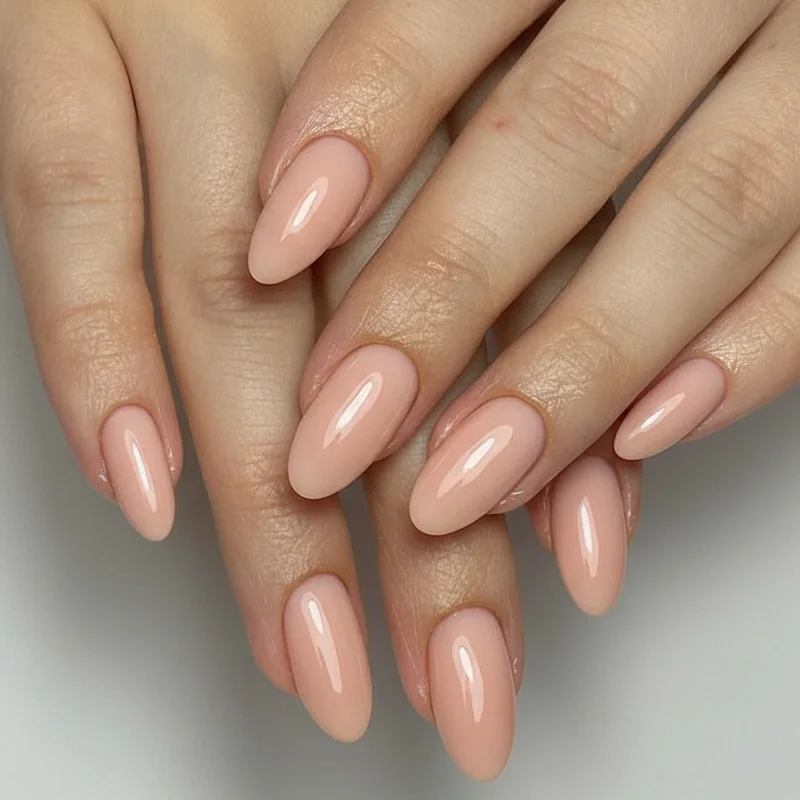
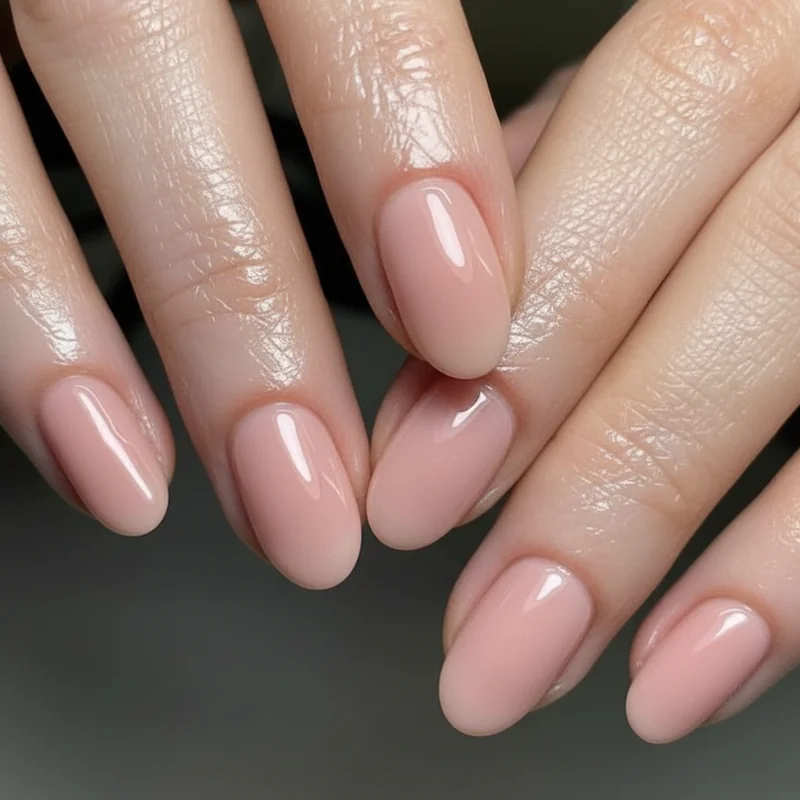
The case for oval is strong and slightly underappreciated. Oval nails gently tapered sides, rounded tip, no point read as groomed and feminine without any of the fashion-forward associations that almond carries. They're the shape that requires the least explanation in any professional environment.
What makes oval particularly useful is what it does for the hand. The gentle taper elongates fingers visually, which is a significant advantage for anyone with wider nail beds or shorter fingers who wants a more polished silhouette at the office. Square and squoval can emphasise width; oval counteracts it, which is why it's a strong recommendation for wider nail beds specifically.
Oval also holds up durably at short to medium lengths the shape distributes stress well, which means fewer chips and breaks compared to a sharper shape at the same length. For the professional woman who doesn't want to think about her nails between appointments, oval at 2–4mm of free edge is close to maintenance-free.
The one genuine caveat: at longer lengths, oval starts to shade into territory that reads more leisure than boardroom. Keep the free edge to 4mm or under and it's a clear yes for nearly any professional setting, including conservative ones.

Almond Nails at Work: The Borderline Shape That Depends on Your Industry
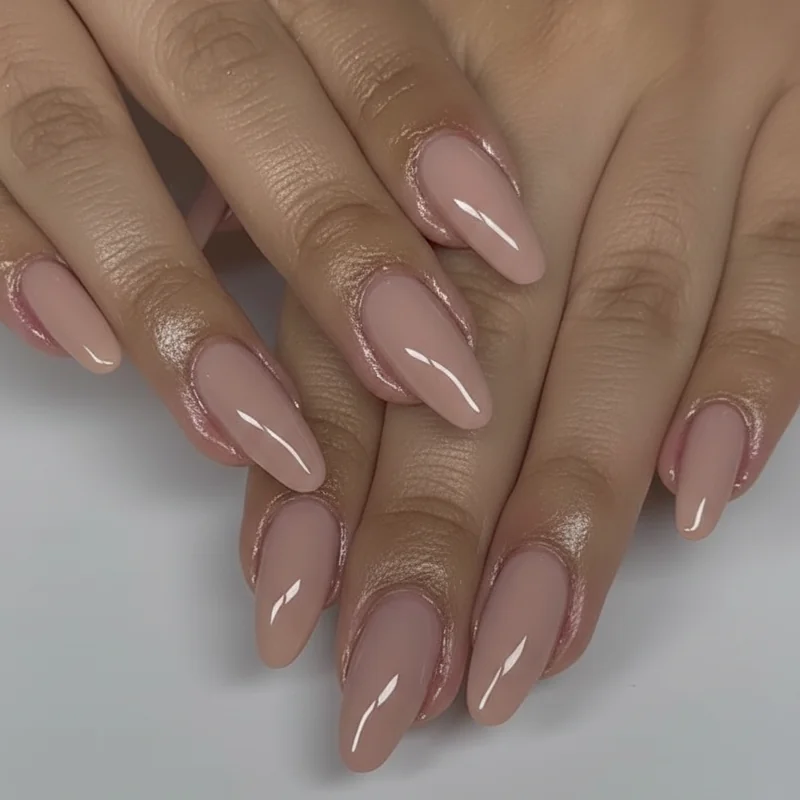
Almond is where it gets nuanced. The shape itself tapered sides narrowing to a softly rounded point is not unprofessional. But it exists on a spectrum, and where you land on that spectrum determines whether it works at your desk or not.
Short almond at 2–3mm of free edge is increasingly accepted across mid-level corporate environments, creative sectors, and most client-facing roles outside of finance and law. In 2026, "baby almond" the shorter iteration that retains the tapered silhouette without the length has become a genuine work-friendly option. It reads elegant rather than fashion-forward, and it doesn't carry the "not built for practical use" signal that longer almond does.
Long almond is a harder no for conservative professional environments. The length amplifies the taper into something that reads unmistakably decorative. Finance, biglaw, healthcare, and any role that involves direct client contact in traditional industries these are not environments where long almond works. Not because it's wrong, but because it broadcasts the wrong signal in contexts where nails are supposed to be an afterthought.
Can you wear almond nails to a law firm? At short length, possibly depending on the firm's culture and whether you're client-facing. To a finance role or a court appearance? Keep it squoval or oval. The question isn't whether almond is professional in theory it's whether your specific environment reads it that way. If you're uncertain, err toward squoval and revisit later once you understand the culture.
For achieving the almond shape, particularly at shorter natural nail lengths, gel vs acrylic enhancements for work covers the options in detail because natural nails at shorter lengths often can't hold a true almond taper without structural support.

Short Square Nails for Office Wear: Structured, Clean, and Underrated
Short square nails sit in an interesting position technically in the "professional" column, but often overlooked because oval and squoval get all the attention.
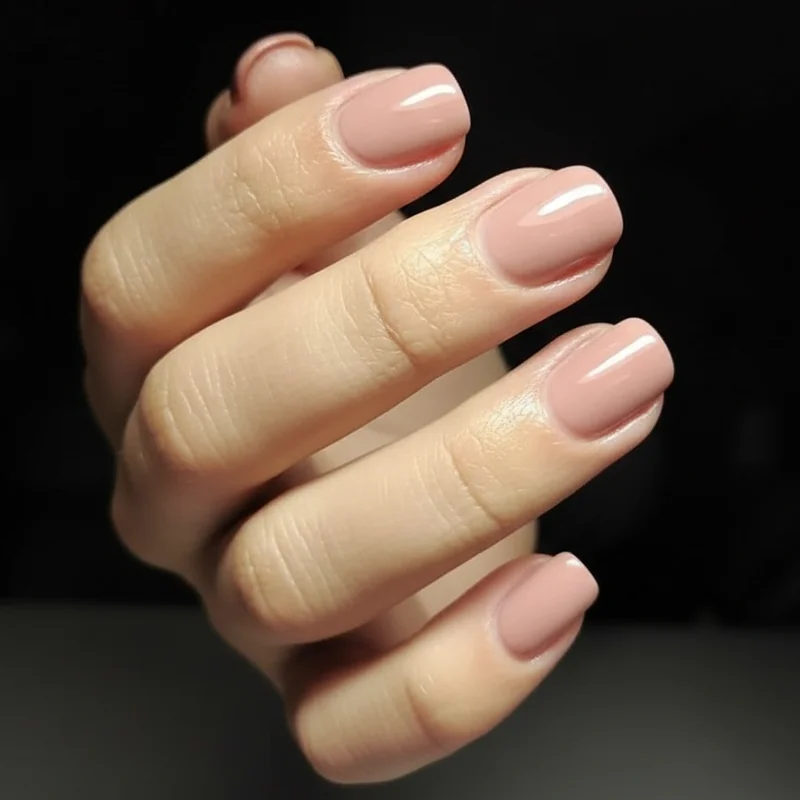
The shape is exactly what it sounds like: straight sides, flat tip, sharp corners. At short length, those corners aren't a practical problem; they only become one when the free edge extends past 3mm, at which point the corners begin catching on things. Keep it short and it's clean, structured, and reads as intentionally minimal which is a legitimate professional aesthetic.
Where short square earns its place is in its clarity. There's no ambiguity in the shape, no fashion association, no "is that almond or not?" uncertainty. It's a shape that signals you made a deliberate, unfussy choice and that's often exactly the right read for corporate environments. Pair it with a sheer nude or a classic French tip and it disappears into the background in the best way.
The honest limitation: short square doesn't flatter every nail bed. On very wide nail beds it can emphasise width rather than balance it. If that's your concern, squoval gives you the same structured energy with softer corners that add more visual balance.
Round Nails at Work: The Quiet Overperformer for Hands-On Professions
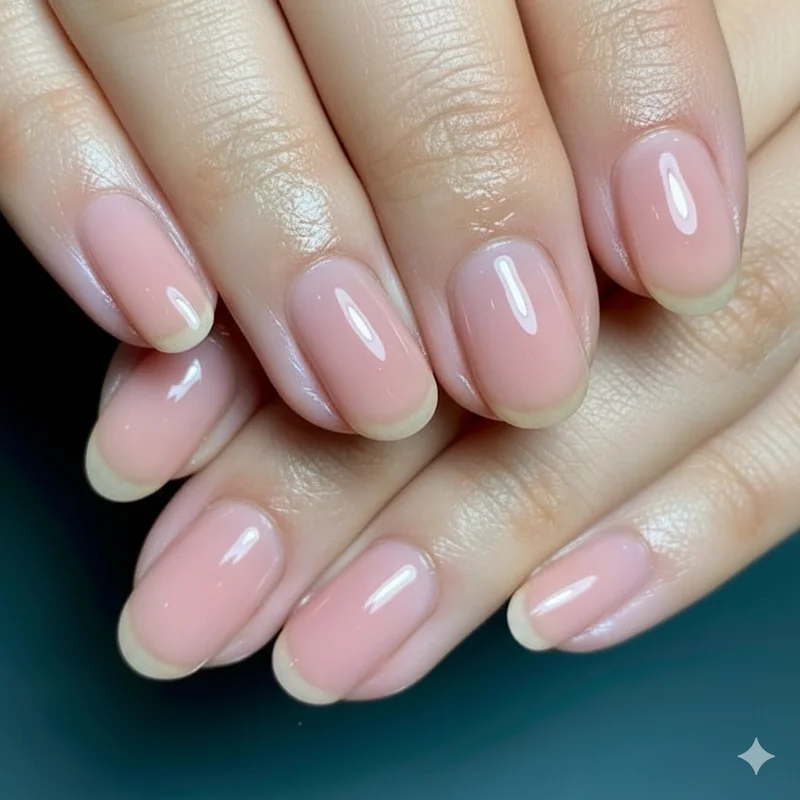
Round nails are the shape that gets recommended last and deserves to be recommended first for anyone whose job involves their hands in a physical or clinical way.
The shape follows the natural curve of the fingertip. No free edge to speak of, no corners, nothing extending beyond the flesh below. For nurses, healthcare workers, teachers, and anyone in a role that involves gloves, equipment, small children, or anything that a longer nail would catch on round is not a compromise. It's the right answer.
Round nails on natural nails require almost no maintenance, which matters in professions where a broken nail mid-shift is a genuine inconvenience. They chip less because there's no vulnerable corner or tip edge absorbing lateral stress. They also look neat at minimal length in a way that square and squoval don't quite manage the rounded shape looks intentional even when it's very short.
What nail shape do nurses and healthcare workers wear? Round, or short squoval. The clinical standard is driven by infection control guidelines that limit nail length and discourage artificial enhancements in many healthcare settings, which means the shape choice becomes critical to looking polished within those constraints. Round navigates that requirement better than any other shape.

Shapes to Avoid at Work: Coffin, Stiletto, and Why They Read as Fashion, Not Professional
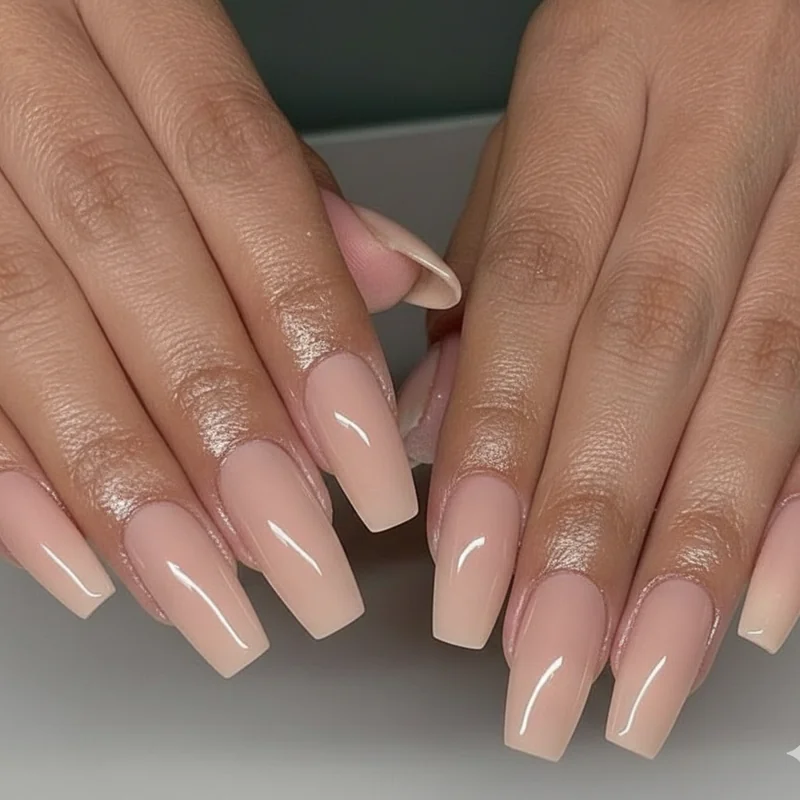
Can you wear coffin nails to work? The short answer is no not in any environment where your nails might be noticed by a client, a senior colleague, or anyone whose professional impression of you matters.
Coffin nails (the tapered shape with a flat, squared-off tip) and stiletto nails (tapered to a sharp point) are fashion shapes. That's not a criticism they photograph beautifully, they're creative, and they've driven some of the most interesting nail art of the last decade. But they're not built for professional use, literally or symbolically.
Literally: coffin and stiletto nails at length make typing uncomfortable, gloves difficult, and fine motor tasks harder. These are not imagined inconveniences. People who wear them adapt their behaviour typing style, grip, the way they pick things up which is a visible adaptation that reads in a professional setting.
Symbolically: both shapes signal that aesthetics are the priority. In environments where the dress code exists to deprioritise personal expression in favour of institutional presentation finance, biglaw, corporate medicine, client-facing consulting that signal works against you before you've contributed anything.
Are pointed nails unprofessional? Yes, in almost all professional contexts. Stiletto is the clearest example, but the principle applies across any shape where the tip narrows to a point. The association is fashion and creative self-expression, not boardroom readiness.

What Shape Works Best for Your Hand Type and Nail Bed
Shape choice and hand anatomy interact in ways that matter both for flattery and for whether the final result looks professionally put-together. A squoval on wide nail beds can look square and blocky; on narrow nail beds it looks crisp. An oval on wide nail beds looks refined; on very narrow nail beds it can look spindly at length.
Wide nail beds: Oval and almond are the strongest choices the taper creates a narrowing effect that balances wider nail plate width. Squoval works if you like the structure. Avoid very wide square shapes, which emphasise what you're trying to balance.
Short or wider fingers: Oval and short almond visually elongate the finger by drawing the eye upward. Round can feel stubby at very short lengths on wider fingers. Squoval is neutral.
Long, narrow fingers: Most shapes work, which is the good news. Square and squoval add visual width that can look balanced and strong rather than bony. Avoid very narrow, pointed shapes at long lengths they can make already-long fingers look skeletal.
Narrow nail beds: Squoval and oval are reliable. Almond works at short to medium length. Avoid shapes that taper heavily at the base.
What nail shape makes fingers look longer in a professional setting? Oval and short almond, consistently. The taper creates an elongation illusion that's particularly effective when paired with a nude or sheer pink polish that matches the skin tone at the base.
Nail Shape by Industry: What Finance, Law, Healthcare, and Creative Workplaces Expect
The professional standard isn't uniform. What reads as polished in a creative agency reads as overdressed in a law firm; what reads as appropriately minimal in healthcare would look unfinished at a luxury client presentation.
Finance and investment banking: Squoval or oval, short to medium length, no exceptions. These environments value discretion above everything. Nails should be impeccable and invisible noticed only for being well-maintained, never for the shape itself. Mocha nude and soft pink are the safe colour companions. For a broader breakdown of industry-specific standards, professional nail guidance by industry goes deeper on the sector-by-sector nuance.
Law: The same conservatism applies in client-facing and courtroom roles. Internal roles have slightly more latitude, particularly in 2026 where corporate culture is softening gradually even in traditional firms. Short almond has begun appearing in progressive law settings but "BigLaw associate with almond nails" is still a risk calculation, not a default recommendation.
Healthcare: Round or short squoval. Clinical guidelines in many healthcare settings explicitly require short nails and prohibit artificial enhancements due to infection control. Shape choice is therefore limited to what natural nails can hold, which makes round the dominant option. It looks intentional, requires no maintenance, and causes no practical interference with equipment or gloves.
Creative industries: More latitude here, but "more latitude" doesn't mean anything goes. Oval and short almond are the shapes that look most deliberate in creative contexts polished and personal without reading as performative. Coffin and stiletto still carry fashion associations that can feel costume-y even in creative environments unless the workplace culture is genuinely style-forward. Real professional women across sectors weigh in on these exact questions at real professional women on office nail shapes worth reading for the actual consensus beyond editorial recommendations.
The broader question of what nail length is appropriate by industry is inseparable from this. Shape recommendations shift depending on the length you're working with, which is exactly why professional nail length for work is the companion read to this guide length and shape are a paired decision, and getting one right without the other doesn't fully solve the problem.
Shape and Length Work Together Don't Choose One Without the Other
The most common mistake in work nail decisions is treating shape and length as separate choices. They're not. A shape that's professional at 3mm can read fashion-forward at 7mm. A shape that looks impractical at length looks completely polished when kept short.
Squoval at long length loses some of its professional neutrality the clean proportions work best at short to medium. Oval at long length starts to shade toward almond in its visual associations. Short almond is borderline; long almond is a no. These aren't arbitrary rules the length changes the signal that the shape sends.
The practical implication: decide your maximum length first, then choose the shape that performs best at that length. For most professional environments, 2–4mm of free edge is the working range. Within that range, squoval and oval are both strong choices with different aesthetics. If you want to go shorter genuinely short, barely-there round or squoval at minimal length looks intentional and refined, not neglected.
Short nails for work explores the practical and professional advantages of shorter lengths in detail, including why many nail techs now actively recommend them for women in demanding professional roles. The short version: shorter amplifies the professional signal of whatever shape you've chosen. Long length dilutes it.

What to Ask Your Nail Tech When You Want Professional Shapes
Walking into a salon with "something professional" as your brief will get you something squoval-ish at a length your nail tech determines, in a colour they think looks work-appropriate. That's fine but it's not the same as getting exactly what you want.
The vocabulary that gets results:
- "Squoval, soft" straight sides, corners rounded generously
- "Squoval, hard" straight sides, corners barely softened
- "Short oval, 2–3mm free edge" specifying the length removes ambiguity
- "Short almond, no longer than 3mm beyond the fingertip" for almond with guardrails
- "Round, following the natural curve" minimal length, clinical neatness
The other thing worth specifying: symmetry. Professional shapes read as professional because they're precise. An uneven squoval or an oval with different taper angles on different fingers undermines the entire effect. Ask your nail tech to check symmetry across each hand before you leave that's not a demanding ask, it's standard good practice for any nail appointment. For maintaining that shape between visits, nail tech professional guidance offers practical advice on at-home maintenance that preserves your salon results longer.
The goal is leaving with nails you don't have to think about again until your next appointment. That's the professional standard, and it's entirely achievable with the right shape, the right length, and the right brief.
Shape is the foundation that everything else sits on. Get it right and your manicure does its job quietly, competently, and without you giving it another thought until your next appointment. That's the version of professional nails worth having.