The frustrating thing about nail rules at work is that nobody tells you what they are. You show up on your first day, look at your burgundy manicure, and wonder if you read the room correctly. You watch the senior partners. You note what your manager wears. You file the information quietly and hope you got it right.
Nails for conservative offices operate on a different set of standards than anywhere else and those standards are not uniform across industries. Finance has its own version. Law has a slightly different one. Healthcare has rules written by infection control committees. Education defers to school culture. Creative fields have almost no floor at all. If you're treating this as one monolithic "professional nail" conversation, you're missing the variable that matters most: where, specifically, do you work?
This guide maps the actual rules by industry, by role type, and by moment so you can stop guessing and start knowing. For a broader foundation on office-appropriate manicures, Work Nails: The Complete Guide covers the full picture.
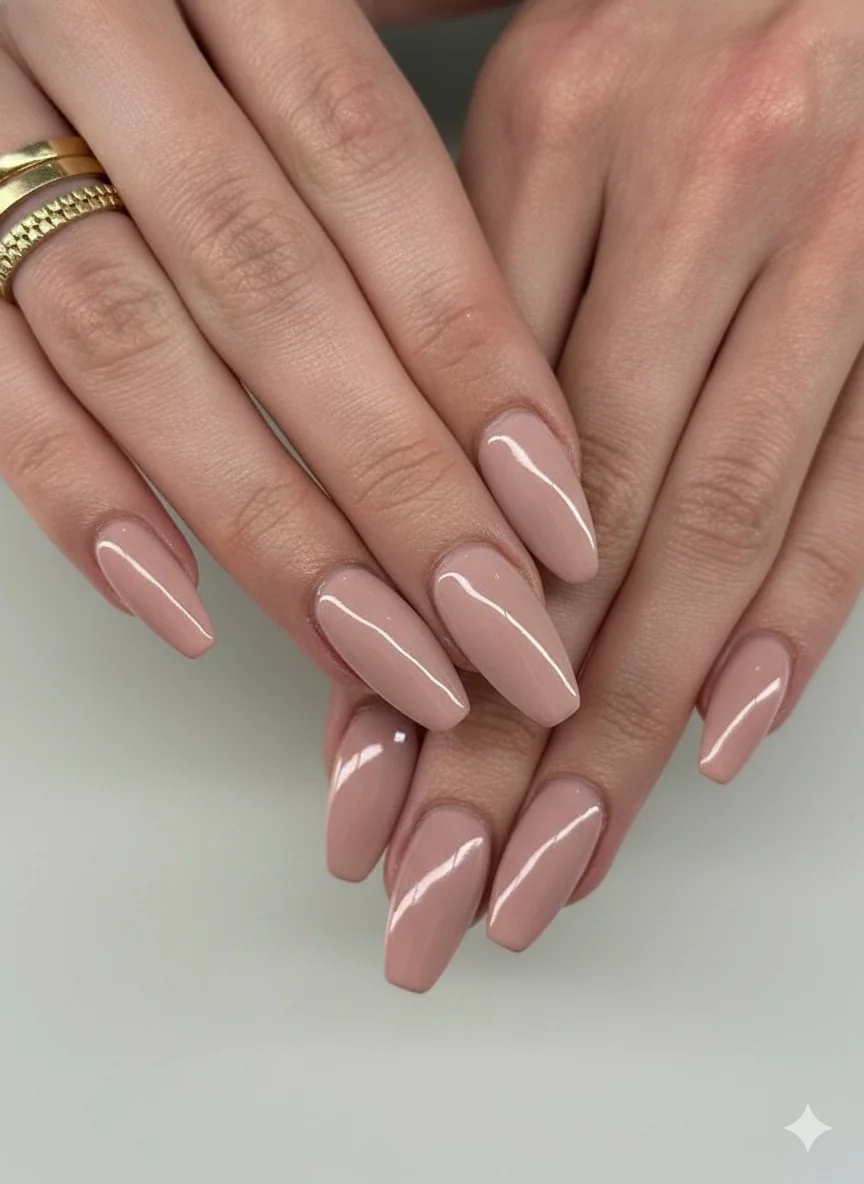
Why Nail Rules Differ So Much Between Industries and How to Find Yours
The gap between what a Biglaw associate wears and what a creative director considers appropriate is not just about personal taste it tracks directly to what each profession asks of its people. Conservative industries deal in trust, precision, and the projection of stability. Anything that reads as attention-seeking or impractical long nails, bold colour, elaborate art creates noise where there should be signal. Creative industries, by contrast, use personal presentation as a proxy for taste and imagination. An agency art director with plain nude nails might actually raise questions.
The other variable that almost no one talks about: your role type within an industry matters as much as the industry itself. A client-facing finance associate and a back-office analyst at the same bank are operating under different expectations. A nurse in a perioperative setting and a hospital administrator on the same floor have entirely different nail policies. "I work in law" is not enough information.
How do you figure out the unwritten rules of your specific environment? You observe. Before committing to anything before buying a new colour, before changing your length spend two to three weeks watching what the women at your level and one level above are doing. What do they wear on a normal Tuesday? What changes the week of a big client meeting? That gap tells you the range. This is the observation strategy, and it is more reliable than any general advice. The professional nails for the modern woman long-read covers the wider navigation of these norms across sectors.
Finance and Investment Banking: The Strictest Nail Standards in Any Office
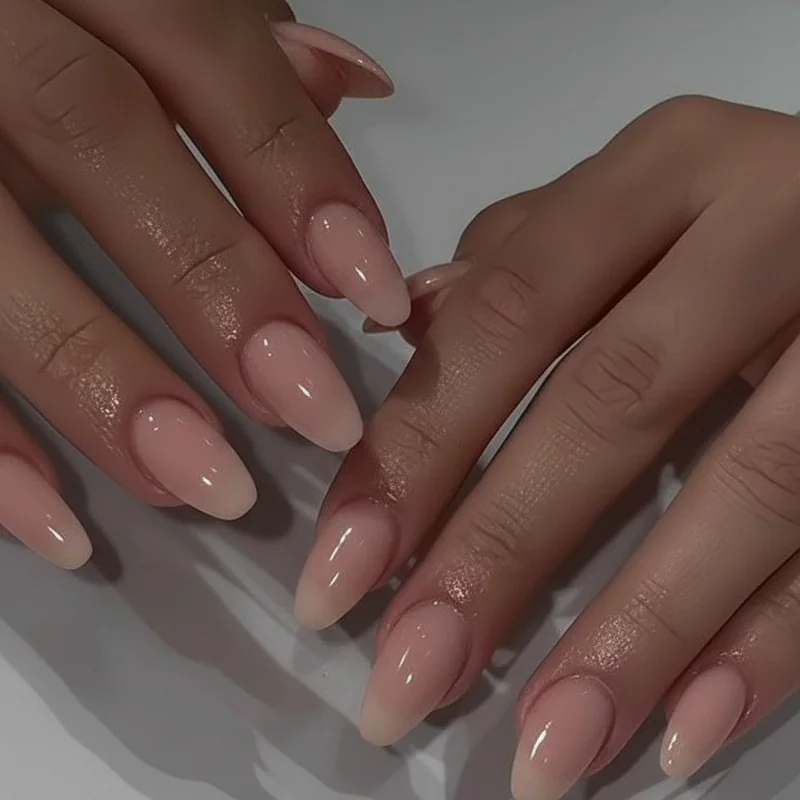
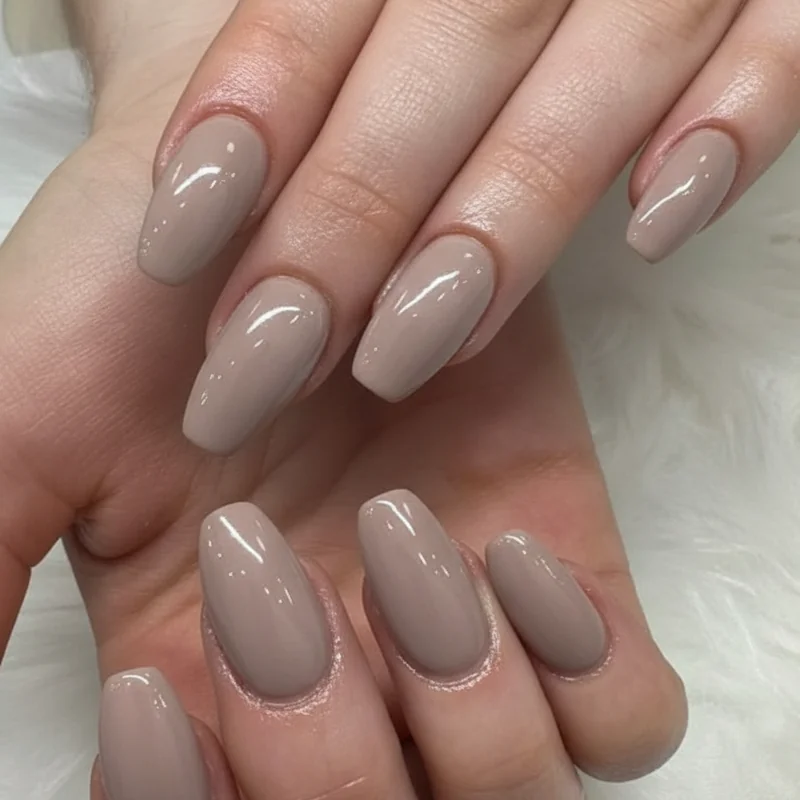
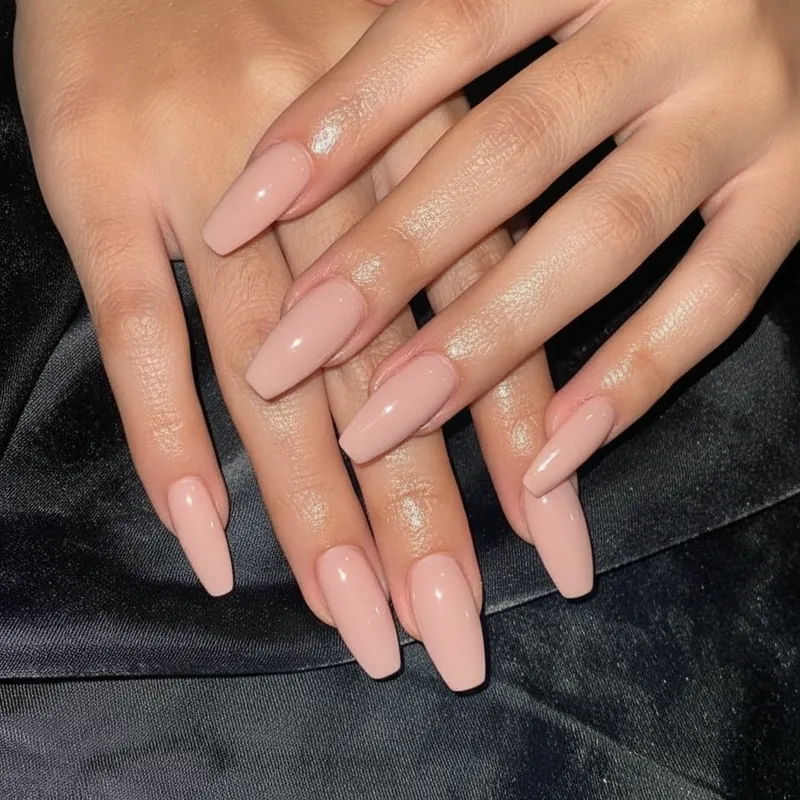
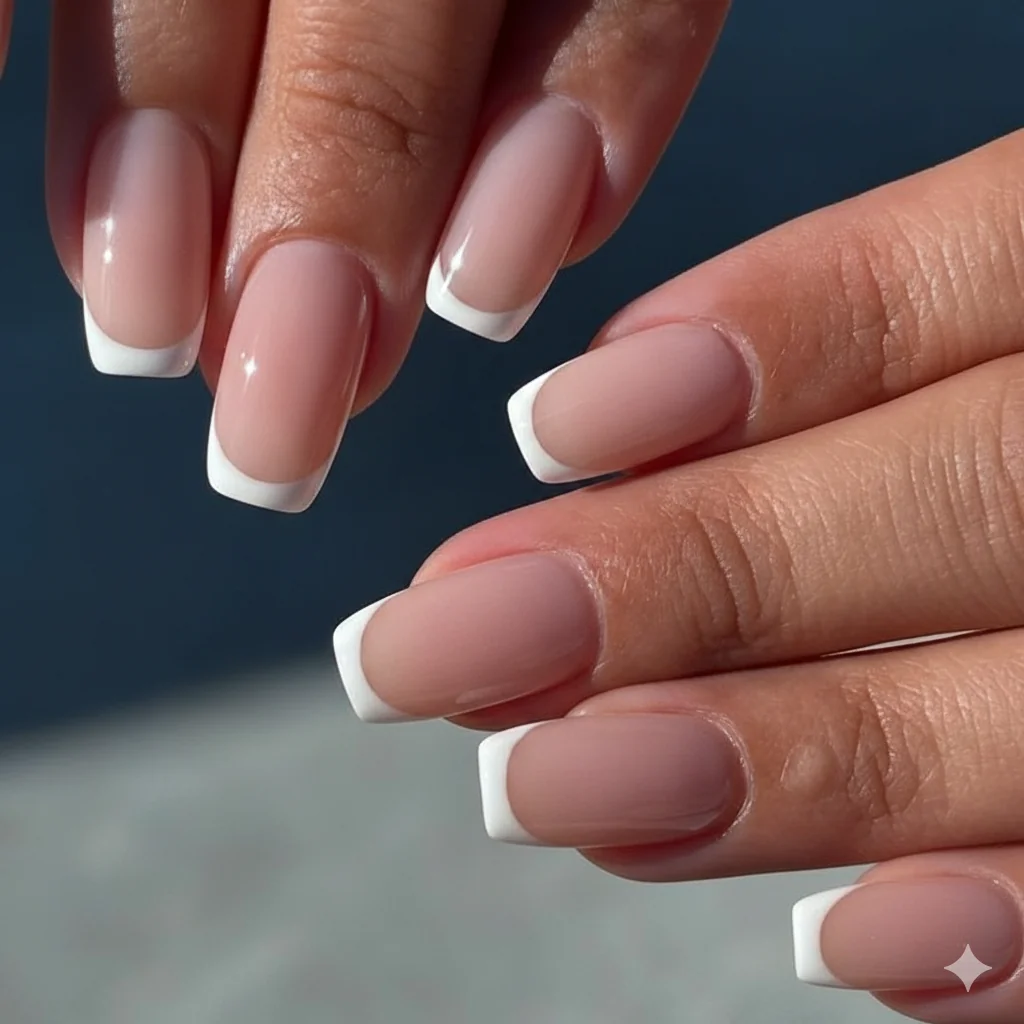
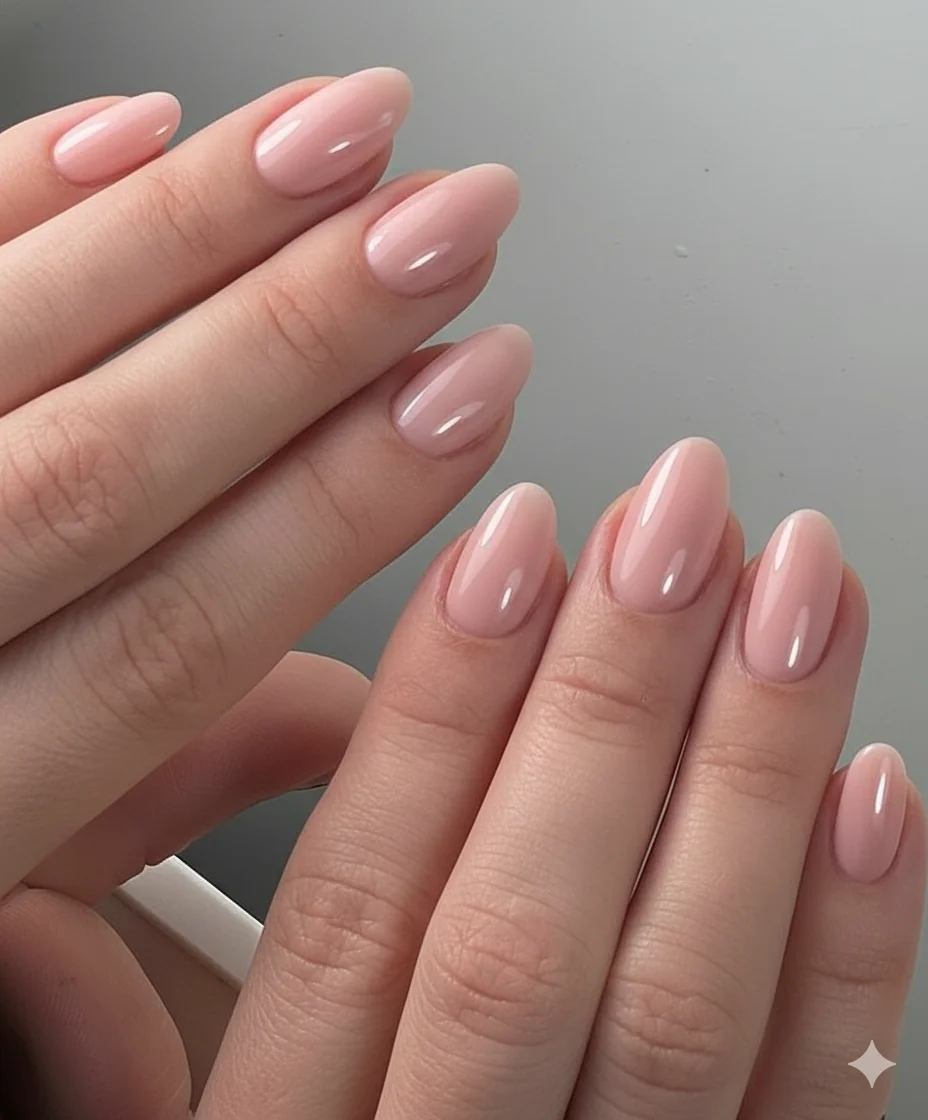
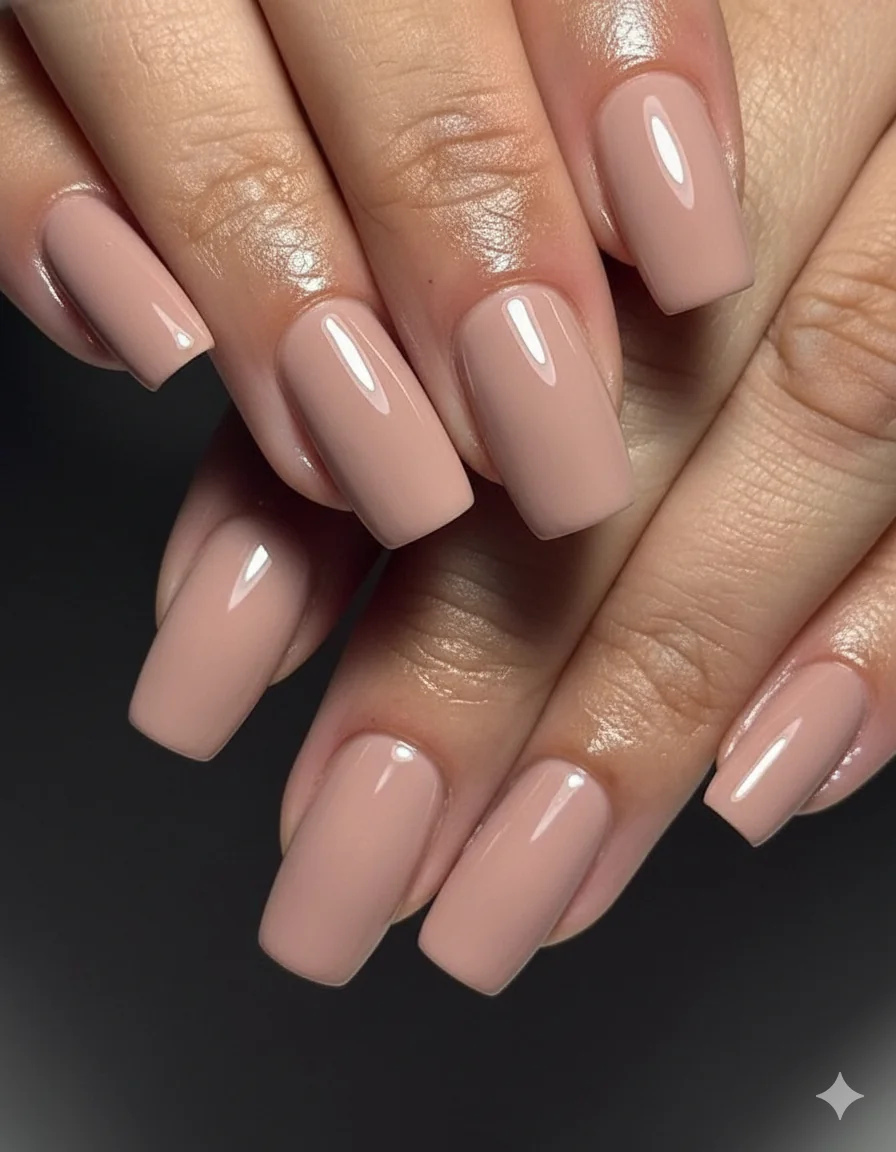
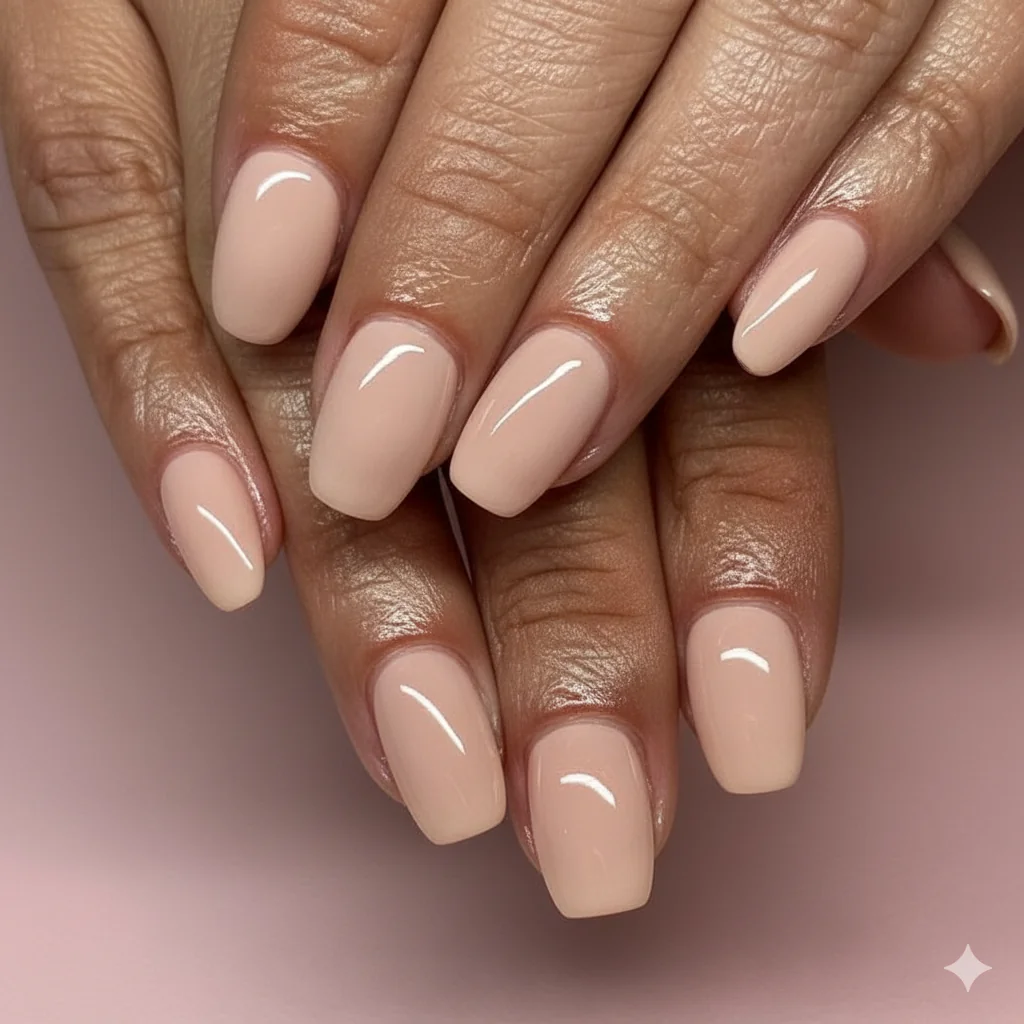
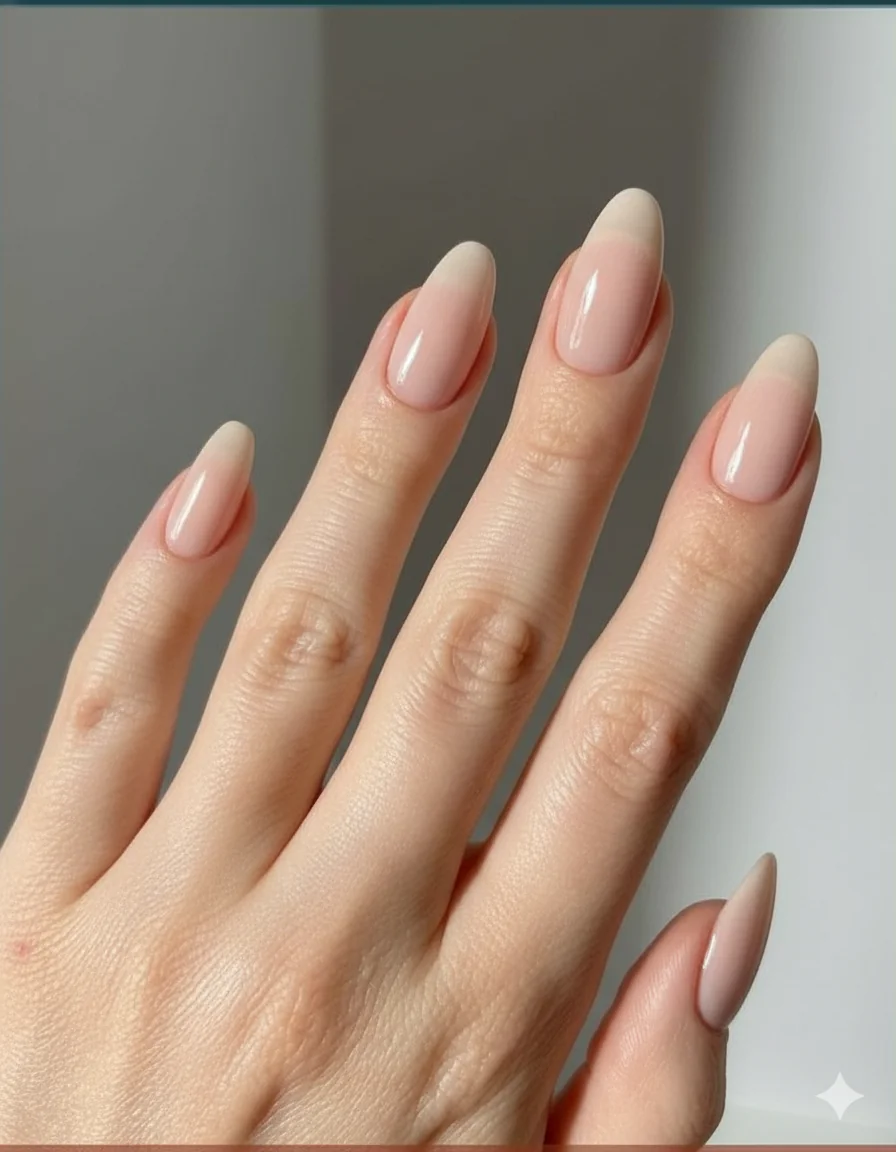
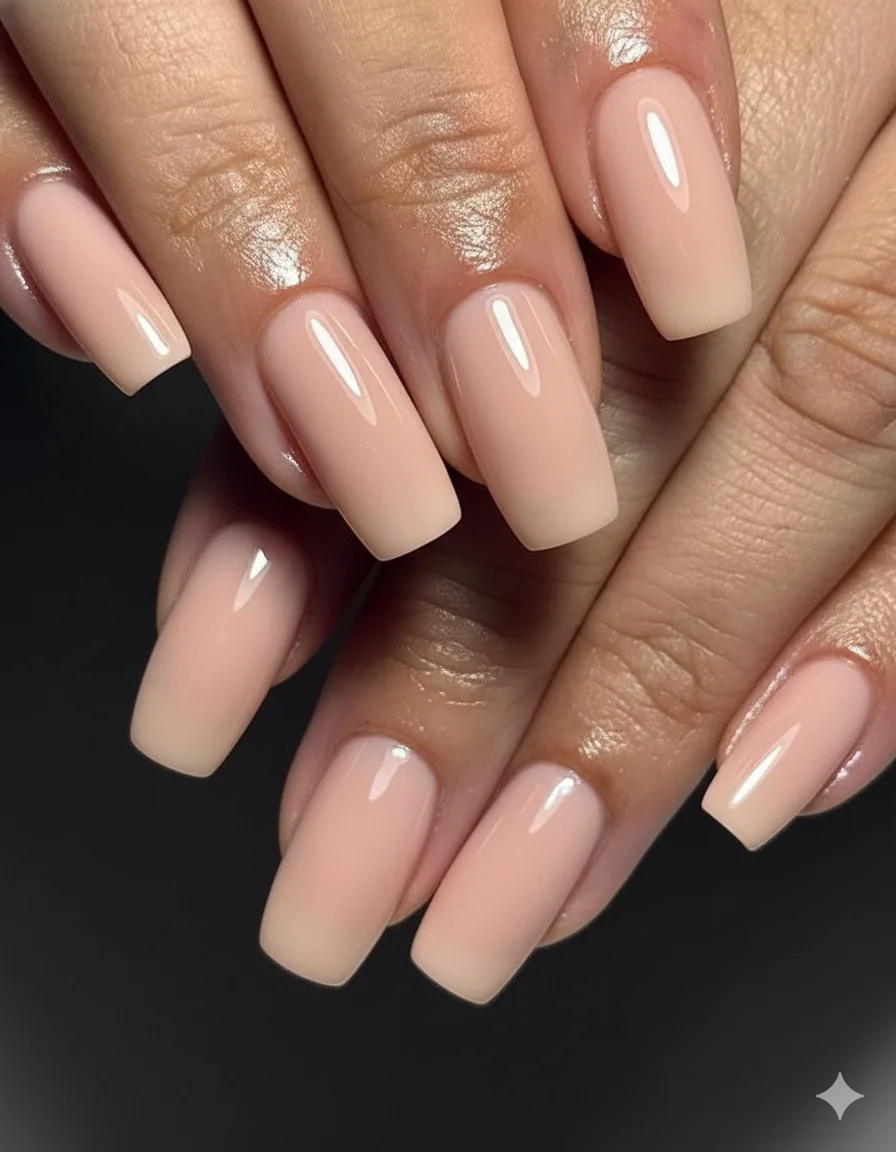
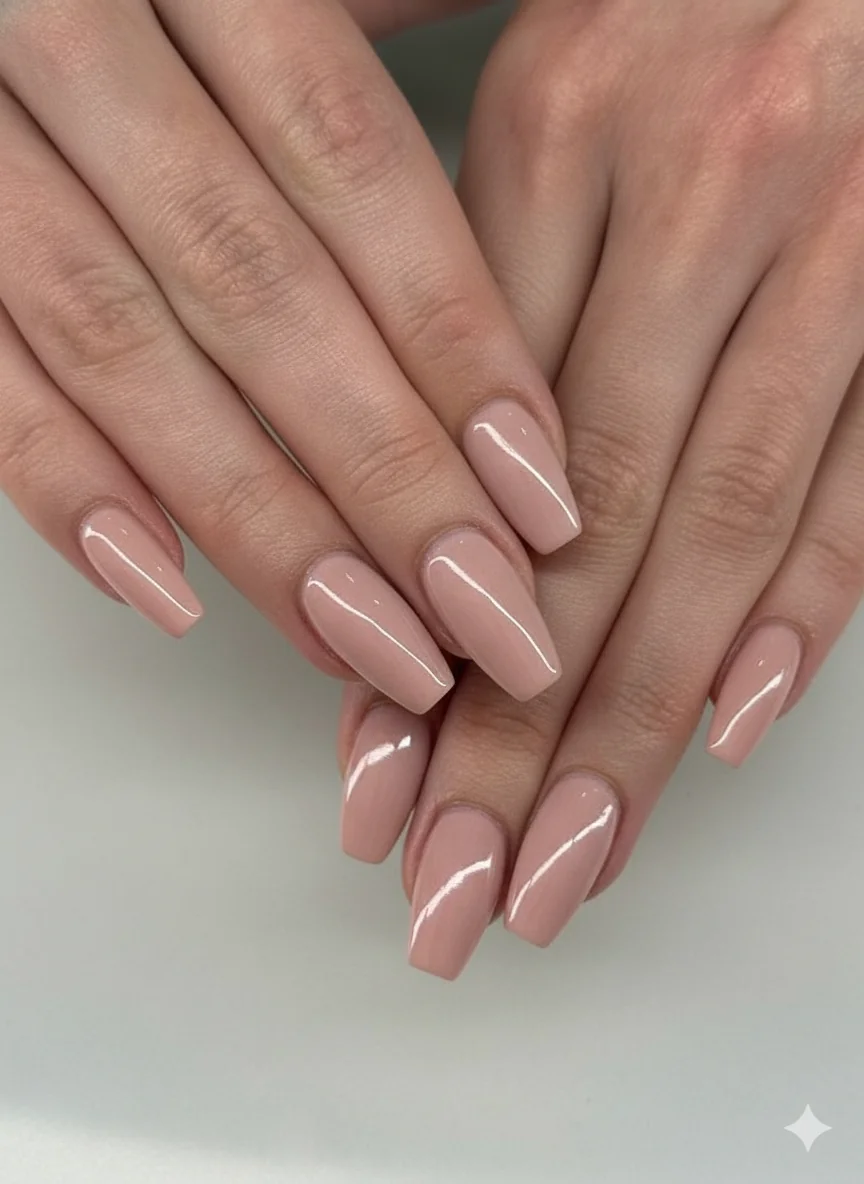
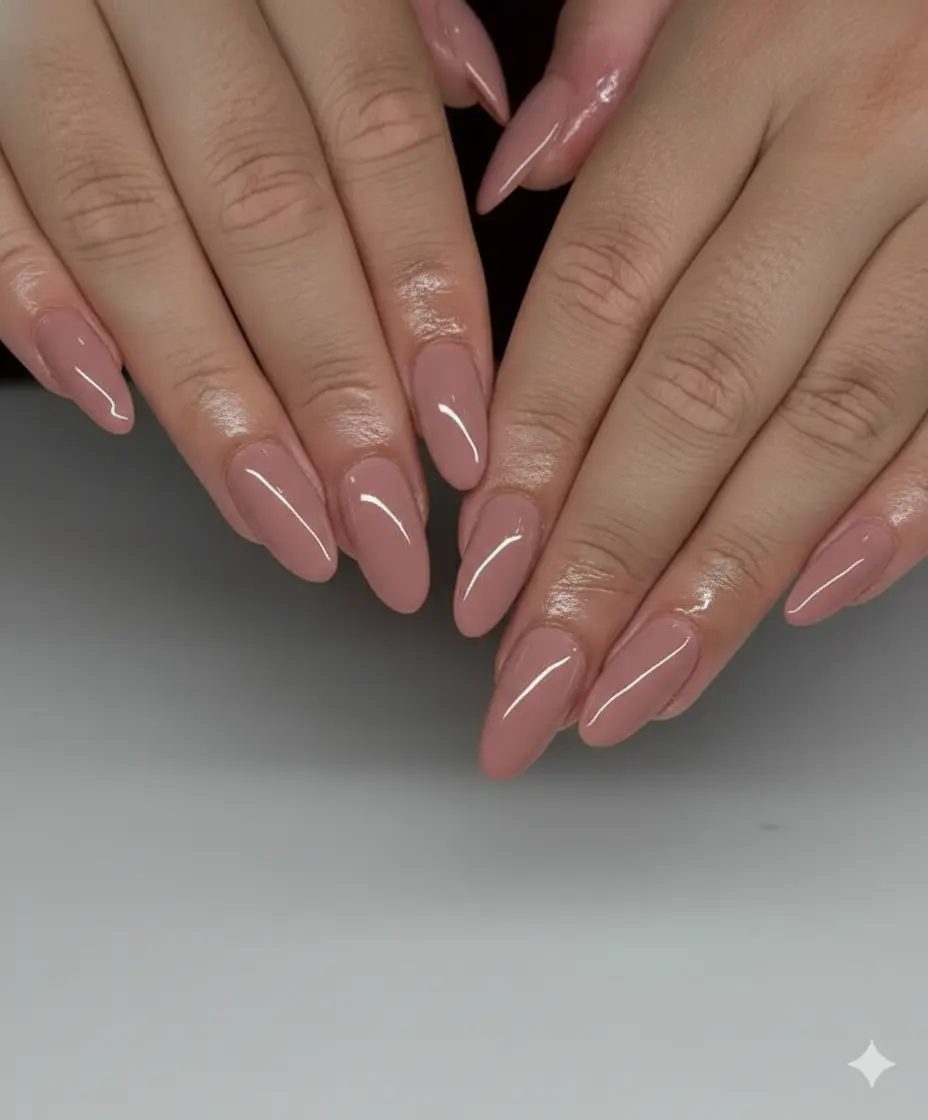
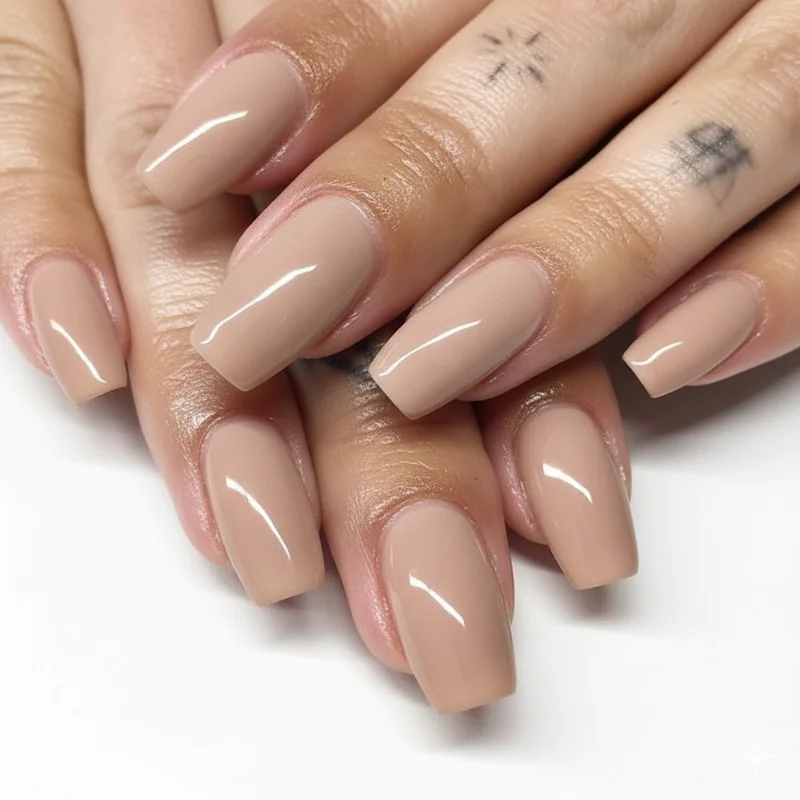
What nail colors are acceptable in a conservative office like finance? The answer sits in a narrow range: shades that communicate you are not thinking about your nails at all. OPI Bubble Bath, Essie Mademoiselle, a soft sheer pink, a clean nude matched to your skin tone these are the standards for good reason. Front-office finance environments, particularly investment banking and private equity, operate in spaces where client perception is everything and any visible flourish reads as a distraction.
Length matters here more than in most fields. Nails that extend past the fingertip signal impracticality in an environment built around precision and long hours. Short to medium squoval or oval maintained meticulously is the established norm. What separates a banker's manicure from a dull one is not the colour; it is the condition. Chip-free, cuticle-maintained, consistently fresh. A worn-down manicure in a beige shade is worse than almost anything.
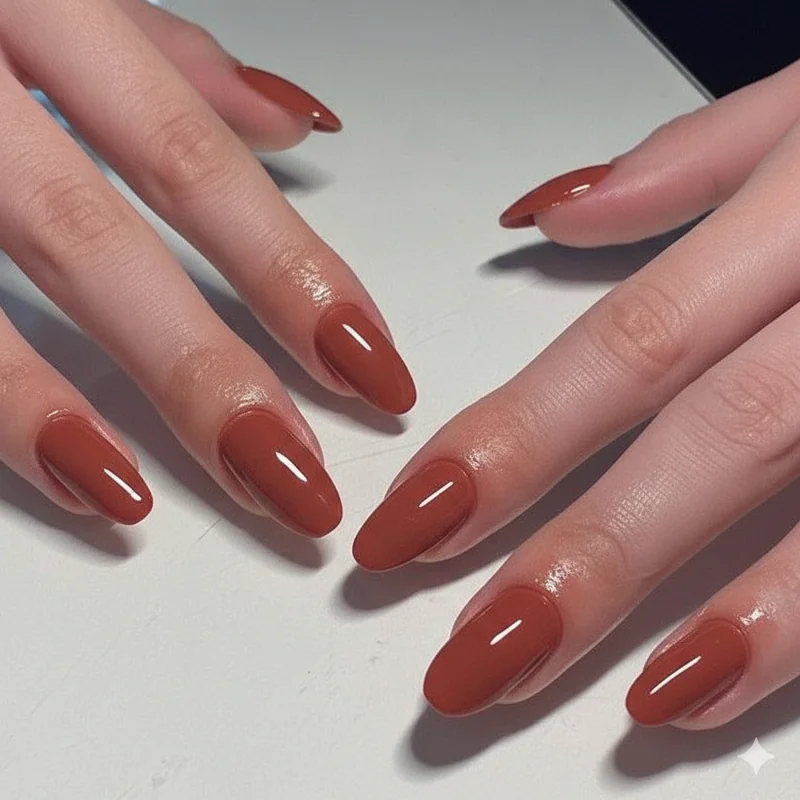
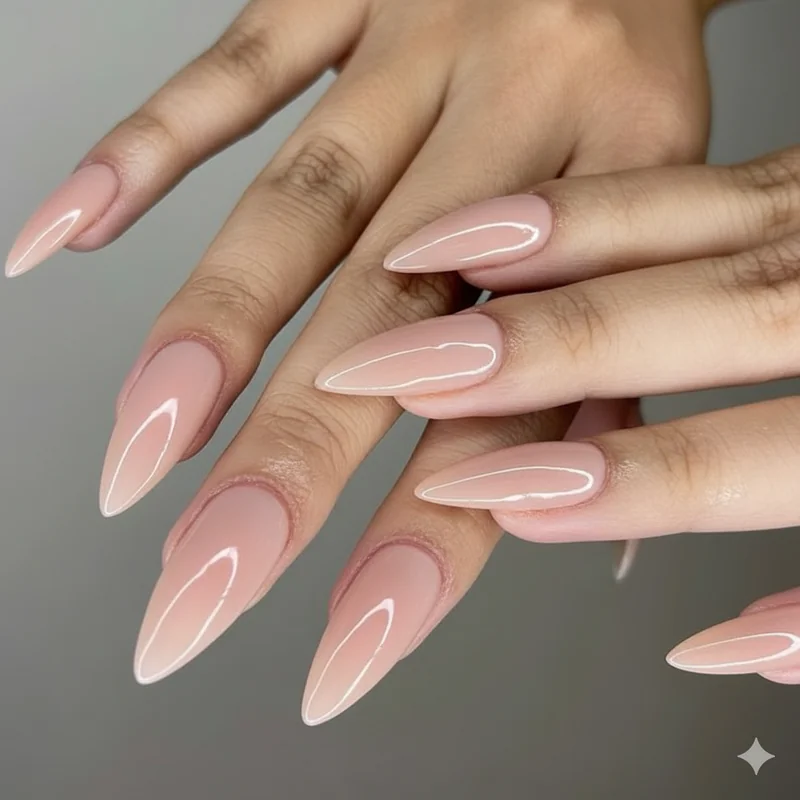
What is the most professional nail color for banking? If you want a single answer: a sheer nude-pink that is as close to your natural nail as possible, with a high-gloss topcoat. It passes every meeting, every client, every senior partner. Once you are established and know your specific culture, deep burgundy (Essie Wicked), navy (Essie Schoolboy Blazer), and dark neutrals are workable for internal weeks the Corporette community of finance professionals confirms this regularly.
The client-facing vs. internal distinction applies here more than anywhere. On a week with client presentations, board meetings, or any external-facing interaction, dial back. The "boring but safe" instinct exists for good reason in this sector.
Law Firms and Legal Roles: What Biglaw, Boutique Firms, and In-House Counsel Actually Accept
What nails are appropriate for a law firm? The answer changes depending on which part of law you practice, and whether you're heading to court or staying in the office.
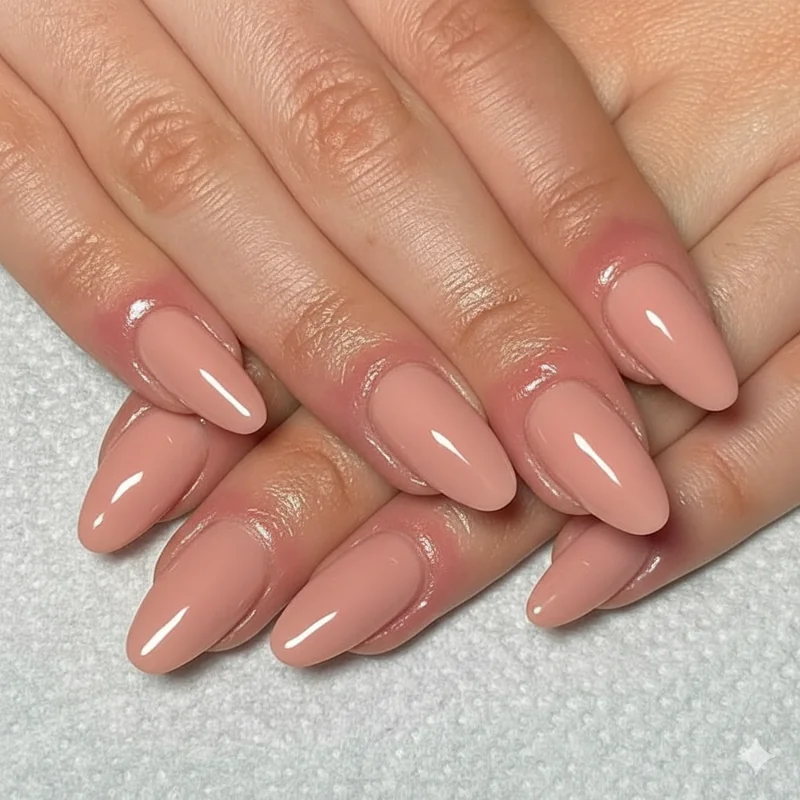
For Biglaw specifically, the operating principle is identical to finance at its strictest: well-maintained, non-distracting, appropriate length. The Corporette community which has documented this more thoroughly than any formal guide shows that Biglaw women routinely wear a range of colours: the go-to interview shades (Essie Ballet Slippers, OPI Bubble Bath), but also classic reds, deep plums, and even navy on internal weeks. A BigLaw senior associate with Essie Bahama Mama at her own firm's interview day is not unusual; she is, by her own account, matching the female partner interviewing her.
What nail colors do lawyers wear to court? Court appearances operate by a different standard than the office. The courtroom calls for everything that communicates seriousness and focus on the matter at hand. Nude or near-nude shades, or a classic red that reads as polished rather than bold. Long nails, elaborate nail art, or anything with sparkle are firmly out. You want the judge and jury to be listening to your argument, not looking at your hands.
Can I wear nail art to a law firm job? Generally, no at least not for the first year or two. Boutique firms with younger cultures and in-house counsel roles at progressive companies are markedly more relaxed, but elaborate nail art is still not the norm even there. The principle across legal environments: if it is the first thing someone notices about your hands, it is probably too much. For a deeper look at profession-specific guidance, Nails for Different Professions: Lawyers, Nurses, Teachers goes further on each role.

Healthcare: What Nurses, Doctors, and Medical Administrators Can Actually Wear
Can nurses wear nail polish at work? The answer depends on where you work and what you do there and it is more nuanced than most guides admit.
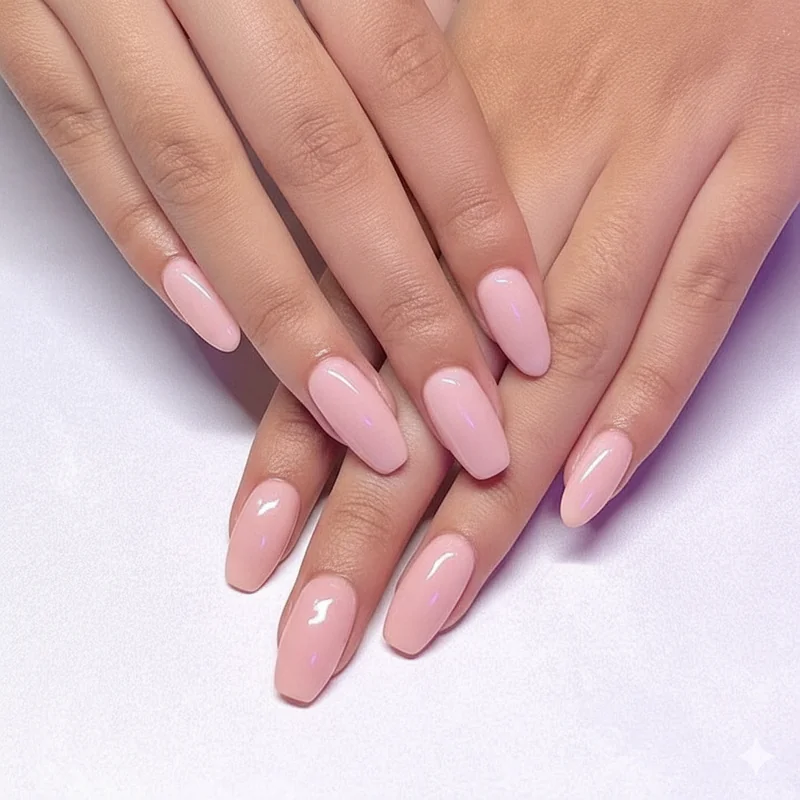
For clinical staff in direct patient contact nurses, physicians, surgical technologists, perioperative personnel the guidance from the CDC, WHO, and AORN is clear: no artificial nails, no nail extensions. Per nursing nail guidelines, natural nails should be kept to a quarter-inch or less. The infection control rationale is not a bureaucratic formality; artificial nails have been directly linked to outbreaks of serious nosocomial infections in hospital settings.
Nail polish in clinical areas is more contested. A 2018 study found that gel polish specifically did not allow for adequate bacterial reduction with alcohol-based hand rubs a meaningful finding given how routinely healthcare workers use hand sanitiser. Many facilities have responded by prohibiting gel polish in clinical settings, even where standard polish is permitted. What nail styles are acceptable for healthcare workers who are not in direct patient care hospital administrators, medical records, non-clinical support roles is a different question; those roles generally follow standard office norms. Check your facility's specific policy, as they vary significantly. The clinical nail standards for nurses from NAILS Magazine provide a practical summary.

Corporate Office (General): The Middle Ground Where More Is Acceptable Than You Think
General corporate environments think large companies outside of finance and law: insurance, consulting, tech, telecoms, FMCG operate with a wider band of acceptable nails than their more conservative counterparts, and most women in these environments underestimate it.
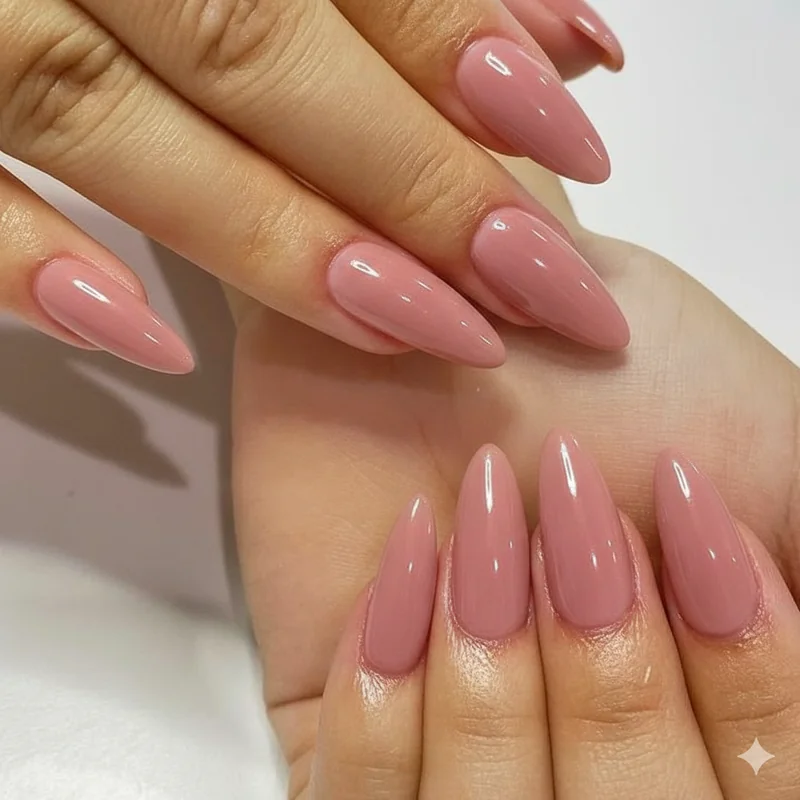
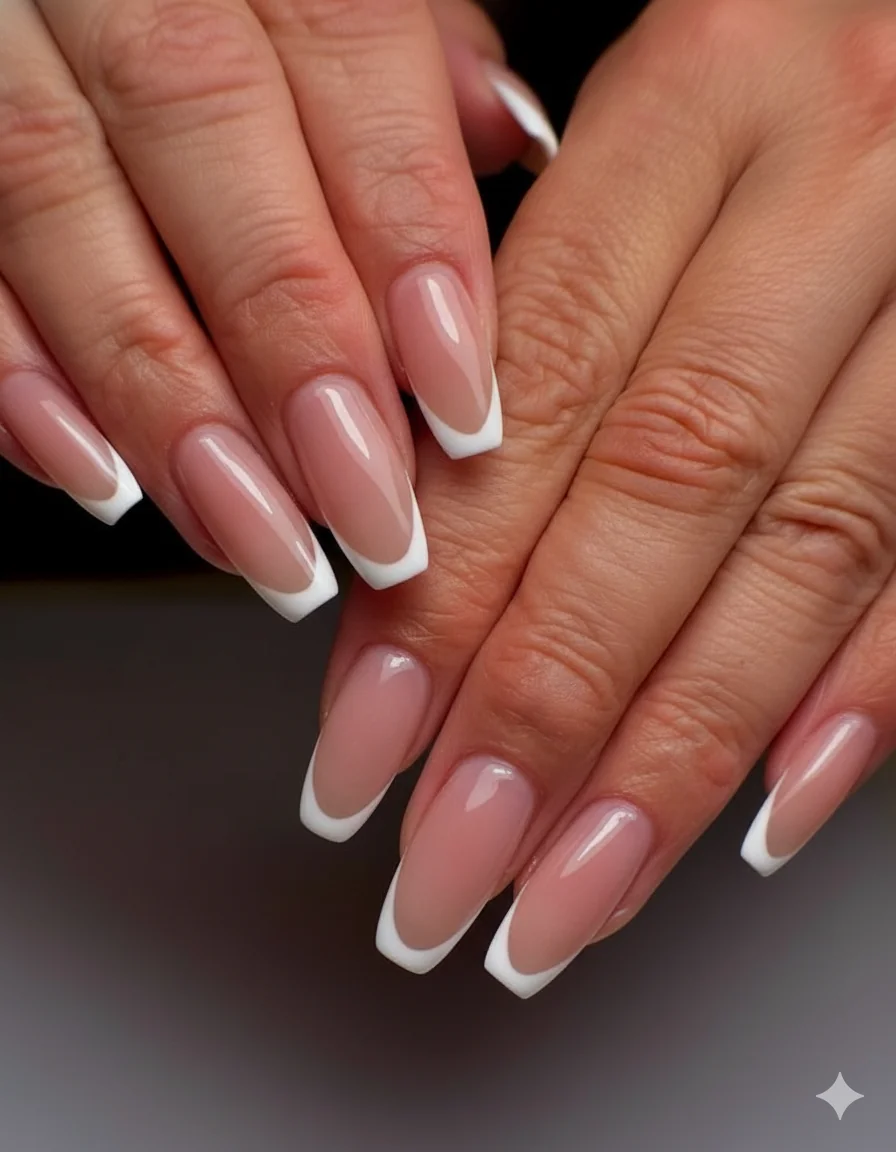
Can I wear dark nails to a corporate job? Yes, in most general corporate settings, once you are past the first impression stage. Navy, forest green, deep plum, even black in progressive-leaning companies all read as polished when nails are short and chip-free. The general corporate standard is best described as "solid colour, impeccable condition, reasonable length." Art is context-dependent: a simple geometric or a subtle French tip is usually fine; elaborate 3D designs and glitter are not.
The remote and hybrid dimension adds a layer worth considering. How do nail rules change for video calls and remote work? Your hands are visible every time you gesture on camera, and chip-free polish matters more on screen than in person the camera picks up worn edges in a way that in-person meetings often do not. Conservative-sector remote workers largely maintain the same colour standards for client video calls as they would for in-person ones. For general corporate, internal calls give more leeway. The principle stays constant: whatever the colour, it needs to look intentional. When choosing colours that complement your skin tone, the Nail Colors for Every Skin Tone guide is useful for personalising neutral shade choices. For the full reference on work-appropriate nail colours across settings, that post covers the full spectrum.

Education: What Teachers Can and Cannot Wear Depending on School Culture
What nails are appropriate for teachers? The question does not have a single answer because school culture varies more dramatically than almost any other professional environment.
A secondary school teacher in an independent or faith school operates under the same basic dress code conservatism as a junior finance associate. An art teacher in a state secondary school in a progressive metropolitan area has real latitude. A primary school teacher whose hands are in view of young children all day has practical constraints long nails create a safety issue and a hygiene one as much as an aesthetic one.
Can teachers wear bold nail colors at school? In many environments, yes with caveats. The school's written dress code, if it addresses staff appearance at all, is the starting point. School leadership culture is the second variable. The third is your subject and year group: a drama or art teacher wearing deep green nails is reading the room correctly; a newly appointed reception class teacher in a traditional school might not be. As a rule, modelling the same grooming standards you would ask students to maintain is a useful heuristic, especially in schools with formal uniform policies.
The practical reality: most teachers settle on colourful-but-not-distracting. A bright coral or cobalt blue reads very differently from rhinestones and stiletto length. Short nails, vivid but solid colours, no art that requires prolonged attention that is the effective middle ground for most teaching environments.

Creative Fields (Fashion, Advertising, Design, Tech): Where the Rules Finally Relax
Are black nails professional in a creative industry? Not only professional often expected. In fashion, advertising, and design environments, nail choices are treated as an extension of personal brand and professional taste. A creative director's nails communicate that she has opinions. A strategy lead in an agency environment with an unexpected colour choice signals that she is engaged with visual culture.
What nail colors work in creative industries? The short answer: most of them, when done with intention. Bold monochromes, graphic nail art, chrome finishes, mismatched sets all readable as professional in creative sectors when they look deliberate and well-maintained. Is black nail polish appropriate for work in these environments? Absolutely. So is electric blue, terracotta, graphic white, or a considered negative-space design.
The distinction to hold onto: creative and polished are not the same thing as creative and chaotic. A striking nail design with chips or nails that look like they were an afterthought reads as messy, not creative. Intention and maintenance matter in creative fields, just differently than they do in finance. For design inspiration that translates to the workplace, Professional Nail Designs for Work in 2026 maps what is working specifically in creative environments right now.
Tech is worth noting separately. Startup tech and progressive tech companies often have the loosest appearance standards of any sector but client-facing tech roles (enterprise sales, consulting arms, financial technology client services) often import more conservative standards from the industries they serve.

How to Read Your Specific Office's Nail Culture When No One Tells You Directly
How do I know what nail rules apply to my workplace? No one is going to hand you a list. This is the question that sits beneath every search in this topic and the reason the generic advice ("keep it neutral!") is so frustrating. It applies no context to a problem that is entirely about context.
Here is the observation strategy in practical terms. In your first two to three weeks in any new environment, you are not picking a colour you are collecting data. Look at: what the women at your level wear on a normal day; what changes the week of a major client meeting or external event; whether nail choices shift by seniority (senior women often have more latitude than juniors); whether there is a visible gap between stated dress code and actual behaviour.
The regional variable is real and underacknowledged. Manhattan Biglaw and a regional law firm in a more conservative US city operate under different unwritten standards, even within the same network. UK financial services firms (the City, Canary Wharf) tend to be somewhat more conservative visually than comparable US firms. Australian and Canadian professional cultures generally sit between US and UK norms. If you have relocated into a new market, recalibrate your old read may not transfer.
The generational read matters too. If the most senior women in your team wear deep burgundy nails on a regular Tuesday, that is permission. If they consistently wear nude-pink, pay attention. The women a level above you are your most reliable signal not the firm's written policy, which rarely mentions nails at all.
When you are genuinely new and have no data yet: a short, well-shaped, chip-free nude or soft pink buys you time to observe without closing any doors. You are not committing to it forever. You are keeping your options open while you learn the room. For comprehensive nail maintenance guidance that ensures whatever you wear stays looking its best, The Complete Nail Care Guide is the most useful reference for professional upkeep.

The Rules That Apply to Every Industry: What Never Changes No Matter Where You Work
Strip away the industry-specific variation, and a few constants hold across every professional environment without exception.
Maintenance always outranks colour. A chipped dark red is worse than any shade of nude. A worn-down French tip is more unprofessional than a well-maintained cobalt blue. The universal rule is not "wear this colour" it is "whatever you wear, make it look intentional and keep it that way." This applies equally in Biglaw and in a design studio.
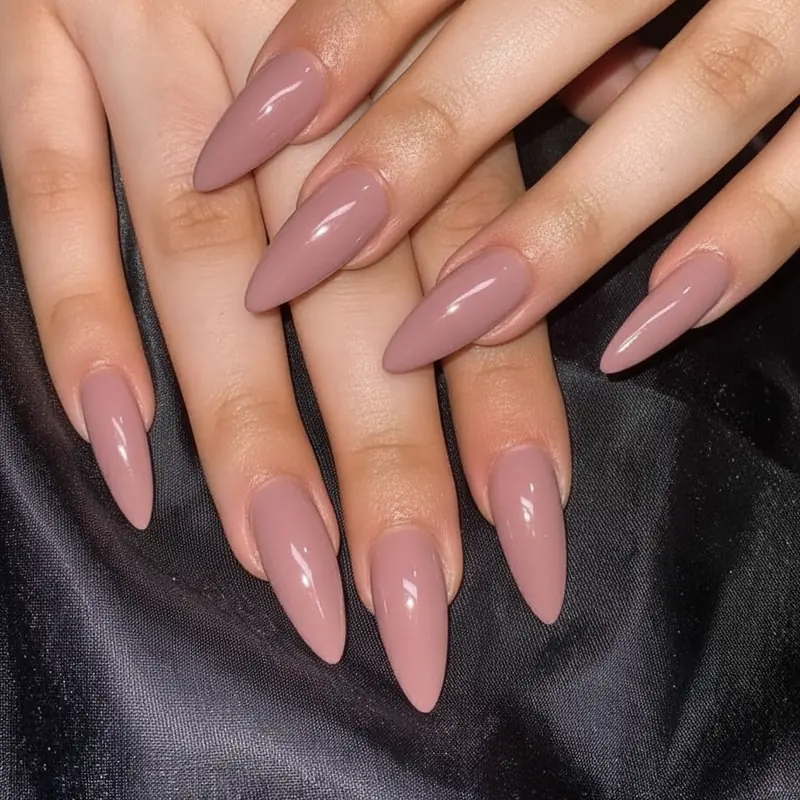
Length is a signal of practicality. Nails that significantly extend past the fingertip draw attention and imply a degree of impracticality that reads differently in professional settings than in personal ones. What "appropriate length" means varies by sector finance keeps it shortest, creative fields allow more but no professional environment rewards nails that impair function. If you cannot type comfortably, the length is working against you.
Client-facing standards differ from internal ones. This is the most practically useful rule in this entire guide. In almost every sector, the standards that apply when you are in front of clients, in court, or in a high-stakes external meeting are more conservative than what you might wear on a regular Tuesday. The Corporette community of Biglaw practitioners articulates this clearly: pale pink for heavy client weeks, bolder shades for internal stretches. Finance professionals follow the same principle. The approach: have two modes, know when to switch, and never let the polish chip during either. For the colour decisions specifically, work-appropriate nail colors provides the full breakdown by shade category and setting.

Nails for High-Stakes Moments: Client Meetings, Court Appearances, and Performance Reviews
High-stakes moments deserve their own consideration, separate from what you do the rest of the time.
What nails are appropriate for client-facing roles on the days that matter most? The principle: dial toward neutrality when the stakes go up. This is not about restrictive norms it is about removing variables. In a court appearance, a client pitch, a performance review, or a job interview, you want the conversation to be about your work and your thinking, not your hands. A nude or soft-pink polish with a chip-free finish does this reliably in any sector.
Can I wear dark nails to a corporate job interview? The safest approach is no, regardless of how relaxed the firm's everyday culture appears. Interview days call for the most conservative version of what you would normally wear. Once you are inside and understand the culture, you can calibrate. Going in with Essie Mademoiselle to an interview at an advertising agency is not a misstep it is neutral. Going in with chipped black nails to a finance interview is a signal you probably do not intend to send.
What nail colors do lawyers wear to court specifically? The practical answer from working lawyers: nude, soft pink, classic red if conservative, deep burgundy in autumn and winter. Nothing with sparkle, art, or length. The courtroom is not the place to test new territory save that for a regular office week when you have established your credibility. The same principle extends to any high-stakes moment across every sector. Real professional experiences from conservative offices, including first-person practitioner accounts, are documented extensively at real professional experiences from conservative offices.

Know Your Industry, Know Your Role, Know the Room
The nail rules at work are not arbitrary they track to what each profession asks of how you present yourself, and to who is watching when you do. Finance and Biglaw demand nails that recede. Healthcare clinical settings have rules grounded in patient safety. Education follows its school's culture. Creative fields reward considered self-expression. General corporate sits in the middle, with more flexibility than most women assume.
What changes everything is knowing which category applies to your specific role in your specific environment not the industry in general, but the floor you work on, the clients you serve, and what the women a level above you have decided is appropriate. The observation strategy gives you that data faster and more reliably than any guide can.
If you are at the beginning of figuring this out new job, new sector, new standards start with Work Nails: The Complete Guide for the full framework. Then come back to the industry sections here when you know which category applies to you. The rule is not always written. But once you know how to read it, it is always there.