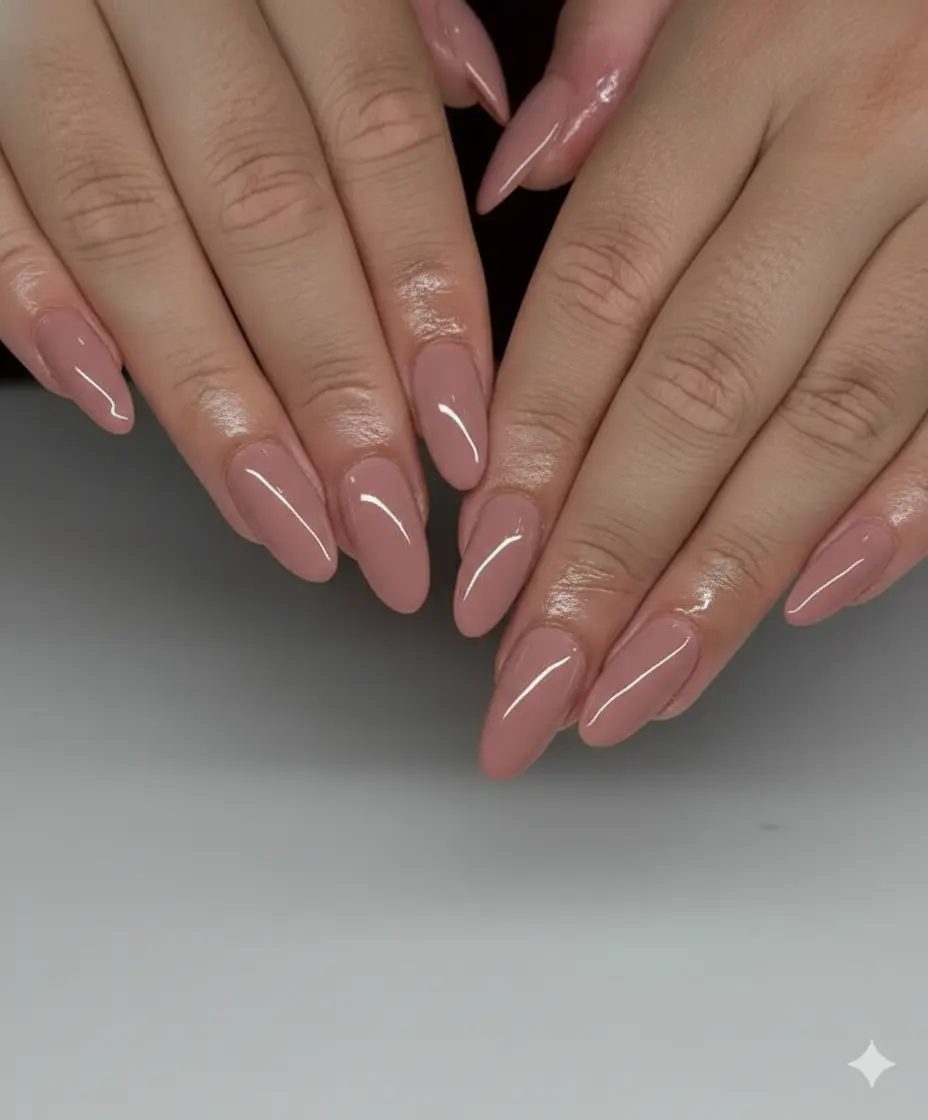
Dress codes spell out hem lengths and earring sizes, then somewhere near the bottom: keep nails professional. What does that mean for a surgical nurse? A BigLaw associate? A primary school teacher? The answer is completely different, and most guides lump everyone into the same three vague bullet points.
This post does not. Nails for different professions vary because the underlying reasons vary: infection control, food safety law, courtroom optics, client culture. Once you understand why the rule exists in your field, the what becomes obvious. Find your profession below and go from there. For the broader framework, the Work Nails complete guide covers professional nail standards across all industries.
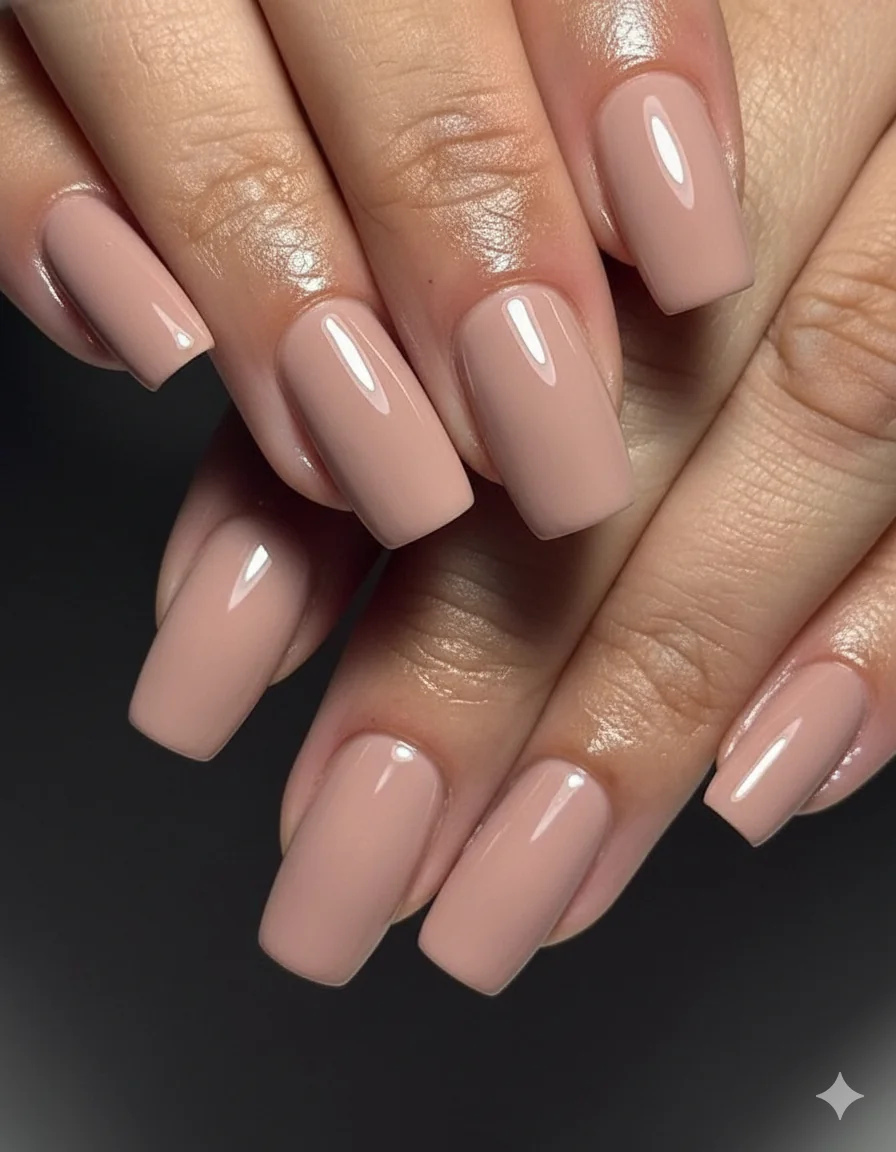
Why Nail Rules Vary So Much by Profession (And Why "Keep It Professional" Isn't an Answer)
Nail rules are not arbitrary. They come from three distinct sources (regulatory bodies, employer policy, and professional norms), and which of those three is driving the rule changes everything about how strictly it applies.
In healthcare, the rules come from infection control science. They are backed by the CDC, WHO, and the Joint Commission, and they exist because subungual bacteria (the bacteria that live under the nail plate) directly correlate with patient infection risk. That is a regulatory rule with scientific grounding, and it applies whether your hospital has a written policy or not.
In law and finance, the rules are professional norms. No regulator has an opinion on whether a lawyer's nails are burgundy or nude. What exists instead is a set of unwritten expectations shaped by decades of courtroom culture and client perception, and those vary considerably depending on where you practise.
In food service, it is the law again. The FDA Food Code has specific language on nail polish and artificial nails for food employees, and most state health codes have adopted it or gone further.
Understanding which category applies to you is what "keep it professional" actually means, broken down.
Nails for Nurses and Healthcare Workers: What the CDC and WHO Actually Say
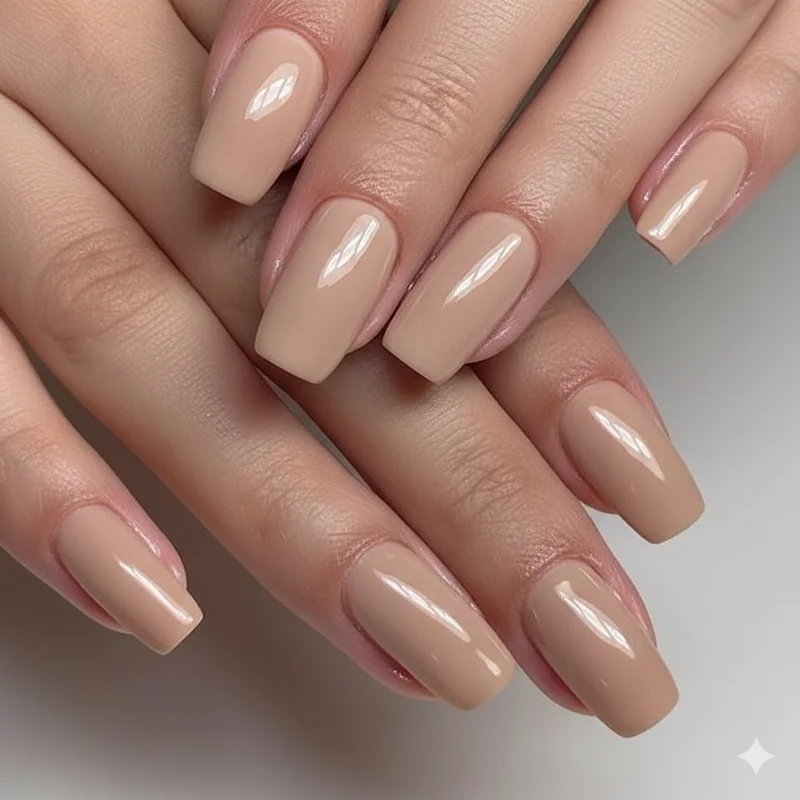
The nursing nail guidelines are the most cited and most misunderstood in any profession. Here is what the CDC actually states: healthcare personnel should not wear artificial nails and should keep natural nails to less than ¼ inch in length when caring for patients at high risk of acquiring infections.
That ¼ inch rule is not a style preference. Research confirms that the subungual region, the space beneath the nail plate, harbours the majority of the bacteria found on the hand, and that bacteria count increases significantly with nail length, even after thorough handwashing. Three separate surgical site infection outbreaks have been linked directly to operating room staff wearing artificial nails. The WHO goes further than the CDC on one point: its hand hygiene guidelines identify artificial fingernails as an infection risk factor for all healthcare workers, not just those in high-risk patient settings.
Ward nurses, scrub nurses, intensive care nurses, and anyone in direct patient contact: the rule applies uniformly. Dental assistants and surgical technicians fall under the same guidance. Administrative healthcare workers without direct patient contact often have more latitude, though individual facility policies vary.
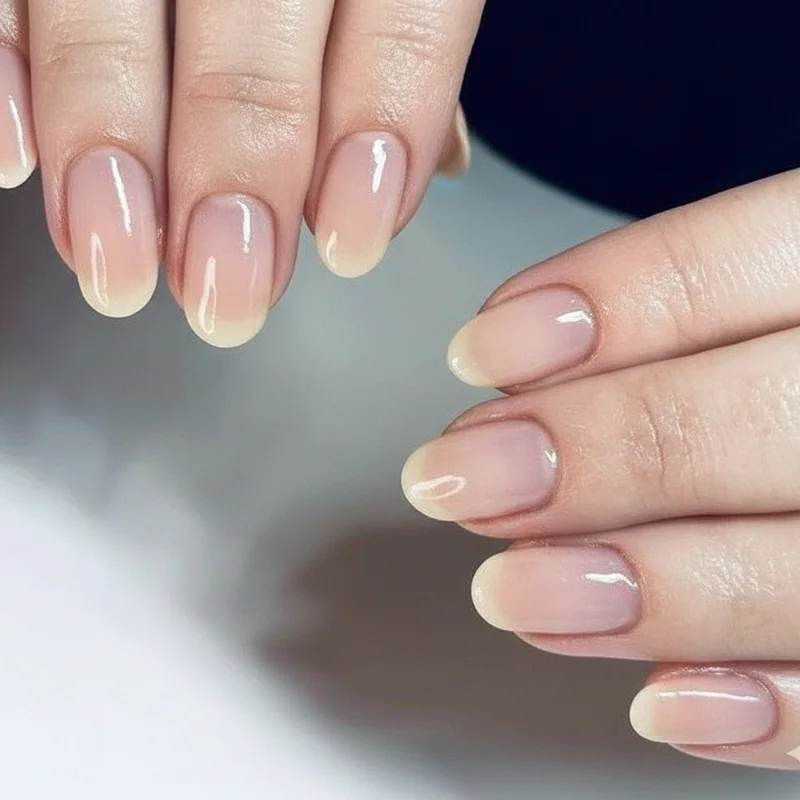
The one distinction worth knowing: standard nail polish on short, natural nails is not prohibited by CDC guidance. What the research flags is chipped polish, which can harbour bacteria equivalent to artificial nails. Fresh, chip-free polish on short natural nails is permissible in many settings. Gel polish is a different question, covered in the next section.
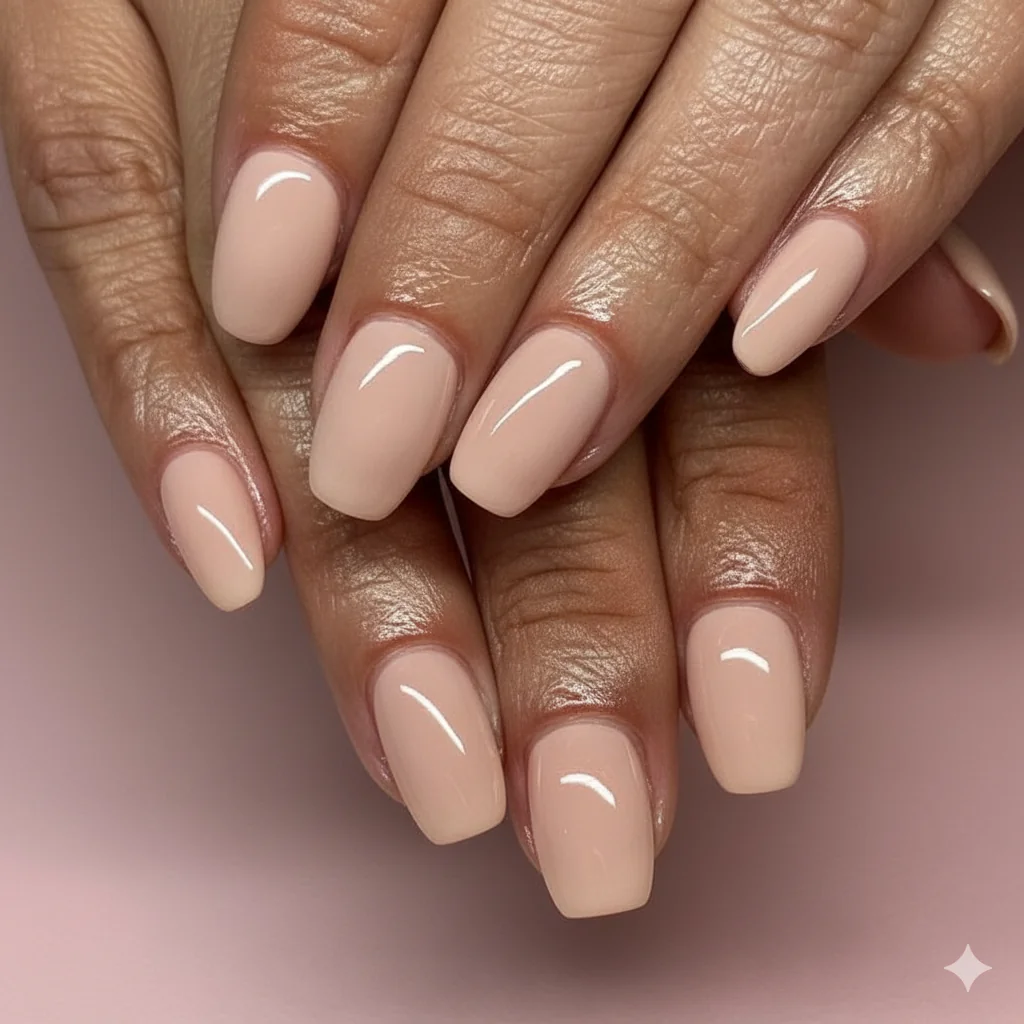
Pair your short natural nails with a short nail style that works for you. The options within that length restriction are wider than you might expect.
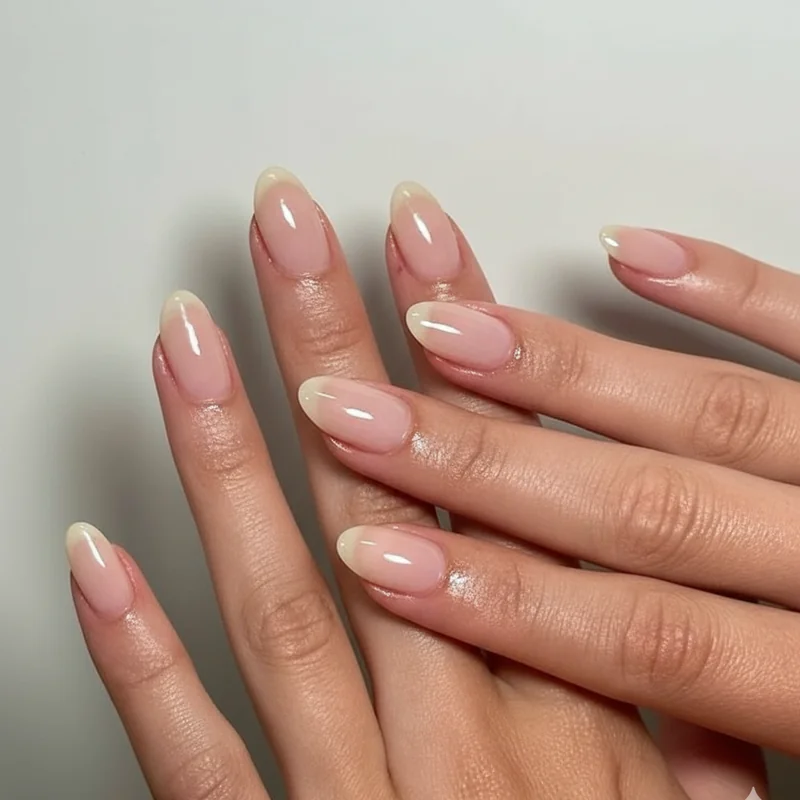
Can Nurses Wear Gel Polish? The Difference Between Acrylics, Gel, and Natural Nails in Clinical Settings
This is the question. It gets more search traffic than almost any other nail-and-nursing topic, and the answer is genuinely more complicated than most sources admit.
Technically, the CDC's guidance targets "artificial nails or nail extenders", a category that includes acrylics, gel extensions, dip powder, and press-ons. Whether gel polish on a natural nail falls into that category depends on how your institution has interpreted the guidance.
Research published in updated SHEA hand hygiene guidelines clarified that the no-nail-polish recommendation applies specifically to scrubbed surgical personnel, not to all healthcare workers across all settings. It also acknowledged that the evidence on gel polish specifically is less settled than on acrylics. A 2024 study found no statistically significant difference in surgical site infection rates between standard and gel polish, but noted that standard and natural nails may be more amenable to effective hand hygiene than gel.
What this means practically: gel polish on natural nails exists in a grey zone. Some hospital policies group it explicitly with artificial enhancements. Others are silent on the distinction. If your facility policy says "no artificial nails," ask your infection control team directly whether gel polish on natural nails is covered, and get the answer in writing.
The clearer answers: acrylic nail extensions, gel extensions, dip powder overlays, and press-ons are out in clinical settings. Natural nails with fresh, chip-free standard polish: permissible in many settings. Gel polish on a natural nail: check your specific facility policy before assuming either way.
For further reading on infection control and gel manicures, the research on alcohol-based sanitiser interaction with gel polish is worth understanding before you make the call.

Nails for Lawyers: What BigLaw, In-House Counsel, and Government Legal Actually Expect
There is no bar association rule on nail polish. No court has ever ruled on a lawyer's manicure. What exists instead is a set of professional norms that vary considerably, and the law firm nail discussions in communities like Corporette and Fishbowl reveal just how much the expectations differ depending on where you practise.
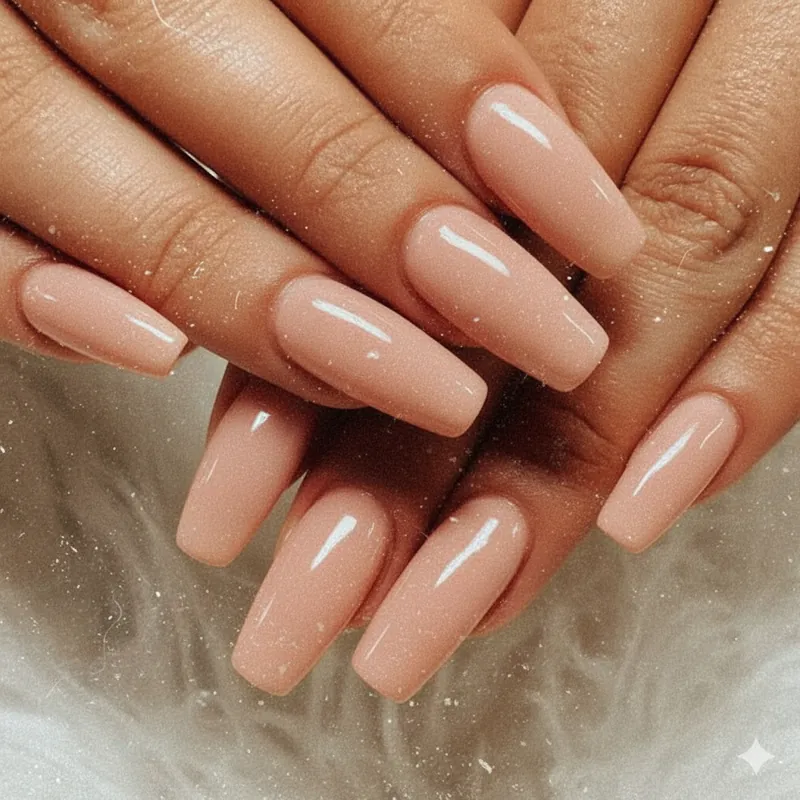
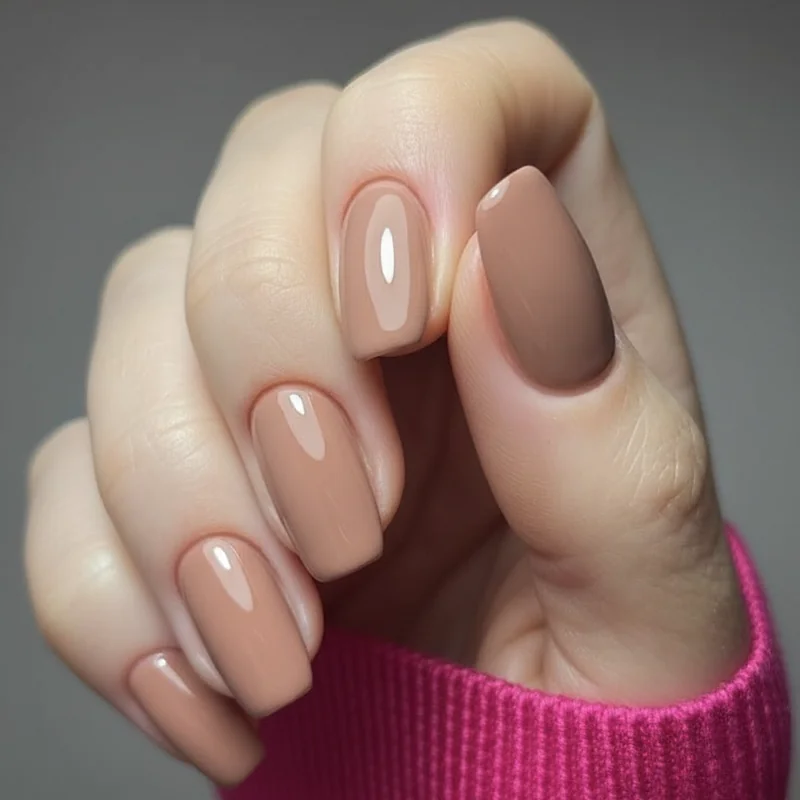
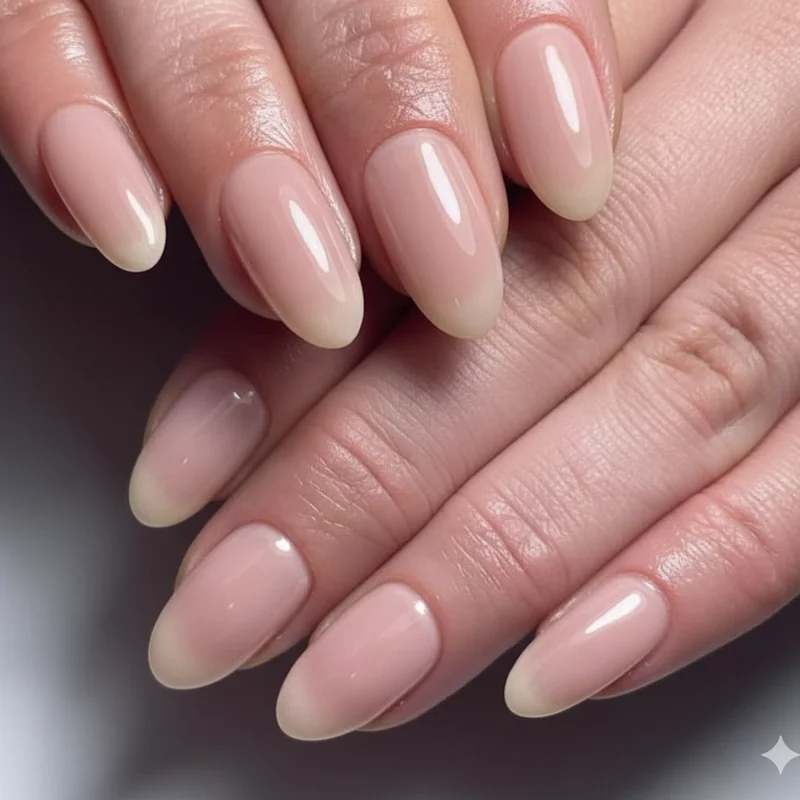
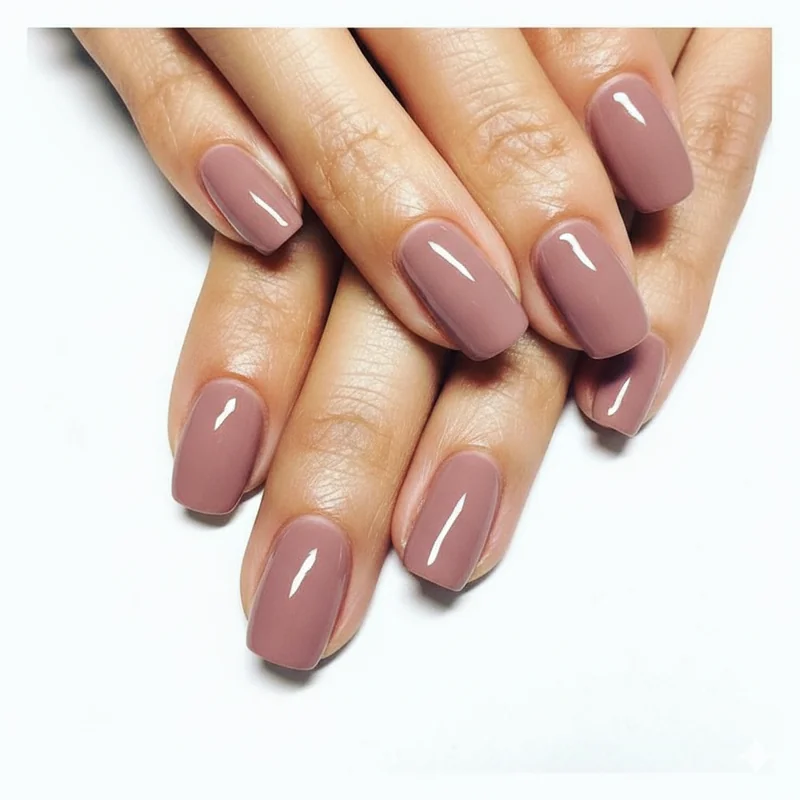
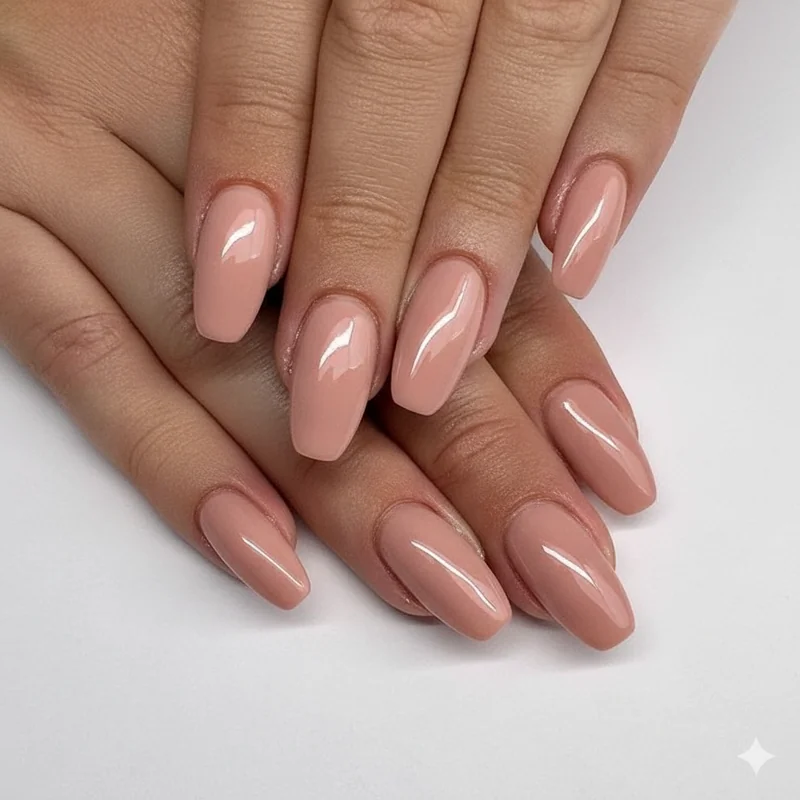
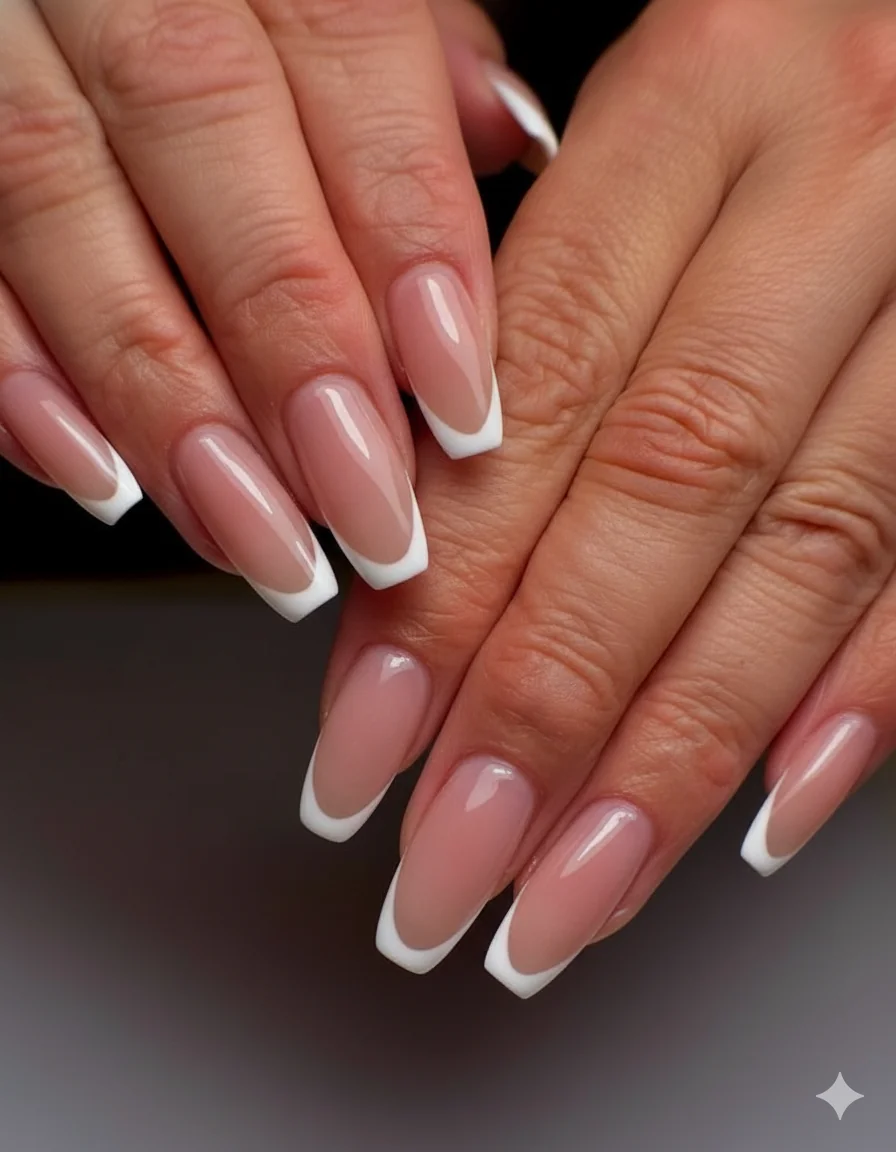
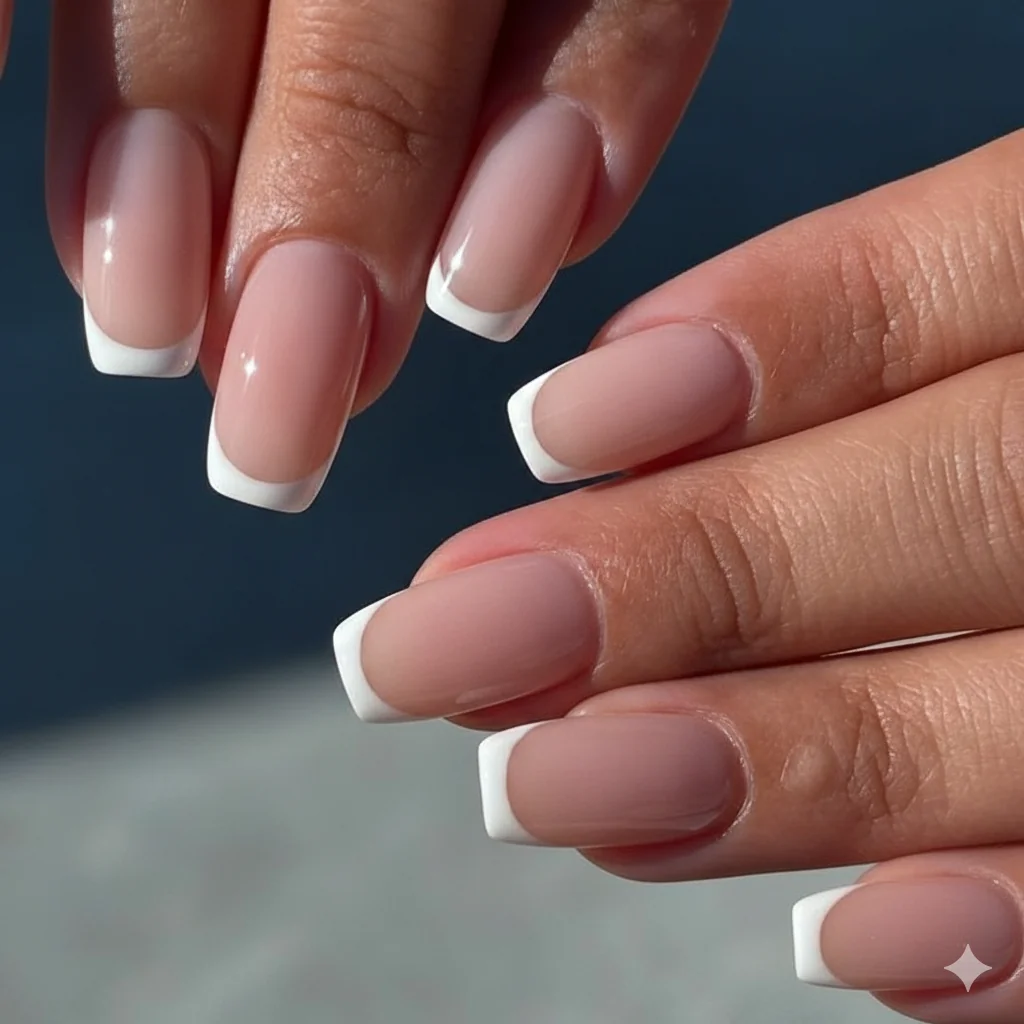
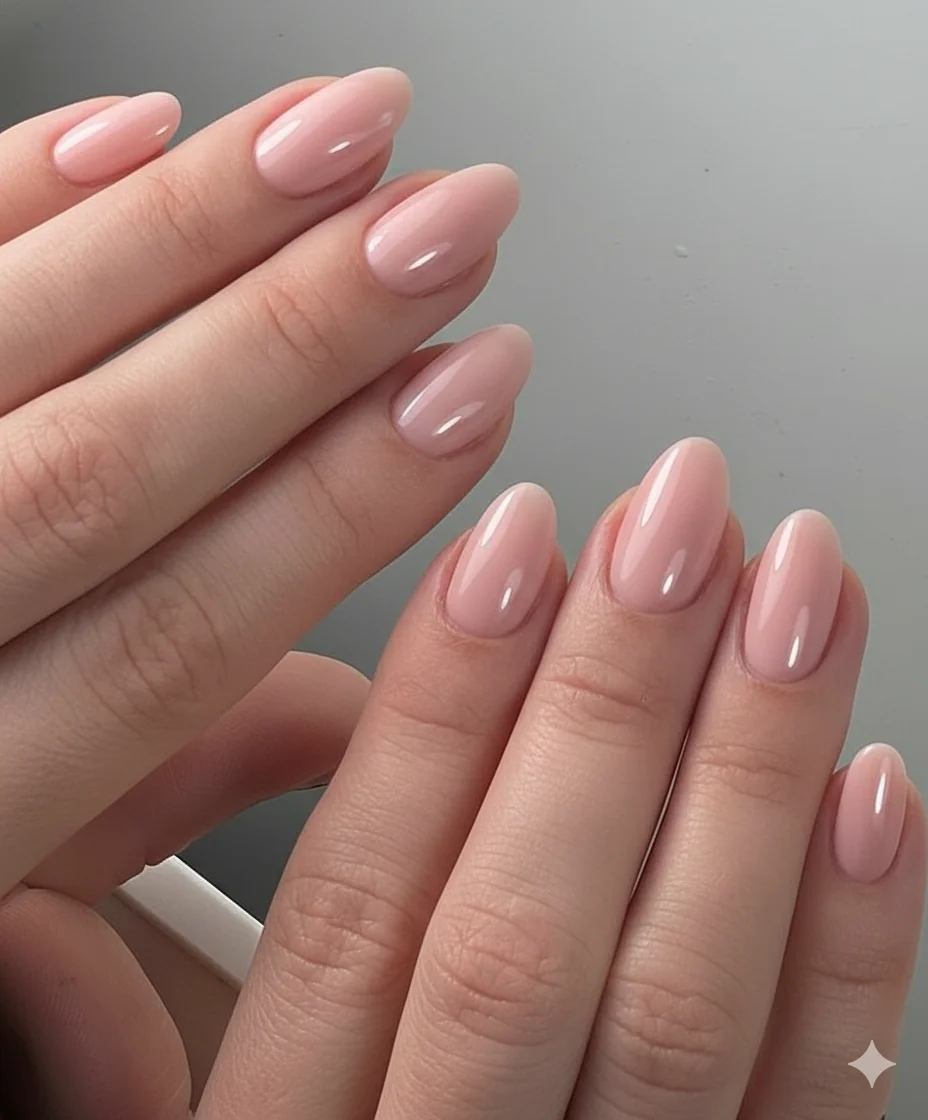
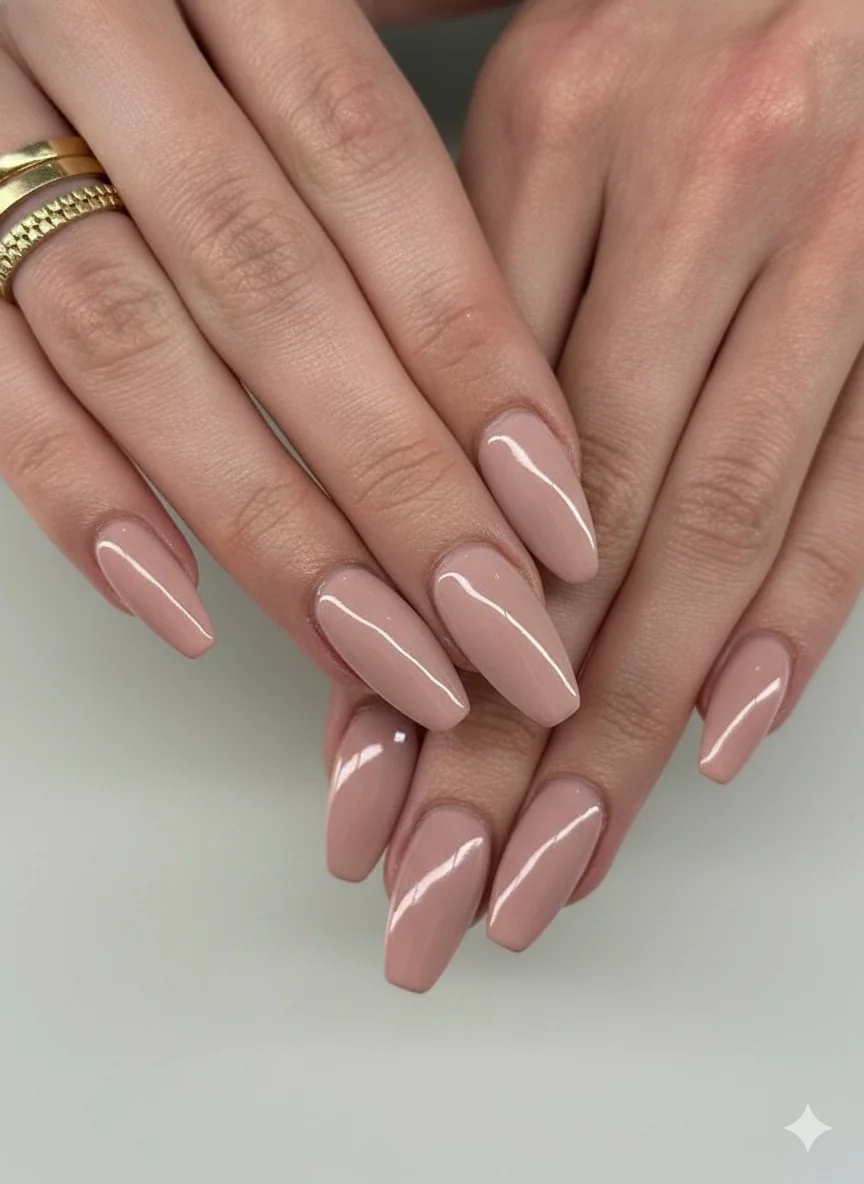
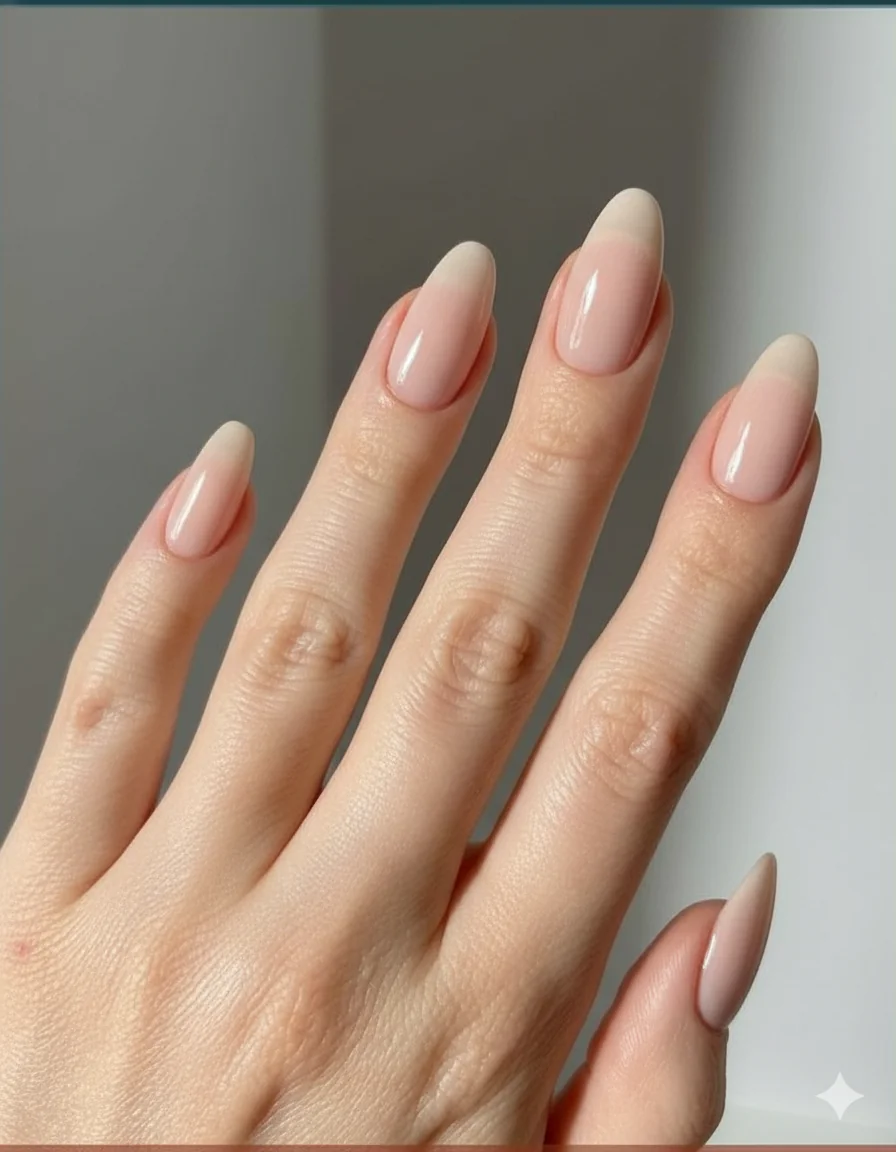
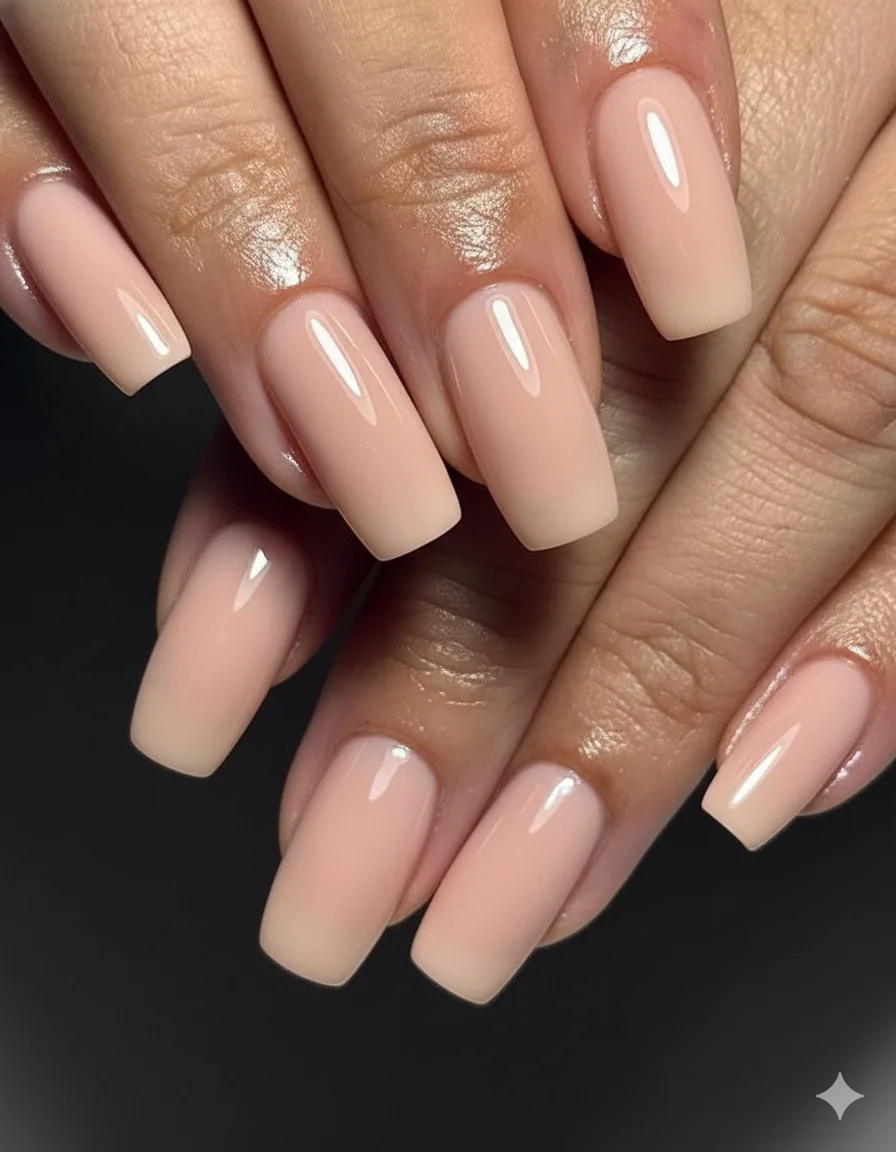
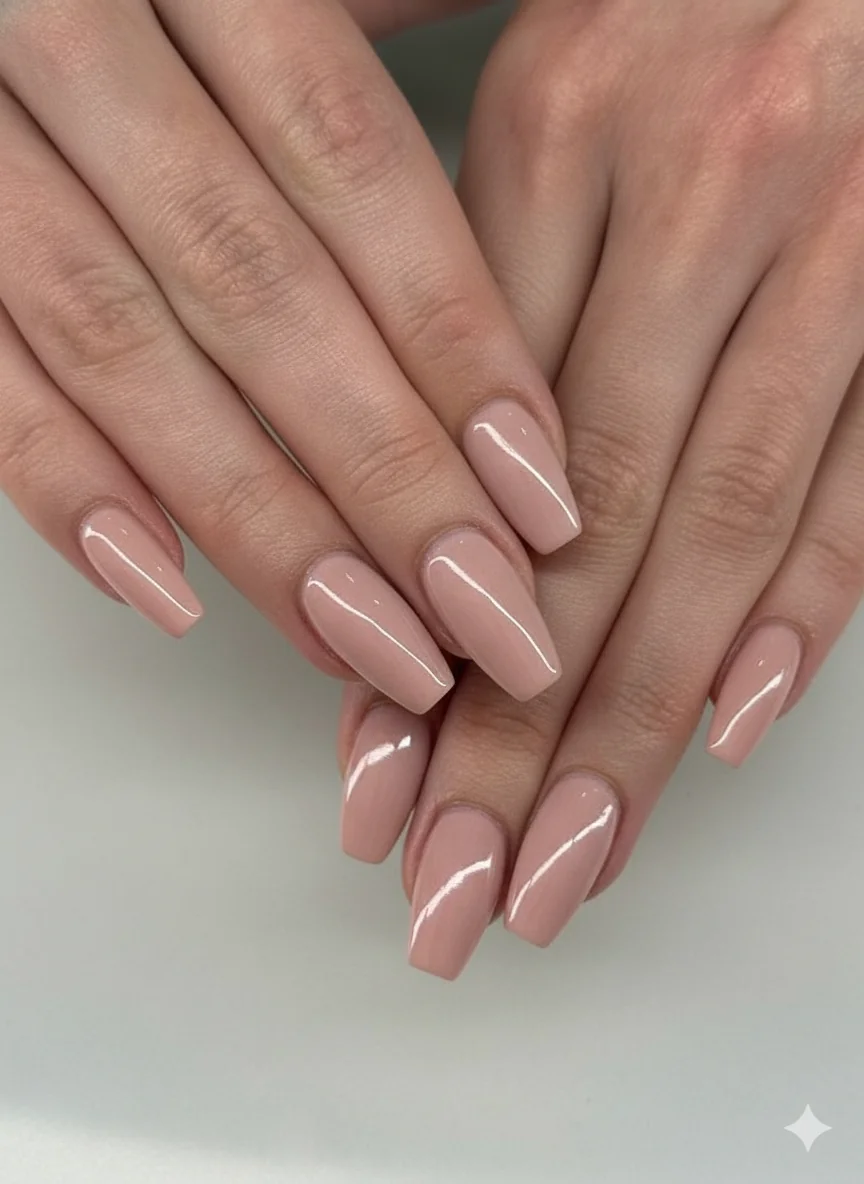
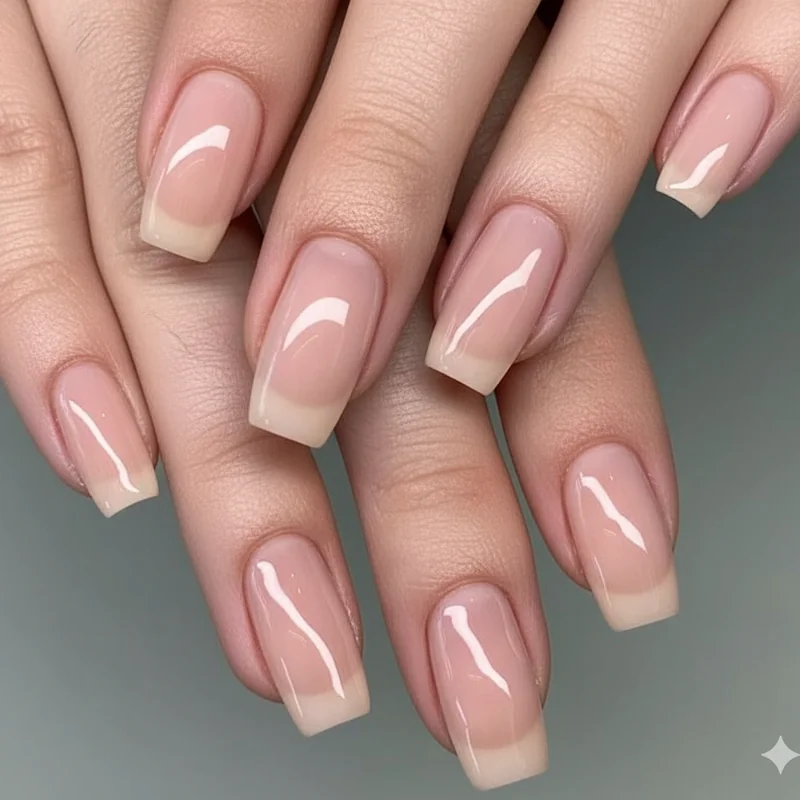
BigLaw skews conservative, particularly for court appearances and client-facing meetings. Senior partners with bold colour exist, you have seen them, but the general unwritten rule is that nothing about your appearance should distract a client or a judge from what you are saying. That tilts most BigLaw women toward neutrals: nude, soft pink, blush, taupe, or a classic French manicure. Length tends toward short to medium. Nail art is rare in courtroom settings, though it appears freely in office environments at many firms.
In-house counsel operates in corporate culture rather than law firm culture, which is generally a few steps more relaxed. Bold colours appear at tech and media companies; finance and pharma in-house teams tend to mirror their industry's conservative norms. Government legal, public defenders, prosecutors, government attorneys, tends to be the most conservative of all, with a culture that values not drawing attention to anything personal in the courtroom.
The consistent principle across all three: neatness and chip-free polish matter more than any specific colour rule. A bold red that is perfectly maintained reads differently than a nude that is half-chipped.
For the deeper comparison between conservative and creative professional environments, the conservative vs creative workplaces guide maps out exactly where the line sits. And for specific colour direction by industry, best work-appropriate nail colours gives you the palette with context.

Nails for Teachers: Elementary, Secondary, and University, Where the Rules Differ
Teaching is one of the few professions in this guide where the level you teach at matters more than any written policy. There is no regulatory body setting nail standards for educators. What shapes teacher nail choices is a combination of practicality, parental perception, and the culture of the specific school.
Elementary school teachers tend to self-regulate toward shorter nails for practical reasons: typing lesson plans, playing piano or guitar for music activities, helping young children with fine motor tasks, handling art materials all day. Long acrylics and small children's hair are not a good combination. Most primary teachers land naturally at short to medium length with colours that are tidy and not alarming to parents, but there is no rule requiring this. Fun, age-appropriate nail art is common in primary classrooms; teachers who incorporate it report that children love it.
Secondary school teachers have considerably more latitude. High school culture, particularly in urban and diverse schools, has normalised a much wider range of nail expression among staff. The expectation is professional enough that students and parents take you seriously, which covers a very wide range. Private secondary schools may mirror their conservative dress code culture more tightly; state comprehensives and sixth form colleges are generally relaxed.
University faculty essentially have no nail norms at all. Academic culture tolerates, even celebrates, individual expression in ways that corporate environments do not. The only context where restraint applies is a job interview or formal examination setting, where the same general rule of "nothing distracting" applies.

Nails in Finance and Banking: The Strictest Office Dress Codes and What Still Works
Banking and finance sit at the conservative end of the professional nail spectrum, not because of regulation, but because of client culture. In investment banking, asset management, and private equity, the client-facing environment remains formal in a way that has resisted the casualisation that happened elsewhere post-pandemic. The expectation is restrained: neutrals, short to medium length, single colour, chip-free.
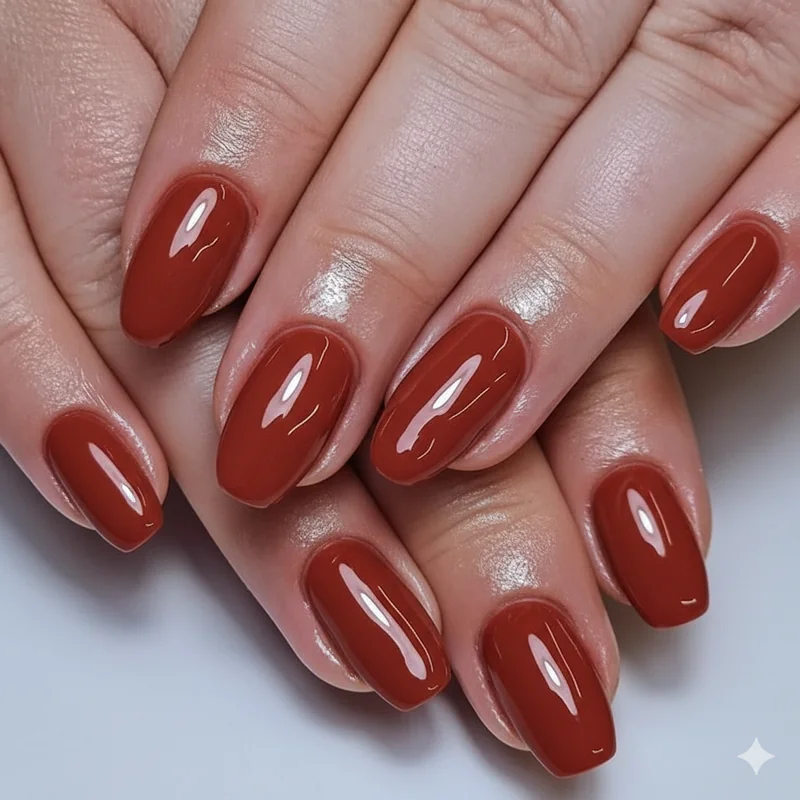
That said, "restrained" does not mean beige or nothing. Deep burgundy, warm terracotta, and rich berry tones have been standard in finance for years. A well-maintained bold red is acceptable in most banking environments. What signals unprofessionalism in finance is not colour so much as maintenance, chipped polish, grown-out acrylics, or nail art in a client meeting reads as inattention to detail, which is precisely the quality finance clients are paying for.
The split between front-office and back-office matters here. Analysts and associates in client-facing roles default to conservative. Those in technology, compliance, or operations within financial institutions have considerably more freedom.

Nails for Food Service Workers and Chefs: The Legal Side of Kitchen Nail Rules
Food service is where nail rules have legal teeth. The FDA Food Code, section 2-302.11, states that food employees must keep nails trimmed, filed, and cleanable, and may not wear nail polish or artificial nails when working with exposed food unless wearing intact gloves. Most state and local health codes have adopted this language directly, and some go further, prohibiting polish entirely regardless of glove use.
Discussions in the food safety regulations community make clear that enforcement varies by setting. A front-of-house server in a casual restaurant faces different scrutiny than a kitchen worker in a food manufacturing facility, where BRC and SQF standards often ban artificial nails outright with no glove exception.
The science behind it: nail polish, particularly chipped polish, can contaminate food with physical fragments and bacteria. Artificial nails introduce additional contamination risk and can detach without the wearer noticing.
For chefs in professional kitchens: bare, short, clean nails are the standard. The physical work of kitchen life makes this practical as much as regulatory. Long nails in a professional kitchen are a safety issue as much as a hygiene one. Fine dining versus casual food service does not change the underlying rule; what changes is the rigour of enforcement.
Front-of-house staff, hosts, servers, sommeliers, are not handling exposed food and have considerably more flexibility. Tidy polish in any colour is generally accepted.

Nails for Hands-On Professions: Dental Hygienists, Physios, and Trades
Dental hygienists fall under the same infection control guidance as nurses, and in some respects face stricter application of it, because scaling and probing places hands in direct contact with a patient's mouth and blood. The CDC guidance, the American Dental Association, and most dental school clinical policies prohibit artificial nails entirely and require natural nails to be short. Gel polish on natural nails carries the same institutional ambiguity as in nursing: check your practice's infection control policy.
Physical therapists and physiotherapists work in a grey zone. There is no equivalent to the CDC's explicit healthcare worker nail guidance for allied health professionals in outpatient settings. In hospital-based PT roles, the clinical infection control standards often apply. In private practice physiotherapy, the practical consideration is the one that matters: can you perform a deep tissue massage or joint mobilisation effectively with long nails? For most, the answer shapes the choice naturally.
Hairdressers and beauticians face a version of this in reverse. Their professional context normalises elaborate nail expression, but the practical reality of chemical exposure, shampoo basins, and precision cutting work means many stylists keep their working nails shorter than their Instagram would suggest.
Trades workers (electricians, mechanics, construction professionals) face a straightforward practical constraint. Gloves, equipment, and physical work determine nail length far more effectively than any policy.

Nails for Creative Industries: Fashion, Advertising, and Tech, Where the Rules Relax
Creative industries do not just tolerate nail expression, in some sectors, they expect it. Fashion, advertising, PR, and media operate in environments where personal aesthetic is part of professional credibility. Showing up to a fashion editorial meeting with bare nails is, in its own way, as out of place as showing up to a BigLaw client meeting with glitter tips.
Tech is more varied. Silicon Valley's studied casualness has long held that effort spent on appearance is effort misdirected, which has created an environment where both extremes are possible: the founder in bare nails and a hoodie, and the product manager with an elaborate seasonal set. What tech culture does not tolerate well is conventional formality, which means the classic conservative French manicure reads as out of place in the same way a suit does at a startup.
Advertising and PR agencies sit between these two worlds. Client-facing roles in consumer brands tend to mirror the brand's aesthetic, a beauty brand account manager's nails are part of her pitch. B2B advertising skews slightly more conservative.
The consistent principle for creative industries: look intentional. A bold nail that is clearly chosen reads as editorial. The same bold nail in a chipped, grown-out state reads as careless, and careless does not work anywhere.

Nails for Remote Workers: Camera-Ready Without a Dress Code
Remote work removed the commute-visibility rule but introduced a different one: the camera rule. Your nails are more visible on a video call than they ever were walking into an office, hands in frame, mouse movements, typing visible during screen shares. What reads as imperceptible in person is amplified at close range on a screen.
For remote workers in corporate or client-facing roles, "camera-ready" is the actual standard. That does not mean conservative. It means intentional and maintained. Nails that look great on camera tend to have good colour contrast, clean lines, and no chips, because the camera finds chips before you do.
Remote workers with no external-facing video calls have the most genuine freedom of anyone in this guide. The question then becomes purely personal, what do you want your nails to feel like while you work? Many women who spent years suppressing their nail preferences for office environments report that remote work was the context in which they finally let themselves experiment. That is a valid use of the freedom.
For the modern professional navigating the overlap between personal expression and professional presentation in 2026, the professional nails for the modern woman overview from Mirellé captures the broader landscape of how these expectations are shifting.

The One Rule That Applies to Every Profession: What Truly Matters Regardless of Industry
Strip back every profession-specific guideline in this post and the same principle holds: nails should not be the thing someone notices about you for the wrong reason.
In healthcare, that wrong reason is contamination. In law, it is distraction. In food service, it is food safety risk. In creative industries, it is looking careless rather than considered. The goal in every context is the same, your nails should function appropriately for your role and communicate that you are someone who pays attention to the details that matter in your field.
What changes between professions is what "the details that matter" actually are. For a surgeon, it is infection control compliance. For a fashion director, it is aesthetic intentionality. For a teacher, it is almost nothing at all.
The best starting point for anyone changing jobs or starting out in a new field: observe. Note what the established professionals in your specific environment are wearing. The gap between what the policy says and what people actually do tells you a great deal about how the culture has settled around the formal rules. Then make your own call, with the knowledge of what the actual rule is, where it comes from, and how much room you have within it.
For nail health guidance that applies regardless of profession, because well-maintained nails look better in every context, the complete nail care guide covers maintenance that keeps your nails in good condition whether you are wearing full acrylics or going bare.