There is a very specific anxiety that hits the night before an interview. You've got the outfit sorted, you've rehearsed your answers, and then you look down at your hands. Maybe your gel is three weeks old and lifting slightly at the edges. Maybe you have chrome nails from last weekend and no idea whether to remove them. Maybe you just want someone to tell you, plainly, what to do.
Nails for a job interview are one of those things that feel higher-stakes than they probably are. Getting them wrong does matter, though. Not because a hiring manager will clock your nail colour and change their mind about you, but because chipped polish or unexpected nail art creates a flicker of distraction before you've said a single word. The goal is simple: your nails should be a non-issue. Clean, intentional, and quietly done. This guide gives you the framework to make that call for your specific industry, your specific situation, and the nails you actually have right now. For the broader picture of professional manicures across every workplace context, Work Nails: The Complete Guide covers it all.
Do Your Nails Actually Matter in a Job Interview?
Yes, but not in the way most people fear. No one is rejecting candidates over nail colour. What hiring managers and interviewers are registering, often without consciously naming it, is whether your overall presentation feels considered. Nails are part of that read.
A 2023 survey found that over 70% of hiring managers say grooming and presentation affect their first impression, even when they know it shouldn't. Nails fall under grooming. Chipped polish specifically reads as unfinished, the same way a crumpled shirt does. It's not a dealbreaker, but it's a small static in a moment when you want everything to be clean signal.
The good news is that the bar is lower than you think. Clean nails, whether bare or polished, beat everything else. You do not need a salon appointment. You do not need a specific shade. You need your nails to look intentional. That's the entire standard.
Do nails matter in a job interview? They matter as part of overall grooming, not as a standalone element. The read is holistic: polished presentation, attention to detail, self-awareness. Nails contribute to that. They don't dominate it.
The One Rule That Beats Every Colour Guide: No Chipped Polish, Ever
Before any conversation about shade or shape, this is the only rule that is genuinely non-negotiable: do not walk into an interview with chipped nail polish.
Chipped polish is worse than no polish. It's worse than a bold colour. It reads as something started and not finished, which is the precise opposite of the impression you're building. A well-maintained bold red is far less distracting than a pale pink that's half gone.
What should I do if my nails are chipped before an interview? Remove the polish entirely. Right now. A clean, bare nail, buffed lightly with cuticles pushed back and edges filed, looks deliberate and professional. It will not hurt you. Chipped polish will.
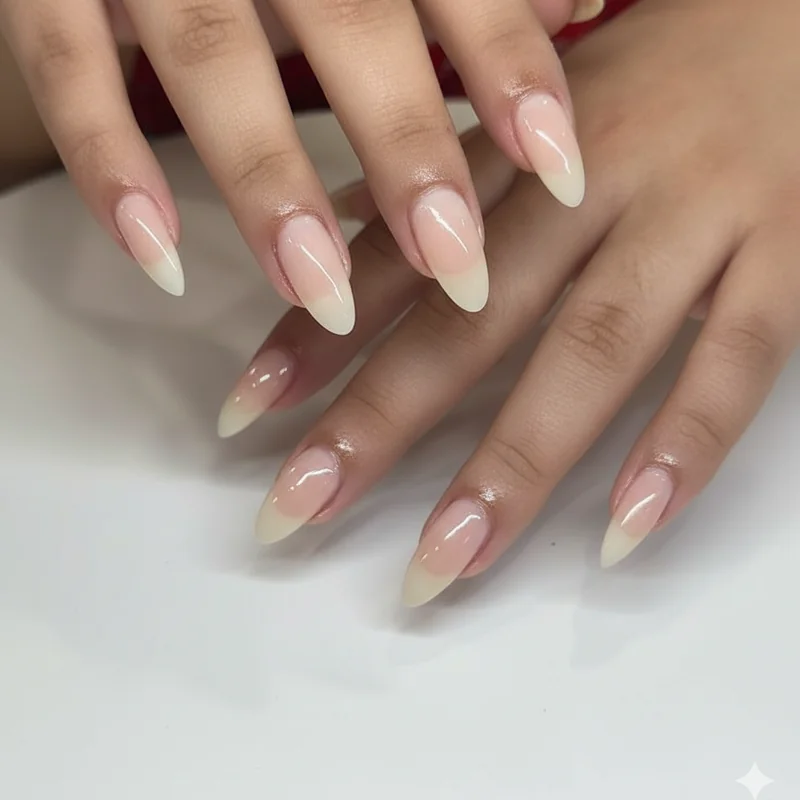
If you have time to apply polish, a single coat of a sheer nude with a quality top coat is your fastest, most foolproof option. Apply the night before, not the morning of.
The Safest Interview Nails in 2026 (That Also Look Good)
"Wear neutral" is the advice every article gives and none of them explain. In 2026, neutral means something more specific and, honestly, more interesting than a beige creme from 2012.
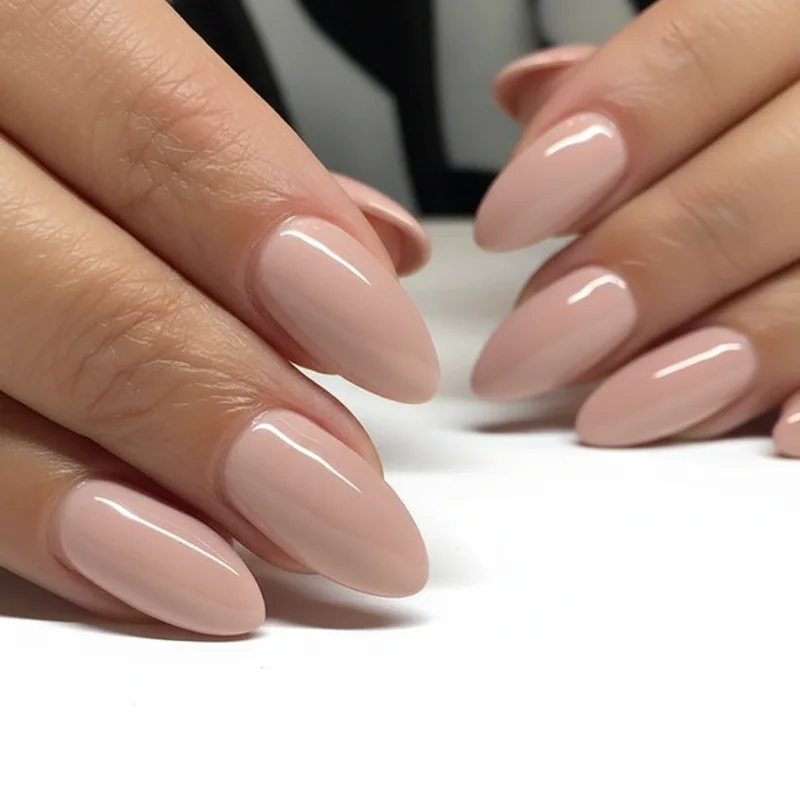
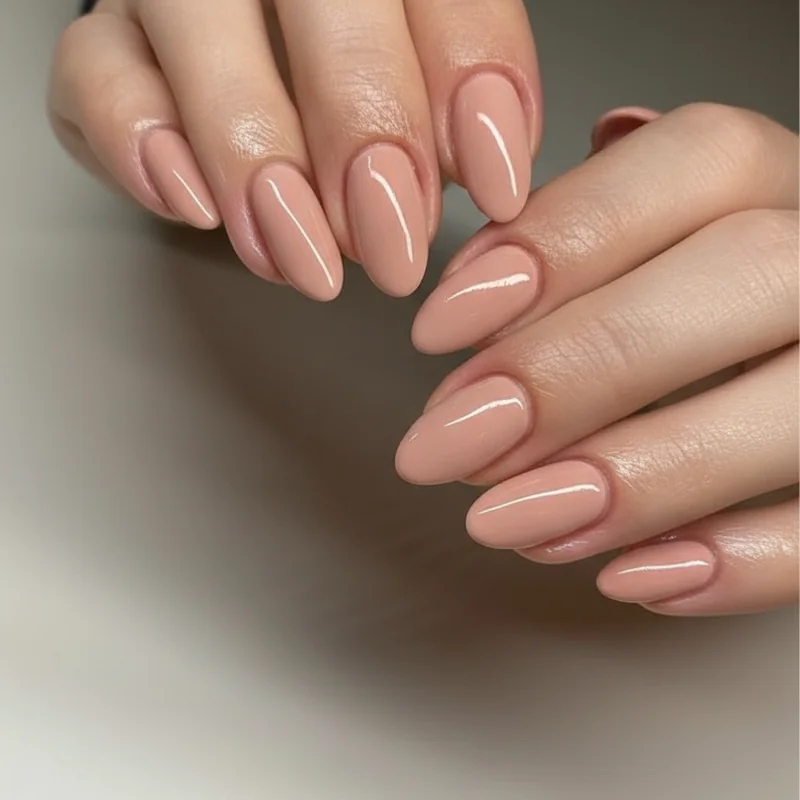
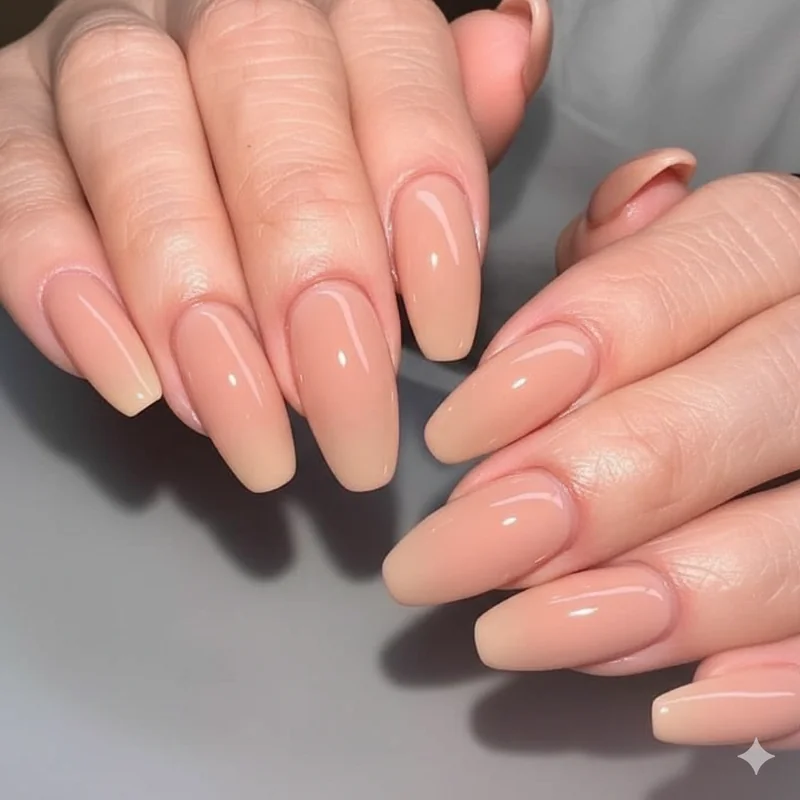
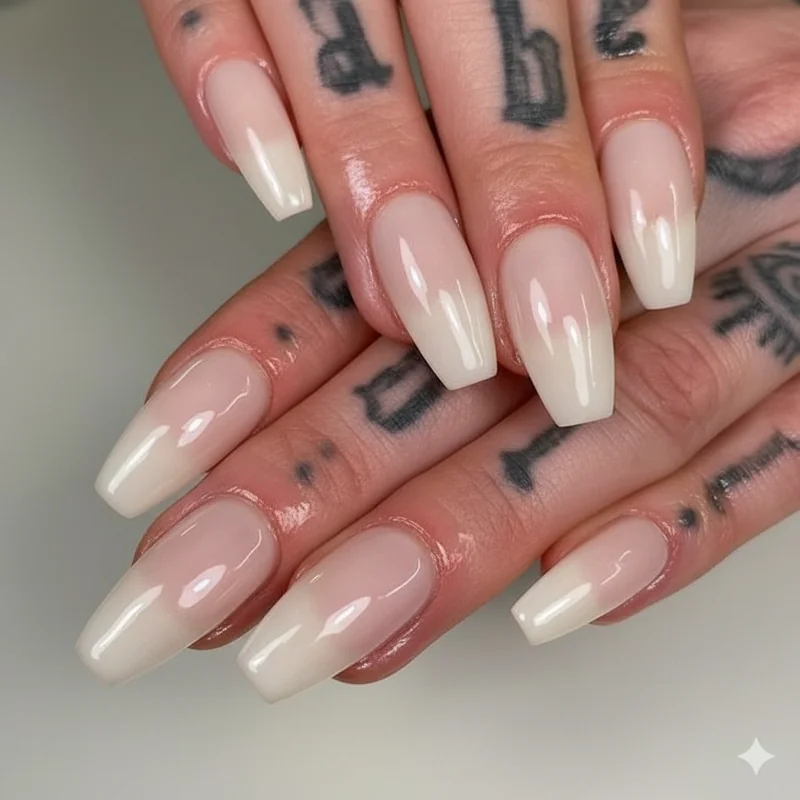
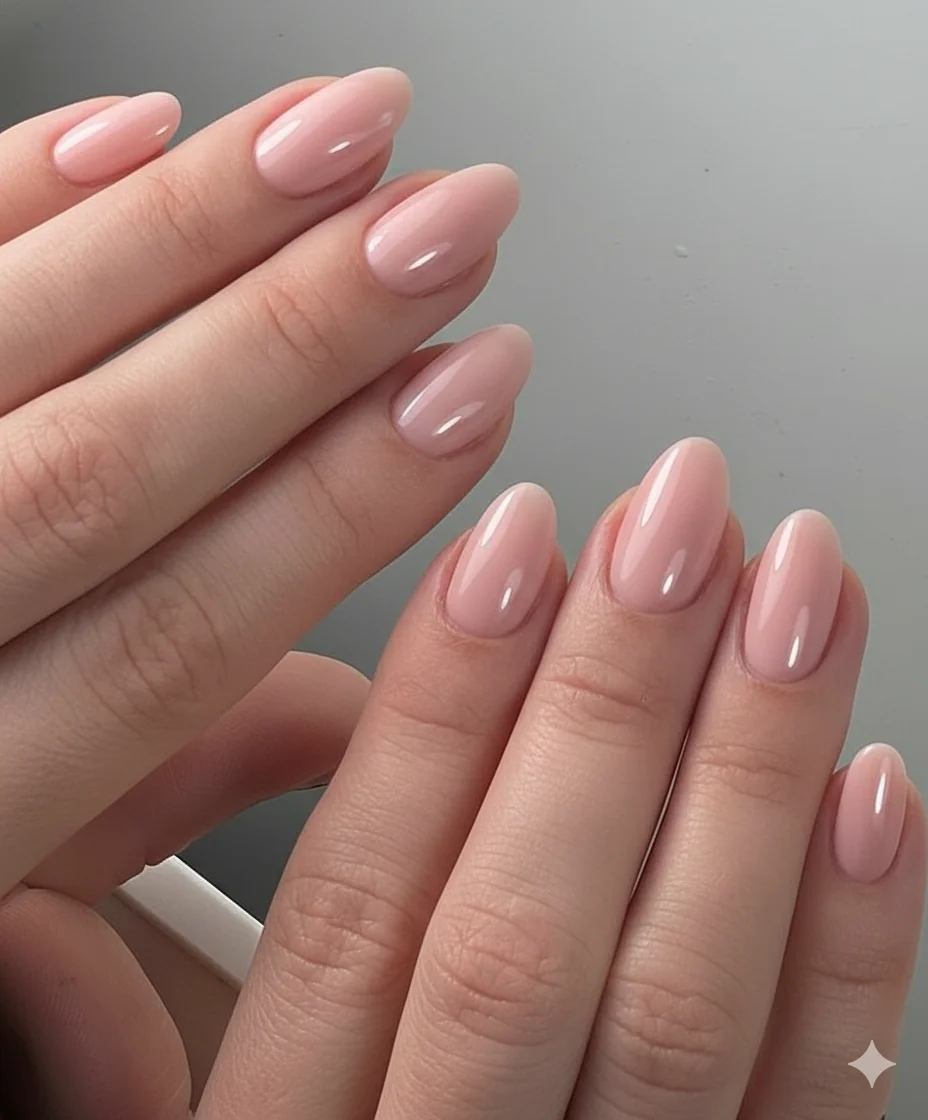
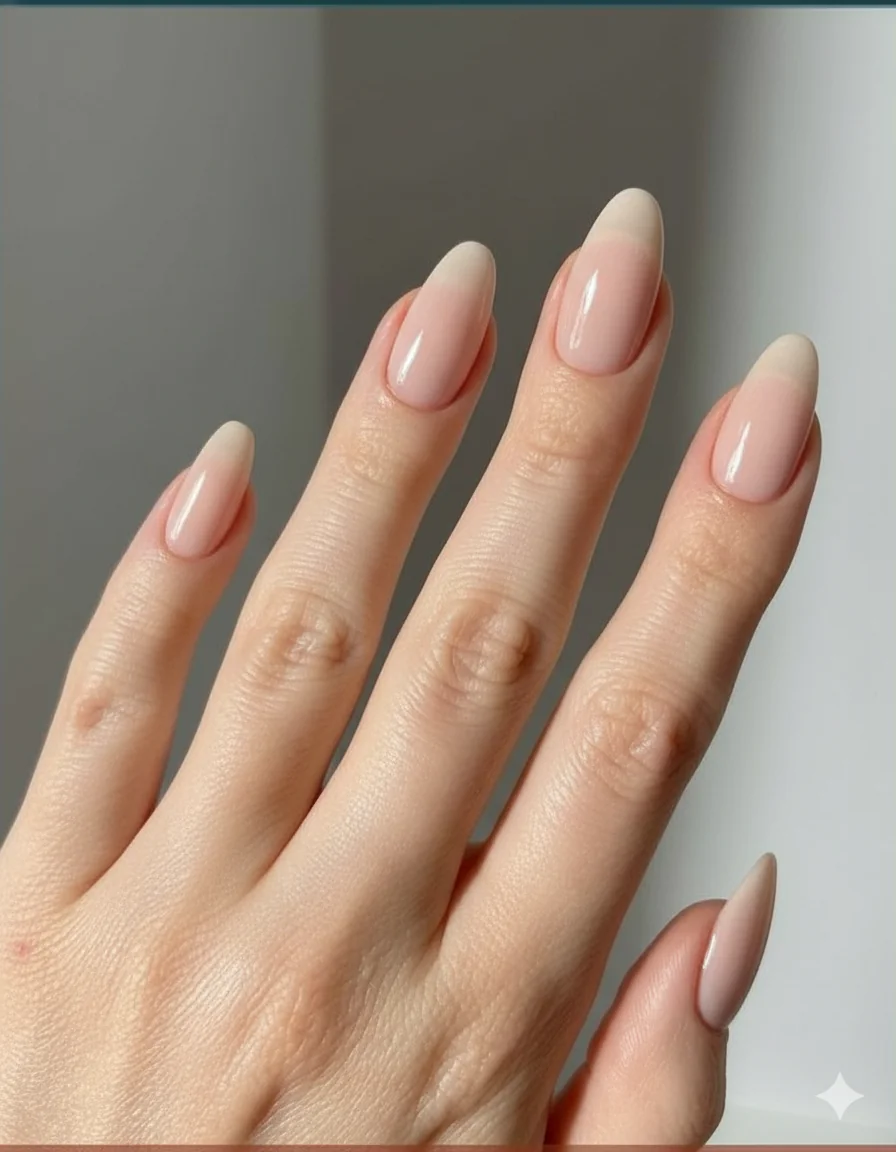
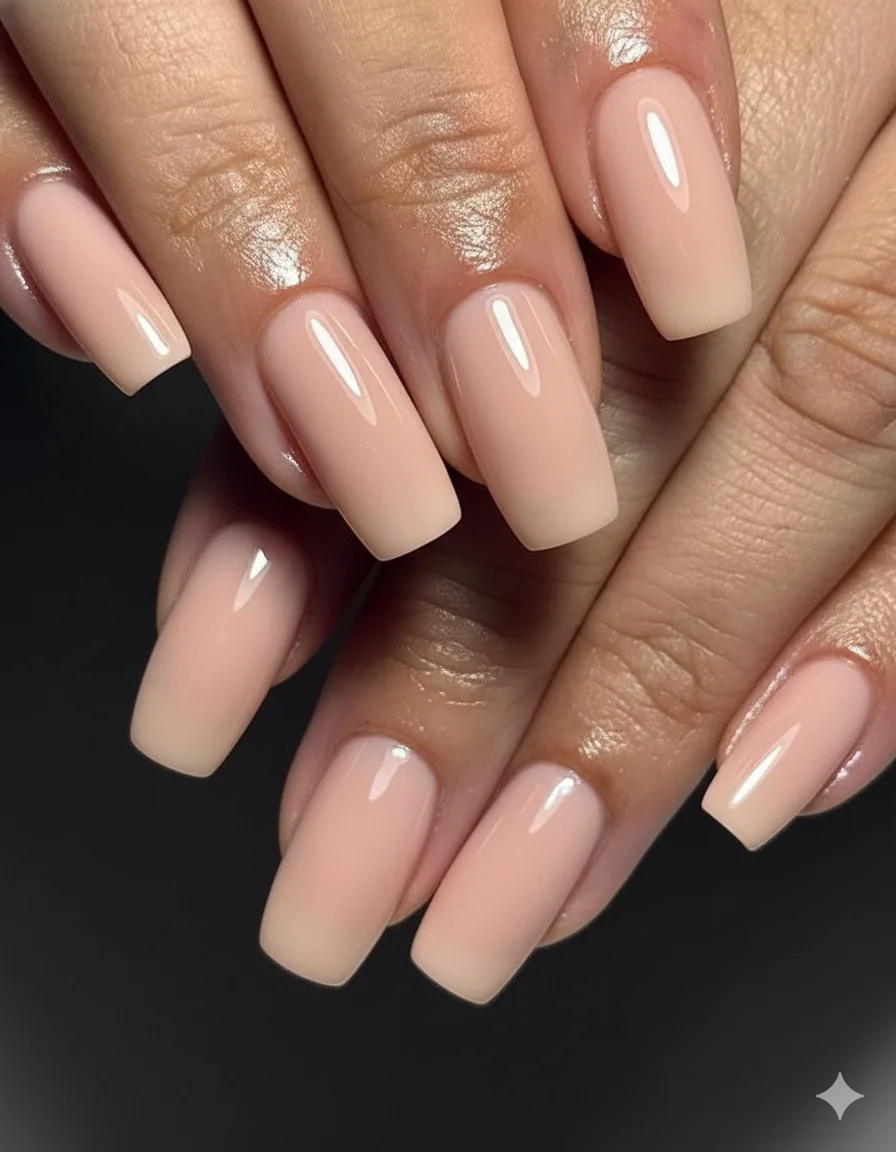
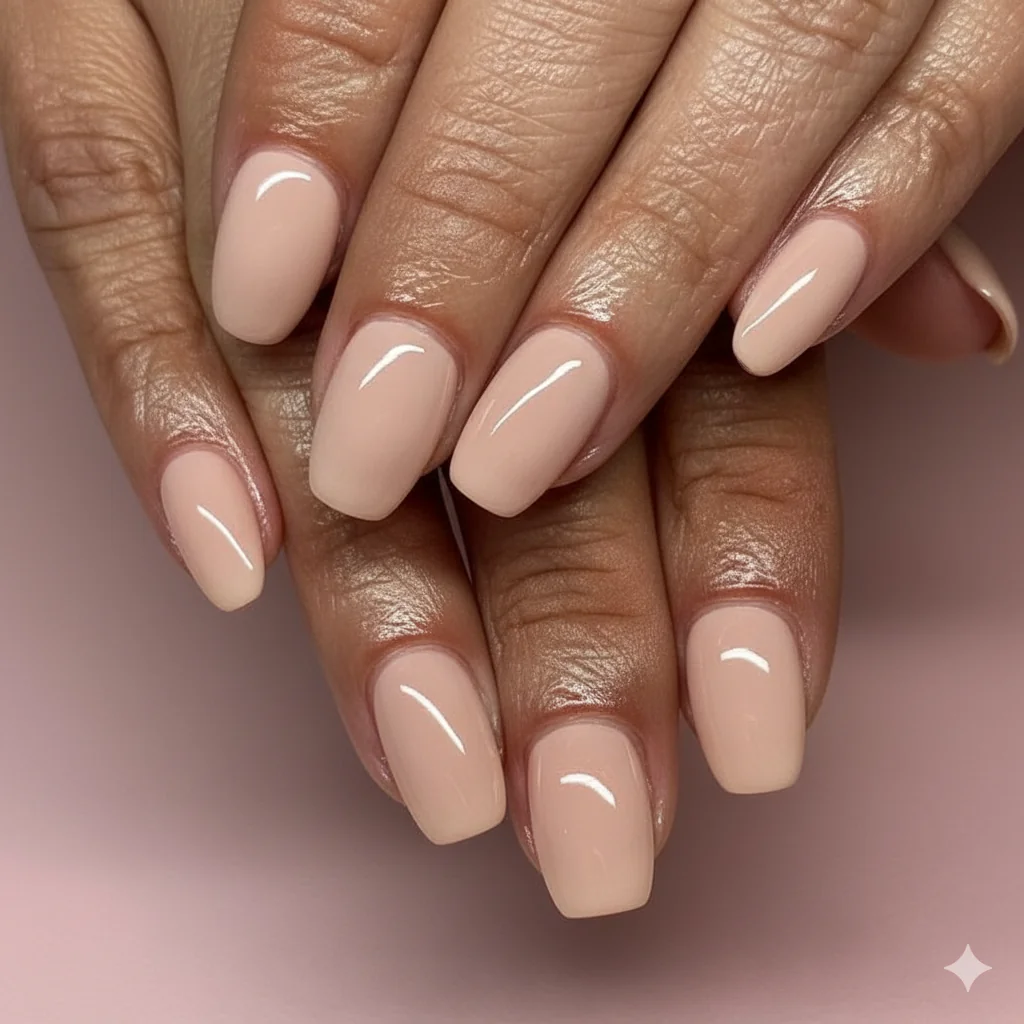
The milky nail and soap nail trends, that translucent, barely-there finish that has dominated the last two years, are fully interview-appropriate. They read as fresh and considered, not bold. OPI Bubble Bath, Essie Ballet Slippers, or any sheer milky polish in the same family all hit the brief. They're the kind of nails that photograph well on a video call and read as clean in person.
What is the best nail polish for a job interview? A sheer nude or soft pink in a milky finish. Squoval shape, 2--4mm past the fingertip. One coat of colour, one coat of top coat applied the night before. That's the formula. For a deeper look at which specific neutral shades translate best across professional settings, Neutral Nails for Work breaks them down by skin tone and industry.
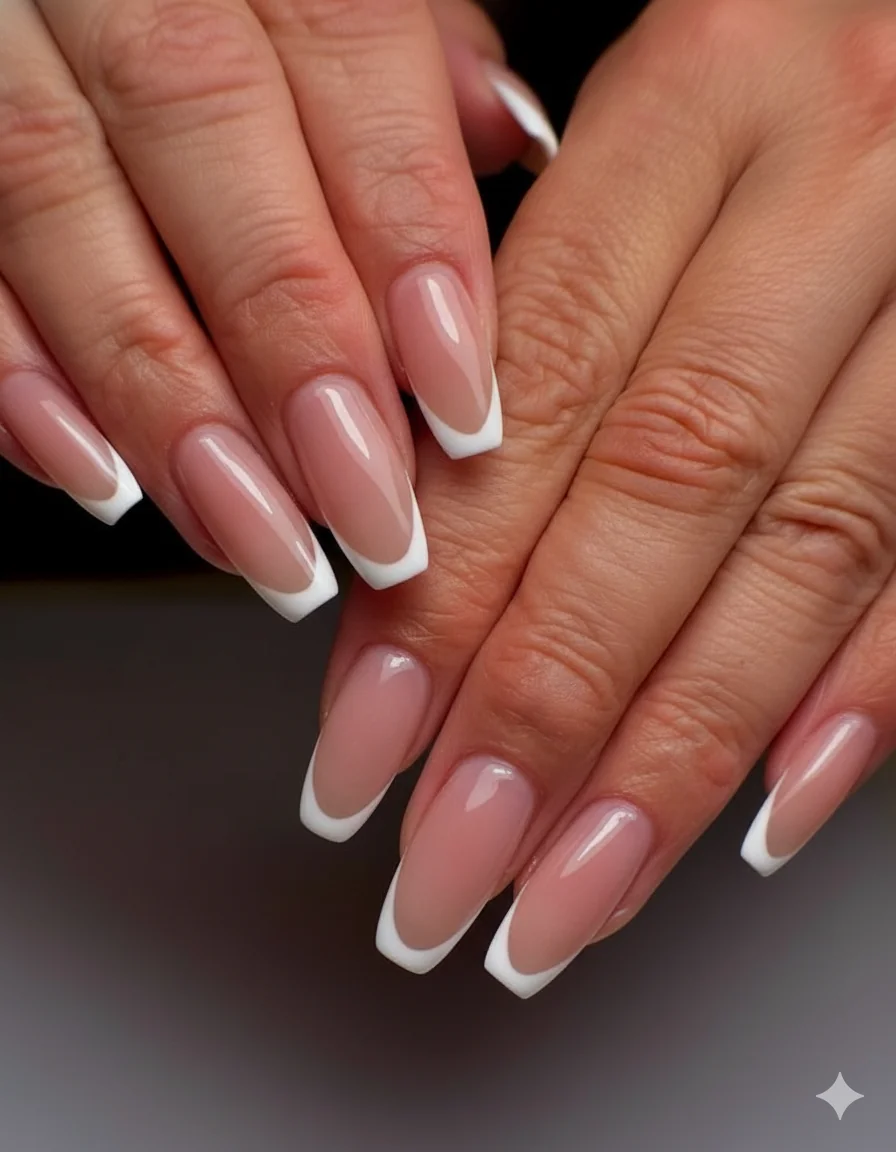
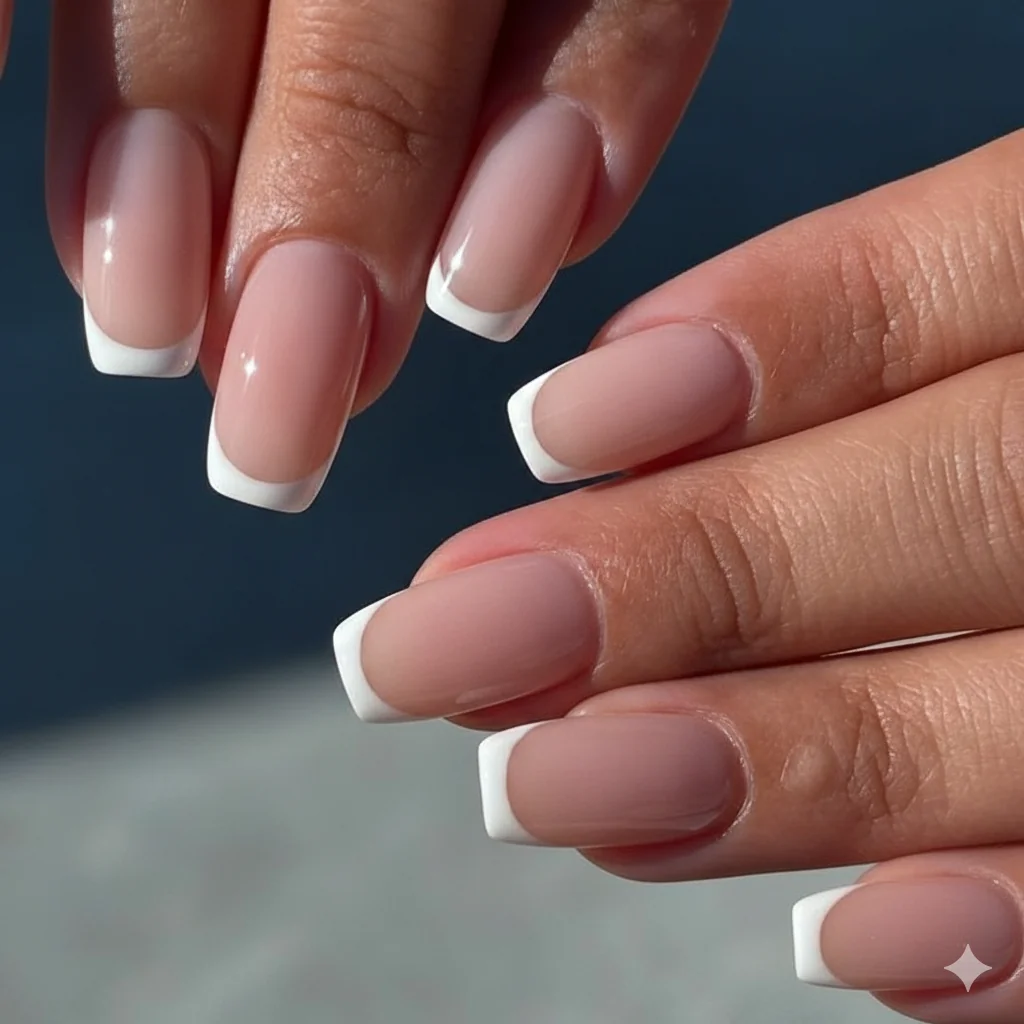
Modern French is also worth considering. Not the stark-white French tip of the early 2000s. The 2026 version, with a thin line and a nude or soft-taupe tip, is genuinely elegant and reads as deliberate in a way that a plain nude sometimes doesn't. It's a particularly strong choice if you want your nails to look "done" without committing to colour.
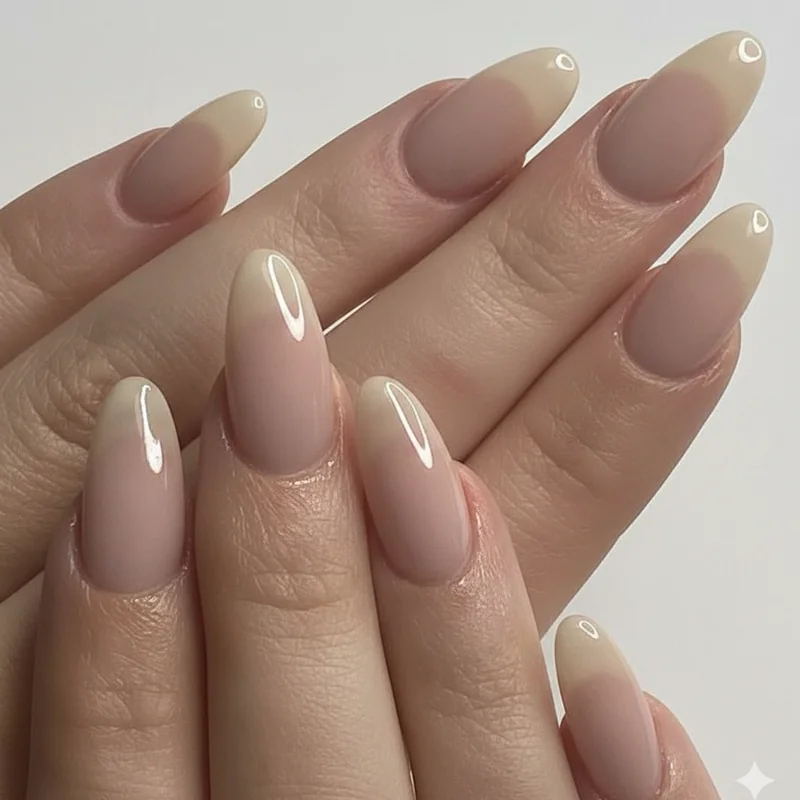
Are milky nails or soap nails OK for an interview in 2026? Yes, without reservation. Both trends sit squarely within professional norms. They're neutral in effect even when they're not nude in colour.

Interview Nails by Industry: Finance, Law, Healthcare, Tech, and Creative
The universal rules above apply everywhere. These are the adjustments, where the dial moves slightly depending on where you're interviewing.
Finance and law are the most conservative contexts. Short squoval or rounded nails, 2--3mm past the fingertip. Nude, soft pink, or sheer milky. Modern French works well here too. Skip anything with shimmer or gloss beyond a natural sheen; matte or satin finishes are also strong. The guiding principle in these environments is that your nails should be invisible to the person across the table. Corporette's community discussion on conservative office nails reflects this standard consistently across years of professional women sharing real experience.
Healthcare has a practical layer beyond aesthetics: many clinical settings have explicit policies on nail length and polish due to infection control. For a healthcare interview, short is non-negotiable. Tips should not extend beyond the fingertip. Clear, nude, or very pale pink only. No gel enhancements if you'll be going into clinical settings. If you're interviewing for non-clinical healthcare roles (admin, management, comms), the finance standard applies.
Tech is more relaxed than most people assume, but "relaxed" doesn't mean anything goes at the interview stage. A first-round interview at a tech company is still a professional context. Milky nails, modern French, and soft warm nudes all work. You have a bit more room on length: squoval or soft oval up to 4mm is fine. Save the chrome and the art for after you've read the room. OPI's role-based interview shade guidance, in their interview shade guide, frames this well: the shade signals something about your approach.
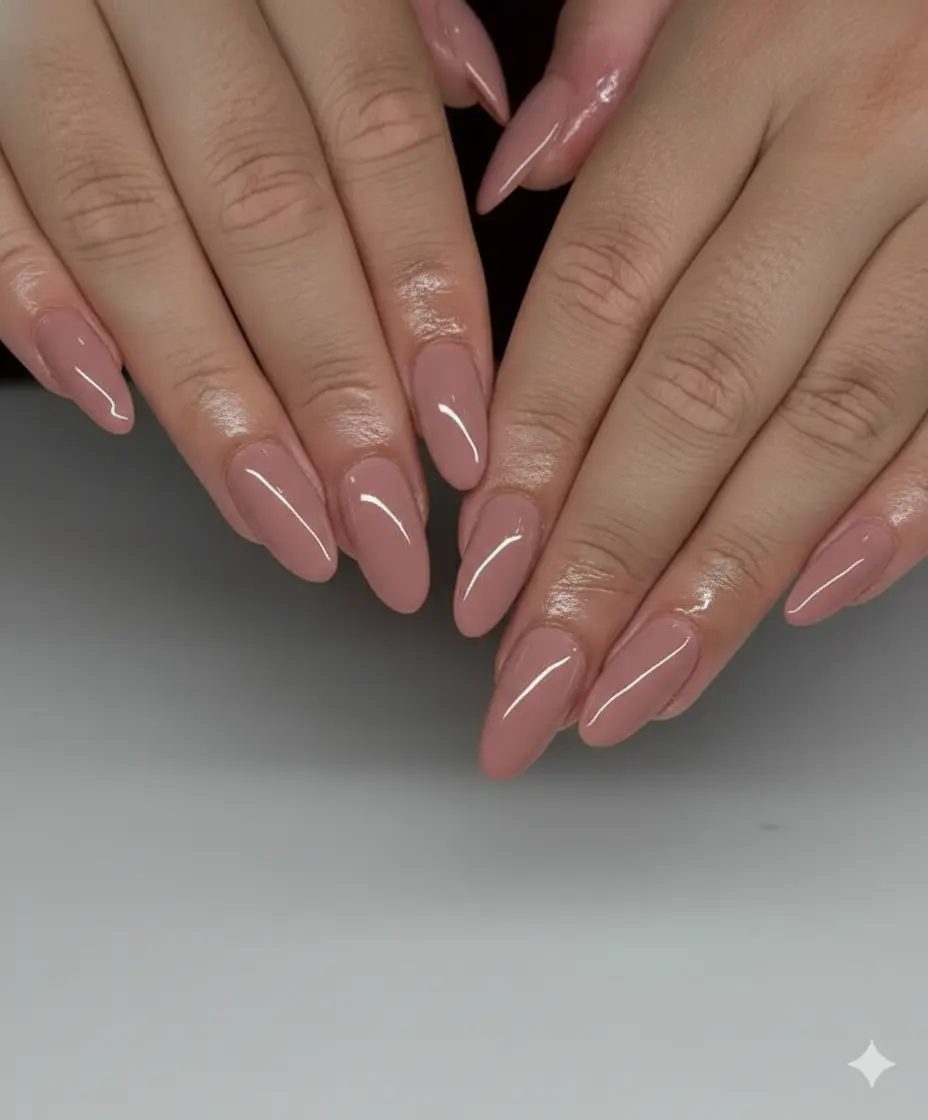
Creative industries (advertising, design, fashion, media) are where individual expression carries more weight. A dusty rose, a warm taupe, a very soft terracotta: all readable here. Nail art is still risky at first interview, but a single intentional accent nail or a colour with character won't hurt you. The read in creative environments is "does this person have taste?" rather than "is this appropriate?" For a broader 2026 breakdown by industry, Professional Nails for the Modern Woman: Navigating 2026 maps it in full.

What nails are appropriate for a finance interview? Short squoval, nude or sheer pink, no shimmer, no art. The goal is invisible polish. What colour nails for a creative industry interview? Soft, considered colour is fine. Think dusty rose or warm taupe rather than bold red. The read is taste, not restraint.
What Nail Length and Shape Say About You in an Interview
What length should my nails be for an interview? The professional sweet spot is 2--4mm beyond the fingertip. Long enough to look intentional, short enough to suggest you actually use your hands.
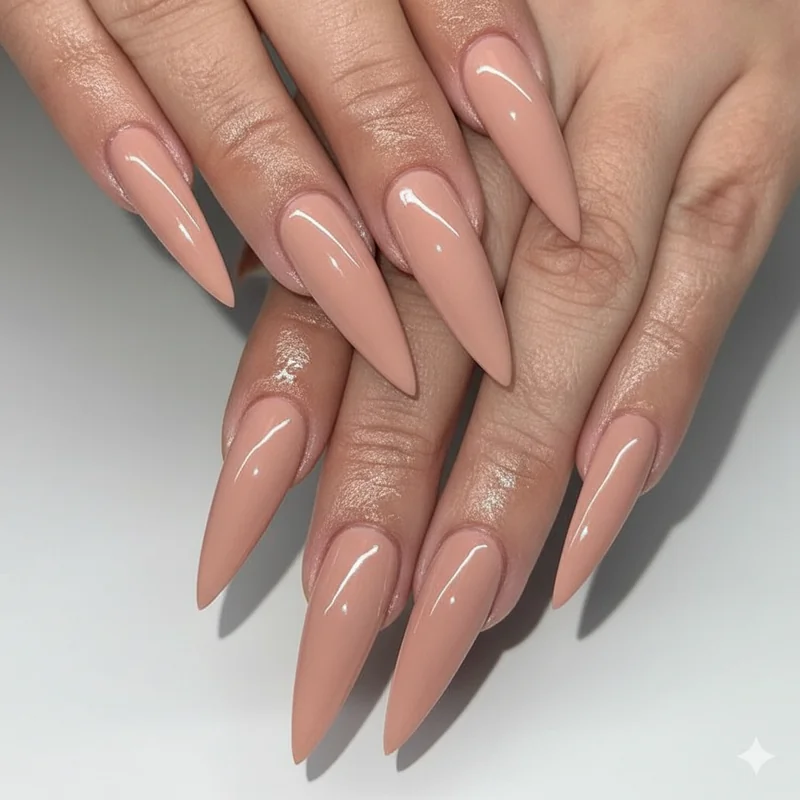
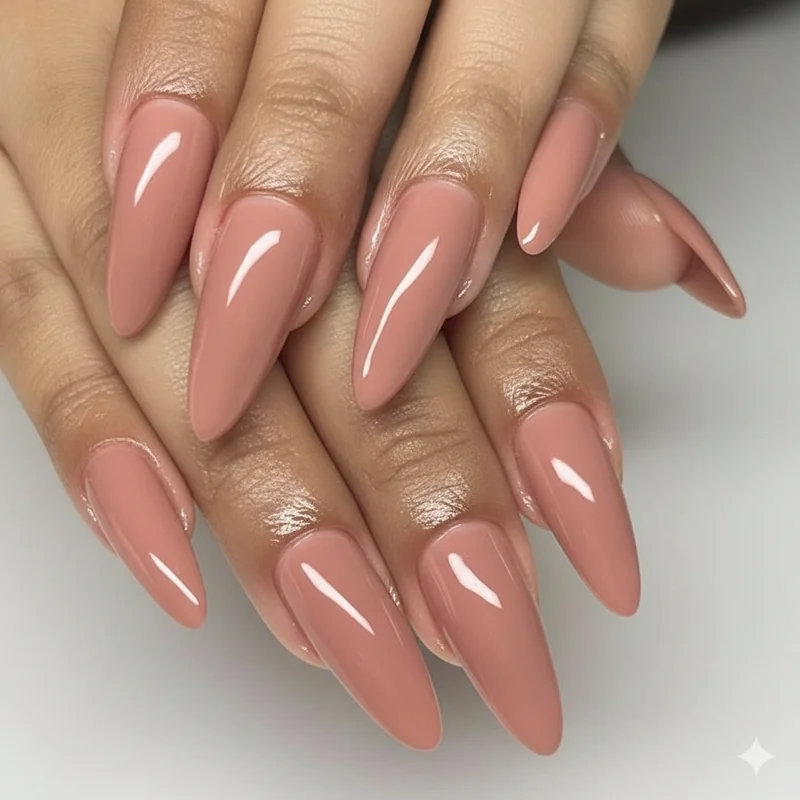
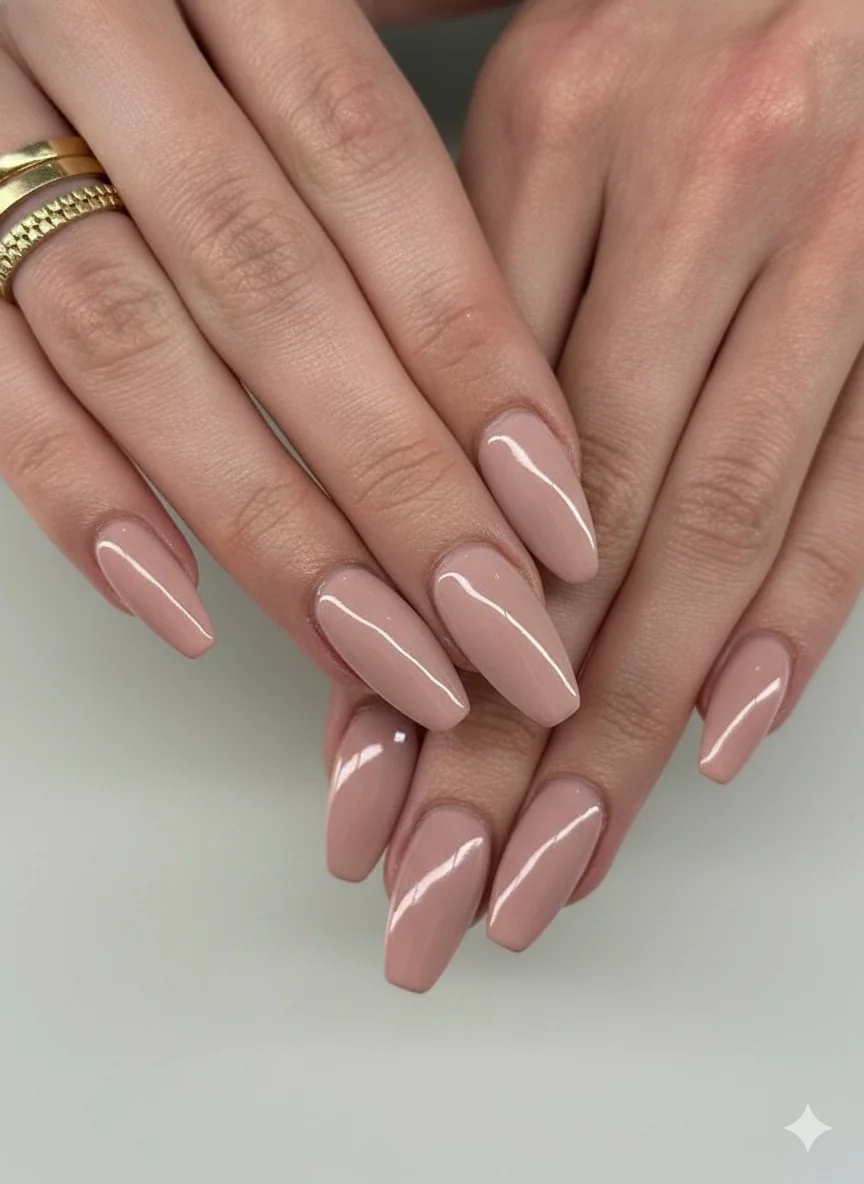
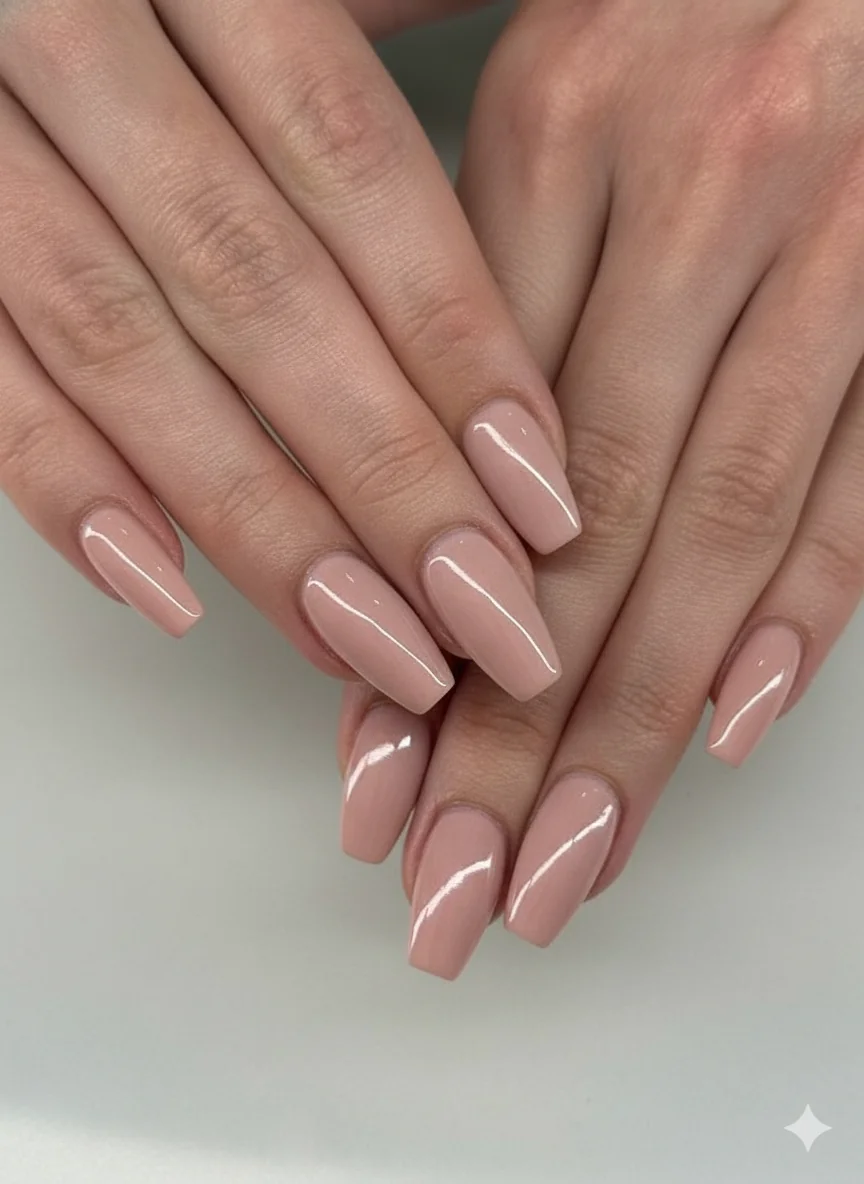
Longer nails, anything extending significantly past the fingertip, shift the visual read in ways that can be hard to predict in a new environment. They're not inherently unprofessional, but they draw attention, and in a first interview you want attention on your face and your words. Coffin and stiletto shapes fall into this category even at moderate lengths. The pointed geometry reads as fashion-forward in a way that squoval does not.
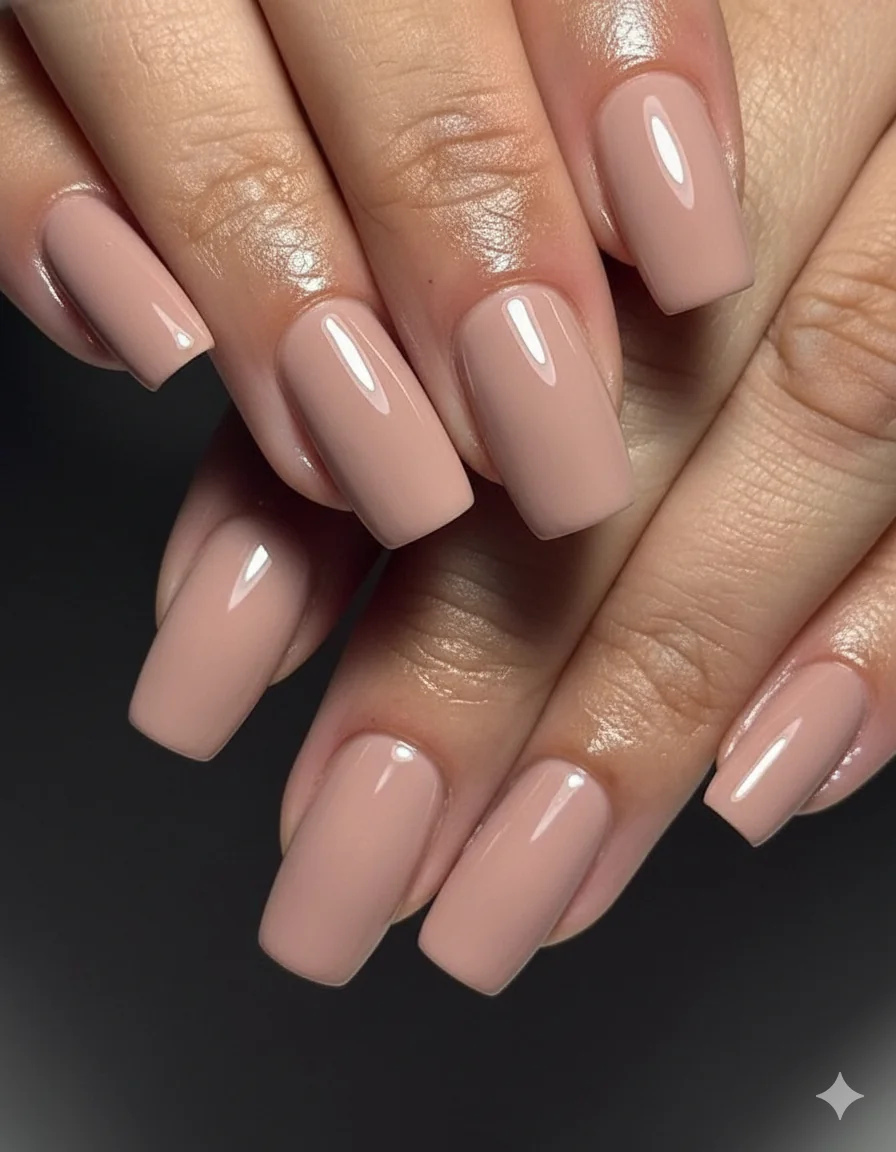
What nail shape looks most professional for an interview? Squoval, square with slightly softened corners, is the most consistently professional across all industries and skin tones. Rounded and soft oval are close behind. All three work. All three say the same thing: I take care of my appearance, and I'm not trying to make a statement about it.

Can You Wear Red, Dark, or Bold Nails to a Job Interview?
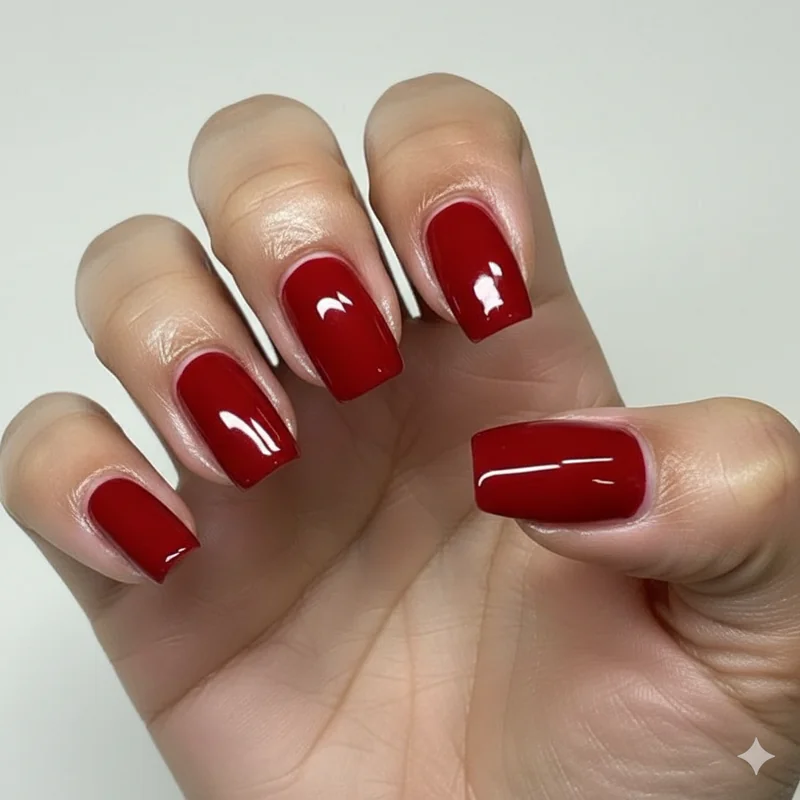
Are red nails appropriate for a job interview? It depends, but the honest answer for most industries is: not for a first round. Red nails are confident and intentional, but they're also visible. In a conservative industry, they can shift focus. In a creative one, they might actually work in your favour.
The safer version of this question is: will this colour make the person across the table think about my nails rather than my answers? If yes, save it. Not because it's wrong, but because the interview is the wrong stage for that conversation.
Dark shades, burgundy, navy, forest green, follow the same logic. Some dark nails read as sophisticated and considered; deep burgundy, for instance, has a long track record in professional contexts. Near-black and very saturated shades are riskier territory for a first round. Once you've got the offer and you're reading the culture, the full colour spectrum opens up. Our guide to work-appropriate nail colours covers the full range of what works post-hire, by industry.
What nail color actually gives confidence for a job interview? Research on colour psychology consistently shows that soft pinks and nudes are read as approachable and competent. For women who want to feel powerful without drawing attention to their nails, a slightly warmer nude, think OPI Bubble Bath or Essie Sheer Luck, delivers exactly that.

Are Gel, Acrylic, or Press-On Nails Professional for Interviews?
Can you wear acrylic nails to a job interview? Yes, with two conditions: the length is sensible (2--4mm past the tip) and the application looks fresh. The stigma around acrylics in professional settings is dated. What reads as unprofessional is extreme length or lifting, not the enhancement itself.
Is it OK to wear gel nails to a job interview? Absolutely. Gel and BIAB (builder in a bottle) are, if anything, more polished-looking than regular lacquer because they maintain a consistent finish. A three-week-old gel with visible regrowth is a different story. That reads the same way chipped polish does. If your gel is visibly grown out, a fresh coat of regular polish over it (or removal) is better than leaving it.
Are press-on nails professional for interviews? Yes, provided they're applied carefully, at a sensible length, and look like they were meant to be there. A well-applied press-on in a neutral shade is indistinguishable from a salon manicure. They're also a very practical option for last-minute interview preparation. For a full look at how press-ons work in professional settings day-to-day, Press-On Nails for Work covers application, longevity, and the best options by workplace.

Is Nail Art Ever OK for an Interview?
Can I wear nail art to a job interview? For most first-round interviews: no. Not because nail art is unprofessional in absolute terms, but because it introduces a variable before you know the culture. The exception is subtle art: a single accent nail in the same colour family, or a very minimal geometric, in a creative industry where your aesthetic sensibility is part of the role.
For second-round interviews, you have a little more information. If you noticed the interviewer had colourful nails in round one, you have your answer. If the office felt like a conservative environment, the same rules as round one apply.
The framing that works best here: nail art is a form of self-expression, and self-expression requires a trust that a first interview hasn't yet established. Give it time. The right job will let you show up fully. The InspireAmbitions professional guide on this is worth reading for a broader context-signal framework.
How to Prep Your Nails the Night Before (Even in a Rush)
You have an interview tomorrow. Here is exactly what to do tonight.
Step one: Remove any chipped or significantly grown-out polish. Don't try to paint over it.
Step two: File your nails into a squoval or rounded shape. Even if your nails are short, a filed edge signals intention.
Step three: Push back cuticles gently with a cuticle pusher or even a cotton bud after soaking your hands for a minute. Apply cuticle oil. This single step does more for the look of your nails than any polish.
Step four: If you're applying polish, apply a thin base coat, one or two thin coats of your chosen nude or sheer, and a top coat. Do this with enough time for it to dry completely before bed, at least two hours. Sleeping on soft polish causes dents and smudges.
Step five: The morning of, apply a drop of cuticle oil to each nail and buff lightly if there are any rough edges.

How do I prepare my nails the night before an interview? File, push cuticles, apply base coat, one or two thin coats of a sheer nude, top coat. Give it two hours to dry fully. L'Oréal's nail prep guide covers the basics of this routine well.
For video interviews: the same standard applies. Your nails are visible on camera, especially if you gesture. Condition still matters more than colour, but a sheer polish photographs slightly better than bare nails on most webcam quality levels.

You Got the Interview: Here's What to Do After You Get the Job
The rules for interview nails and the rules for work nails are not the same. The interview is about removing variables. The job is where you start learning what the culture actually tolerates, and then pushing it, intelligently, from there.
Once you have the offer, the question changes entirely. What can I wear to work? What's the real dress code versus the stated one? What do the people I'll be sitting next to actually have on their nails? New Job Nails answers all of that: the first-day strategy, the observation period, and when you can start wearing exactly what you want.
Your interview nails were never meant to be your permanent expression. They were a considered, temporary choice made in a specific context. That's not compromise. That's intelligence. The best editors, the best lawyers, the best creatives all make contextual choices about how they show up. Nails are part of that. So is knowing when the rules change.
Go get the job.