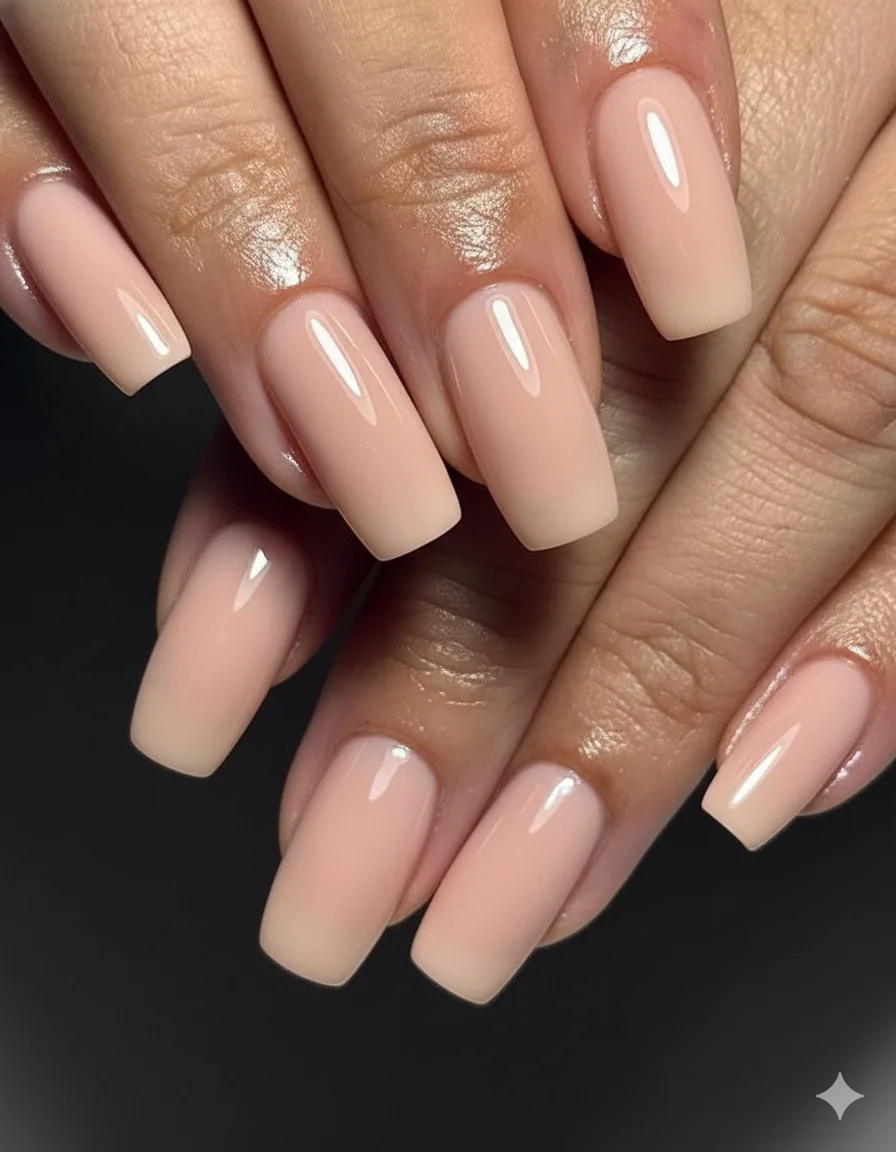
Professional nail length for work has exactly one answer that nobody seems willing to give: 2 to 4mm of free edge beyond the fingertip. Not "not too long." Not "use your judgment." A measurement. That measurement is documented, used by nail professionals who work with corporate clients daily, and confirmed across professional community standards for 2026. This guide gives you the number, the self-test, the industry breakdown, and the answer for every specific situation where this question gets asked. It is almost always a high-stakes one.
This post is part of Work Nails: The Complete Guide, Mirellé's full resource for navigating nails in a professional context.
What Does "Professional Nail Length" Actually Mean — and Is There a Real Measurement?
Every beauty site will tell you to keep nails "neat and tidy" without crossing into "too long." It sounds helpful and tells you nothing. The question this audience is asking is not philosophical. It's precise: how many millimetres?
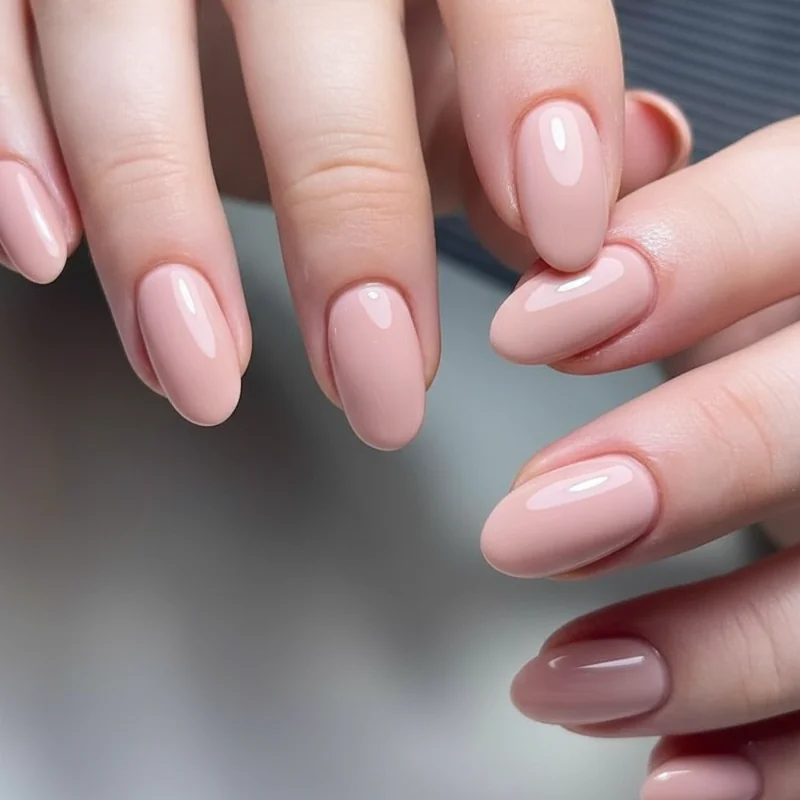
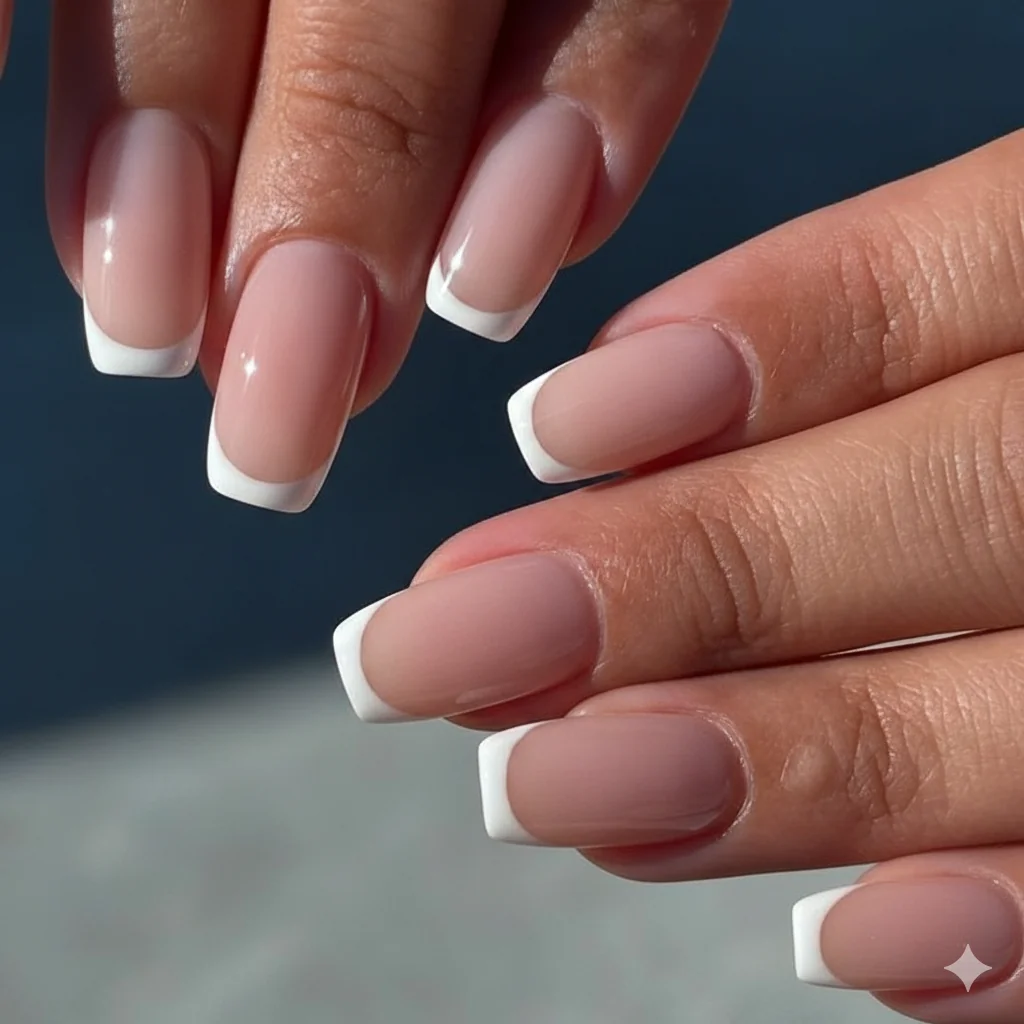
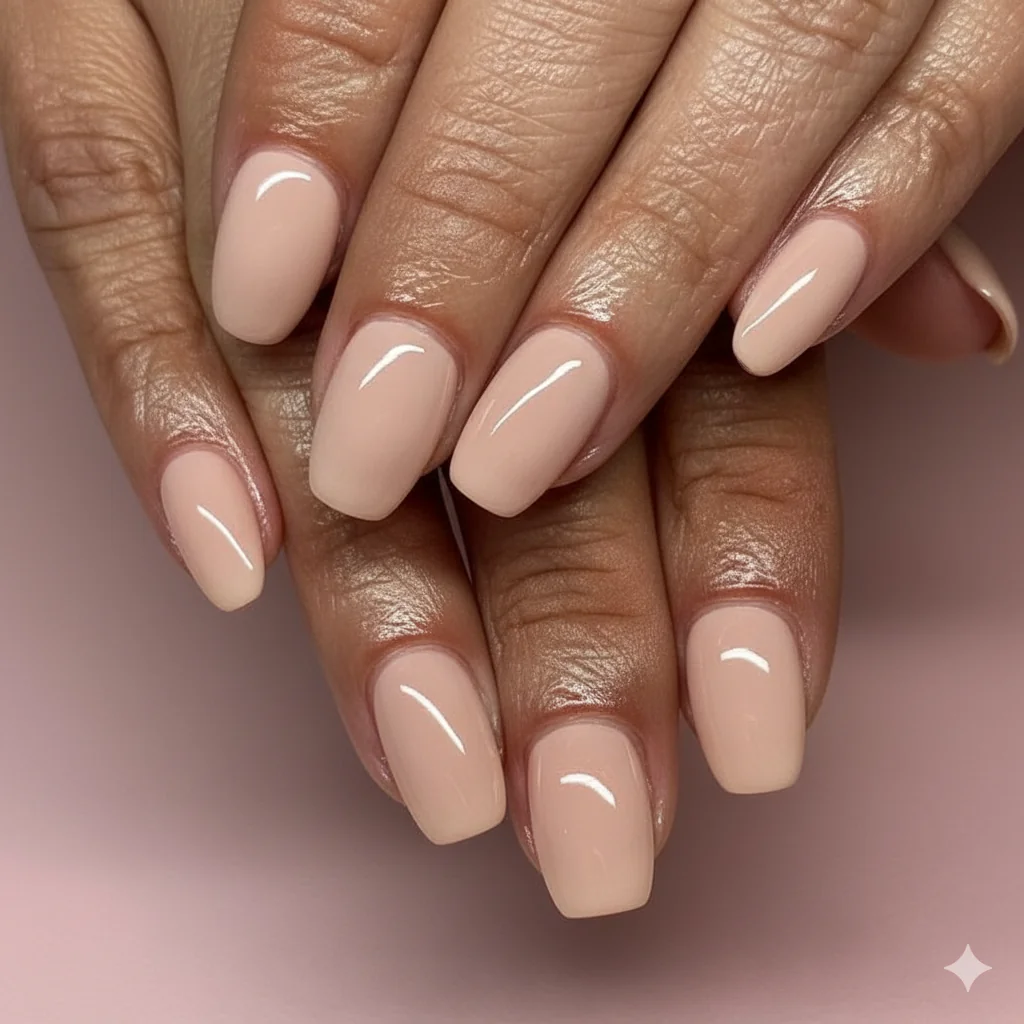
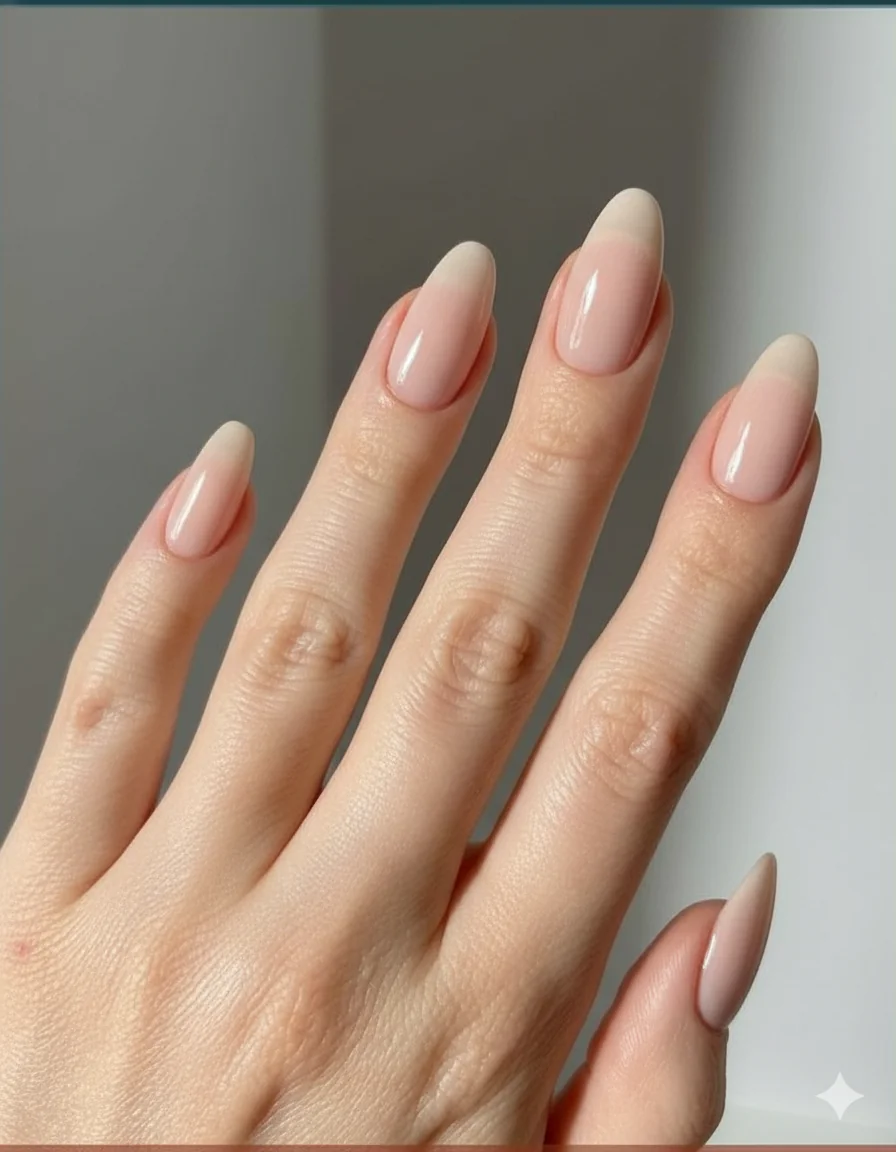
The answer starts with the free edge: the part of the nail plate that extends beyond the fingertip, the "white tip" in everyday language. A professional nail length for work means a free edge of 2 to 4mm. At 2mm, the nail is barely visible beyond the fingertip when viewed from above: polished, finished, present. At 4mm, there is a clear tip that reads as deliberately maintained without entering territory that distracts.
Below 2mm, nails can look bitten or unfinished rather than intentionally short. Beyond 4mm, the visual weight shifts. What reads as "maintained" in a casual context starts reading as "statement" in a conservative one.
The measurement applies to the free edge only. Nothing to do with nail plate width or cuticle area. Take a ruler, hold it at your fingertip, and that white edge should fall between 2 and 4mm. That's it.
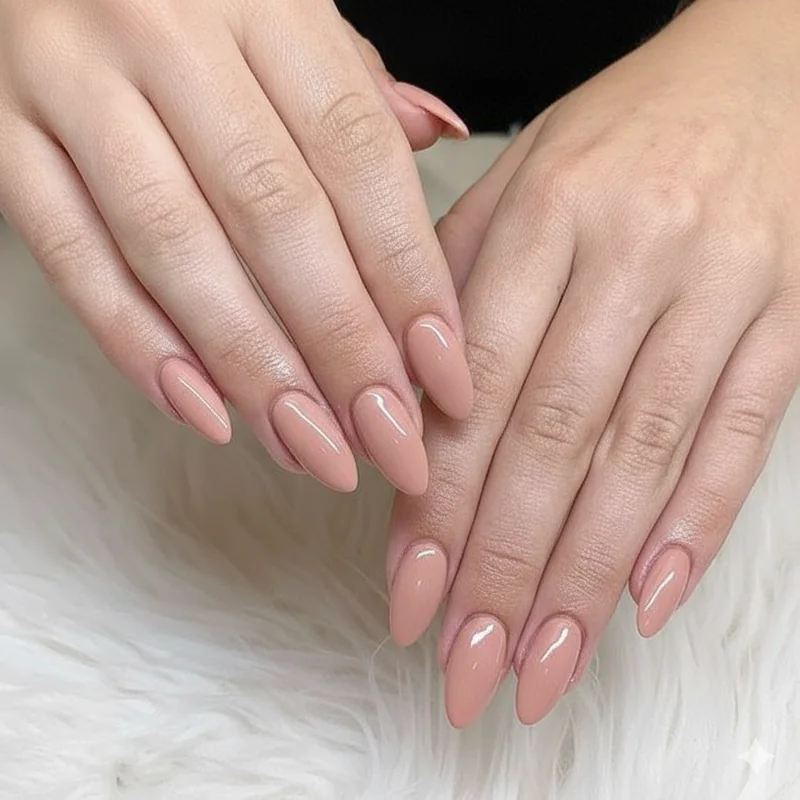
The 2–4mm Standard: What It Looks Like and Why It Works
Put your hand flat on a desk, fingers together. At 2mm, the nail barely clears the fingertip. At 4mm, there is a distinct tip, still neat, still within range. At 6mm, you are looking at something most conservative workplaces would register without consciously meaning to.
The reason this range holds across most office environments is practical. At 2 to 4mm, the nail plate is protected (bare fingertips are more prone to splitting and snagging), typing remains comfortable, and the hand looks finished without drawing attention to itself. It is the length that lets professional women navigate 2026's office standards without sacrificing the fact that a manicured hand signals self-presentation awareness, which quietly matters.
If you prefer very short nails, flush with the fingertip or just 1mm of free edge, that is equally professional. Short nails for work carry real advantages: lower maintenance between appointments, near-zero typing interference, and a sharper visual in environments where minimalism reads as authority. There is no scenario where shorter-than-2mm looks unprofessional, as long as the nail is shaped rather than ragged.
The Typing Test: The Simplest Way to Know If Your Nails Are Too Long for the Office
This is the self-diagnostic the audience has been looking for. It requires no ruler.
Type a normal sentence on your keyboard. Listen. If you hear a consistent, audible click from your nails hitting the keys rather than your fingertip pads, your nails have crossed the professional threshold. Not because the sound is inherently unprofessional, but because it means your typing technique has shifted: fingers angling back, nails leading rather than pads, accuracy compromised. Corporette's professional community puts it precisely: the keyboard click is the line. Past it, function has been traded for length.
There is a secondary check worth knowing. If your nails are consistently catching adjacent keys, reaching for "r" and hitting "e" or "t," that is also length interference even when the click is not loud. This tends to happen around the 5 to 6mm mark and builds into low-level frustration across an eight-hour day.
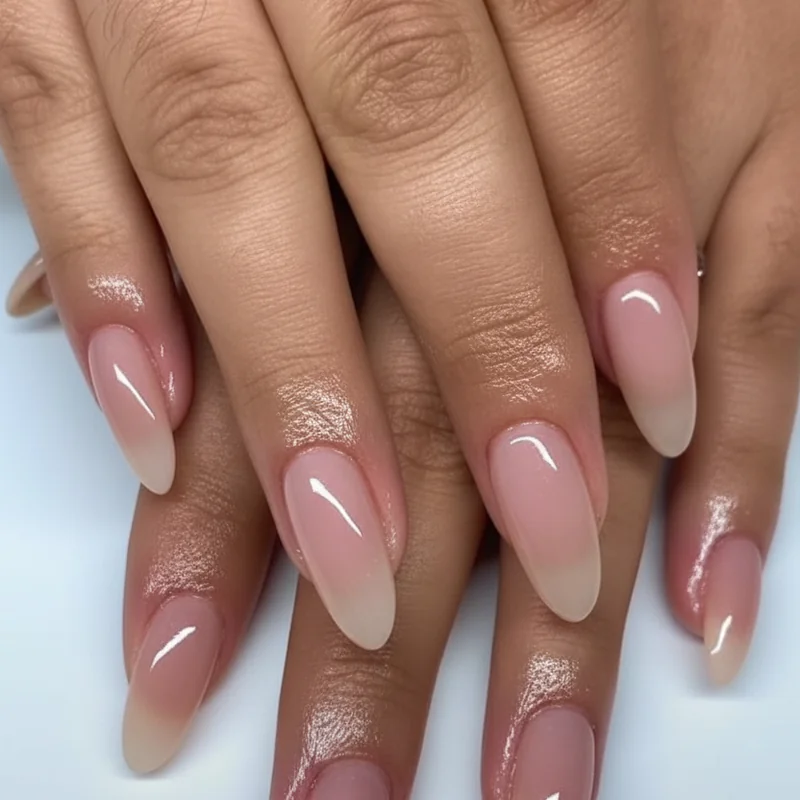
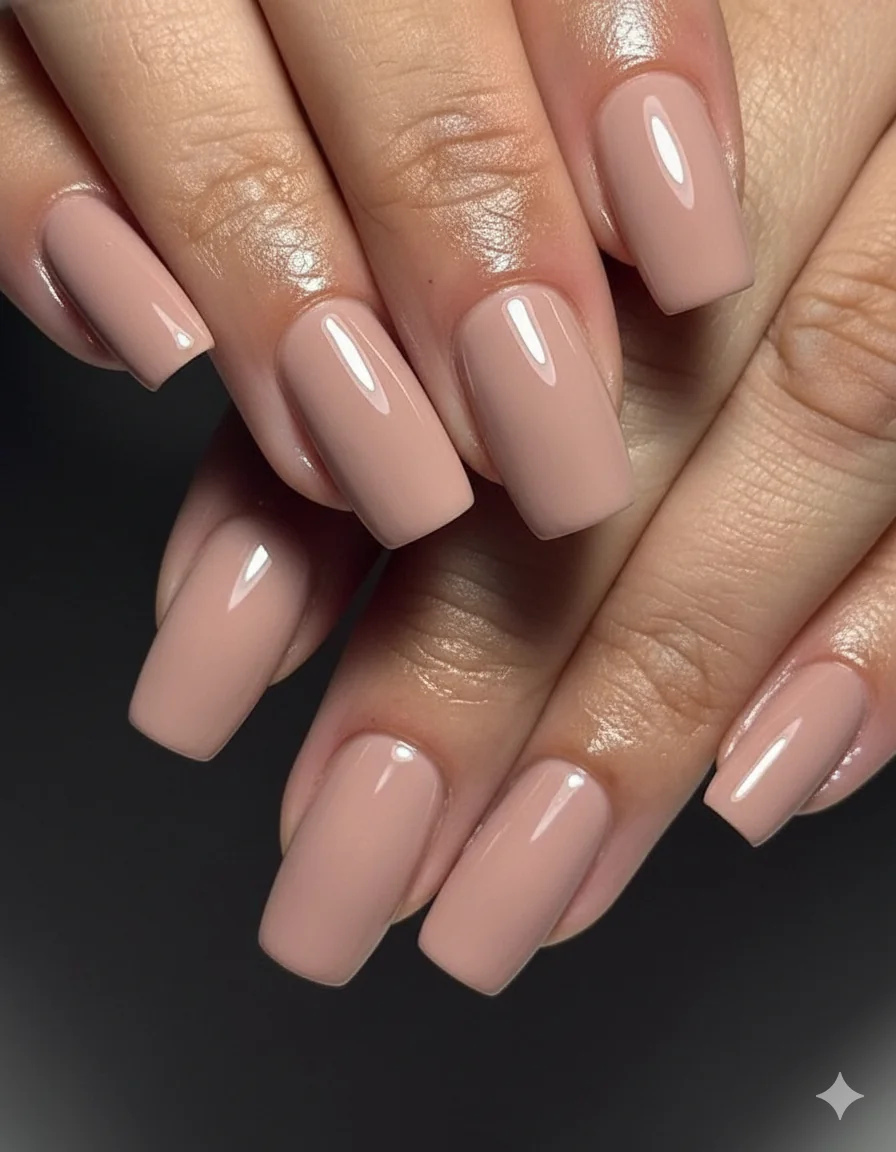
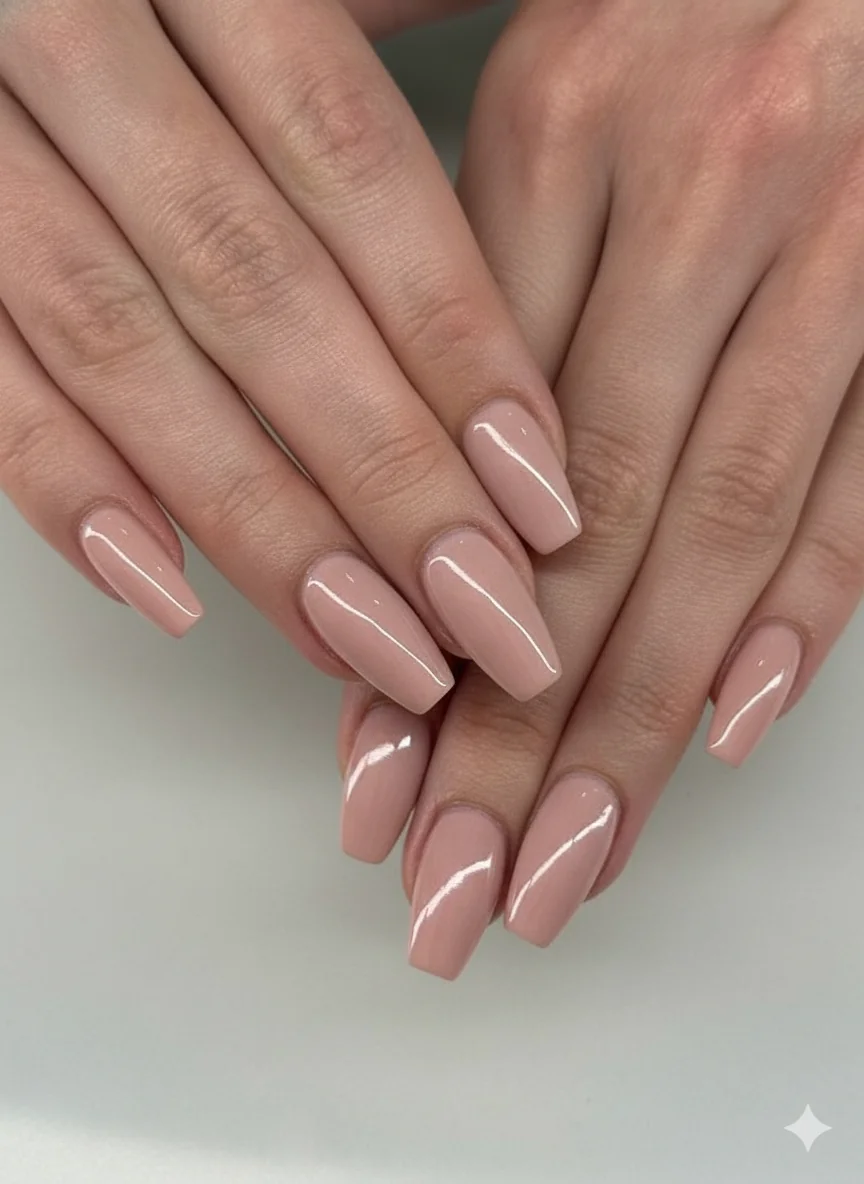
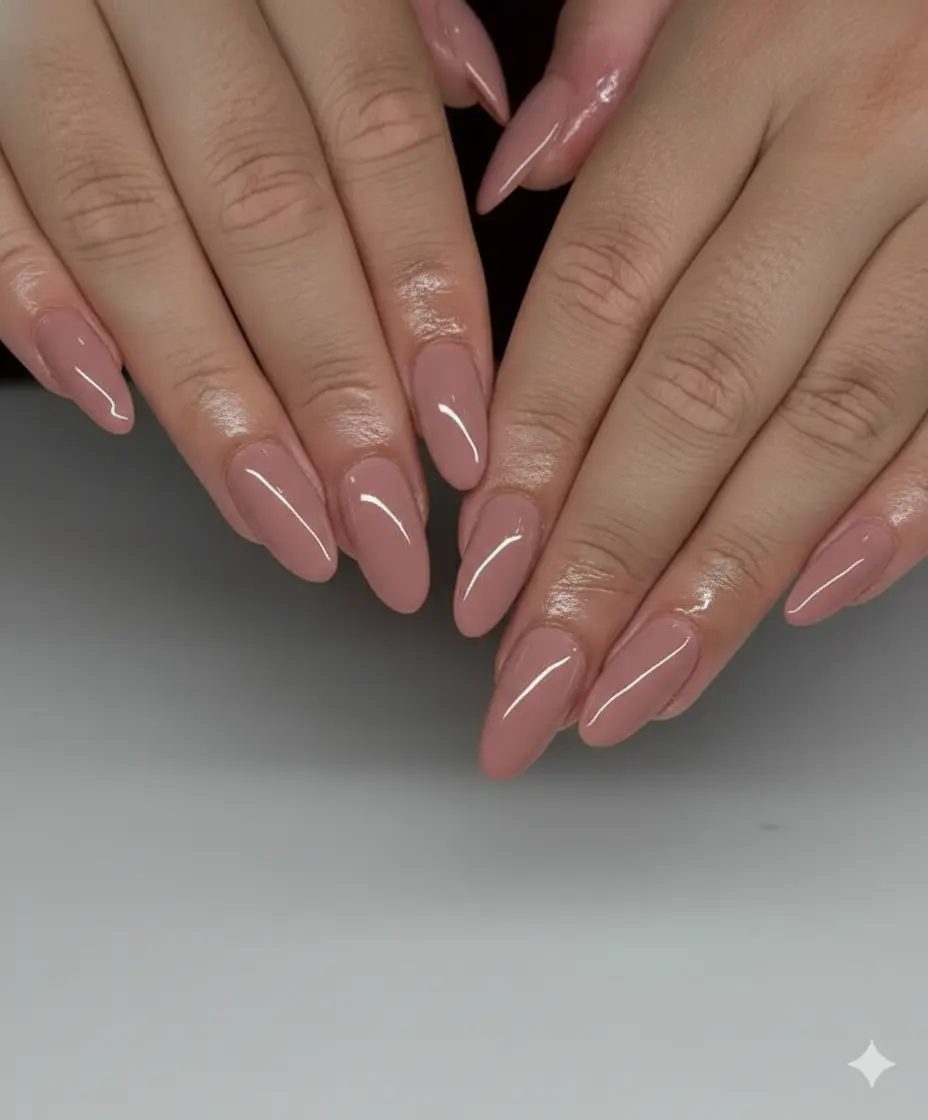
The squoval shape (square with gently rounded corners) is the best option for maintaining typing accuracy at 3mm and above. Sharp square corners catch neighbouring keys; pointed almond shapes sacrifice surface area. Squoval gives you the flat tip needed to hit a key cleanly. The shape-to-length interaction matters, and nail shapes for work covers this fully.

Does Professional Nail Length Change Depending on Your Industry?
Yes. The 2 to 4mm standard is the baseline for general office environments, but industries stratify considerably around it.
Finance and law sit at the stricter end. Nail length in these environments functions the same way a well-pressed suit does: it should be unremarkable. The expectation in most City finance roles and corporate law practices is closer to 2mm than 4mm, with conservative shapes and neutral finishes. Regional variation is real and documented. In certain markets, notably South Florida and parts of Texas, the professional acceptable range stretches slightly longer because the broader culture does. In Manhattan and London financial districts, the bandwidth is tighter.
Healthcare is regulated, not just conventional. The CDC recommends clinical staff keep nails shorter than 6mm (approximately 1/4 inch) beyond the fingertip, applying to the free edge specifically. No artificial nails, no extensions, no gel overlays for staff in direct patient contact. Sub-nail bacteria counts increase significantly with length, and gloves tear more readily. If you are in a healthcare admin or non-clinical role, you have more flexibility. The peer-reviewed research on nail length and hand hygiene supports the under-6mm standard as the minimum for infection control compliance.
Creative industries and media are the most permissive. An art director with 6 to 8mm nails in a fashion agency is not violating a norm. The operative question is whether nails impair function. If they do not, length becomes a personal aesthetic choice rather than a professional signal.
Client-facing corporate roles sit closer to the general 2 to 4mm standard, with the added consideration that your hands are visible during presentations and client meetings. A well-shaped 4mm nail in a clean neutral reads as polished; a 4mm nail with chipped gel does not.
For a full cross-industry breakdown, conservative vs creative workplace nail standards maps this in detail.

Natural Nails vs Extensions at Work — Does Length Read Differently?
At exactly the same physical length, yes. Extensions often read as longer, and this is not perception error. It is geometry.
A natural nail at 4mm has slight translucency, a gentle taper from nail plate to free edge, and a texture that blends with the skin. A gel extension or acrylic at 4mm has more uniform thickness across its full length, a brighter or more defined finish, and often a sharper edge. The eye reads the total visual mass of the nail, not just the millimetres of free edge. Extensions look more deliberate at any length, which can read as polished and put-together or as a style statement, depending on the environment.
This matters practically. If you are transitioning to extensions and staying at your usual natural length, the result may still read as longer than expected. Building in a few millimetres' adjustment, going to 2 to 3mm instead of your usual 3 to 4mm, compensates for the visual difference.
BIAB (builder in a bottle) is often the best option for professional women who want overlay durability without the visual weight of a full extension. It strengthens the natural nail without adding length beyond your own growth. The aesthetic result is very close to a polished natural nail, making it near-invisible in conservative environments. For what holds up best across a working week, NAILS Magazine's professional guidance on nail length and style is worth reading before your next salon appointment.

When Slightly Longer Is Still Acceptable (and When It Isn't)
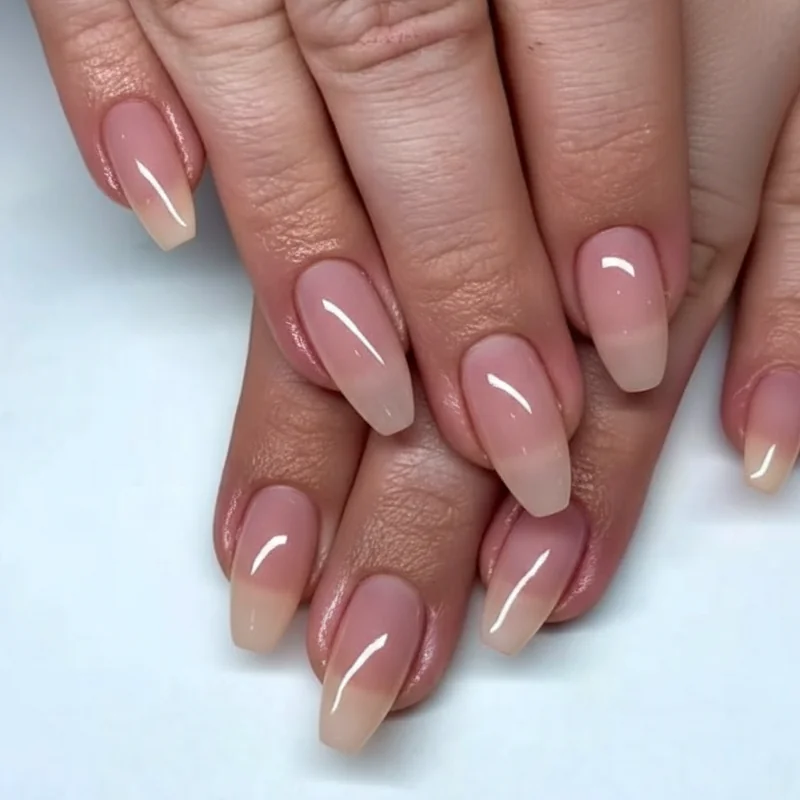
Slightly longer is still acceptable when your role is not heavily keyboard-dependent, your industry leans creative or informal, your nails are natural rather than extensions, and the shape stays clean. A primary school teacher with 5mm rounded nails in soft nude is not making a professional error. A corporate lawyer with 5mm coffin acrylics in a sharp red is operating outside the room's expectations.
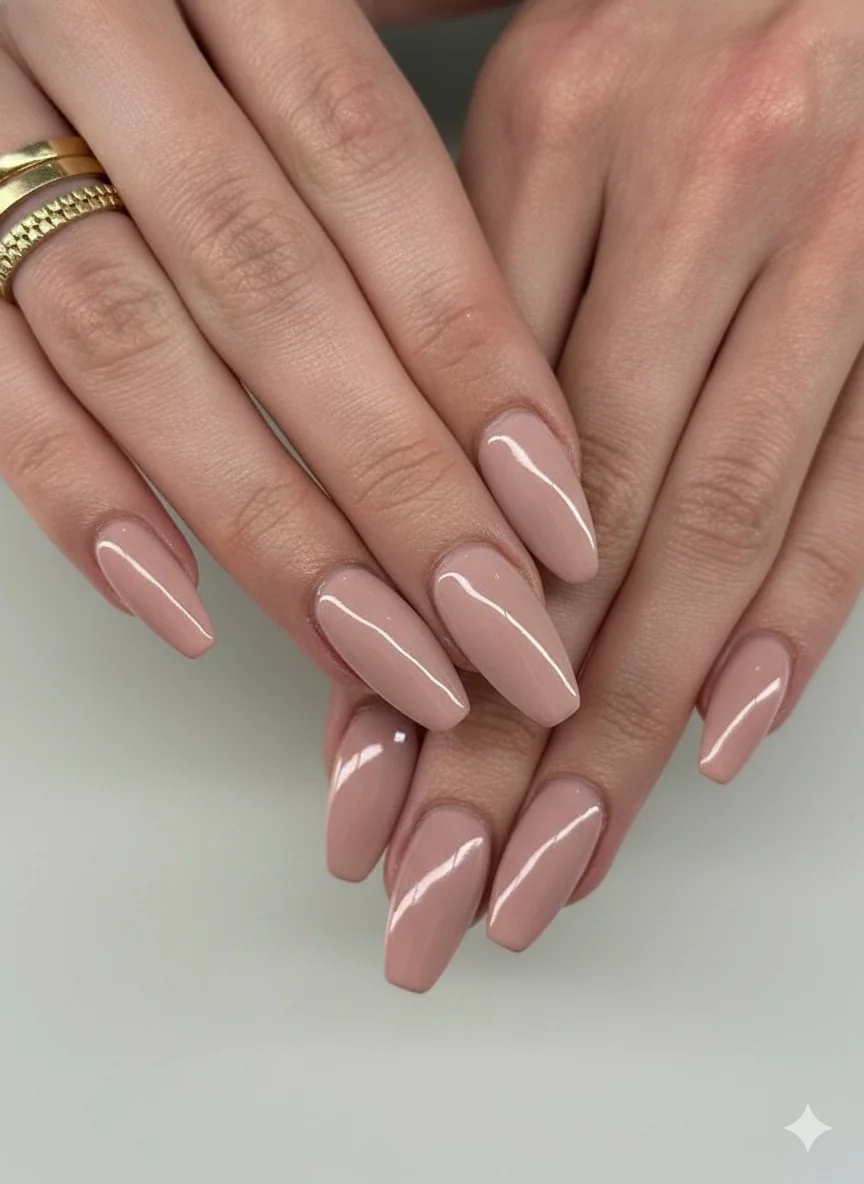
It is not acceptable, by any industry standard, when nails click during normal typing, when the shape extends perceived length (coffin and stiletto add visual length), when chipping or lifting is visible, or when you are in a regulated environment.
The honest test: would your nails be the most notable thing about your appearance in this meeting? If yes, they are too long for the room.
How to Maintain the Right Length Between Salon Appointments
Nails grow approximately 3 to 4mm per month. At the top end of the professional range, you are at the limit within two weeks of a fresh appointment. For keyboard-heavy roles, this matters.
The practical solution is a home filing routine. Keep a fine-grit file at your desk, a 180 to 240 grit glass or crystal file rather than a coarse emery board, which can cause micro-fractures at the free edge. A two-minute session once a week, following the nail's natural shape rather than changing it, keeps the free edge within range without a full salon visit.
For nails that need to stay consistently polished for client-facing roles, gel overlays on natural nails slow growth slightly and prevent splitting. The nail stays within range longer between fills because it is less likely to break past the point of looking maintained. The Complete Nail Care Guide covers nail health for typing-heavy roles fully, including how to prevent the splitting and peeling that pushes nails into uneven territory between appointments.
Getting the Length Right for High-Stakes Moments: Interviews, New Jobs, Client Meetings
The anxiety this question carries is real and specific. It almost always spikes at a career transition: the week before an interview, the night before a first day, the morning of a client presentation. Every source tells you to "keep them professional," which helps nothing.
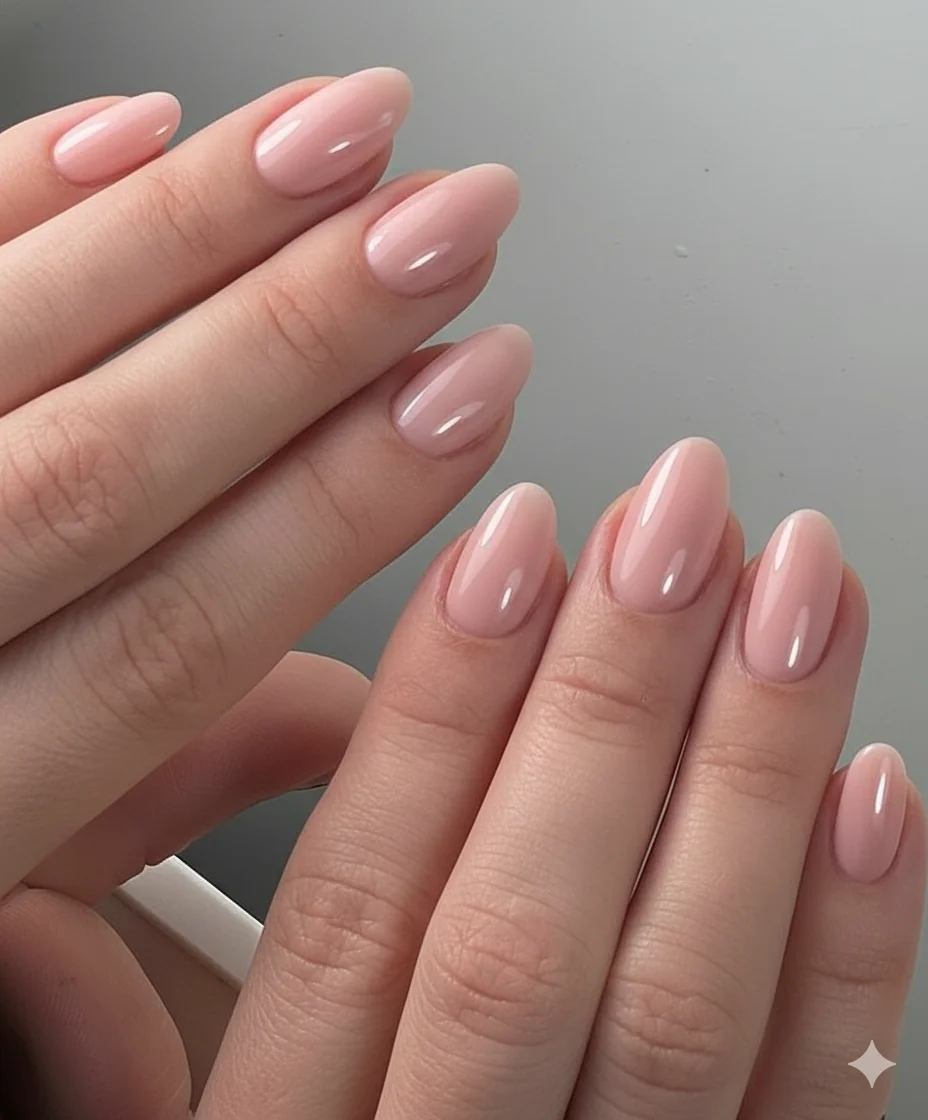
The rule for high-stakes moments is simple. Go to the shorter end of the range. Not because longer nails are unprofessional in absolute terms, but because 2mm removes the variable entirely. A squoval in soft nude or sheer pink takes the question off the table. You will not be read as having made a nail choice.
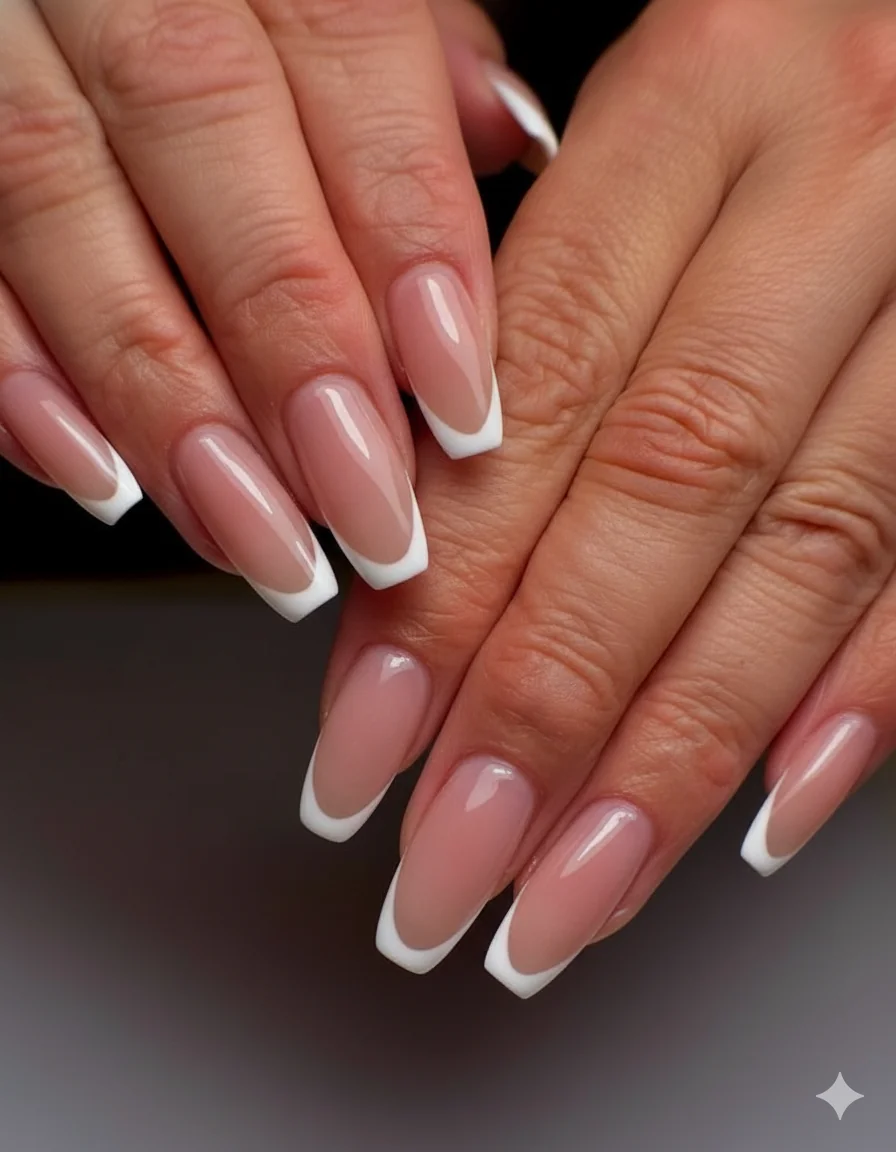
For a job interview: 2mm or flush. Neutral: nude, soft pink, or a classic French with a narrow, natural-toned tip rather than stark white. You are establishing a baseline before you know the culture.
For a first week at a new job: Same as interview until you have had time to read the room. Look at what the most credible, senior women in your environment are wearing. That is your data.
For a client meeting in a conservative sector: Stay at or below 3mm. The client is not consciously evaluating your nails, but the overall impression during a handshake or document review is part of how you are registered. Keep it frictionless.
The permission this post gives you is real. 2 to 4mm, maintained, in an appropriate shape and finish, is entirely professional across nearly every industry. You do not have to go shorter than comfortable. You just need to know where the line is.

The Standard Is Specific. Use It.
Most people who arrive at this post have already tried to find the answer somewhere else. They got "not too long" or "depends on your workplace" and left unsatisfied. The 2 to 4mm standard exists, it is documented, and it works across the vast majority of professional environments. It is not arbitrary. It is the point at which nails are visible enough to look maintained, short enough to stay functional, and quiet enough to stay out of the room's consciousness.
The typing test, the industry calibration, the high-stakes shortcut: these are the tools. The underlying principle is that professional nails do not announce themselves. They are part of a put-together appearance that lets everything else about you be the thing people remember.
That is the answer. Go book the appointment.