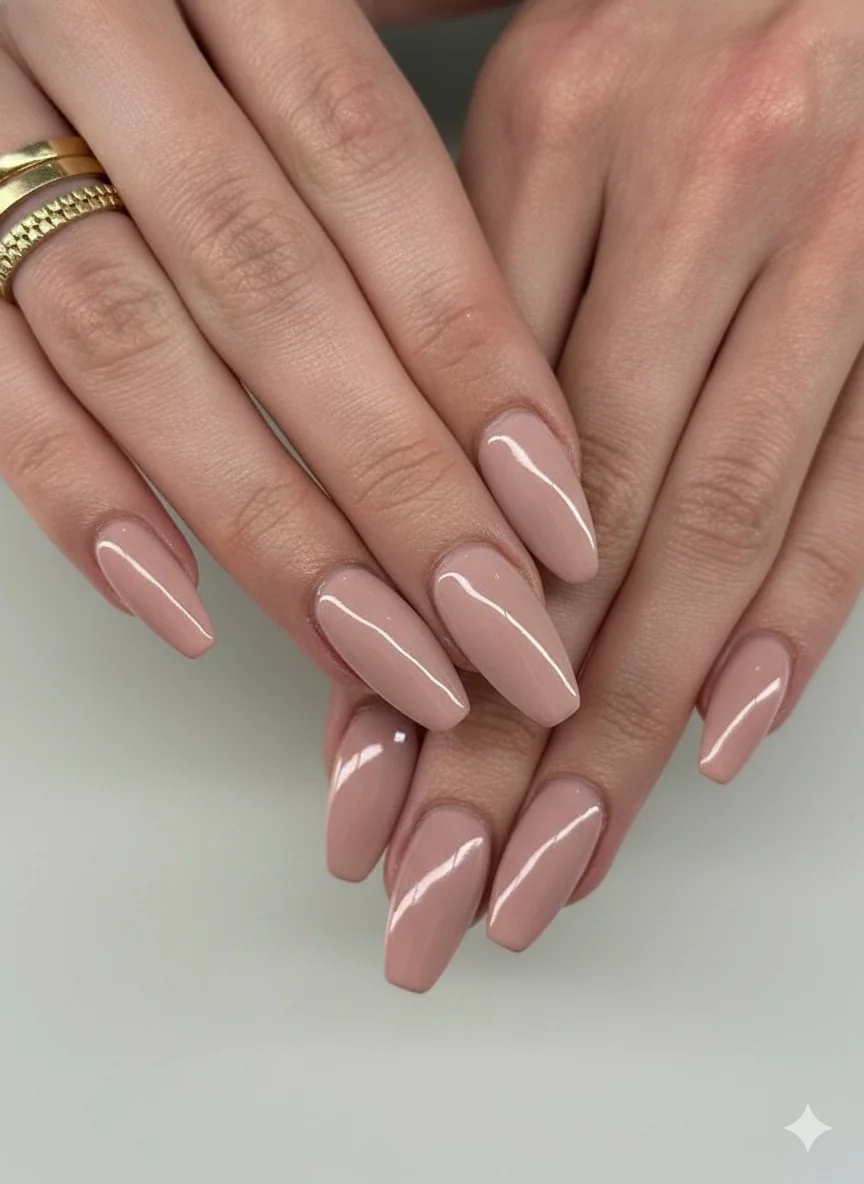
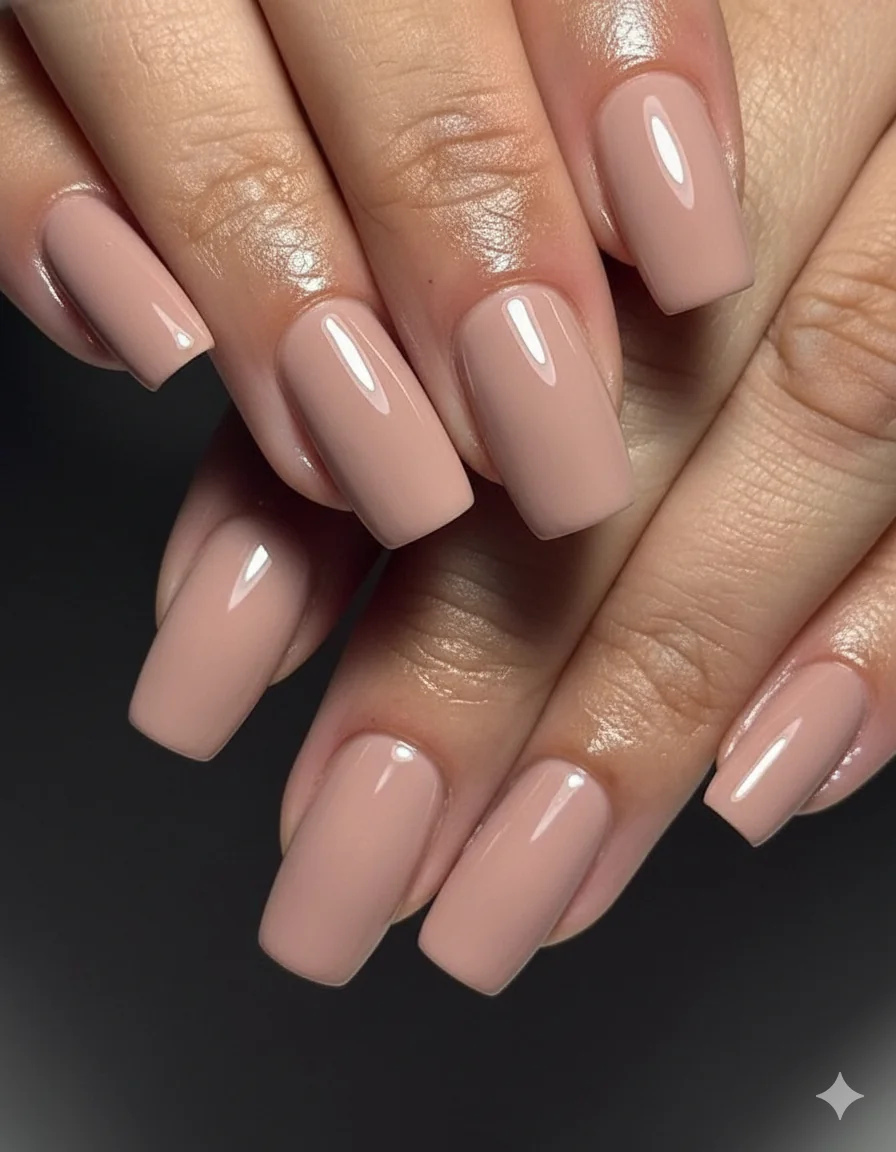
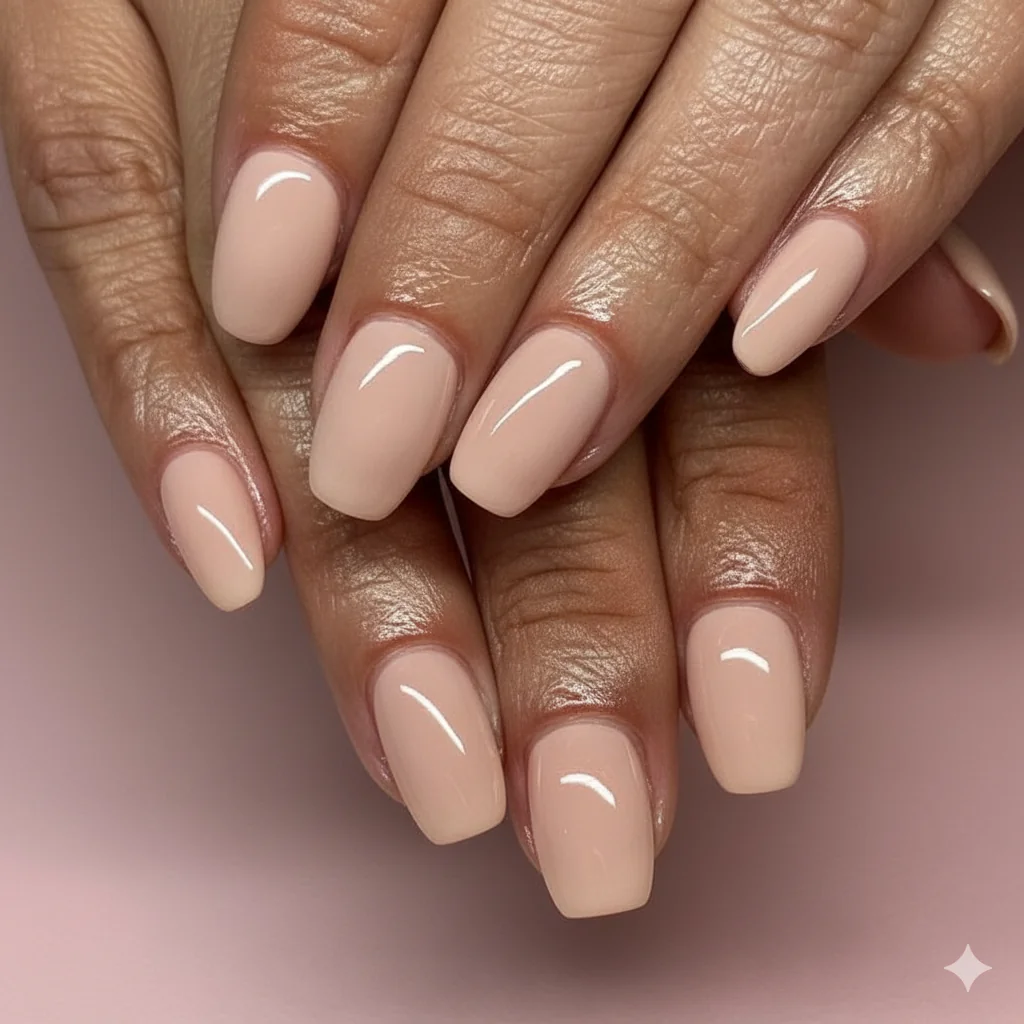
The question is not whether work appropriate nail art exists. It does, and there is more of it than most professional women realise. The real question the one that keeps you booking plain nudes appointment after appointment is whether you know how to identify what qualifies, calibrate it to your specific environment, and execute it cleanly enough that it reads as intentional rather than accidental.
That last part matters more than the design itself. A micro French tip applied with shaky hands will look less professional than a clean, solid neutral. The art is rarely the problem. The execution and the context are. If you have been working through Work Nails: The Complete Guide to Office-Appropriate Manicures and wondering where nail art fits into that picture, this is the answer a practical framework for bringing personality into your manicure without the second-guessing. For the wider 2026 professional nail landscape, Professional Nails for the Modern Woman: Navigating 2026 is worth reading alongside this.
Yes, You Can Wear Nail Art to Work But the Rules Are Not What You Think
The permission question gets asked backwards. Most people ask: "Is nail art appropriate for the office?" as though there is one correct answer that applies across every industry, every seniority level, and every Tuesday versus every Thursday. There isn't.
Work appropriate nail art is not a fixed category. It is a calibration. The same set of nails that will earn zero comment at a product design studio will absolutely register negatively in a traditional finance or legal environment. The same nails that are perfect for a regular desk day may not be what you want sitting across from a new client. None of that means you cannot wear art. It means you need to understand the two variables that actually govern the answer: your workplace culture and the specific occasion within your workday.
The anxiety behind this search is real. Readers are not looking for permission to be "bold" they are looking for a framework they can trust so they stop second-guessing every appointment. That is what this post gives you. Not rules, but a decision-making system. And the starting point for that system is learning to read the room before you book the service.
How to Read Your Workplace Before You Book Your Next Appointment
Observe before you commit. Look at the women in your workplace who are at your level or one level above. Not the most junior people, not the C-suite the people whose professional judgment is most comparable to yours. What do their nails look like? What is the range? That range is your territory.
Pay specific attention to client-facing contexts. A law firm where the partners wear bare neutrals to client meetings but have gel art on Friday afternoons tells you something precise: art is acceptable internally, but the client-facing standard is more conservative. A marketing agency where the account directors wear geometric chrome to pitches tells you something equally precise. You are not copying anyone's style you are reading the social signal.
Industry tier also matters. Finance, law, medicine, and government tend to hold a narrower standard. Tech, creative agencies, media, and education are generally more open. Hybrid and remote-first workplaces have shifted the dial further the days of a rigid nail code enforced by proximity are largely over. For a thorough breakdown of how these tiers differ in practice, Nails for Conservative Offices vs Creative Workplaces covers the full picture.
The cultural-read framework, in short: observe the range, note the client-facing context, identify your industry tier, and calibrate to the middle of what you see not the most restrained example, not the most expressive.
The Six Nail Art Designs That Pass in Almost Every Office in 2026
These are not compromise choices. They are genuinely good nail art that happens to read as professional across almost every workplace environment. The professional nail design guide by workplace type from The Nagaia confirms the consistent winners for 2026 and the overlap with these six is near total.
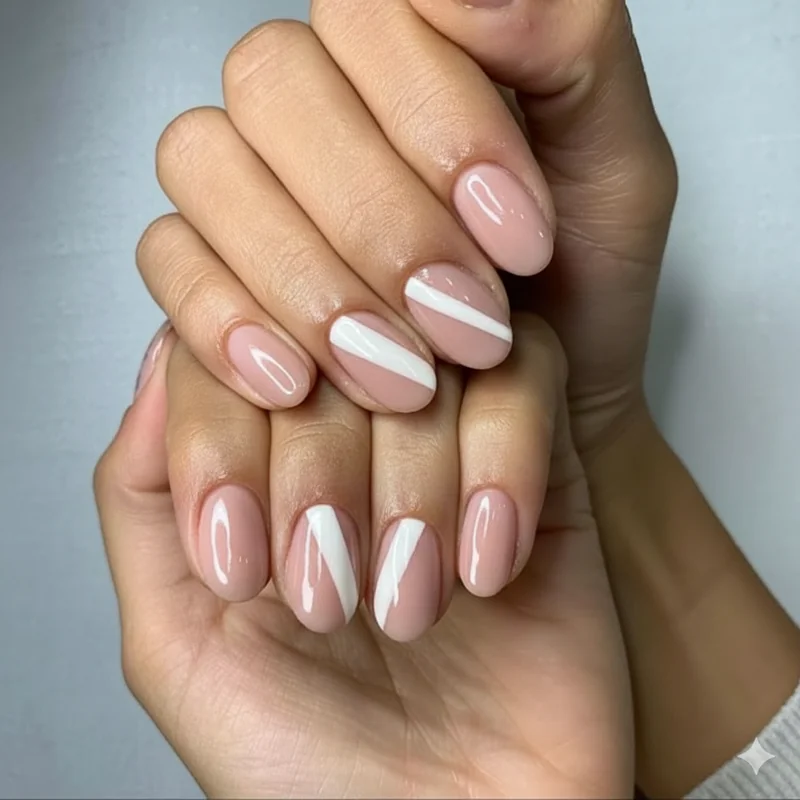
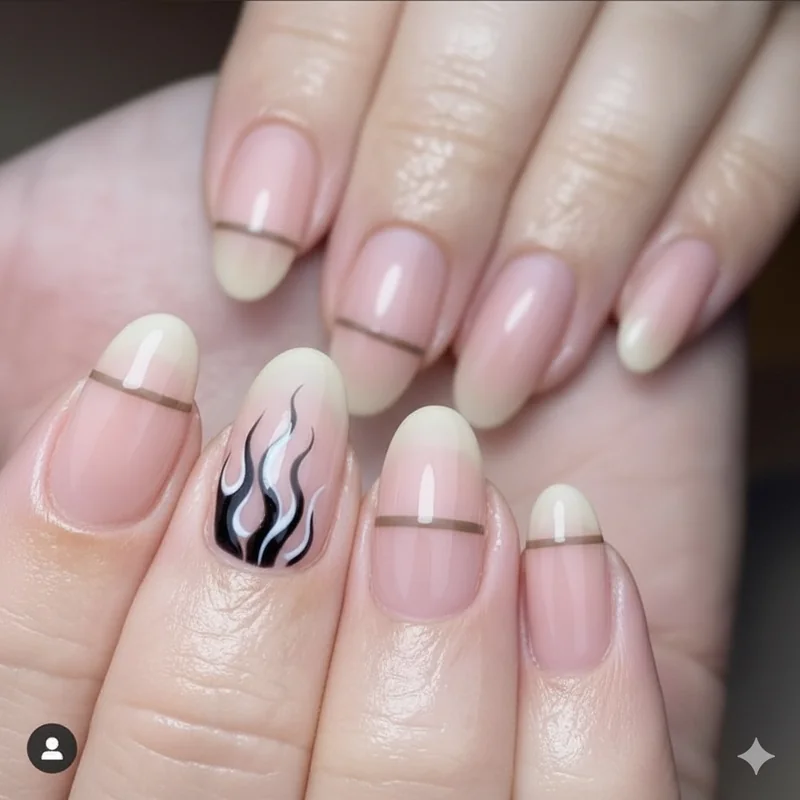
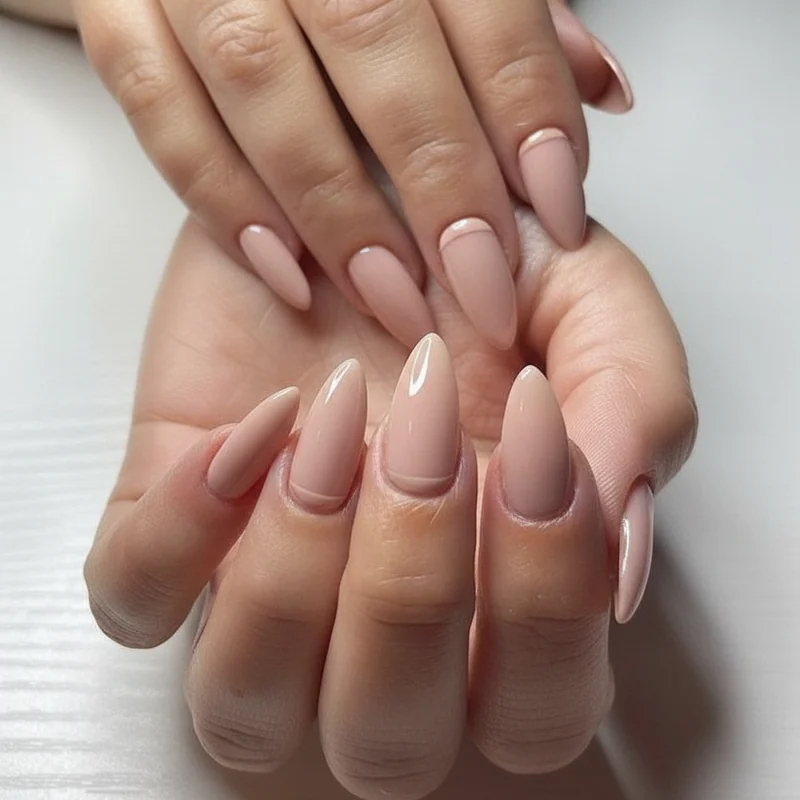
Negative space nail art. The technique uses the natural nail as part of the design a geometric cutout, a clean half-moon at the base, a thin unpainted stripe. It reads as intentional and graphic rather than decorated. Quiet luxury manicure territory.
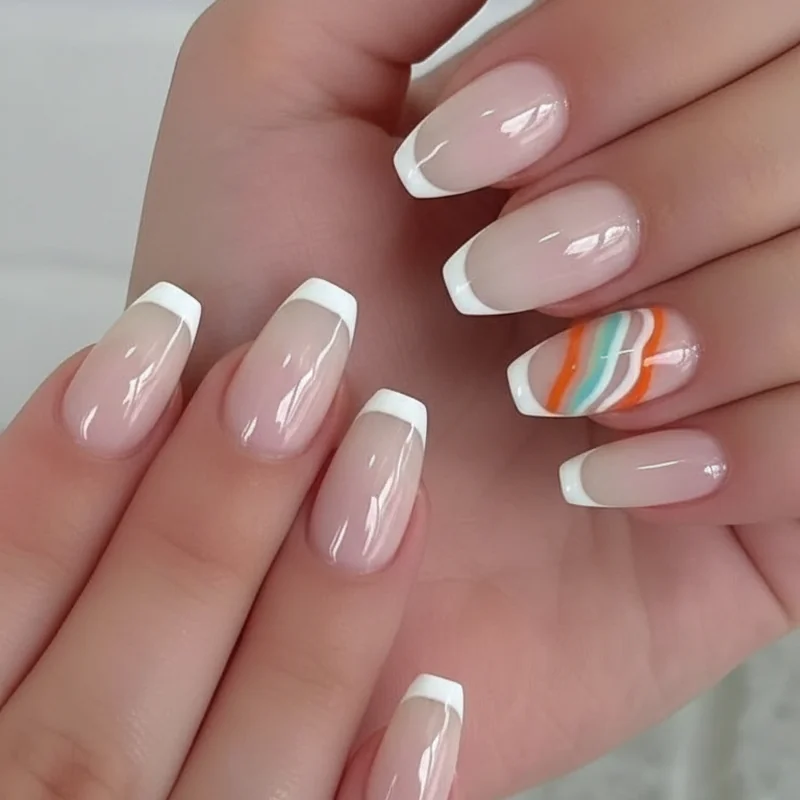
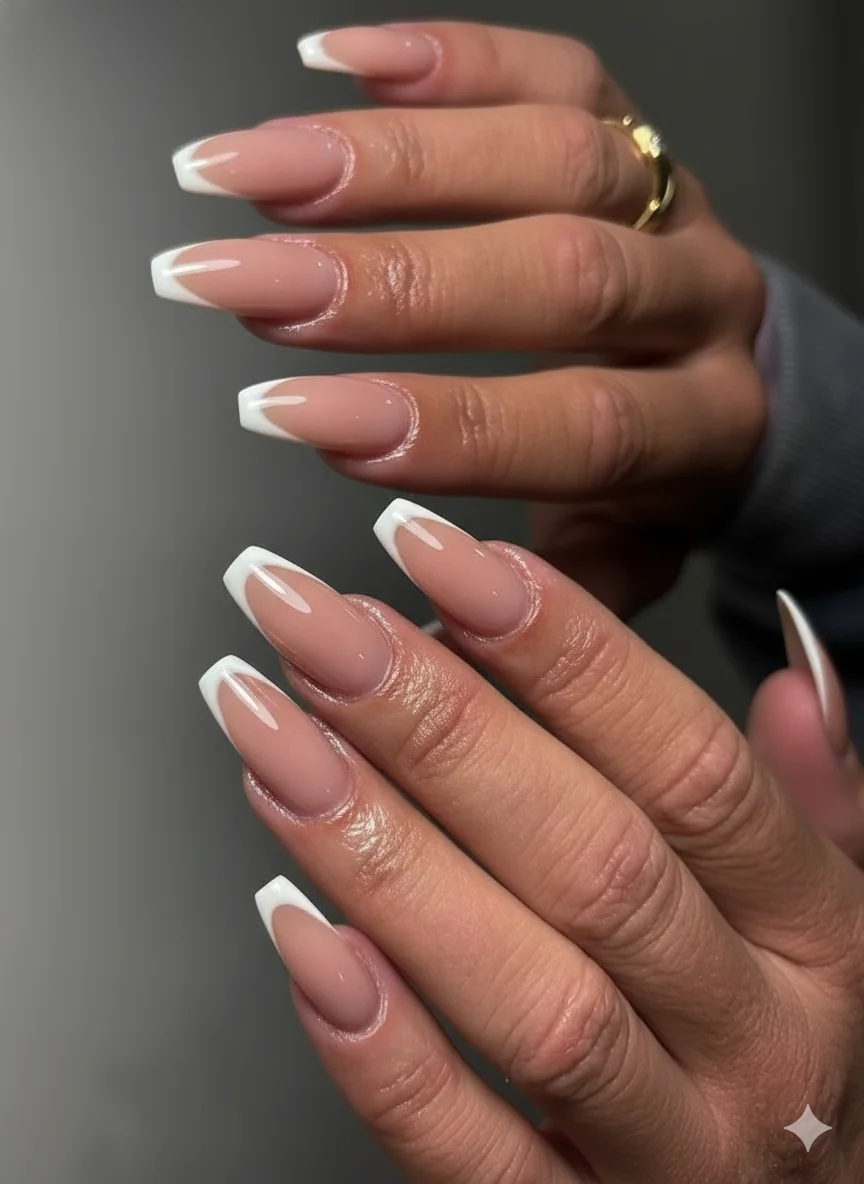
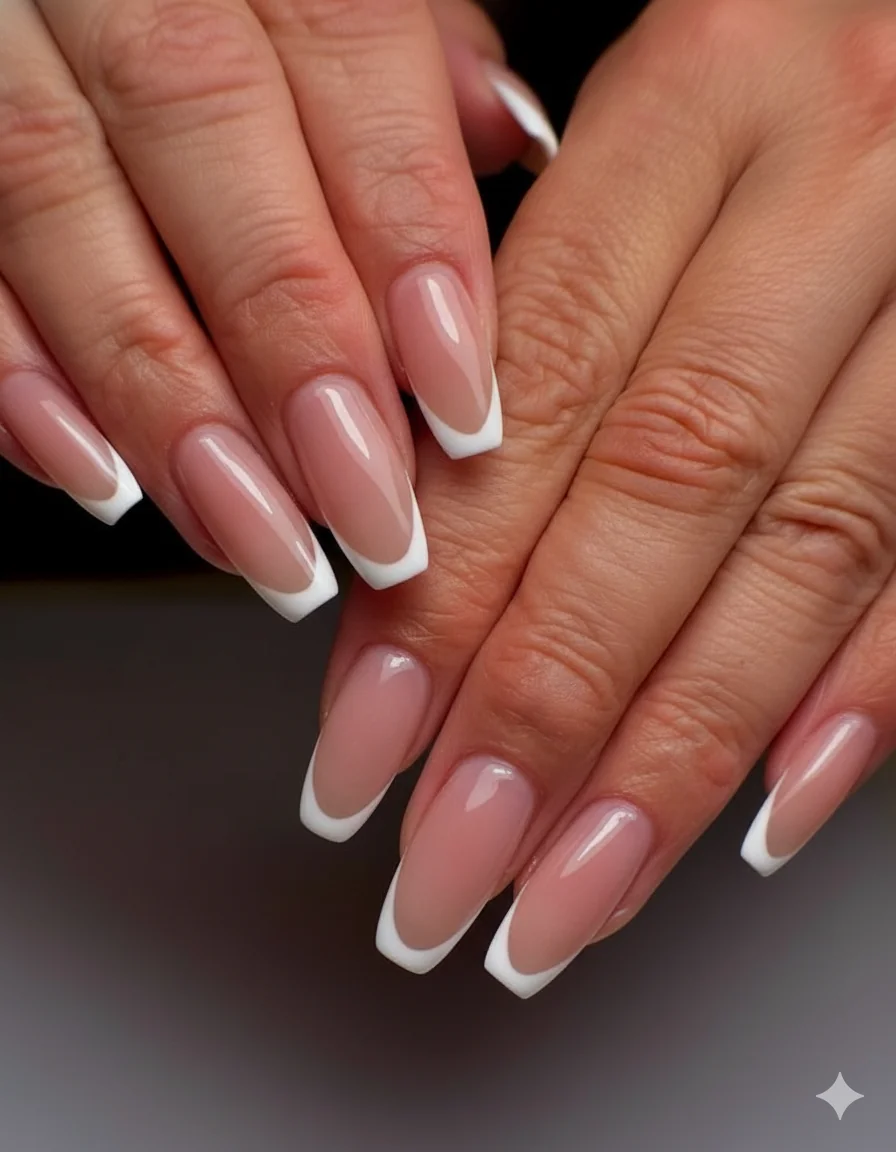
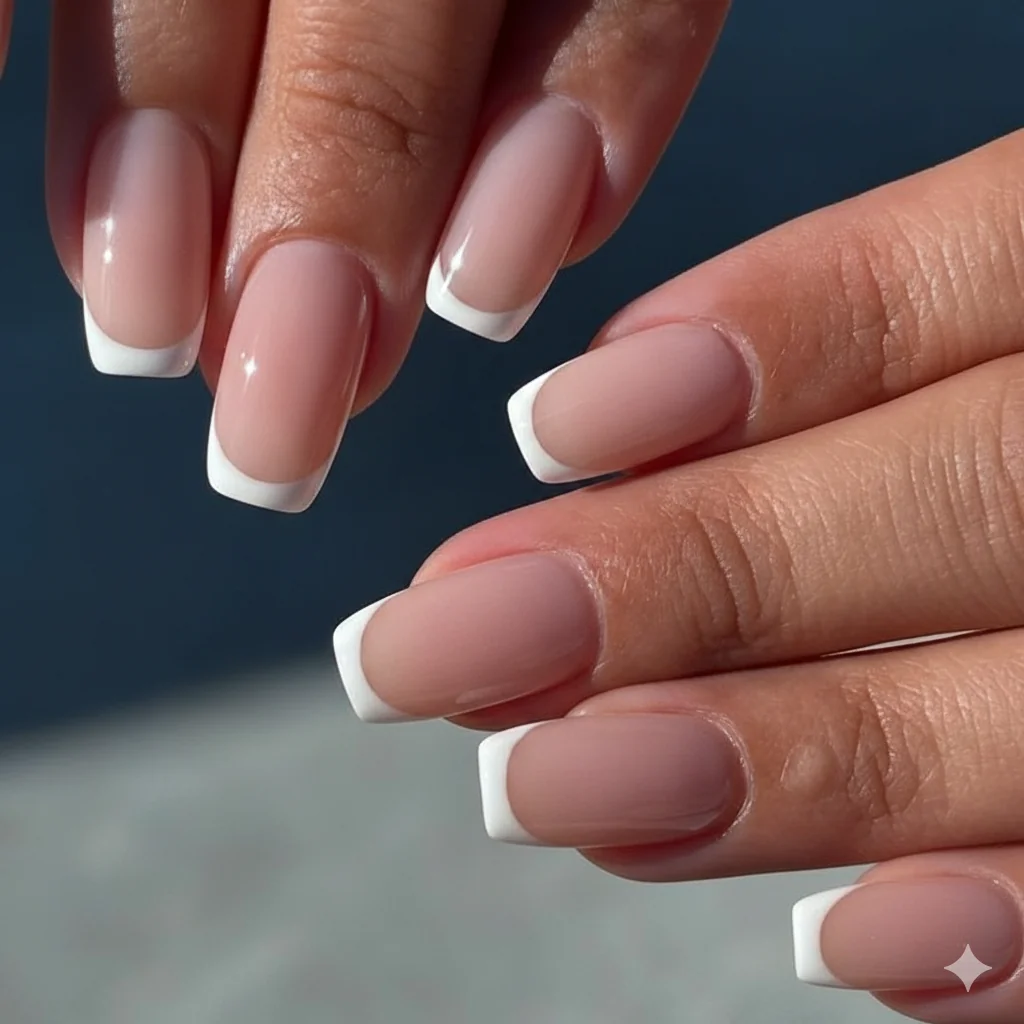
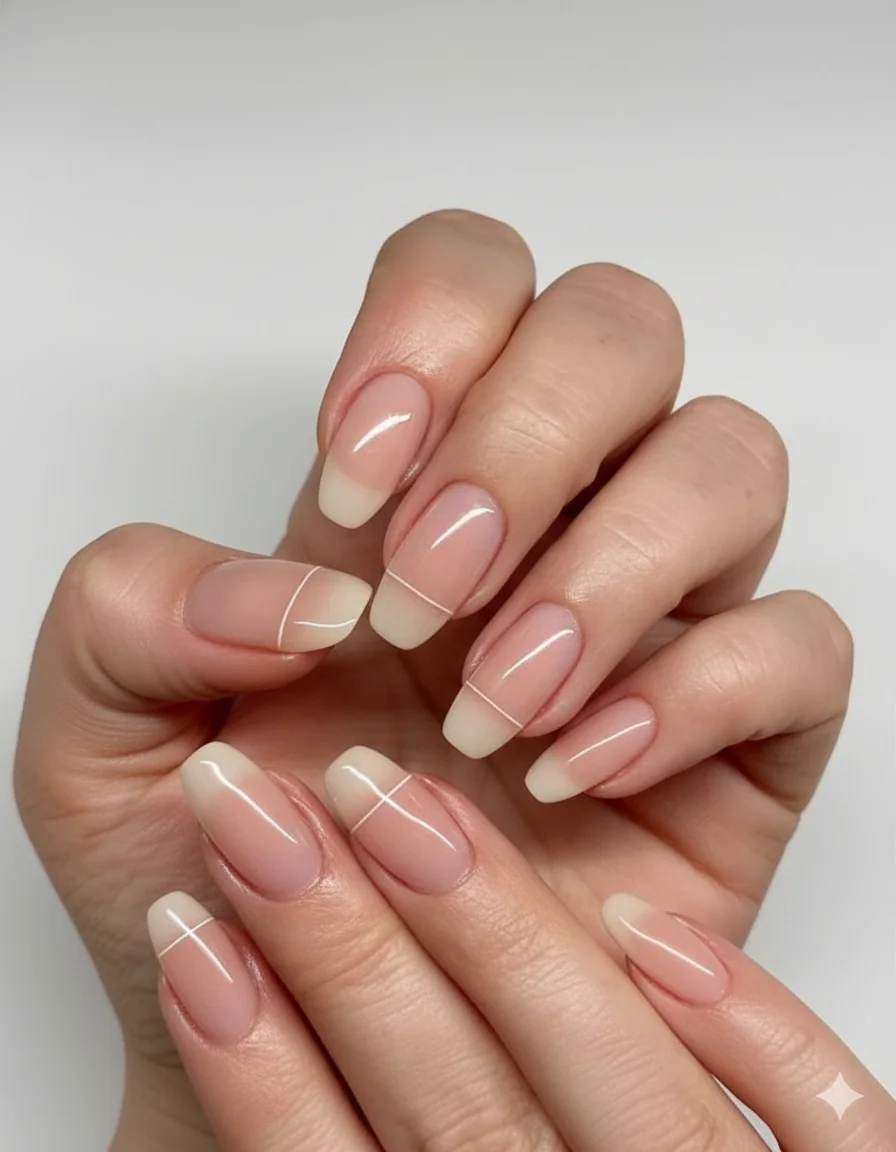
Micro French tip. Not the thick 1990s French. A hairline of white, off-white, or soft nude just at the tip edge sometimes angled, sometimes curved. Subtle enough for finance, distinctive enough to feel like art.
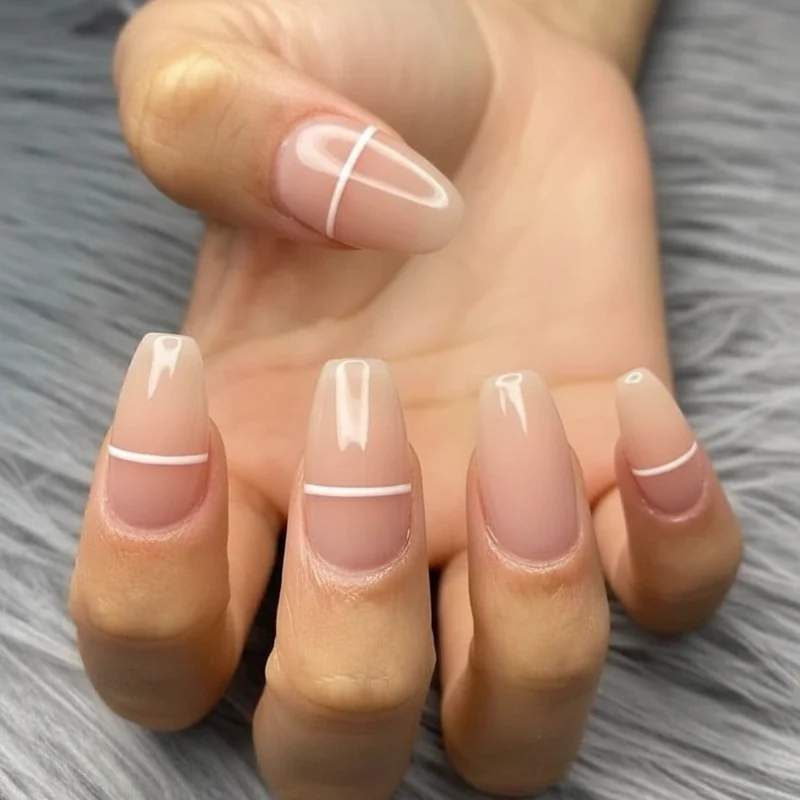
Fine line nail art. A single delicate line in a neutral or tonal shade botanical, geometric, abstract. Applied with a striping brush, this is the category that most clearly signals "I chose this" rather than "I couldn't decide." The fine line nail art technique guide from Reforma is worth bookmarking for the specifics of application.
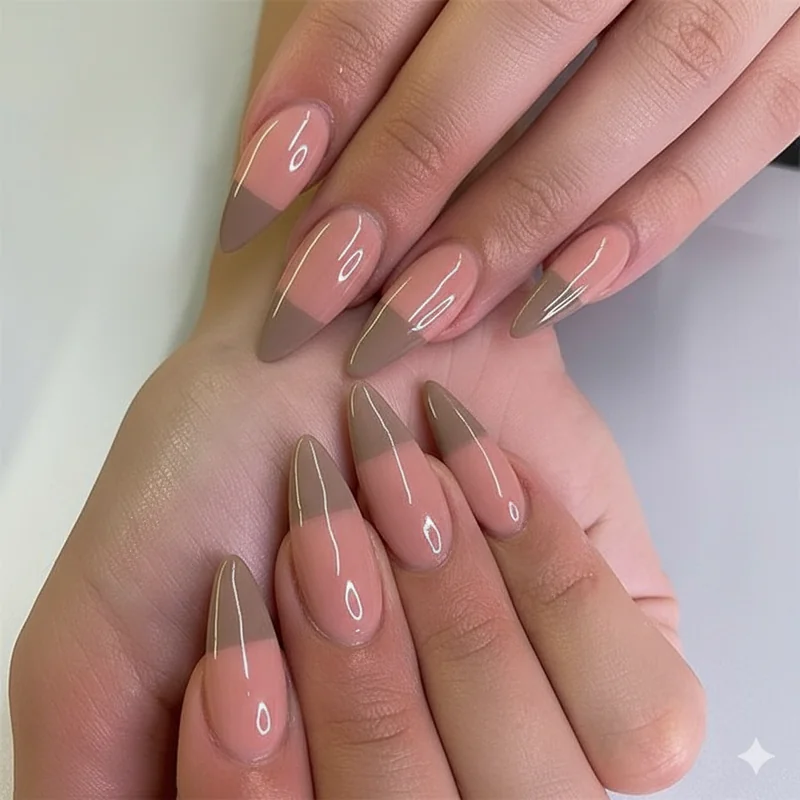
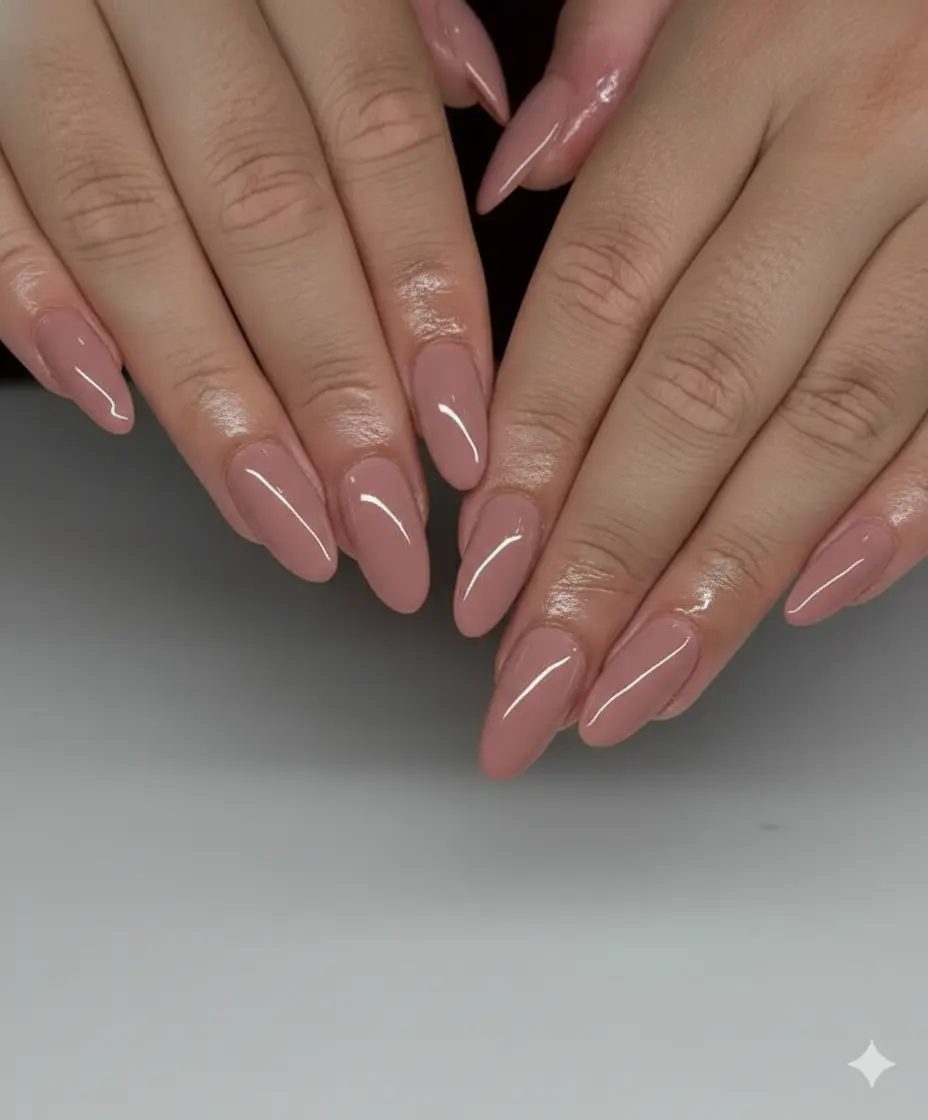
Tone-on-tone design. Art executed in a shade one or two tones removed from the base blush on blush, taupe on nude. Visible in certain lights, near-invisible in others. The safest possible nail art for ambiguous workplace cultures.
Soft chrome or pearl accent. Not mirror chrome. A single finger with a soft, diffused iridescent shift the kind that reads as a lustrous finish rather than a statement. Paired with a neutral base on the remaining nails, this is the modern office accent nail.
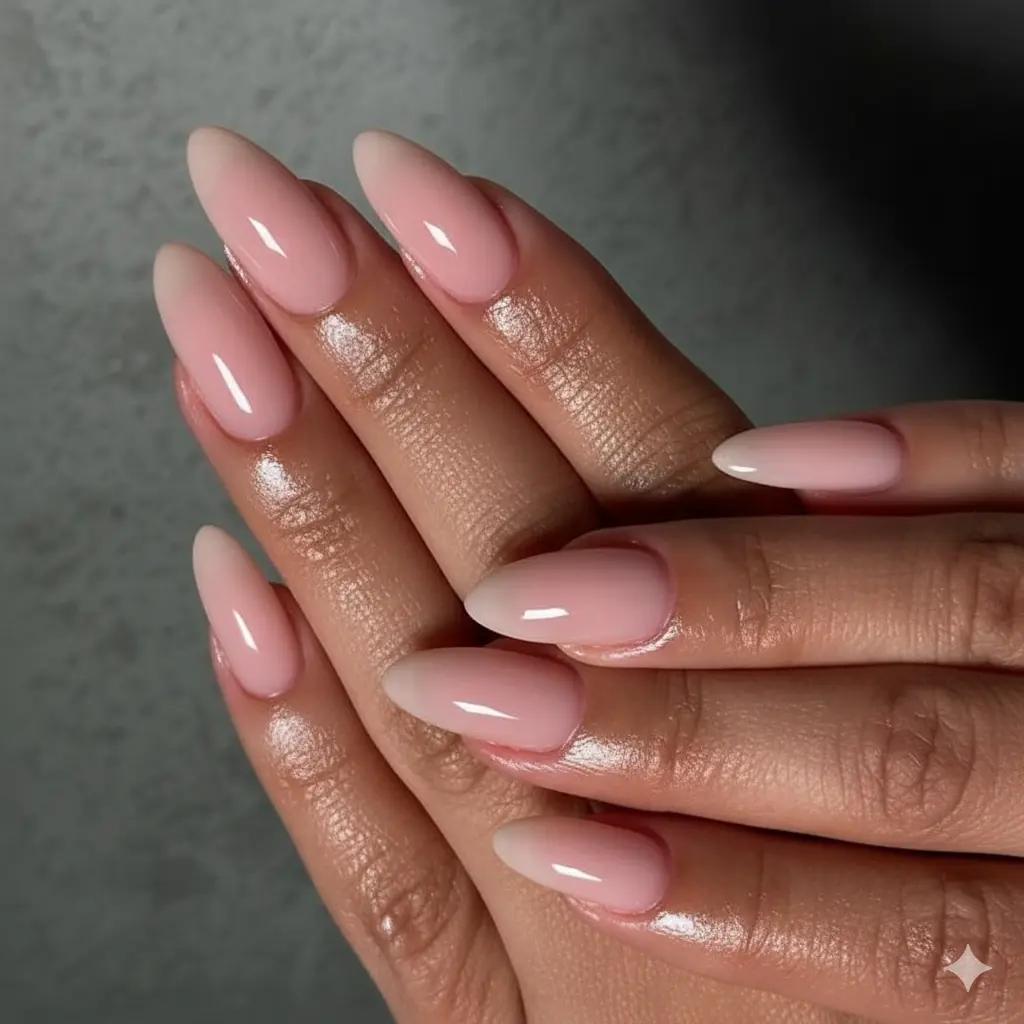
Subtle ombre. A gradient between two closely related shades bare to sheer pink, nude to soft white. The gradient must be blended rather than banded for it to read as professional.
For a deeper gallery of design options in these categories, Professional Nail Designs for Work in 2026 expands on each one with reference examples.

Designs That Work in Creative Offices But Not Conservative Ones
There is a second tier of nail art that is absolutely appropriate for tech companies, agencies, media, and education but which would register as out-of-place in law, finance, or traditional corporate environments. Knowing where this line sits is useful, because it stops you from either over-restricting yourself or misjudging the room.
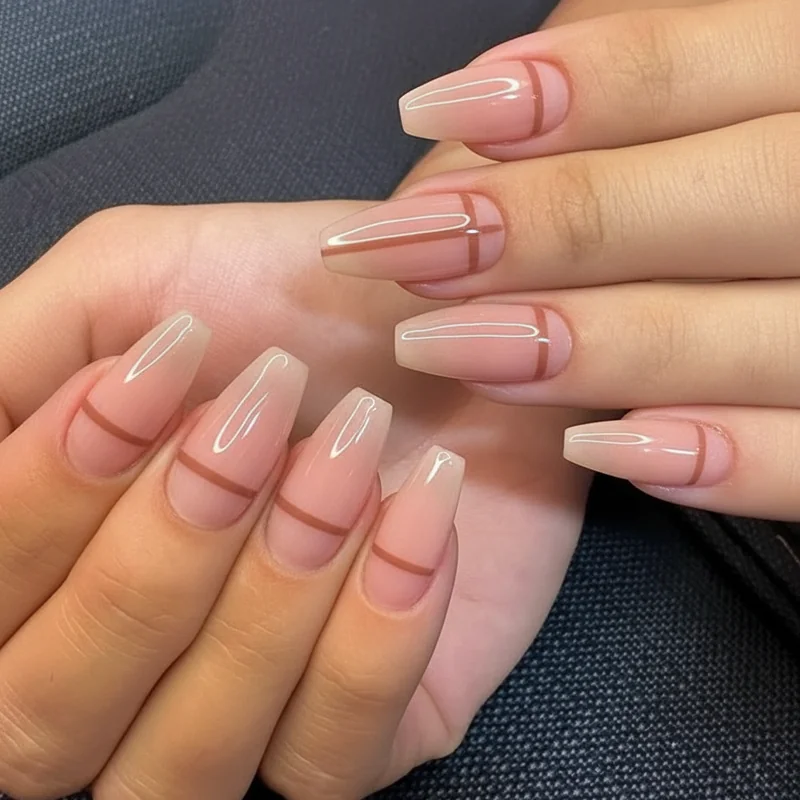
Geometric colour-block nails distinct blocks of two complementary tones separated by a clean line work well in creative environments where considered aesthetic choices are part of the professional culture. So does abstract line art (freehand curves and shapes in muted or earthy tones), open grid patterns, and a single bold accent nail in a genuine colour against an otherwise neutral set.
The distinction is not about the designs being "too much." It is about signal. In a conservative professional context, anything that requires a second look reads as a statement whether you intended it that way or not. In a creative context, the same nails signal taste and attention to detail. Same art, different audience, different reception.
For personality-forward designs that still pass most dress codes, Fun but Professional Nails: How to Show Personality Without Breaking the Dress Code covers this territory in full.

The Occasion Rule: What to Wear on Presentation Days vs. Regular Desk Days
Your regular Tuesday desk nails are not the same category as your Thursday board presentation nails. This variable the occasion within your workday is the one competitors consistently ignore, and it is genuinely important.
For standard office days desk work, internal meetings, video calls with familiar colleagues your full range of work-appropriate nail art applies. This is when the negative space design and the fine line art belong.
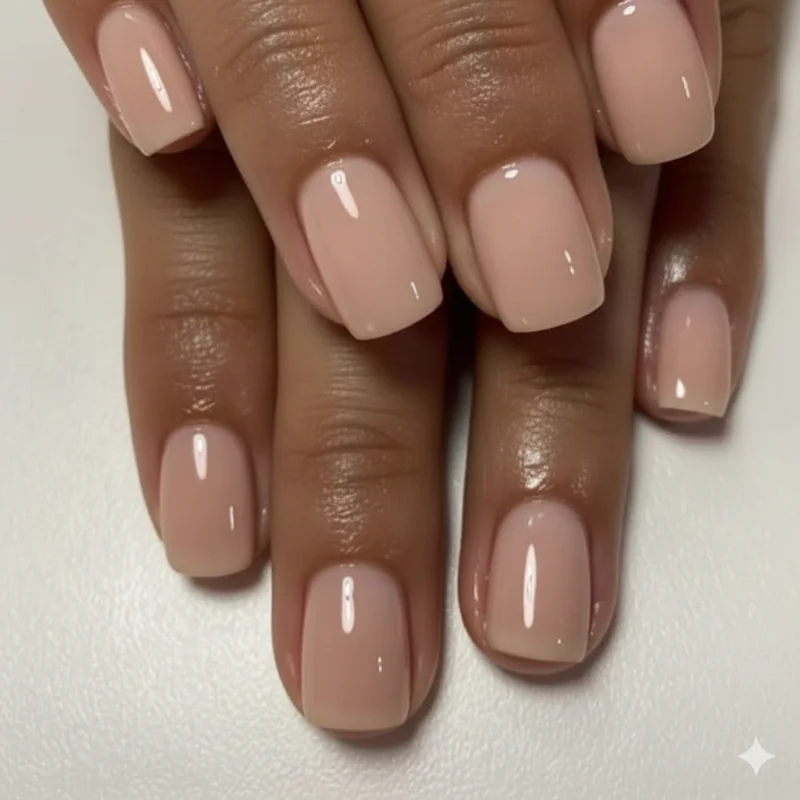
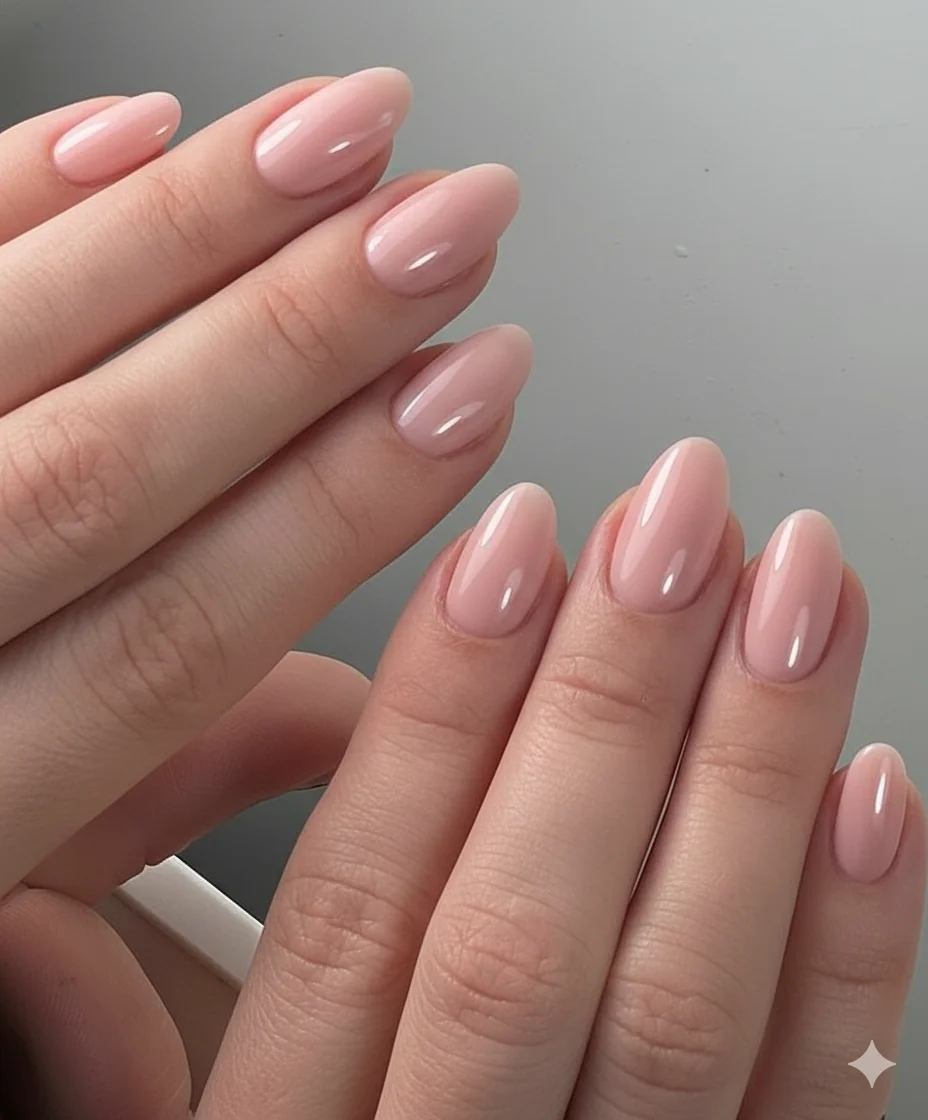
For client presentations, important pitches, interviews, and first-impression scenarios, the calculus shifts. Not because nail art is unprofessional, but because you want attention on you, not your nails. A milky base or a clean micro French tip puts nothing in the room except competence. That is a deliberate strategic choice, not a restriction.
For remote workers and frequent Zoom participants: your hands are visible every time you share your screen, gesture, or hold something up to camera. Milky bases, micro French tips, and soft chrome accents film beautifully. Anything that creates visual noise intricate patterns, multiple colours, 3D elements is amplified on screen in ways it isn't in person. Design for the camera on presentation days the way you would design for a first meeting in person.

How to Execute Work-Appropriate Nail Art at Home Without It Looking DIY
Clean execution is the difference between nail art that reads as a considered aesthetic choice and nail art that reads as a mistake. The tools matter less than the technique but three specific tools make these designs achievable at home: a striping brush, nail tape, and a dotting tool.
Fine line application with a striping brush. Load the brush lightly excess product is the enemy of clean lines. Rest your wrist on a stable surface and drag the brush in one continuous stroke. If you need a second pass, let the first layer dry completely. The Easy Nail Designs for Beginners: 24 Simple Ideas guide covers brush control in detail, including how to correct a wobbly line without removing the whole nail.
Negative space with nail tape. Apply tape to the nail in your desired configuration before you apply colour. Press the edges firmly any gap becomes a bleed. Apply your polish, let it become tacky (not fully dry this is the most common mistake), then remove the tape in one clean pull. The key: remove while the polish is still pliable, or you will lift the edge.
Micro dots with a dotting tool. Dip the tool straight down into the product no dragging, no smearing. Consistent dot size comes from consistent pressure and a consistent amount of product on the tool. Wipe between each dot application.
For a specific technique that translates beautifully into the office, subtle blooming gel florals on a neutral base as demonstrated in the Blooming Gel Nails: Easy Watercolor Nail Art Tutorial produce the kind of soft, diffused detail that passes in most environments.
Seal every design with a quality gel top coat. Without it, even the cleanest execution will chip within days, and a chipped work manicure is more distracting than no art at all. The sundays studio approach to office-friendly minimalist nail art consistently emphasises this point longevity is built into the technique from the first coat.


How to Make Your Work Nail Art Last the Entire Week Without Chips
The maintenance reality of work nail art is that your hands are in near-constant use typing, writing, opening things, handling documents. An at-home regular polish set will rarely survive Monday to Friday without visible wear. Gel is not optional if you want art that looks intentional on Wednesday afternoon.
Beyond the initial application, a gel top coat refresh every three days will extend the life of most art significantly. Apply a thin layer over the entire nail surface and cure briefly this seals any micro-cracks that form from normal use before they develop into chips.
For emergency mid-week repairs: if a single fine line or dot chips, the cleanest fix is usually to remove that nail entirely and redo it rather than attempting an in-fill that will never quite match. Keeping a small bottle of your base shade and the relevant tool at your desk makes this feasible. For encapsulated nail art where the design is sealed beneath the top coat layer repairs are near-impossible to execute precisely, which is why gel longevity matters from application day. Naillie's current work-friendly nail ideas for 2026 puts gel longevity at the top of every recommendation for exactly this reason.

The Nail Art Designs You Should Absolutely Not Wear to Work
Not universal bans context-dependent limits. In most professional environments, these will create the wrong impression, and it is worth knowing why.
3D embellishments and rhinestones. They snag on documents and fabric, which is practically noticeable and visually distracting. Even a single rhinestone on an accent nail creates visual noise that pulls attention in a meeting.
Neon colours and full chrome finishes. Mirror chrome in particular is a "look at my nails" signal that is rarely appropriate in a work context. Soft chrome on one accent nail is different; a full set of mirror-finish nails is not office-appropriate in almost any environment below a fashion or entertainment industry role.
Anything structural. Long stiletto or coffin shapes make practical work tasks typing, handling paperwork, client handshakes noticeably awkward. Length and shape are part of the work-appropriate equation, not separate from it.
Graphic nail art with visible subject matter. Characters, logos, faces, explicit motifs these are personal expression choices that belong outside work contexts. The line here is not about taste; it is about professional signal.
Work Nail Art for Specific Situations: Zoom Calls, Presentations, and Client Meetings
Can you wear nail art to a corporate office? Yes, with calibration. Can you wear nail art to a job interview? The safer answer is no a clean, polished neutral reads as thoughtful preparation, and a first impression is not the moment to introduce any variable. Your first week at a new job is similarly not the moment; read the room for a few weeks before committing to anything beyond a clean nude or sheer pink.
For Zoom calls and screen-sharing presentations: milky sheer bases and micro French tips photograph beautifully and add a polished quality on camera. Geometric art with strong contrast can appear pixelated or visually noisy at lower video resolutions. If your role involves regular client video calls, treat your Zoom nail standard the same as your in-person client standard.
Is negative space nail art work-appropriate? Yes consistently. It is arguably the single most workplace-versatile nail art category because it incorporates the natural nail as a design element rather than adding colour or material over it. The result is graphic without being bold. Is geometric nail art work-appropriate? In creative workplaces, yes. In conservative tiers, the answer depends on the palette a geometric design in two close neutrals is a different signal to a bold two-colour block.
Is fine line nail art acceptable in finance or law? A single thin line in a tonal shade on one or two fingers yes. Intricate multi-line designs across the full set not in most traditional firms. The principle is the same across all categories: the less the art requires a second look, the more universally appropriate it is.
Your Next Appointment: How to Ask Your Nail Tech for the Right Work-Appropriate Design
The briefing language you bring to the salon matters as much as the reference image. Most nail technicians are skilled at executing whatever they are asked for clearly the gap is usually on the brief, not the execution.
Useful phrases to bring: "I want something that reads as a considered choice but doesn't create visual noise in a meeting." "I'd like nail art that works for an office environment subtle enough that you'd notice it looked deliberate, but not so obvious it would stand out." "Can we do negative space on a nude base I want it graphic but quiet."
For reference images: pull three examples from the six categories above, show the tech all three, and ask which of them they would execute most cleanly on your nail length and shape. The best nail tech for work art is not always the one doing the most elaborate sets it is the one who understands restraint as a technique.
A note on nail length for work art: shorter nails execute fine line and negative space designs more cleanly than longer ones. If you are trying nail art at work for the first time, starting at a length where the art is smaller in scale is the lower-risk entry point.

The Manicure You Actually Want Is Already Office-Appropriate
The question has never really been whether work appropriate nail art exists. It is whether you trust your own judgment enough to wear it. The framework is simple: read your workplace, select from the right design tier, calibrate to the occasion, execute cleanly, and maintain properly. That is the whole system.
None of the six designs in this post require you to negotiate your personal style down to nothing. Negative space and fine line art are genuinely beautiful. Micro French tips and soft chrome accents are what the best-dressed women in professional environments are wearing right now. You are not compromising you are curating.
The nail art that passes the professional test is not the blandest version of your taste. It is the most considered version of it. And the best part: once you have identified your workplace's actual range not the imagined worst-case you will likely find there is far more room than you thought.