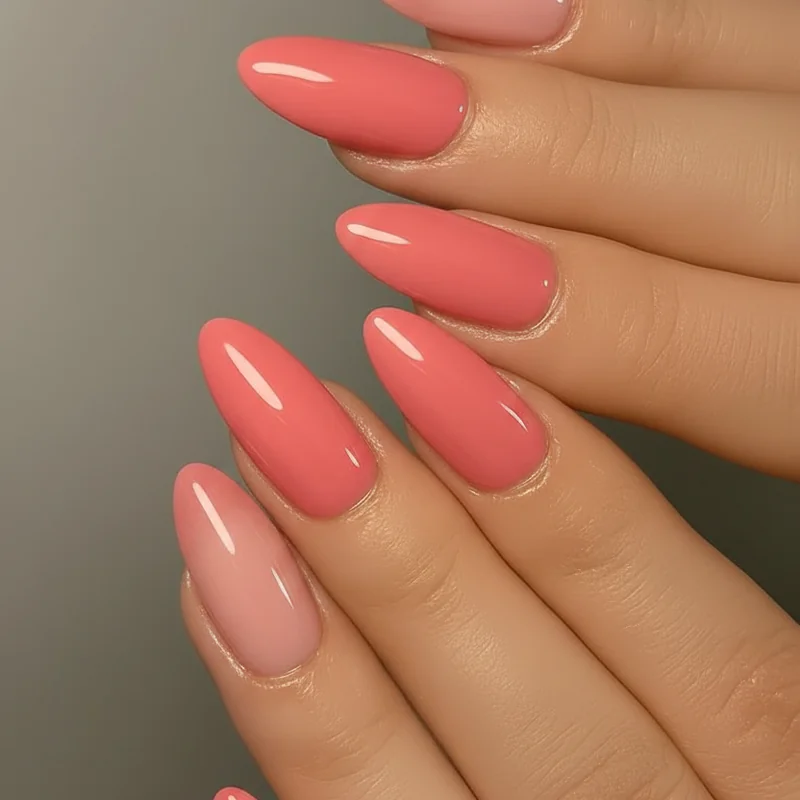
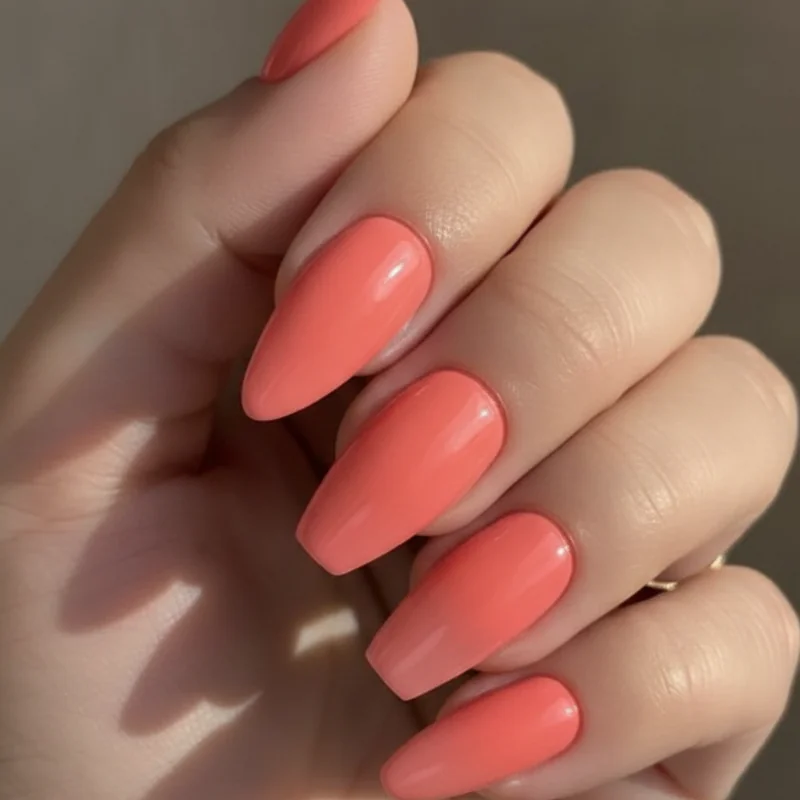
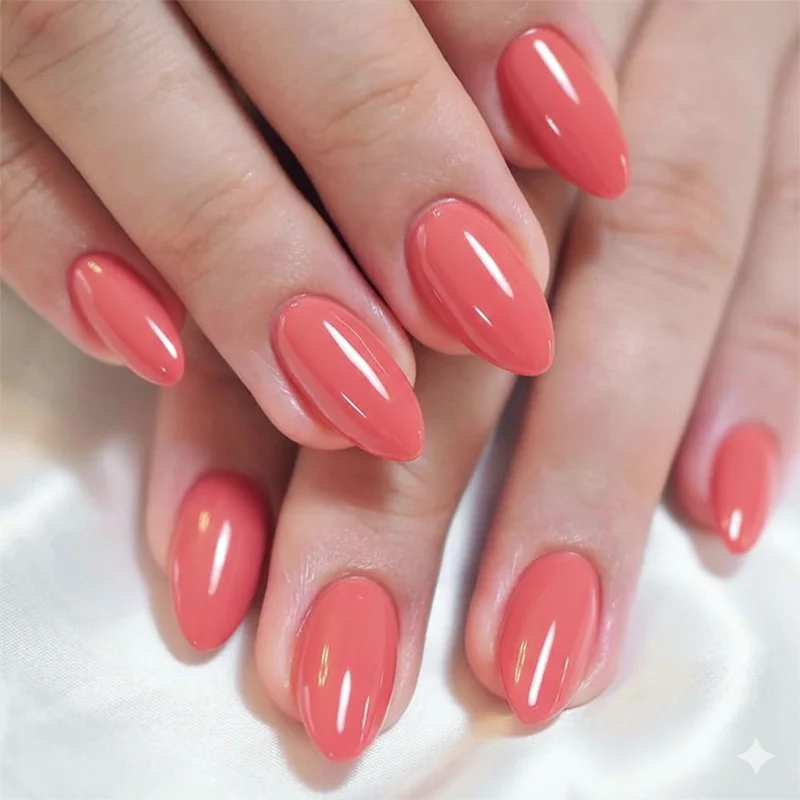
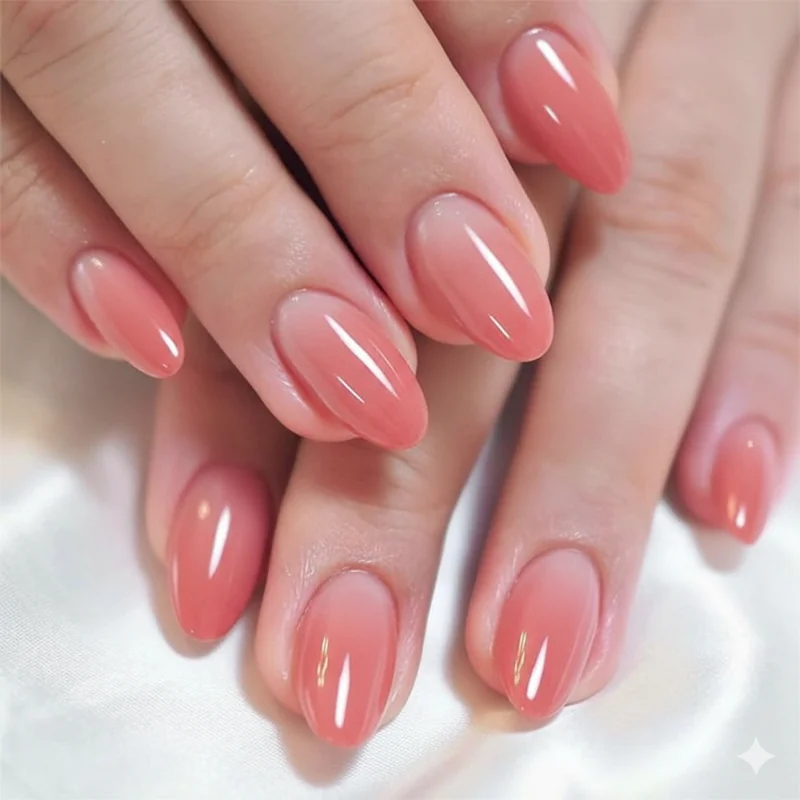
Coral nails summer is not a trend you either wear or don't. It is a colour family you have not fully mapped yet, and the version that has been sitting in your mental "not for me" pile is probably not the one that would actually suit you.
The reason coral has a reputation for being flattering on some people and washing out others has nothing to do with whether the colour works. It has everything to do with which coral, on which undertone, at which saturation. Get those three things right and coral is one of the most reliably striking summer manicure choices of 2026. Get them wrong and yes, it looks a bit orange. Both outcomes are coral. Only one is the right coral for you. As part of the wider Summer Nail Trends 2026 picture, coral is holding its place as one of the season's most searched shades, and this guide exists to make sure you pick the right version of it.
What Kind of Coral Are We Actually Talking About? (The Shade Family Explained)
Coral is not one colour. That sounds obvious until you are standing in front of a nail bar trying to decide between four shades that all technically count as coral and each one looks different on your hand.
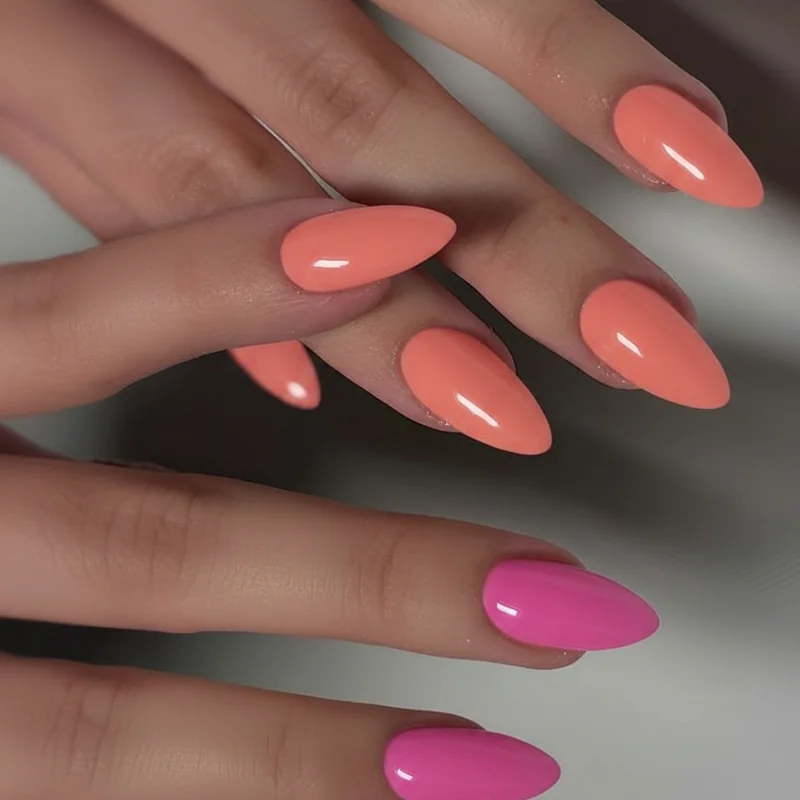
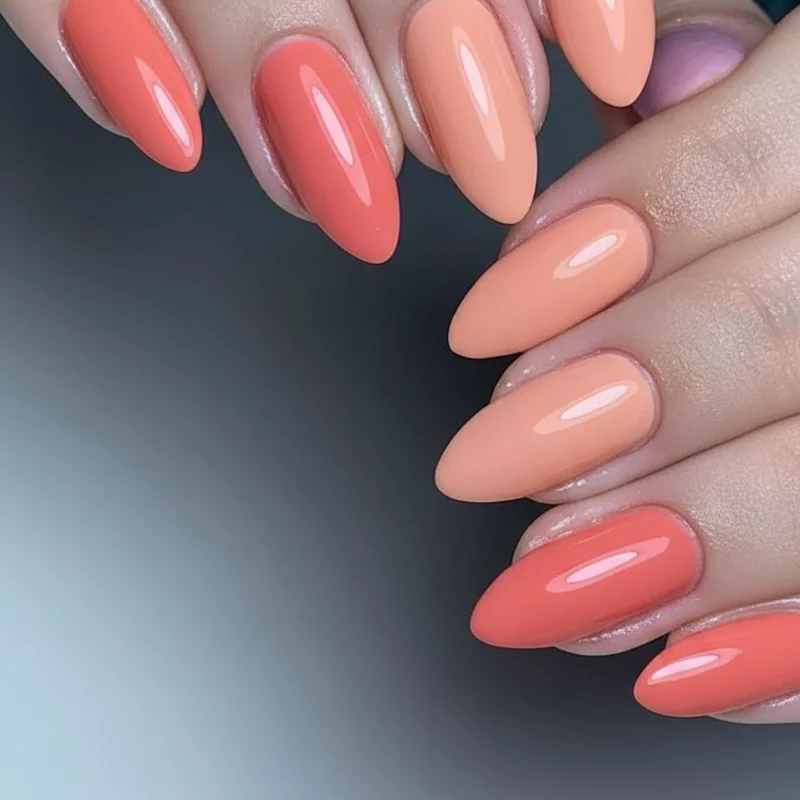
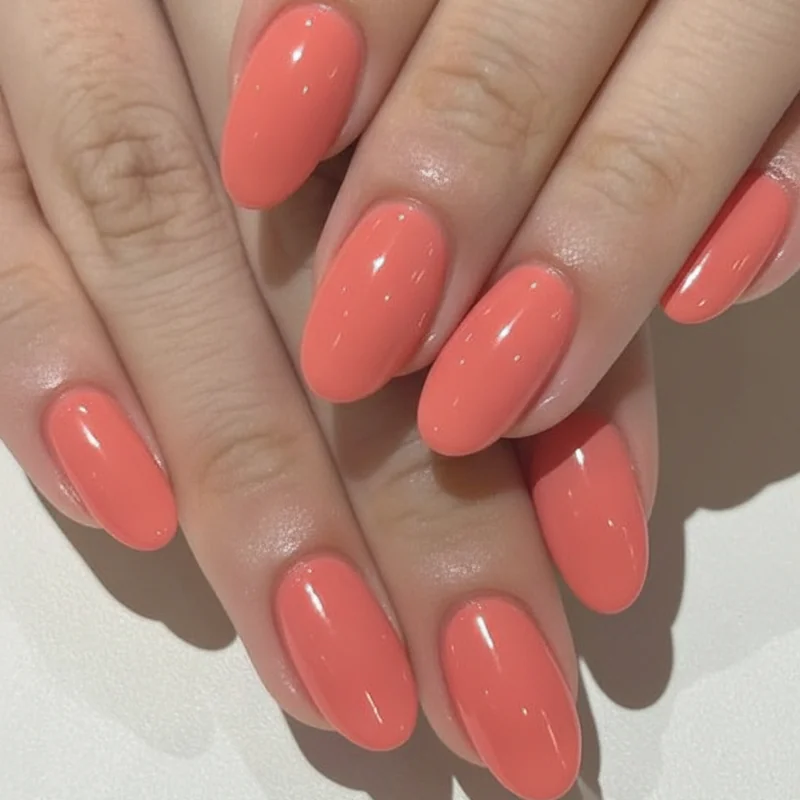
The four main branches of the coral family: peachy coral is the softest version, with low saturation, close to a warm nude, with a gentle warmth that reads as understated rather than summery. Pink coral pulls strongly toward rose and reads as vibrant without any orange quality at all; this is the version that surprises cool-undertone wearers. Orange coral is the one most people picture when they say coral: vivid, sun-drenched, unambiguous. Red coral deepens the orange into something richer and more sophisticated, sitting close to a warm red with coral's brightness intact.
The distinction between pink-coral and orange-coral matters more than any other variable in this guide. When you hold a bottle against white paper, a pink coral will remind you of a watermelon or guava. An orange coral will remind you of a sunset. That single test tells you which version you are holding, and from there, the rest of the decisions become easier. For a full view of how coral sits within the broader summer palette, the Summer Nail Colors 2026 guide covers the full spectrum.
Does Coral Suit Your Skin Tone? A Proper Undertone Guide
Three coats of the wrong coral and you will understand exactly why people say it doesn't suit them. Three coats of the right coral and they will ask what shade that is for the rest of the day.
The first thing to check is your undertone, not your skin depth. Your undertone is the hue beneath your skin's surface: cool (blue-pink veins), warm (green-yellow veins), or neutral (both). It does not change with a tan.
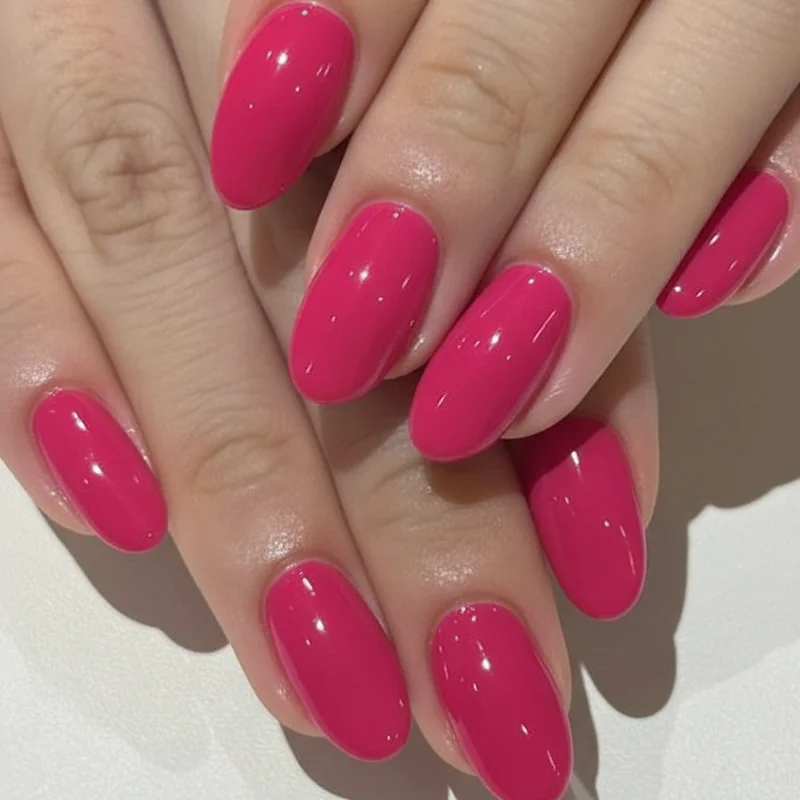
Fair skin, cool undertone: This is the reader most let down by generic coral guidance. Most guides say coral suits warm skin, which is true of orange-coral. But pink coral, specifically the guava and watermelon shades, sits entirely in the cool-pink spectrum and works precisely because it does not add orange warmth to a cool complexion. OPI's Cajun Shrimp (a pinkish-red coral) and Essie's Cute As A Button (a bright pink-orange blend that leans pink enough to flatter) are the right entry points. Avoid pure orange-coral entirely. It will sit against your undertone rather than with it.
Fair skin, warm undertone: You have the widest coral range available. Peachy coral gives a soft, natural warmth. Orange coral is vivid and very flattering. The one risk is choosing a coral so close to your skin tone in lightness that it blends in rather than stands out. Opt for a slightly saturated version over a washed-out one.
Medium skin, warm or olive undertone: This is where coral nails summer performs at its absolute best. The contrast between golden-warm or olive skin and a vivid orange-coral creates exactly the sun-kissed brightness this colour is associated with. If your skin leans olive, avoid muted or peachy-pale corals, as they can pull grey or sallow. Go high-saturation and orange-forward. Essie Peach Daiquiri, a bright summer coral with a pink undertone, works beautifully across the medium-skin spectrum. For deeper colour matching guidance, our medium skin tone nail colour guide covers exactly which coral shades create the most impact on golden and warm-olive complexions.
Dark skin: The mistake with coral on dark skin is choosing a shade that lacks contrast. Pale peachy corals disappear. Vivid coral, and especially red-coral, delivers the brightness and contrast that makes the colour pop against deeper complexions. Think bold, saturated, and unapologetically warm.
For a complete undertone framework across all nail colours, the Nail Colors for Every Skin Tone guide covers every shade family by complexion in full detail.
Why Does Coral Sometimes Look Orange, and How to Avoid It
If your veins are blue-purple and you tried coral once and never went back, this section is for you.
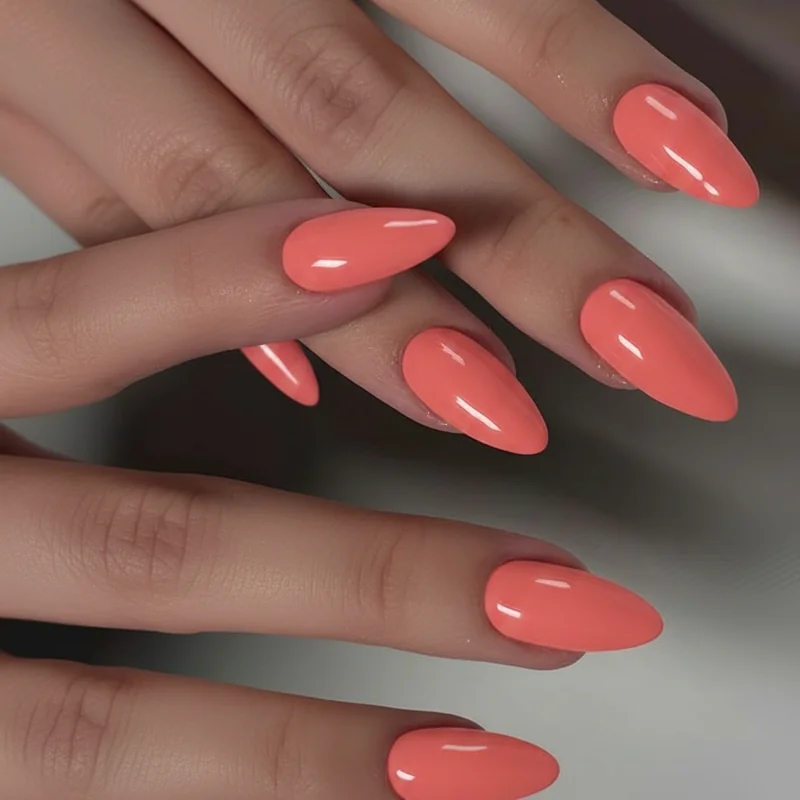
The "looks orange" problem is almost always a saturation problem, not a shade problem. A high-saturation orange-coral on a low-contrast, cool-undertone complexion has nowhere to go. The warmth reads as too much because there is no warm foundation in the skin to absorb it. The solution is not to avoid coral. It is to choose a lower-saturation coral, or to move along the coral family toward pink-coral, which carries none of the orange quality.
A second cause: the bottle-versus-application gap. Coral polishes look richer and more pigmented in the bottle than on the nail, where the formula thins out and the opacity drops. A deep sunset coral in the bottle may apply as a sheer, washed-out peach on the nail, particularly in one or two coats. The fix is building up to three coats for full, true colour, and checking the shade on your nail under natural light before committing. Indoor lighting makes every coral look warmer than it is.
According to guidance on undertone and saturation matching, the key to wearing coral without it reading as orange is aligning saturation level to your skin's natural contrast level: soft, muted corals for low-contrast complexions, vivid, punchy corals for high-contrast ones.
The Best Coral Finishes for Summer (Glossy, Matte, Jelly, Ombre & Chrome)
Glossy coral is the version most people know. High-shine creme finish, vivid pigment, the one that reads as a classic summer manicure without needing any justification. It is the right choice when you want coral to do its job straightforwardly.
Matte coral is the finish worth reconsidering if you dismissed coral as too bright for your usual style. Matte flattens the saturation slightly, removes the reflective warmth, and gives the colour a dusty, sophisticated quality that looks considerably more subtle in person than in photographs. It is also the finish that makes coral genuinely office-appropriate. The brightness becomes warmth rather than a statement.
Jelly coral, a sheer, glass-like formula that builds translucently, gives an entirely different effect. One or two coats create a stained-glass warmth across the nail rather than a solid block of colour. It is the softest way into the coral family for anyone nervous about committing.
Coral ombre is where the trend earns its place as one of the most requested finishes of summer 2026. Fading from a peachy base to a vivid orange-coral at the tip, or from a sheer coral up to a deeper red-coral, it gives more visual interest than a solid application while staying fully wearable. If you want to try this at home, the How to Do Ombre Nails at Home guide covers the exact sponge technique needed to get the gradient clean.
Chrome coral, a metallic, mirror-like version, is the most directional take. If you want to go further than the standard finish, the neon summer nails guide covers how to push coral into the higher-saturation, full-neon territory.
Coral Nails on Short Nails: What Works and What Doesn't
Short nails and vivid colour have one rule: don't let the colour shrink the nail bed. The good news for coral is that it is warm rather than dark, which means it does not visually close in the nail the way a deep burgundy or navy might.
A solid, high-saturation coral on short nails works well. The brightness reads as intentional rather than overwhelmed. What does not work as well is a very pale, sheer coral on very short nails; there is not enough nail surface for the colour to register as a real choice rather than a near-nude.
Coral ombre is the most nail-lengthening option for shorter nails. The fade from pale base to deeper tip creates the illusion of length without requiring a dramatic tip extension. A simple coral creme in a round or soft almond shape is the most flattering solid option. Avoid overly elaborate nail art on very short nails with coral; the colour does enough work on its own.
What to Wear with Coral Nails (and What Clashes)
Coral is one of the more demanding colours to style, not because it clashes often, but because when it does clash, it clashes loudly.
The pairings most people know: white, cream, navy, and denim. They work because they are neutral. More interesting options that hold up equally well: soft sage green (the contrast between warm coral and cool green is quietly striking), warm camel, tan linen, and off-white stripe. Coral against a rich chocolate brown is underrated.
The clashes worth knowing: red. Coral and red together, even in different saturations, fight for the same warm space. Fuchsia or hot pink for the same reason: two high-intensity warm colours in the same outfit create noise rather than contrast. Orange is the most obvious clash and yet the one most frequently overlooked; if you are wearing a terracotta or burnt-orange dress, cool-down your nail colour rather than amplify it.
Coral also works against the expectation that summer nails should always match the occasion. A sleek navy blazer with vivid coral nails is not a mismatch. It is a considered contrast. The key is that coral reads as intentional when it is the only warm element in an outfit.
When Can You Actually Wear Coral Nails? (Beach, Work, Evenings & Beyond)
Coral at the beach is the version of this colour that needs no defence. Against sun-bronzed skin, bright coral is at its most flattering. The tanned warmth of your skin deepens the colour and removes any risk of it looking garish. If you are heading on holiday or planning a beach nails look for summer, coral is the most reliable choice in the warm-colour family.
For the office: matte coral, or a peachy-pale coral creme, crosses over without effort. The saturation question matters here. A very vivid, neon-adjacent orange-coral will read as a weekend nail in a corporate environment. A dusty pink-coral or a matte mid-coral does not. The distinction is in the finish and the saturation level, not the colour family.
For evenings out, red-coral in a high-gloss finish is the most impactful option. It has the warmth of coral with a depth that reads as evening rather than daytime. Pair with minimal jewellery; red-coral already carries enough visual interest on its own.
Is coral nail polish still in style for summer 2026? Yes, it has remained consistently in the top searched nail colours across platforms since early spring, and the pink-coral and coral ombre variations in particular have had measurable staying power this season.