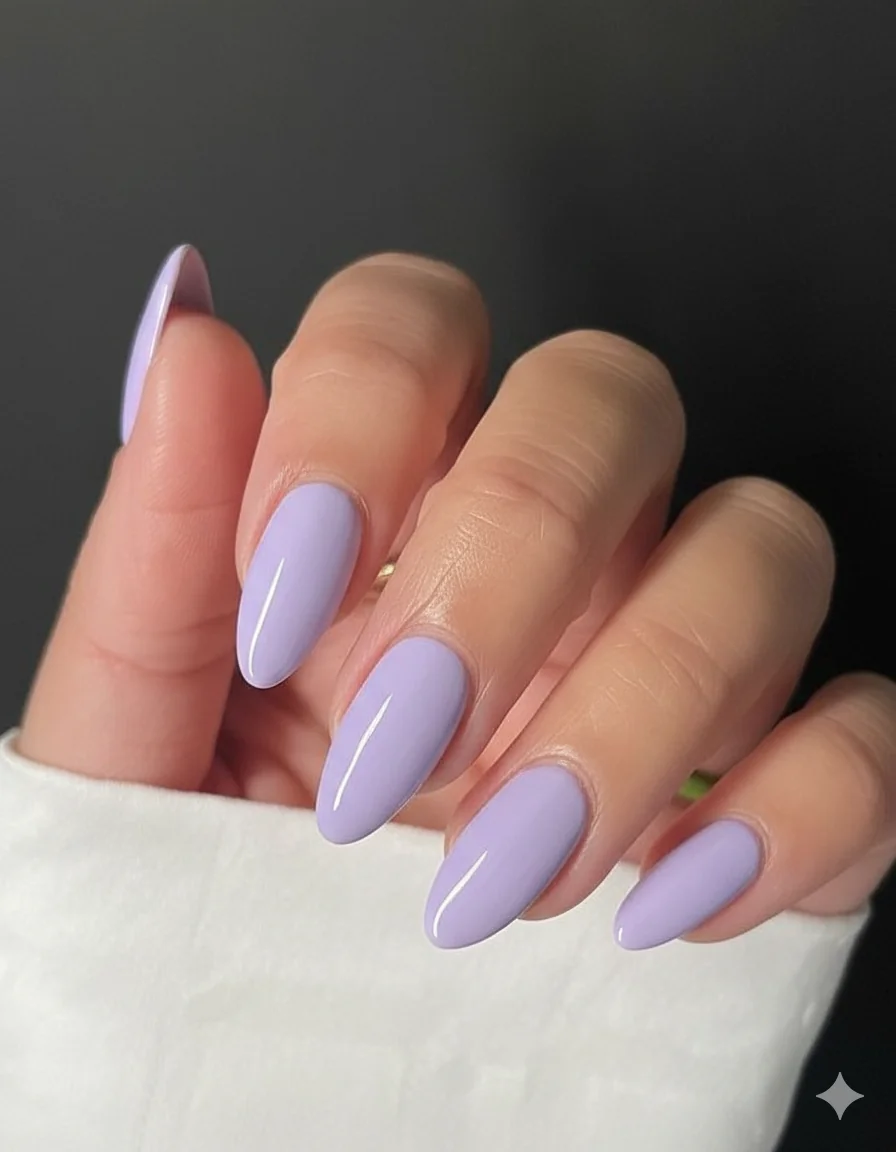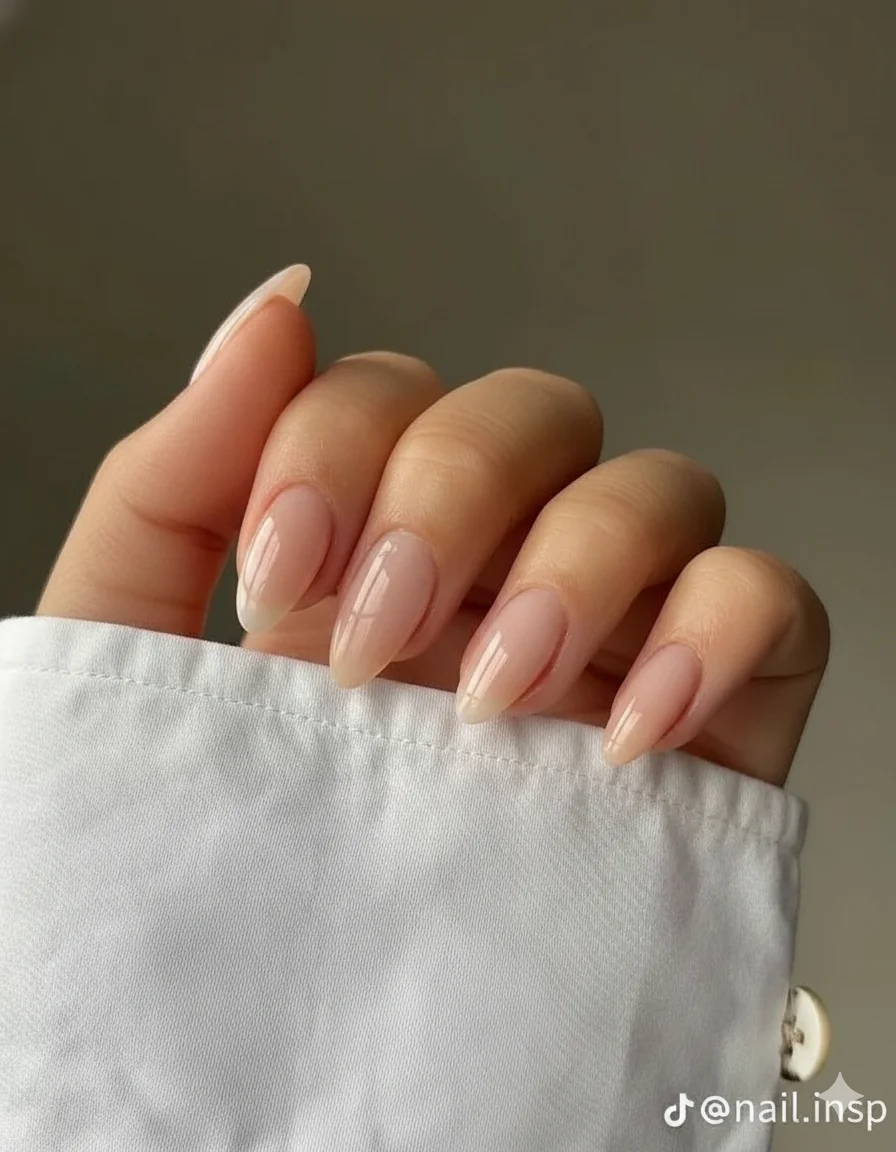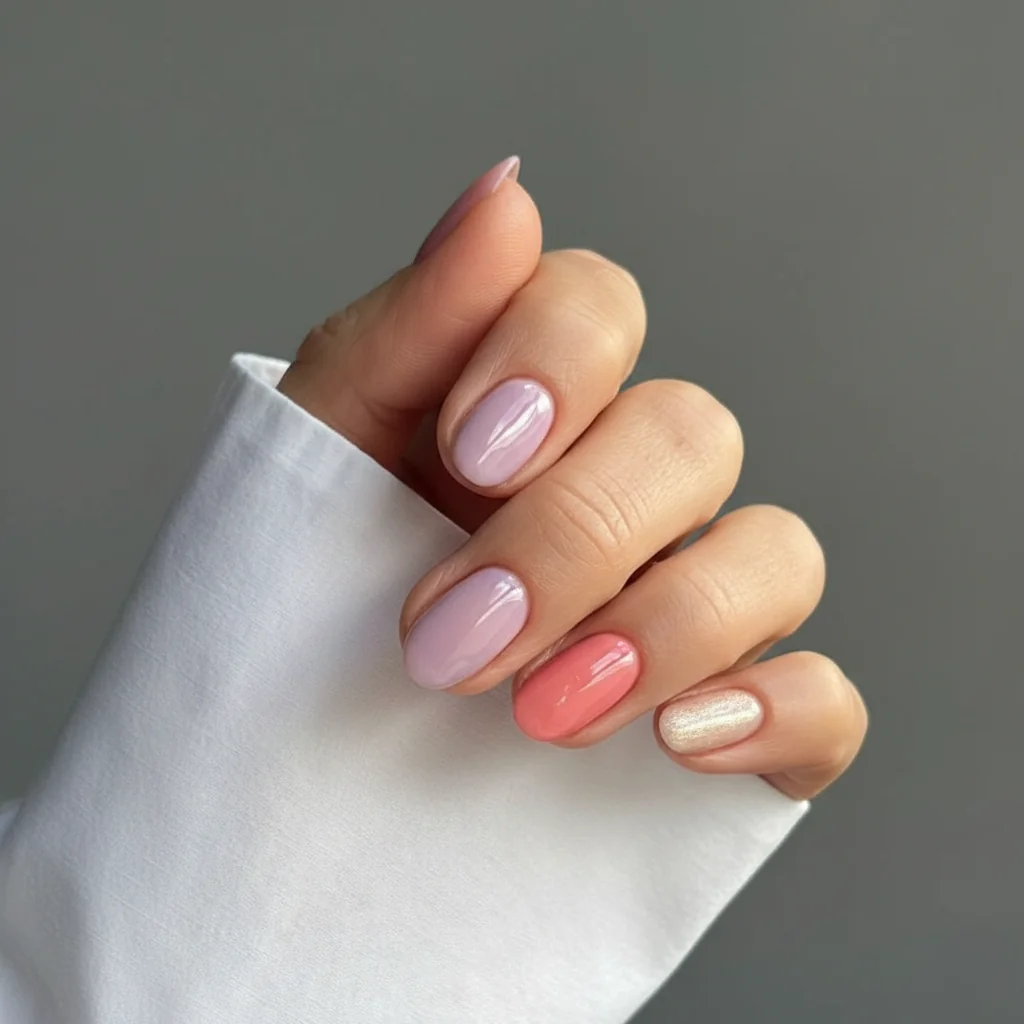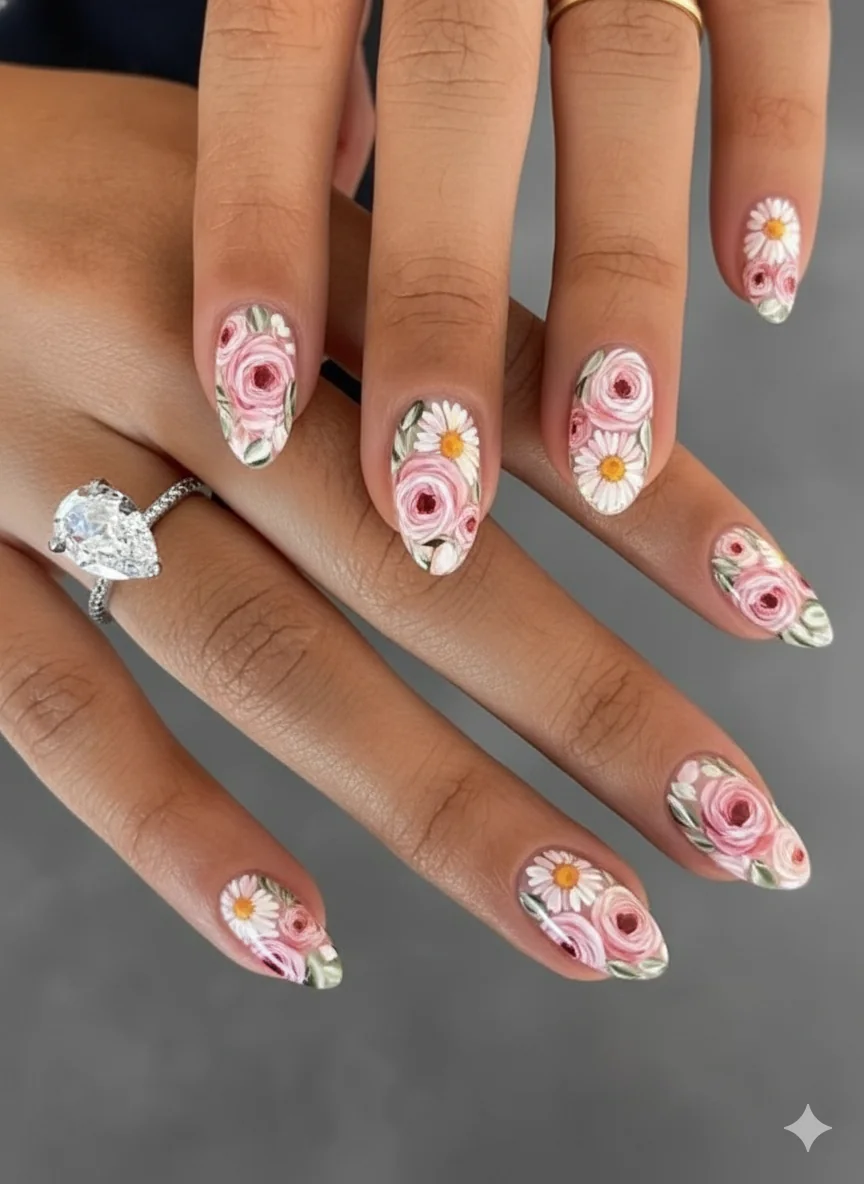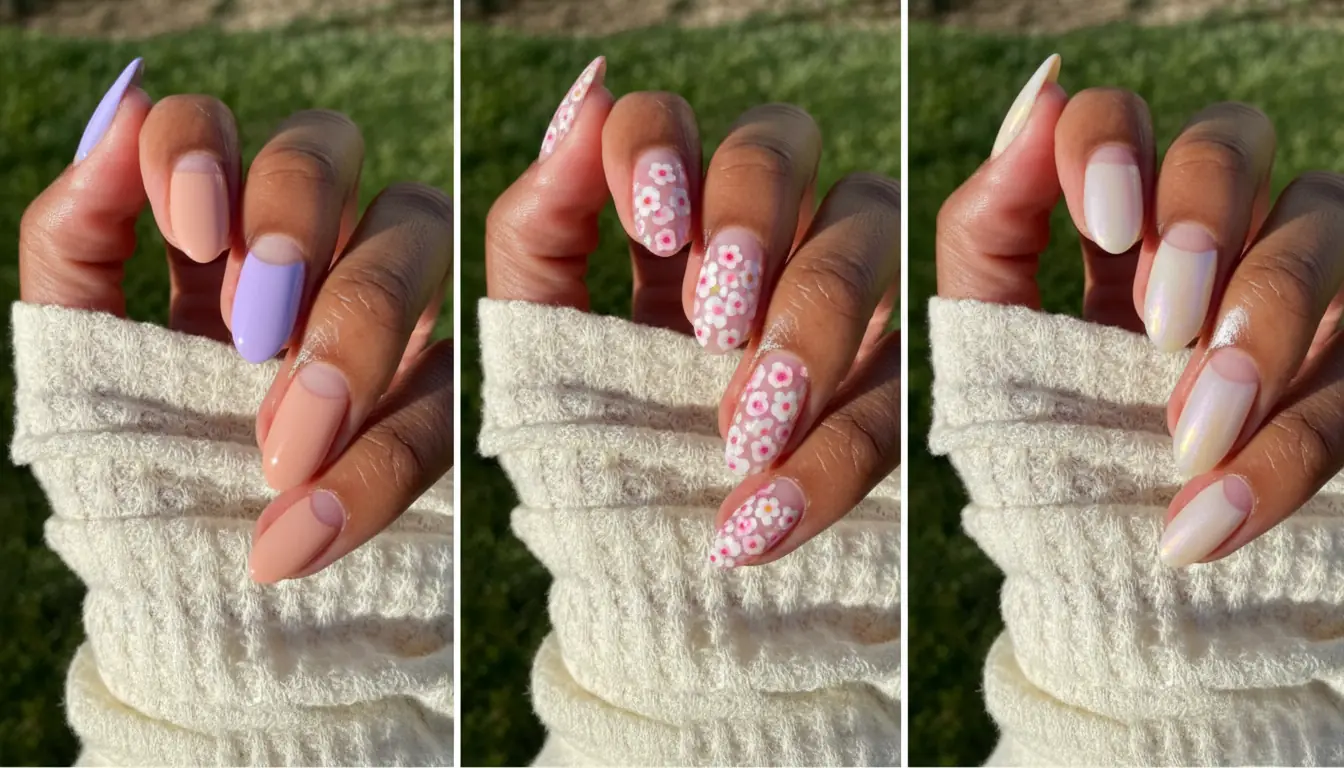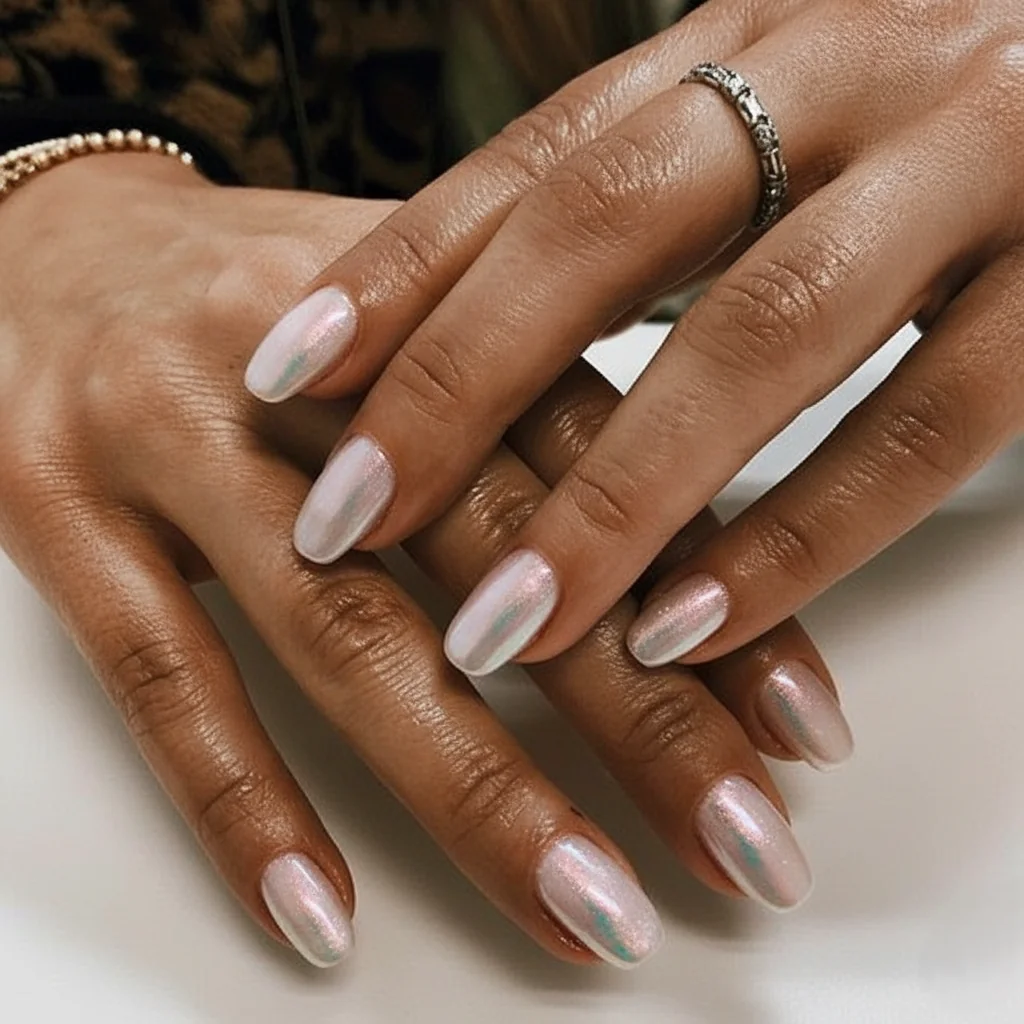
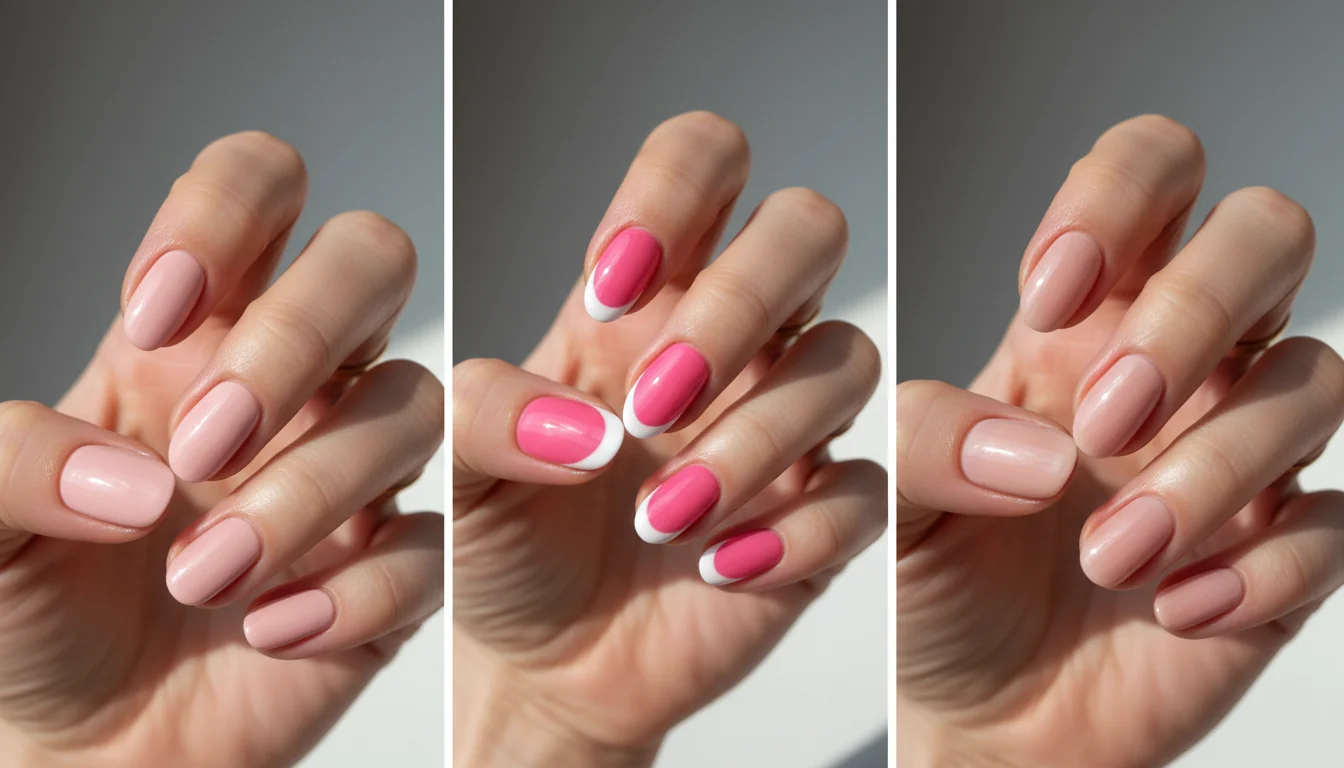
Gel mother's day nails are the first thing most people book: familiar, glossy, done in under an hour. But gel is not always the right answer. With Mother's Day falling on the second Sunday in May, the question is not just which system looks best. It is which one still looks best three Sundays from now, or survives the champagne brunch without chipping on the way home. Gel mother's day nails, acrylic sets, and BIAB overlays each serve a different Mum. Getting this decision wrong means a manicure that outlives its welcome, or worse, one that does not make it to the celebration at all.
This is not a generic nail guide. Every recommendation here is framed around one occasion, one time window, and the specific stakes that come with it.
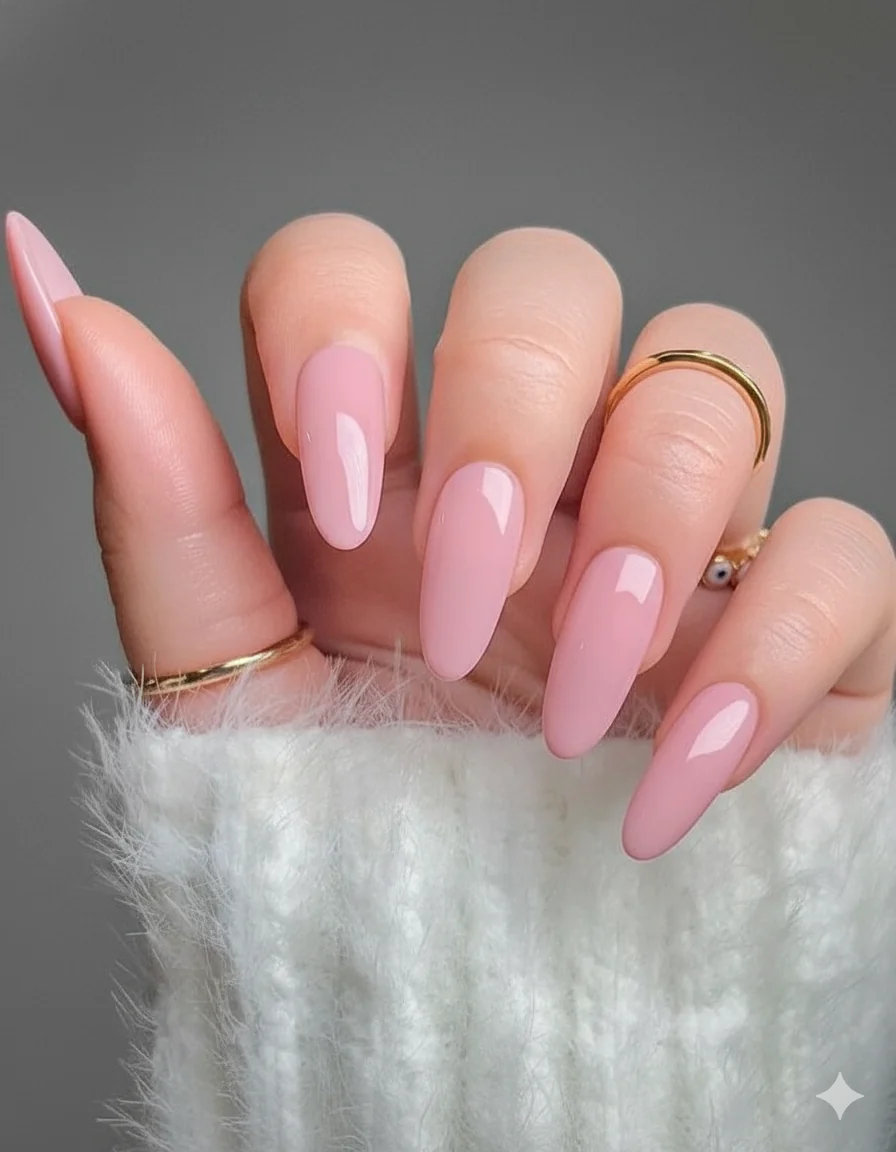
The Stakes Are Different at Mother's Day
Every other week of the year, a chipped nail is an inconvenience. At Mother's Day brunch, it is a photograph. The stakes are not dramatic, but they are real, and they change how you should weigh each system.
The decision splits into two camps. Mums treating themselves are weighing nail health, longevity, and whether the appointment fits the diary. Adult children booking on Mum's behalf are often navigating unfamiliar territory. They know what gel nails look like but may have heard "BIAB" for the first time six months ago. Both groups need the same thing: a clear recommendation based on how long the nails actually need to last, not a pros-and-cons list that leaves them floating.
One practical note before the breakdown: salons fill up fast in early May. Whatever system you choose, book the appointment as soon as possible. Waiting until the week before limits your options significantly. The best Mother's Day nail designs deserve a technician who has time to do them properly.
What Each System Actually Does
The terminology is where most people get lost, and that confusion is worth clearing up before comparing anything.
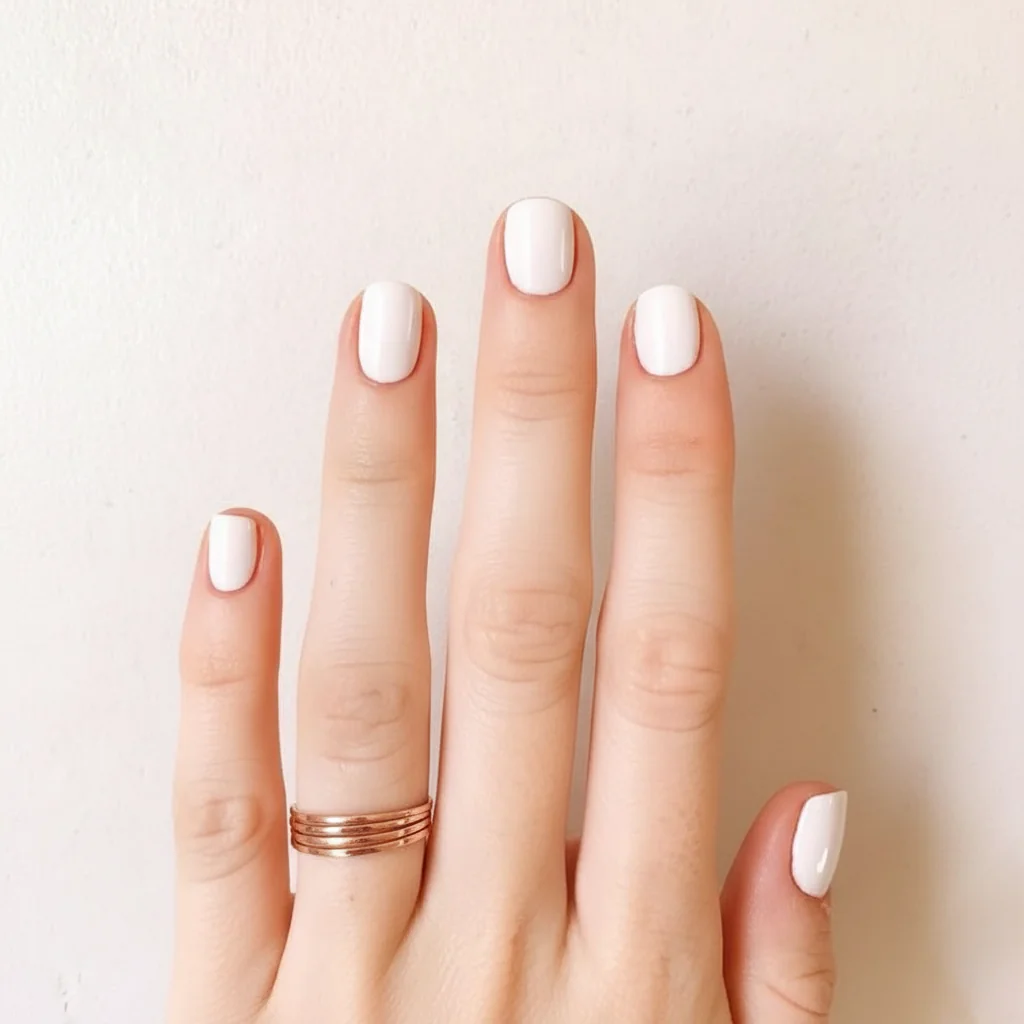
Gel polish is a coloured lacquer cured under an LED lamp. It sits on top of the natural nail like a very durable varnish. It does not add structure, does not extend the nail, and soaks off with acetone. The chip resistance comes from the curing process, not from any added thickness. This is what most people mean when they say "gel nails."
Acrylic is a two-component system: a liquid monomer mixed with a powder polymer that hardens on contact with air. Applied in a bead, it can extend the nail significantly and is sculpted into shape before it sets. It is the most structurally rigid of the three systems and requires an e-file or nail drill for removal.
BIAB (Builder in a Bottle) is a self-levelling builder gel applied directly from a pot or bottle. It sits between gel polish and a full acrylic in terms of structure: thicker than gel polish, more flexible than acrylic, and worn as an overlay on the natural nail. It cures under an LED lamp and is removed by soaking in acetone, though peeling (which causes damage) is unfortunately common when people attempt removal at home.
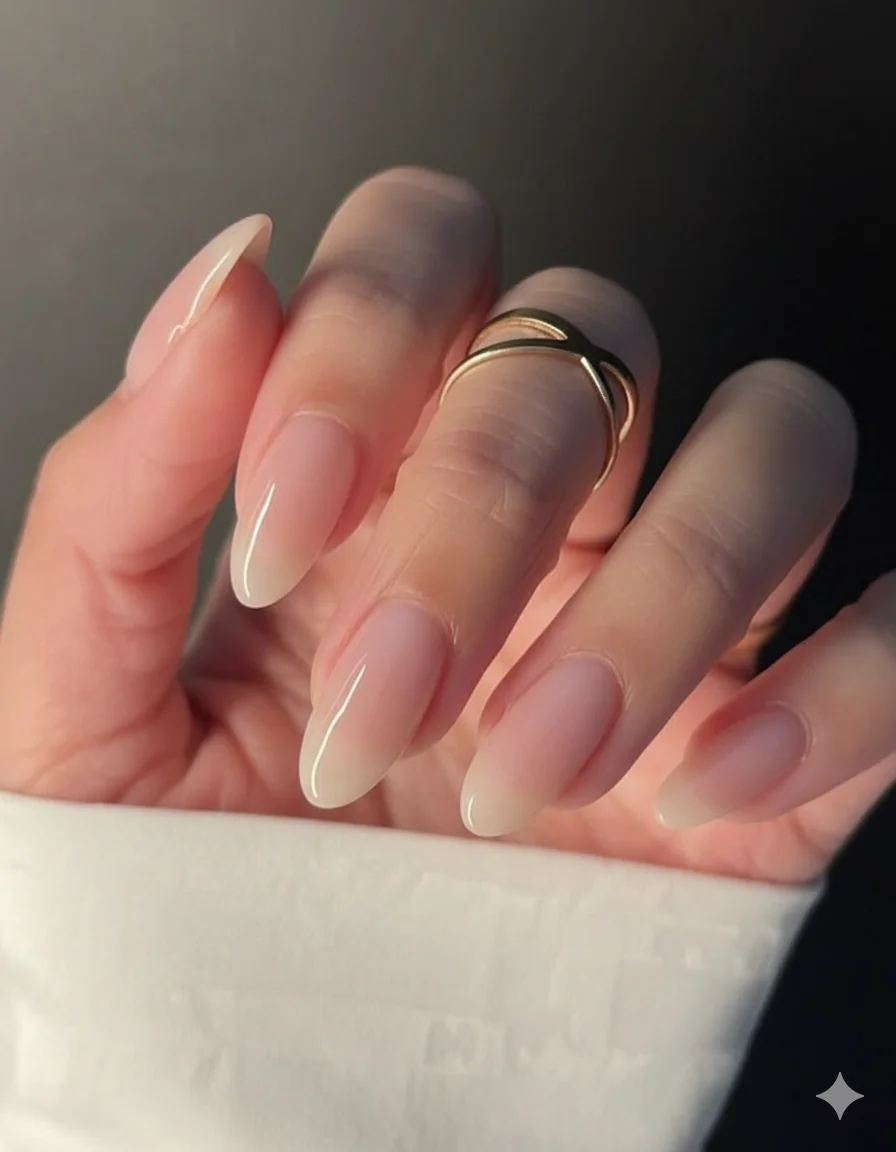
Durability Head-to-Head: What Lasts Past the Brunch Table
In a Mother's Day context, durability means something specific: the nails need to look intentional and intact on the day, and ideally for a reasonable stretch afterwards.
Gel polish gives you 10–14 days of chip-resistant wear. Book within two weeks of the occasion and you are fine. Push it further and you are gambling on tip wear and lifting, particularly on Mums who are hard on their hands: cooking, gardening, or handling small grandchildren daily.
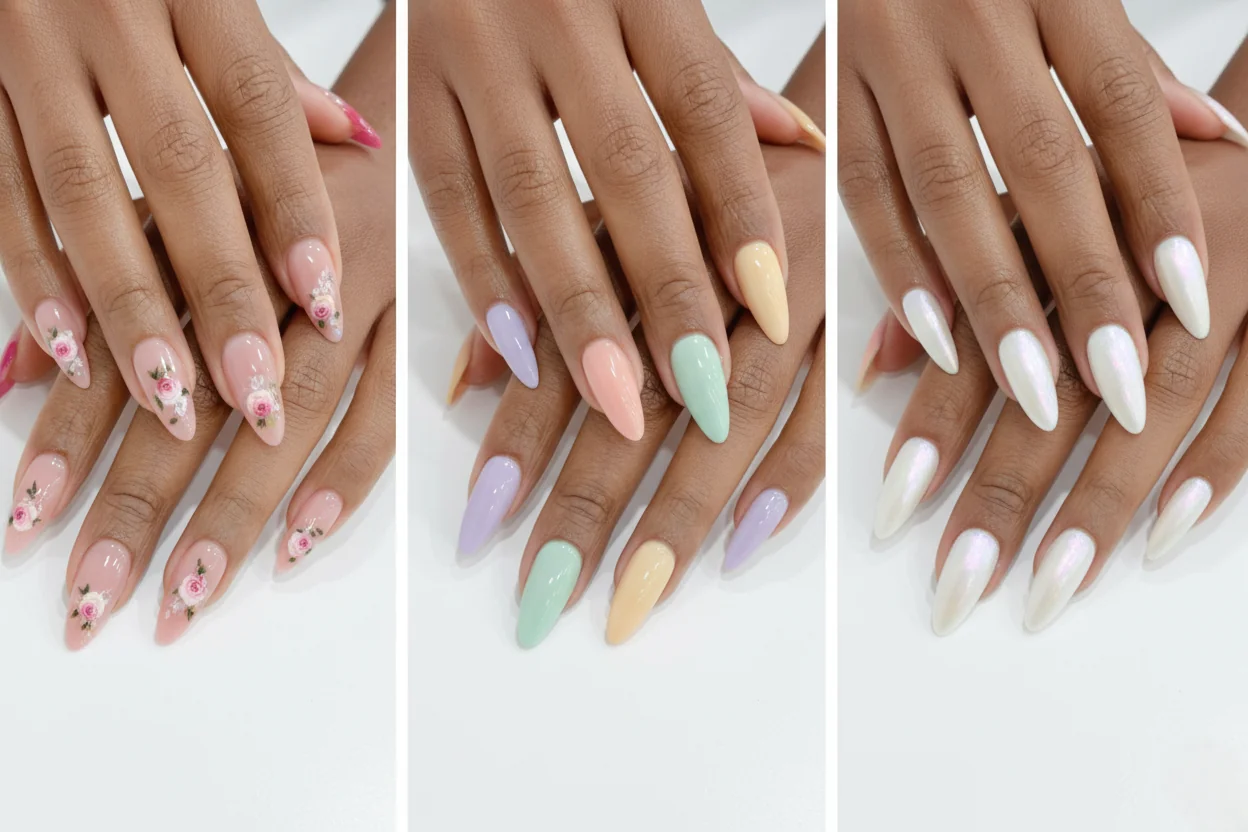
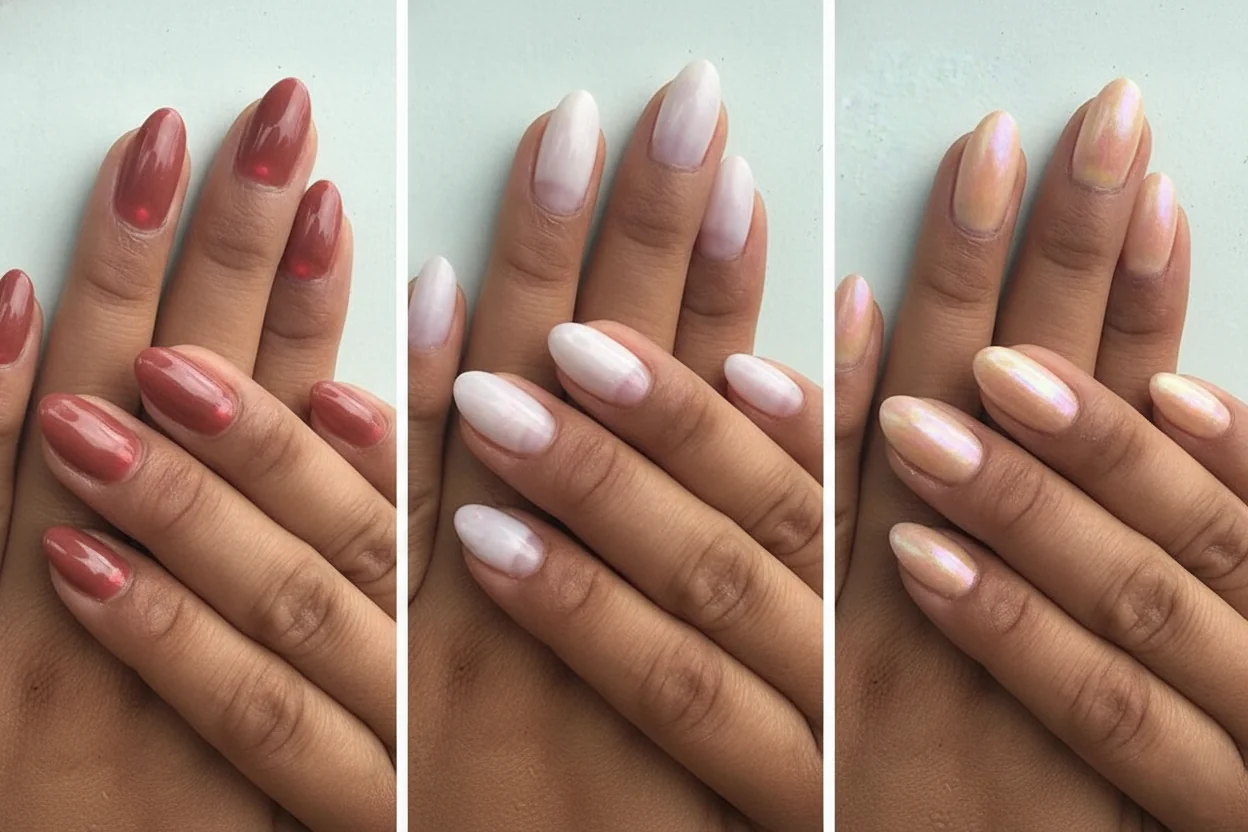
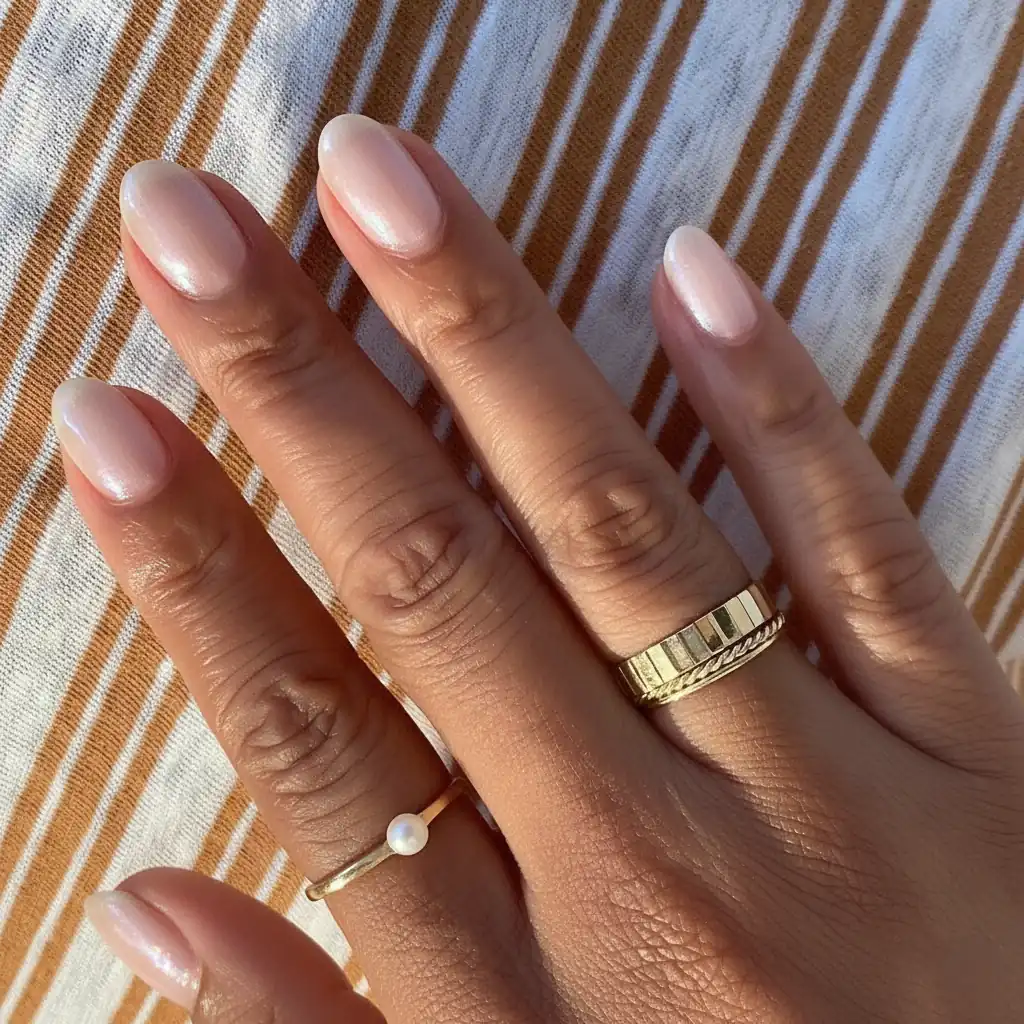
BIAB runs 3–4 weeks before needing an infill. That window covers Mother's Day comfortably regardless of when you book, and the infill appointment (rather than full removal and reapplication) means the natural nail underneath gets ongoing protection rather than repeated chemical exposure. For clean, minimal nail looks, BIAB in a sheer or blush tone photographs particularly well.
Acrylic matches BIAB on longevity at 3–4 weeks with fills, and extends well beyond that with regular infill appointments. The structure is rigid enough to survive anything, including the kind of daily activity that sends gel polish to an early grave. The trade-off is flexibility: acrylic does not bend with the nail, so a hard knock can cause a crack rather than a chip.
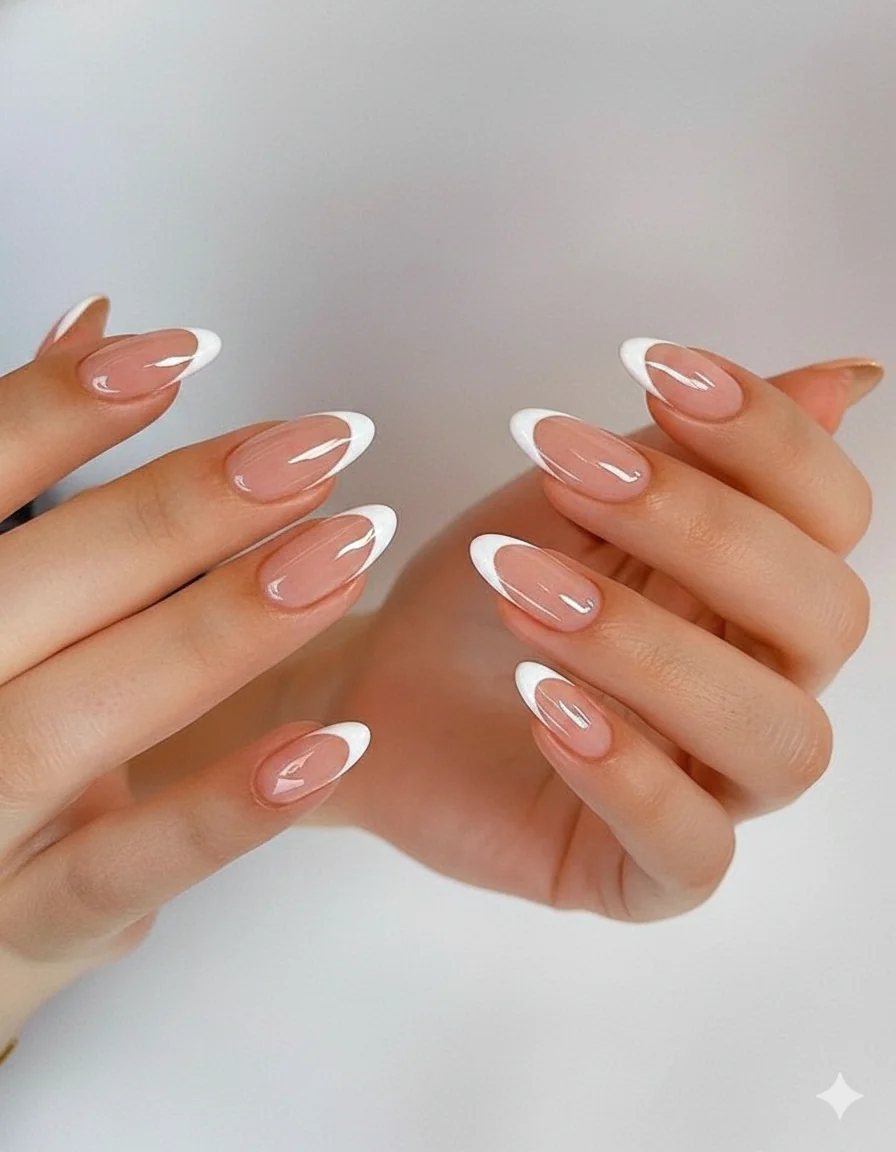
Nail Health: Which One Is Kinder to Your Natural Nails
This is the question that generates the most anxiety, and the answer is more reassuring than most forums suggest.
Removal method, not the product itself, is the primary cause of nail plate damage across all three systems. Peeling gel, picking at BIAB, or filing through acrylic without proper soak time all cause the same result: thinned, dehydrated nails that feel weak for weeks. A salon removing any of these systems correctly (acetone soak for gel and BIAB, e-file plus soak for acrylic) leaves the natural nail in markedly better condition than a rushed DIY removal at home.
That said, BIAB has a genuine structural advantage for nails that are already thin or prone to breaking. The builder gel layer acts as a protective overlay. Nails often come out of a BIAB cycle stronger than they went in, because the overlay prevents the flexing and micro-fracturing that causes breakage. Healthline's nail health overview covers this in detail, and the science aligns with what most nail technicians observe in practice.
Acrylic can strip the nail surface if acid-based primers are used aggressively, or if prep filing goes too deep. A good technician using a primer-free system on healthy nails avoids this entirely. For the full picture on how bonding agents interact with the nail plate, the FDA's nail product safety guidance is worth a read.
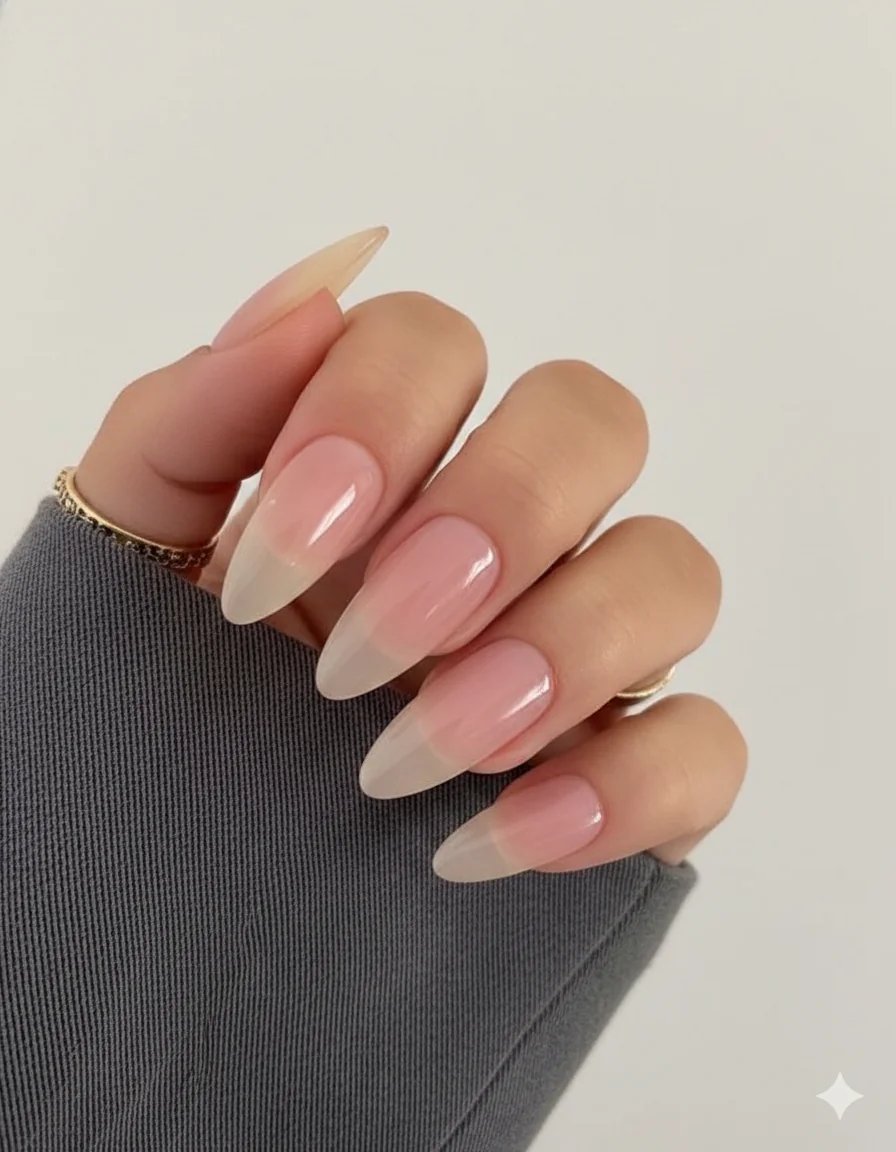
Application Time and Cost: What to Expect Before You Book
Neither of these conversations should produce surprises at the salon.
On time: gel polish runs 45–60 minutes for a full manicure. BIAB takes 60–90 minutes; the builder gel requires precise application and curing at each stage. Acrylic full sets vary most by technician and nail shape, but allow 75–120 minutes. If Mum has a packed weekend, gel is the obvious time-efficient choice. If the appointment is part of the occasion itself, a morning out, a gift experience. The extra time for BIAB or acrylic becomes part of the treat.
On cost: gel manicures are typically the most affordable of the three, followed by BIAB, then acrylic full sets. BIAB's higher price point reflects longer chair time and specialist product. The gap narrows when you factor in longevity: BIAB's 3–4 week wear versus gel's 2-week cycle means fewer appointments over a season. Nails Magazine's industry guidance on pricing reflects this variation across salon tiers. BIAB availability is also genuinely patchier than gel or acrylic. It is a newer system and not every salon carries it, so worth confirming before booking.
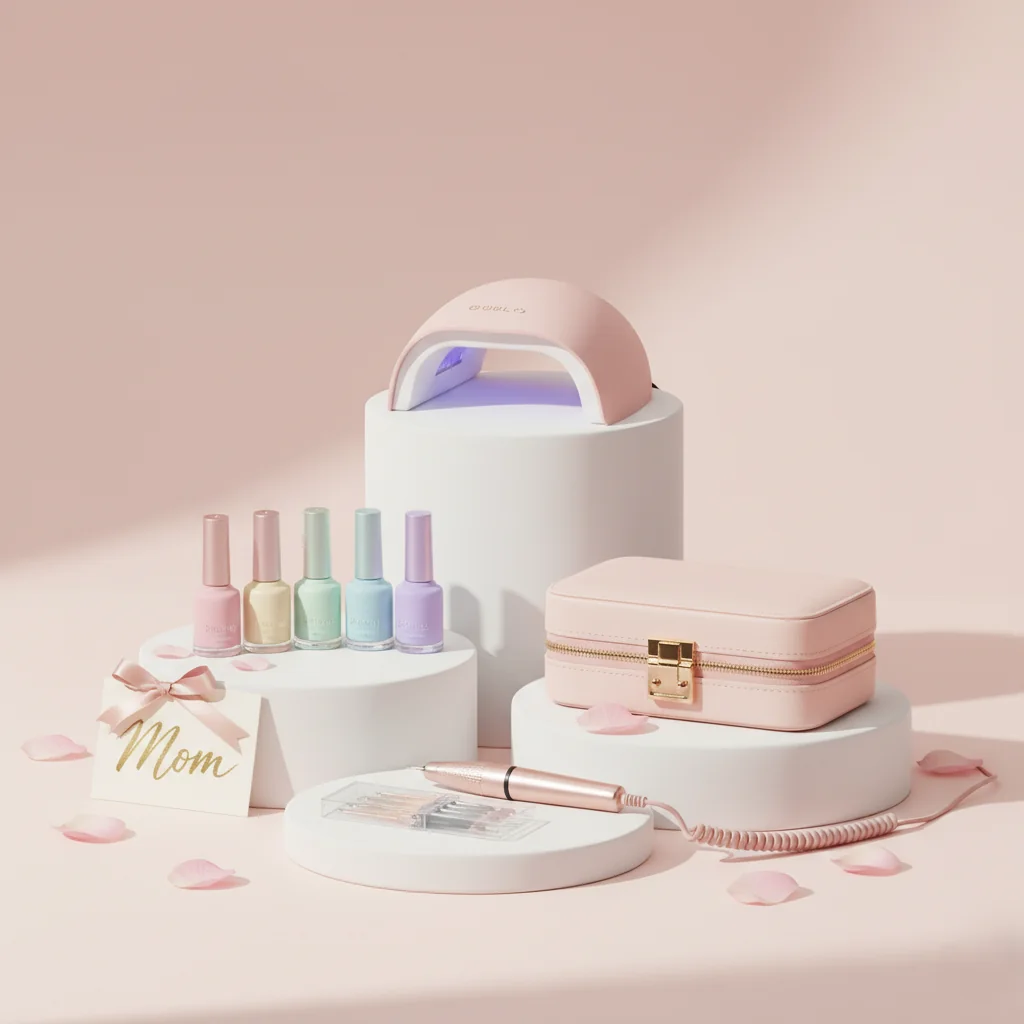
If Mum is considering doing this at home rather than booking a salon, our step-by-step Mother's Day nail tutorial walks through the at-home gel process in detail. And if you are thinking about gifting a manicure kit rather than a booking, here is what to look for.