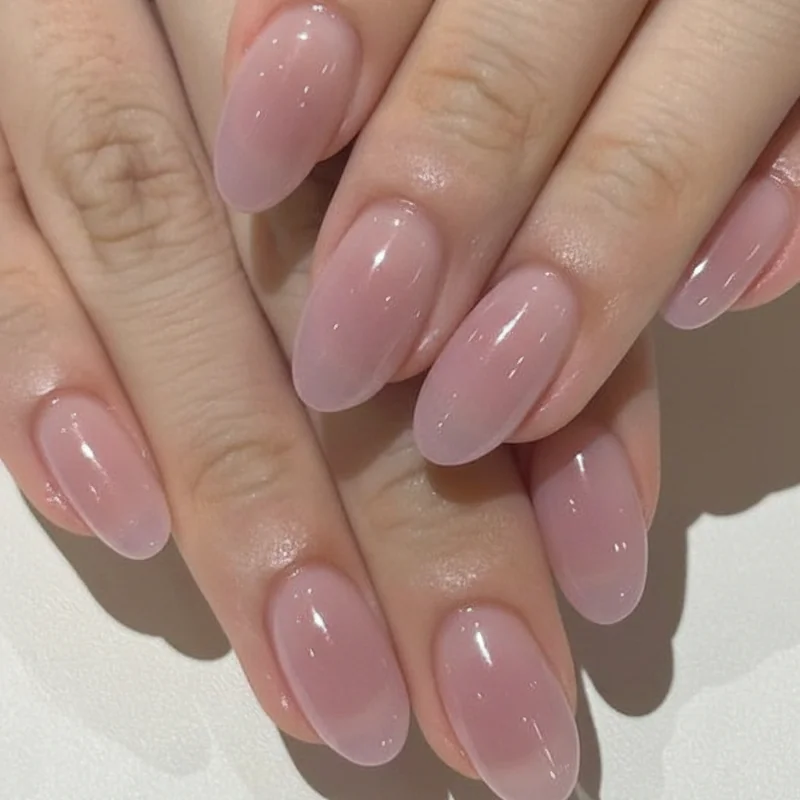
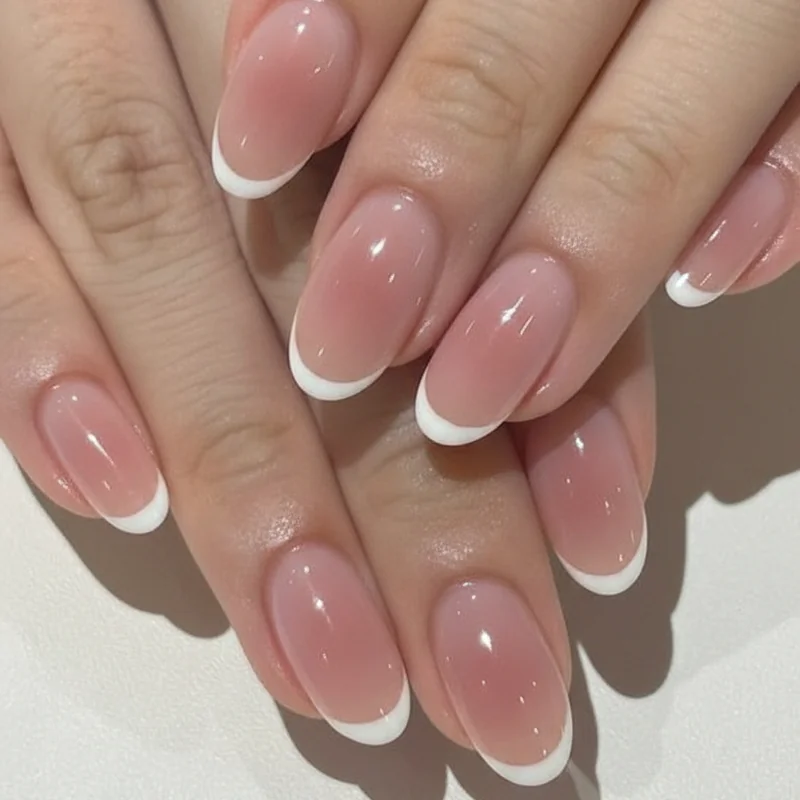
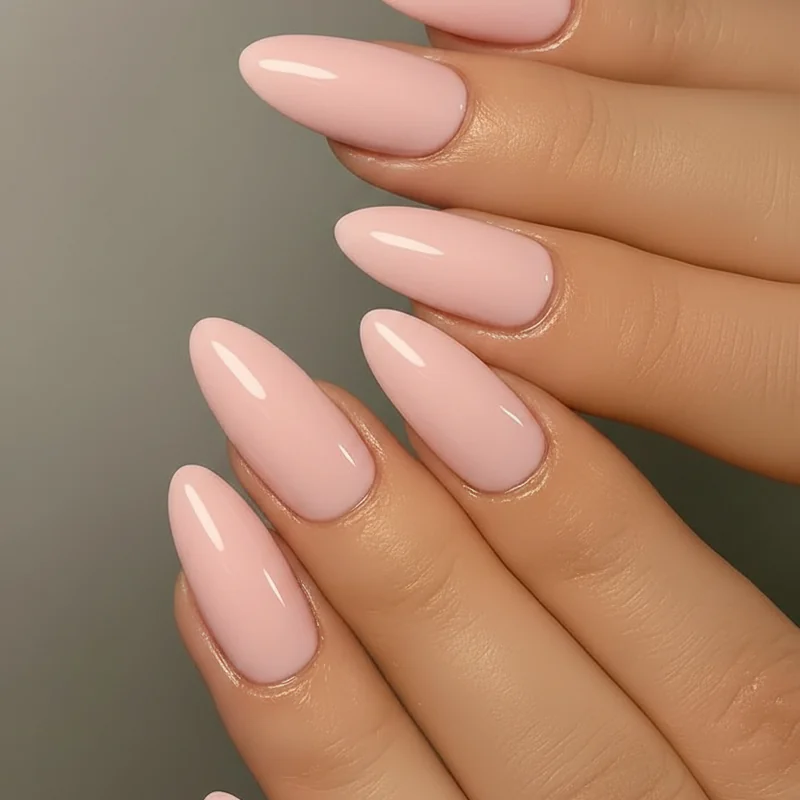
The best summer nail art designs do not ask you to choose between pretty and practical. Right now, the most-saved looks of 2026 are doing both — florals that feel editorial, fruit-core that reads as fashion, and coastal art that's as wearable at a garden party as it is on a sun deck. Summer nail art designs have moved well past the "fun accent nail" era. This is a full creative category, and the range of what's happening in it this season makes choosing your direction genuinely exciting.
Whether you are booked at a salon and want to arrive with a clear brief, or you're a committed at-home DIYer building out your nail art toolkit, the summer nail art designs covered here are organised by theme so you can go straight to your vibe. Floral obsessives, fruit lovers, and coastal devotees each get their own section — along with an honest read on skill level, longevity in summer conditions, and which styles translate beautifully onto shorter lengths. For the fuller picture of what's trending this season, the Summer Nail Trends 2026 guide is the place to start.
Why Summer 2026 Is the Best Season for Nail Art
Nail art has been building to this moment for three seasons. The combination of accessible gel systems, a surge in at-home skill development, and social media's appetite for the visually specific has pushed the category into a genuinely interesting place. What you're seeing on screens this summer is not a rehash — it's a real step forward in both technique and aesthetic confidence.
The standout shift in 2026 is the move from decoration to design. Earlier summers were about adding something to a nail. This year, the best work treats the nail as a canvas with genuine compositional intent — negative space, layered translucency, and sculptural dimension all used with purpose. Blooming gel, once a specialist tool, is now widely stocked. Sculpting gel for 3D work has crossed from nail-tech-only territory into the reach of serious at-home practitioners. And the aesthetic references have widened: Mediterranean tilework, watercolour painting, and botanical illustration are all showing up with conviction.
The practical reality is that summer creates specific demands on nail art. Heat accelerates product breakdown. Chlorine and saltwater attack the seal around art. Sunscreen is quietly catastrophic for longevity if it gets under a free edge. All of this is addressed in each section below, because beautiful nails that chip in four days are a disappointment regardless of how gorgeous the inspo was.
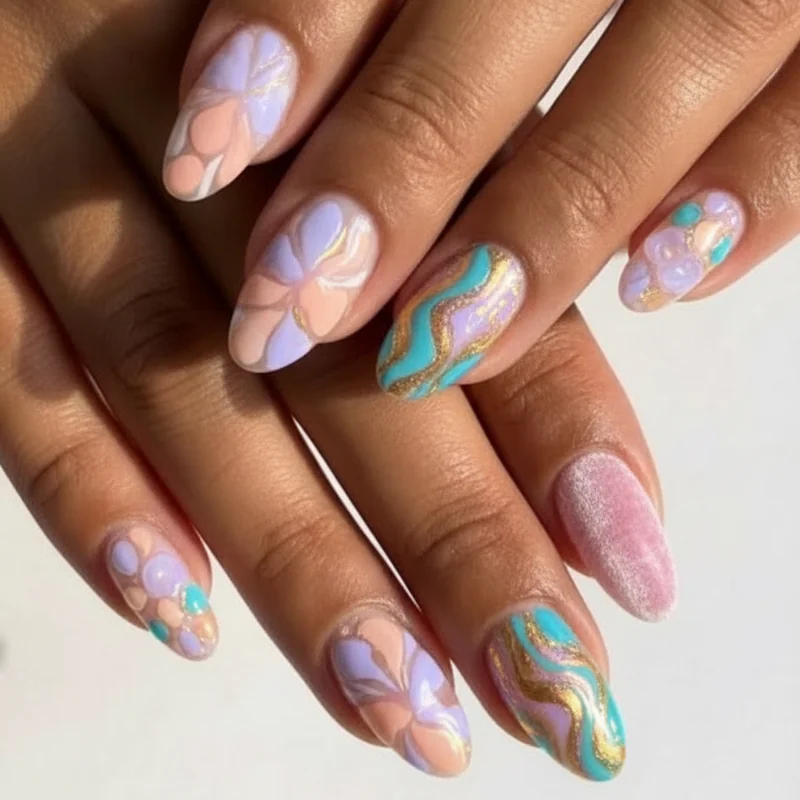
Floral Nail Art: From Dainty Daisies to 3D Blooms
Florals for summer sound obvious until you see what's actually happening with them. The range is vast — from the kind of restrained, single-stem daisy nail that a beginner can pull off with a dotting tool, right through to full 3D sculpted hibiscus blooms that take a trained nail tech the better part of an hour. The category earns its place at the top of the summer art hierarchy because it genuinely works across skill levels, nail lengths, and occasions.
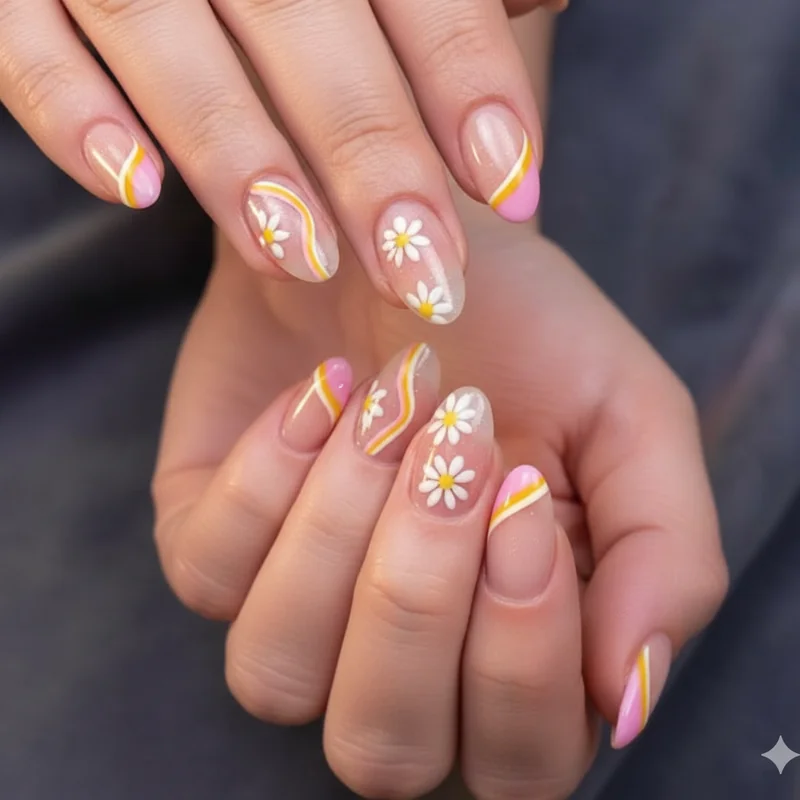
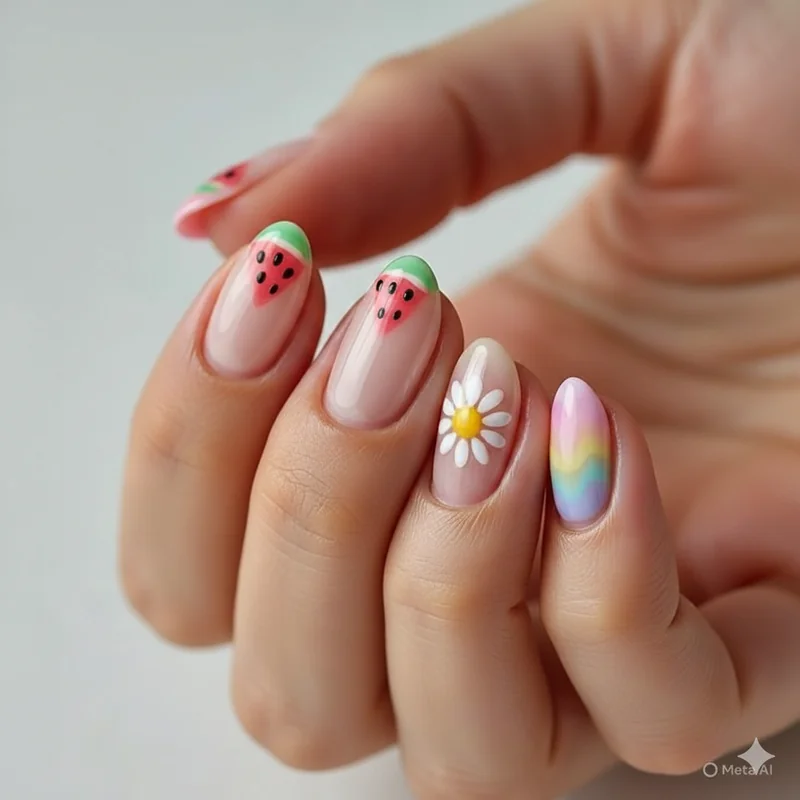
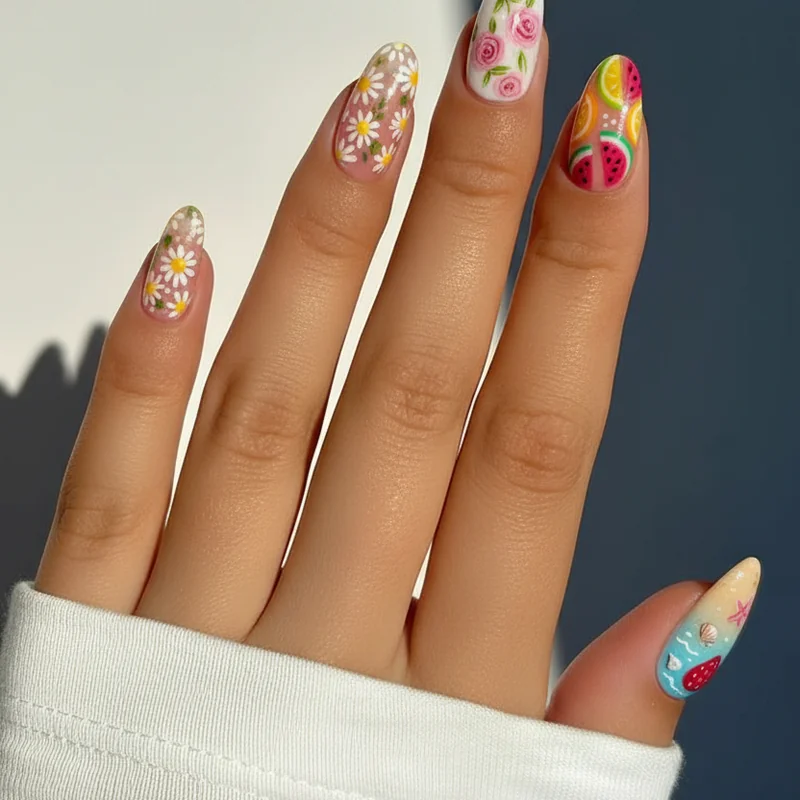
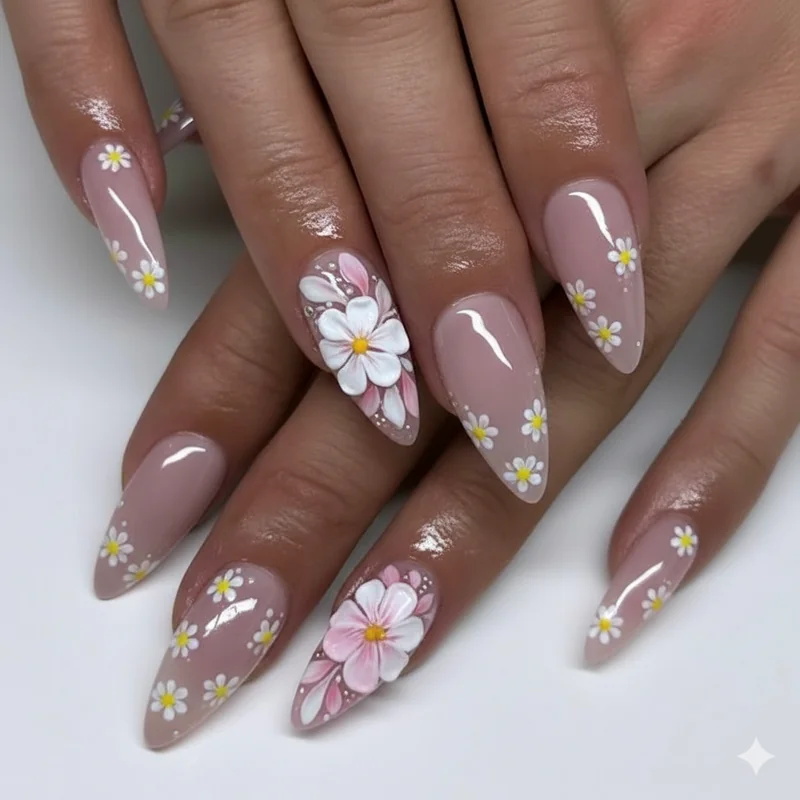
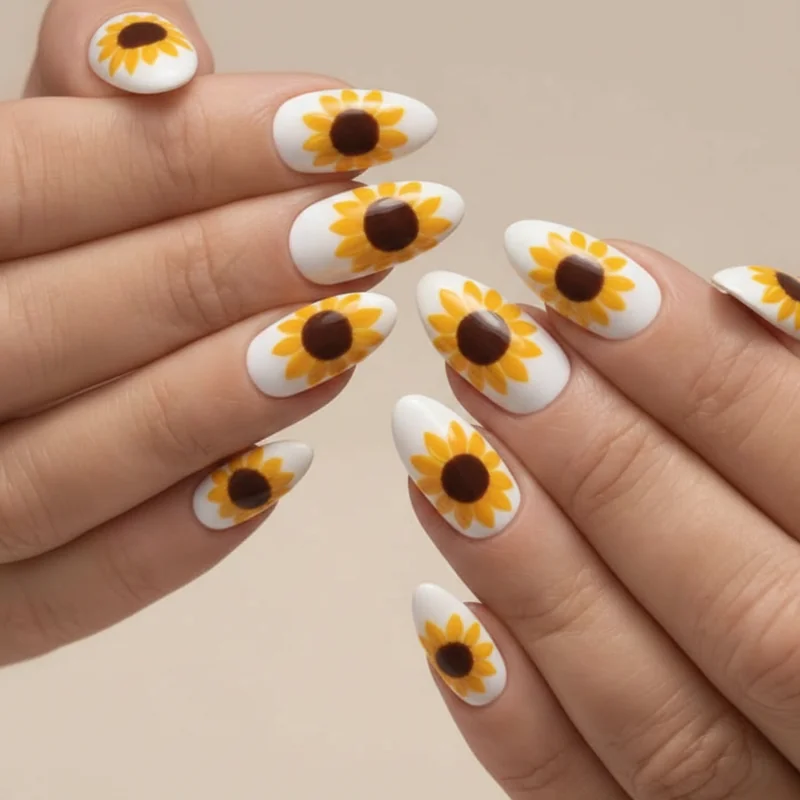
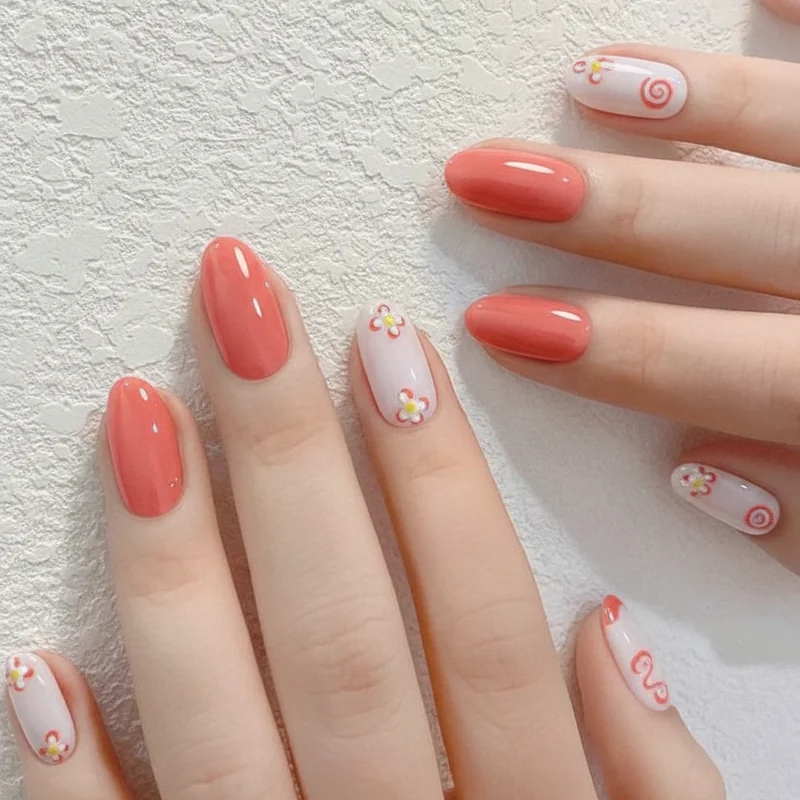
Daisy nail art remains the entry point for a reason. Simple enough to execute with a dotting tool and a liner brush, a white daisy with a yellow centre reads as intentional rather than amateur, particularly when placed on a sheer or milky base. Pair two or three daisies across an accent nail with plain colour on the rest, and the result is effortlessly editorial. The restraint is actually the technique here — easy summer flower nail designs consistently land better when the impulse to fill every nail is resisted.
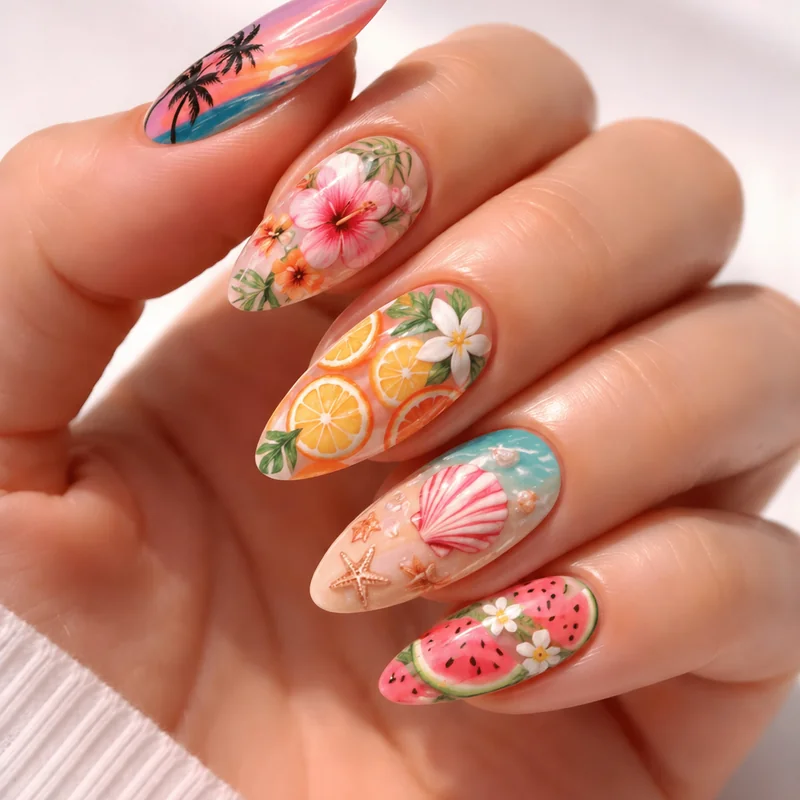
Hibiscus nail art runs at a higher skill level. The layered petal structure and characteristic stamen require a fine nail art liner brush and comfortable control of gel application. Done properly, hibiscus art in tropical coral, sunset orange, or vivid fuchsia on a nude base creates the kind of finish that genuinely photographs like a professional manicure. Worth noting for at-home practitioners: a stamping plate with a hibiscus design bridges the gap between a hand-painted result and DIY capability.
3D floral nails sit at the top of the technical range and are firmly nail-tech territory for most people. Sculpting gel or builder gel is applied and shaped before curing, building petals with actual dimension above the nail surface. The effect is extraordinary and has dominated editorial nail content throughout spring 2026. Longevity in summer conditions is the main caveat — 3D work is more susceptible to catching and lifting when hands are in and out of water, so gel encapsulation (sealing the 3D work under a layer of hard gel or top coat) is not optional, it's necessary. For holiday wear, have an honest conversation with your nail tech about whether the design suits your plans.
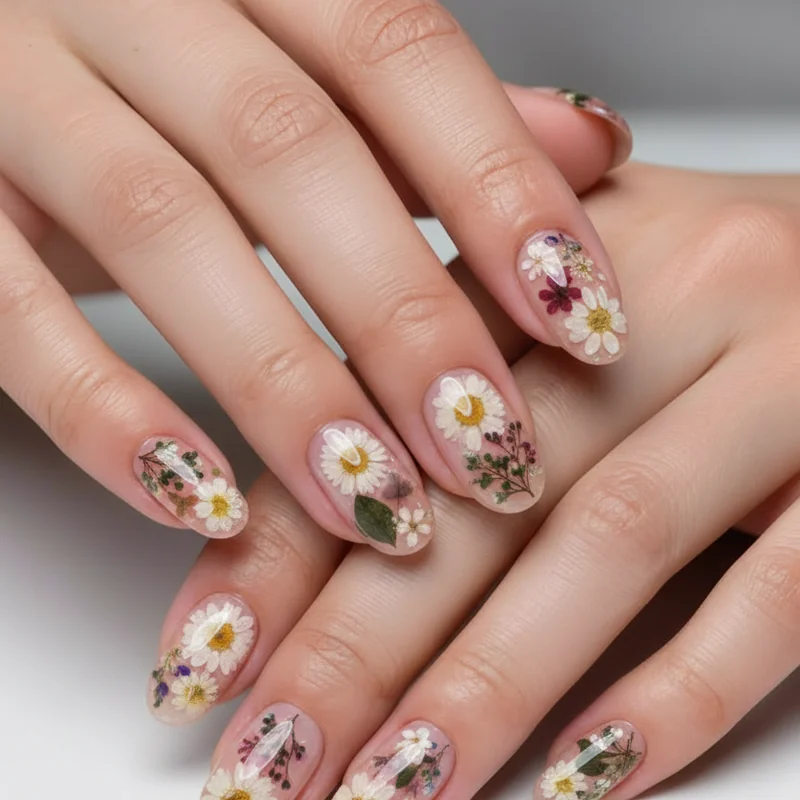
Pressed flower nails occupy a beautifully accessible middle ground. Actual dried botanicals — chamomile, lavender, tiny rose petals — are placed onto a tacky gel layer and sealed under top coat for a look that is genuinely hand-crafted without requiring painting skill. The NAILS Magazine community has documented the rising use of real botanicals in gel work throughout 2025–26, and the results range from delicate to dramatically maximalist depending on flower selection and placement.
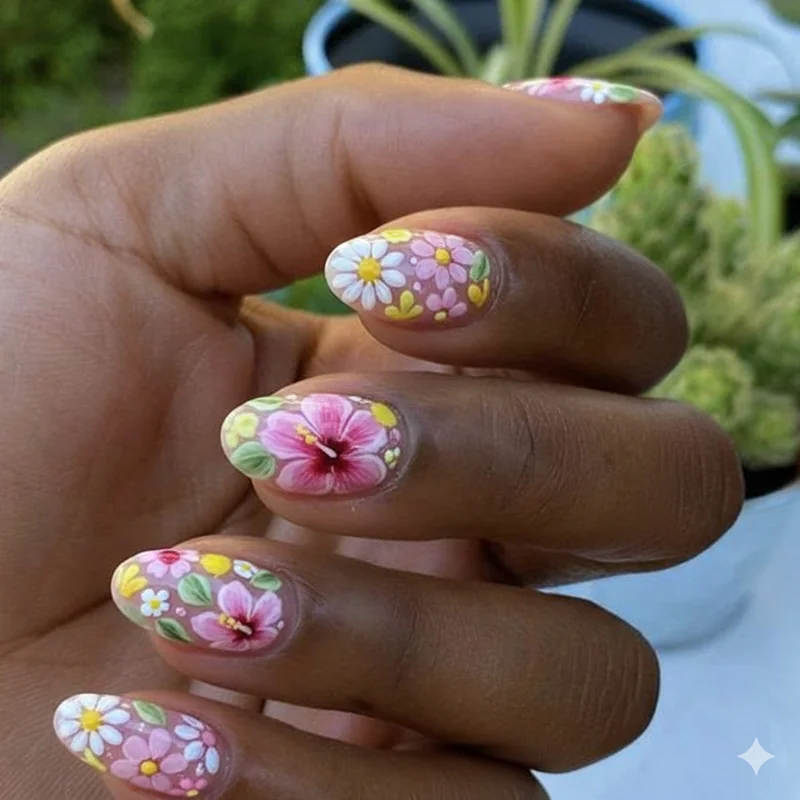
Blooming gel florals deserve a specific mention here, though the technique gets its own full section later. When used in the floral context, blooming gel creates soft, watercolour-like flowers that appear to bleed through a gel layer — organic, impressionistic, entirely unlike anything achievable with a brush alone.
For those with shorter lengths, single-nail floral accents — one hibiscus on a ring finger, two daisies on a thumb — translate beautifully. The art scales down without losing its visual impact. More on this in the short nails section, and the short summer nails guide covers the full design landscape for shorter lengths.
Fruit Nail Art: Watermelons, Lemons, Strawberries & More
Fruit-core arrived on nail art mood boards approximately two summers ago and has refused to leave — because it keeps reinventing itself. What started as literal watermelon slices and lemon halves on white backgrounds has evolved into something more sophisticated: micro fruit motifs, abstract fruit references, and the "fruit-core" aesthetic that sits at the intersection of playful and polished.
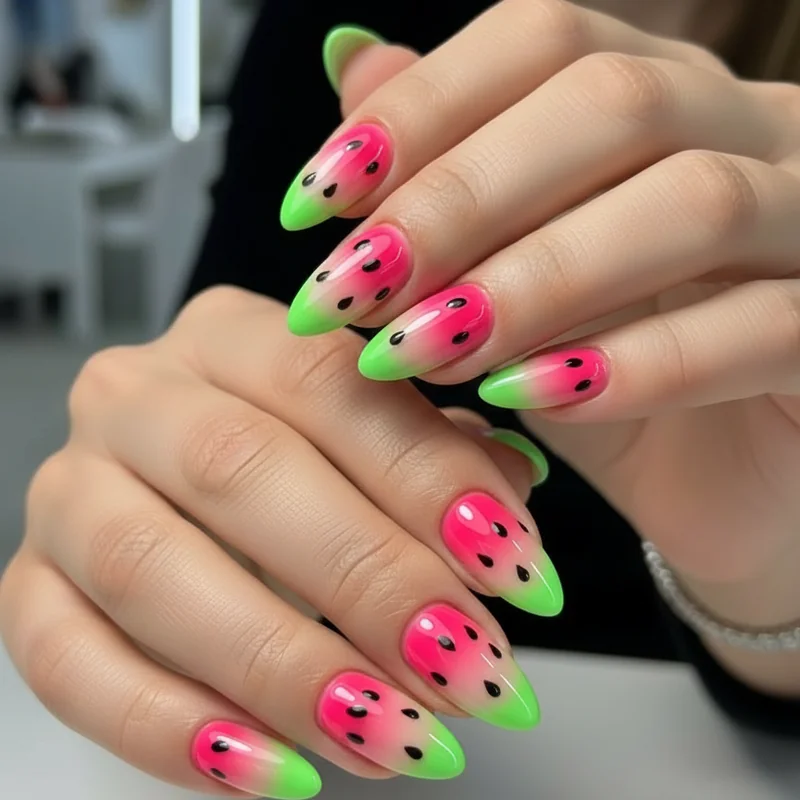
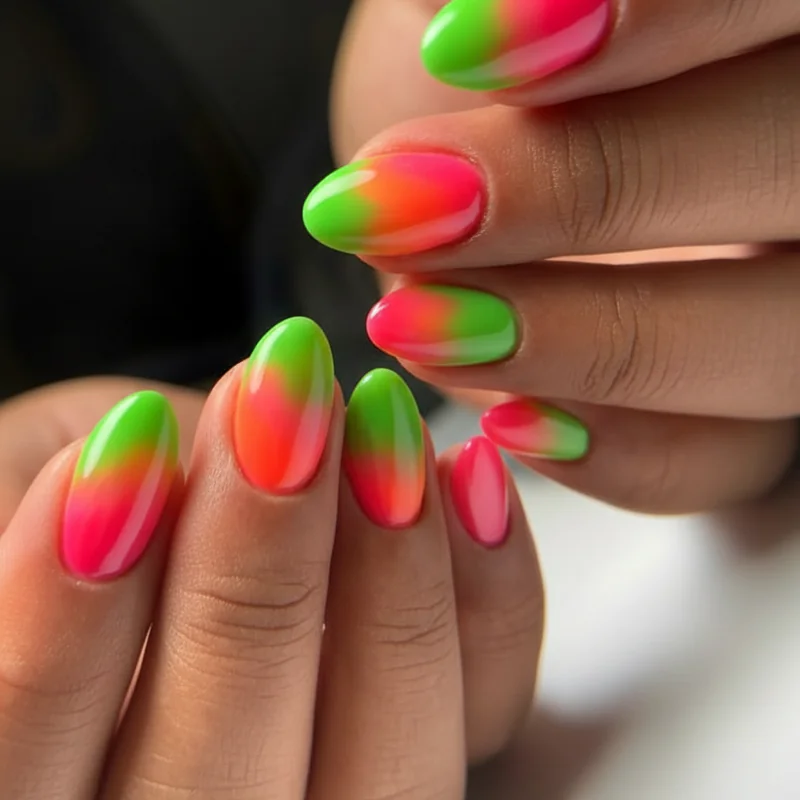
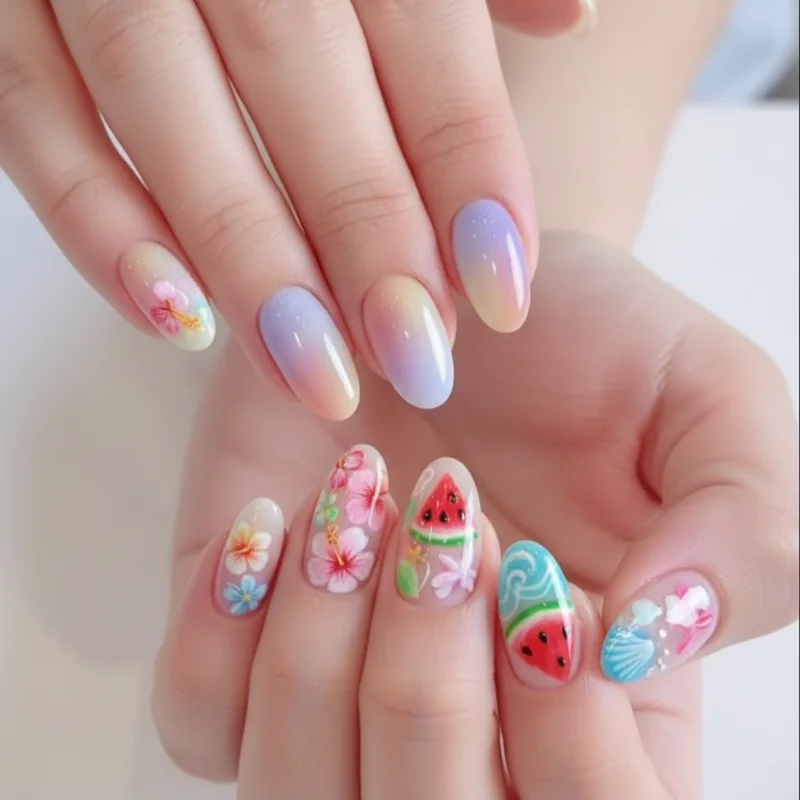
Watermelon nail art is the standard-bearer of the category and shows no sign of stepping aside. The classic interpretation — pink or coral base with dark green French tip and tiny black seed details — is beginner-friendly and works across nail lengths. The 2026 update to the look incorporates an ombré gradient where the pink blends into the green without a clean line, making the result feel less literal and more wearable. That gradient technique is covered in depth in the ombré nails at-home guide — the same nail sponge approach applies directly here.
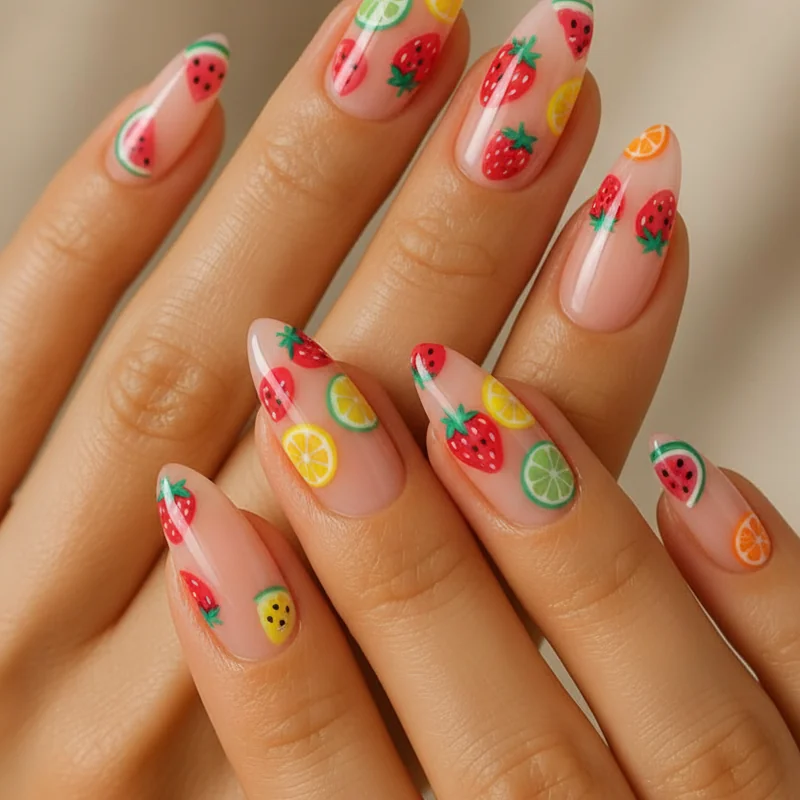
Strawberry nail art runs across a wide range — from simple red nails with tiny white seed dots to elaborate hand-painted fruit motifs with dimensional leaves and seeds. The simpler version is genuinely achievable at home with patience and a dotting tool. The more elaborate interpretations, involving a fine liner brush to paint the seeds in accurate curved rows across the berry surface, require practice.
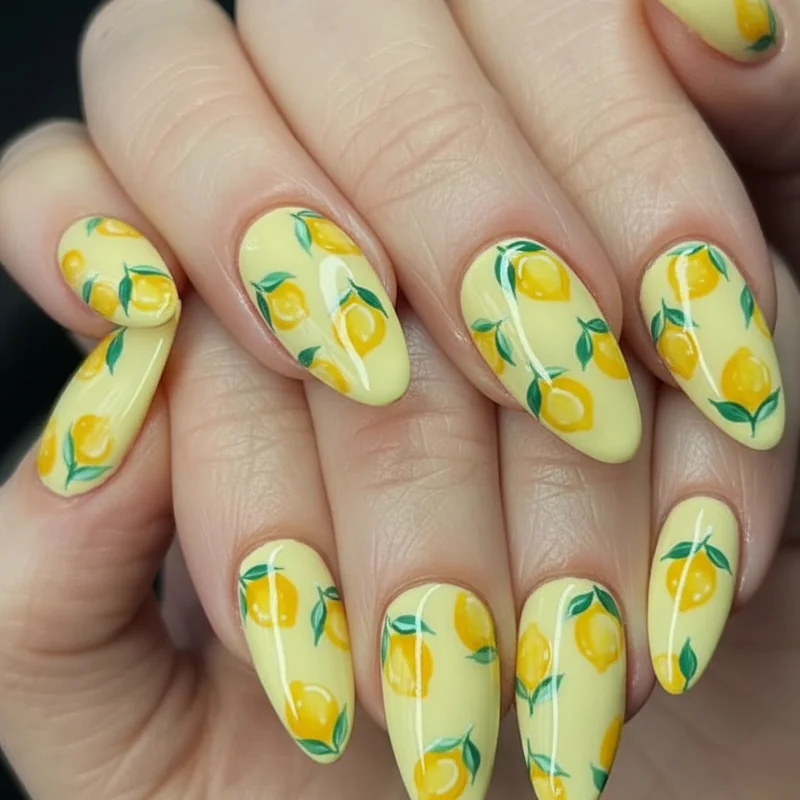
Lemon and citrus nails suit a sun-yellow base particularly well. Micro lemon slice cross-sections — painted or achieved through stamping — repeated across all nails in a pattern feels 2026-current without being difficult. The yellow-on-white, lemon-on-nude, or citrus-on-sage colour combinations are all currently circulating heavily on nail art saves.
Micro fruit nails — the art of fitting tiny, precisely rendered fruit motifs into the nail space with fine detail — are technically demanding and aesthetically exceptional. Cherry pairs, single strawberries, miniature pineapples. These designs are the calling card of skilled nail artists rather than at-home practitioners, but they make outstanding reference images to bring to your nail tech.
Longevity note for fruit nail art: the painted detail sits on top of the nail surface and is the most vulnerable part of the design. A quality non-wipe top coat, applied carefully over all art and sealed at the free edge, makes the critical difference. The FDA nail product guidelines note that top coat chemistry varies significantly — a gel top coat cured under UV/LED will always outlast a regular air-dry top coat in warm, humid conditions. If you are doing fruit art for holiday wear, gel finish is not a preference, it's a requirement.
Beach and Ocean Nail Art: Waves, Shells and Coastal Aesthetics
Coastal nail art has a longer history than most other summer art themes — and it has earned that longevity by continuously refreshing itself. The 2026 version is less "beach souvenir" and more "fine jewellery meets the ocean": precise, considered, beautiful rather than novelty.
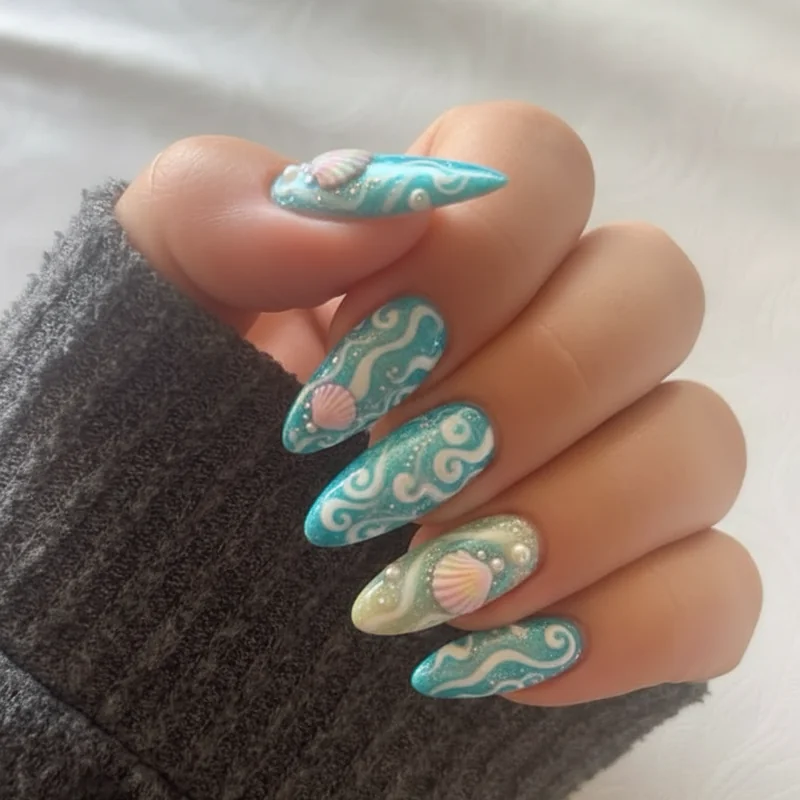
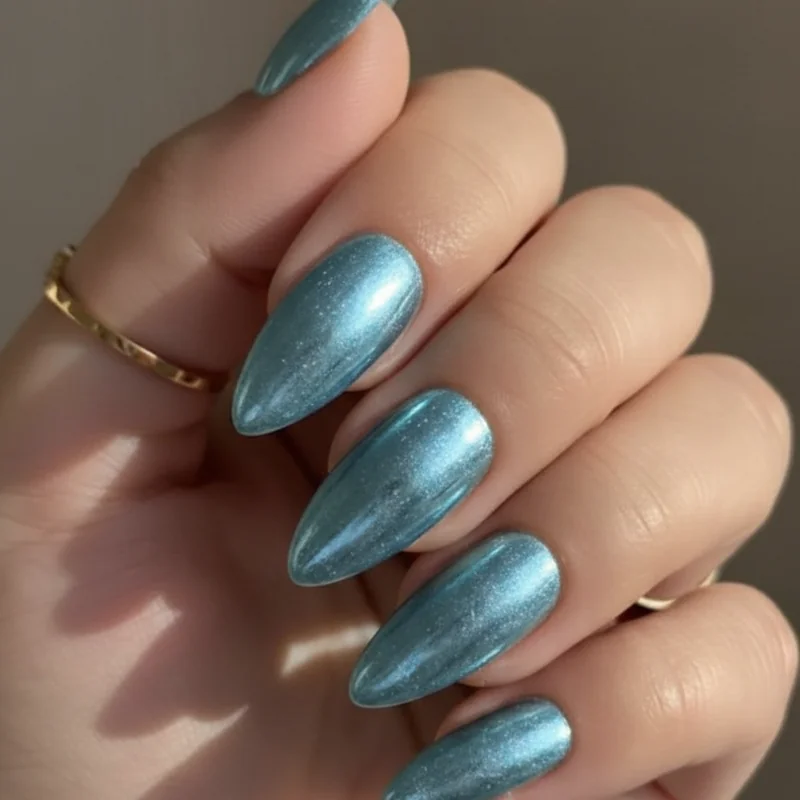
Ocean wave nails in their current form use careful brush technique to create fluid, curved lines across the nail in graduated blues — deepest at the cuticle, lightest approaching the tip. The effect reads as abstract art as much as it reads as water. A chrome powder finish over the waves creates the kind of light-catching surface that genuinely moves. This is intermediate skill territory: achievable for someone with a steady hand and a good liner brush, but not a beginner first project.
Shell and pearl nail art is making a significant appearance in 2026 through the use of actual shell fragments (applied to gel like pressed flowers), pearl powder chrome effects, and hand-painted spiral shell motifs. The iridescent quality of real shell pieces encapsulated in gel creates a finish that no paint technique quite replicates. Visually, it's striking without being ostentatious — the kind of manicure that gets noticed on a close look rather than shouting.
Sandy texture nails — a less obvious but compelling direction — use fine sugar or micro-glitter suspended in a gel layer to create a tactile, matte-ish finish reminiscent of sand. Usually executed in warm sand tones or pale gold. The effect is unusual, wearable, and photographs beautifully in natural light.
For readers who want to go deeper into the full coastal manicure landscape — specific colour palettes, product recommendations, and the best salon looks for a beach holiday — the beach nail ideas guide is the dedicated destination.
2026 Breakout Techniques: Blooming Gel, Watercolour and Mediterranean Tile
Three techniques have broken out of specialist circles and into mainstream nail art vocabulary this year. Understanding them changes what you can ask for at a salon and what's worth learning at home.
The blooming gel technique is the most significant development. Blooming gel is a thin, slow-curing gel product that, when another gel colour is applied into it before curing, causes that colour to diffuse outward in organic, spreading shapes — like ink dropped into water. The results look like watercolour paintings, pressed flowers, or abstract clouds depending on how it's applied. Because the spread is partially unpredictable, each set is genuinely unique. The technique requires a specific blooming gel product (not interchangeable with regular gel) and a UV/LED lamp, but the learning curve is lower than the results suggest. At-home practitioners who already work with gel are well-positioned to try it.
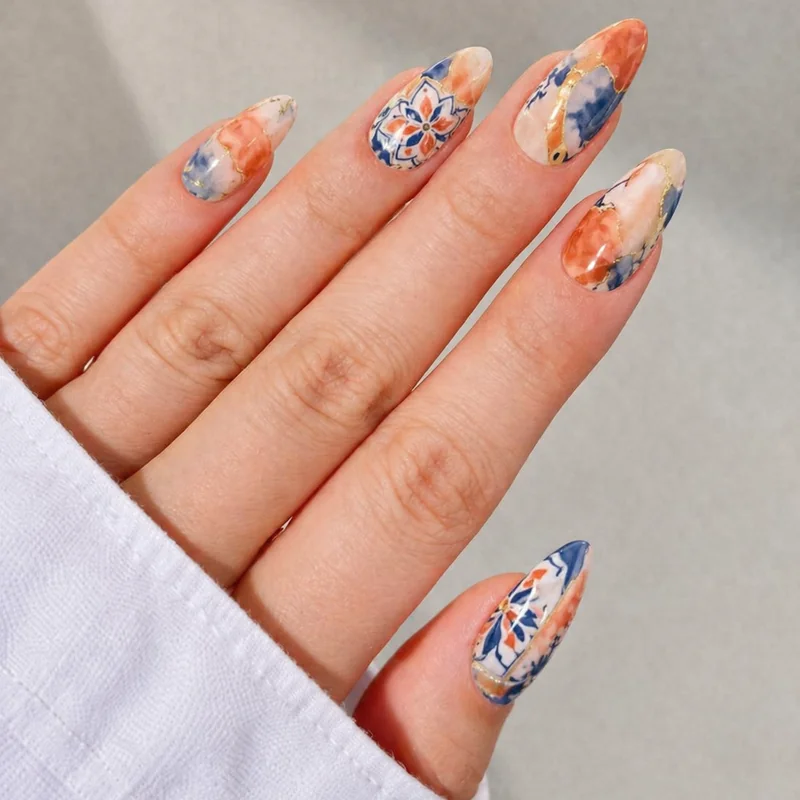
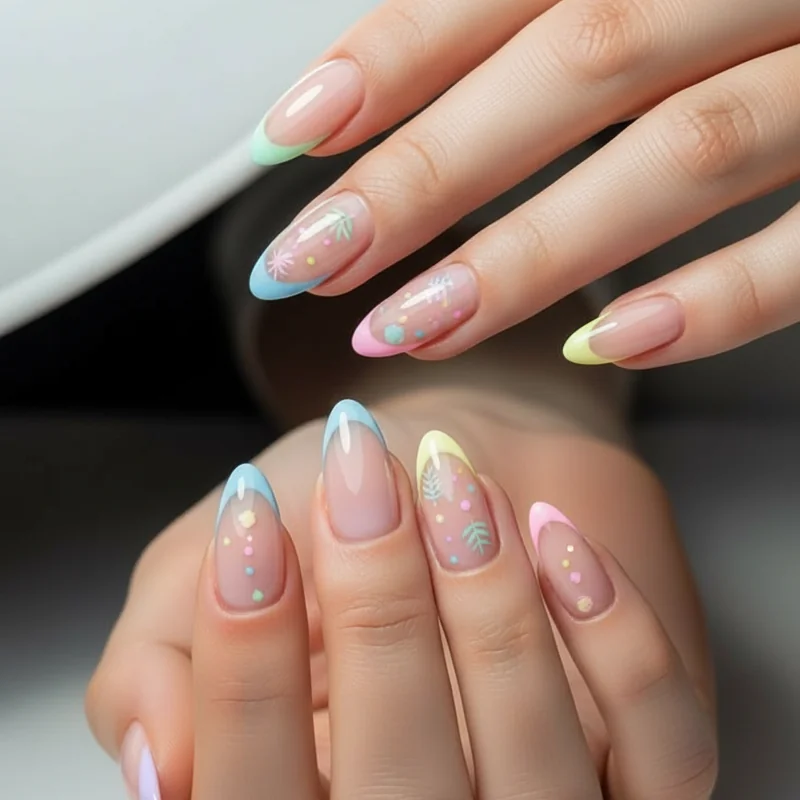
Watercolour nail art without blooming gel is also having a distinct moment — achieved with highly diluted gel colours layered translucently over a white or very pale base. The result is soft, impressionistic, and has a freshness that suits summer particularly well. Colours that appear in the watercolour context this season: sage and peach, violet and dusty rose, sky blue and warm white. The technique demands patience with layering and curing rather than technical brush mastery, making it more accessible than it looks.
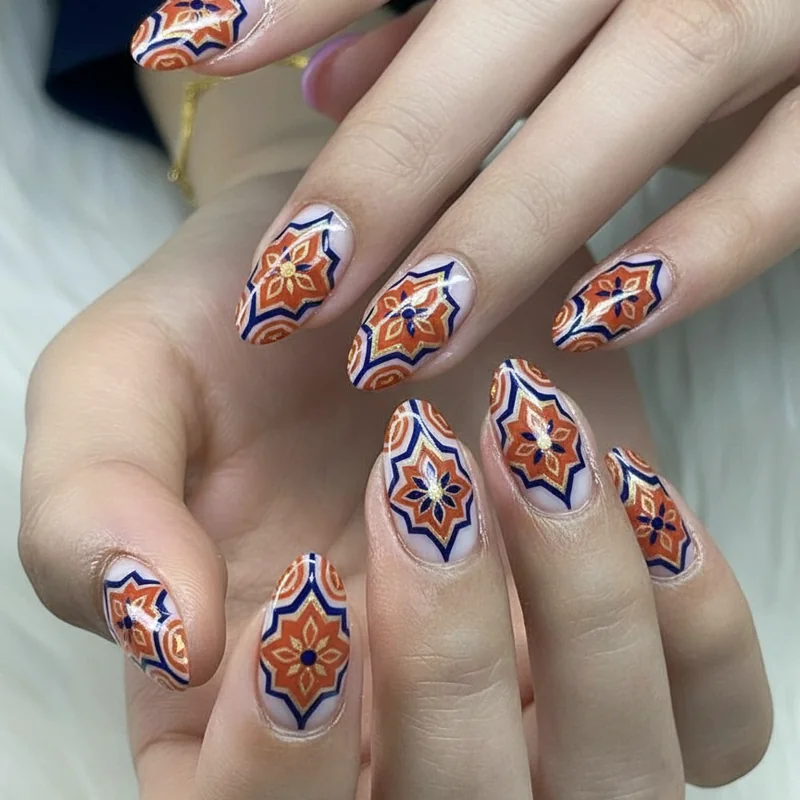
Mediterranean tile nails are the most technically demanding of the three but visually the most distinctive. Drawing from the geometric patterns of Spanish and Italian tilework — repeated diamonds, interlocking shapes, hand-painted borders — this style requires a liner brush, steady hand, and time. The colour palettes typically run terracotta, navy, sage, and white with gold detailing. The look is maximalist and architectural; it reads like wearable craft.
Summer Nail Art for Beginners vs Nail-Tech Territory
The gap between what looks achievable in an inspo photo and what actually requires professional tools is one of the most consistent frustrations in nail art. Being direct about it serves you better than aspirational vagueness.
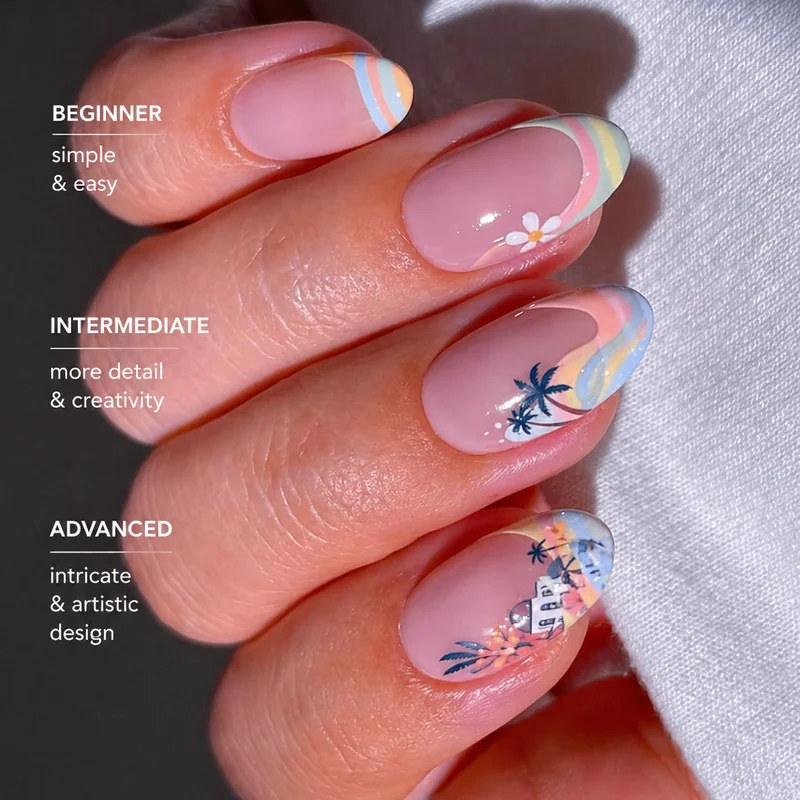
Beginner-accessible designs — meaning achievable at home with a dotting tool, a liner brush, and a basic gel kit — include: daisy nail art, simple watermelon gradients (with a nail sponge), lemon slice motifs via stamping, single-flower accent nails, blooming gel designs, and watercolour washes. These do not require advanced brush control and tend to forgive minor imperfections.
Intermediate territory includes: hibiscus hand-painting, ocean wave gradients with chrome finish, Mediterranean tile work on one or two accent nails, strawberry motifs with fine seed detail, and pressed flower encapsulation. These require a degree of gel competence and familiarity with liner brush handling.
Nail-tech territory encompasses: full 3D sculpted floral sets, micro fruit nail art with fine detail across all nails, full Mediterranean tile hands, complex multi-technique sets combining blooming gel with 3D elements, and shell encapsulation with precise placement. These involve product knowledge, equipment investment, and practised hand skills that take time to develop.
The honest read from nail artists predicting summer 2026: the most-requested designs at salons this season are blooming gel florals and Mediterranean tile — precisely because they look complex enough to be aspirational but are executed to a high standard with professional products. Bringing a clear reference image to your nail tech removes ambiguity and gets you closest to the result you've saved.
How to Make Your Summer Nail Art Actually Last
The longevity conversation is the one competitors consistently skip, and it's the one that determines whether beautiful nail art actually works for the life you live in summer.
Heat is the first enemy. Prolonged sun exposure softens gel and accelerates the breakdown of the adhesion at the natural nail surface. Wearing a quality UV-protective top coat (not just any top coat) provides a degree of protection and extends wear.
Chlorine is more damaging than most people expect. Pool water weakens the bond between gel layers and natural nail. If you swim regularly, a full set of gel nail art will start showing stress at the free edge within a week without careful maintenance. Applying a thin layer of top coat before a swim session and sealing the free edge properly after preparation makes a measurable difference.
Saltwater is slightly less harsh than chlorine but still attacks the seal. The same approach applies: protect the free edge and reapply top coat after beach days.
Sunscreen is the quiet culprit. Oil-based sunscreens applied directly over nails can lift the free edge and create entry points for water. Apply sunscreen, let it absorb for a few minutes, then rinse hands before it has time to work under the nail's edge.
For 3D nail art specifically — sculpted florals, dimensional elements — encapsulation in hard gel or a thicker top coat is the non-negotiable foundation. A 3D design that isn't properly encapsulated is not designed for summer conditions; it's designed for a photo shoot.