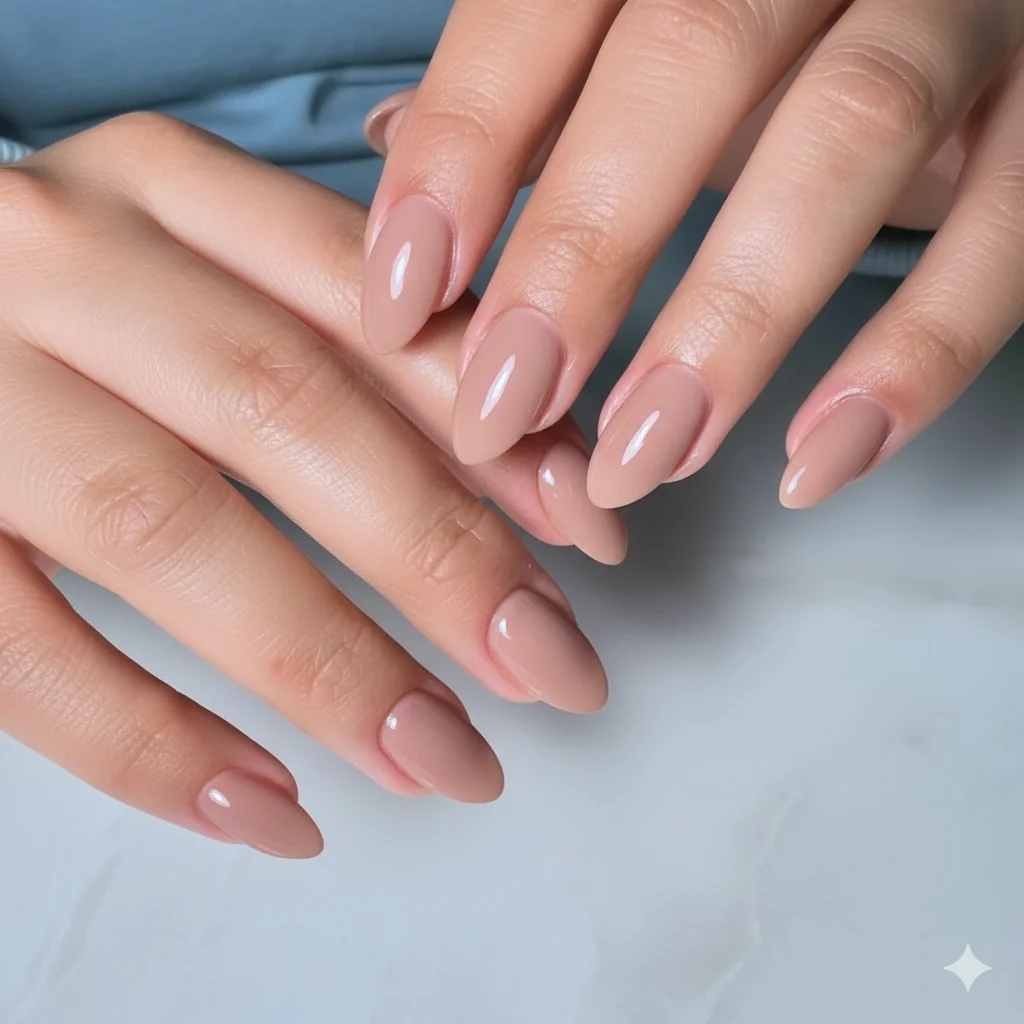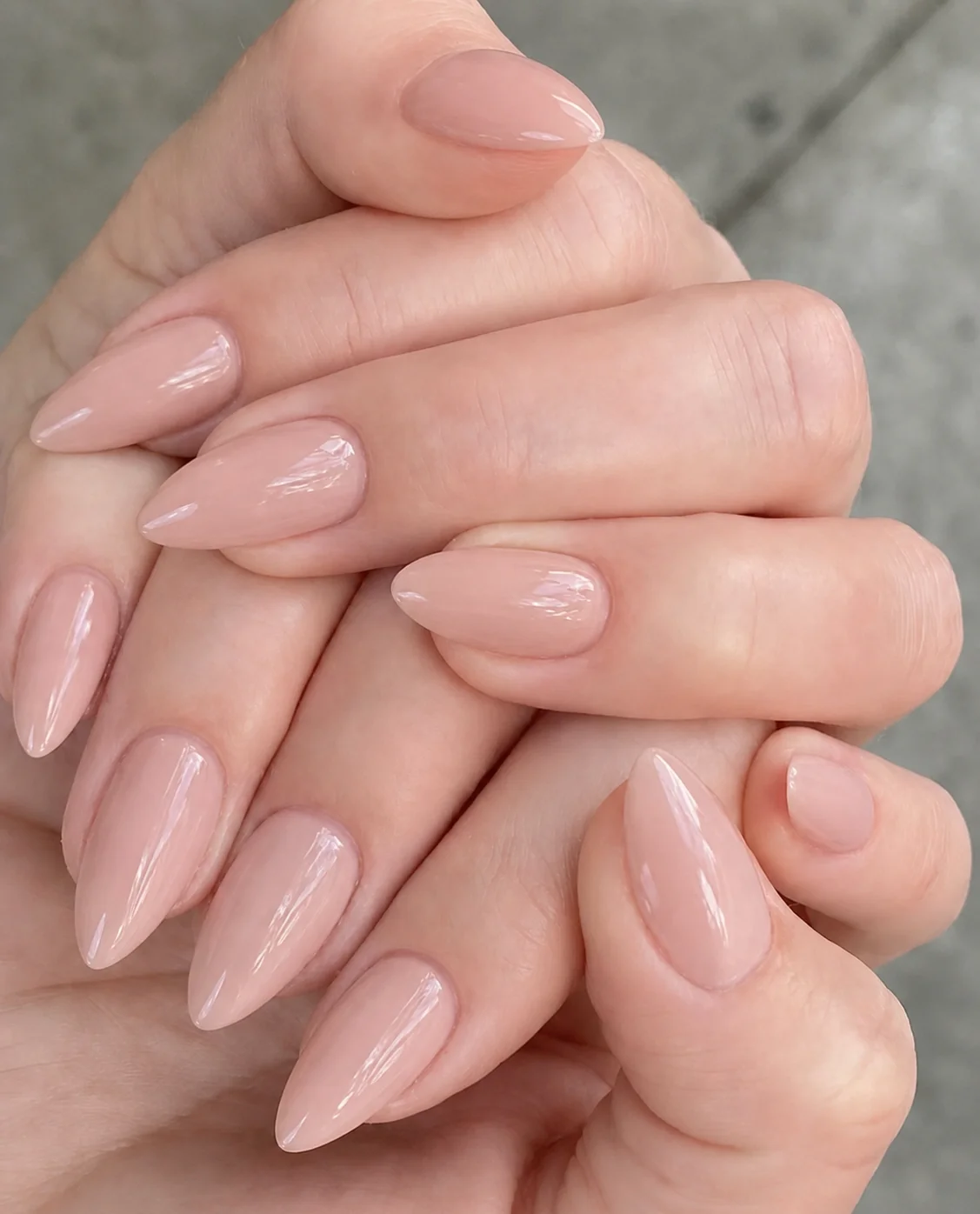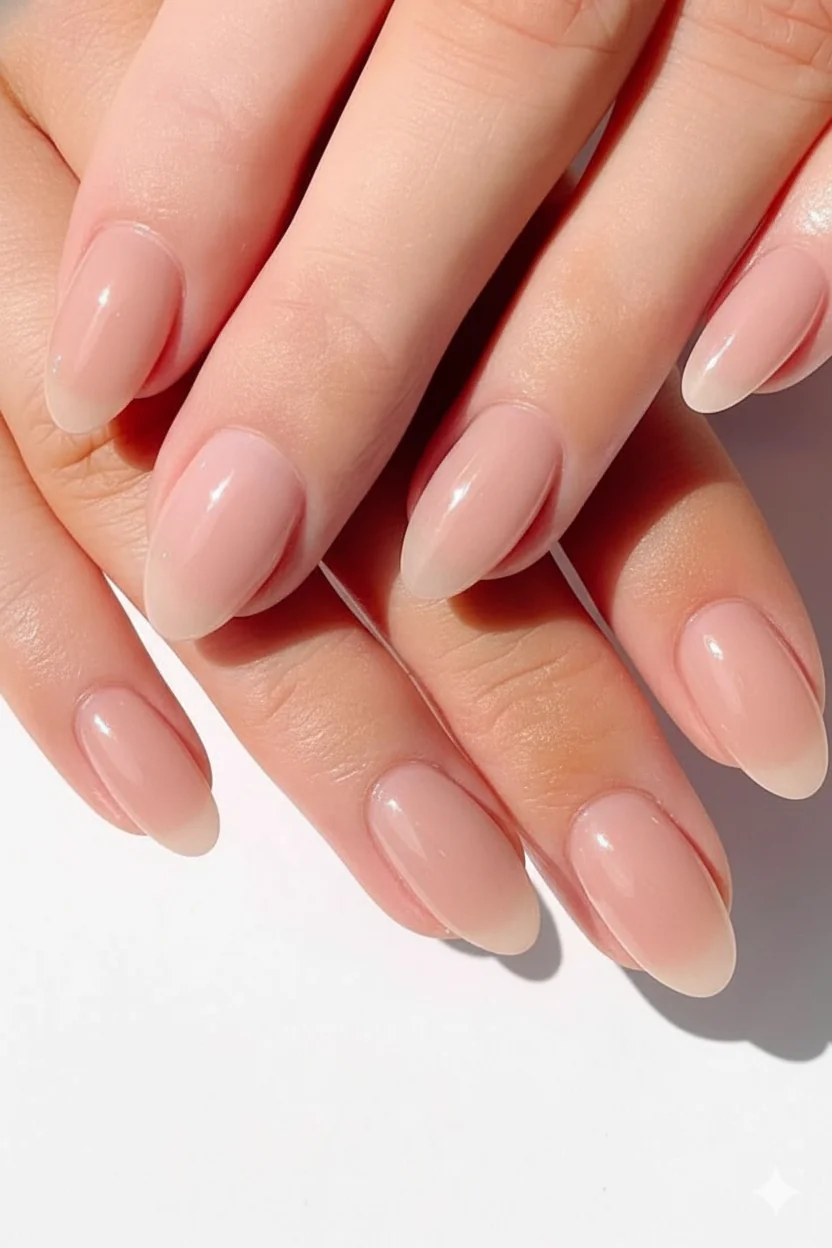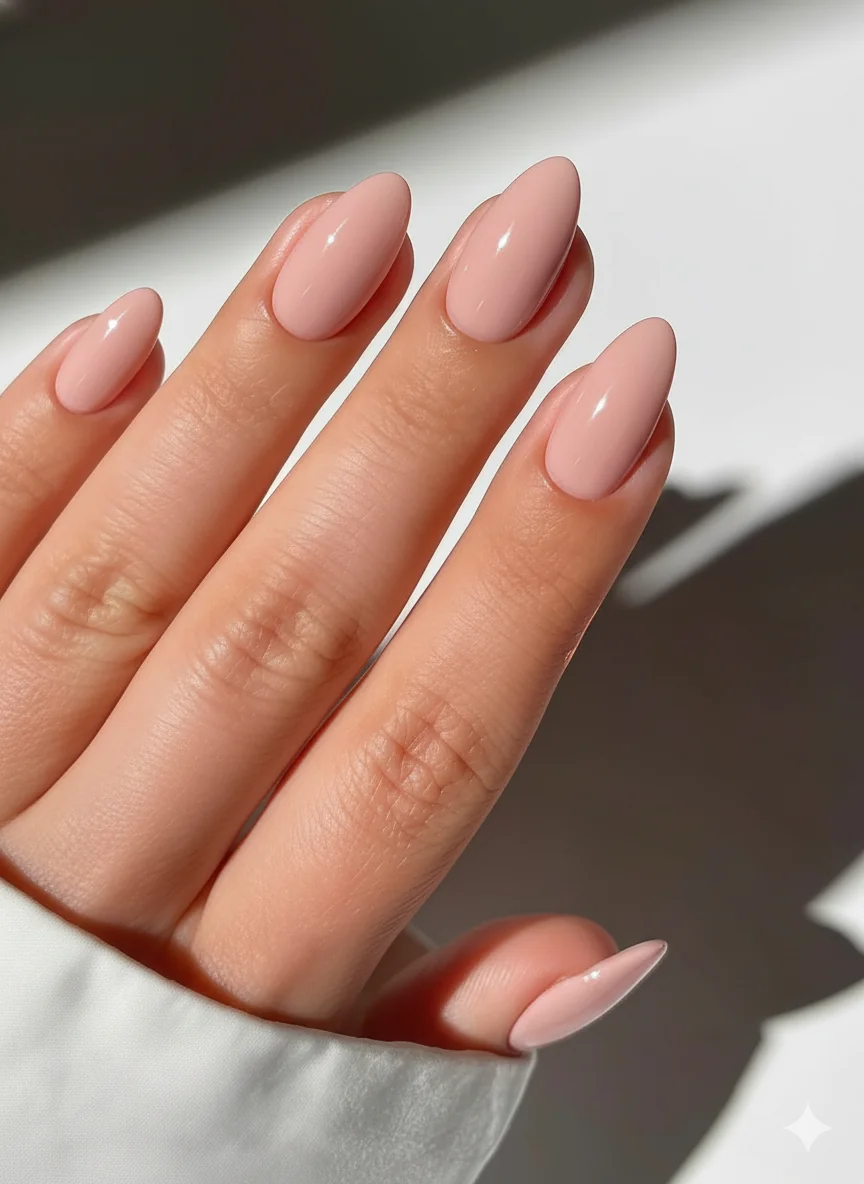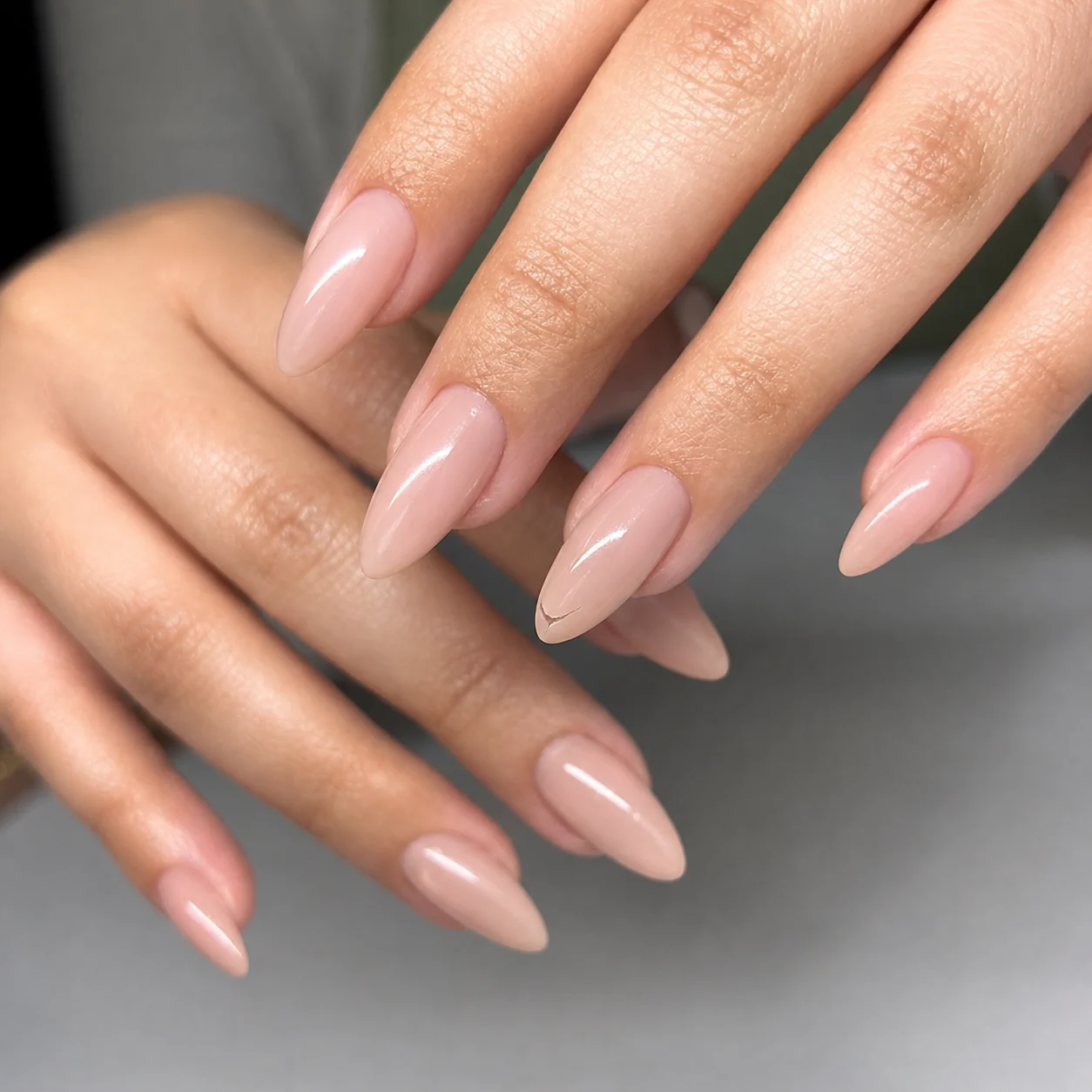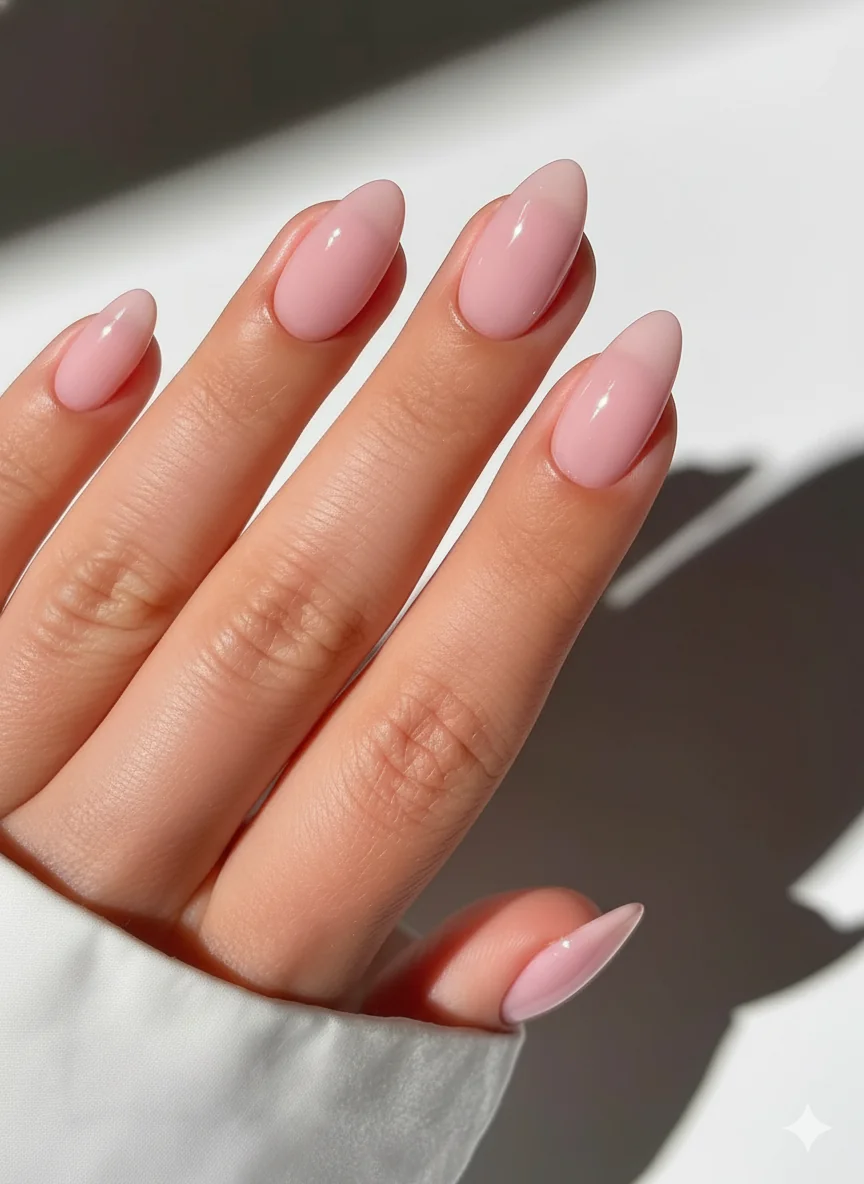
The hardest part of growing nails for almond shape is not the biology — it is the expectation gap. Most people give up somewhere around week three, convinced their nails simply do not grow, when actually they are right on schedule for a shape that requires real free edge length to work. Growing nails for almond shape takes 3 to 4 months for most people. That is not a discouraging number; it is a liberating one, because once you have a realistic timeline and a protection plan, you stop starting over.
If you are new to almond nails and want the full picture of what the shape involves before committing to the grow-out journey, the beginners guide to almond nails is where to start. This post is for the reader who is already committed and needs the roadmap.
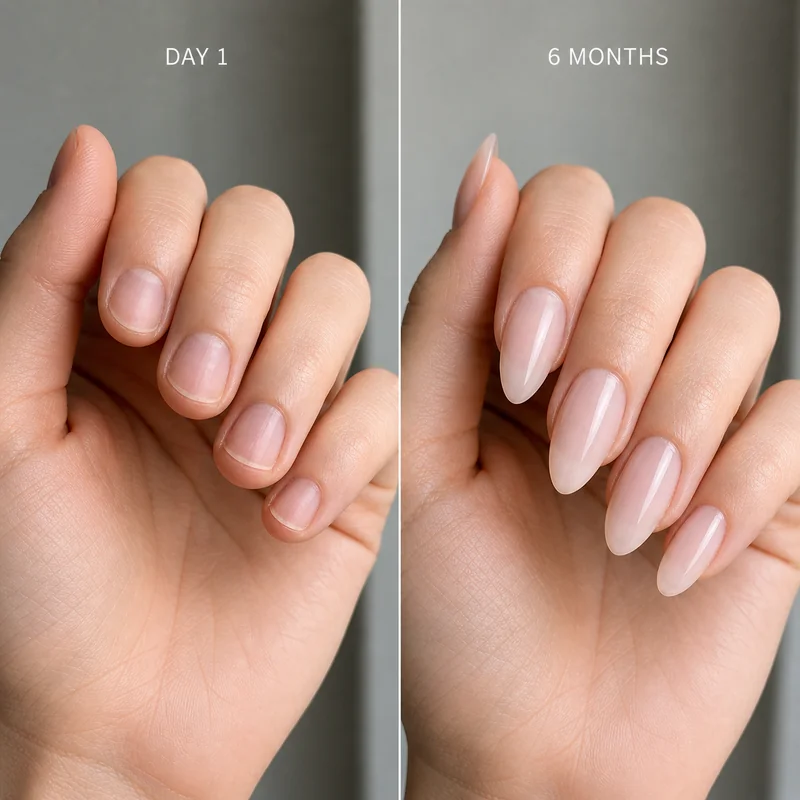
How Much Length Do You Actually Need for a True Almond Shape?
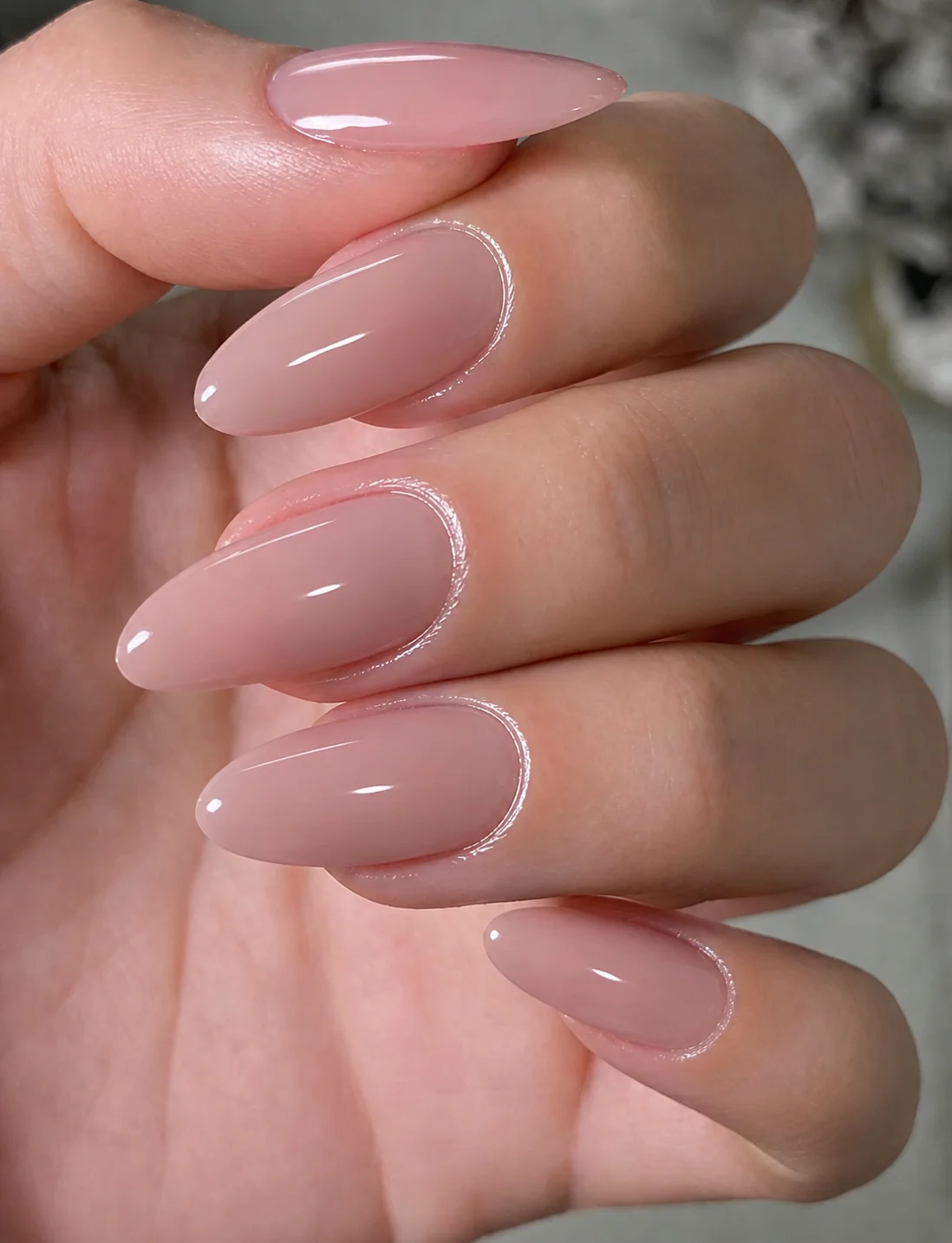
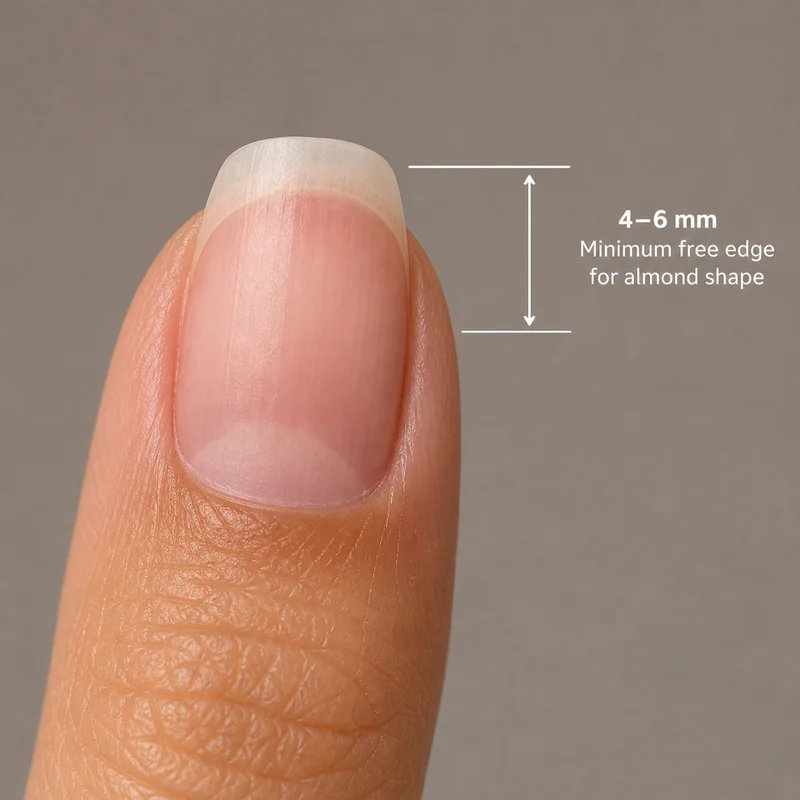
The short answer: your free edge needs to extend 4 to 6 millimetres beyond your fingertip before you can safely file almond. According to celebrity nail tech advice on almond shape length, the nail bed must clear the fingertip on both sides — if it does not, filing diagonally inward collapses the side walls and the shape does not hold.
That 4 to 6mm minimum is why press-on almonds look so dramatically shaped and natural almonds can look underwhelming at the same length. The press-on has structural support built in. Your natural nail is working with whatever plate thickness genetics gave you, and the sides need mass to taper from.
This is also why almond is categorically harder to achieve on short nails than oval or squoval. Oval only requires you to round the tip. Almond requires you to reshape the entire silhouette. You cannot skip the length phase and compensate with filing technique.
How Fast Do Nails Actually Grow? The Honest Monthly Timeline
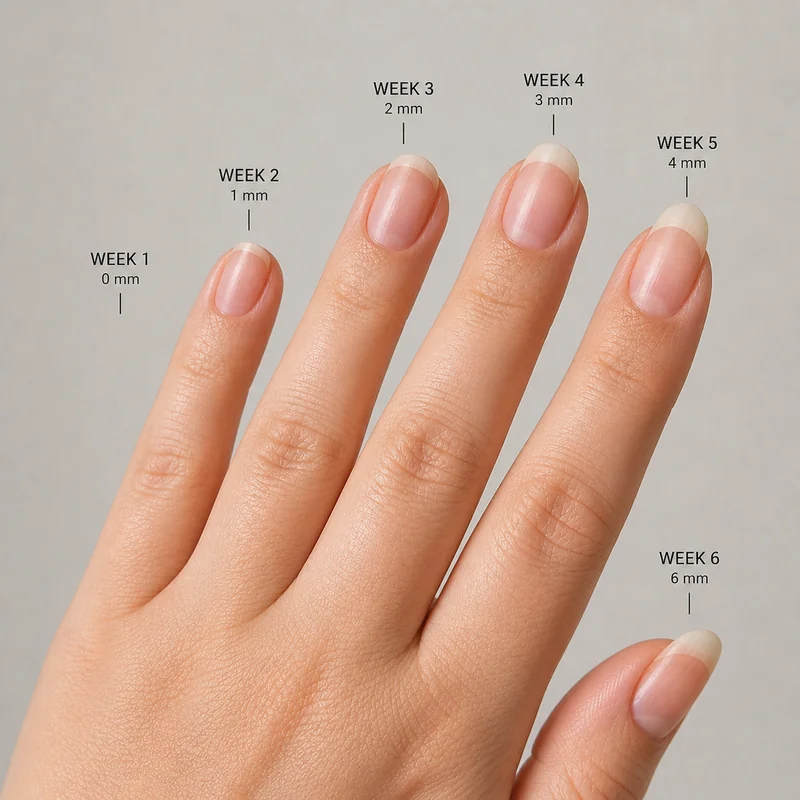
The average nail growth rate is 3.47 millimetres per month, according to nail growth rate research. That gives you roughly 10 to 12 weeks to reach the minimum free edge length from nubs, assuming no breakage.
A few honest variables: your dominant hand grows slightly faster than your non-dominant hand, nails grow faster in summer than winter, and genetics determine both your base growth rate and your nail plate thickness. None of these are in your control — which is why protecting the length you do grow matters far more than trying to accelerate growth.
The realistic expectation for most people, from short natural nails to true almond length: three to four months. Not two weeks. Not six. Three to four, with consistent care and minimal breakage.
Why Your Nails Keep Breaking Before They Get Long Enough
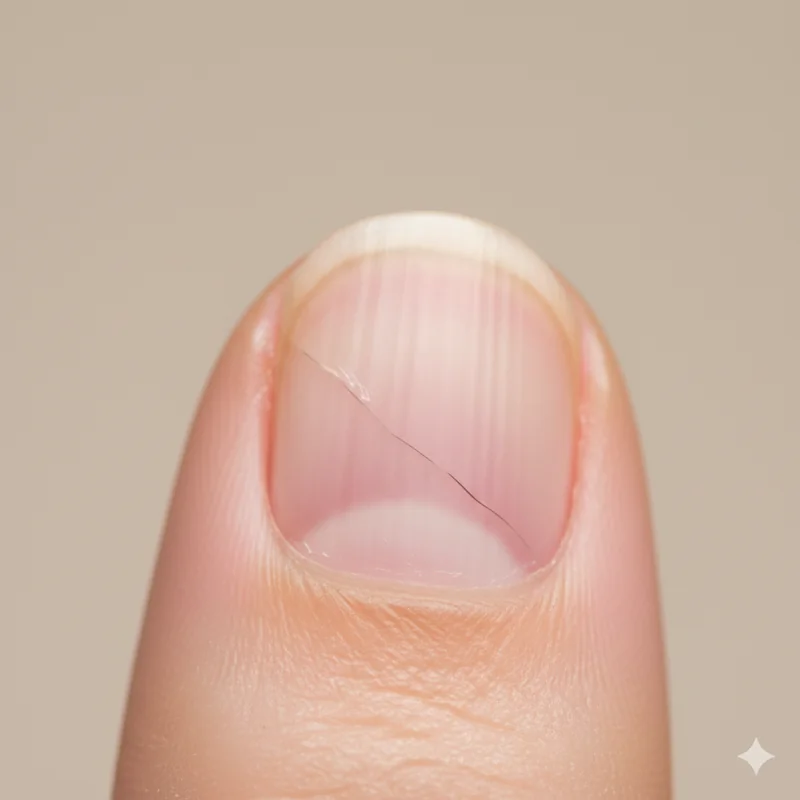
This is the real reason most people never reach almond length — not slow growth, but the break cycle. Nails grow to almost the right length, a corner snaps, and everything gets cut short to match. Repeat indefinitely.
Corner breakage is overwhelmingly the most common culprit during the grow-out phase, and it is structural. A square or slightly-rounded nail has exposed corners with no taper to redistribute impact force. Every time that corner catches on fabric, a bag, a keyboard edge — it absorbs the full stress. Thin or dehydrated nails make this worse.
The other common causes: filing back and forth (back-filing creates micro-tears in the keratin layers), using nails as tools (opening ring pulls, scraping labels), and prolonged exposure to water without rehydration. None of these are dramatic failures. They add up.
For a full diagnostic of why almond nails specifically break, and how to trace the root cause, the post on why almond nails keep breaking covers every failure pattern in detail.
The Growth Protection System: What Actually Works (And What Doesn't)
Let's start with what doesn't work, because this saves money and frustration: most nail hardeners.
The nail community on Lemon8 has been saying this for two years, and clinical evidence on nail supplements backs it up — the majority of over-the-counter hardeners are essentially clear polish with marketing language. Some formulas containing formaldehyde do produce short-term hardening, but they make the nail brittle long-term and cause more breakage, not less. Nail flexibility is what prevents breaks, not rigidity.
Biotin is the other supplement everyone tries first. It genuinely helps if you have a deficiency. For everyone else, as what the evidence says about biotin confirms, supplementing beyond a normal intake level does not accelerate growth or noticeably improve strength. Protein, zinc, and iron — the nutrients that actually support keratin production — matter more, and food sources beat supplements in most cases.
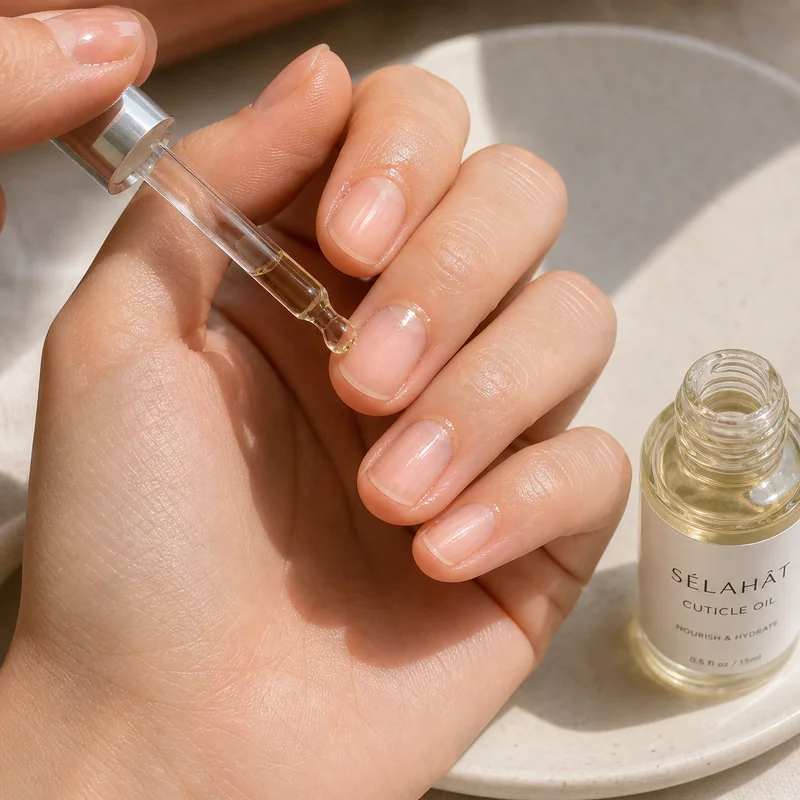
What does work: cuticle oil, consistently and often. Not once a day before bed. Multiple times a day. The oil keeps the nail plate hydrated and flexible, which dramatically reduces the chance of stress breaks. Jojoba and vitamin E formulas penetrate better than most.
And for the biggest game changer in the 2024-2025 nail community: a protective overlay.
Should You Use Builder Gel While Growing Out Natural Nails?
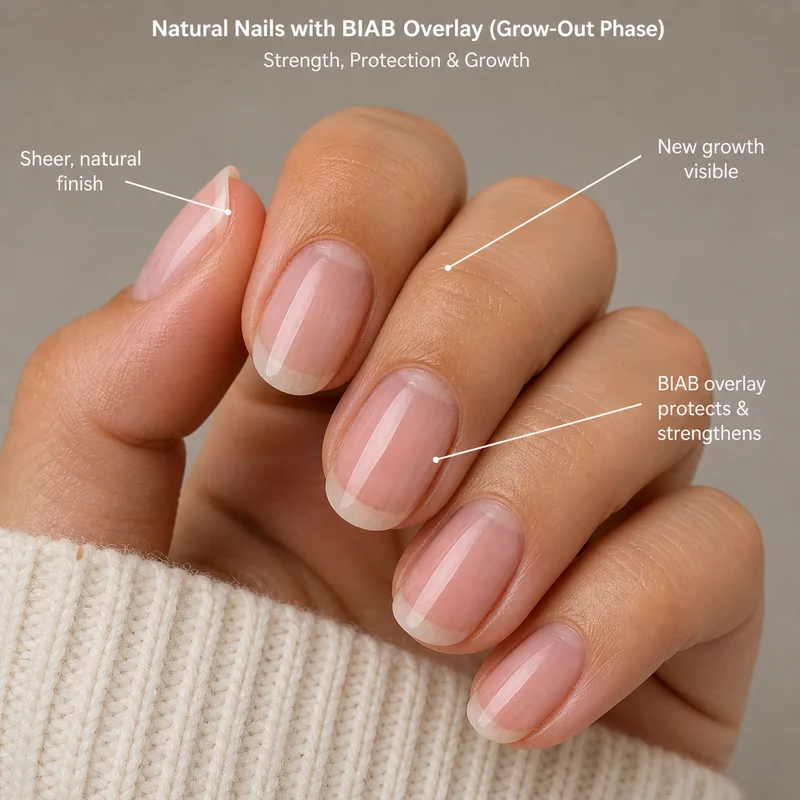
BIAB — builder in a bottle — is the single most community-validated approach to getting through the grow-out phase intact. It is not an enhancement that adds fake length. It is a protective armour that sits over your natural nail plate, absorbs impact, and prevents the breaks that keep setting you back to zero.
BIAB does not make your nails grow faster. The nail matrix, which sits beneath the skin at the base of your nail, controls growth rate entirely. What BIAB does is protect the length you have already grown so you actually keep it.
Who benefits most: anyone who has failed to reach almond length multiple times, anyone with naturally thin or bendy nails, and anyone recovering from acrylic or gel damage where the nail plate is compromised. The overlay adds enough structural integrity to get you through the most vulnerable part of the journey — the phase where your free edge is long enough to snag but not yet long enough to taper.
Who can skip it: people with naturally strong, thick nails who just need a better cuticle oil habit and the discipline to stop using their nails as tools.
The Shape Transition Sequence: Square → Oval → Almond (In That Order)
This is the part most content skips entirely, and it is where a lot of well-intentioned nail journeys go sideways.
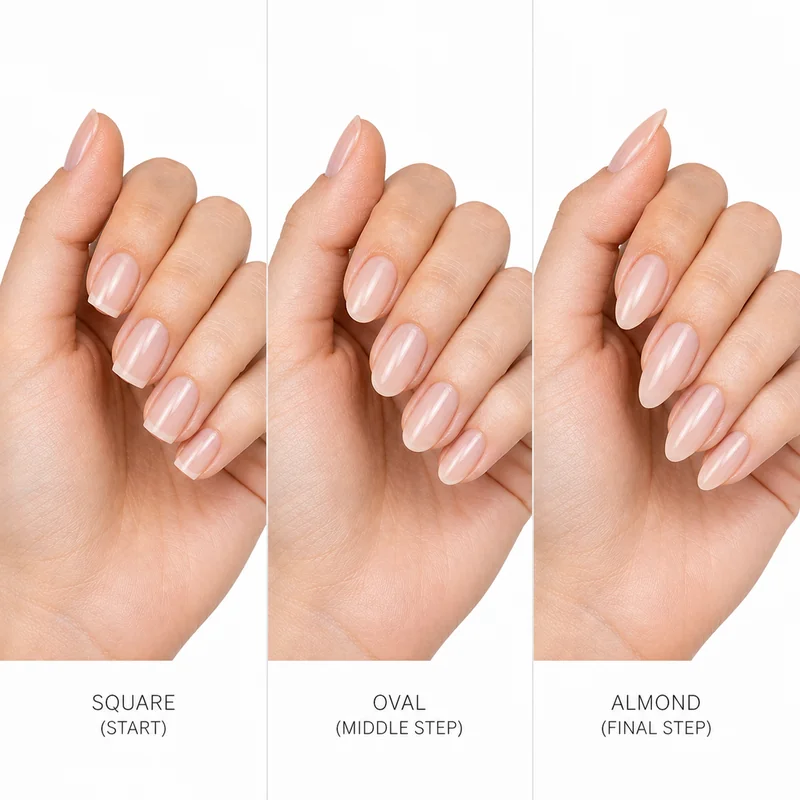
You cannot file almond from the start. The sequence is square, then oval, then almond — and you only move to the next stage when you have enough free edge length to support it safely. Filing almond too early means removing material from the sides before the nail has mass to taper from. The result is a weak point that breaks, often at the very corner you just filed.
Here is roughly how the stages map to length:
At minimal free edge (0 to 2mm), stay square or square with very slightly rounded corners. This protects the structure and prevents premature corner breaks.
Once you have 2 to 3mm, you can move to oval — filing the tip into a gentle curve while keeping the sides relatively straight.
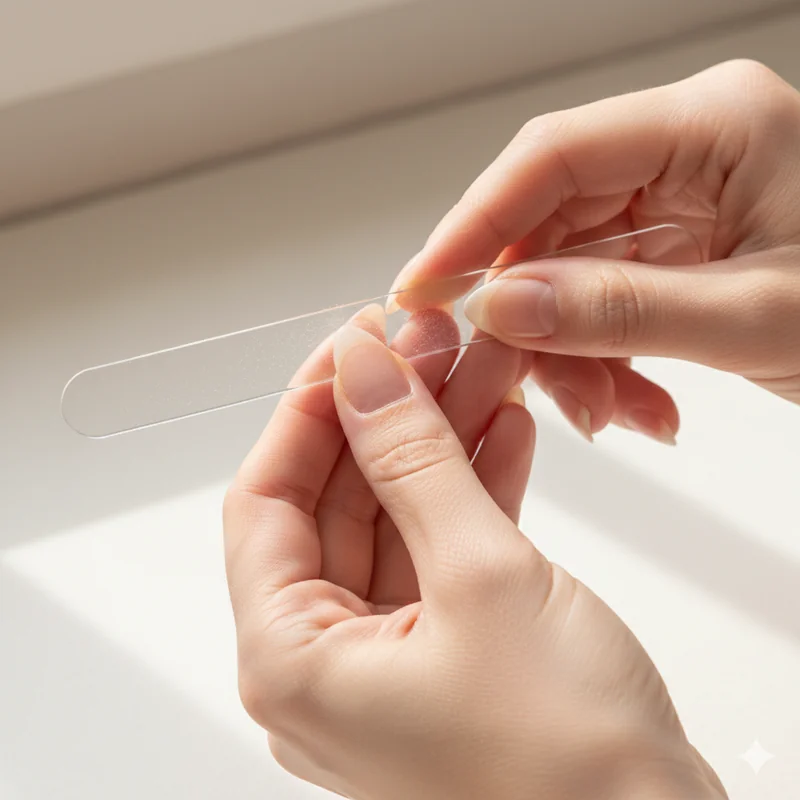
At 4mm and beyond, you have enough mass to begin the almond taper. Use a glass nail file, moving from the side edge toward the centre tip in one direction only. Never file back and forth. Check symmetry from straight on and from a slightly downward angle — both views tell you different things about the shape.
The dermatologist guidance on nail health consistently emphasises that filing technique has as much impact on nail integrity as product choice. The direction matters. The pressure matters. A glass file matters.
Your Realistic Nail Growth Timeline: What to Expect at Week 4, Month 2, and Month 4
This is the section that separates people who reach almond length from people who give up convinced their nails "just don't grow."
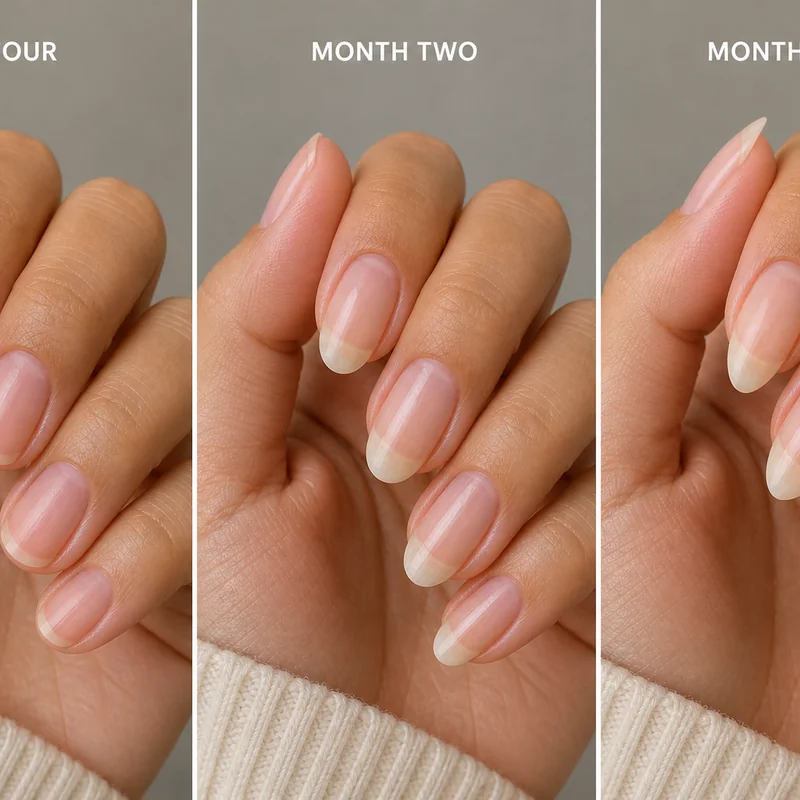
Week 4: You will have grown roughly 3 to 4mm of new nail. That is not almond length — it is barely past square. What you should have at this stage: a consistent cuticle oil habit, a decision about whether to use a protective overlay, and nails that have not broken yet because you are protecting them. Week four is about establishing the system, not seeing the result.
Month 2: You are in the most vulnerable phase. Nails are long enough to be in the way but not yet long enough to shape. Corner breakage risk peaks here. This is when most people quit, and it is exactly the wrong time to quit. If you are using BIAB, this phase is significantly more manageable.
Month 3: For most people, this is when oval becomes possible and almond starts to feel within reach. Nails that have been protected throughout should have 8 to 10mm of free edge or more. The shape transition can begin in earnest.
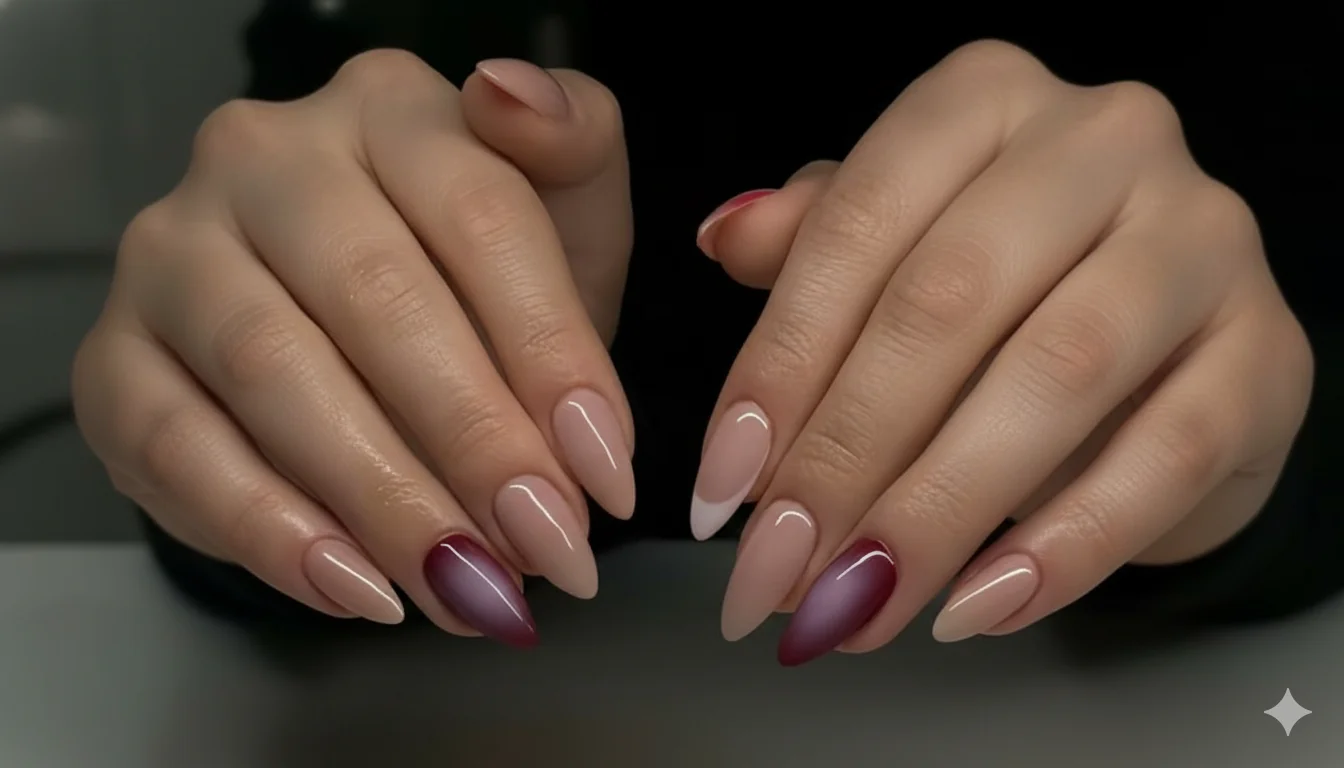
Month 4: True almond territory. If you have kept breakage minimal, you should have enough length and structure to file a proper almond shape — tapered sides, pointed (but not sharp) tip, clean symmetry. This is also when the aftercare routine becomes non-negotiable; the almond nail aftercare guide covers exactly what the shape needs to stay intact day to day.
What to Do When a Nail Breaks Mid-Journey
One broken nail does not mean a failed journey. This bears repeating because the emotional response to a mid-journey break — cutting everything short, starting over, abandoning the plan — is almost always an overreaction.
Your options, in order of preference:
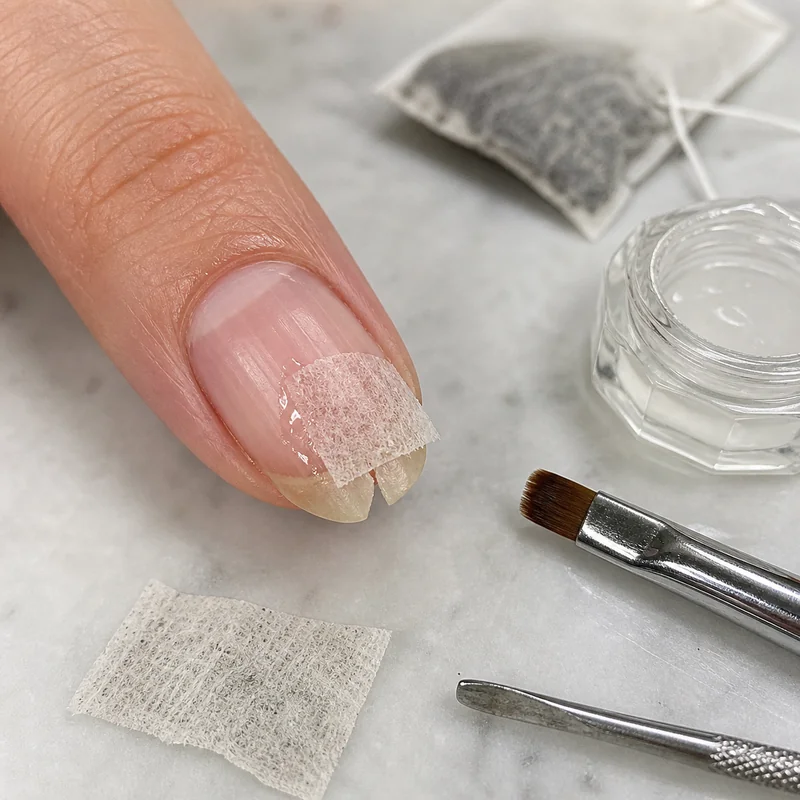
A tea bag repair is the most effective bridge. Cut a small piece of a teabag or coffee filter, bond it over the break with a clear base coat or nail glue, seal with a top coat. It holds long enough for the nail to grow past the break point, then you file it clean.
If the break is too severe for a repair, file that single nail into a short almond. One shorter almond in a set of longer ones is barely noticeable, and the asymmetry corrects itself within a few weeks as the shorter nail catches up.
Cutting all nails short to match is only the right call if multiple nails have broken simultaneously, which usually signals a systemic protection issue — not enough cuticle oil, no overlay, too much acetone exposure. In that case, cutting short, reassessing the routine, and restarting with better protection in place is a reset, not a failure.
For anyone growing out nails that are currently very short or dealing with press-ons as a bridge solution, the post on how to get almond nails when your natural nails are short covers the interim options in full.