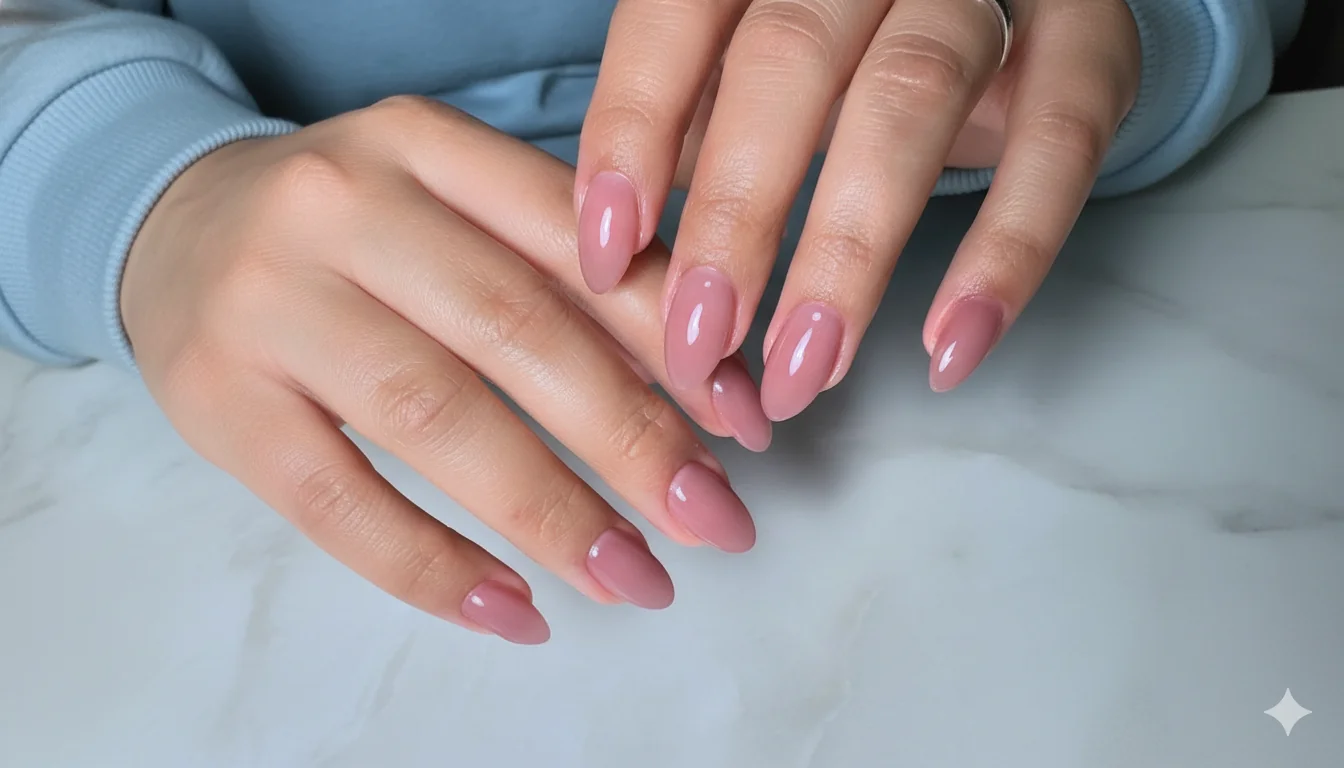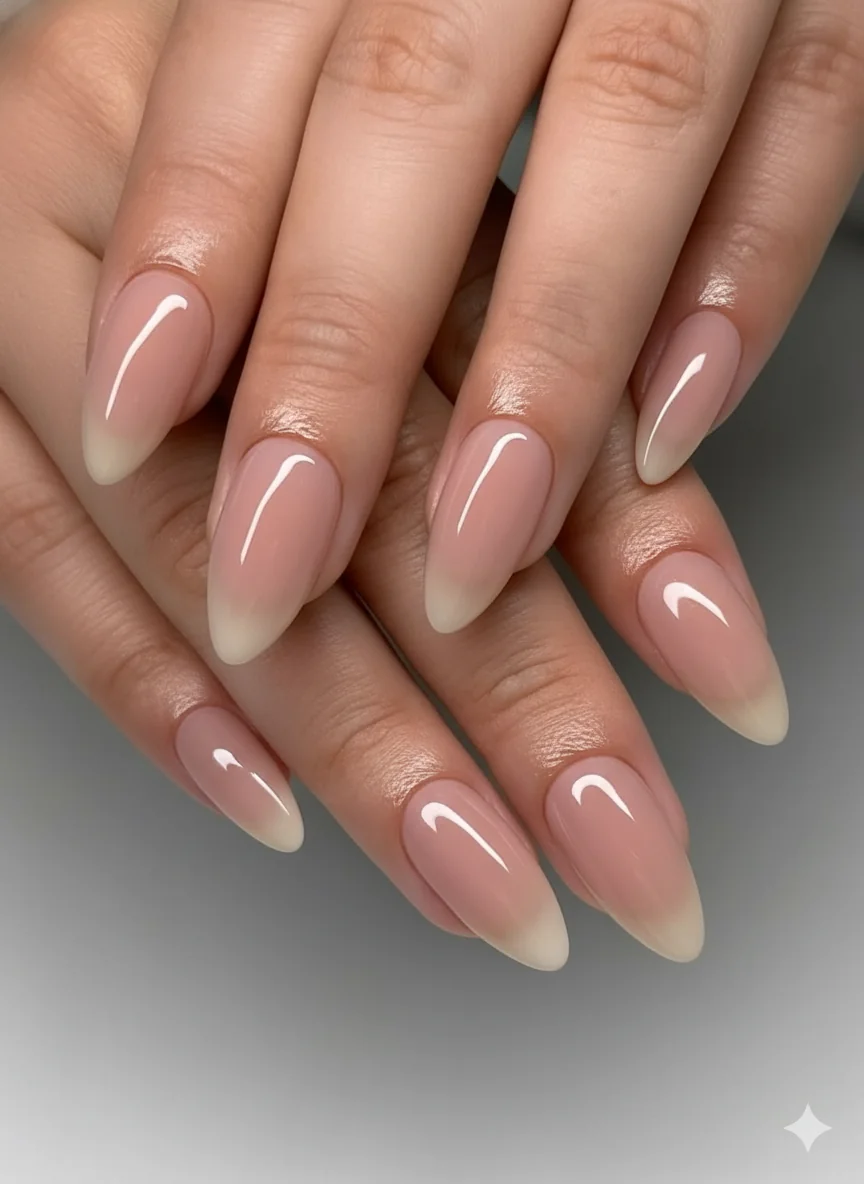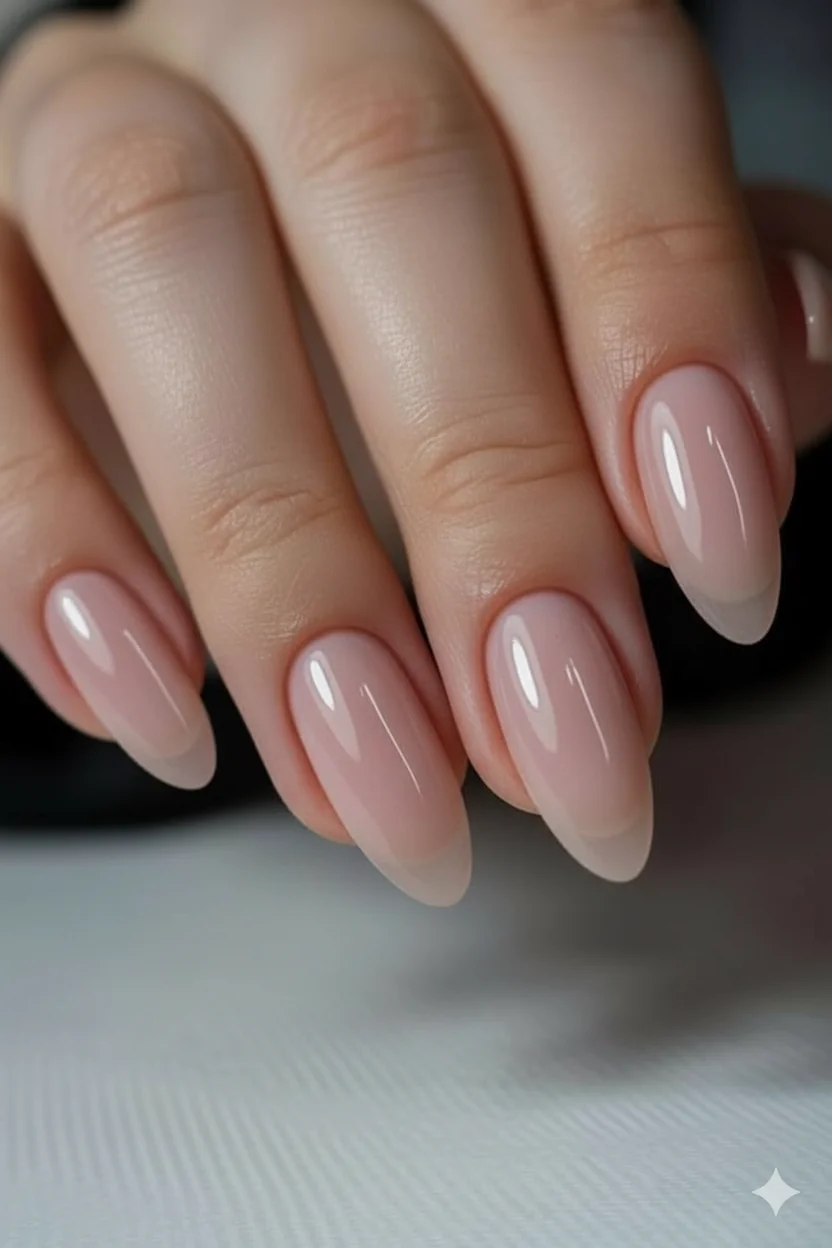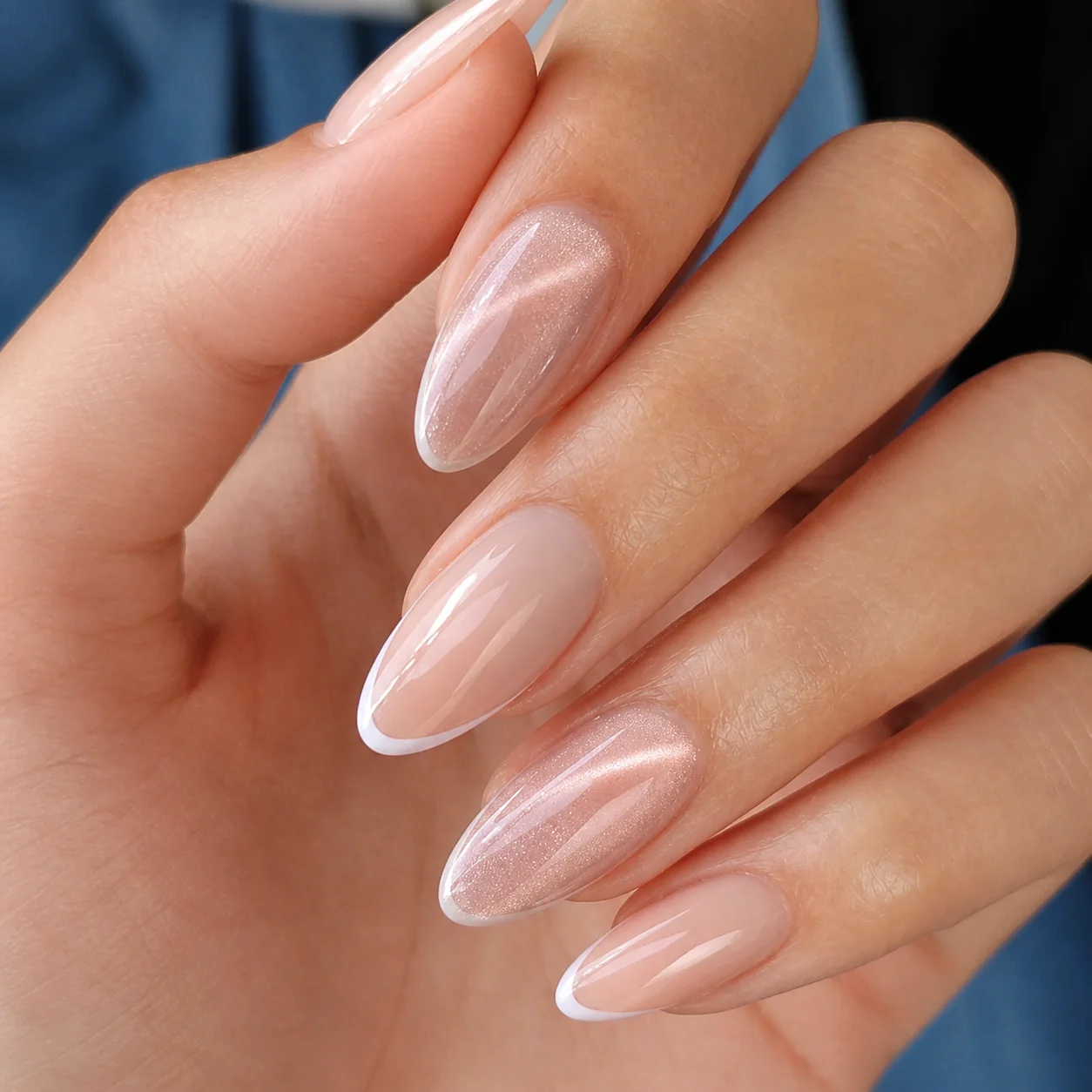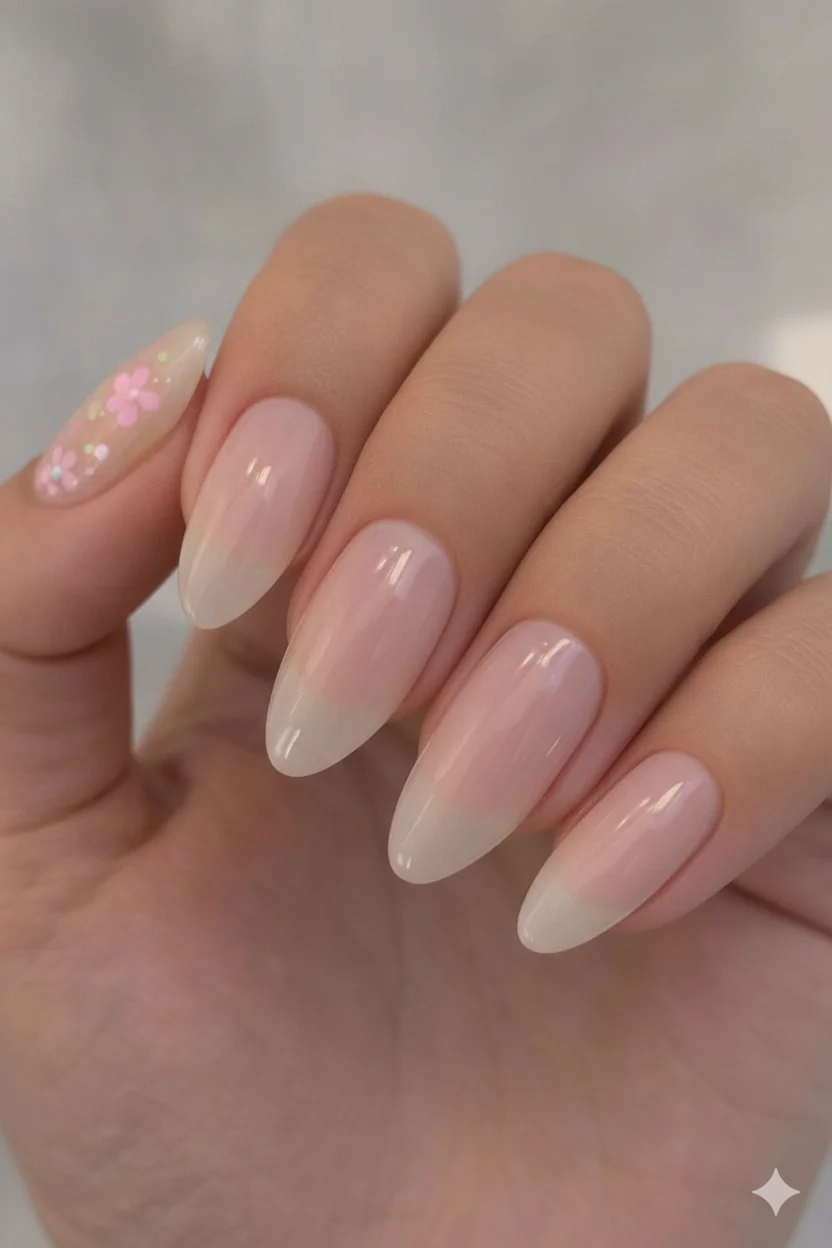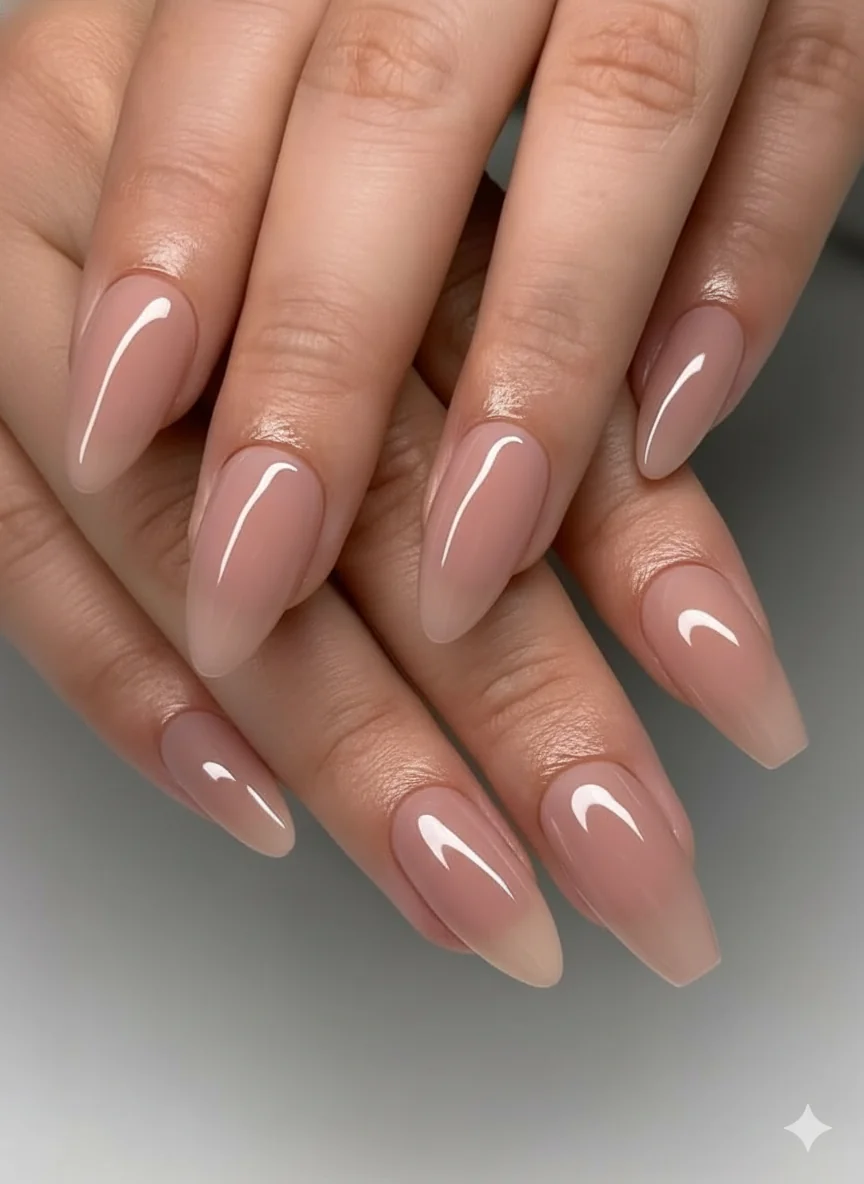
The question comes up at every salon visit and before every press-on order: almond vs coffin nails: which one is actually right for you? Not for someone with different hands or a different job. For you, specifically.
Most comparison articles list pros and cons and leave the reader exactly where they started. This one works differently. By the end, you will have a clear answer based on your hand shape, lifestyle, and the designs you actually want to wear. For a full breakdown of the almond shape, see our complete almond nails guide.
What Is the Actual Difference Between Almond and Coffin Nails?
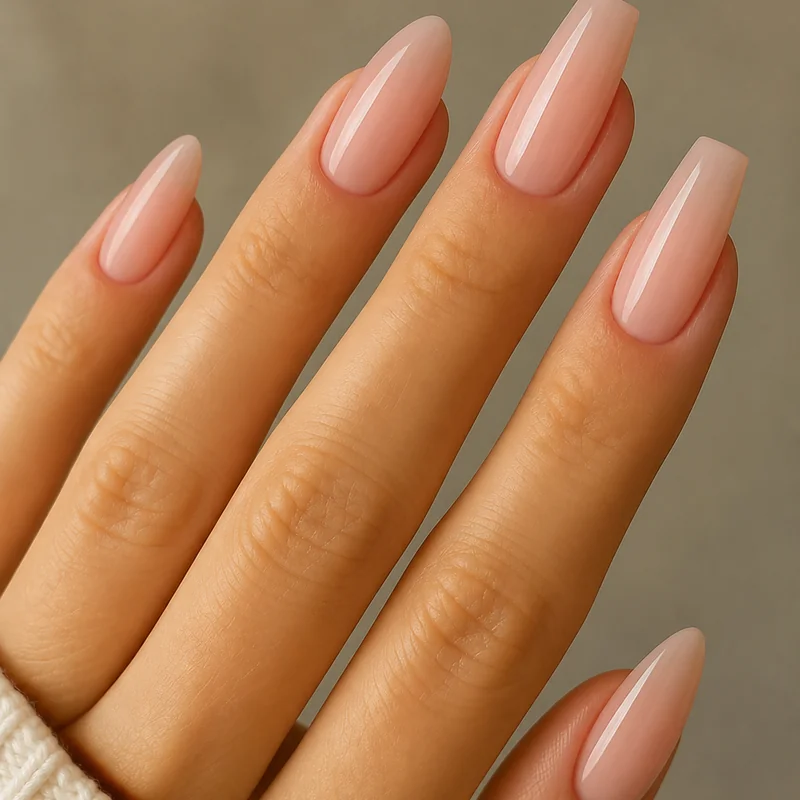
The entire difference lives at the tip. Both shapes taper inward from the widest point of the nail bed toward the free edge. That narrowing is what they share. Where they part ways is at the finish.
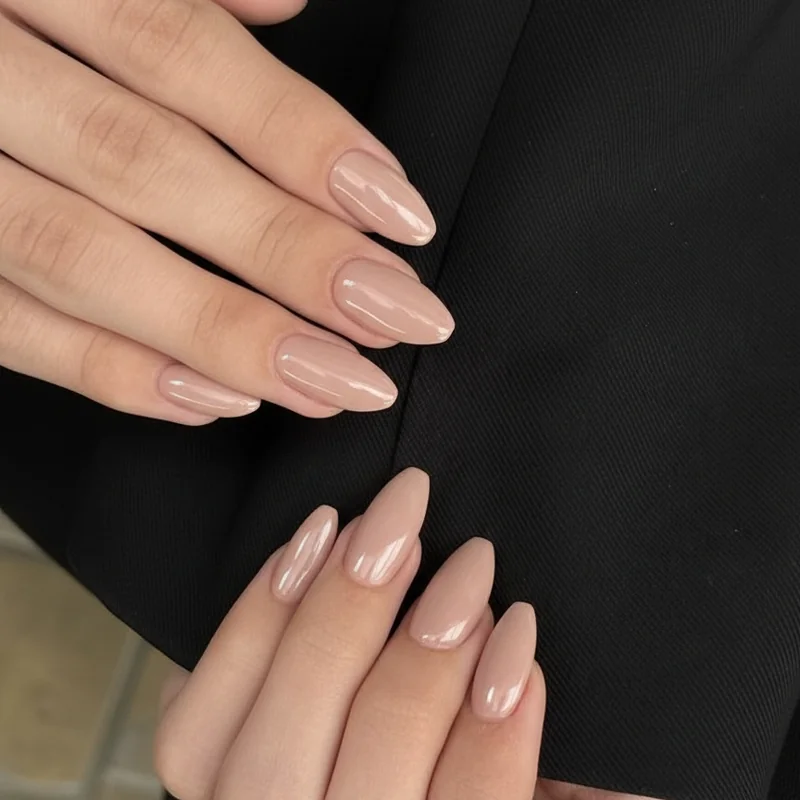
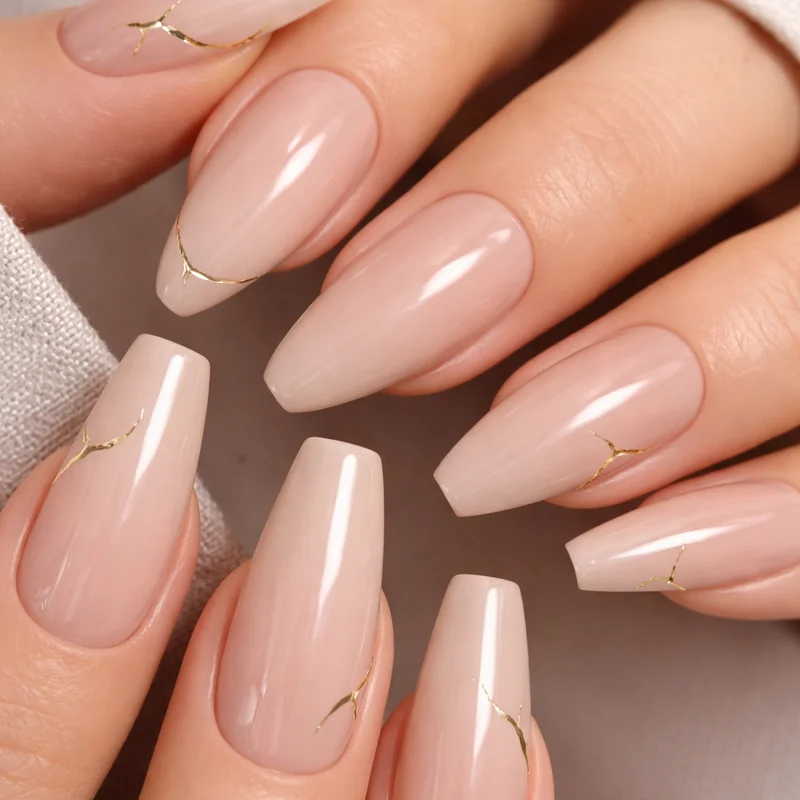
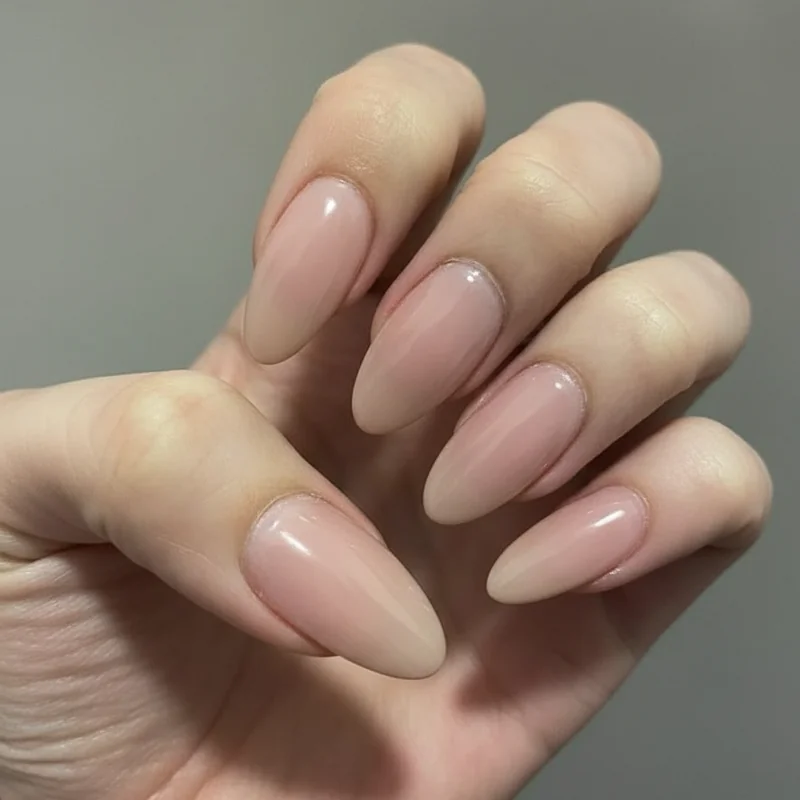
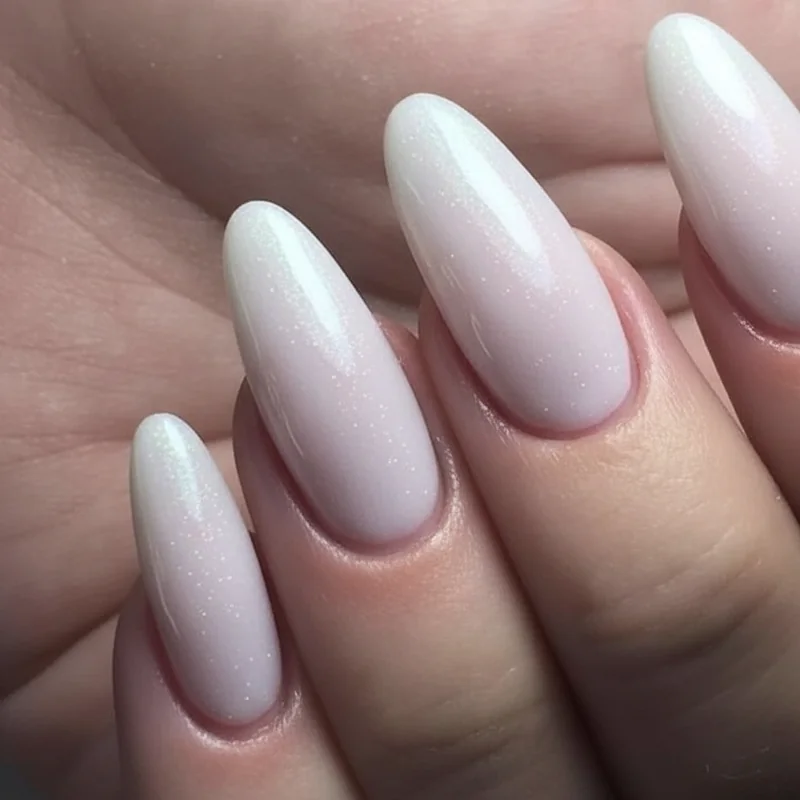
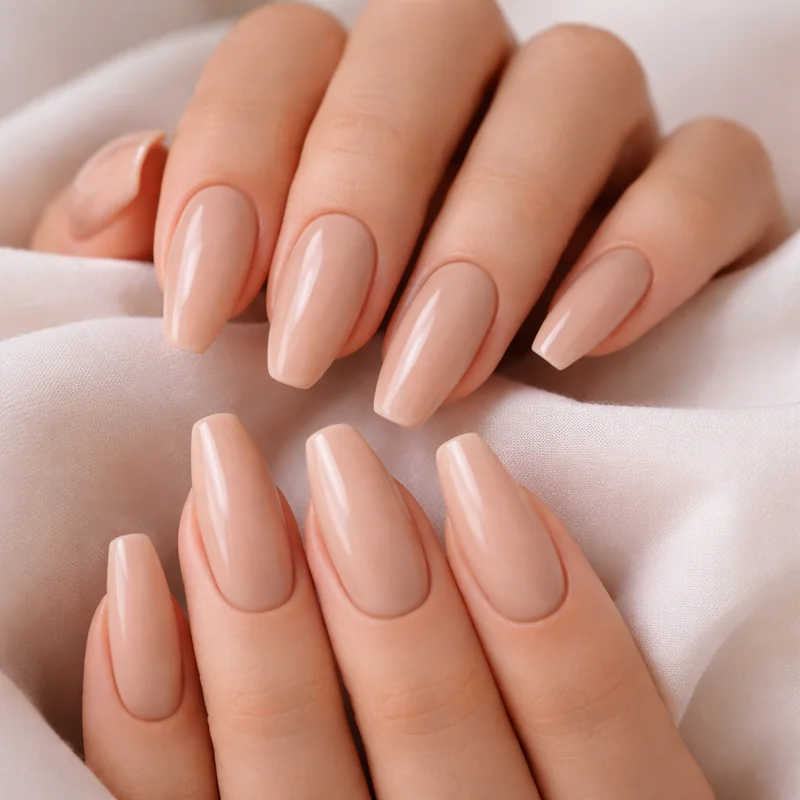
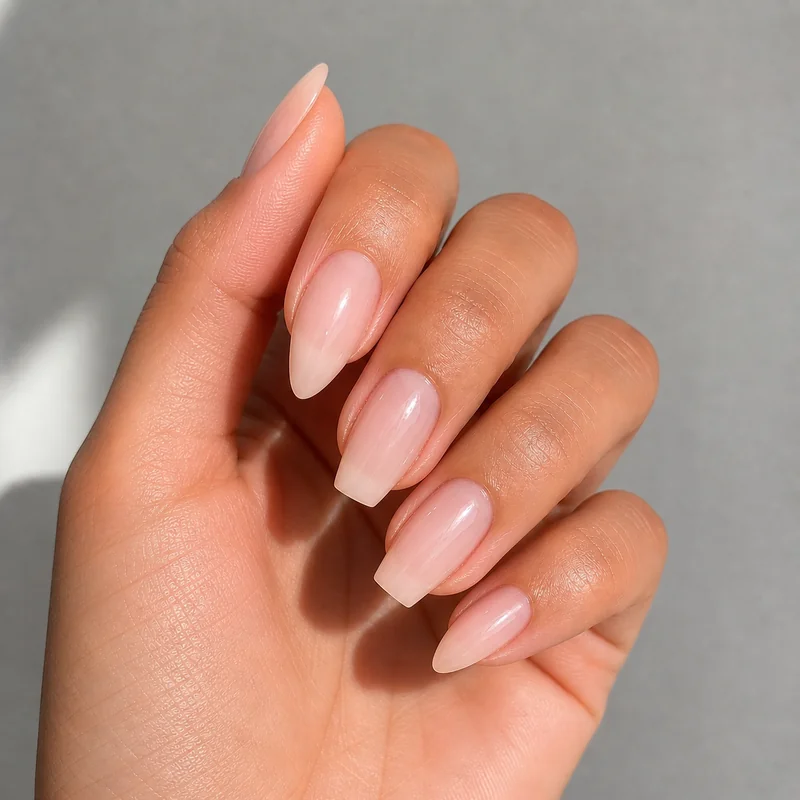
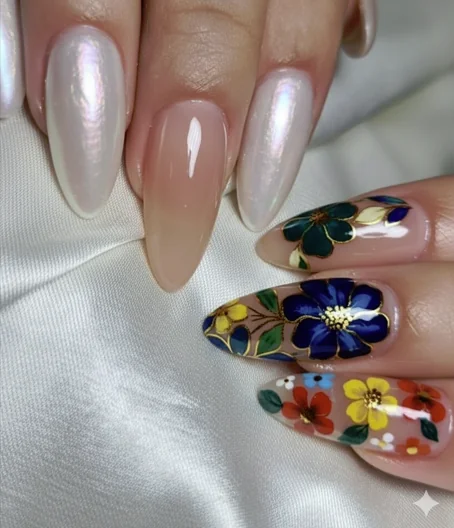
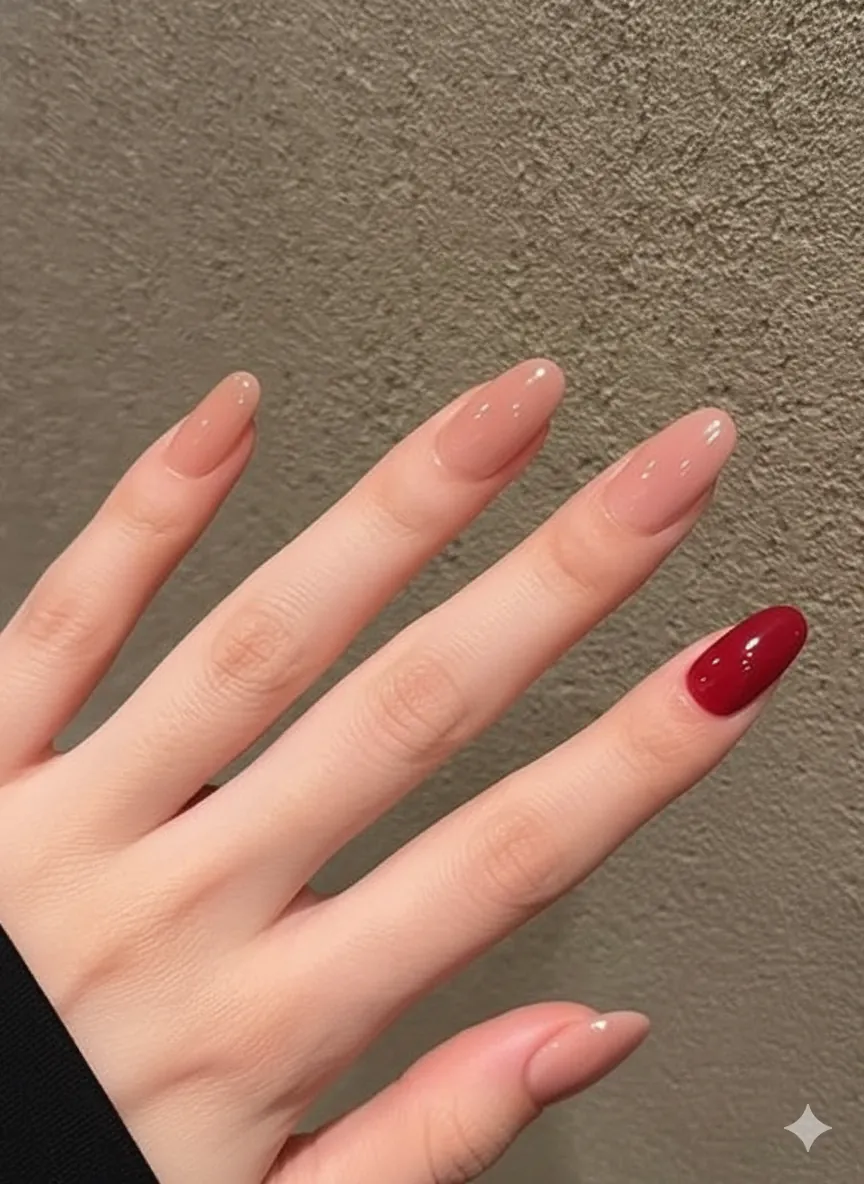
Almond nails end in a soft, rounded point. The sidewalls curve gently together until they meet at a tip that mimics the shape of the nut. Coffin nails (called ballerina nails in some markets) follow the same tapering route but end in a flat, squared-off tip. That flat edge is the coffin shape's signature.
According to the NAILS Magazine nail shape filing guide, almond requires a continuous curved filing motion while coffin demands a controlled flat finish after the taper. One fluid gesture versus two deliberate stages.
Which Nail Shape Makes Fingers Look Longer?
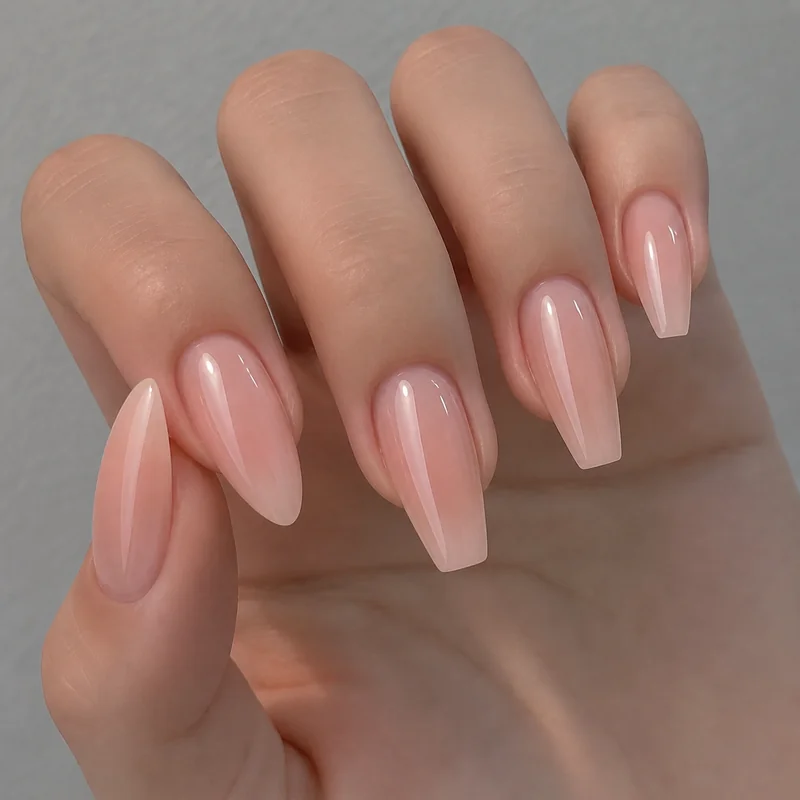
Almond. The rounded tip draws the eye upward and inward simultaneously, creating a continuous narrowing line from knuckle to tip. That unbroken taper is what produces the elongating effect. The eye follows the shape and reads the finger as longer than it is.
Coffin creates a strong horizontal line at the flat tip. That line stops the eye. On slender fingers with longer nail beds, the effect reads as sleek and architectural. On shorter or wider fingers, it can visually widen the nail rather than lengthen it.
The distinction matters most at medium lengths and below. At genuinely long lengths, both shapes elongate. It is at shorter and medium lengths that almond maintains the illusion and coffin can lose it.

Which Nail Shape Suits Your Hand Type?
Hand type is where the decision becomes personal. Three common scenarios:
Shorter fingers or wider nail beds. Almond is the stronger choice. The continuous taper works with the natural shape of the finger. Coffin's flat tip can make shorter fingers look blunter, not longer. It is a complaint that surfaces repeatedly in community spaces like Lemon8 and TikTok from people who switched shapes after seeing the difference on their own hands.
Slender fingers with a narrow nail bed. Both shapes work. Coffin looks particularly clean and architectural here; the flat tip reads as intentional. Almond remains universally flattering, so there is no wrong answer.
Wide nail beds with average finger length. Almond narrows the visual width of the nail bed; coffin does not. If your nail beds run wide, almond's tapering sidewalls do the corrective work that coffin simply cannot.
Which Nail Shape Lasts Longer, and Which Breaks More?
Almond is the more durable shape. The rounded tip distributes impact around a curve, spreading pressure rather than concentrating it at a single point.
Coffin corners are where breakage happens. The two sharp angles at either side of the flat tip are structural weak points, particularly on natural nails and thinner gel sets. Chips at the corners, not at the centre, are the defining coffin maintenance complaint.
Professional nail filing technique guidance from Nailpro confirms that coffin shapes require reinforcement at the stress point to prevent premature breakage. On acrylics with proper apex placement, coffin can be built to last. On thinner natural nails, almond is the safer structural choice. Nail shape technique matters as much as design; read our step-by-step shaping guide for the detail.
Can You Get Coffin Nails If Your Nails Are Short?
Short coffin is possible, but it has a threshold. The flat tip only reads as coffin when there is enough free edge to show the full taper-then-flat sequence. Without sufficient length, the shape collapses into something that looks like a blunt square. A common disappointment for people who wanted the coffin aesthetic and ended up with something that reads as nothing in particular.
A general working rule: you need at least a few millimetres of visible free edge beyond the fingertip for the coffin silhouette to register. Below that, the shape is lost.
Almond works at almost any length. Even extra-short almond nails retain the gentle taper that makes the shape recognisable. Short almond has its own moment in 2026; explore it here if shorter lengths are what you are working with.
Which Nail Shape Looks Better for French Tips, Ombré, and Chrome?
The shape changes how designs land.
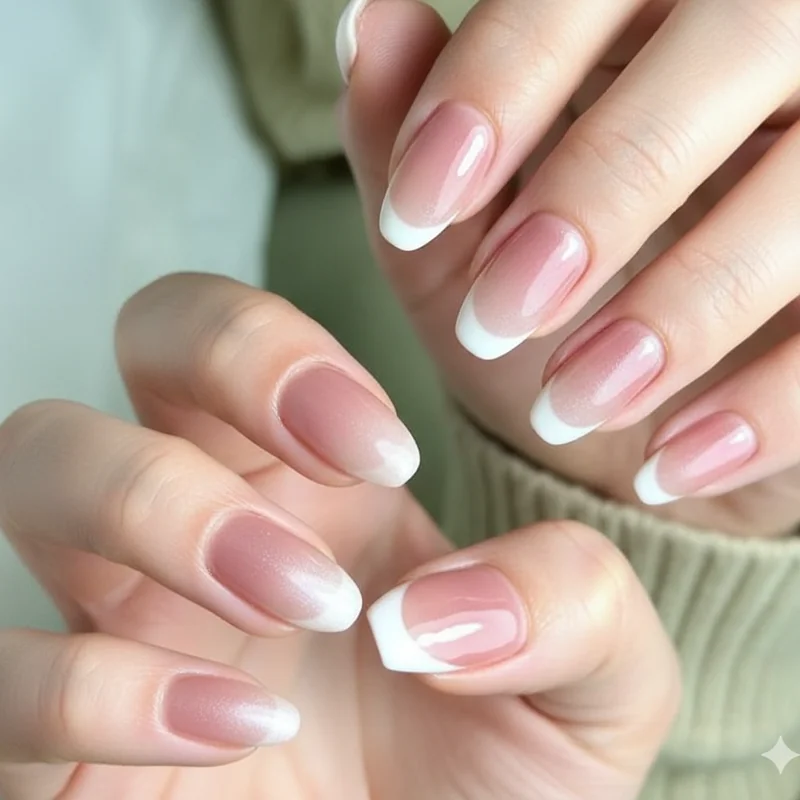
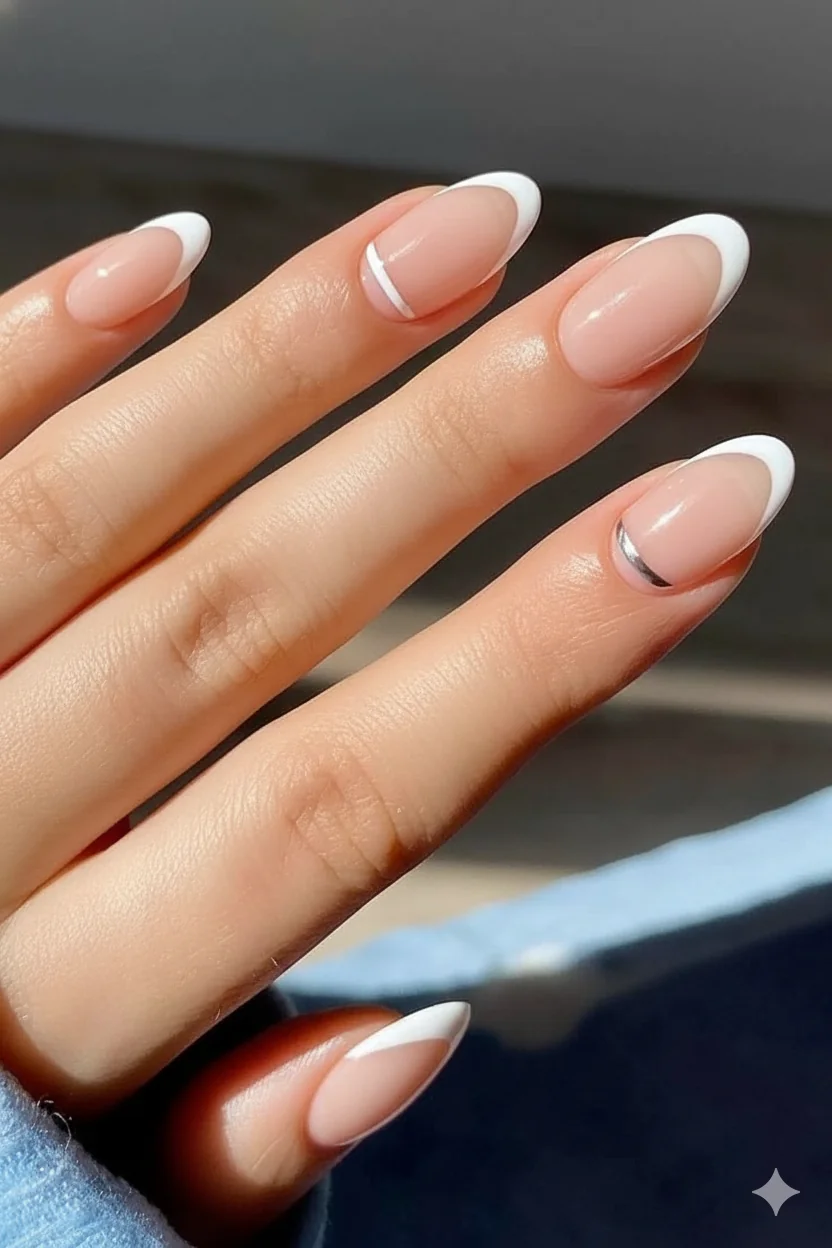
French tips. Almond produces a soft, curved smile line: the classic French look. Coffin creates a straight graphic line across the flat tip, more modern and architectural.
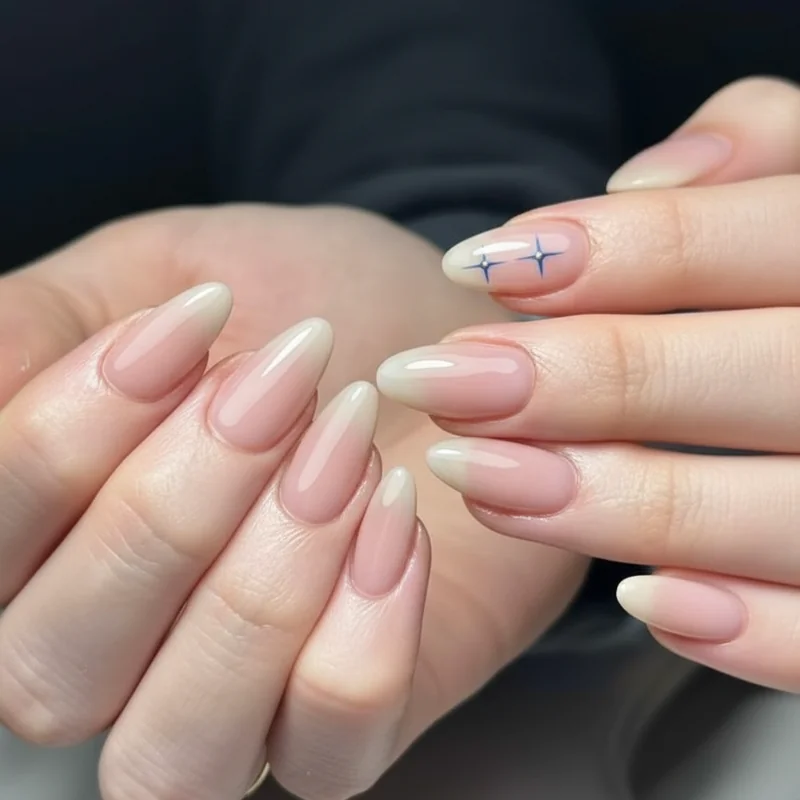
Ombré. Both handle gradient work well. On almond, the fade follows the curve and feels organic. On coffin, it hits the flat tip with a clean horizontal terminus.
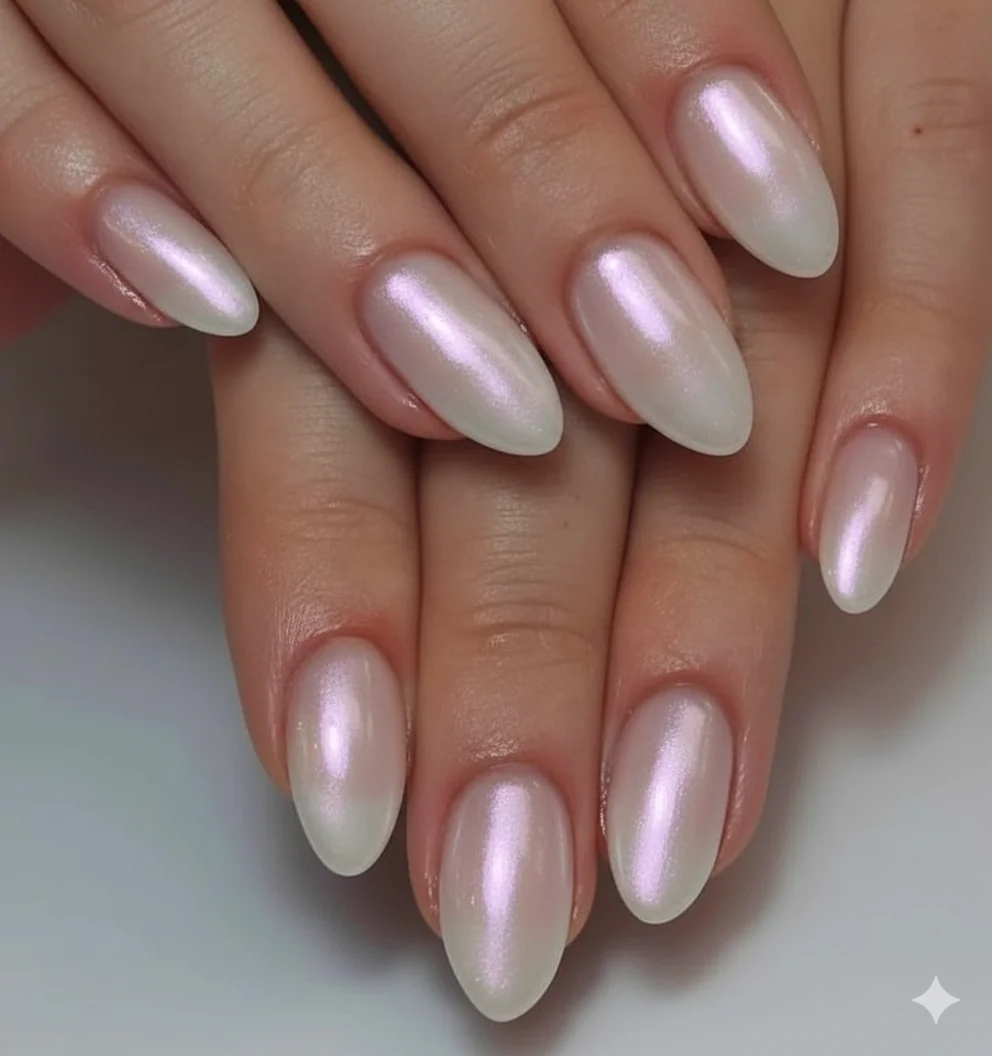
Chrome and cat eye finishes. Chrome on almond catches light at the curve, creating a lens-like reflection. On coffin, it produces a flat mirror effect across the tip. Cat eye particle alignment works on both. Need design inspo once you have picked almond? Browse 60+ almond nail ideas for 2026.
Almond vs Coffin for Everyday Life: Typing, Parenting, and the Gym
Lifestyle is the filter most comparison posts skip, and it is often the deciding factor.
Typing all day. Almond. The rounded tip glances off keys at an angle; coffin corners catch directly, creating lateral pressure at the weakest structural point of the shape.
Parenting or hands-on work. Almond at medium or shorter length. The rounded tip is less likely to snag on fabric or equipment. Coffin corners catch on things.
The gym. Almond again. Gripping bars and handles is easier and less damaging with a curved tip than a cornered one.
Low-activity office work. Both shapes are viable. If aesthetics are the priority and your hands are not under daily strain, coffin at a wearable length works well with a properly reinforced gel or acrylic set.