Almond nails are one of the most requested shapes at salons globally — and in 2026, that request isn't slowing down. They elongate the finger, suit almost every hand type, and occupy that sweet spot between elegant and practical that most shapes can't quite land. Whether you're considering almond for the first time or you've worn the shape for years and want to understand it better, this guide covers everything: anatomy, hand flattery, length, application methods, maintenance, and what the shape looks like right now.
The almond nail shape has held its ground through every trend cycle because it earns its place on almost every set of hands. This is the shape nail artists reach for when a client asks for something that works. Here's why — and whether it's right for yours.
What Exactly Are Almond Nails — and Why Does Everyone Keep Requesting Them?
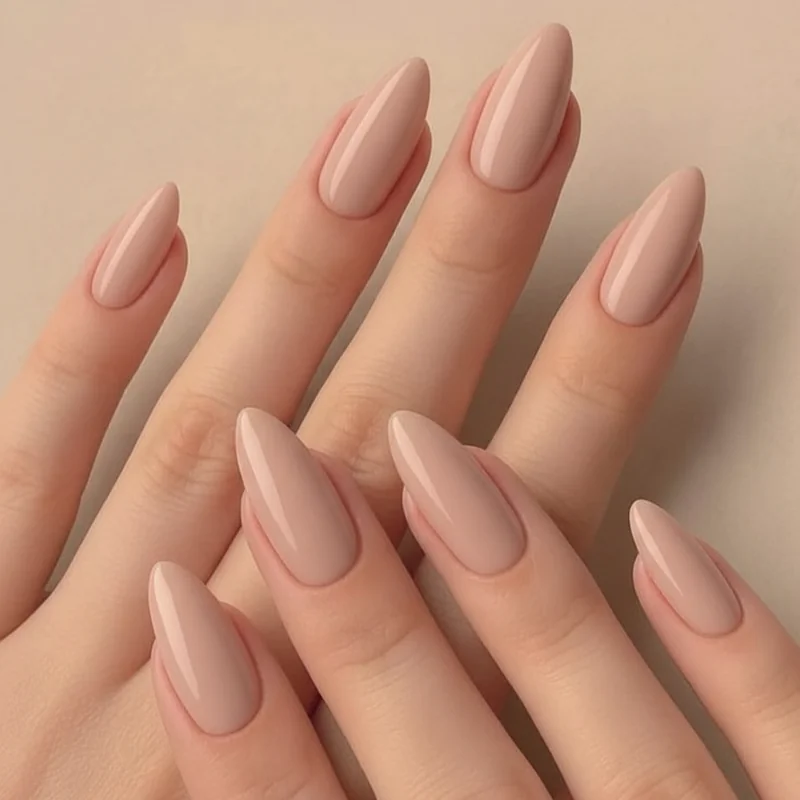
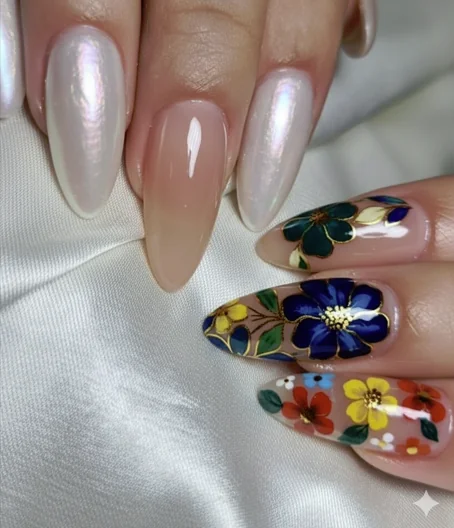
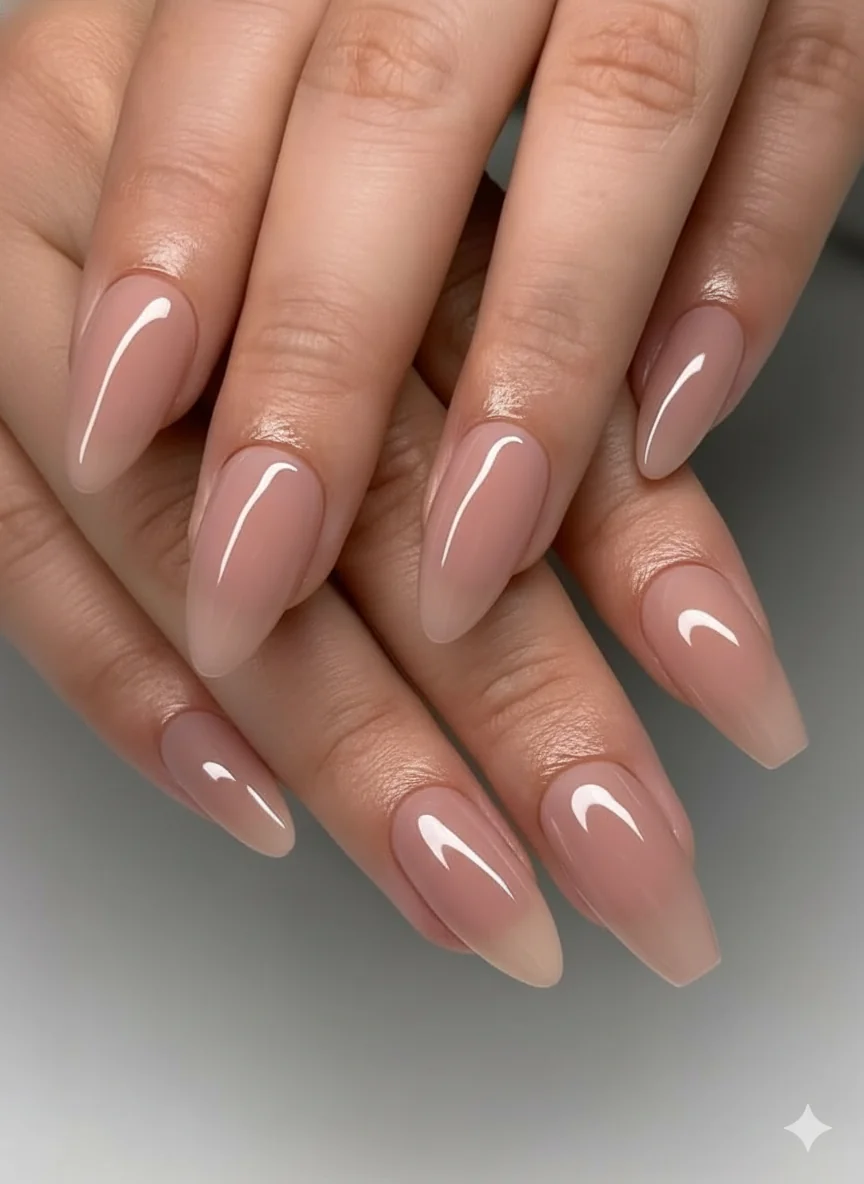
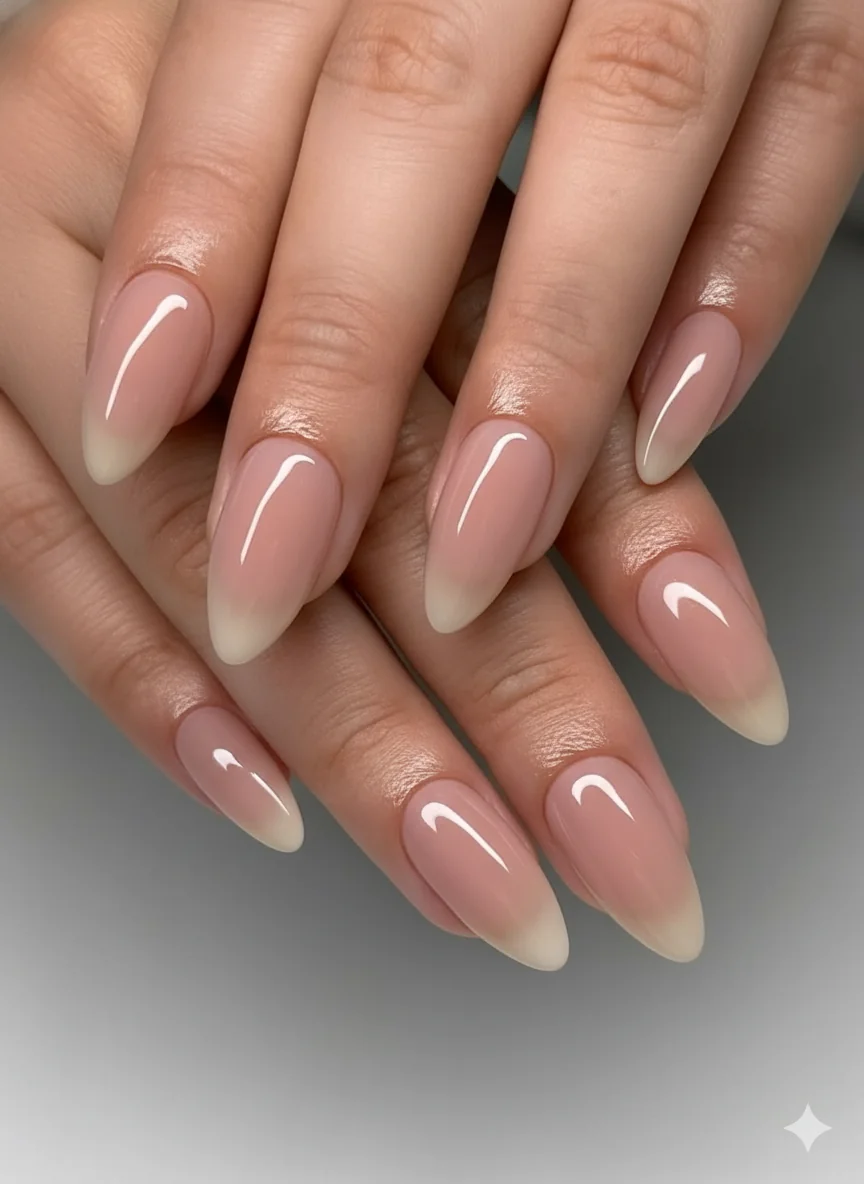
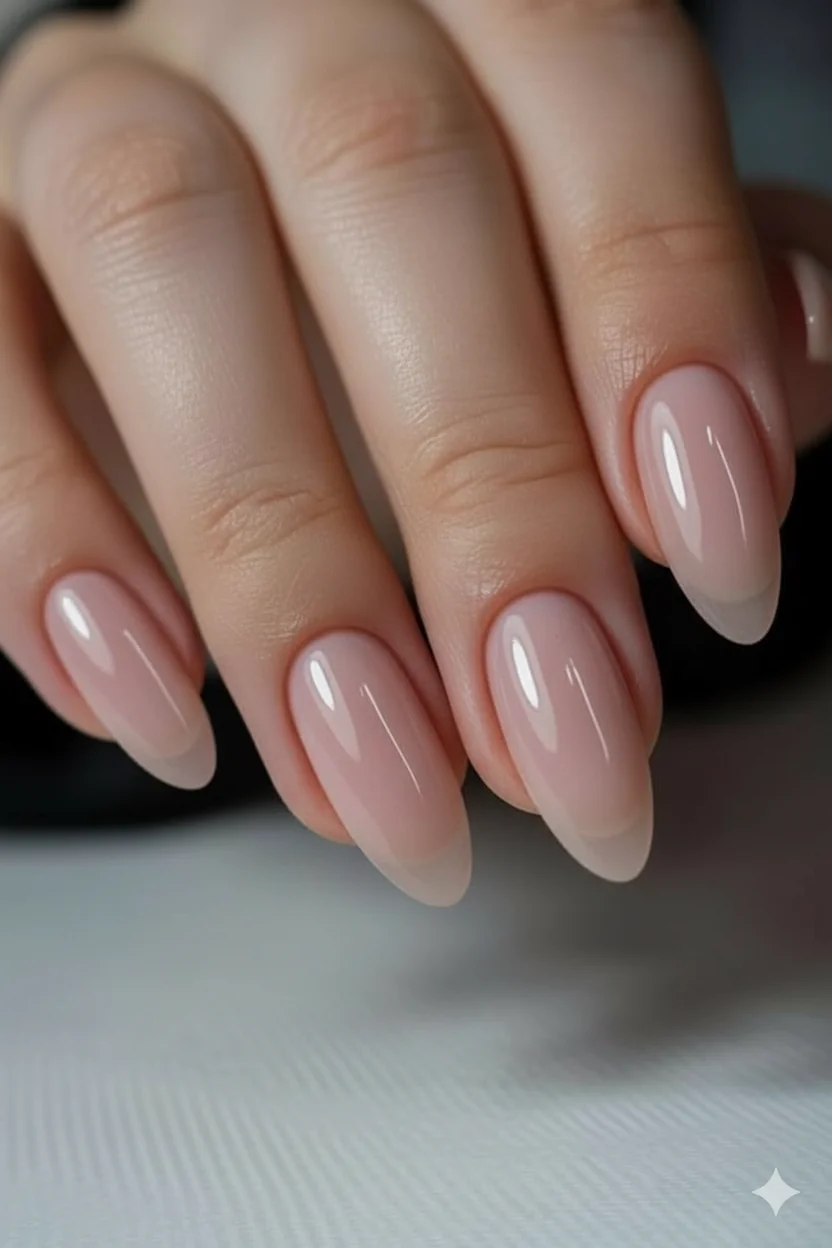
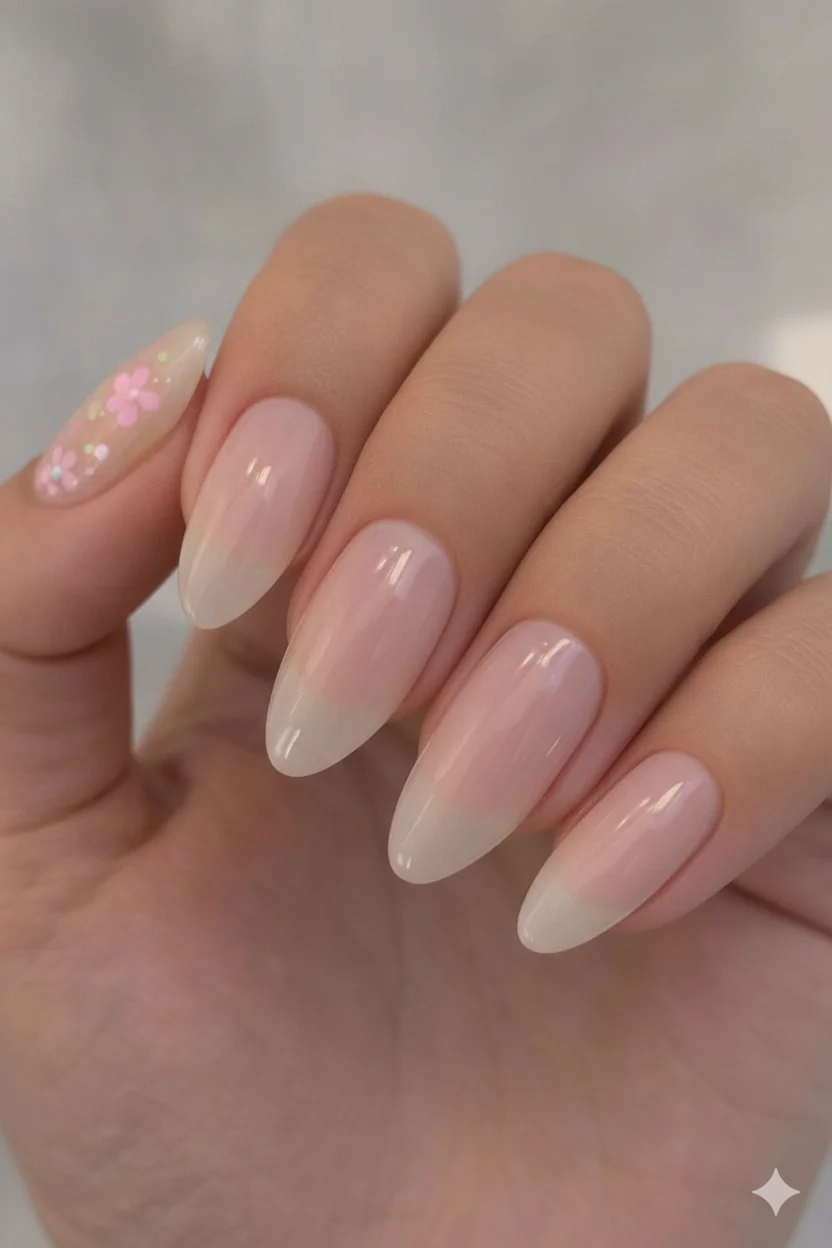
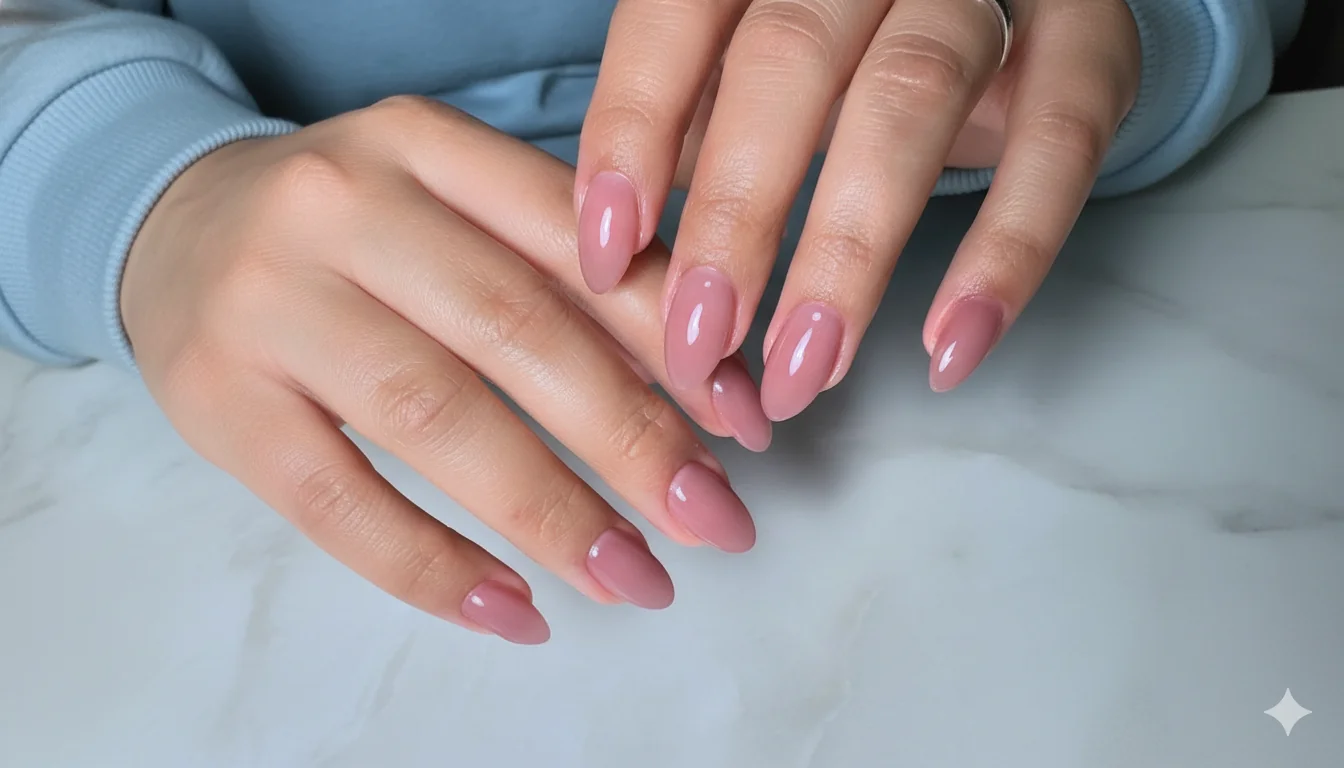
The name says it all, once you know what to look for. Almond shaped nails taper in at the sides from the widest point of the nail, then curve to a soft, rounded peak — not a sharp point like stiletto, not a flat edge like square. The result is a shape that mirrors the outline of an almond: slim, tapered, and gently pointed without being aggressive.
What sets almond apart from every other tapered shape is that soft finish at the tip. It's the difference between a shape that looks considered and one that looks severe. The taper elongates the finger visually, while the rounded peak keeps the overall look wearable.
It holds its own because it's genuinely versatile. Simple nude polish, chrome, intricate nail art — the shape frames all of it well. There's a reason every nail artist knows this one by heart.
Almond vs Oval vs Coffin: What's Actually the Difference Between These Three Shapes?
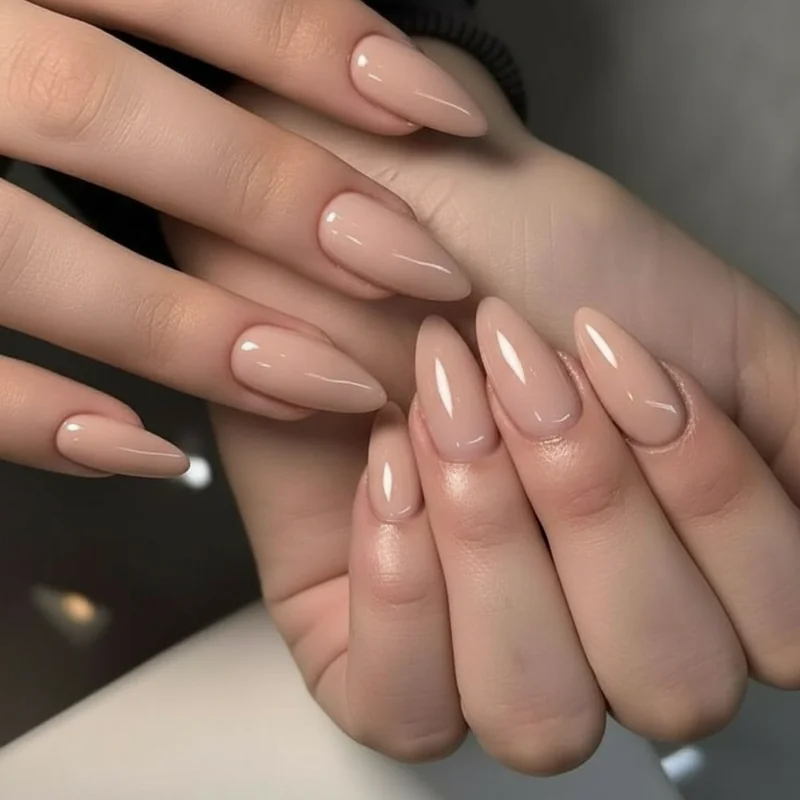
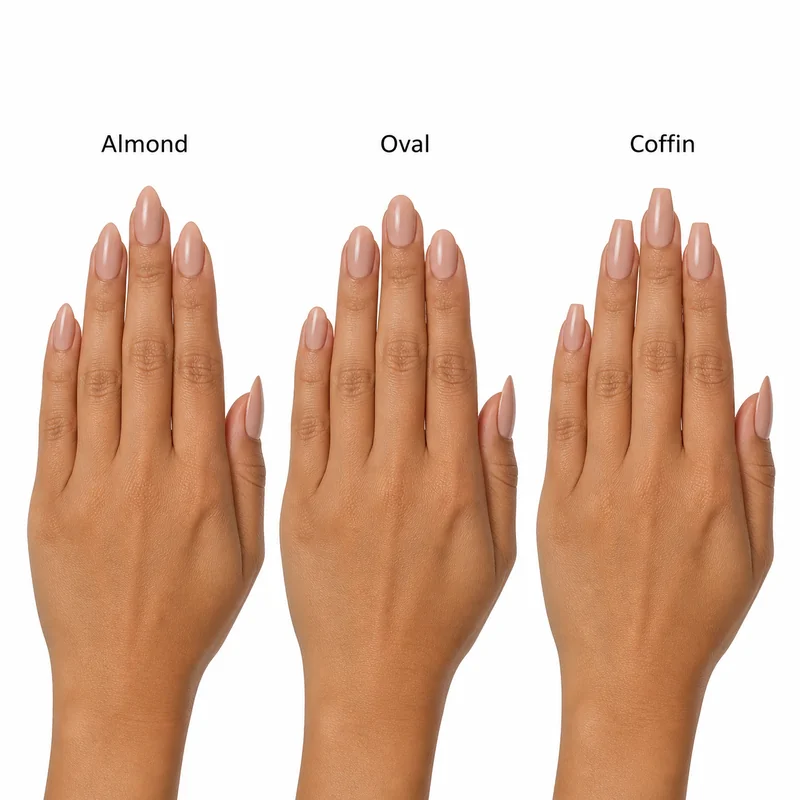
Three shapes, one reader who can't quite tell them apart from reference photos. It's one of the most common points of confusion in nail shape decisions, and understandably so — all three are elongated, all three are popular. The differences are in the geometry.
Oval has a gentle, symmetrical curve that follows the shape of the fingertip. It widens slightly at the base and curves evenly to a rounded tip — no taper, no point. The most natural-looking of the three.
Almond is narrower. The sides file inward before the tip, creating that distinctive taper. The peak is still soft and rounded, but the slimmer profile makes it visually sharper than oval. According to nail shapes explained by L'Oréal Paris, the key distinction is that almond narrows more aggressively toward the tip than oval.
Coffin (also called ballerina) is flat at the top rather than rounded — imagine tapering the sides like almond, then cutting straight across. It's dramatic. It reads differently.
If your reference image shows a slim, pointed-but-not-sharp nail, that's almond. For more on how to choose between the first two, see our guide to almond vs oval nails, and if you're weighing up the latter two, almond vs coffin nails covers that decision properly.
Do Almond Nails Suit Your Hand Type? (The Honest Answer for Every Finger and Nail Bed)
The honest answer: almond suits more hand types than almost any other shape. That isn't marketing — it's geometry. The taper creates the illusion of length and the rounded tip avoids widening the visual width of the finger. But "suits most" isn't "suits all," so here's the breakdown.
Short fingers — almond is genuinely one of the best shapes for shorter fingers. The tapered profile draws the eye along the length of the nail rather than across the width, making fingers appear longer. OPI's nail shape guide by hand type confirms almond and oval as the top recommendations for creating the appearance of length.
Wide nail beds — this is where almond earns its reputation. The inward taper counteracts the natural width of a wide nail bed in a way oval simply can't. The slimming effect is noticeable and immediate.
Narrow nail beds — almond works here too, though oval is equally good. The shape won't overwhelm a narrow plate.
Short, wide fingers — this is the combination that benefits most. Almond's dual effect (elongating and slimming) addresses both concerns at once. It won't perform miracles, but it's the most flattering option in this category.
How Long Do Your Nails Need to Be for an Almond Shape to Look Right?
This is length anxiety in practice — the worry that almond only works at dramatic length. It doesn't. But there are real limits worth understanding.
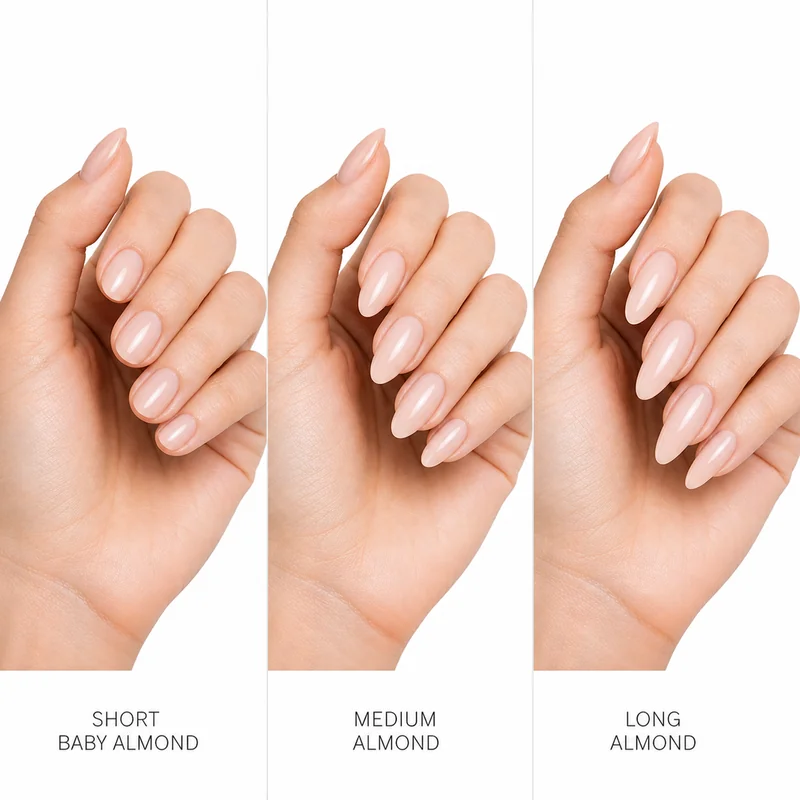
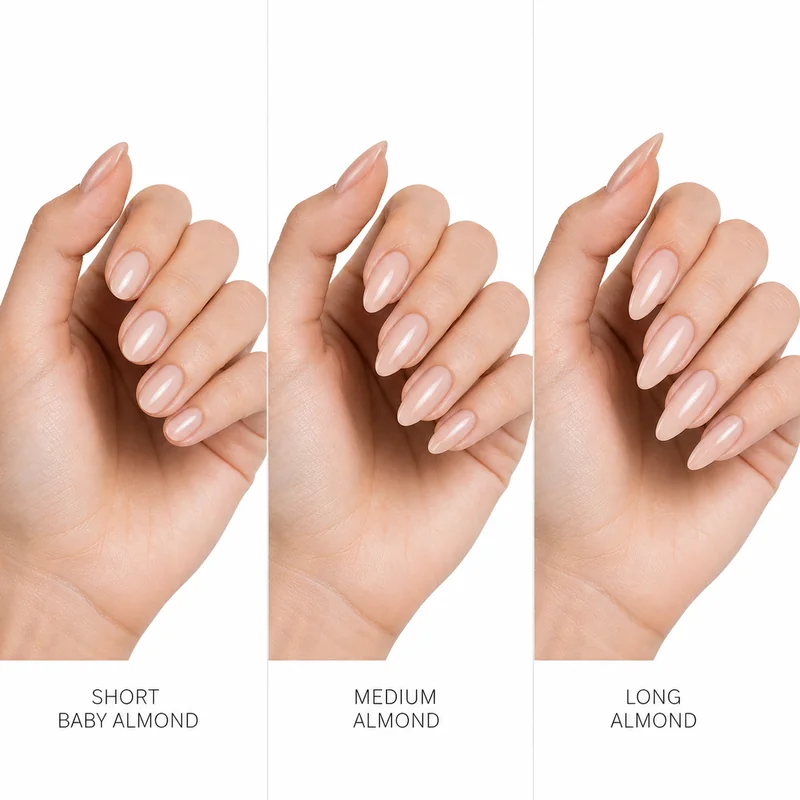
The almond shape requires enough free edge to create the taper. On very short natural nails (barely past the fingertip), there isn't enough nail plate to work with. The minimum workable length for a natural almond is roughly 3–4mm of free edge beyond the fingertip. Below that, the file has nothing to shape.
Medium length — around 5–7mm of free edge — is the classic almond sweet spot. Enough taper, enough definition, practical to maintain.
Long almond nails at 10mm+ look dramatic and wear beautifully, but they require extensions on most people's natural nails to maintain integrity.
The breakout option in 2026 is the short almond nail — a baby almond, sometimes called "almondletto." Filed just enough to suggest the taper without committing to length. It works on natural nails with minimal free edge and is driving a significant shift in how people wear the shape.
Looking for inspiration across the length spectrum? Our edit of almond nail ideas for 2026 covers every option with 60+ designs.
Can You Get Almond Nails on Natural Nails — or Do You Need Extensions?
Yes, you can — with two caveats. Your natural nails need sufficient length (see the section above), and they need to be strong enough to hold the shape without breaking. Natural almond shaped nails are absolutely achievable, but the taper does remove some structural support from the sides, which makes thinner natural nails more prone to snapping at the tip.
If your nails are on the thinner side, a layer of builder gel or BIAB (Builder in a Bottle) applied over the natural nail gives enough reinforcement to hold the almond shape without committing to a full extension set. It's the most popular approach for natural nail almond wearers right now.
For those who want length beyond what their natural nails can give, gel extensions or acrylics are the route — and that's covered in the next section.
Acrylic, Gel, Gel-X, or Press-Ons: Which Is the Best Way to Wear Almond Nails?
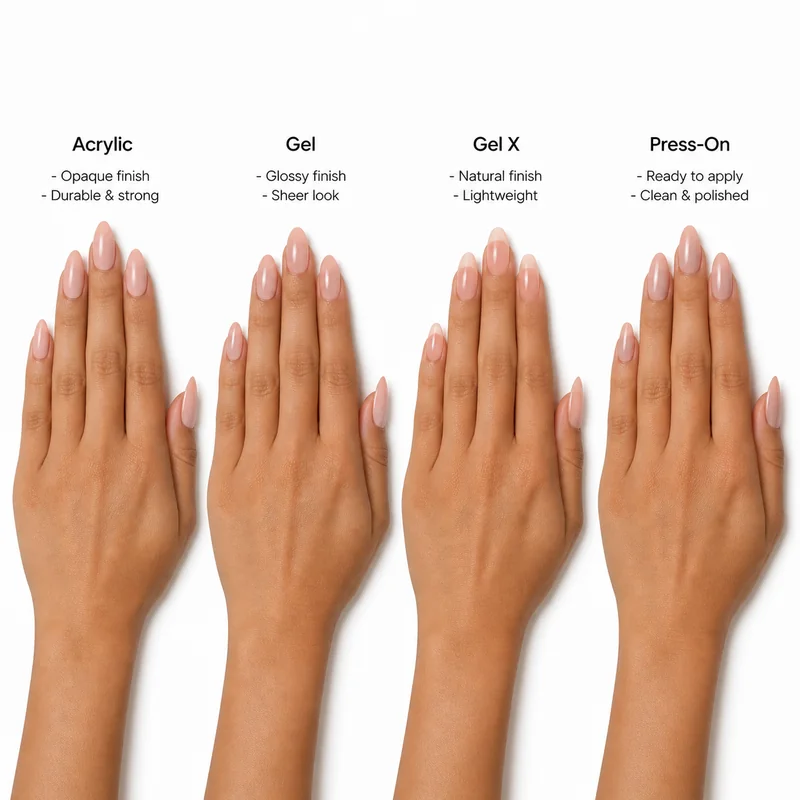
All four methods work for almond. The right one depends on your lifestyle, budget, and how much salon time you want to commit.
Acrylic almond nails are the most durable and the most customisable for length. A skilled nail tech can sculpt any almond shape in acrylic — short and subtle or dramatically long. Fill appointments every 2–3 weeks. The trade-off is the removal process, which requires acetate soaking and can weaken the natural nail over time.
Gel almond nails offer a more flexible, lighter-weight alternative. Gel-X in particular (a soft gel extension system) has become hugely popular for almond shapes because it produces a natural-looking result with minimal damage at removal. Consider noting nail health considerations if you're wearing extensions frequently — gel manicure nail health is worth reading before committing to a long-term extension routine.
Builder gel / BIAB is the best option for natural nail almond. No extension, just reinforcement — the gel hardens the natural plate and allows the almond taper to hold without the nail bending or breaking.
Press-on almond nails are the entry point. The quality has improved dramatically; a well-made press-on set in an almond shape now looks near-indistinguishable from a salon set at a fraction of the cost. Our guide to press-on almond nails covers the best tried-and-tested picks if you want to go that route.
Are Almond Nails High Maintenance — and Do They Break Easily?
Depends entirely on the application method. The shape itself isn't inherently fragile — the "almond nails break if you look at them wrong" reputation comes from people wearing them long on thin natural nails with no reinforcement. That's a maintenance problem, not a shape problem.
On a properly reinforced natural nail or a quality extension set, almond nails are no more prone to breaking than any other tapered shape. The structural weak point is the tip (where the taper narrows), which is why length management matters. A shorter almond, or one built over BIAB, holds up well through daily life.
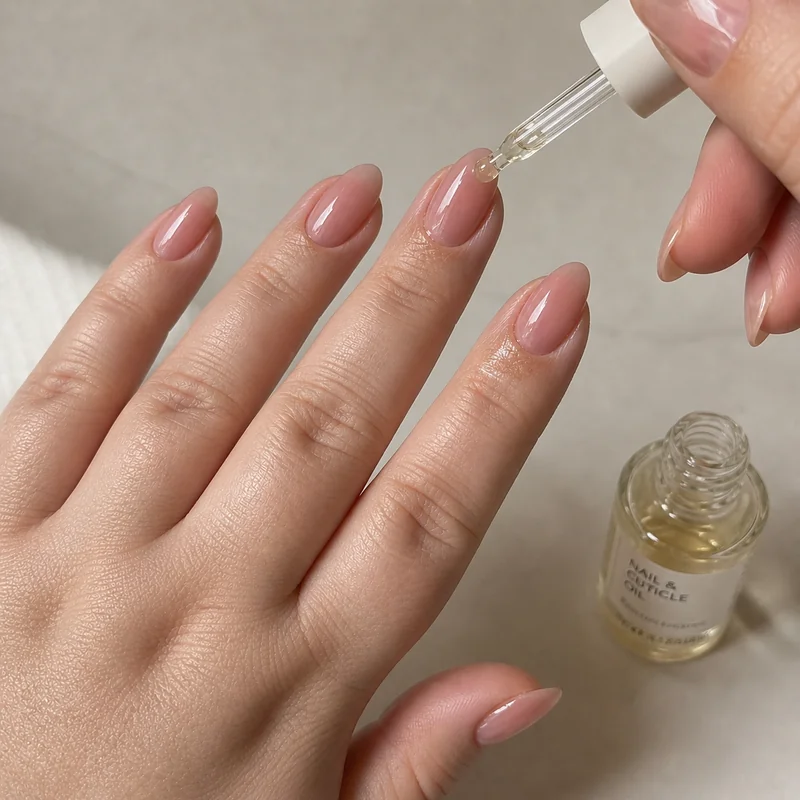
Maintenance schedule varies by method: gel fills every 2–3 weeks, acrylic fills at the same interval, natural nail almond retouching as needed when growth creates gaps at the cuticle. Cuticle oil daily — not a luxury, it genuinely maintains the flexibility of the nail plate and reduces breakage at the free edge.
What Nail Designs and Colours Actually Look Best on an Almond Shape?
The taper acts as a built-in frame. Almost every design reads well on almond because the pointed tip gives the eye somewhere to travel — it creates natural directional movement across the nail. That said, some pairings are exceptional.
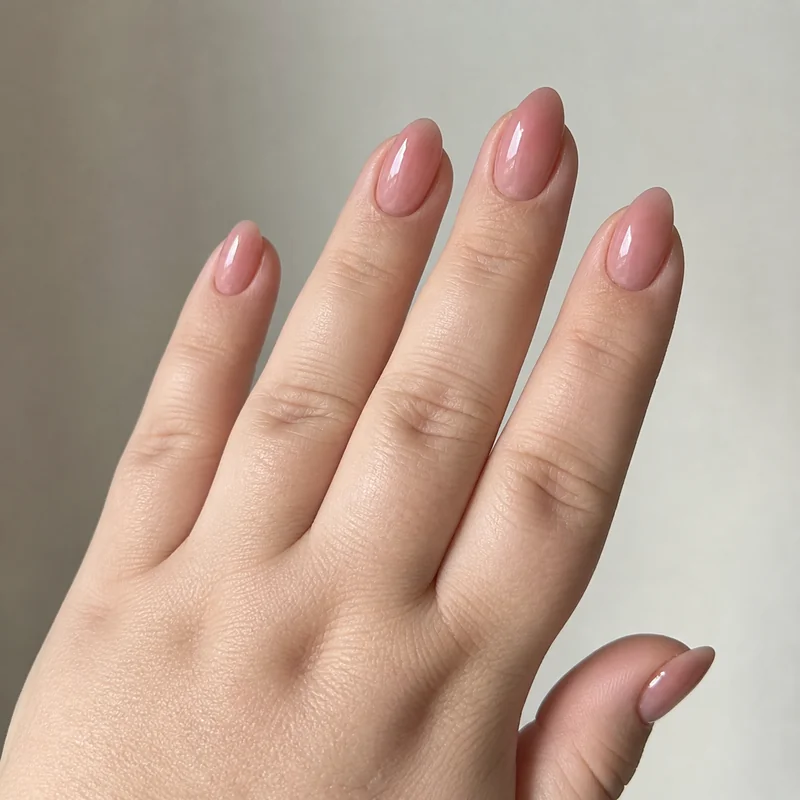
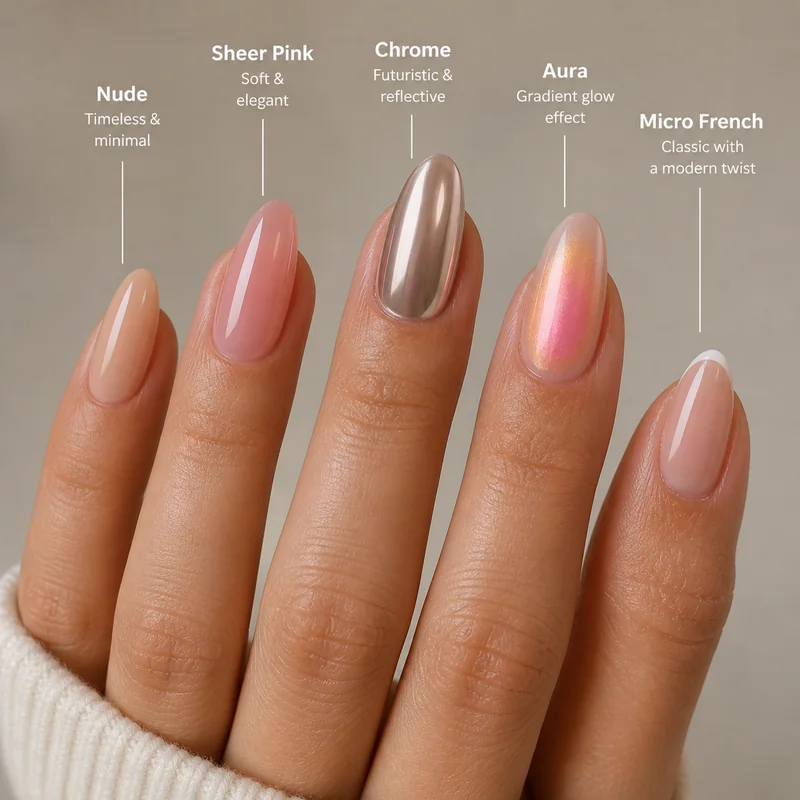
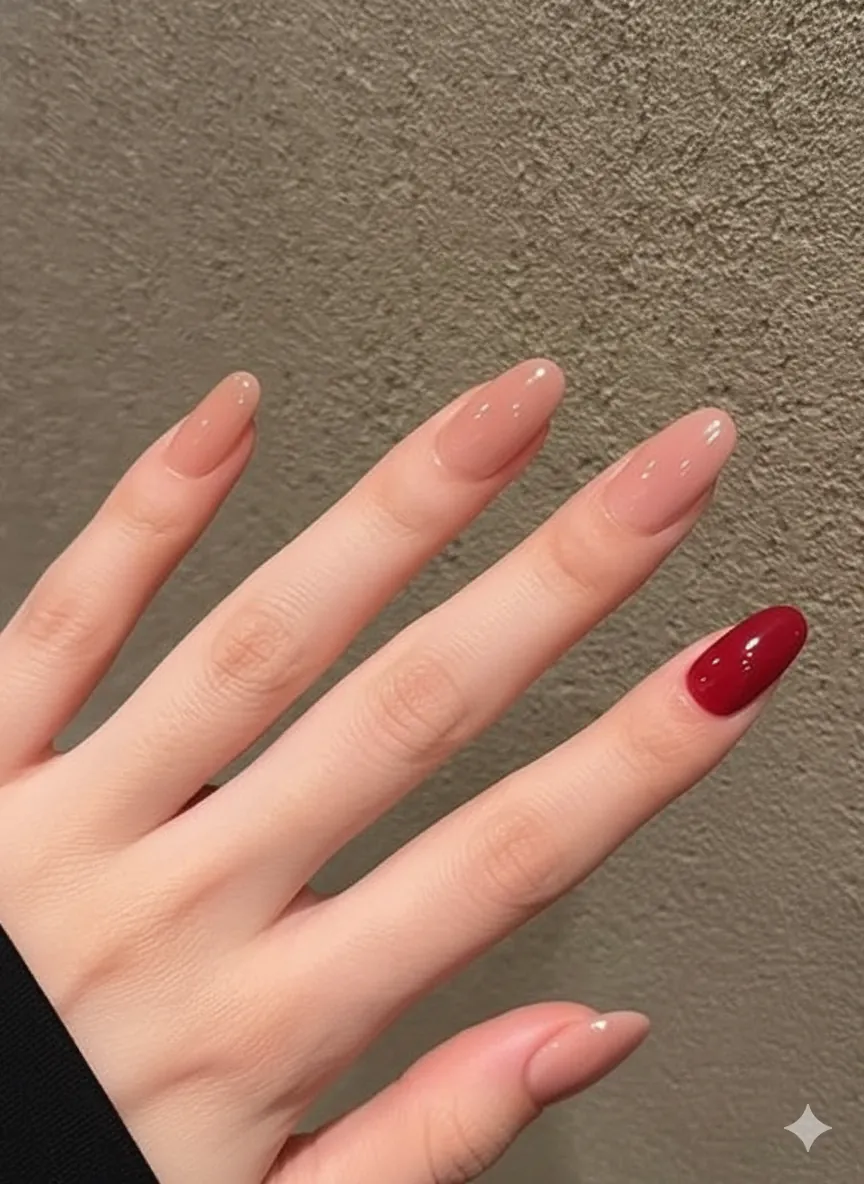
Nude and sheer — the classic almond pairing. A sheer nude or milky pink emphasises the shape itself rather than competing with it. Quiet luxury done properly.
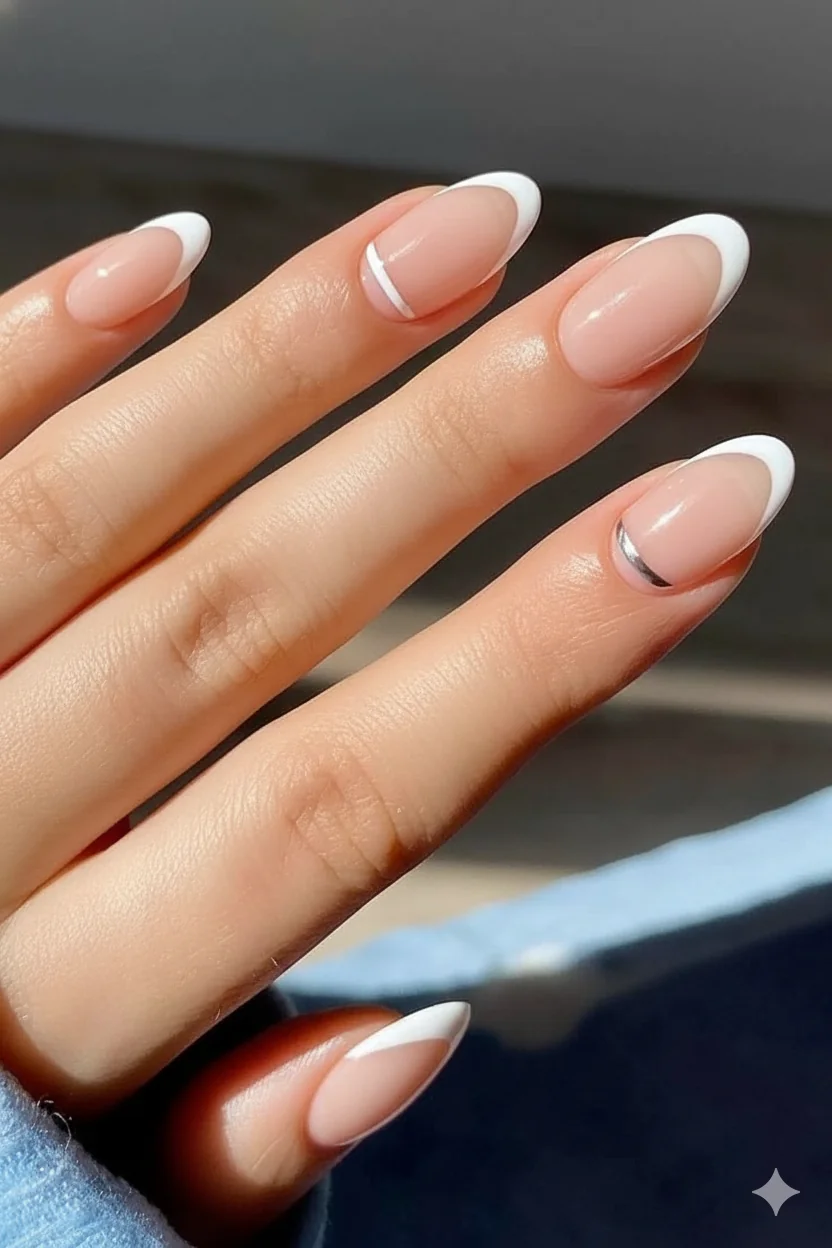
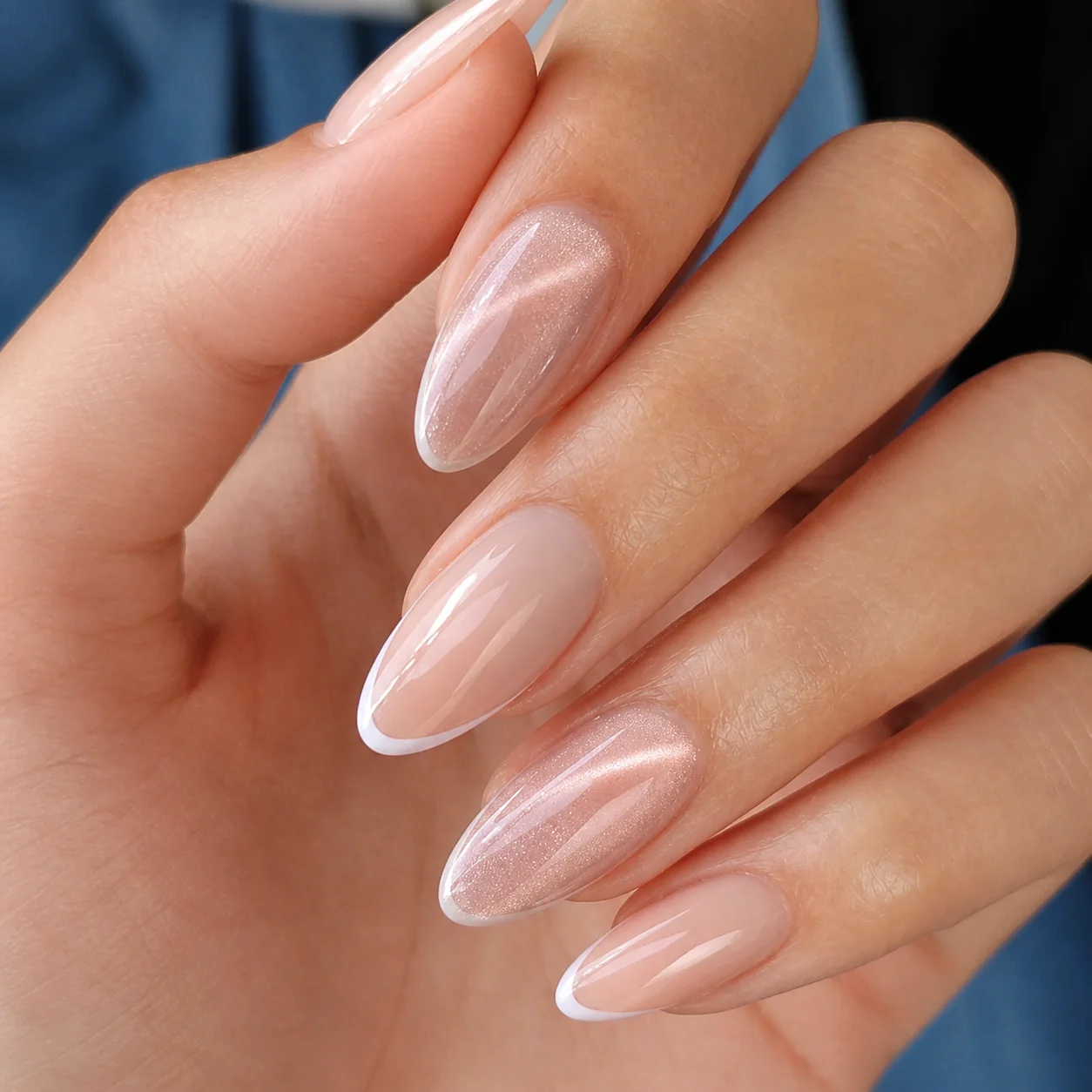
French tips — the almond shape is arguably the best canvas for a French tip. The curved smile line mirrors the rounded peak of the nail, creating a cohesive look. 2026 nail shape trends from New Beauty confirm the "modern French" on almond as one of the strongest looks of the year. Our dedicated guide to French tip almond nails covers every variation worth bookmarking.
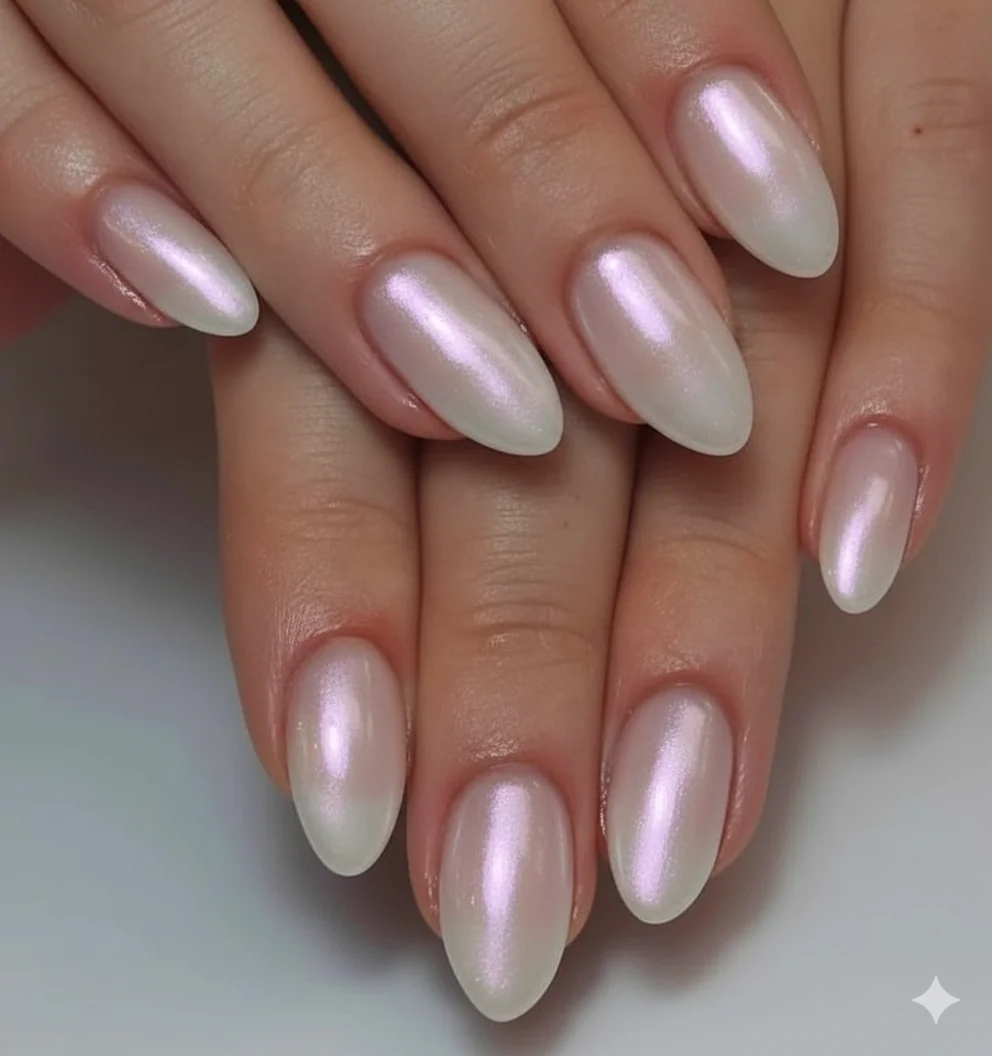
Chrome and mirror finishes — the taper catches light differently across the nail surface, making chrome finishes look more dimensional on almond than on flat shapes.
Aura nails — the soft gradient effect of aura nails blooms beautifully across the almond shape. The pointed tip concentrates the colour, making the diffused edges read as intentional.
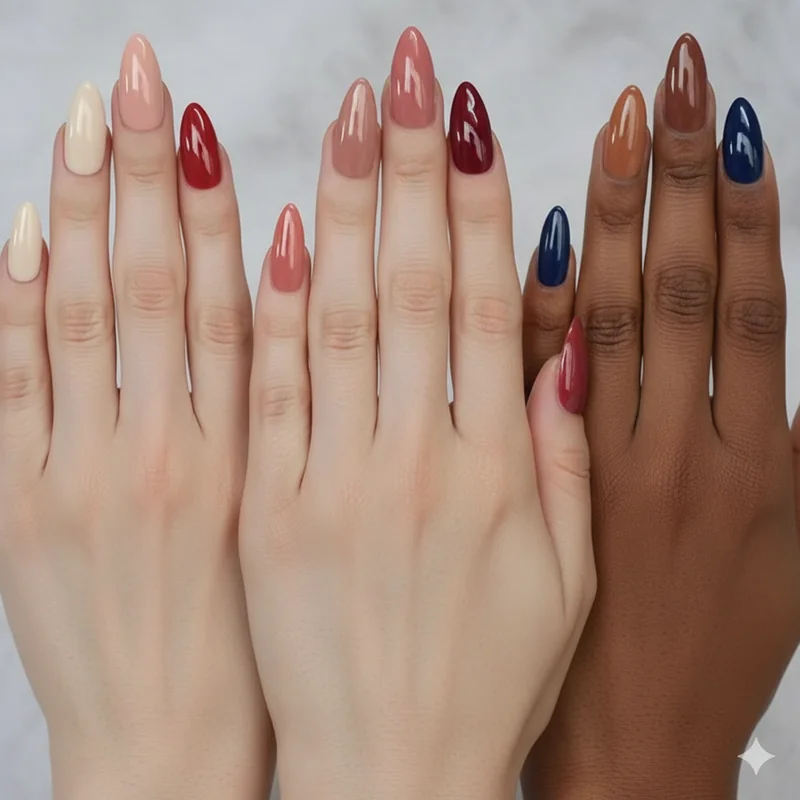
For colour pairings matched to specific skin tones, best almond nail colours by skin tone covers that in full.