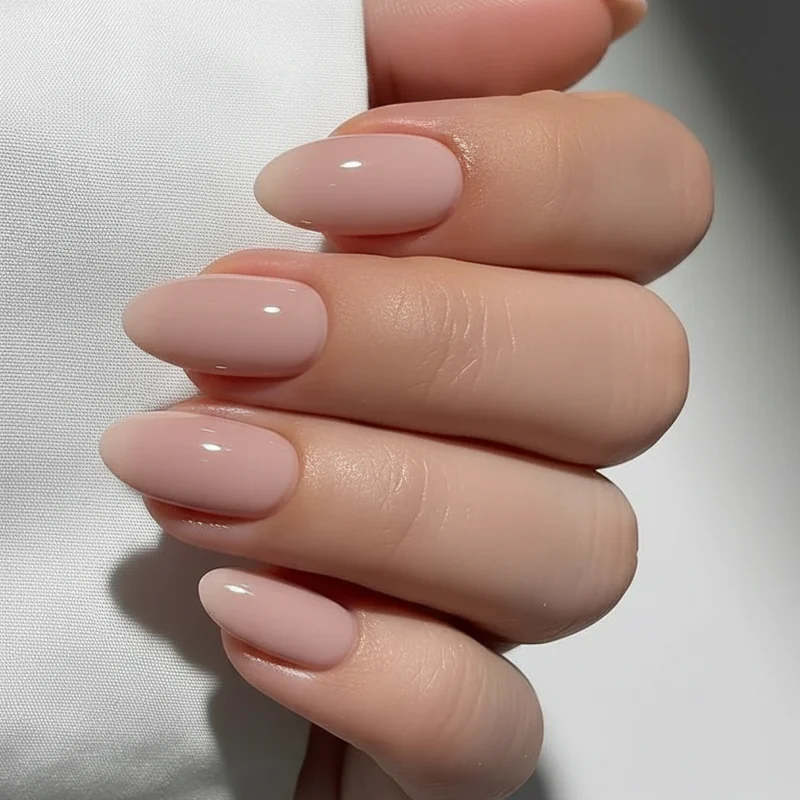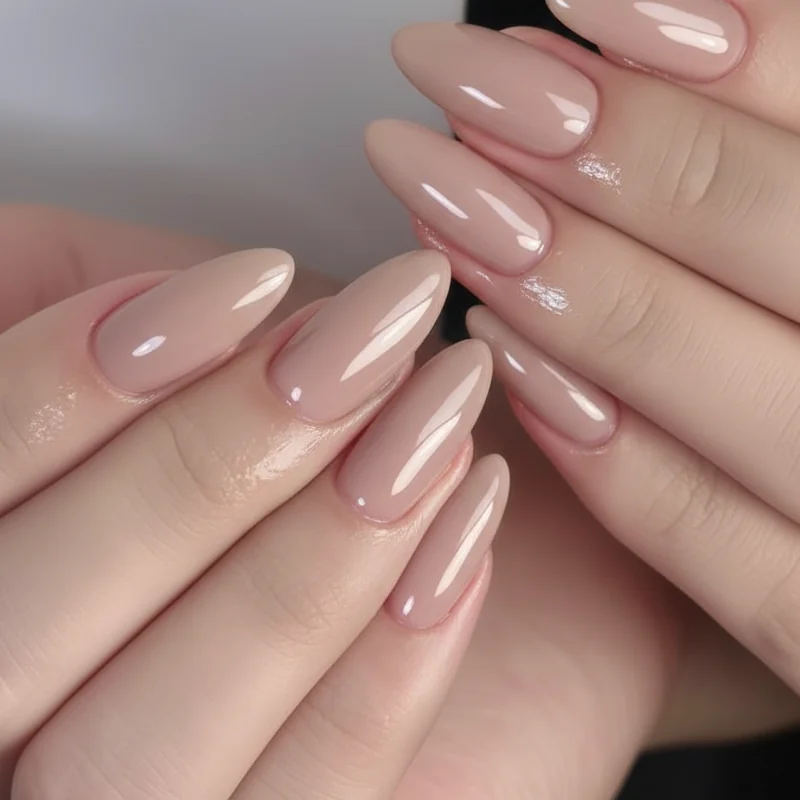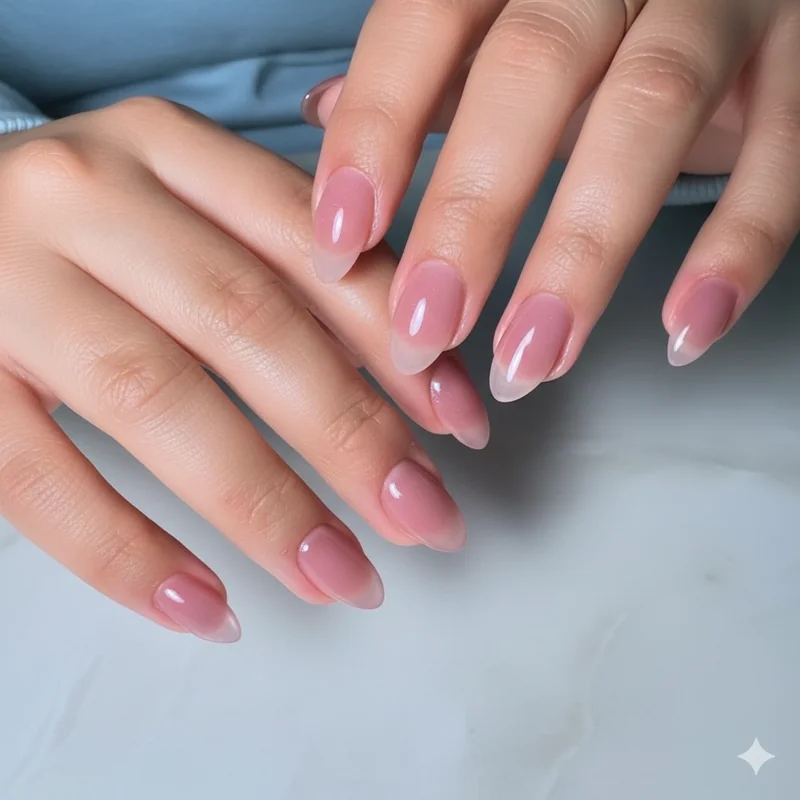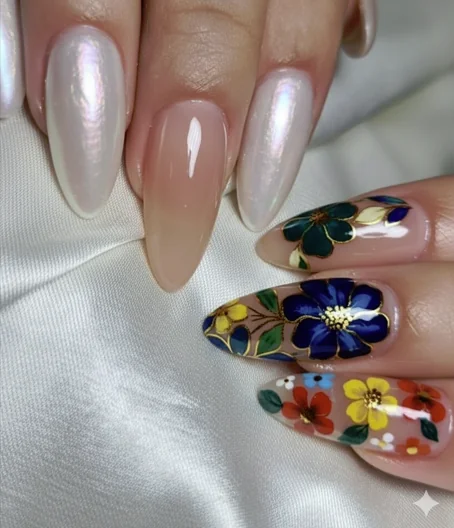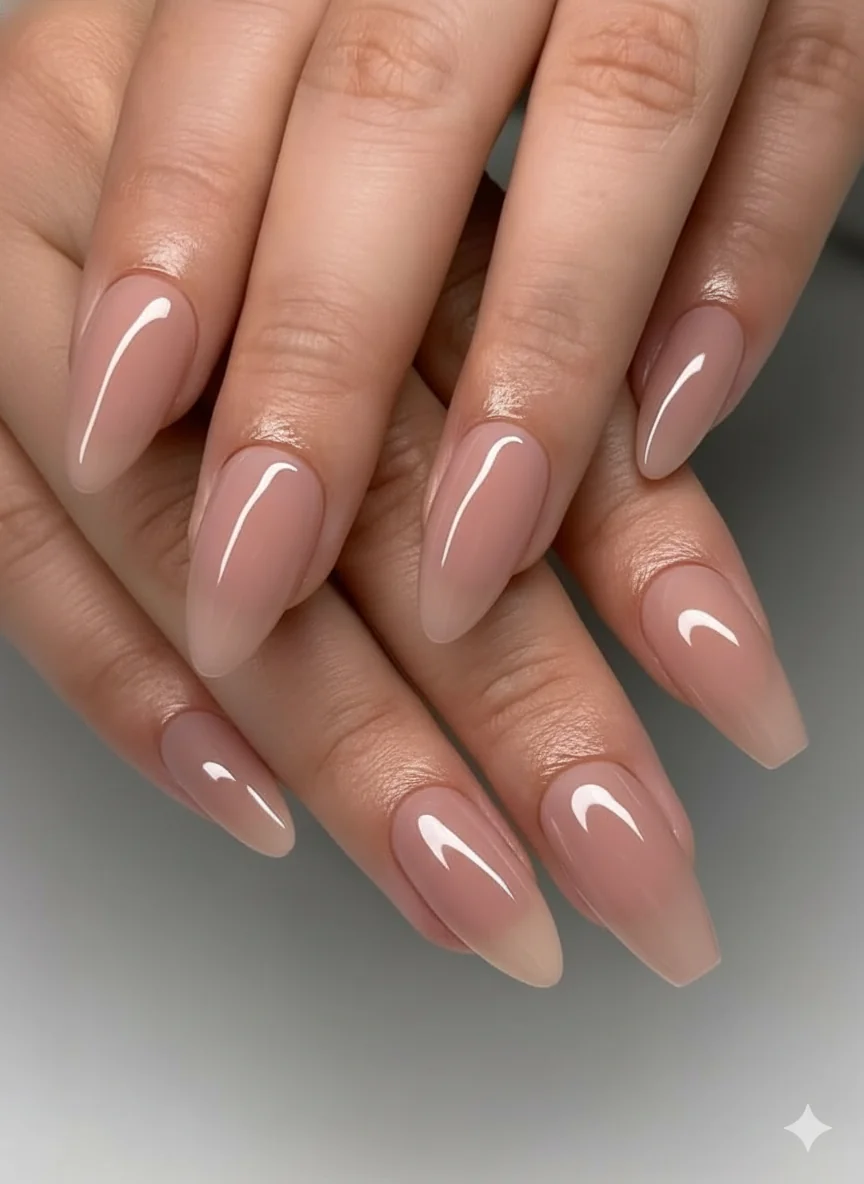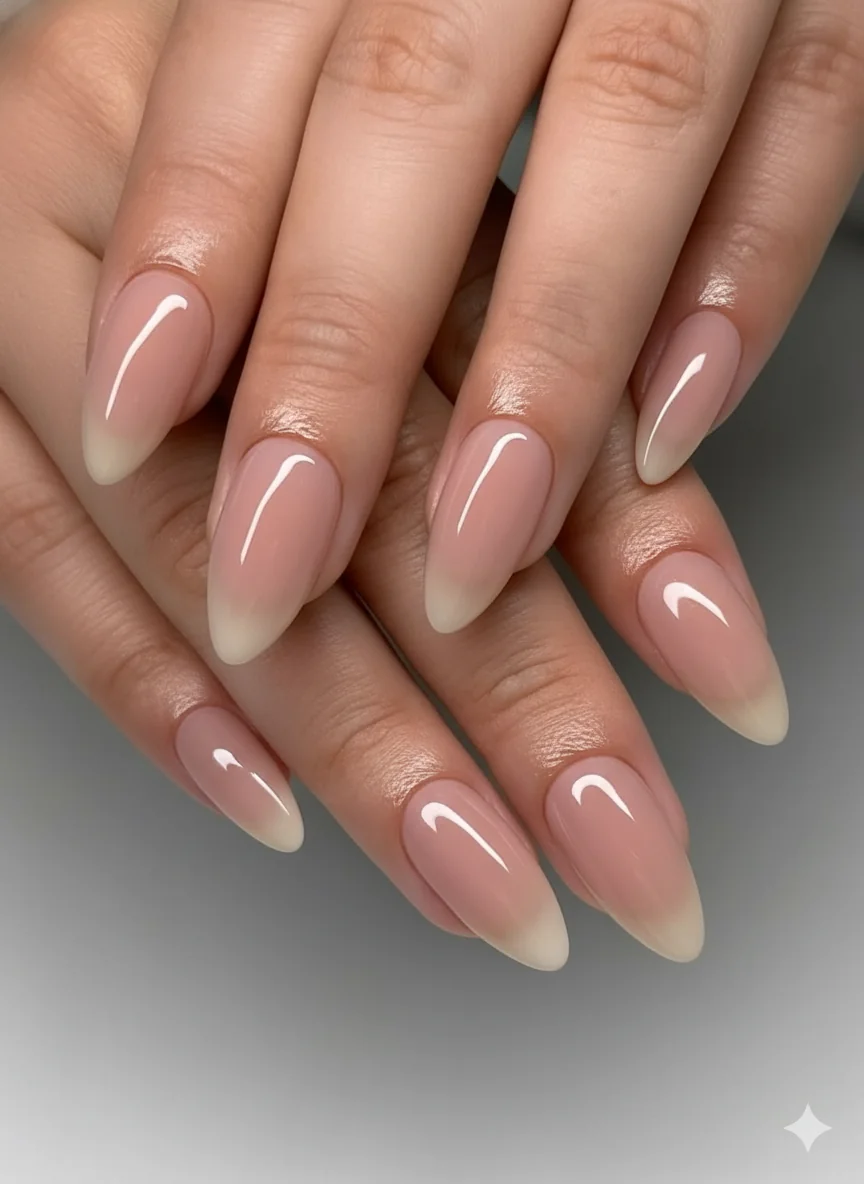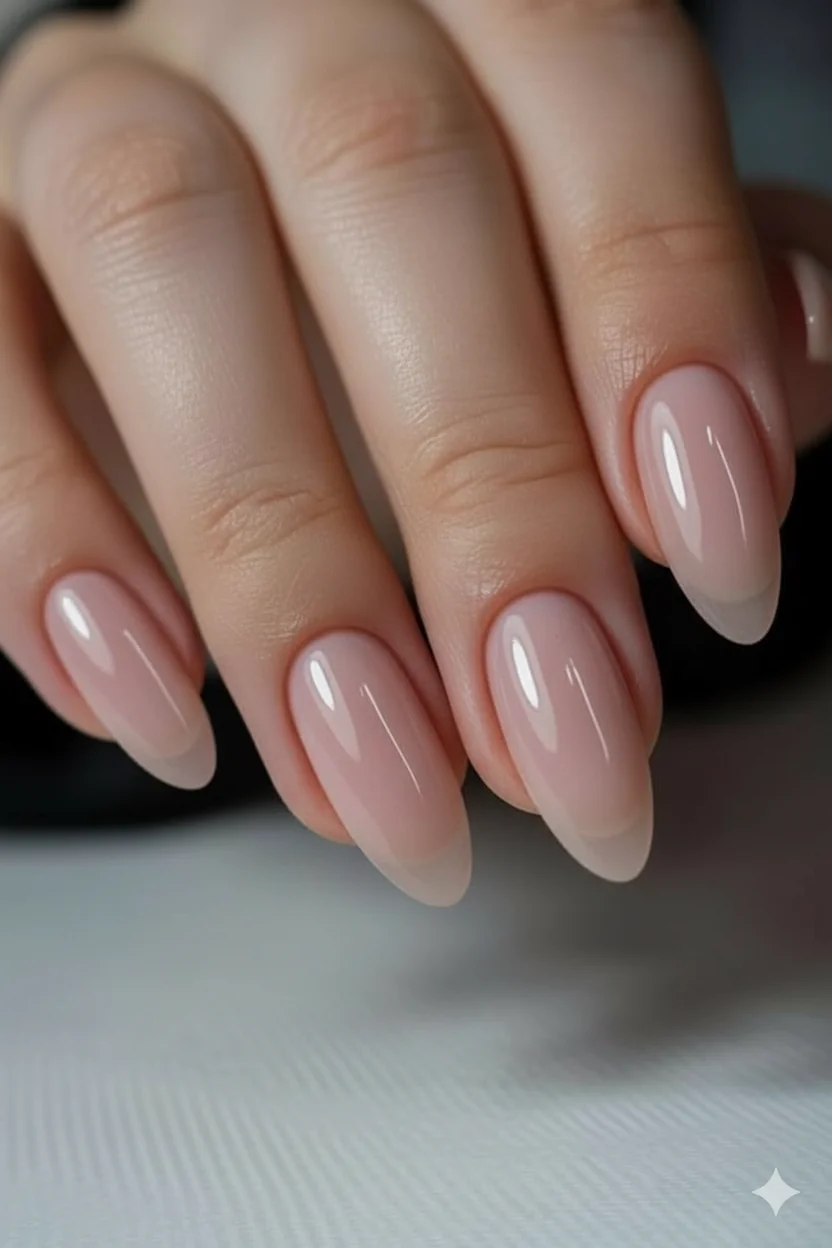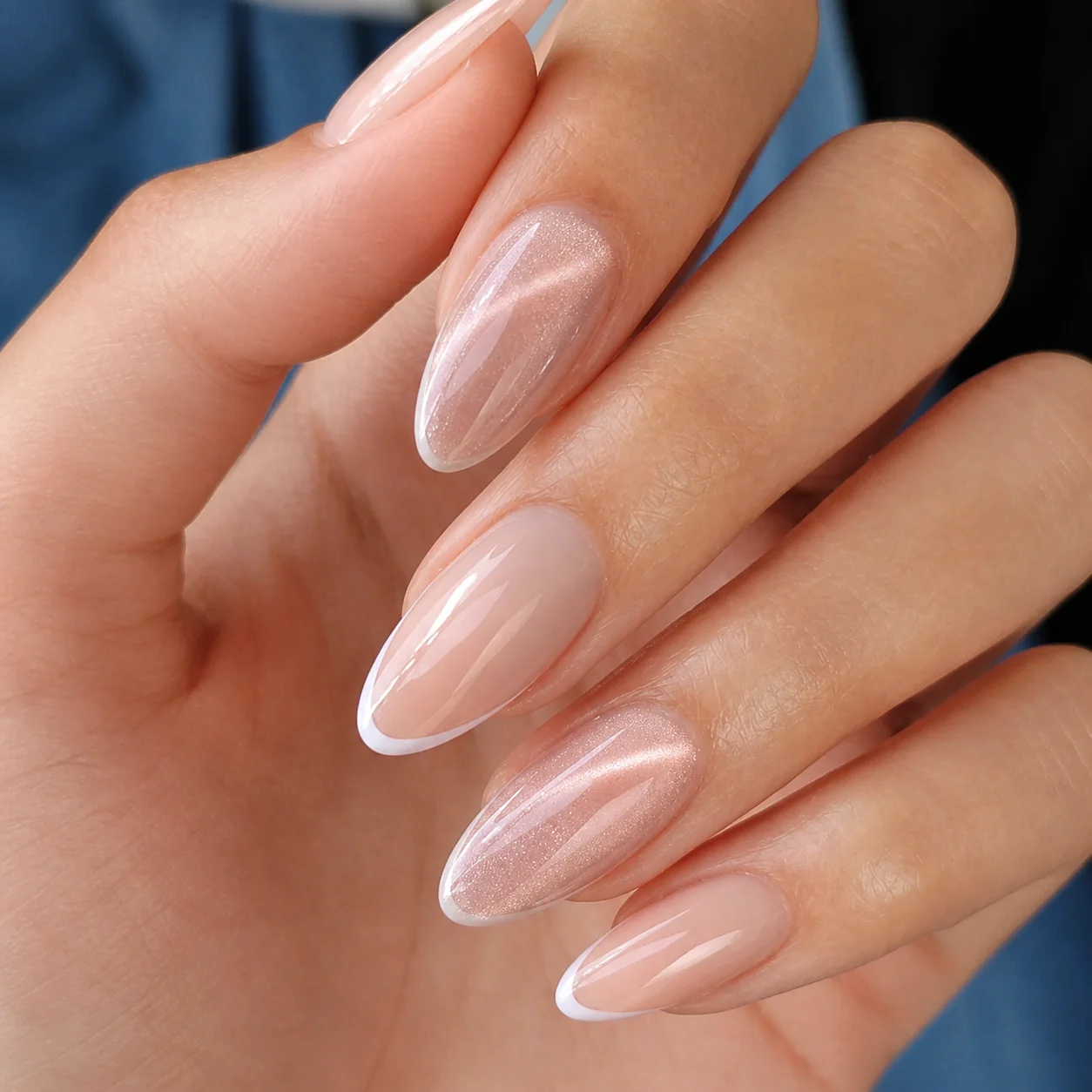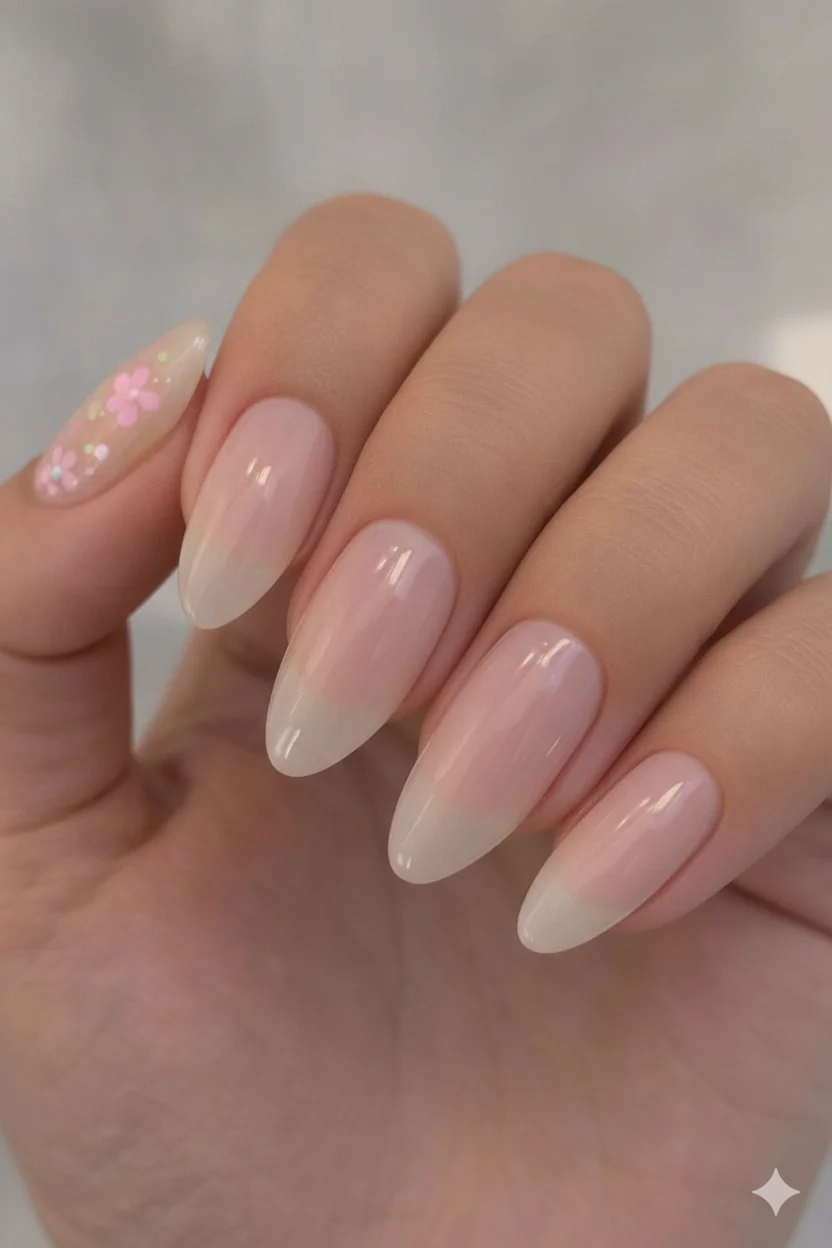
Short almond nails are proof that elegance is a shape question, not a length question. The tapered sides, the softly pointed tip, the way the silhouette makes fingers look longer without a single millimetre of extra nail — it all still holds when the length is kept modest. That is precisely why short almond nails have become the quiet obsession of 2026: they deliver the shape's visual payoff without the upkeep, the breakage risk, or the inconvenience of wearing something longer than your actual life allows.
If you want the full breakdown of almond as a shape — its history, its variants, and how it compares across lengths — the Almond Nails Complete Shape Guide is the place to start. This post is for the reader who has already decided she wants almond, but shorter. The one quietly asking whether it can actually work on her hands.
It can. Here is everything you need to know.
What Exactly Are Short Almond Nails — and How Do They Differ from Regular Almond Shape?
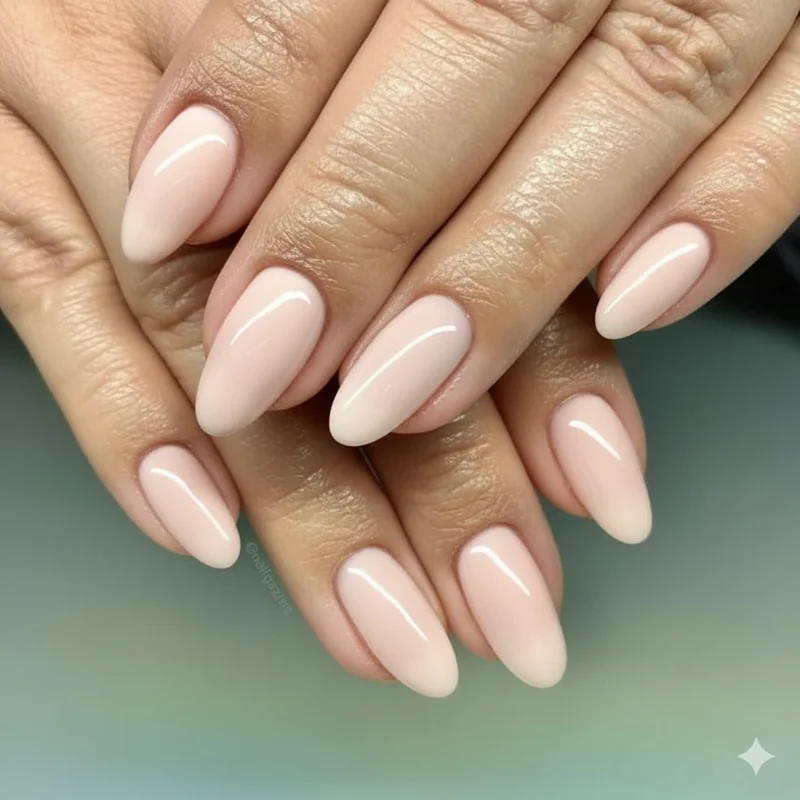
The almond shape is defined by two things: sides that taper inward from the widest point of the nail plate, and a tip that comes to a soft, rounded point rather than the blunt edge of a square or squoval. Short almond nails apply that same structural principle to a length that sits just at or barely past the fingertip — nothing dramatic, nothing that gets in the way of a keyboard.
"Micro almond" or "baby almond" are the terms circulating on NailTok for the most minimal expression of the shape. These sit almost flush with the fingertip, with only the faintest outward taper visible. They read more polished than round, more refined than squoval, but require virtually no additional length to achieve. Short almond shaped nails, by contrast, allow for a free edge of perhaps two to three millimetres — enough to make the taper clear and the silhouette unmistakable, without any of the length anxiety.
What separates short almond from short oval is the degree of inward filing at the sides. Oval follows the natural curve of the finger. Almond narrows more deliberately, creating a visually slimmer nail plate. The tip on almond also comes to a slightly more defined point. The difference in practice is subtle — but it is visible, and it is what gives the shape its characteristic elegance.
Why Are Short Almond Nails the Shape Everyone Is Asking for in 2026?
The broader nail conversation in 2026 has moved decisively away from excess. The maximalist acrylics and stiletto lengths that dominated the early part of the decade have given way to something more considered — what nail artists and editors are calling the "natural nail movement." The 2026 nail trend expert predictions from Woman & Home and Marie Claire's April 2026 nail trend report both point toward shorter lengths, softer shapes, and a preoccupation with finish quality over structural drama.
Short almond fits this moment precisely. It offers the shape's inherent sophistication — the elongation, the refinement — while reading as deliberately understated rather than high-maintenance. The "quiet luxury" aesthetic that has filtered through fashion into beauty has found its nail expression here: a manicure that signals taste without announcing effort.
There is also a practical dimension driving the shift. Nail care advice from dermatologists consistently favours shorter nail lengths for structural integrity and hygiene — and the wider conversation around nail health has made shorter, well-maintained nails aspirational in a way they simply were not five years ago. Short almond is the shape that sits at that intersection: visually intentional, practically sensible.
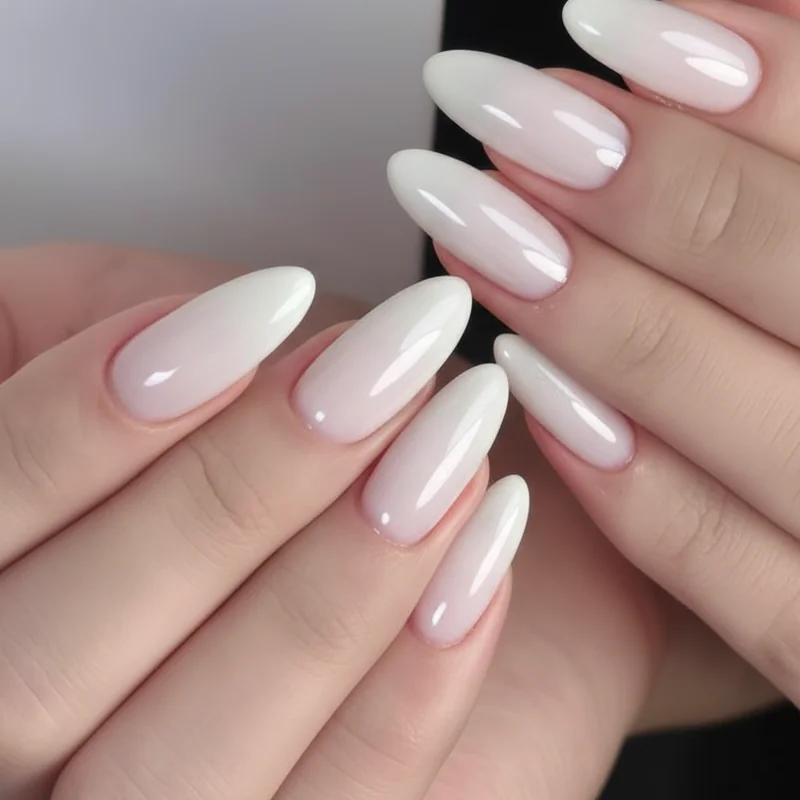
Do Short Almond Nails Actually Suit Short Fingers — or Is That Just a Myth?
The myth runs something like this: almond nails are for long fingers. It is repeated often enough that many readers with shorter fingers have simply never tried the shape. It is also wrong.
The almond shape works on shorter fingers precisely because of its structure. The inward taper at the sides visually narrows the nail plate, and the pointed tip draws the eye upward along the nail rather than across the hand. The result is an elongating optical effect that has nothing to do with actual nail length. A short almond on a short finger will still read as longer than a blunt square on the same hand.
Wide nail beds are a different concern, and a legitimate one. The inward taper can feel counterintuitive on a wider plate — but it works. The key is angle: the sides should be filed to narrow gradually rather than sharply. A gentle slope, rather than an aggressive cut, produces a taper that looks intentional rather than strained. If anything, the short almond shape is particularly useful for wider nail beds because it introduces a vertical line where there would otherwise only be width.
Narrow nail beds, by contrast, suit short almond almost by default. The taper accentuates rather than corrects — the silhouette naturally reinforces what is already there.
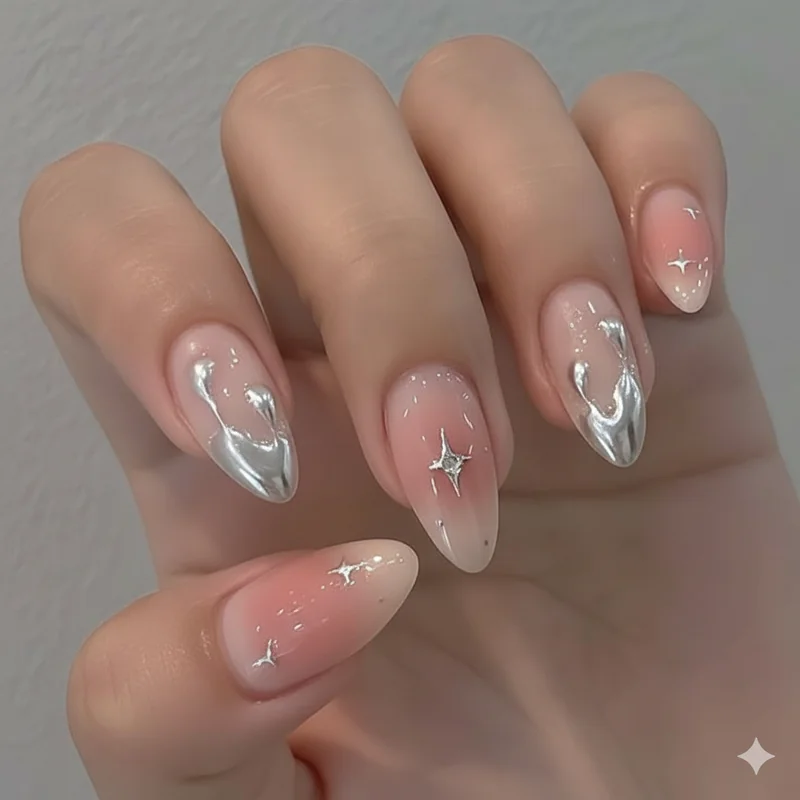
Can You Get the Almond Shape If Your Natural Nails Are Very Short?
This is the question behind the question for most readers who land here. The answer is yes — but the route depends on where you are starting from.
If your natural nails have any free edge at all, even a millimetre or two, a skilled nail technician can file them into a true short almond shape. The taper is created through the angle of filing at the sides, not through length. Nail tech guidance on short almond shaping from Paola Ponce Nails confirms that most natural nails with even minimal growth can be shaped to almond with the right technique and without compromising nail integrity.
For nails that are genuinely bitten down or broken right to the quick, BIAB (Builder in a Bottle) or a thin gel overlay is the most practical solution. BIAB adds a small amount of structure to the nail, allowing the technician to build a slight free edge and file it into shape. One service period — typically two to three weeks — is usually enough to create a workable short almond from almost nothing. For a no-commitment alternative, press-on almond nails are a reliable way to experience the shape before committing to the grow-out.
For the full filing technique, including the precise angle and motion that produces a clean almond taper at home, see the how to shape almond nails guide.
Short Almond vs Oval Nails: Which Shape Is Actually Right for Your Hands?
Both shapes are rounded. Both work at short lengths. The difference is in how they achieve their effect and what they communicate on the hand.
Oval follows the natural contour of the fingertip — a smooth, even curve with no strong inward taper at the sides. It is universally wearable, forgiving across hand types, and reads as clean and polished without much editorial personality. Oval is the shape you wear when you want your nails to look beautiful without drawing attention to themselves.
Short almond is more deliberate. The taper at the sides creates a slimmer, more defined silhouette — there is a clear point of intent in the shape. It reads as more fashion-forward than oval, but without the maintenance or drama of a longer length. If oval is the classic, almond is the considered choice.
For hands with narrow fingers and standard nail beds, either works. For hands where elongation is the priority — shorter fingers, wider nail beds — short almond tends to do more work. For those who file their own nails and want a forgiving shape to maintain, oval is simpler. For those willing to invest a small amount of extra care in the filing angle, short almond returns more.
The complete shape-by-shape breakdown, including how almond compares across all nail types, lives in the Almond Nails Complete Shape Guide.
The Best Colours for Short Almond Nails in 2026
Short lengths do not limit your colour options — they shift the logic of how colours read. On a smaller canvas, finish and tone do more work than formula.
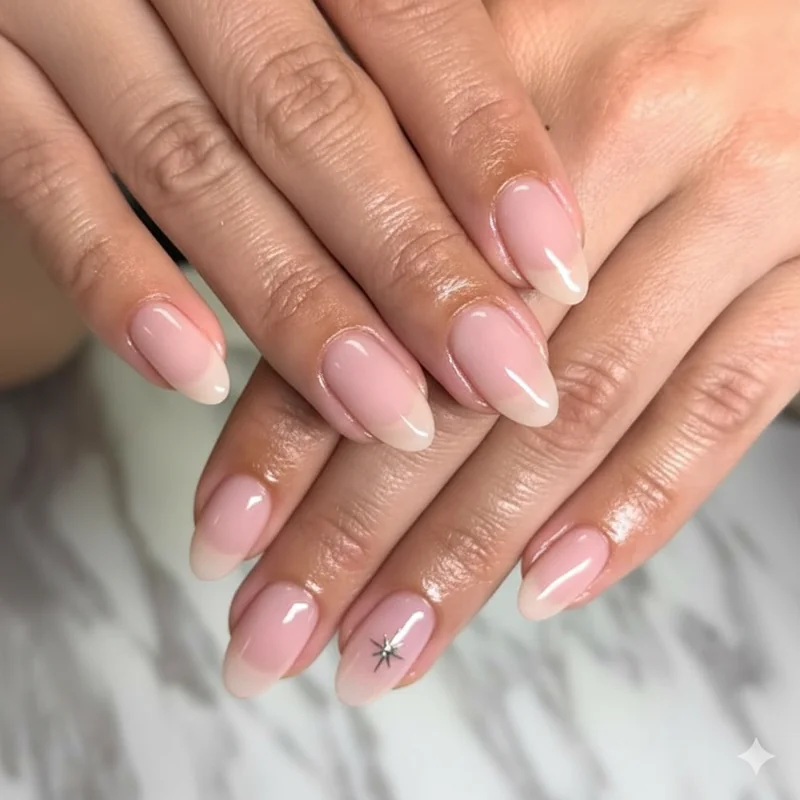
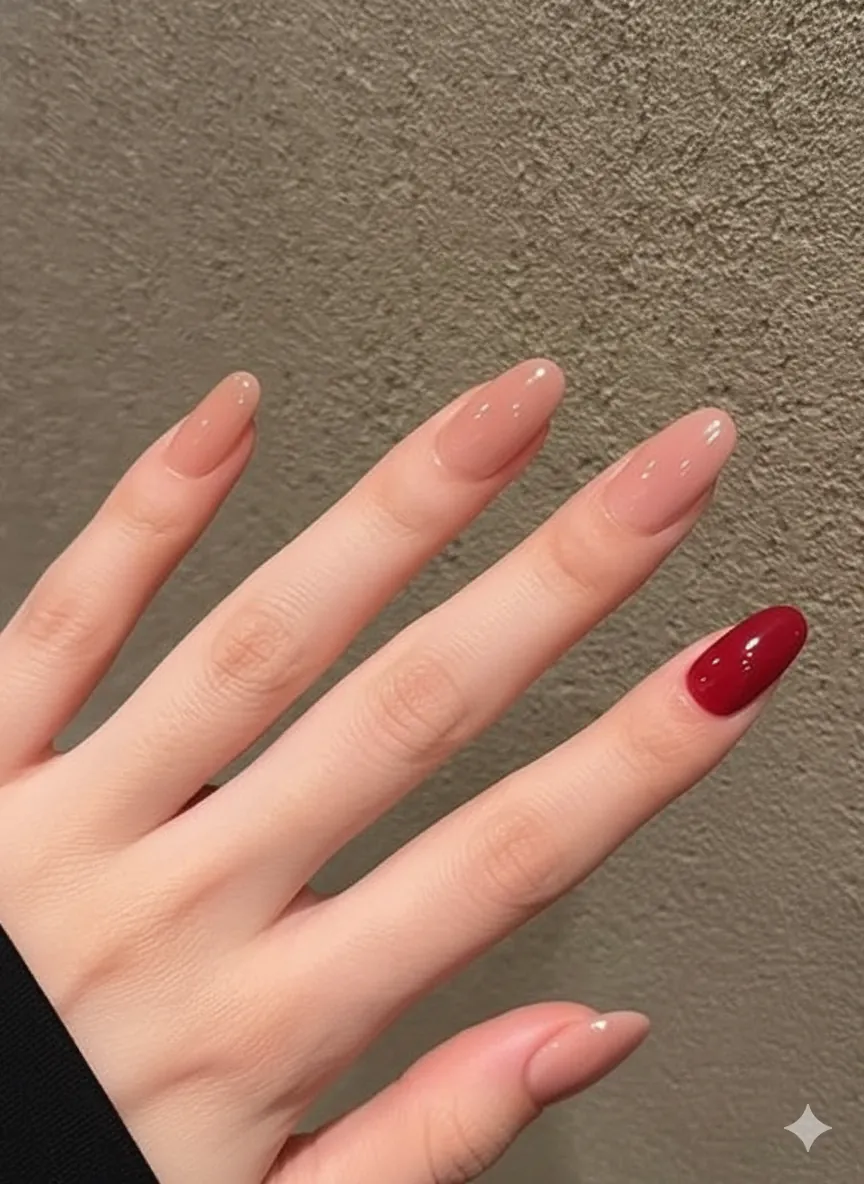
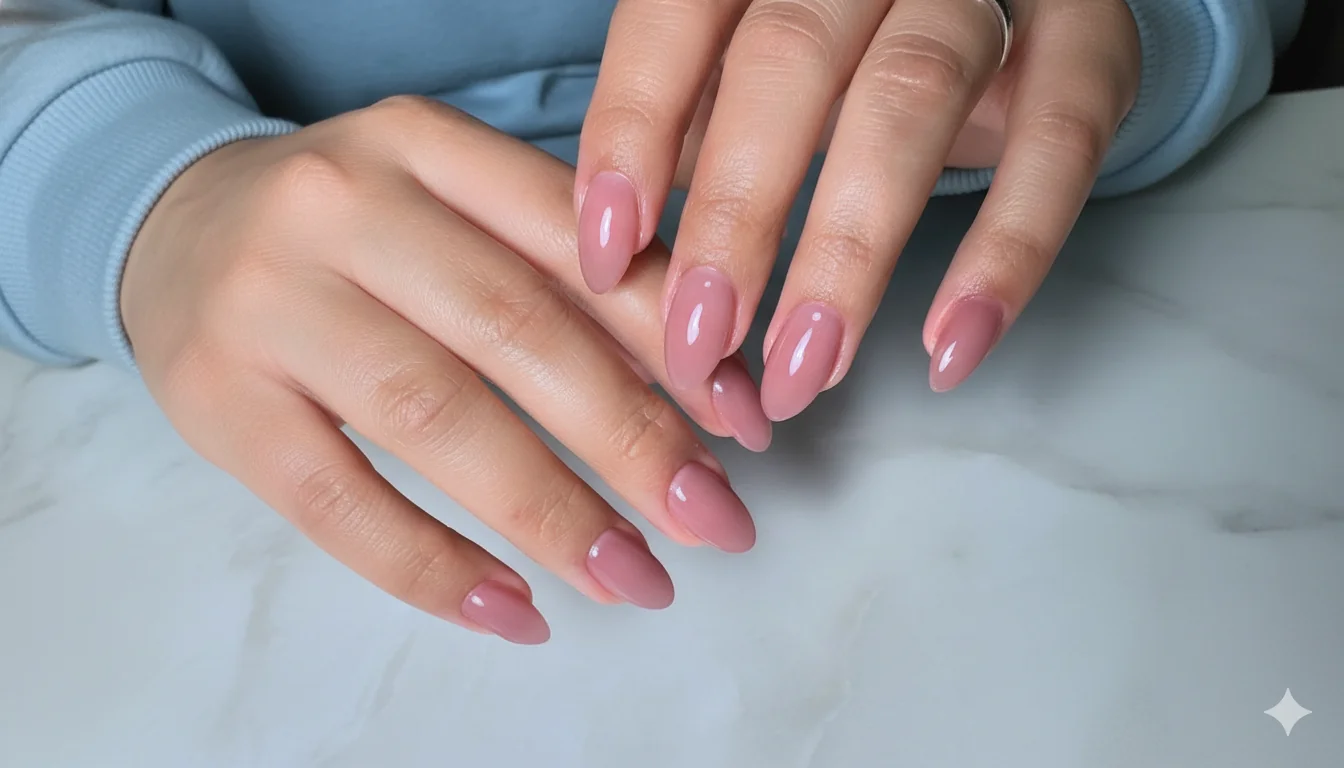
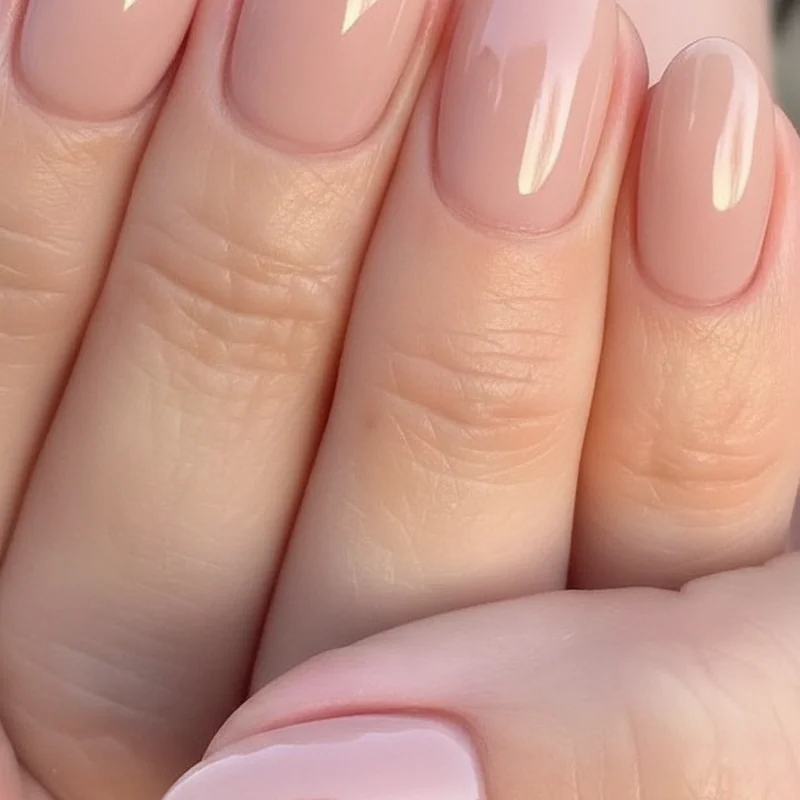
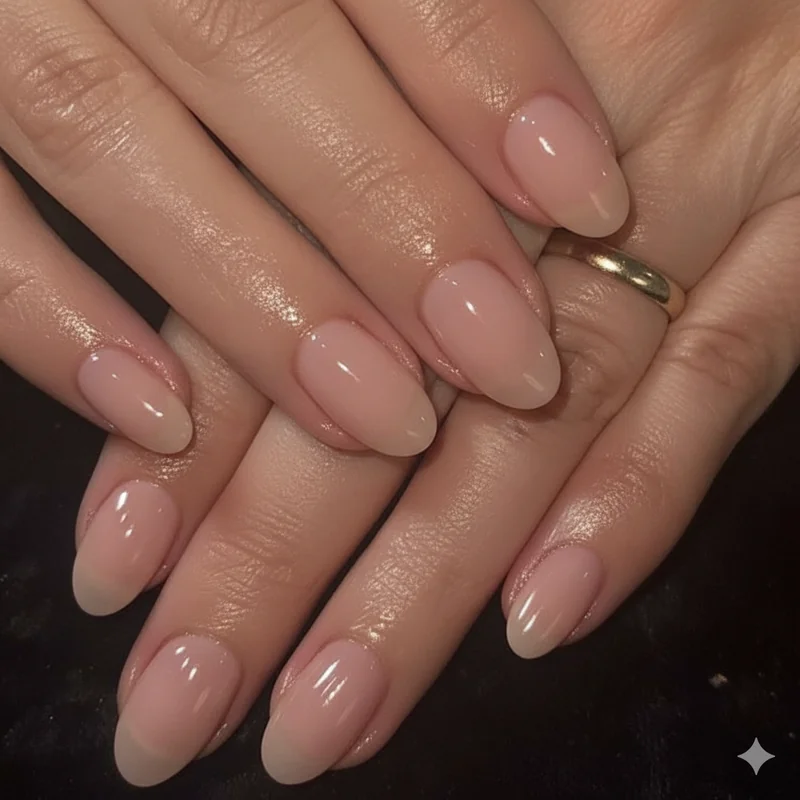
Milky white and sheer nudes are the most searched shades for short almond nails in 2026, and for good reason: they elongate without competing with the shape. A single coat of milky sheer over the natural nail — what the community calls the "your nails but better" look — lets the taper and silhouette do all the visual work. Soft chrome, particularly silver and pearl, behaves similarly: the reflective finish creates depth and draws the eye along the nail rather than stopping it.
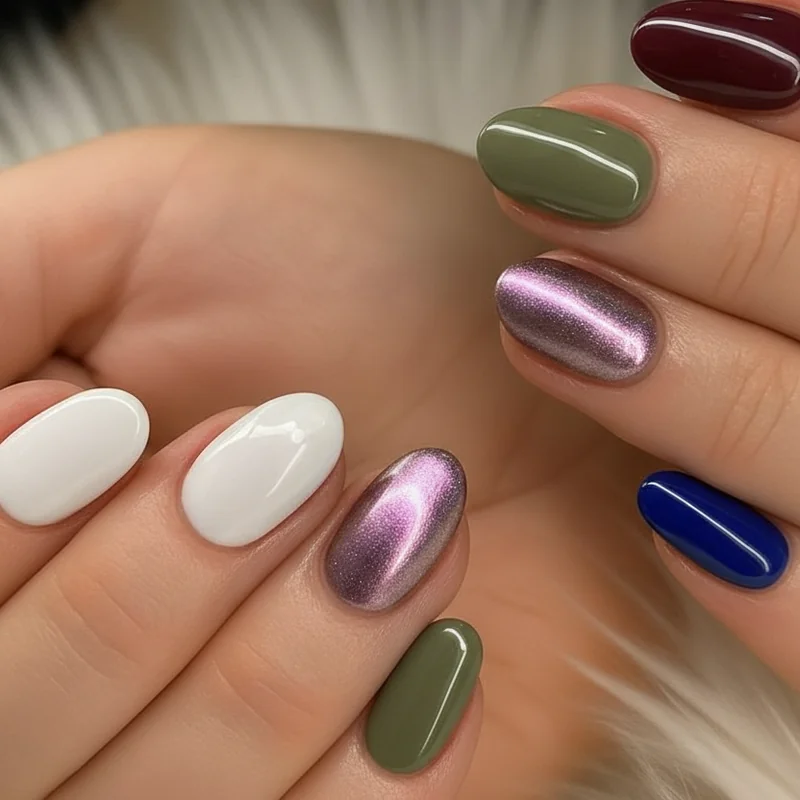
Deep colours work beautifully at shorter lengths when the shade is rich rather than dark for darkness's sake. Burgundy, cherry red, and mocha are the 2026 palette darlings — worn on short almond, they read as sophisticated rather than gothic. Butter yellow and soft sage are the lighter alternatives that have moved beyond seasonal relevance; both sit with the quiet luxury aesthetic that is dominating 2026 manicure conversation.
For occasion-specific guidance — what reads as boardroom-appropriate versus weekend-relaxed — and for colour recommendations mapped to your specific skin tone, the best almond nail colours for every skin tone guide has the full breakdown.
The Short Almond Nail Designs Trending on NailTok Right Now
Length limits nothing in 2026. The designs gaining the most traction on short almond nails are, almost without exception, ones that rely on finish and detail rather than scale.
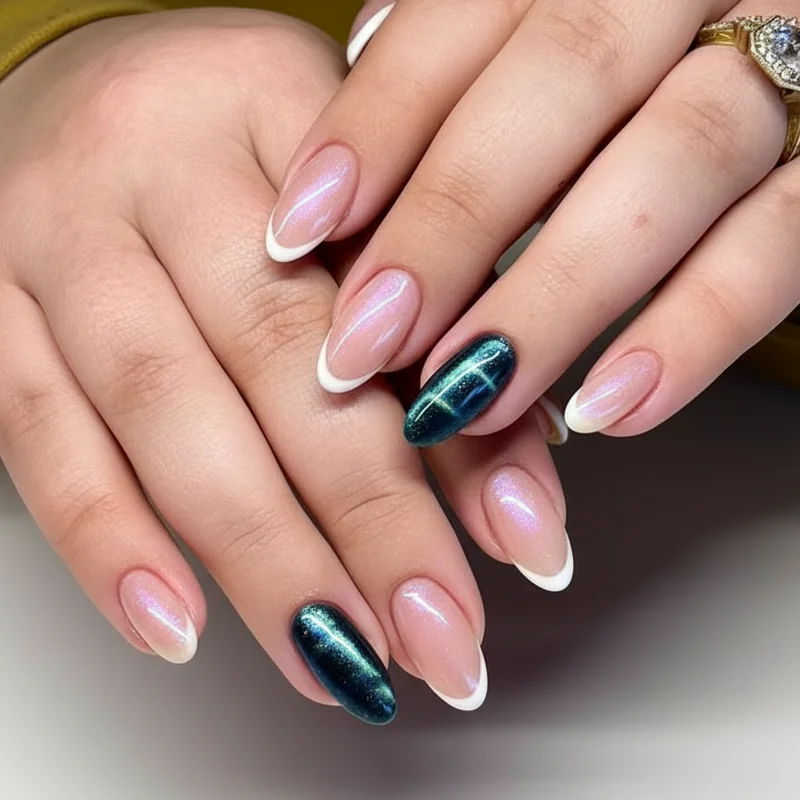
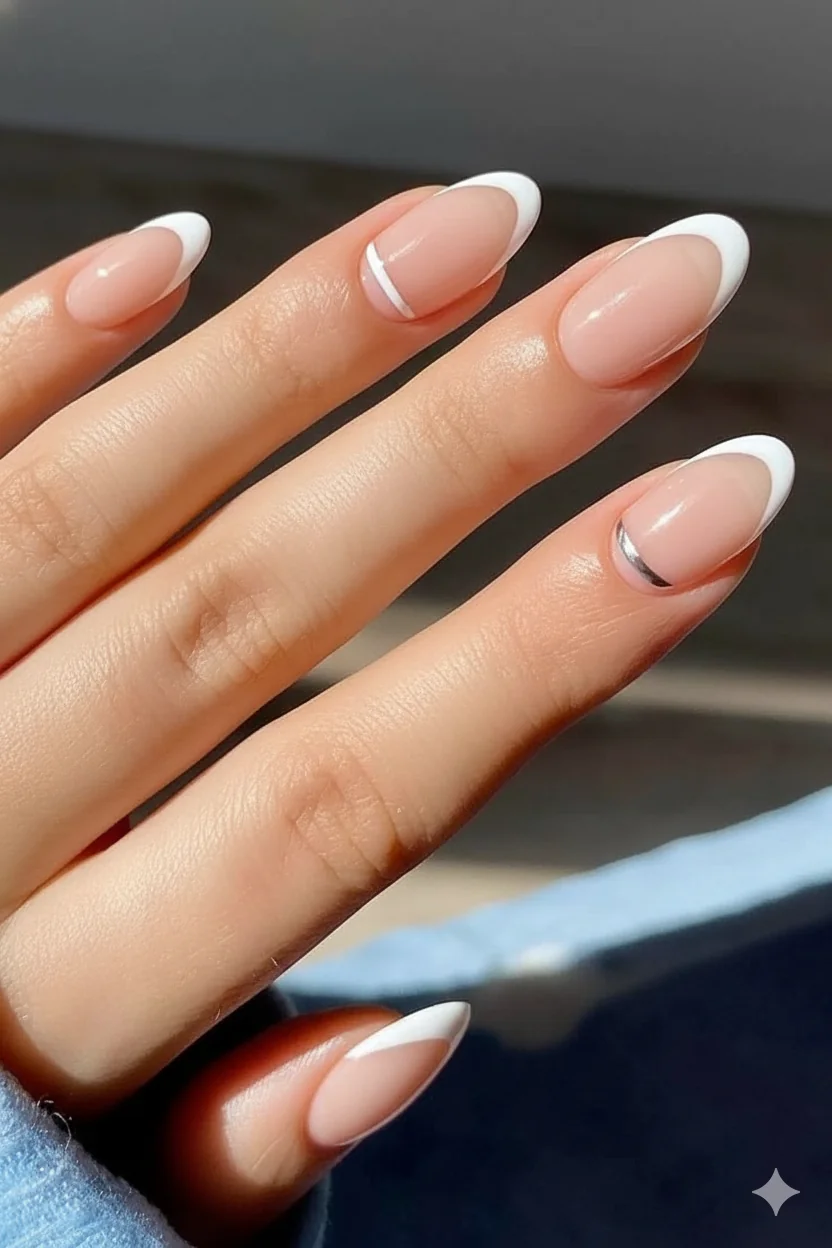
The micro-French tip has become the signature design for short almond — a thin, precise line of white or off-white at the tip of the taper, barely two millimetres wide. On almond, the angled tip means the French line follows the natural curve of the silhouette rather than sitting flat as it would on a square nail. The result is more refined than a traditional French, and significantly more wearable.
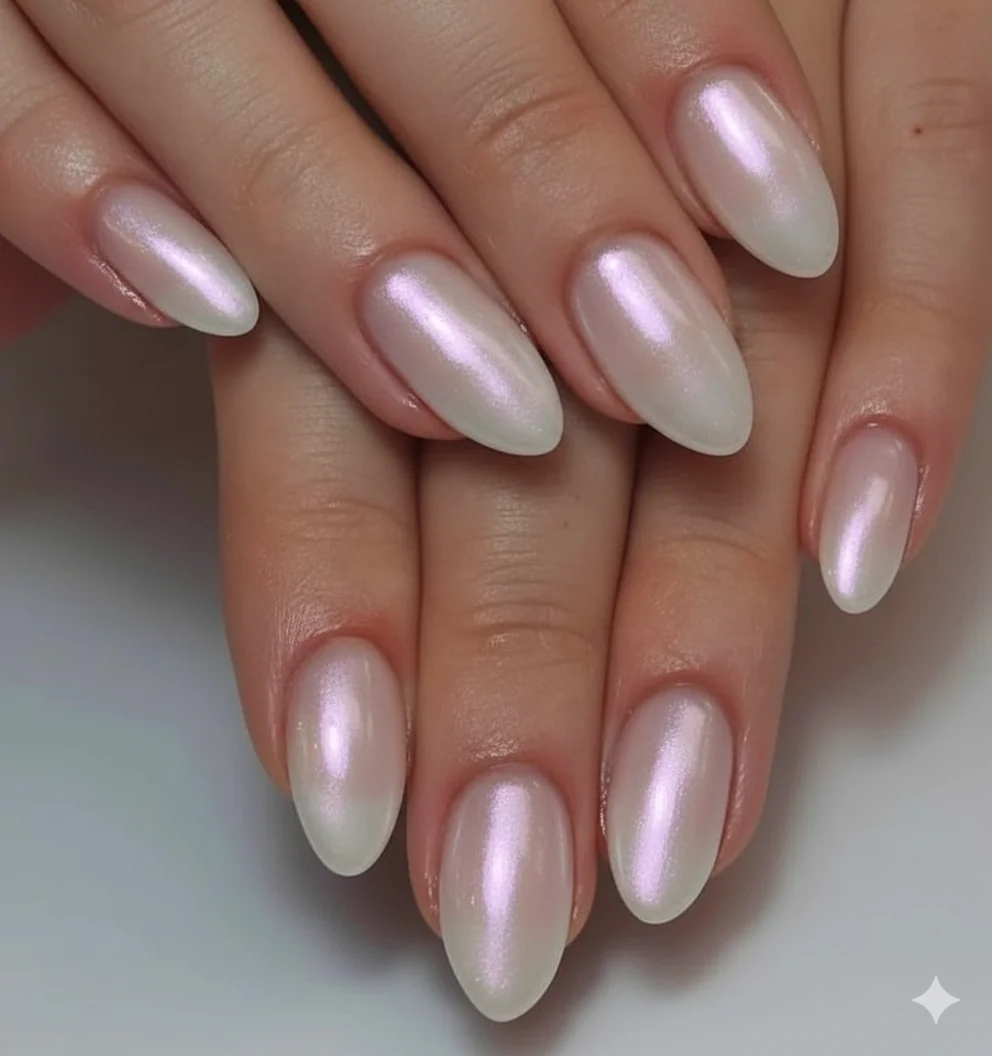
The glazed donut finish — a high-shine, glass-like top coat over a sheer or milky base — continues into 2026 in its updated form: slightly more dimensional, often with a pearl or opalescent tint that shifts in light. Velvet cat-eye, rendered in deep burgundy or aubergine, translates to short almond with the right magnet placement, creating a moody depth that reads as entirely intentional on a smaller nail. Digital aura and "liquid metal" 3D accents are the maximalist counterpoint — worn on one or two accent nails against a milky base.
For sixty-plus designs across all almond lengths and aesthetics, the almond nail ideas 2026 guide is the complete reference.
Is Short Almond the Most Work-Appropriate Nail Shape in 2026?
The case for short almond in professional settings is a strong one. Long enough to read polished. Short enough to type comfortably. The silhouette is refined without being theatrical — which is precisely the brief for most workplaces, from open-plan offices to client-facing roles.
The Goldilocks logic is useful here: squoval is often considered the safe default for offices, but it can read as unfinished without strong colour or a gel finish. Stiletto and longer coffin shapes tip into distraction. Short almond occupies the middle ground — a shape that communicates intentionality without demanding a second glance.
For active professional routines, the shape also holds up physically. Shorter lengths reduce the mechanical stress on the nail during typing, reduce the surface area that catches on fabric, and lower the likelihood of a corner break mid-meeting. BIAB as the base layer adds strength without adding length — a combination that suits anyone who uses their hands professionally and wants a manicure that lasts the working week.