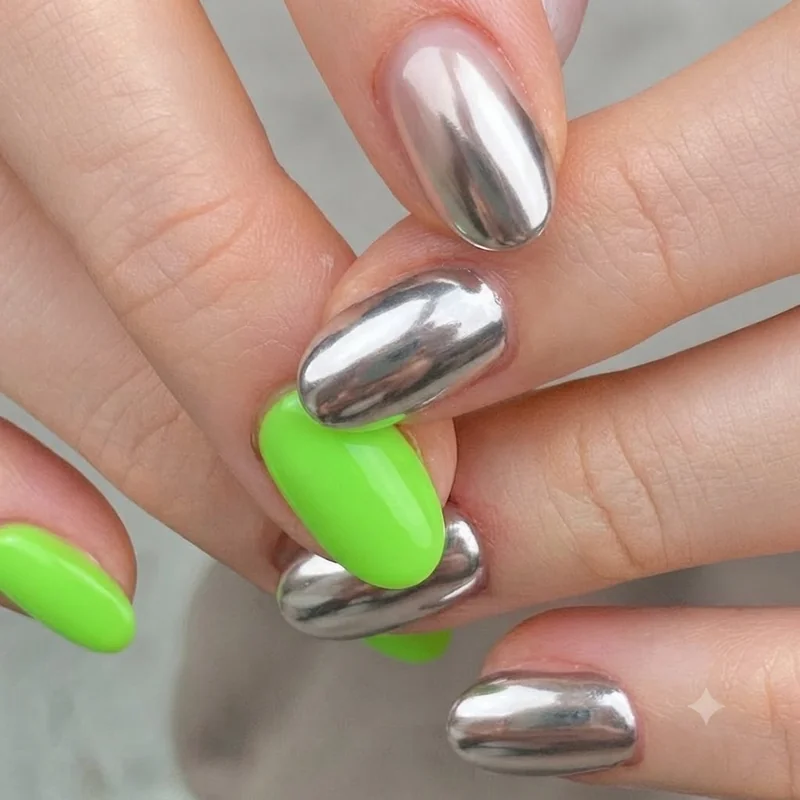
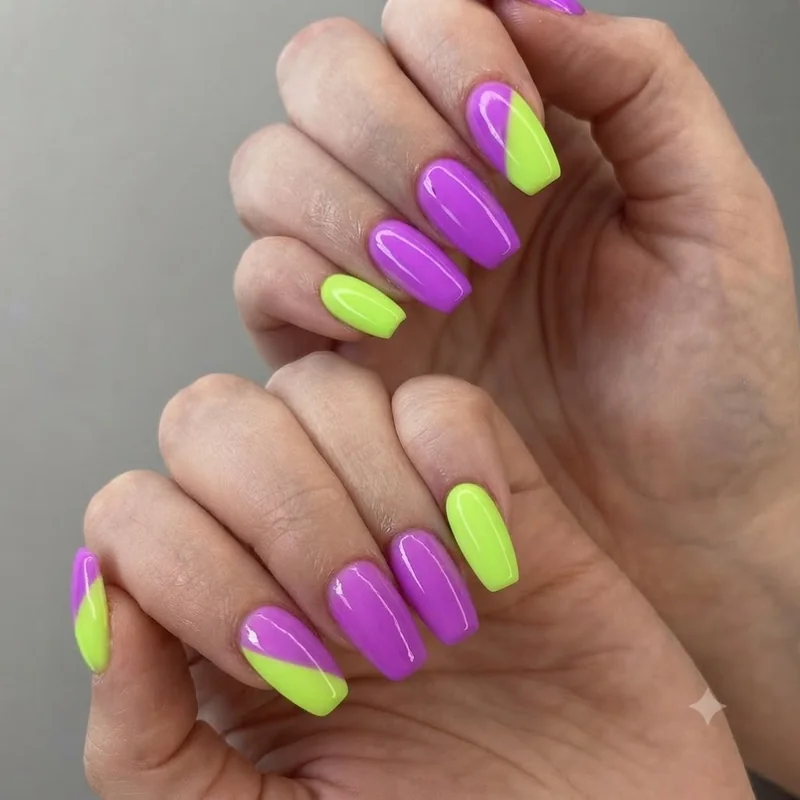
Rave nails are not festival nails with better lighting. You know within five seconds if a set is giving raver, and it has nothing to do with how many rhinestones are on it. It is the shape, the finish, the fact that it was built to survive a 12-hour set and still look right at 4am. This is the guide for that specific person: the one who already knows she is a raver, not the one still deciding whether to try "festival nails" for the first time.
If PLUR, kandi, and blacklight are already part of your vocabulary, you are exactly who this was written for. What follows is not a generic roundup borrowed from a Coachella board. It is rave nails built around the actual physical demands of raving: dancing for hours, trading kandi with strangers, and needing a set that reads under UV as well as it does in daylight. Read on for festival nails ideas if you want the wider guide, but this one stays in your lane.
What Are Rave Nails, Really?
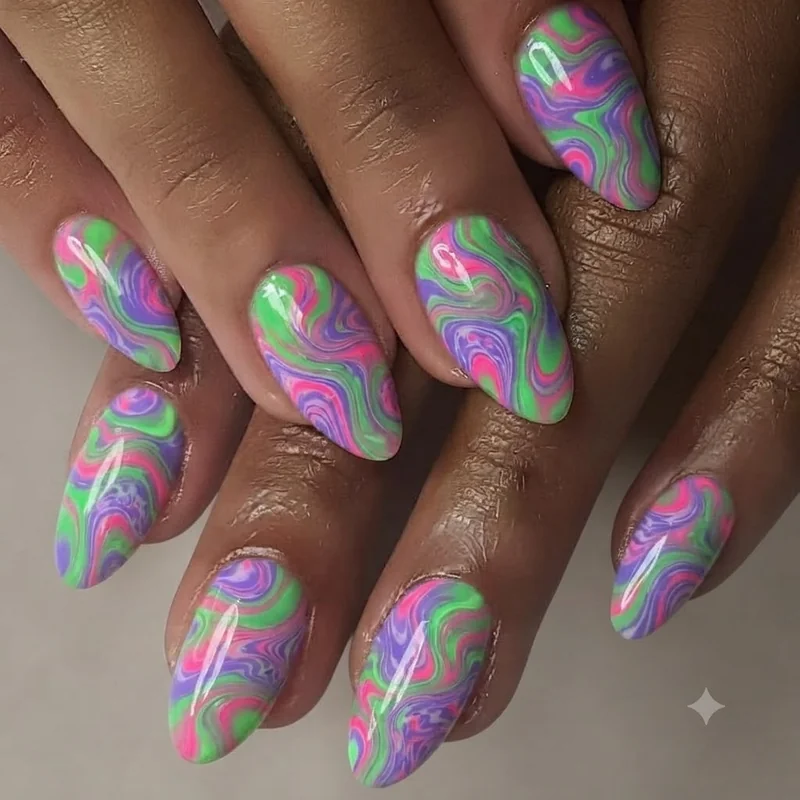
Rave nails are nail art built specifically around EDM and rave subculture identity: neon, trippy, kandi-compatible, and designed to hold up under blacklight, not just daylight. That is different from "festival nails," a catch-all term that includes desert-boho Coachella looks with pastel florals and tassel charms. Rave nails skew harder, brighter, and more maximalist by design.
The difference between rave nails and EDC nails comes down to identity versus event. EDC nails are tied to one specific festival, its dates, its merch colours, its logo. Rave nails describe an aesthetic that exists independent of any single event, the one you'd wear to a warehouse set in February just as easily as a summer festival. A raver's nails say something about who she is on any given Friday, not just what she's attending this weekend. That distinction matters more than it sounds. Buy EDC-branded merchandise and it dates itself the moment the event ends, but a raver identity is something you carry into every set, every warehouse night, every festival season after this one.
Neon and Glow-in-the-Dark Rave Nails
Lights hit different when your hands are moving. Under a strobe, a flat neon polish reads as a blur of colour, but a proper UV-reactive formula holds its shape and throws light back at the crowd. That reaction is the whole point of this section.
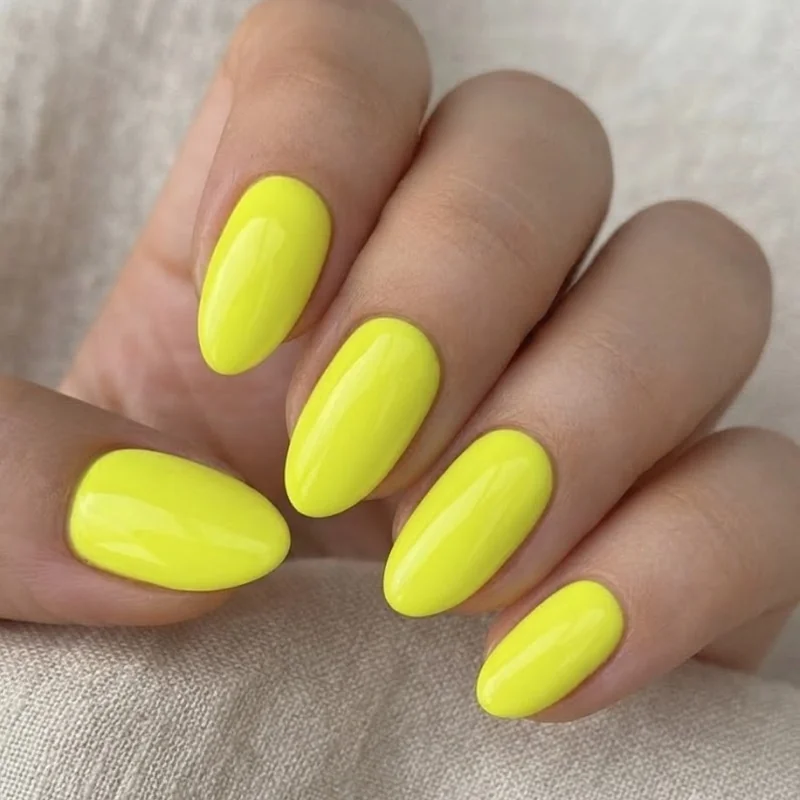
A UV-reactive nail formula contains pigments that absorb blacklight wavelengths and re-emit them as visible glow, distinct from a standard neon polish that only looks bright under normal light. Regular neon gel will still read as vivid daytime colour, but it goes flat and matte the second the blacklight switches on. If glowing under UV actually matters to your set, check the label for "UV reactive" or "blacklight responsive," because "neon" alone doesn't guarantee it.
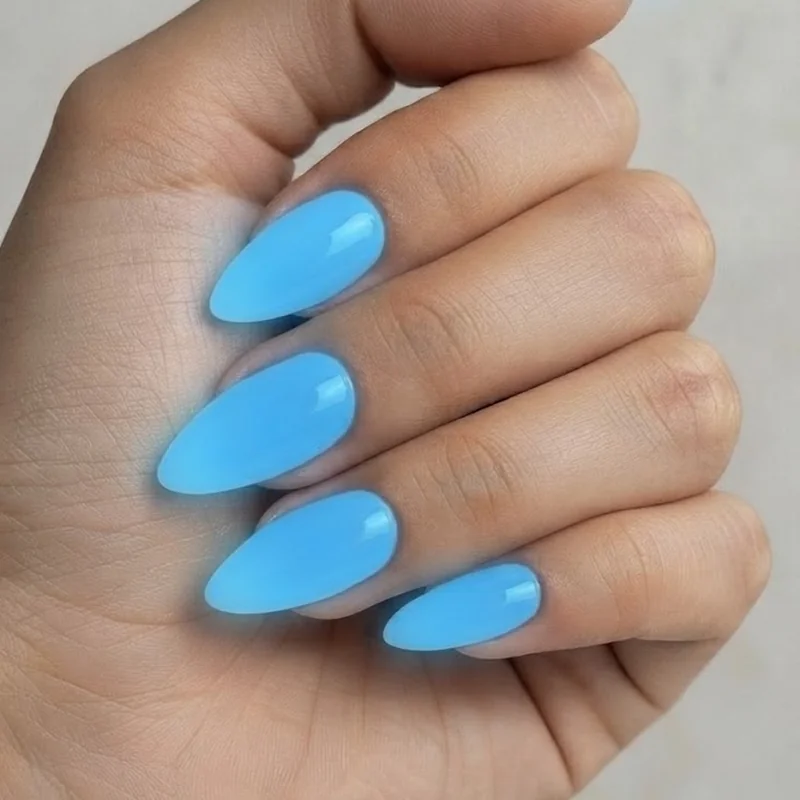
Green and hot pink are the two shades that photograph loudest under blacklight, closely followed by electric blue. A full neon set in one of these tones is the simplest way to nail this look, but a French tip in UV green over a sheer nude base gives the same payoff with less commitment. For readers chasing the full spectrum, the full neon nail trend guide for every shade and finish covers every shade and finish beyond the rave context.
Glow-in-the-dark topcoat works differently again. It charges under any light source, then holds a soft green or blue glow for a few minutes in the dark, which means it doesn't need a blacklight to perform, just a dark corner of the venue. Layer it over a solid base coat rather than sheer polish, since the topcoat needs something opaque underneath to glow cleanly against.