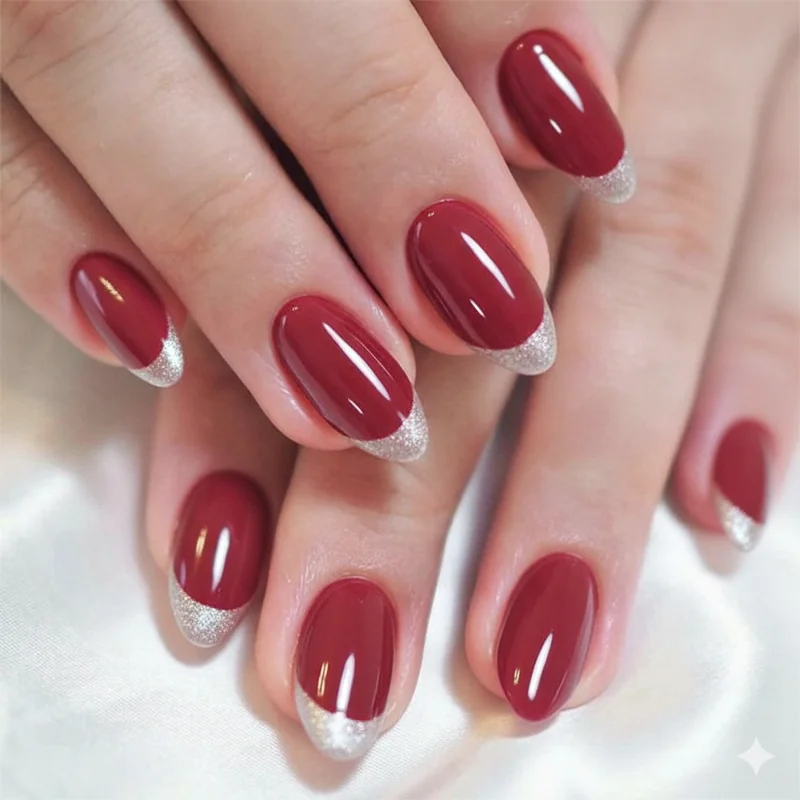
Most French manicure devotees have had this experience: you spot a look online that flips the classic tip to the nail base, immediately want it, then spend twenty minutes in a search rabbit hole unable to decide if it is a half-moon manicure, a cuff mani, an inverted French, or something else entirely. The terminology is genuinely confusing and most posts do not bother to clear it up. This one does. A reverse french manicure is one of the most wearable, versatile nail looks in the current cycle, and understanding exactly what it is and what makes it work for your nails specifically is the difference between booking confidently and hedging forever.
Here is everything: what a reverse french manicure is, how it differs from every look it gets confused with, which nail shapes and lengths it suits best, how to get a clean arc at home, and why it has had its biggest cultural moment yet in 2026.
Why the Reverse French Manicure Is Having Its Biggest Moment Yet in 2026
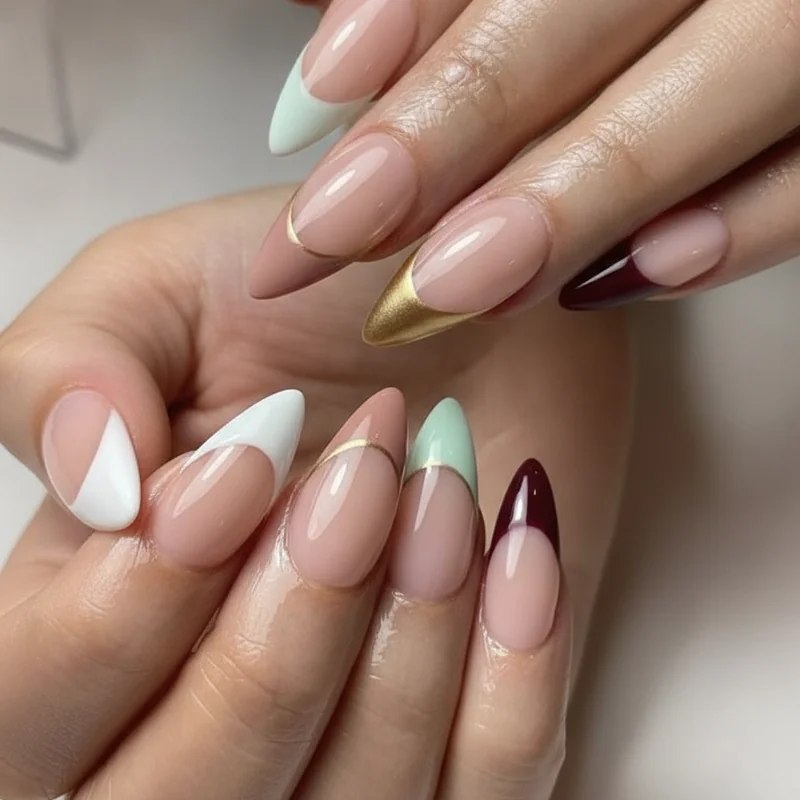
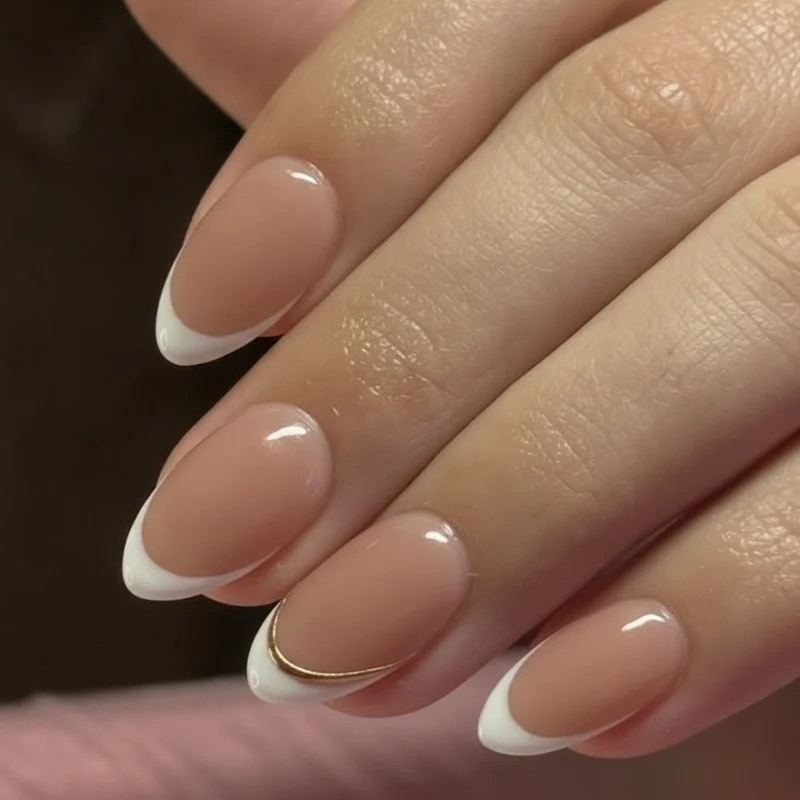
On 8 February 2026, Cardi B appeared at the Super Bowl halftime show in a cream off-shoulder dress and a set of nails that immediately took over social media. Her manicurist, Coca Michelle, had curved a gold chrome arc around the base of each nail, right at the cuticle line, against a nude base. The rest of the world searched for it within hours. According to Refinery29's February 2026 coverage, Google searches for "reverse french manicure" increased by 110% in the days that followed.
That single moment crystallised something that had been building. Blake Lively and Anya Taylor-Joy two of the most-watched style figures in the current cycle have both worn the look regularly, and the French nail trends of 2026 have been defined by a broader shift toward minimal-editorial aesthetics: understated, graphic, and deliberately considered rather than maximalist. The reverse french manicure fits that shift exactly. It is not a statement nail in the traditional sense it is a design that rewards attention, subtle enough for daily wear and precise enough to read as editorial.

What Exactly Is a Reverse French Manicure?
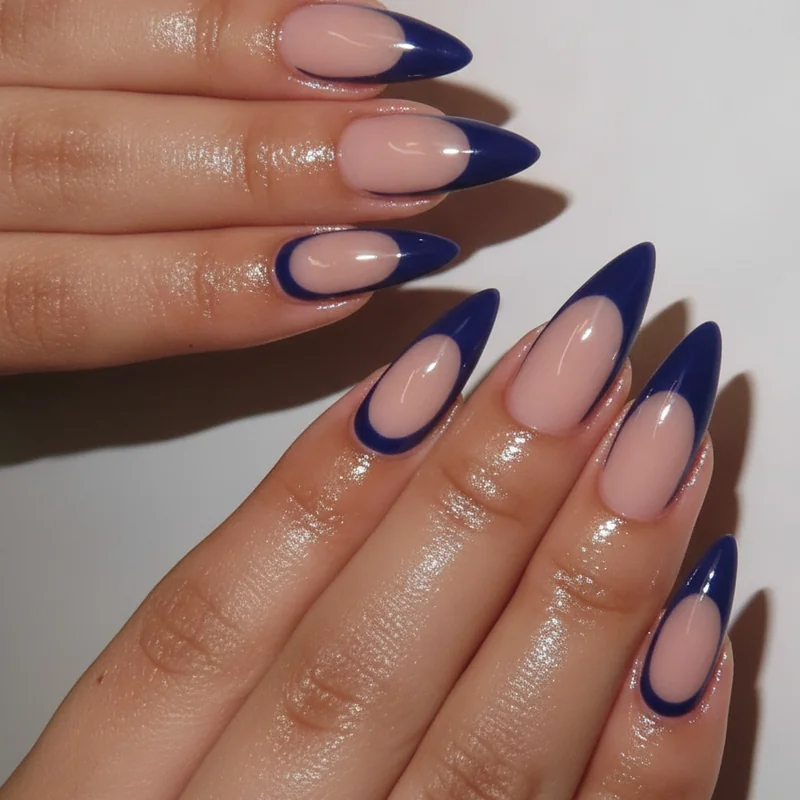
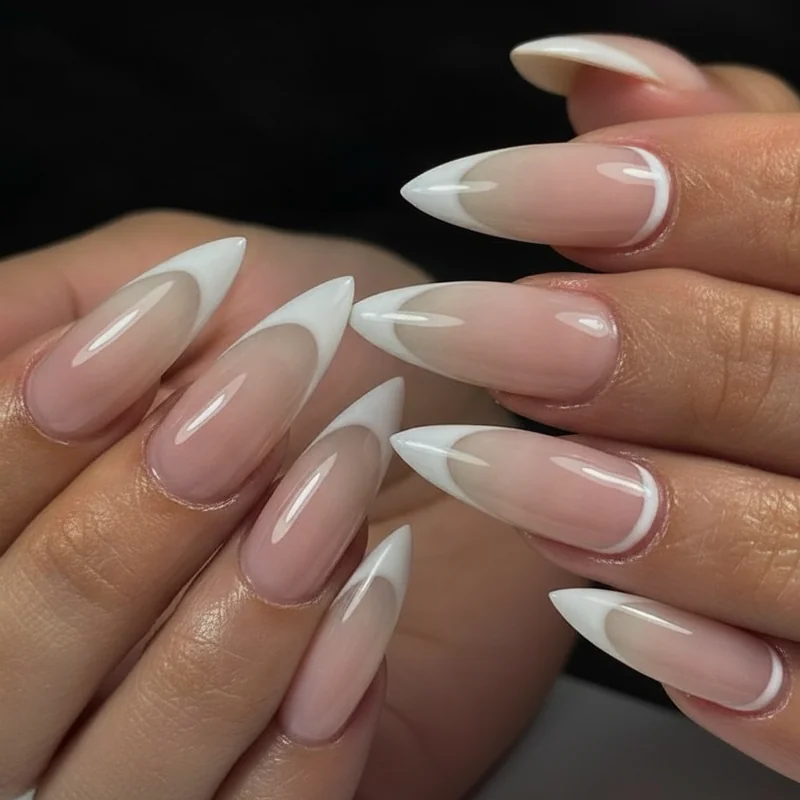
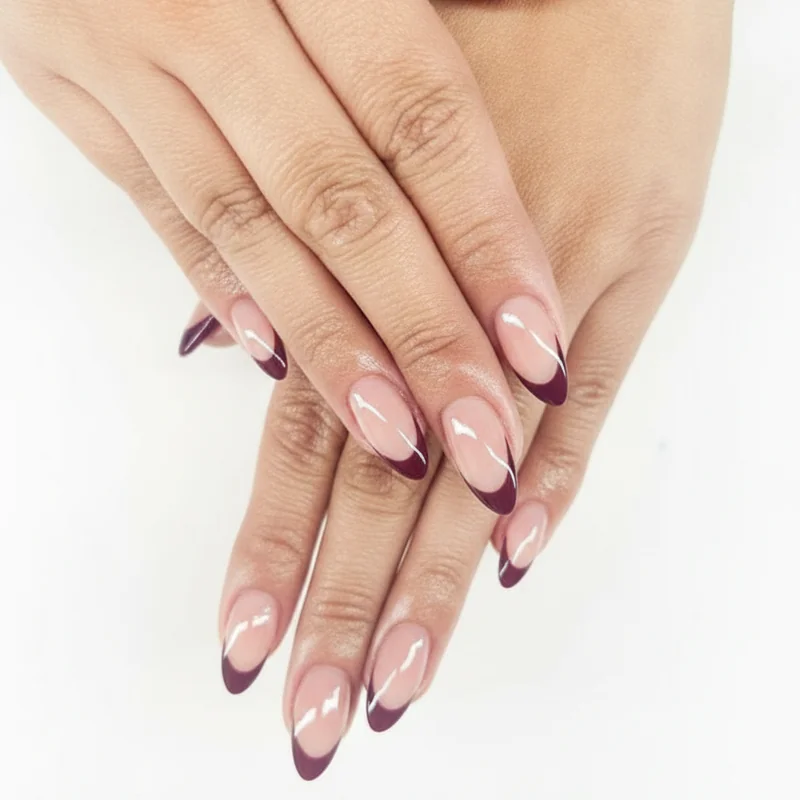
Nail placement is the whole story. The classic French tip accents the free edge the top of the nail. A reverse french manicure moves that accent to the opposite end: the nail base, or more precisely, the lunula. The lunula (from the Latin for "little moon") is the pale, crescent-shaped area at the base of the nail where the nail matrix meets the nail plate. Not everyone has a visible lunula, but every nail has one and the reverse french manicure treats it as the focal point.
The naming is worth addressing directly: reverse French, inverted French, flipped French, backward French, and reverse tip are all the same look. The variation in language comes from different nail artists and different regions, not different techniques. One closely related variant is the "cuff" a thinner, more linear arc painted right at the cuticle edge, less filled-in than a classic half-moon arc. Think of the cuff as the most restrained version of the same concept, in the same way a micro French is to a standard French tip.
For the full context of where the reverse french manicure sits within the broader French nail family, the complete guide to French manicure styles and techniques covers every variation in depth.
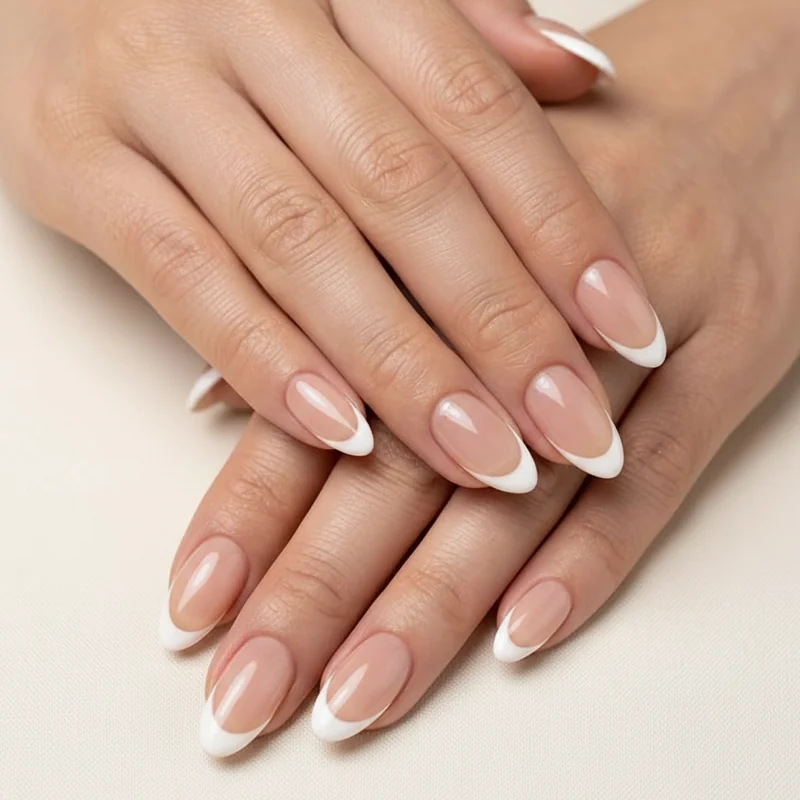
Reverse French vs Half Moon Manicure: What's Actually Different?
This is the most searched confusion point around the reverse french manicure and most posts treat the two as interchangeable. They are not.
The half moon manicure works through negative space. The polish is applied to the body of the nail, and the natural lunula is left bare the crescent reveals itself by contrast with the coloured nail above it. The design is essentially a subtraction: you are showing the lunula, not painting it. The result is an elegant, almost graphic effect that plays on the nail's own anatomy.
A reverse french manicure works through addition. A coloured arc is deliberately painted at the nail base as a design statement the arc covers the lunula area rather than revealing it. The crescent shape comes from the brush and the polish, not from what is left unpainted.
They are cousins. Both put emphasis at the base of the nail rather than the tip. Both have deep vintage roots. But one is about revealing, the other about painting. If you have seen both terms used for what looks like the same image online, it is likely because the reverse French and the negative-space half moon can look visually similar from certain angles particularly in photographs where the base colour and the arc colour are similar in tone. In practice, the technique and the effect are distinct.