If your birthday falls in July, your nails have an assigned colour, and most people have no idea what it actually is. July birthday nails are built on ruby, the gemstone that has been officially tied to this month since 1912, and once you know that, the whole idea of a "birthstone manicure" stops being vague Pinterest language and starts being something you can actually walk into a salon and ask for. The trouble is that most sources stop at the meaning. Jewelry sites will tell you about ring settings and hardness scales. Nail content will slap a red swatch next to a calendar graphic and call it a day. Neither tells you what shade actually reads as ruby instead of just "summer red," or which finish does the gemstone justice.
This guide treats july birthday nails as what they should be: a specific, wearable colour story with real technical decisions behind it. Shade, undertone, finish, occasion. By the end, you will know exactly what ruby red means for your skin tone, how to ask for it, and what your softer alternative looks like if full-intensity ruby is not your birthday mood this year.
What Is the July Birthstone (And Why Does It Matter for Your Nails)?
Ruby is July's birthstone. It has held that title officially since 1912, when the National Association of Jewelers (now Jewelers of America) formalised the modern birthstone list, and ruby's official status as July's birthstone has never been revised since. That single fact is the entire foundation for every july birthday nails look in this guide.
Ruby is not its own mineral category. It belongs to the corundum family of gemstones, the same mineral group that produces sapphire, and what separates ruby from every other corundum variety is chromium. Trace amounts of chromium inside the crystal structure are what push the colour into that specific, slightly purple-leaning red rather than the blue or yellow tones corundum takes on elsewhere. That detail is not trivia. It is the exact reason a "ruby" manicure needs to look different from a generic red one, and the next section breaks down what that difference actually looks like in polish.
Is ruby the only option, though? Not strictly. Carnelian holds the title of the traditional, secondary July birthstone, a softer orange-red stone with its own dedicated section further down. But ruby is the one with official modern standing, the one jewelers default to, and the one this guide treats as the primary july birthday nails colour.

Ruby Red, Decoded: What Makes This Shade Different From Regular Red
Ruby red and regular red are not interchangeable, and the difference comes down to one thing: depth. A standard bright red, the kind you would reach for on the Fourth of July or a basic French manicure, sits flat and warm. Ruby red carries a purple undertone underneath the red, giving it a richness that shifts slightly depending on the light hitting it.
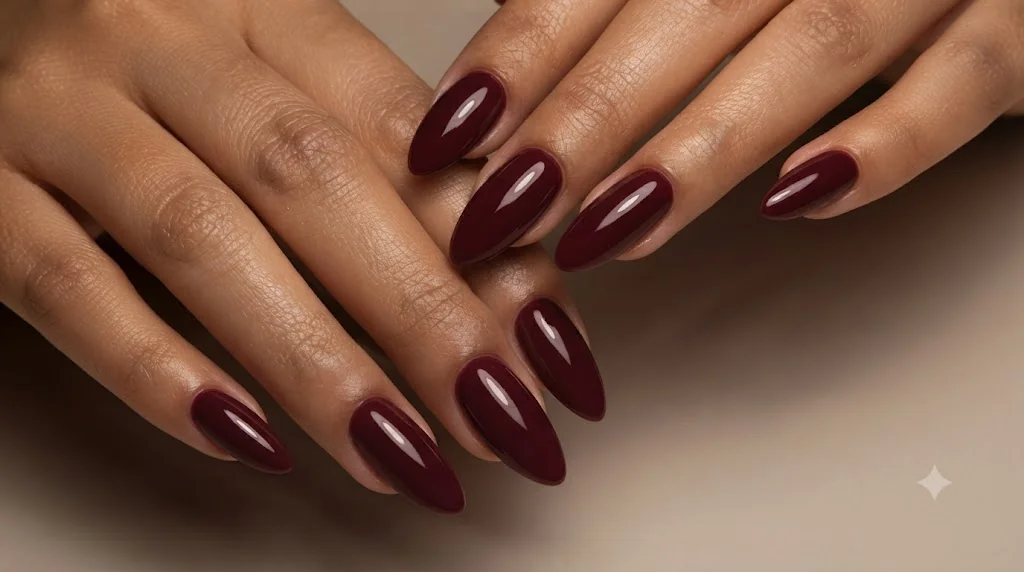
Gemologists have a name for the most coveted version of this colour: pigeon's blood red. It describes a ruby with a pure, vivid red base and just enough of a blue-purple secondary hue to keep it from tipping into either pink or orange territory, and it is widely considered the gold standard ruby colour in the jewelry world. Translated into a nail polish bottle, you are looking for a red with visible blue-violet depth in the base, not the orange-leaning warmth of a cherry red and not the cool, almost-blue intensity of a true cranberry.
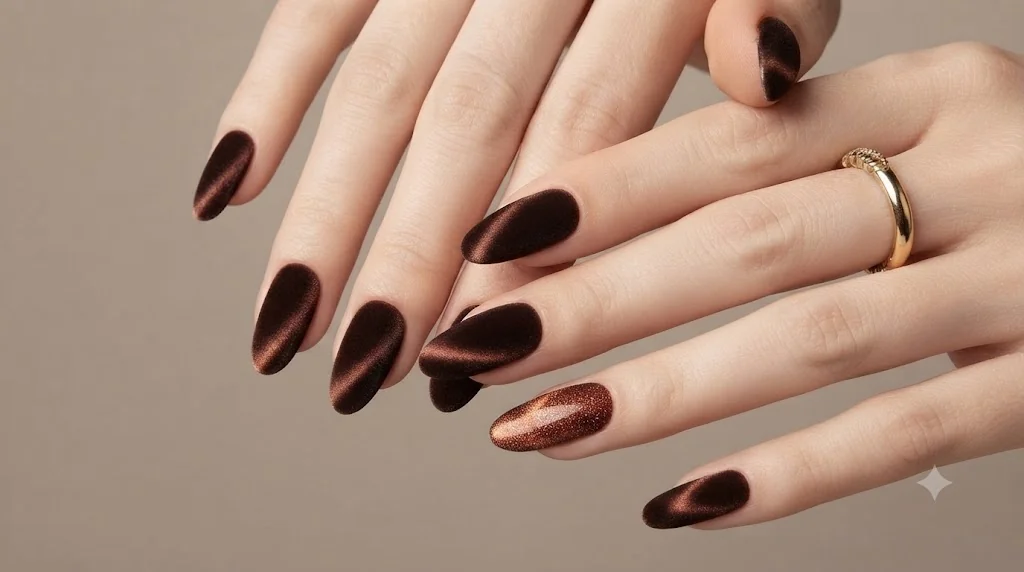
A few real polish references make this concrete. OPI's "Big Apple Red" sits closer to a standard bright red. By contrast, shades marketed as "wine," "vamp," or "blood red" tend to land much closer to a genuine pigeon's blood tone. When you're shade-hunting for july birthday nails, hold the bottle up next to anything labelled simply "red" and look for the one with more shadow in it. That extra depth is the whole point.