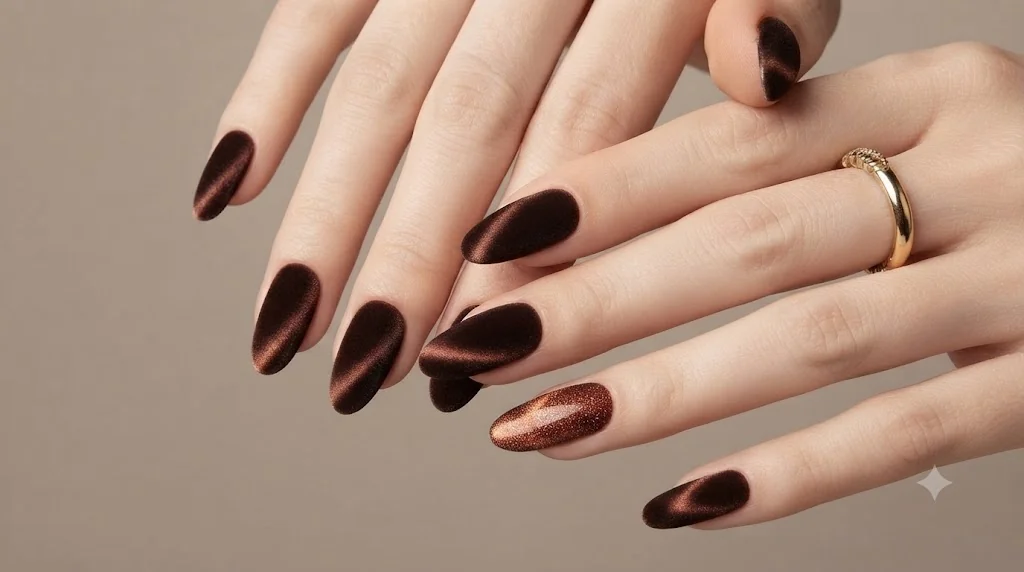
Millions of TikTok views and a direct callout from Pinterest's 2026 trend report have turned 3D nail art into this year's most unavoidable manicure moment. Bows, sculpted petals, and gummy textured swirls are everywhere, and most people scrolling past them could not tell you what the look is actually called. This guide names it, maps every direction 3D nail art is taking in 2026, and settles the one decision that decides whether you can actually pull any of it off. It sits inside the wider nail trends 2026 story, the year's shift toward texture over flat colour, but it earns its own map. Acrylic and gel solve the same problem in different ways, and picking wrong is the fastest route to a manicure that looks nothing like the photo you saved. Whether you are after a single sculpted rose, the rubberized gummy finish Pinterest is calling the texture of the year, or a no kit way to wear charms tonight, the path starts with that one choice. By the end, you will know exactly which 2026 direction fits your nails and your patience, and which technique gets you there.
What Is 3D Nail Art, Exactly?
3D nail art is not a polish choice. It is a small construction project for your fingertips, and that distinction is the entire reason it looks the way it does.
What is 3D nail art made of? Most of it comes from one of two raised mediums: acrylic powder mixed with liquid monomer, or a thick, UV cured builder gel, shaped on top of or within the nail and sealed under a topcoat. Smaller elements such as pearls, rhinestones, and metal charms are usually pressed into wet gel or attached with strong nail glue rather than sculpted by hand.

Anything raised off the nail surface counts. A single dot of acrylic shaped into a petal, a full floral relief, a charm sitting under clear gel like an insect caught in amber: all of it. The flat printed transfers and hand painted line art that dominated the last few years are a different category entirely. The defining trait here is touch. Run a finger over it and you should feel the design, not just see it.
At Mirellé, we treat 3D nail art as a category rather than a single trend, because the building blocks stay the same even as the motif shifts from flowers to chrome to charm clusters. Learn the materials once and every design in this guide becomes a variation on the same skill.
Acrylic vs. Gel: Which 3D Technique Should You Choose?
Most people assume acrylic is the "real" professional choice and gel is the easier shortcut for beginners. For 3D work specifically, it is closer to the opposite.
What's the difference between acrylic and gel 3D nail art? Acrylic, a liquid monomer mixed with powder polymer, starts hardening the moment it hits air, giving you roughly two to three minutes of working time before it sets hard. Builder gel only cures when it meets UV or LED light, so there is no clock running at all until you decide to cure it.
That single fact changes everything about who should reach for which one. Builder gel is a thick, UV cured gel that holds a sculpted shape without setting until it sits under the lamp, which means far more room to fix a petal, reposition a charm, or smooth a dome before it locks in permanently. Acrylic gives you none of that grace period, but it cures to a harder, more impact resistant base, which is exactly why most salons reach for it on extensions and bold geometric builds that need to survive a full week of typing and dish washing without flexing.
If you want to watch the gel method in practice, Mirellé's step-by-step guide to building raised, dimensional nail art with builder gel at home walks through the exact doming technique that lifts a design clear off the nail bed, the same approach behind most of the florals and gummy domes later in this guide.
There is a tradeoff on the acrylic side worth naming honestly: vapour from the liquid monomer means proper ventilation matters, and the narrow working window is unforgiving the first few times you try it. Ask your own nail technician which material they personally reach for when a client wants something delicate. The answer tells you more than any product label will.