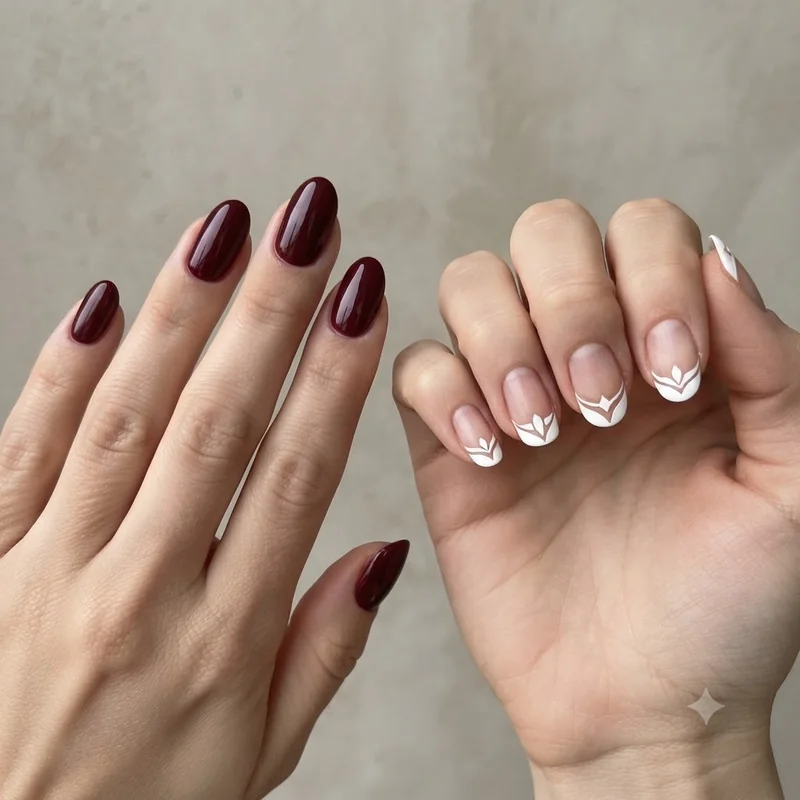
You are not imagining it: the "sticker" set that peeled by day two and the "wrap" set your friend swears lasted a full week were never the same category of product, even though the listing photos looked nearly identical. Brands use "wraps," "stickers," and "strips" interchangeably because there's no rule stopping them, and that loose labelling is the actual reason so many at-home manicures fail before they should. Nail wraps vs nail stickers is really a question of material and purpose. A wrap is a full-nail adhesive film, usually real polish or a flexible polymer, built to replace your manicure entirely. A sticker is a small decorative decal, usually vinyl, built to sit on top of one.
That distinction is not cosmetic trivia. It is the difference between buying a product that will hold for a week and buying one that was only ever designed to survive a few days as an accent. This post resolves the confusion properly: what each product is actually made from, how to tell them apart before you click "add to cart," how long each one realistically lasts, whether either damages your nails, and whether you can combine them. Getting nail wraps vs nail stickers right before you buy saves you the disappointment of a set that was never built for what you needed it to do.
What's Actually the Difference Between a Nail Wrap and a Nail Sticker?
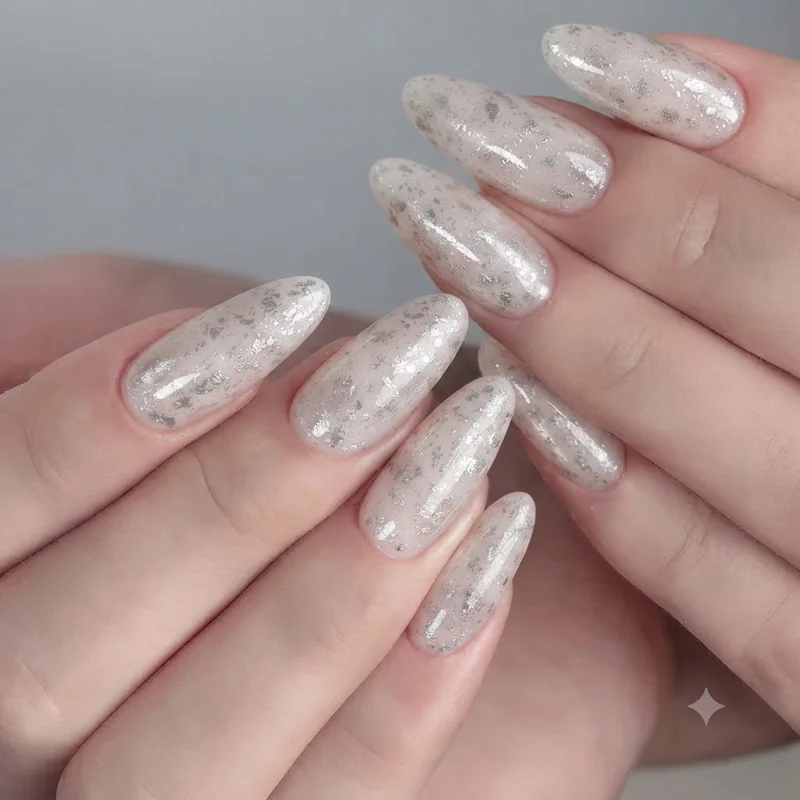
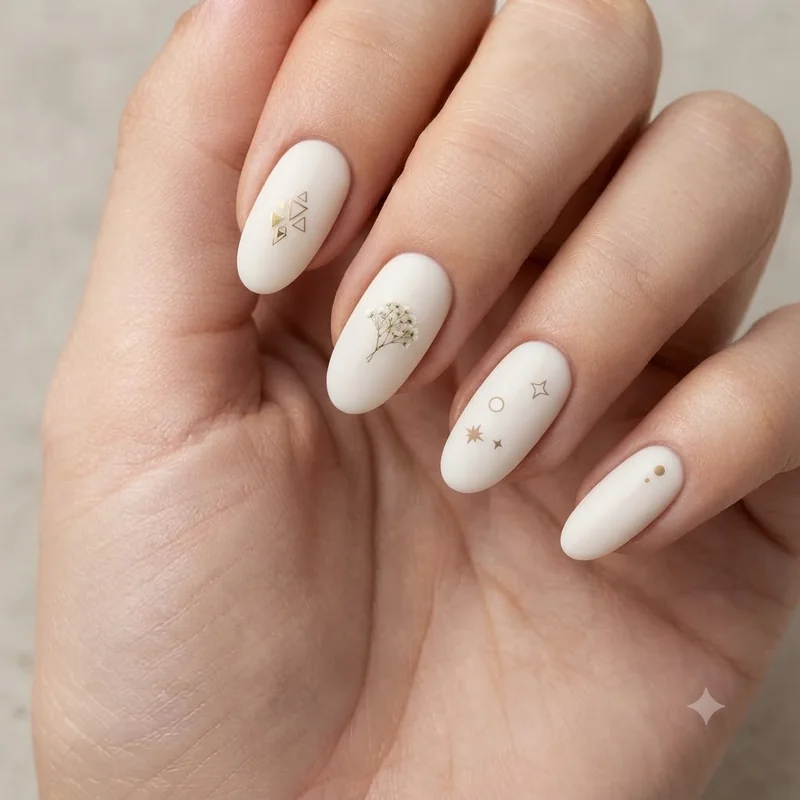
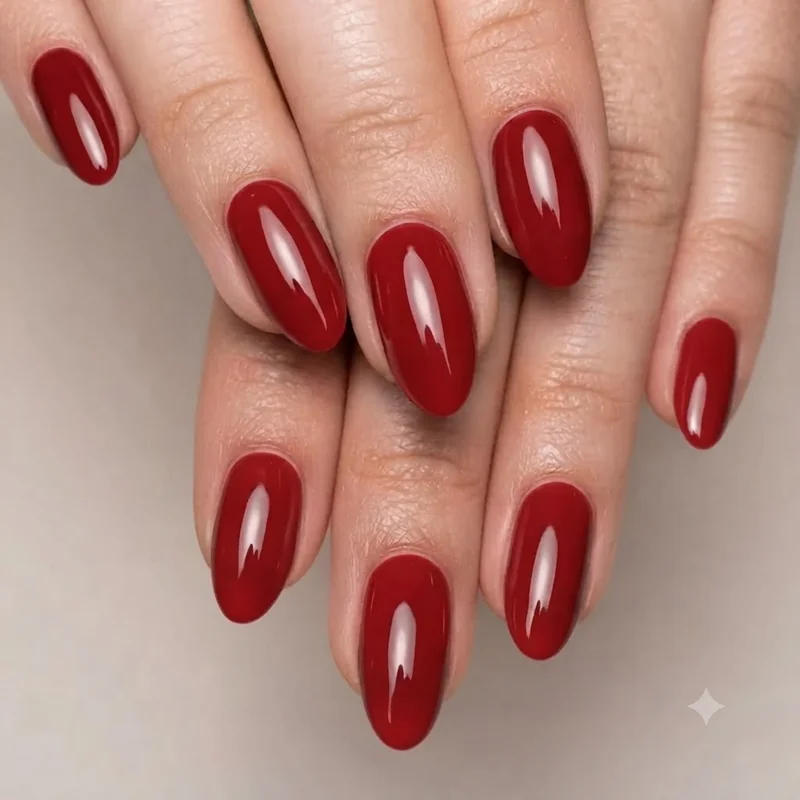
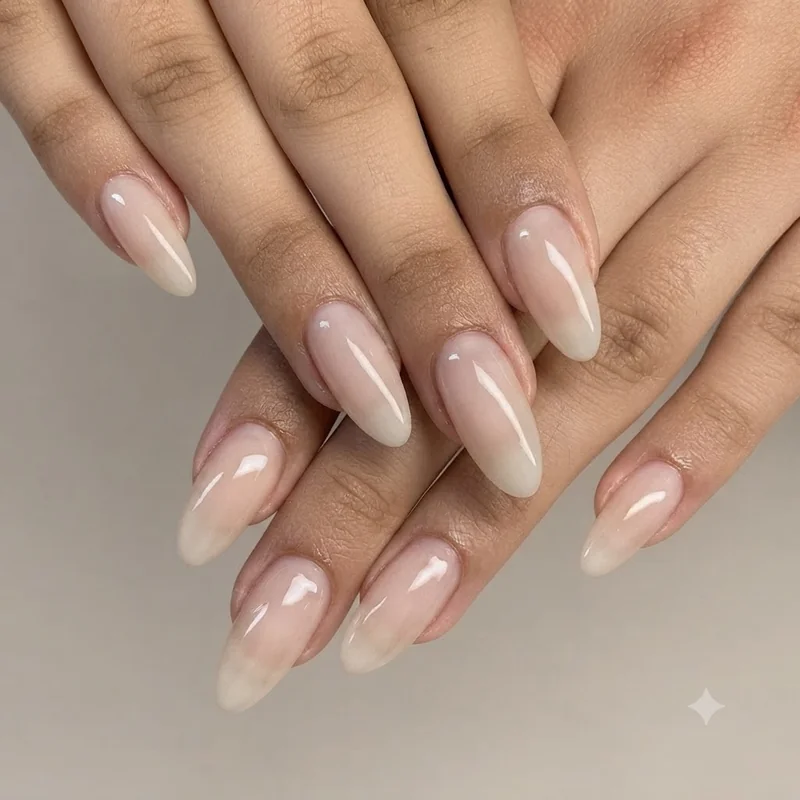
A nail wrap is a full-coverage adhesive film designed to sit edge-to-edge on the nail as a complete manicure. A nail sticker is a smaller decorative decal designed to sit on top of an existing manicure, not replace it. The confusion exists because both are peel-and-stick, both come on a backing sheet, and both get marketed with whichever word converts better that season.
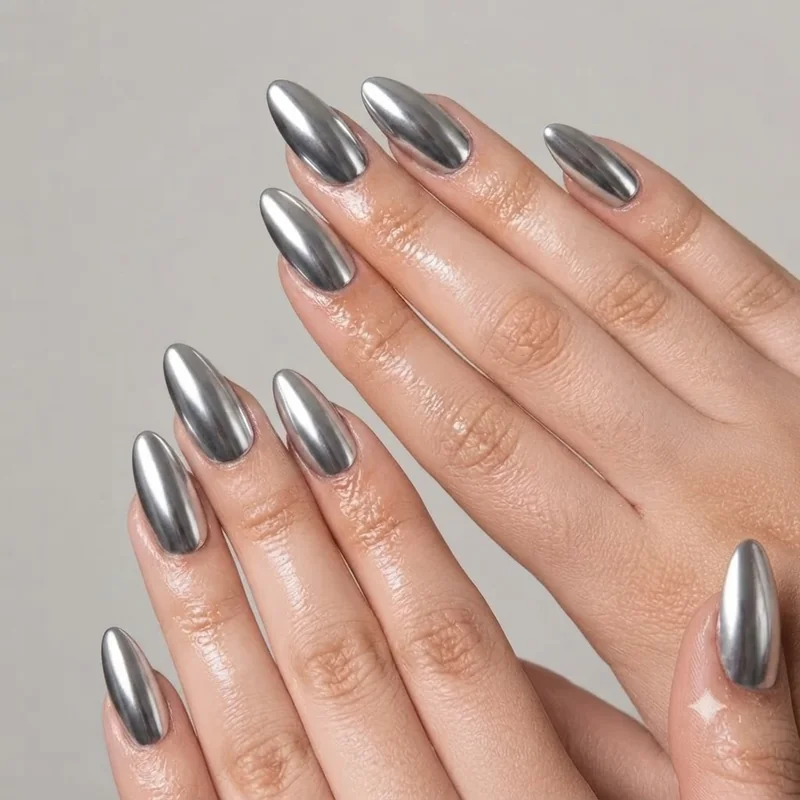
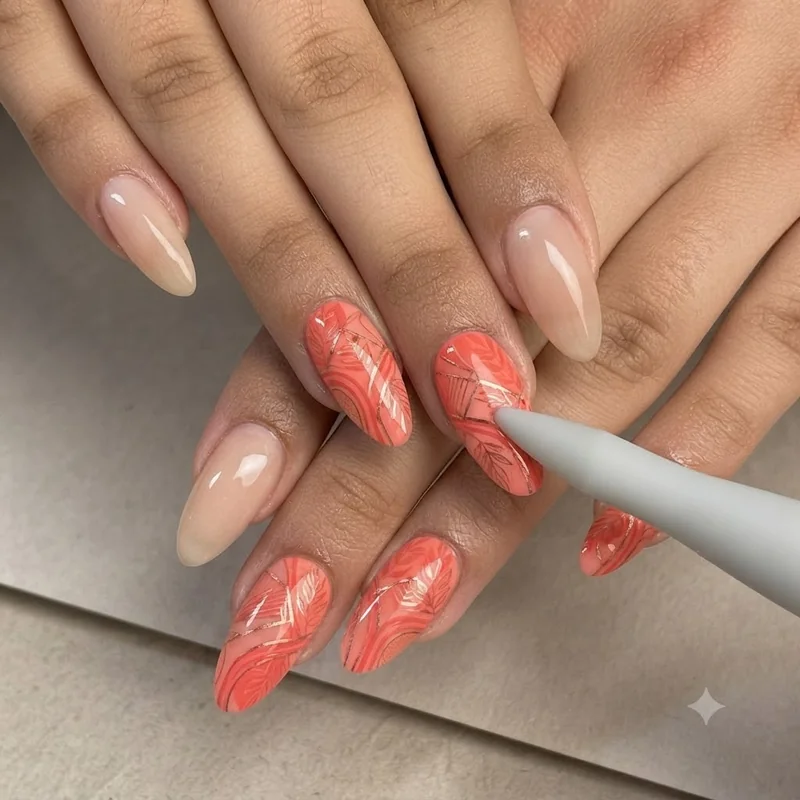
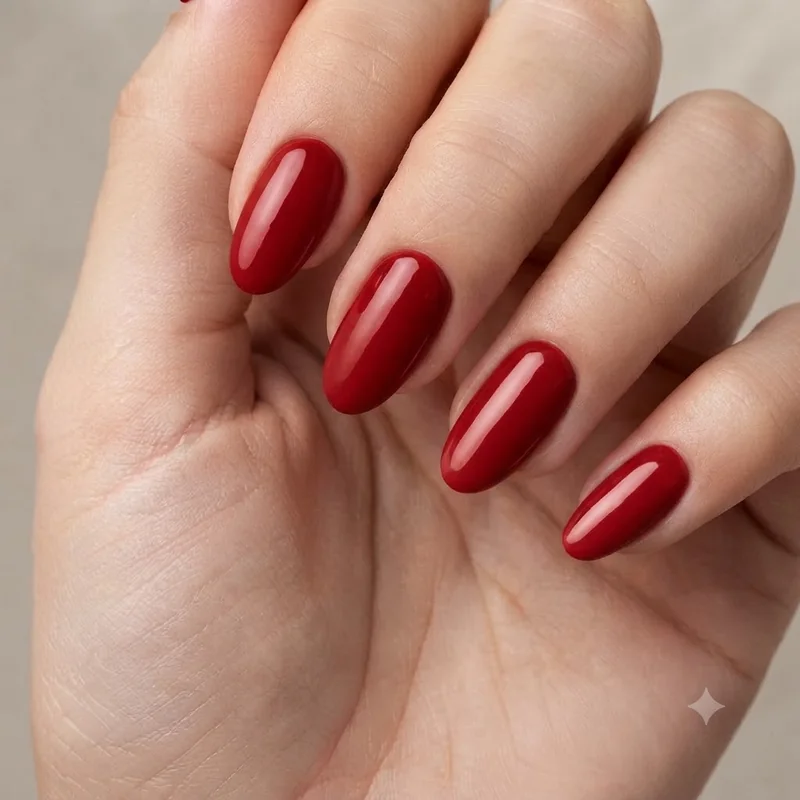
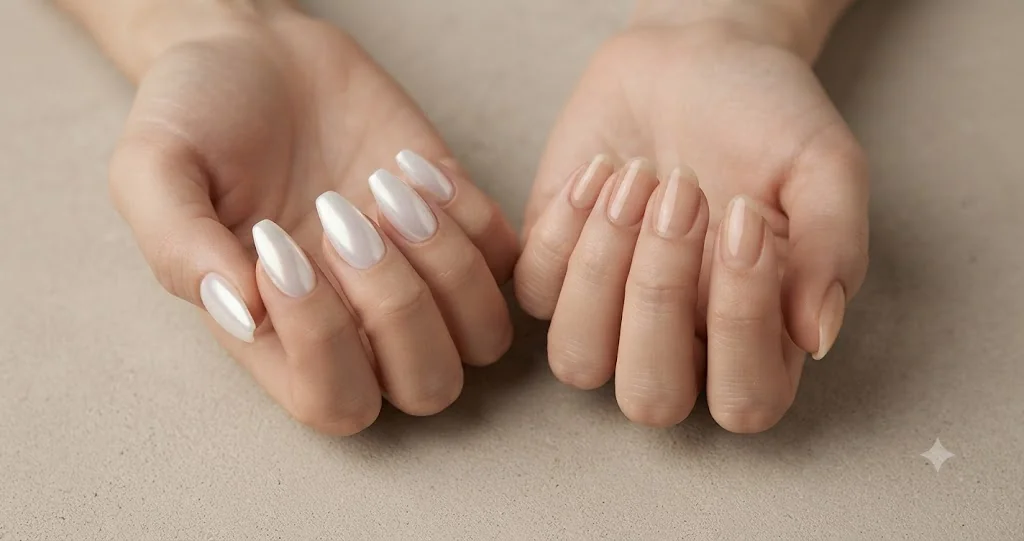
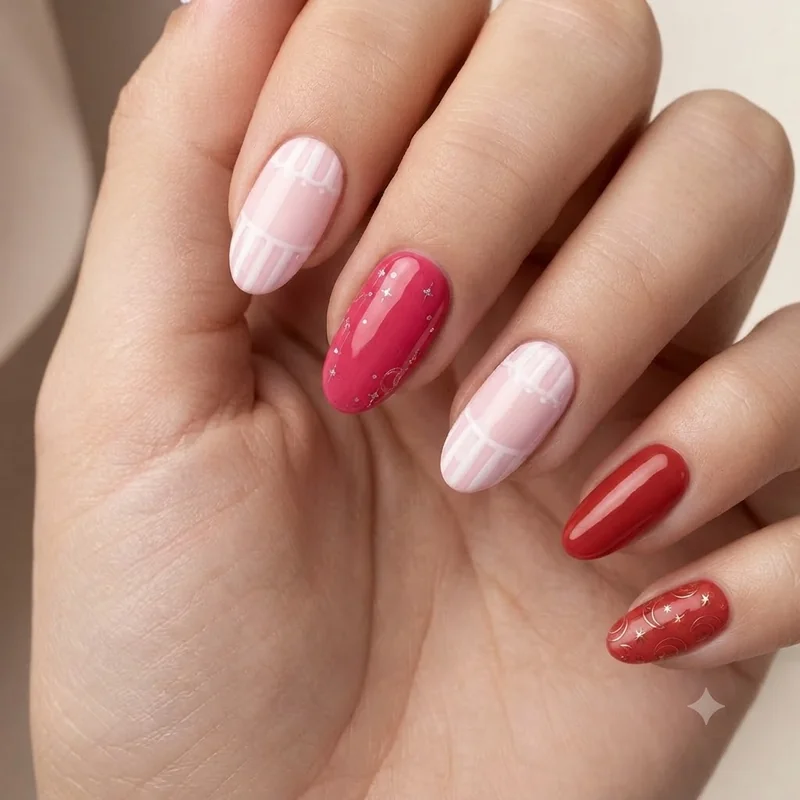
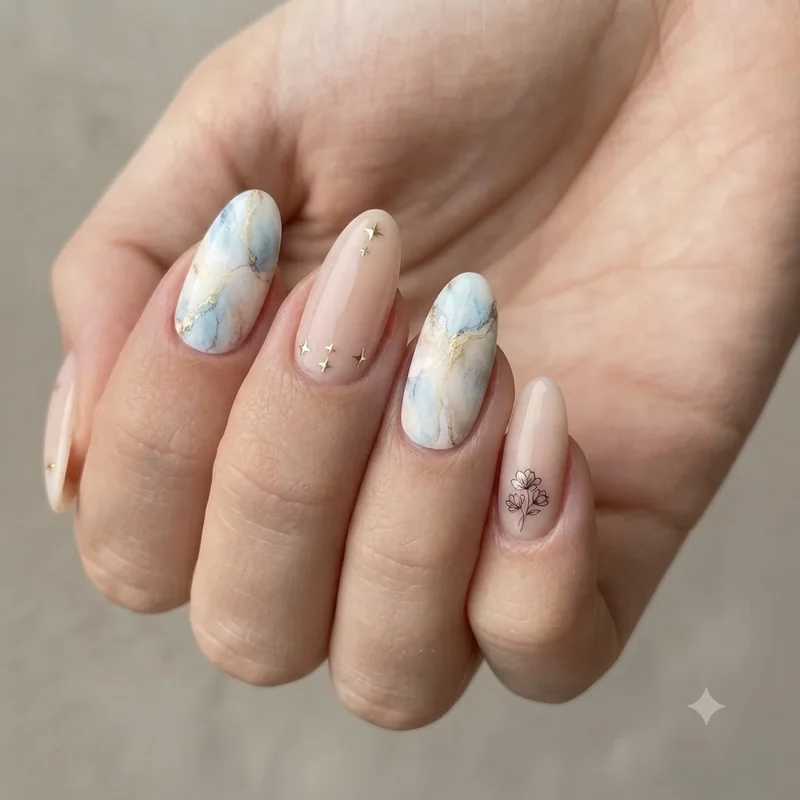
Coverage is the fastest way to separate the two. A wrap is cut and shaped to match your entire nail, corner to corner, cuticle to tip. A sticker is usually cut into a shape, a pattern, or a strip meant to sit in the centre or along one edge, leaving polish or bare nail visible underneath. If the product in the photo covers the whole nail with nothing showing through, you're looking at a wrap. If it's a shape, a foil accent, or a strip sitting on top of something else, it's a sticker.
Purpose follows from that shape. Wraps exist to be the manicure. Stickers exist to decorate one that's already there. Neither is a lesser product; they're simply built for different jobs, and buying the wrong one for your actual need is where the disappointment starts. Once you're looking for coverage and purpose instead of the label on the packet, nail wraps vs nail stickers stops being confusing and starts being obvious.
What Nail Wraps Are Made Of (and Why It Matters)
Here's a distinction most product pages skip entirely: a nail wrap is a thin adhesive film, made from real cured polish or a flexible polymer designed to mimic it, built to cover the entire nail edge-to-edge as a full manicure replacement. That material choice is not incidental. Real polish and flexible polymer both stretch slightly under warmth and pressure, which lets the film mould to the curve of your nail bed instead of sitting rigid on top of it.
That flexibility is what determines whether a wrap lasts a week or lifts by Wednesday. A film that can't flex with your nail's natural curve starts separating at the sides the first time you bend a finger sharply, do the dishes, or type for an hour straight. Higher-quality wraps are noticeably more pliable in the packet before you even apply them, which is a reasonable thing to check for if you can see the product close up before buying.
There's also a distinction worth knowing between UV-cured wraps and non-UV wraps, since some "wrap" listings are closer to semi-cured gel strips that require a lamp to fully set. If you're weighing that option against a true press-on, our semi-cured gel nail strips vs press-on nails guide breaks down that distinction properly. For now, the short version: true wraps at room temperature don't need a lamp, and if a listing mentions curing time, you're looking at a different product category entirely.
Backing material matters less than most listings suggest. What matters is whether the film itself is described as polish-based or polymer-based, and whether it's marketed as covering the full nail. That's the material signal that actually predicts performance.