Every coquette roundup says the same thing. "Y2K-inspired," once, in the intro, and then forty photos of the exact same pastel bow nail everyone else already has saved. If you searched y2k coquette nails specifically, you already know that generic coquette and Y2K coquette are not interchangeable, and you are tired of content that pretends otherwise. This is the version that actually draws the line. Y2K coquette nails are not coquette with a nostalgic label stapled on. They pull from a distinct visual vocabulary, cherries, ribbon-core, glazed chrome, that most coquette content never touches. For the full picture of where this sits inside the broader trend, the Y2K nails trend guide covers the parent aesthetic. Here, the focus narrows to one specific, definable crossover, and to helping you find your version of it.
What Actually Makes Nails Y2K Coquette (Not Just Coquette)
Y2K coquette nails combine the coquette aesthetic's bows, pearls and softness with a specific set of early-2000s motifs: cherries, ribbon-core detailing and glazed chrome finishing. Standard coquette stops at pink and bows. Y2K coquette adds the nostalgia layer on top of that base, and that layer is what makes it a searchable, distinct look rather than a synonym.
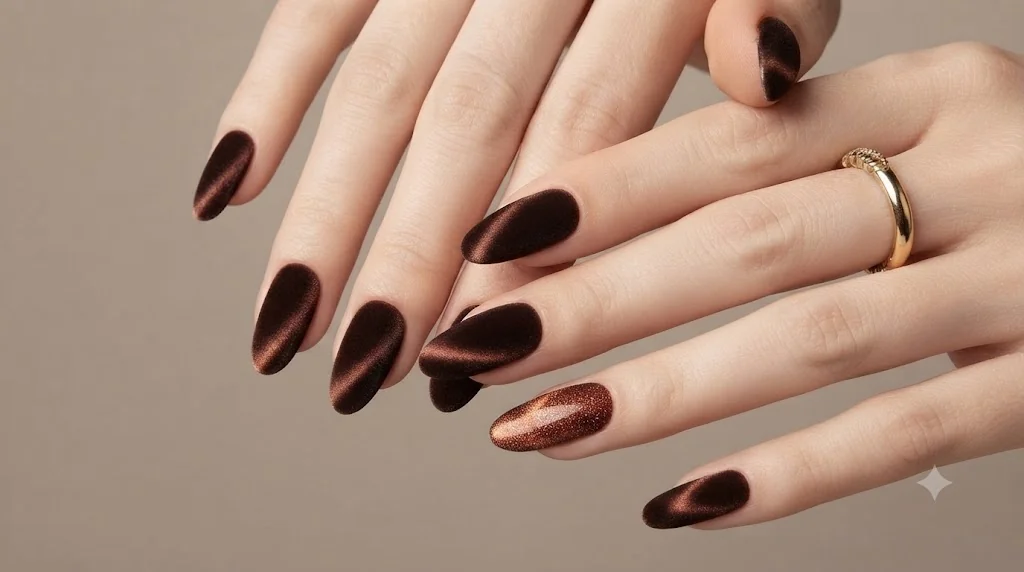
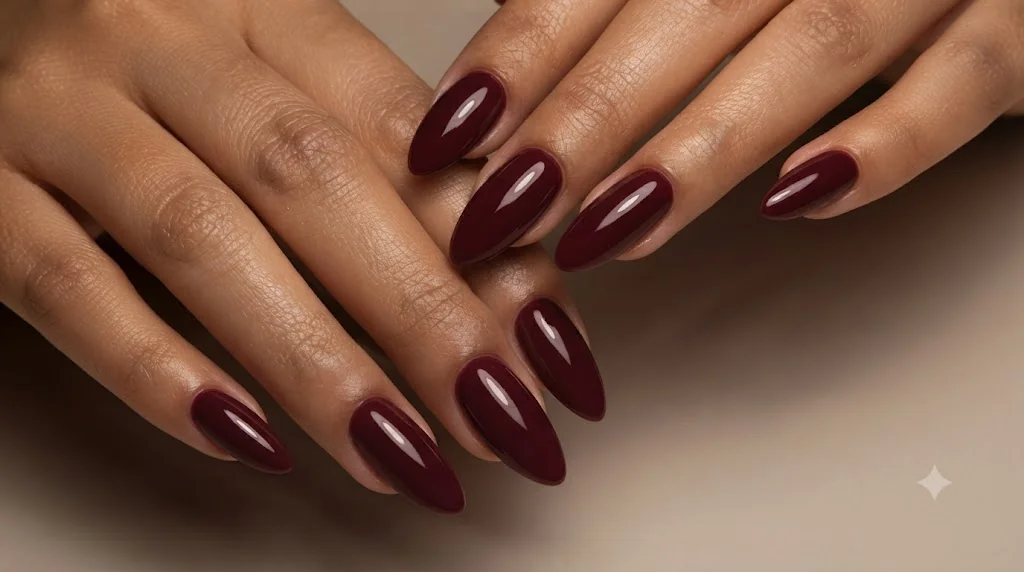
Coquette on its own draws from Victorian romanticism and balletcore as much as anything else. Pale pink, lace texture, a single sculpted bow on the ring finger, that is coquette in its purest form, and it has been for a few years now. What changes when you add Y2K is the reference point. Instead of lace and Victorian softness, the detailing pulls from early-2000s teen culture: cherry motifs lifted from that decade's fashion prints, ribbon shapes instead of static bows, and a chrome finish that reads as digital rather than delicate. The base colours often widen too, milky pink is still the default, but Y2K coquette is comfortable moving into darker or bolder territory that standard coquette rarely touches.
This is the part most guides skip. They will mention "Y2K nostalgia" once, show the same pastel bow set as every other coquette post, and move on without actually differentiating the two. The three motifs below, cherries, ribbon-core and glazed chrome, are the specific markers. If a set has at least one of them layered onto the coquette base, it has crossed from generic coquette into Y2K coquette territory.

The Cherry-and-Bow Combo Everyone's Copying
Picture the accent nail first. A pale pink base, glossy and slightly milky, with two or three tiny hand-painted cherries sitting just above the cuticle, stems curling toward a small white bow on the nail beside it. That single pairing, cherries plus bow, has become the most screenshotted y2k coquette nails combination on Pinterest and TikTok right now, and it is worth understanding why it works before copying it.
Cherries carry weight the way hearts and bows alone do not. They are a specific Y2K print reference, the kind of motif that showed up on early-2000s slip dresses and butterfly clips, and they instantly date the look to that era rather than to the current coquette wave. Paired with a bow, they stop the set from reading as purely decorative and give it an actual visual story: sweet, a little playful, unmistakably nostalgic.
The strongest versions keep the cherry detail small and contained to one or two accent nails rather than repeating it across the whole hand. Three coats of a sheer milky pink base, then hand-painted cherry art on the ring finger, a 3D bow on the middle finger, and the rest left clean. That restraint is what separates an intentional Y2K coquette set from a busy one. Nail techs report that clients increasingly ask for this exact Y2K coquette nails split, one motif nail, one bow nail, rest bare, because it photographs cleanly and wears well past the first few days.