Is a Bare Manicure Really Polish-Free?
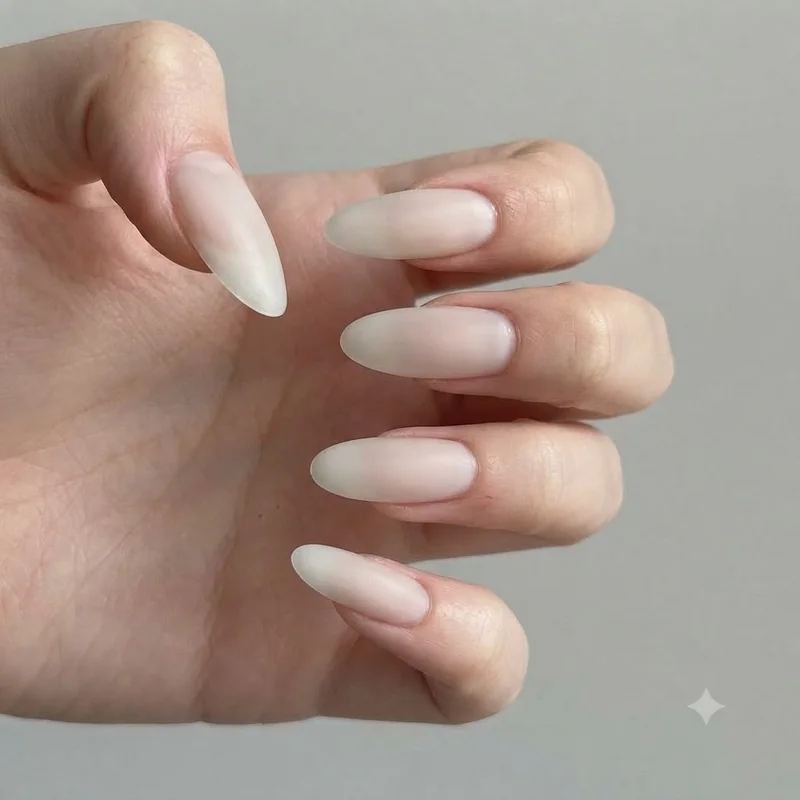
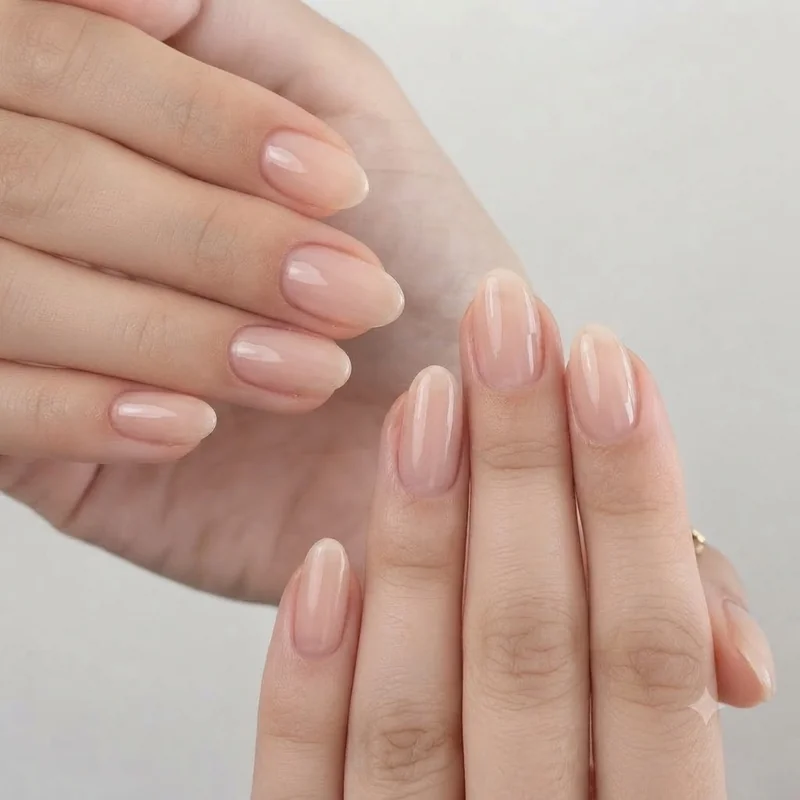
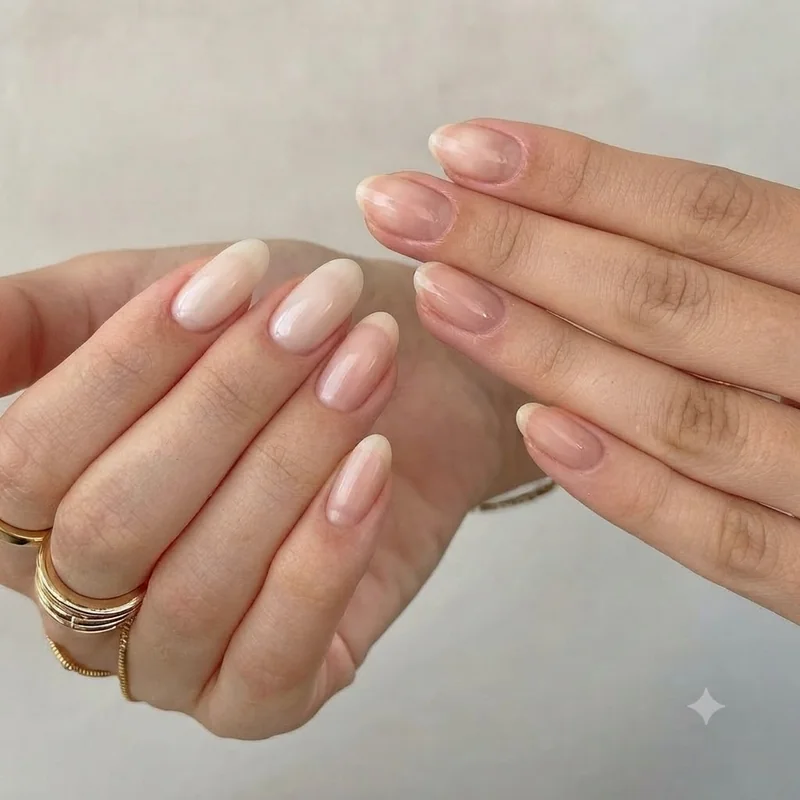
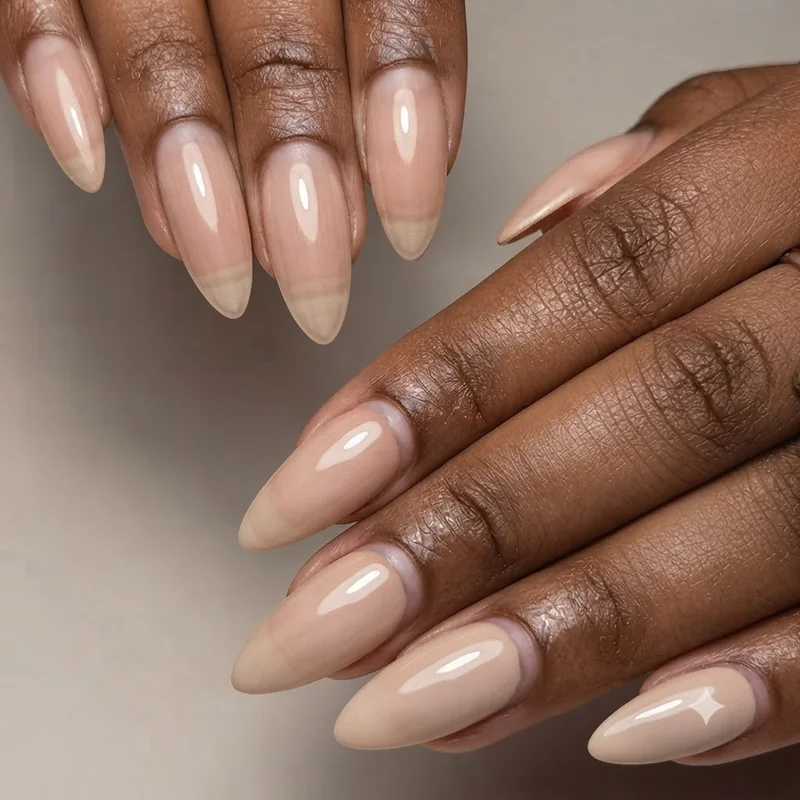
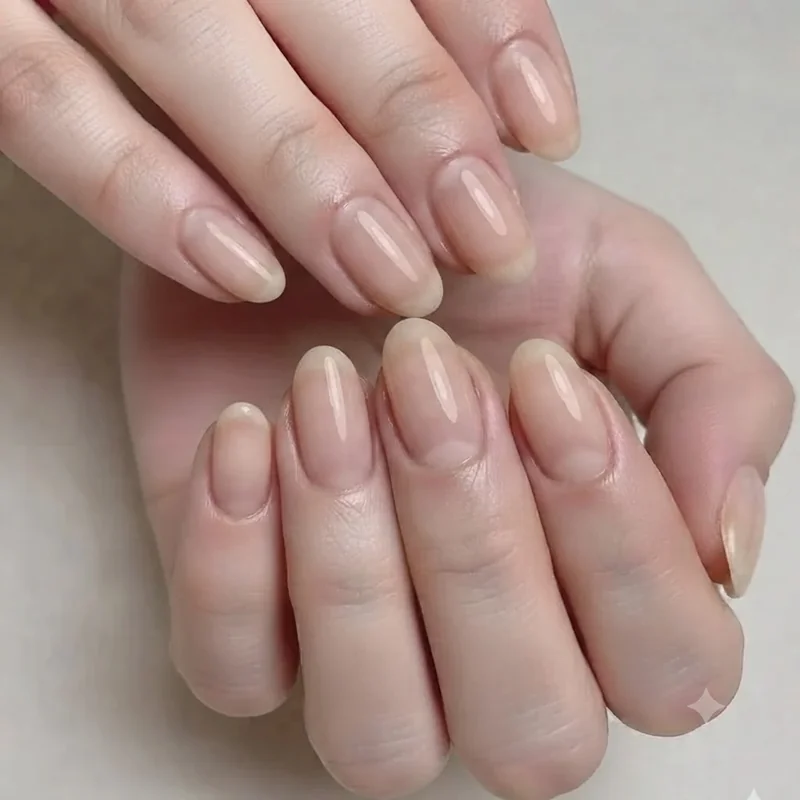
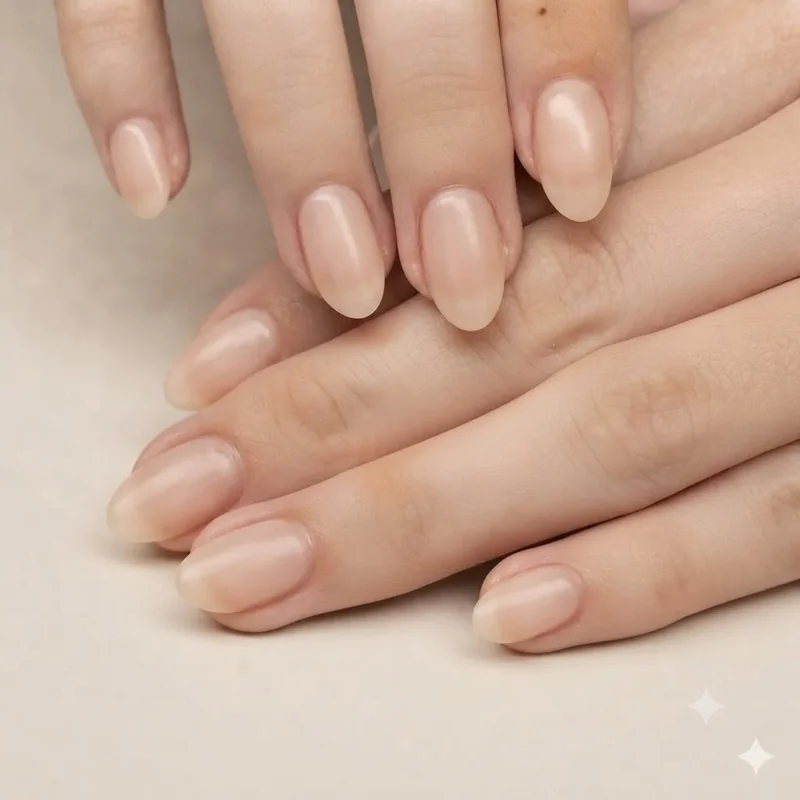
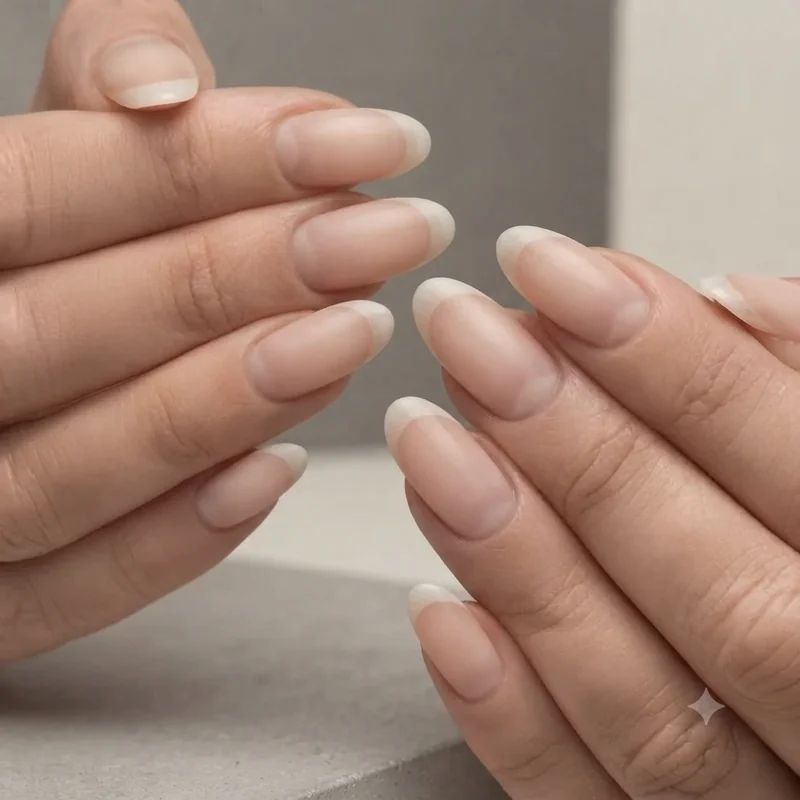
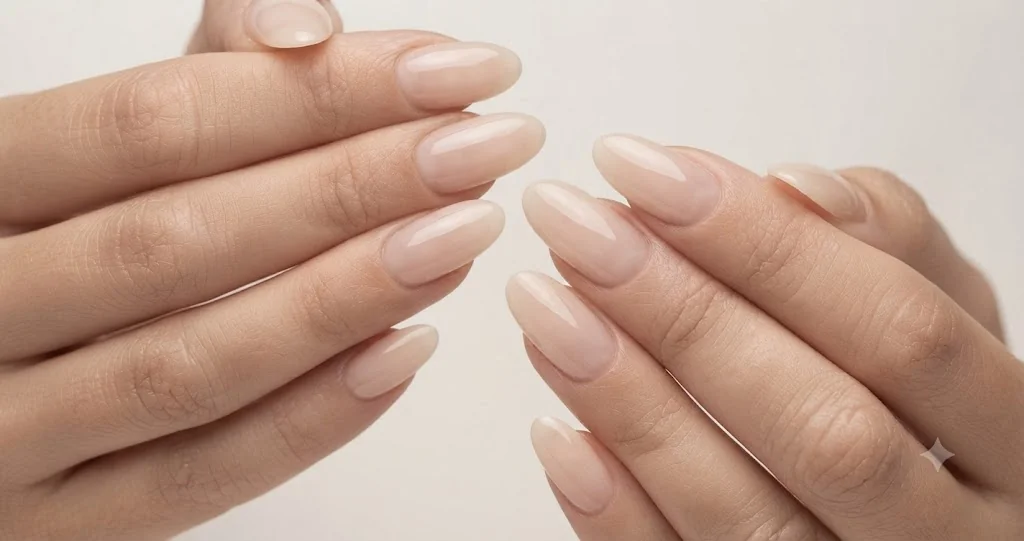
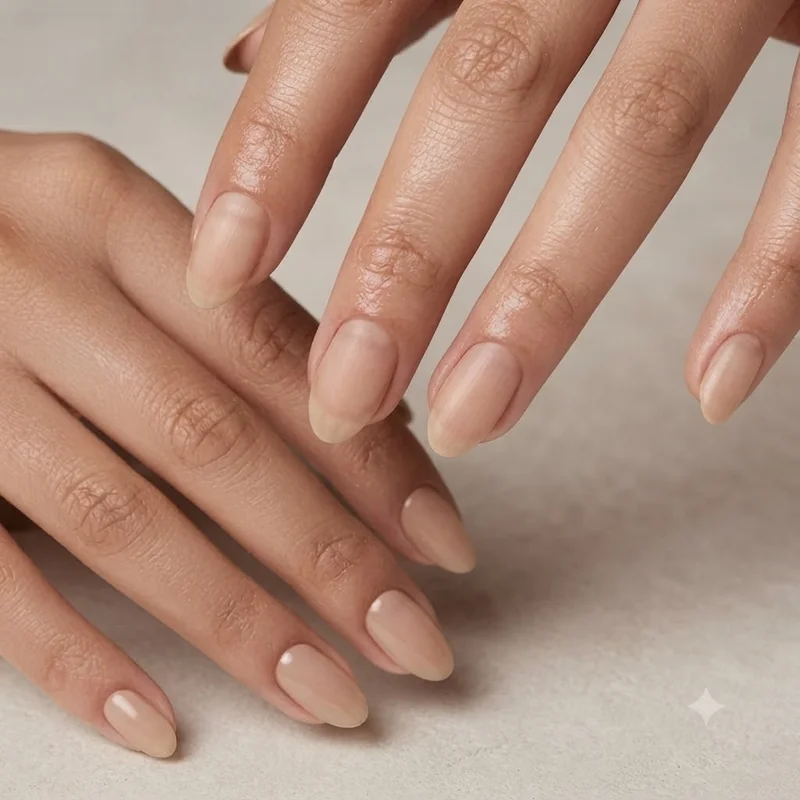
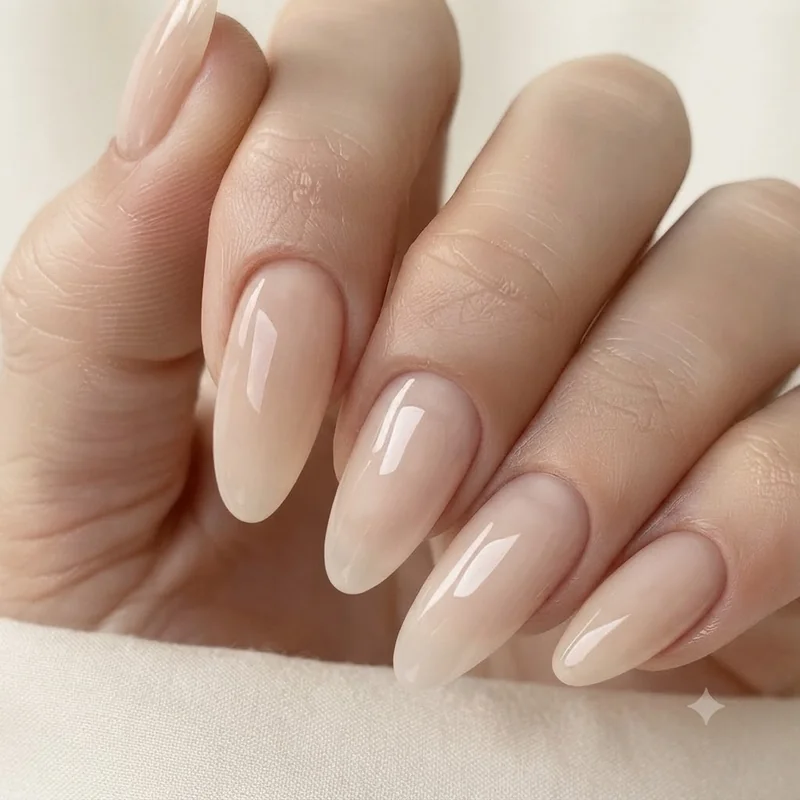
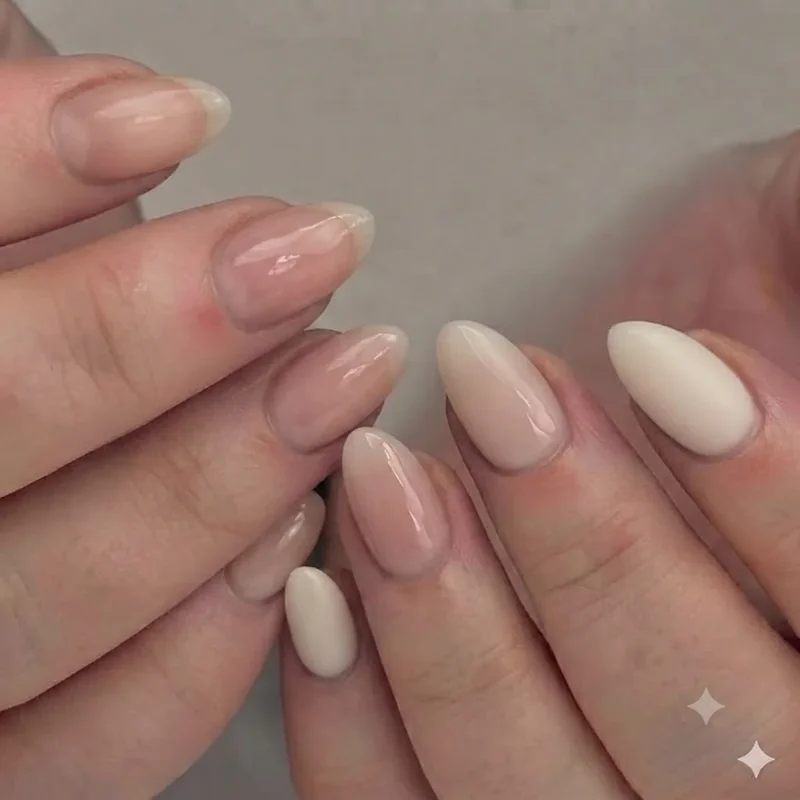
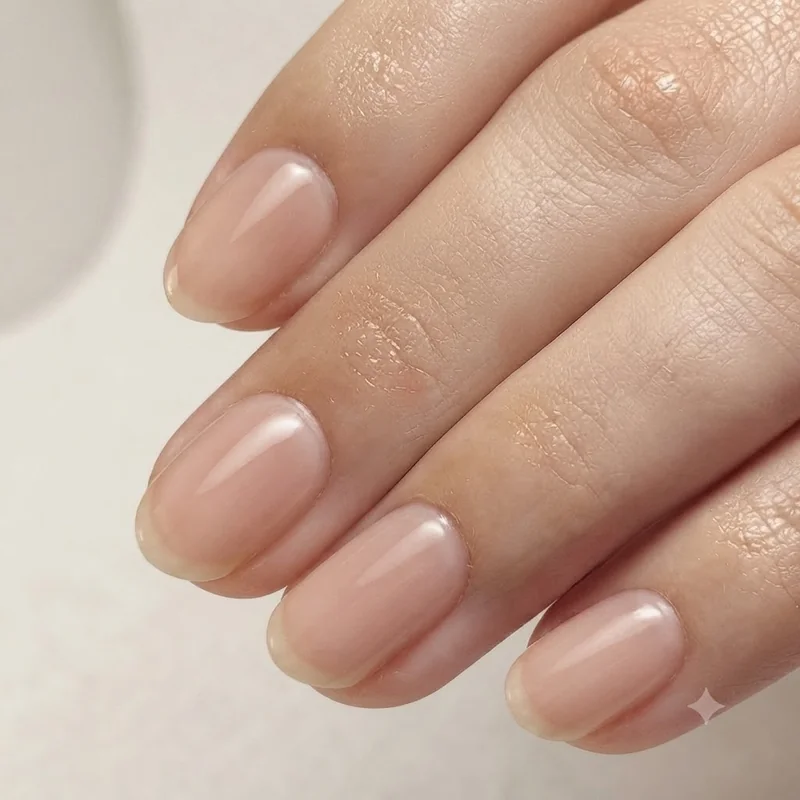
No, not always. A bare manicure can be completely polish-free, but it can just as validly include a single sheer coat, and both versions fall under bare nails meaning as a category.
The nail itself makes this possible either way. The visible part of a fingernail is the nail plate, made largely of layered keratin, a fibrous structural protein that also forms hair and the outer layer of skin, per the nail plate's keratin structure. A healthy, well-buffed nail plate reflects light on its own, which is exactly the polish-free end of bare nails meaning in practice. Add a translucent coat and you are not hiding that structure, just evening out tone while it shows through.
This is where dermatologist guidance on nail health matters: a bare nail has nowhere to hide, so ridges or dryness show up immediately, which is the maintenance side of bare nails meaning that rarely makes the highlight reel. Ready to try it? How to get bare nails at home with buffing covers the process step by step.
Why Bare Nails Became a Cultural Talking Point
The bare nails trend is linked to wealth and class because some read an immaculately maintained, unpolished nail as a subtler status signal than elaborate nail art, a form of "quiet luxury" that says the wearer does not need to broadcast money through visible design. Not everyone agrees with that reading, and the disagreement itself is part of why the term keeps resurfacing in beauty coverage.
One camp treats bare nails as counter-signaling. Once a status marker like elaborate nail art becomes widely accessible, the argument goes, those at the top move toward something that looks effortless but is actually harder to maintain well. A flawless bare nail, on this reading, quietly signals time and money without a single visible embellishment doing the talking.
Other commentators push back directly, pointing out that "old money" language around bare nails tends to code one narrow, historically white aesthetic as inherently more tasteful, overlooking the deep history of length and embellishment in Black and working-class nail culture. Read that way, bare nails are less a neutral trend and more a taste hierarchy dressed up as minimalism.
A plainer explanation sits alongside both: plenty of people choose bare nails simply because they are tired of the upkeep cycle of gel appointments, no class signal in bare nails meaning intended at all. Whether that reads as a status statement or a practical reset says as much about the observer as the nails. Worth understanding how the quiet luxury aesthetic turned bare, buffed nails into a status symbol before deciding where you land. The same tension extends to whether bare nails are professional for work.
The Term Earns Its Moment
Bare nails are not a rebrand of nothing. The name is misleading, but the substance behind bare nails meaning, buffed technique from Japan, dry precision from Ukraine, and a genuine range from unpolished to barely-there polish, is real and older than the hashtag.
Use the term with that precision now. When someone says their nails are bare, they mean a spectrum anchored in visible nail health, not a single rigid look, and not automatically a class statement either. Understanding bare nails meaning properly is worth more than another photo roundup ever could be.
If you are curious where this fits into the wider 2026 conversation, the full bare nails trend 2026 overview is the natural next stop, followed by the practical side of trying the look yourself.