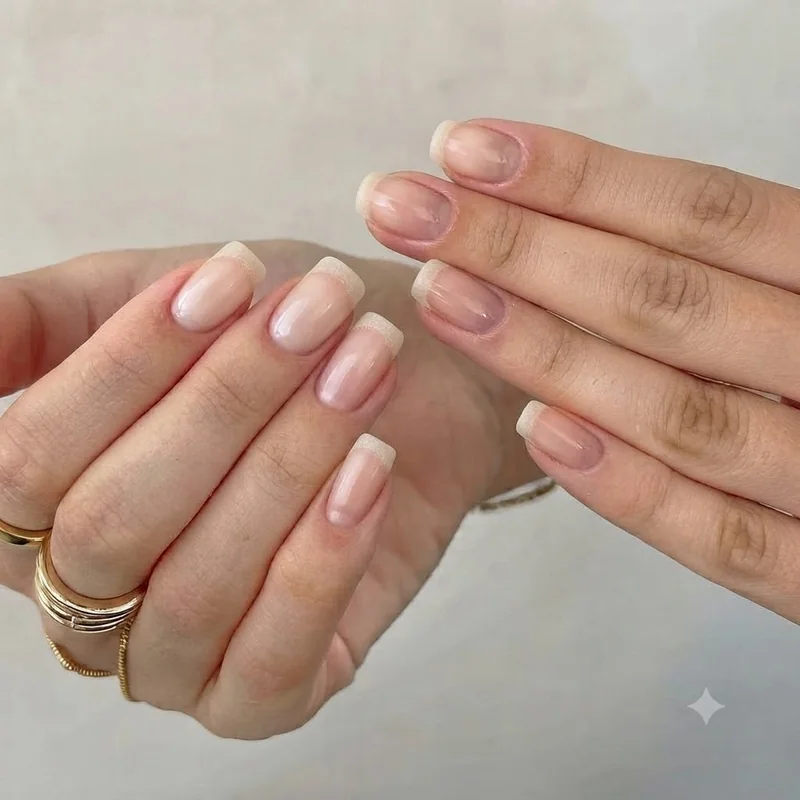
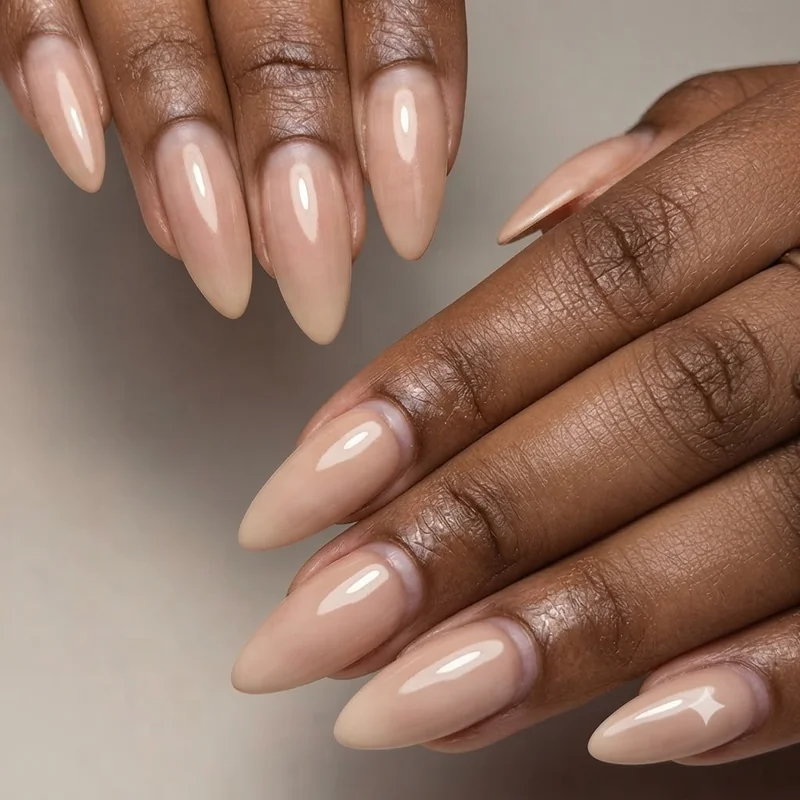
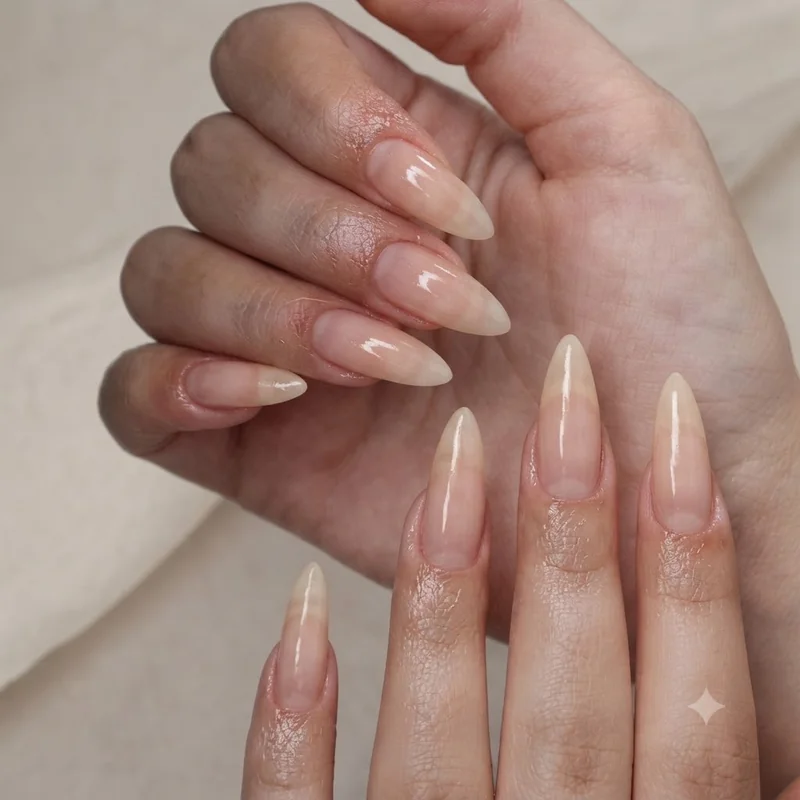
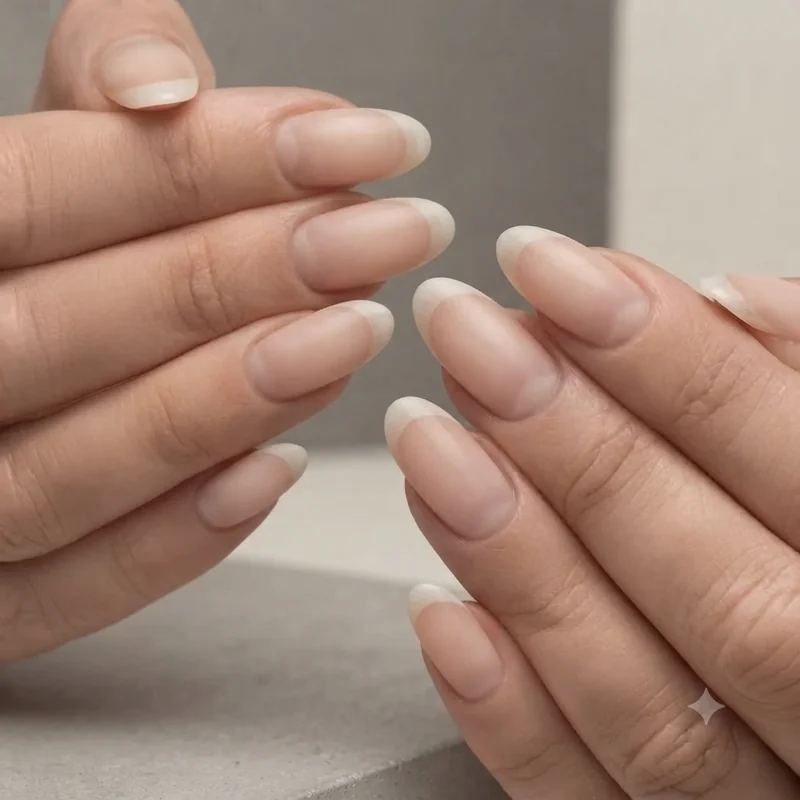
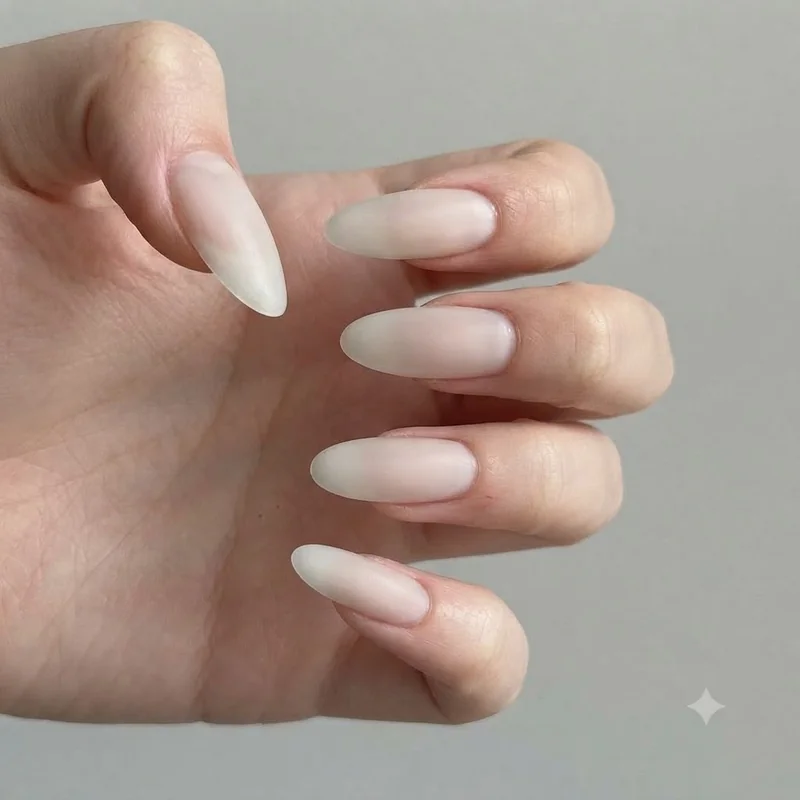
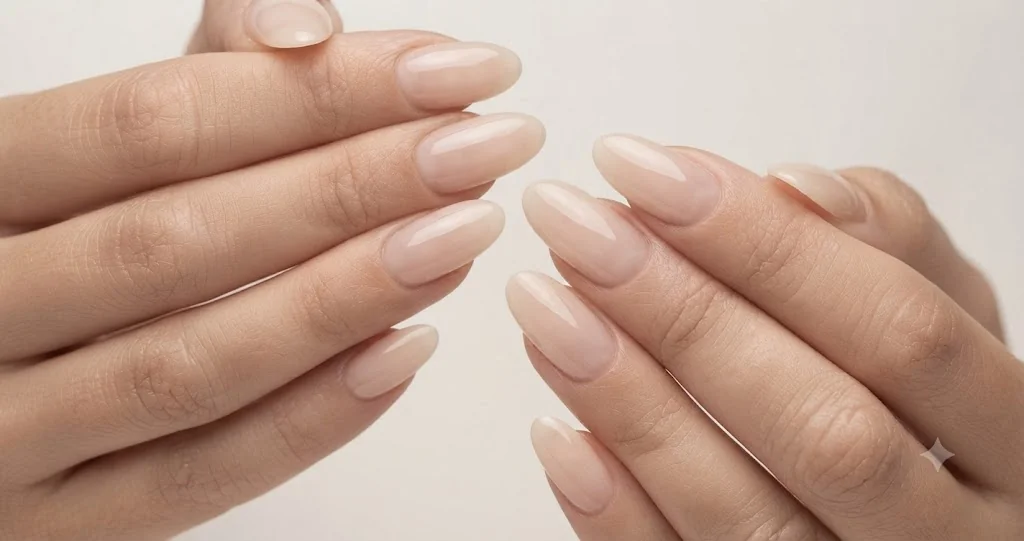
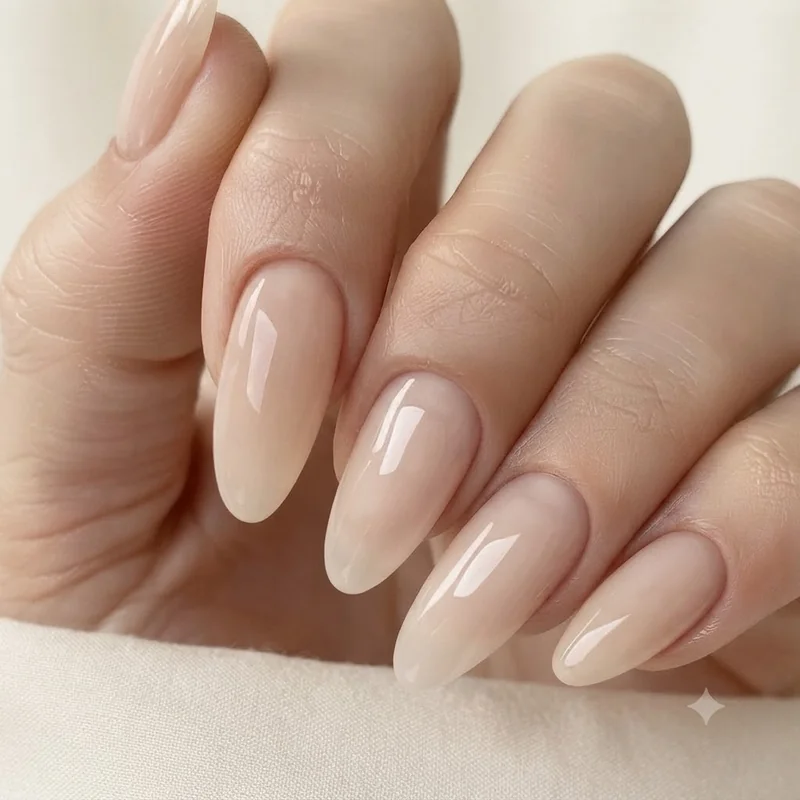
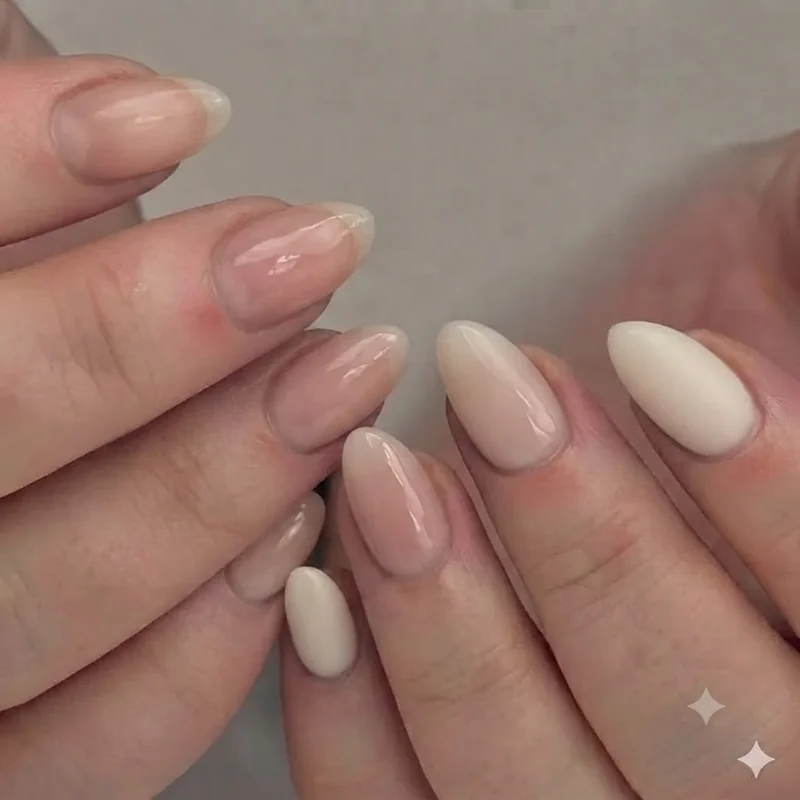
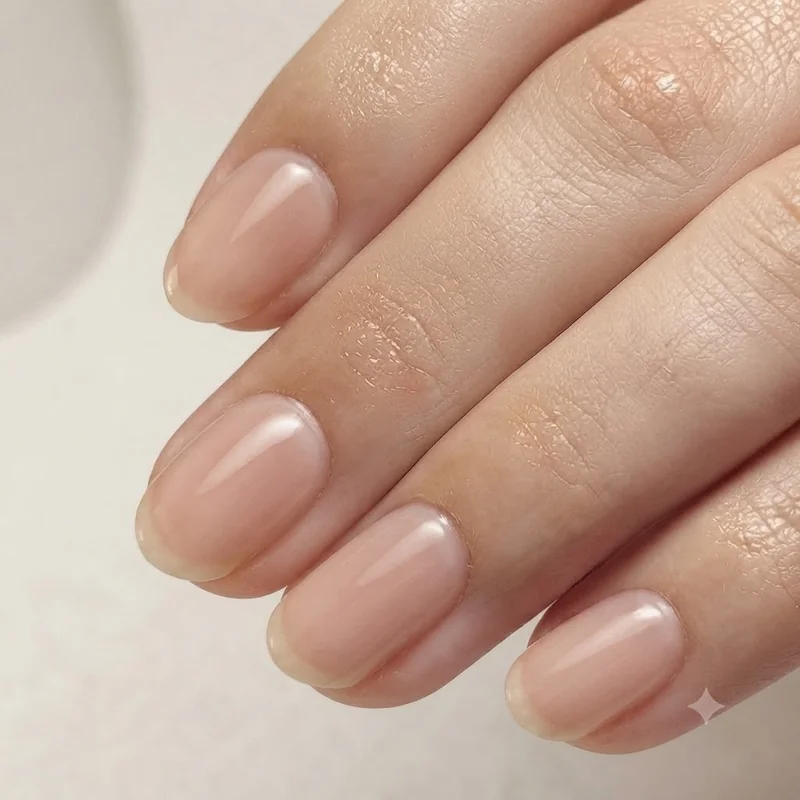
Doing your nails wrong is not the risk here. Buffing them wrong is. If you have read even two articles on how to get bare nails, you have probably already hit the same fear this one exists to solve: that pressing a buffer against your own nail plate a little too often, or a little too hard, will leave your nails thinner and worse off than when you started. That fear is reasonable. It is also solvable, and how to get bare nails without that risk means following four steps in a specific order, at a specific pace, so nothing gets damaged along the way.
This look has been everywhere lately, and it is worth understanding why before you start, which is covered in more depth in bare nails trend 2026. If you are still working out what exactly separates bare nails from other minimal-polish looks you have seen, what bare nails actually means is worth a quick read first. For everyone else, here is the routine.
The four steps are: file and shape, prep the cuticles, buff to a natural shine, then lock everything in with oil and a clear strengthener. Each step has a reason for existing where it does, and skipping the order is the fastest way to end up with nails that look tired instead of intentional.
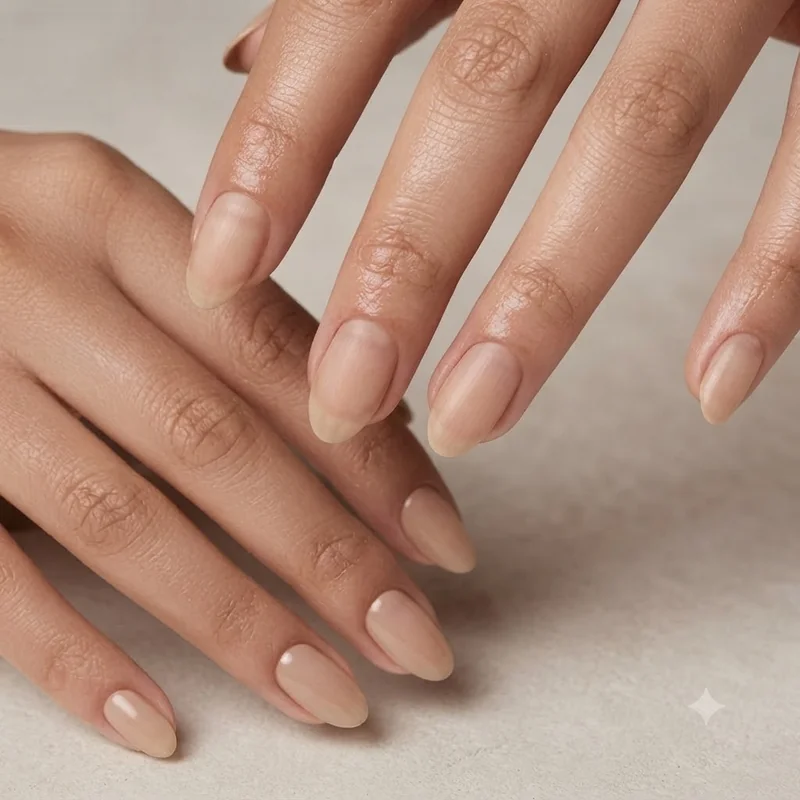
What Do You Actually Need to Get Bare Nails at Home?
You need three things: a glass file, a natural-nail buffer, and cuticle oil. That is the entire kit for how to get bare nails at home, and everything else you have seen online is optional, not foundational.
Getting the tool list right matters more than getting an expensive one. Bare nails depend on technique and consistency far more than on which brand of buffer sits in your kit.
A glass or crystal file is the one upgrade worth making if you only buy one tool. Unlike a metal file or standard emery board, a glass file has a fused, ultra-fine surface that seals the nail's edge as it files rather than tearing along it, which matters when there is no polish to disguise a rough edge. It costs roughly the same as a pack of emery boards but lasts for years instead of weeks.
A three-way or four-way buffer block covers shine and smoothing. Each side moves from a coarser grit to the finest, and using them in order, not skipping to the shine side, is what separates a good result from a patchy one.
Cuticle oil closes the routine. Jojoba oil and vitamin E oil are the two most common bases, and either works, since the job is moisture, not a specific ingredient.
It is worth pausing here on what this is not. Bare nails is not the same look as the softer, more translucent styles you may have also seen lately, and how bare nails differ from soap and milky nails is the clearest breakdown if that distinction matters to you before buying anything.
Knowing the difference matters because the tools and technique for true bare nails are more precise than a casual no-polish week. A cheap starter kit, glass file, buffer block, and one bottle of oil, typically runs less than the cost of a single salon manicure, and every tool in it lasts for months of regular use.