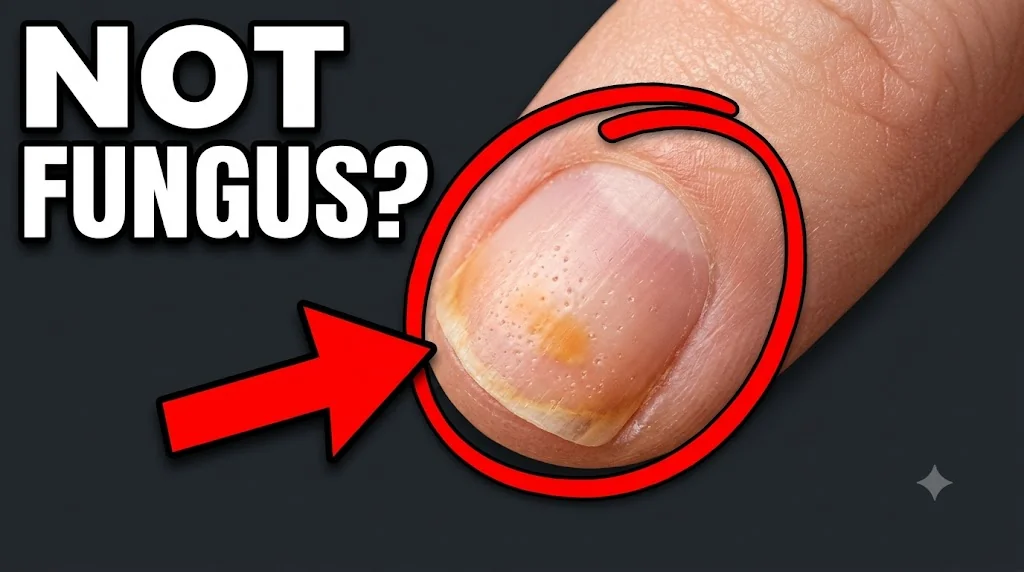
"HEMA-free" is on every third gel polish bottle now, and almost nobody explains what it's free from. You've seen the warning label, maybe felt a suspicious itch after your last fill, and landed here still not knowing what what is HEMA in nail polish actually means. Here's the straight answer: HEMA in nail polish is a bonding ingredient, not a poison, and understanding why it's there tells you everything about whether it's worth worrying about.
HEMA stands for hydroxyethyl methacrylate. It's a small molecule that helps gel and acrylic formulas cure into a hard, glossy, durable finish. That's the whole function. No brand mystery, no hidden agenda. The reason it gets blamed for allergic reactions comes down to one physical trait: its size. Small molecules move where they're not wanted, including into skin that hasn't been protected by a full cure. That single fact explains almost everything else in this article, so keep it in mind as we go.
What Is HEMA, Exactly?
People treat HEMA like it's a scary industrial chemical smuggled into beauty products. It's closer to the opposite. HEMA, or 2-hydroxyethyl methacrylate, is a cosmetic-grade monomer, a single molecular building block that links up with others during curing to form a hard polymer film. It's the same category of ingredient that gives gel polish its signature glass-like shine and multi-week durability.
Without a bonding monomer like HEMA, gel formulas wouldn't cure into anything close to what you expect from a salon manicure. It's not filler and it's not a shortcut. It's structural. Think of it the way flour works in bread: not the star ingredient anyone talks about, but the one that makes everything else hold together.
HEMA has also been used for decades in medicine, specifically in dental bonding agents and soft contact lenses, where the same adhesive chemistry is valued for entirely different reasons. That's a useful signal. An ingredient trusted inside the mouth and on the eye for this long isn't inherently dangerous. Context and exposure are what matter, and nail products create a very specific kind of exposure worth understanding properly.
Why Is HEMA Used in Gel and Acrylic Nails?
Picture your last gel manicure minus its bonding monomer. The colour would sit on top of your nail instead of gripping it, chip within days, and never develop that glassy top coat finish gel is known for. That's the gap HEMA fills.
During curing under a UV or LED lamp, HEMA molecules link together and to the nail plate, forming a tight polymer network. This is what gives gel its adhesion, its flexibility without cracking, and its resistance to chipping. Acrylic systems lean on the same chemistry for similar reasons: strength, wear time, and a finish that holds its shape.
Formulators haven't kept using HEMA out of habit. It cures efficiently, performs consistently across colour ranges, and keeps costs manageable, which matters when a full gel system includes base, colour, and top coat. Newer alternatives exist, and we'll get to them, but none has fully replaced HEMA's balance of performance and reliability yet. That's the trade the whole gel category has been built on for years.