HEMA Allergy Symptoms: The Signs Your Gel Is To Blame
BY jyoti-mirelle
July 9, 2026
Nail Health & Safety
HEMA Allergy Symptoms: The Signs Your Gel Is To Blame
BY jyoti-mirelle
July 9, 2026
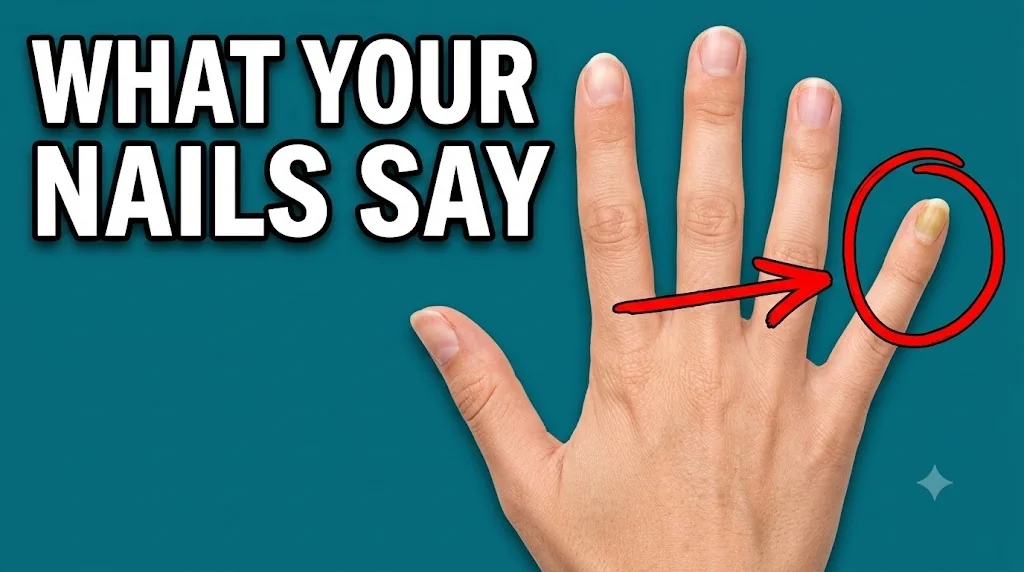
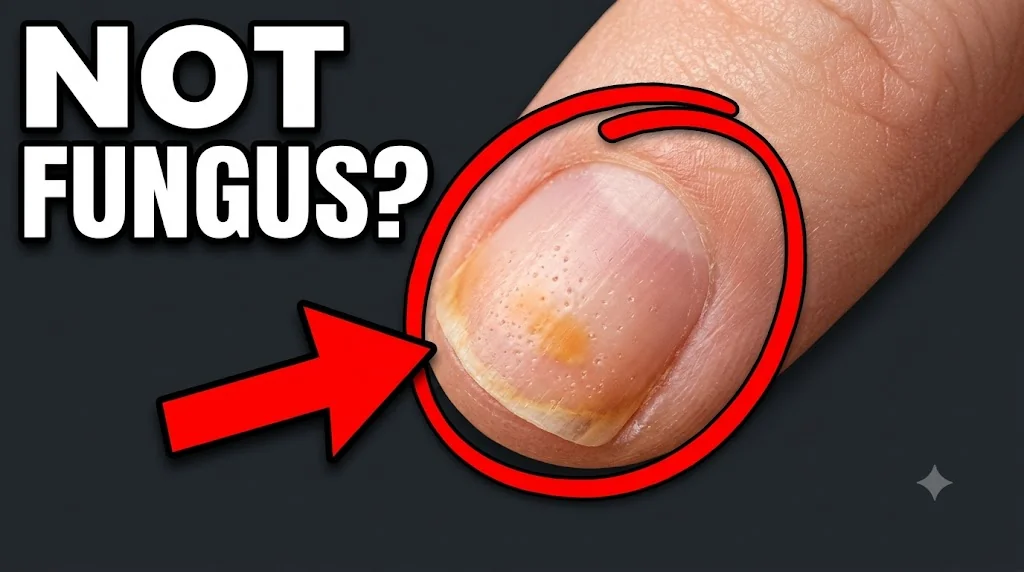
That itch at the base of your nail, the one that showed up a day or two after your last gel set, is not in your head. HEMA allergy symptoms almost always begin this quietly, which is exactly why so many people miss them the first time. This is not a fungal infection and it is not you being too rough with a cuticle pusher. Once you know what to look for, the pattern becomes unmistakable, and that is what this piece lays out: the exact HEMA allergic reaction symptoms, in the order they tend to appear, so you can place your own hands against them right now.
What Does a HEMA Allergic Reaction Actually Look Like?
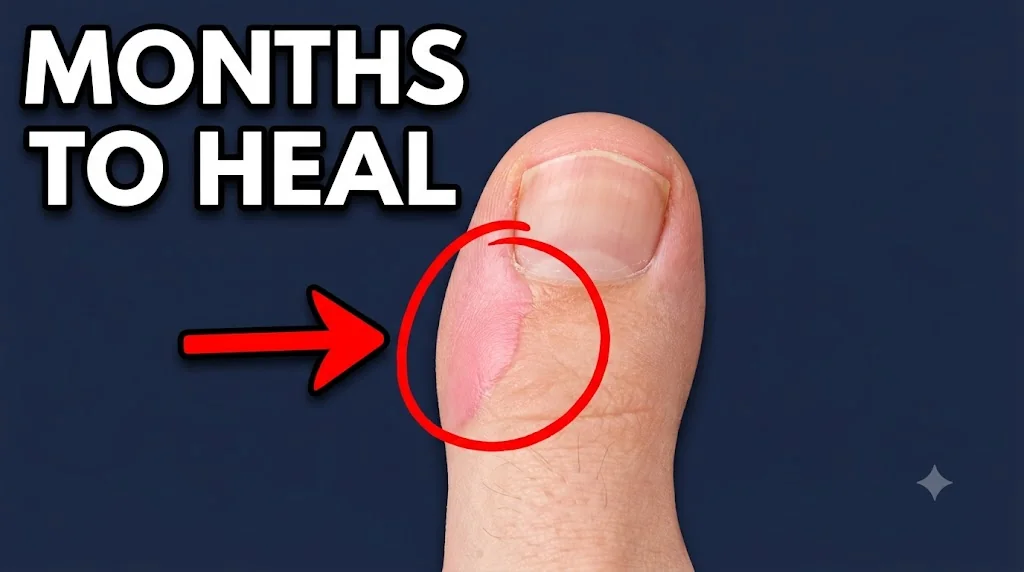
Picture the skin right where your cuticle meets the polish. It is redder than the rest of your finger, slightly raised, and warm when you press it. That is the opening scene of nearly every case. Allergic contact dermatitis is an inflammatory skin reaction triggered when the immune system flags a substance, in this case a chemical in your gel, as a threat and mounts a response against it every time contact happens again. The ingredient most often responsible is 2-Hydroxyethyl Methacrylate, known as 2-HEMA, a monomer used to help gel adhere to the nail plate and one that dermatologists now include in standard patch test panels because reactions to it have become so common.
From there, the picture can widen. Redness spreads slightly beyond the cuticle line. Fingertips swell and feel tight. Some people notice blistering, others notice the skin cracking and weeping. In more advanced cases, the nail itself starts lifting away from the bed, a separation called onycholysis, because the immune reaction is happening at the attachment point rather than just the surrounding skin. None of this needs to be dramatic to count. A lot of readers searching for HEMA allergy symptoms are looking at something far subtler than blistering, and the next section is exactly for them.
Follow us on
Instagram@mirelle_inspo
Pinterest@mirelle_inspo
X@mirelleinspo
FacebookMirelleInspo
YouTube@mirelleinspo
LinkedInmirelleinspo
Elevate the Season with Mirellé
Elevate the Season with Mirellé
Trend forecasts, product picks, and reader FAQs from Mirellé Inspo. Unsubscribe anytime. Privacy Policy
The Early, Easy-to-Miss Warning Signs
The earliest signs of a HEMA allergy are mild, and they show up after you have left the salon, not in the chair. Dr. Cameron Rokhsar, MD, FAAD, FAACS, Founder and Medical Director at New York Cosmetic Skin & Laser Surgery Center, describes them this way:
The earliest tell is a mild, persistent tingling or itching under the free edge of the nail or at the fingertip pads, appearing a day or two after a fill rather than immediately in the chair, which people write off as the nail bed being irritated from filing. A close second is subtle, symmetric dryness and fine cracking of the skin around the cuticles and fingertips that does not respond to the usual hand cream the way ordinary dry skin would.
Both signs come with a ready excuse. The tingling lands a day or two after the appointment, so filing irritation takes the blame, and dry cuticles pass for ordinary dryness until the hand cream does nothing for them.
Left unaddressed, this stage tends to progress rather than resolve on its own. The itching intensifies. Some people describe waking up scratching their fingers in the middle of the night, which is a strong signal that this has moved past ordinary post-manicure dryness. If a "mild itch" from your last set has been quietly building rather than fading over the past 48 hours, that trajectory matters more than the current severity.
How Long After a Gel Manicure Do Symptoms Appear?
HEMA allergy symptoms typically surface 24 to 72 hours after exposure, and Dr. Rokhsar places the earliest tingling a day or two after a fill, not in the chair. This delay is not a coincidence. It is the defining feature of the immune mechanism behind it, known as Type IV or delayed-type hypersensitivity, which takes time to mount a full response after contact.
This timeline explains why the cause is so easy to miss. You leave the salon with hands that look and feel fine. The appointment itself was uneventful. Then, a day later, your cuticles feel hot. By day three, the itching and redness are hard to ignore. Because the reaction is delayed rather than immediate, it is easy to disconnect it from the manicure that caused it, especially if you have worn the same gel brand for months without issue.
That last point matters more than most people realise. Sensitisation builds with cumulative exposure, so a reaction can appear after years of trouble-free gel manicures with no warning. The set that finally triggers a response is rarely the first time your skin encountered the allergen. It is simply the time your immune system crossed its threshold. If you are trying to work out whether a symptom belongs to your most recent appointment or one from weeks ago, the 24 to 72 hour window is your anchor point.
Allergy, Irritation, or Infection: How to Tell the Difference
You have probably assumed this is just irritation from filing too close to the skin, and for some people that is exactly right. But irritation, allergy, and infection produce distinguishable patterns once you know where to look, and treating one as another delays getting it sorted properly.
An allergic reaction itches. It tends to affect both hands roughly symmetrically, since the same product touched both, and it worsens with each subsequent exposure rather than settling. Simple irritation from over-filing or aggressive cuticle work, by contrast, is usually one-sided, tied to a specific rough spot, and improves within a day or two without any product change. Infection looks different again: expect localised swelling with pus, an unpleasant odour, or a colour change in the nail itself, none of which are typical of an allergic reaction on their own.
The severe end of an allergic response includes flu-like symptoms alongside the skin reaction, something that would be unusual for irritation and points toward a broader immune response rather than a local infection. If you are still unsure which of the three you are looking at, symmetry and itch are your two clearest signals. Reactions that appear on both hands and itch rather than throb belong in the allergy column far more often than not.
Why Symptoms Often Get Worse With Each Manicure
This is the pattern people find hardest to accept: the second reaction is rarely gentler than the first. Because sensitisation is cumulative, each exposure primes the immune system to respond faster and harder the next time, not less. A mild tingle at your first affected set can become genuine swelling at your next one, even with the exact same product.
This is why "maybe it will settle down" is the wrong instinct here. Allergic reactions to HEMA do not build tolerance the way some irritations do. They build sensitivity. If your last three sets have each felt slightly worse than the one before, that trend is the reaction telling you something, not bad luck with technique or a batch of polish. The pattern itself is diagnostic in a way the severity of any single episode is not.
Elevate the Season with Mirellé
Elevate the Season with Mirellé
Trend forecasts, product picks, and reader FAQs from Mirellé Inspo. Unsubscribe anytime. Privacy Policy
Can the Reaction Spread Beyond Your Fingertips?
It can. Dermatitis can appear anywhere your hands touch afterward. Eyelids, the neck, and the jawline are common secondary sites, simply from the ordinary habit of touching your face.
If you have unexplained eyelid or facial dermatitis alongside a known gel manicure habit, the nails deserve consideration as a cause rather than dismissal.
What to Do If You Recognize These Symptoms
The first move is removal, not diagnosis. Take the gel off, stop all further contact with the product, and give your skin a clean break while the reaction settles, which typically takes one to three days once exposure stops. A fragrance-free moisturiser and an over-the-counter hydrocortisone cream can ease the itching and redness in the meantime.
Beyond that, this is genuinely worth a dermatologist visit, particularly if you want confirmation through patch testing rather than a guess. A specific concern to raise: HEMA sensitivity often comes with cross-reactivity to related methacrylates, sometimes called the "gateway allergen" pattern, which means switching to a product simply labelled HEMA-free will not always solve the problem if it still contains chemically related compounds. Understanding what HEMA is in nail products is a useful next step before you choose what comes after this, and if you want a practical plan for your next set, how to reduce your risk of a HEMA allergy covers exactly that.
None of this means gel manicures are over for you. It means this particular formula was, and that distinction is the whole point.
The Bottom Line
An itch that lingers past your usual post-manicure dryness is information, not paranoia. HEMA allergy symptoms follow a recognisable arc, subtle irritation, a 24 to 72 hour delay, then escalation with repeat exposure, and once you have seen that arc laid out, your own hands either match it or they don't. Trust that pattern over reassurance from a salon chair or a product label. The reaction is real, it is common, and it has a clear next step. Take it.
Follow us on
Instagram@mirelle_inspo
Pinterest@mirelle_inspo
X@mirelleinspo
FacebookMirelleInspo
YouTube@mirelleinspo
LinkedInmirelleinspo
Frequently Asked Questions
Mirellé Inspo
The biggest beauty stories, trends, and product recommendations.
You'll receive nail trend forecasts, product recommendations, and reader FAQs from Mirellé Inspo. Unsubscribe anytime. See our Privacy Policy for details.
Founder & Medical Director at New York Cosmetic Skin & Laser Surgery Center
Cameron K. Rokhsar, M.D., F.A.A.D., F.A.A.C.S., an internationally renowned laser surgeon, is a Board Certified dermatologist and fellowship-trained cosmetic and laser surgeon in private practice in Manhattan and Long Island. He practices cosmetic and general dermatology with a particular focus on laser and other non surgical treatments, aesthetic enhancements with fillers, skin cancer and its treatment through Mohs Micrographic Surgery, minimally invasive liposuction, and the treatment of acne and acne scars.
Jyoti is the co-founder of Mirellé Inspo. She writes all editorial content across the publication and manages Mirellé's social presence, turning research into writing the nail community actually wants to read.
Mirellé is an editorial platform dedicated to nail trends and inspo. We track what the nail community is searching, pinning, and loving, and turn that into curated style guides, trend breakdowns, and inspiration.
Every piece on this site starts with real research: Pinterest data, search trends, and what nail enthusiasts, techs, and salons are actually gravitating toward. We curate so you don't have to.