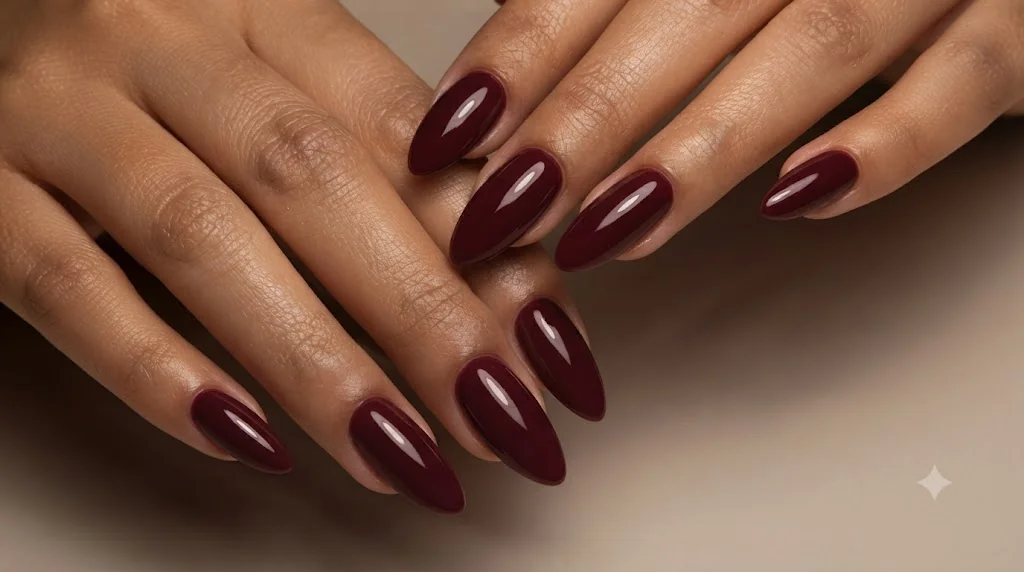
You have probably seen 10 free nail polish printed across five different bottles and read five slightly different explanations of what it means. Every brand has its own version of the story, and every version conveniently ends with a reason to buy that brand's polish. This is the version without a shop button. The 10 free nail polish meaning is simpler than the marketing makes it sound, and the parts brands tend to leave out matter more than the parts they print on the label.
For a wider look at what actually goes into your polish before it reaches the shelf, our full nail product ingredients breakdown covers the bigger picture. This post stays narrow. One label, ten chemicals, and the honest context around both.
What Does 10-Free Nail Polish Mean?
Ten chemicals, gone. That is the entire premise. The 10 free nail polish meaning comes down to a formula that has been made without ten specific ingredients commonly found in traditional nail lacquer, most of them solvents, plasticisers, or preservatives linked to skin irritation, respiratory effects, or longer-term health concerns. The number refers to a count of excluded chemicals, not a certification, a formula standard, or a government classification.
It is a self-applied label. A brand decides which ingredients to remove, formulates around that decision, and prints the resulting number on the bottle. Nothing about the process involves outside verification, which sounds alarming until you understand it is standard for the entire cosmetics industry, not a red flag specific to nail polish. The label started somewhere, though, and that origin explains a lot about why the number keeps climbing.
The 10 Chemicals Excluded From 10-Free Nail Polish
Most people assume "10-free" is one universal list. It is closer to a shared starting point that different brands build outward from, and the differences are more significant than the marketing lets on.
Seven of the ten are close to universal across brands: dibutyl phthalate (DBP), toluene, formaldehyde, formaldehyde resin, camphor, ethyl tosylamide, and xylene. DBP is a plasticiser that keeps polish flexible once dry, and it has drawn scrutiny for hormone disruption and reproductive effects. Toluene is the solvent behind that sharp, unmistakable polish smell, and prolonged exposure has been tied to nervous system and respiratory effects. Formaldehyde, once used as a nail hardener, is a recognised human carcinogen, and formaldehyde resin can release small amounts of it over time. Camphor, added for shine, has been linked to headaches and dizziness in high concentrations. Ethyl tosylamide speeds drying but has raised antibiotic resistance concerns significant enough that the European Union restricted it. Xylene, another solvent, can affect the central nervous system with heavy exposure.
The remaining three vary by brand. Some formulas add parabens (preservatives associated with hormone mimicry), TPHP or triphenyl phosphate (a plasticiser and flame retardant linked to endocrine effects), and tert-butyl hydroperoxide (a stabiliser flagged for respiratory and organ toxicity). Others substitute animal-derived ingredients, gluten, or fragrance into that final trio instead. This is not a minor technicality. It is the exact gap that makes the "10-free" claim less consistent than it sounds, and it is the reason two bottles marked identically on the front can differ on the back.
For the full picture of what to actually look for on an ingredient label, our guide to nail polish ingredients to avoid breaks each one down individually.