Why Biotin Only Works If You're Actually Deficient
Biotin, or vitamin B7, is a water-soluble B vitamin the body uses as a cofactor to produce keratin, the structural protein that makes up the bulk of your nails, hair, and skin. Without enough of it, keratin production slows, and nails can become thin, soft, and prone to splitting.
Here is the part the gummy industry does not lead with: biotin deficiency is a rare condition in healthy adults eating a normal, mixed diet. It shows up more often in specific situations: pregnancy, chronic heavy alcohol use, long-term anticonvulsant medication, smoking, or a rare inherited condition called biotinidase deficiency, where the body cannot recycle the biotin it already has. Outside those groups, your body is almost certainly getting what it needs from food, since biotin is present in eggs, organ meats, salmon, almonds, sunflower seeds, and sweet potatoes, and gut bacteria produce additional biotin on their own.
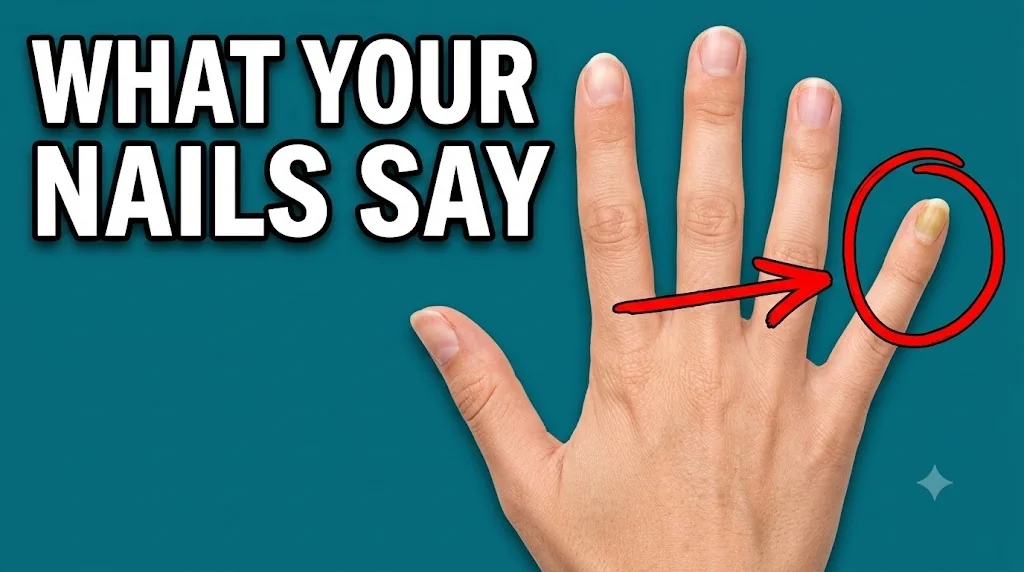
This is where the entire "does biotin help nails" conversation gets muddled online. Brittle nails are a genuine symptom of biotin deficiency. But brittle nails are far more commonly caused by something else entirely: repeated gel or acrylic removal, over-washing your hands, harsh cuticle treatments, nail-biting, or simple dehydration of the nail plate. Someone with normal biotin levels who supplements anyway is not correcting a deficiency, because there was never one to correct. As one dermatologist put it plainly when discussing biotin and hair: true deficiency is rare, and in people with normal levels, high-quality studies have not consistently shown that biotin supplements improve outcomes.
If you have not ruled out the mechanical and environmental causes first, biotin is treating a problem you may not actually have.
What the Clinical Studies Really Show
The evidence for biotin and nails is real, but it is thinner and older than the marketing suggests. Most of what gets cited traces back to a small handful of studies from decades ago, not a wave of recent, large-scale trials.
The most-cited study followed a group of patients with brittle nail syndrome and found a 25% increase in nail plate thickness after six months of 2.5 mg daily biotin, along with reduced splitting and more regular cell arrangement on the nail surface under microscope. A separate scanning electron microscopy study reported similar structural improvements. A 2017 review published in the Journal of Dermatological Treatment, examining the full body of biotin-and-nail research, concluded that clinical trials have shown an improvement in firmness, hardness, and thickness of brittle nails with oral biotin, and that finding sits behind much of what gets repeated across the beauty internet.
Here is the honest caveat none of that marketing includes: these were small studies, often without placebo control groups, and conducted specifically on patients already diagnosed with brittle nail syndrome, a distinct clinical condition, not simply "nails that chip sometimes." A well-designed, placebo-controlled trial isolating biotin's effect on nails in otherwise healthy, non-deficient adults essentially does not exist. What exists instead is a body of encouraging but limited evidence in a narrow, symptomatic population, extrapolated by supplement marketing to apply to everyone.
That is not the same as biotin being useless. It means the honest answer to does biotin work for nails is conditional, not universal, and the condition is deficiency or diagnosed brittle nail syndrome, not general dissatisfaction with your manicure.
How Long Does Biotin Take to Strengthen Nails?
If biotin is going to help you, expect three to six months before you notice a real difference, and up to a year for full results. Nails grow slowly, roughly three millimetres a month, so no supplement can outrun that biology.
This timeline is not a marketing estimate. It reflects the nail growth cycle itself. A fingernail takes around six months to fully regrow from cuticle to tip, which means any structural improvement from increased keratin production has to grow out visibly before you can actually see it. The Swiss study that produced the well-known 25% thickness improvement measured its results at the six-month mark, not week two or week six. Anyone expecting visible change inside a month is working against basic nail physiology, regardless of dose.
This is also where most people quietly give up. They start a bottle in January, see nothing by March, and stop, right around the point where a genuinely deficient person might have started seeing early gains. If you are going to trial biotin, the only fair test is a consistent six-month run, tracked against a baseline photo, not a vague impression of "have my nails felt different lately."
If you are three months in with zero change, that is not necessarily a failure of patience. It may be your first real evidence that deficiency was never the issue.
How Much Biotin Should You Actually Take?
What dose actually matches the clinical evidence, versus what the gummy bottles are selling you? The adequate daily intake set by the NIH Office of Dietary Supplements for adults is just 30 micrograms (mcg). Most commercial nail and hair supplements contain 2,500 to 10,000 mcg per serving, which is anywhere from 80 to over 300 times that baseline.
The studies showing measurable nail improvement generally used around 2.5 mg (2,500 mcg) daily, which happens to sit at the lower end of what supplement brands sell. There is no strong evidence that higher doses, the 5,000 or 10,000 mcg gummies marketed as "extra strength," produce better results than the 2,500 mcg used in research. More biotin does not mean more keratin. Your body absorbs what it needs and, being water-soluble, excretes the rest through urine.
Biotin has no established tolerable upper limit because no toxicity has been documented in humans, even at doses in the tens of milligrams. Safety is not the concern here. The concern is that megadosing past 2,500 mcg is paying for a placebo effect dressed up as a stronger formula, and it introduces a real risk covered in the next section. If you are supplementing at all, there is no clinical reason to reach for the highest number on the shelf.