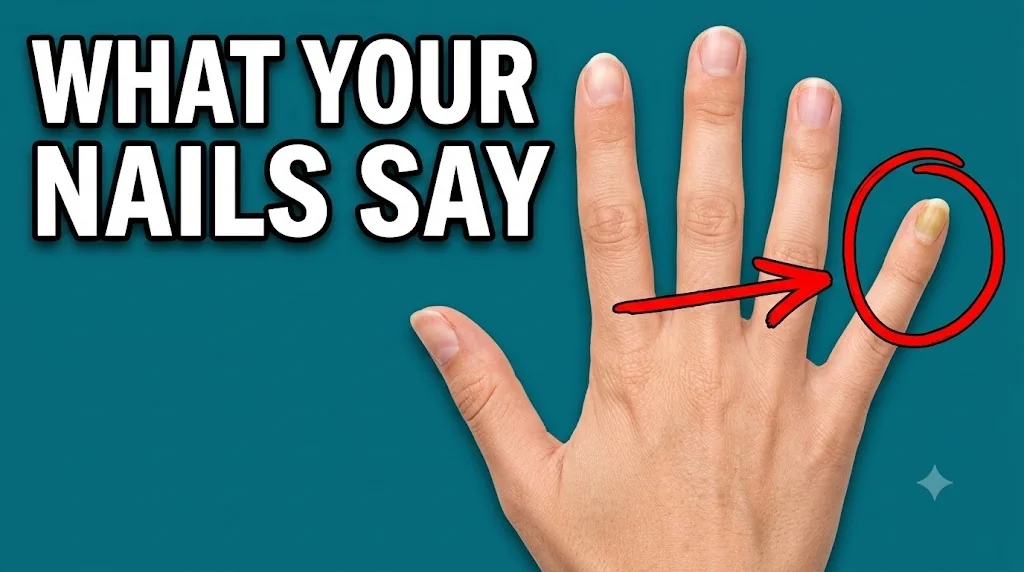
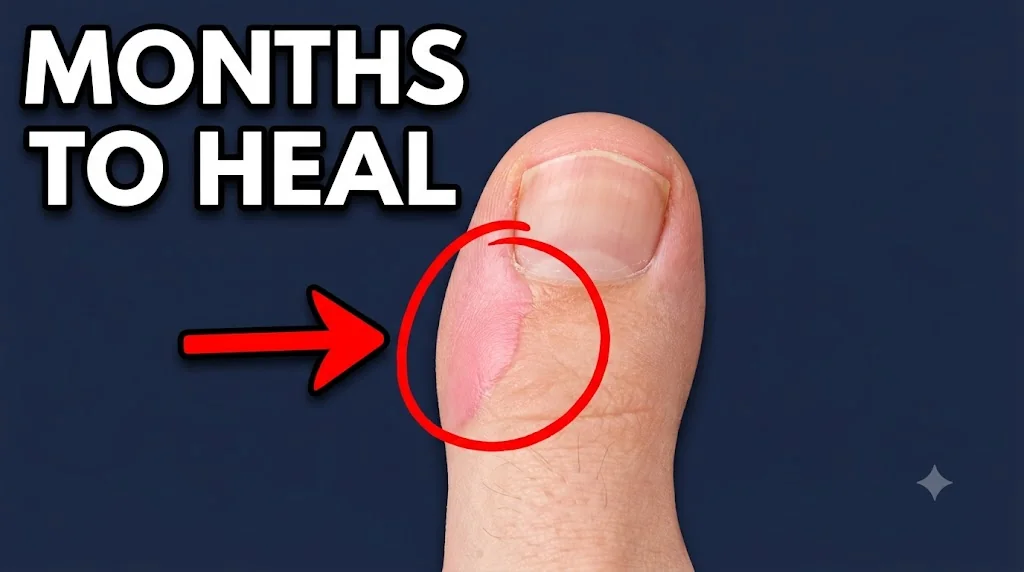
You notice it mid-manicure, usually. Light catches the nail at an angle you don't normally look at it from, and there they are: fine lines running from cuticle to tip, like the surface quietly changed texture without asking. Here's the reassurance most articles bury under a wall of disease names: vertical ridges on nails are, in the vast majority of cases, just aging. Not illness. Not a deficiency crisis. Just your nails doing what skin and hair also do over time. That said, "usually" is not "always." Vertical ridges on nails causes range from completely benign to worth a doctor's visit, and the rest of this comes down to which one applies to you.
Are Vertical Ridges on Nails Normal?
Yes, mostly. Vertical ridges are one of the most common nail changes there is, and on their own, they are not a warning sign. If your nails are otherwise a consistent colour, not swollen or painful, and the lines run neatly from base to tip, you are looking at the ordinary texture change that comes with nail aging, not something your body is trying to flag.
That reframe matters because the internet tends to lead with the scary version first. Search "why do I have ridges on my nails" and you land on lists mentioning thyroid disease and arthritis before the word "aging" even appears. In reality, aging accounts for the overwhelming majority of cases. The exceptions exist, and we will get to exactly what pairs with a ridge to shift it from cosmetic to clinical. For now: noticing a few faint vertical lines on nails you've had your whole life is not a diagnosis. It's a Tuesday.
Follow us on
Instagram@mirelle_inspo
Pinterest@mirelle_inspo
X@mirelleinspo
FacebookMirelleInspo
YouTube@mirelleinspo
LinkedInmirelleinspo
Elevate the Season with Mirellé
Elevate the Season with Mirellé
Trend forecasts, product picks, and reader FAQs from Mirellé Inspo. Unsubscribe anytime. Privacy Policy
What Causes Vertical Ridges on Nails
Vertical ridges on nails causes come down to changes in how quickly and evenly your nail cells regenerate. Your nail is not one solid piece. It's built from layers of keratin cells that form at the matrix, under your cuticle, and get pushed forward as new cells form behind them. When that cell turnover becomes slightly uneven, which happens naturally over time, the nail plate stops growing perfectly flat and starts growing in fine parallel ridges instead.
The medical term for this is onychorrhexis, a general word for brittle, ridged, or splitting nails. The nail matrix is the engine room behind all of it: the tissue under the base of the nail responsible for producing new cells. Anything that slows or disrupts that production shows up, eventually, as texture on the surface.
Age is the leading cause, full stop. Keratin production naturally slows as we get older, and the nail plate grows thinner and less flexible as a result. Dehydration compounds this. Frequent hand washing, cold weather, and acetone-based polish removers strip the natural oils that keep the nail plate pliable, so ridges already forming become easier to see and feel. Nutrient gaps play a supporting role too. Low iron, zinc, or protein intake can slow keratin production further, and this is one area where a lone vertical ridge is almost never a thyroid sign, it's usually just dehydration or age, according to health data reviewed by clinical researchers. Skin conditions like eczema on the fingers can also create temporary vertical lines that resolve once the skin calms. Repeated mechanical stress, harsh manicures, acetone soaks, aggressive filing, can etch grooves into the matrix that surface as ridging months later. If what you're seeing feels bigger than ridges alone, it may be worth reading up on the broader causes of weak and brittle nails, since the two often travel together.
Why Nail Ridges Get More Noticeable With Age
Your thirties are usually where vertical ridges on nails become visible. Not because anything is wrong, but because keratin production, like collagen production in skin, gradually slows on a schedule that has nothing to do with your health habits. Nail cell turnover that once ran smoothly starts to lose a bit of consistency, and the nail plate itself becomes thinner and slightly less flexible with each growth cycle.
This is also why ridges worsen gradually rather than appear overnight. A nail takes roughly three to six months to grow out completely, so what you're seeing today reflects months of cell turnover, not something that happened last week. By your forties and fifties, most people have some degree of visible ridging, and dermatology sources describe it as a normal part of the aging nail rather than a cosmetic failure. Hormonal shifts, particularly around menopause, can accelerate this, which is part of why ridges are sometimes nicknamed "nail wrinkles." For the fuller picture past this stage of life, the full daily nail care routine dermatologists recommend for nails after 50 goes deeper into what actually helps.
Vertical vs. Horizontal Ridges: Why the Difference Matters
Most people lump these together. They shouldn't. The direction of a ridge tells you almost everything about whether to relax or make an appointment.
Vertical ridges on nails run lengthwise, from your cuticle to the tip of your nail, and they are the aging-related, largely harmless type discussed throughout this post. Horizontal ridges are a different story entirely. Known medically as Beau's lines, these are indentations that run sideways, across the width of the nail, and they form when nail growth is temporarily interrupted by something significant: a high fever, a major illness, chemotherapy, severe stress, or a serious injury to the nail bed. Beau's lines are a genuine signal that something disrupted your body's normal function, and they're worth mentioning to a doctor, especially if you can't identify an obvious cause like a stubbed toe or a bad flu.
The confusion is understandable since both get called "ridges" in casual conversation, but a quick check of direction resolves it. Lengthwise means aging. Crosswise means something interrupted your nail's growth cycle, and that's the one that deserves a conversation with your provider.
Why Does Only One of My Nails Have a Ridge?
A ridge on a single nail while the others stay smooth is almost always local, not systemic. If your body were producing ridges due to age, a nutrient gap, or a thyroid issue, you would typically see it across multiple nails at once, since those causes affect your whole system, not one finger in isolation.
One nail acting up on its own usually points to something that happened specifically to that nail. A door caught it. It got knocked without you fully registering it. Repeated pressure from typing, playing an instrument, or pushing back one cuticle more aggressively than the others can also localize a ridge to a single nail. Nail-care research flags ridges affecting only one nail as a distinct signal worth a closer look, precisely because it breaks from the aging pattern, which shows up broadly rather than in isolation. If it's just the one nail with no colour change, pain, or swelling, give it a growth cycle or two. It will likely grow out on its own once the affected section of matrix moves past whatever caused it.
Elevate the Season with Mirellé
Elevate the Season with Mirellé
Trend forecasts, product picks, and reader FAQs from Mirellé Inspo. Unsubscribe anytime. Privacy Policy
Can You Get Rid of Vertical Ridges on Nails?
Not entirely, no, but you can make them dramatically less visible. Vertical ridges on nails that come from aging cannot be reversed, since they reflect a permanent shift in how your nail matrix produces cells, but you have real control over how pronounced they look and feel.
Hydration does more heavy lifting here than most people expect. Applying cuticle oil daily keeps the nail plate flexible, softening how sharply ridges catch the light and reducing the brittleness that makes them feel bumpy to the touch. Buffing helps too, within limits. A fine-grit buffer, around 280-grit, used gently and only in the direction of growth, can smooth the surface enough to make ridges far less noticeable. The limit matters: over-buffing, more than once every two to four weeks, thins the nail plate and makes ridging worse over time. That frequency is the safe answer.
For a fast cosmetic fix, a ridge-filling base coat evens out the surface before polish goes on, which is often the difference between a manicure that looks flawless and one where every ridge shows through the colour. It's worth understanding the nail hardener vs nail strengthener comparison before reaching for a product, since they solve different problems. On the nutrition side, some people ask whether biotin supplements actually work for nails, and it's a fair question if your ridging comes with general nail weakness rather than just texture change. For an at-home routine that supports the nail long term, a few DIY nail strengthening treatments you can make at home pair well with the hydration habits above.
When to See a Doctor About Nail Ridges
See a doctor about vertical ridges on nails if they arrive suddenly and severely, come with a colour change, cause pain or swelling, affect every nail at once with noticeable thickening, or show up alongside symptoms like fatigue or hair thinning that suggest something systemic. Any one of those on its own is worth mentioning at your next appointment. Several together warrant booking sooner rather than later.
Here's the decision framework, in order. First, check direction: horizontal ridges are more concerning than vertical, since they signal interrupted growth rather than gradual aging. Second, check colour: healthy nails stay one even tone, so white, yellow, dark, or green discoloration alongside ridging is a reason to get checked, according to Mayo Clinic. Third, check scope: ridges on every nail, paired with thickness or brittleness, fit the pattern seen with thyroid conditions more than ordinary aging. Fourth, check company: pain, swelling, or a nail lifting from surrounding skin is never "just aging." If none of those apply, you're looking at the harmless kind, and no appointment is necessary.
The Nails You Actually Have
Vertical ridges are not a verdict on your health. They're closer to the fine lines that show up on skin eventually, a sign of years lived rather than a body in distress. Most people will develop them, most will never need to think twice about them, and the ones who do have a clear checklist now instead of a vague sense of dread borrowed from a symptom list online.
Vertical ridges on nails respond to care even when they can't be erased. Keep the nail plate hydrated, buff sparingly, reach for a ridge-filling base coat on the days it matters, and save the worry for the signs that actually warrant it: colour change, pain, or ridges that showed up on every nail overnight. Everything else is just your hands, aging the way hands do.
Follow us on
Instagram@mirelle_inspo
Pinterest@mirelle_inspo
X@mirelleinspo
FacebookMirelleInspo
YouTube@mirelleinspo
LinkedInmirelleinspo
Frequently Asked Questions
Mirellé Inspo
The biggest beauty stories, trends, and product recommendations.
You'll receive nail trend forecasts, product recommendations, and reader FAQs from Mirellé Inspo. Unsubscribe anytime. See our Privacy Policy for details.
Researched & Written By
Co-Founder, Content Writer & Social Media Manager
Jyoti
Jyoti is the co-founder of Mirellé Inspo. She writes all editorial content across the publication and manages Mirellé's social presence, turning research into writing the nail community actually wants to read.
Mirellé is an editorial platform dedicated to nail trends and inspo. We track what the nail community is searching, pinning, and loving, and turn that into curated style guides, trend breakdowns, and inspiration.
Every piece on this site starts with real research: Pinterest data, search trends, and what nail enthusiasts, techs, and salons are actually gravitating toward. We curate so you don't have to.