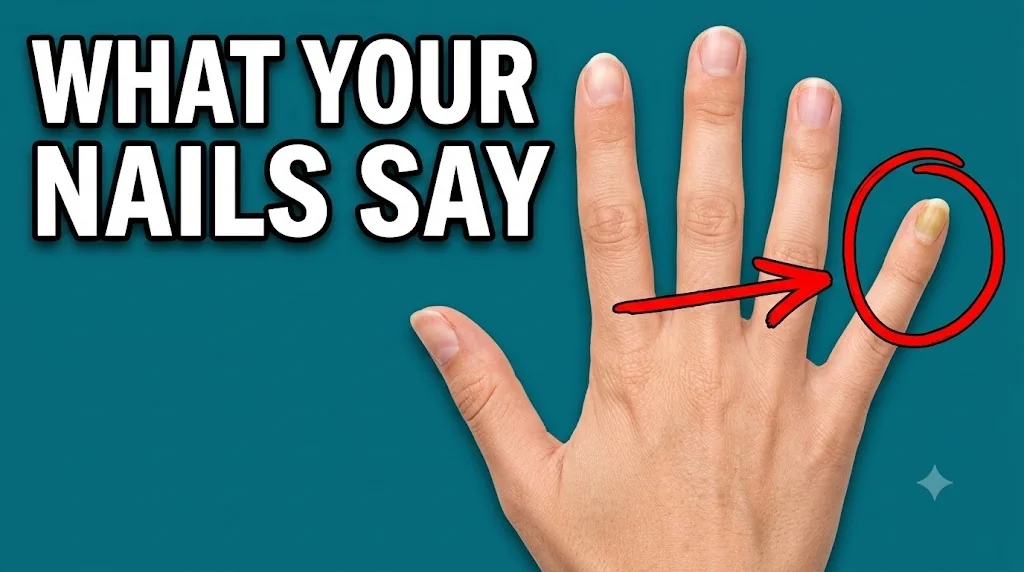
Between 20 and 50 percent of people who successfully treat onychomycosis see it return within two years. That number sits at the top of this post deliberately, because it is the reason you are here. You have already done the hard part: finished a course of oral terbinafine, applied lacquer daily for months, or sat through a laser session. You know what treatment costs. The last thing you want is to start over. This post is your prevent toenail fungus from coming back companion guide, everything the standard treatment articles skip. To understand what you treated and why recurrence is so common, the toenail fungus treatment guide covers the full picture. What follows here is purely the maintenance phase: what to do with your shoes, your socks, your skin, your nail tools, and your timeline now that the nail looks clear.
Why Toenail Fungus Comes Back So Often
Toenail fungus keeps returning after treatment for one consistent reason: the nail looks clear well before the infection is actually gone.
Onychomycosis recurrence is not the same as treatment failure. A relapse means residual fungal organisms were never fully eliminated and regrew once treatment stopped. A reinfection means the nail was genuinely cured but was re-exposed to fungus from an external source. Both produce the same visual result, and both are common. The recurrence rate of 10% to 50% cited in the medical literature reflects the combined risk of both mechanisms across different treatment types and follow-up periods.
The slow growth of toenails is what creates the vulnerability window. A big toenail takes 12 to 18 months to grow out from root to tip. Oral antifungal medication works at the nail root, but the nail plate itself, containing surviving fungal material from the original infection, continues to be attached to your toe for the entire regrowth period. Stopping prevention efforts the day treatment ends is the equivalent of stopping halfway. The fungus does not need a large foothold, just an opportunity.
There is also an immune component that forum users describe intuitively: "your immune system has been trained to ignore it." The dermatophytes that cause nail fungus are not aggressive pathogens. They are opportunists, highly adapted to surviving at low levels in a host who has learned not to mount a significant response to them. Once you have had onychomycosis, your risk of prevent toenail fungus from coming back problems is elevated even years after a confirmed cure.
How to Know If It's Really Gone (Not Just Hiding)
What makes this question so important is that visual confirmation and mycological cure are two different things.
A toenail that looks normal, flesh-coloured, and smooth may still harbour fungal elements at the nail bed, particularly near the cuticle end where treatment concentration is lowest. Topical treatments struggle to penetrate the full thickness of the nail. Oral medications treat via the bloodstream at the growing root, but residual fungus in the distal nail plate persists until that portion grows out and is clipped away. If you stopped treatment the moment the nail looked better rather than waiting for full regrowth, there is a meaningful chance you stopped early.
The definitive answer is a podiatrist's lab result. A nail clipping sent for microscopy and culture can confirm that no fungal elements remain. Most people do not take this step, because by the time the nail looks good they feel done. That is understandable. But for anyone who has had recurrence before, confirming mycological cure before dropping the maintenance routine is worth the appointment.
Short of a lab test, the practical signal is time. If the new nail has fully replaced the old one, meaning you have clipped away all the nail that was present during the active infection period and what remains grew in after treatment started, the risk of dormant surviving fungus in the nail itself is low. For most people, that means maintaining the post-treatment routine for at least 12 to 18 months from when treatment began, not from when it ended.