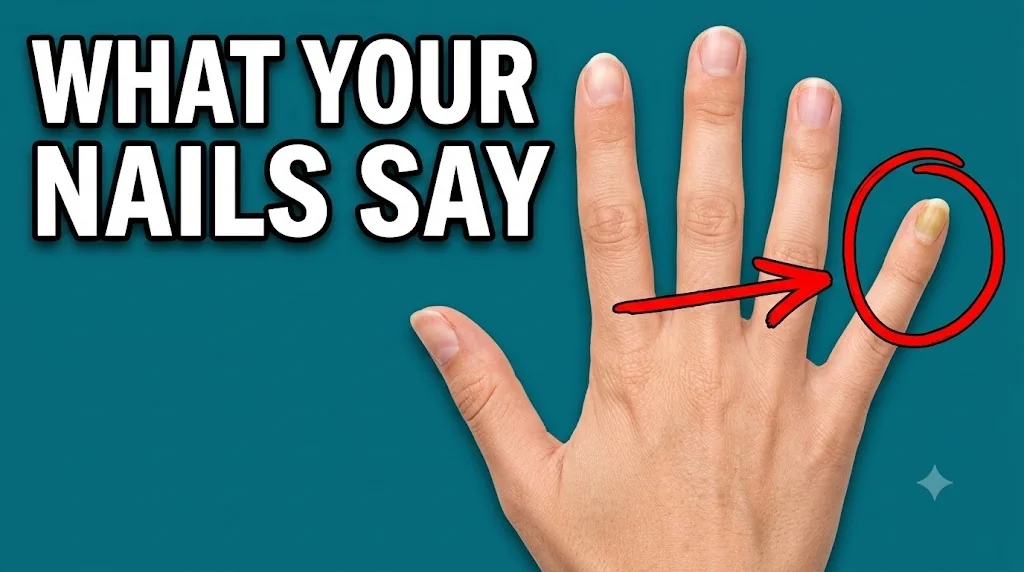
The Visual Clues That Actually Separate Them
You would expect the more common condition to be the easier one to spot. It is not. Fungal infections are the better-known diagnosis, yet psoriasis leaves the more distinctive fingerprint, you just need to know where to look for it. Three visual patterns do most of the work here: symmetry, pitting, and what happens at the edge of the nail.
Symmetry comes first because it is the fastest tell. Psoriasis tends to affect several nails at once, often symmetrically across both feet, because it is a systemic immune process rather than a localised invasion. Fungus, by contrast, almost always starts in a single nail, usually the big toe, and spreads outward asymmetrically as the infection physically migrates from one nail to its neighbour. If three or four of your toenails look affected in roughly the same way, that pattern alone leans hard toward psoriasis.
Pitting is the second clue, and it is the one most home self-checks get wrong because nobody explains what it actually looks like. Small, shallow depressions across the nail surface, like the marks left by a tiny ice pick, are nail psoriasis pitting. The third clue is the edge: fungal nails tend to thicken and crumble from the tip inward, often with a chalky, cheese-like debris building up underneath, while psoriatic nails are more likely to separate cleanly from the nail bed before any crumbling starts.
Signs That Point Specifically to Nail Psoriasis
You can check for pitting by touch. If you press a fingertip lightly across the nail and feel a texture like a thimble, that is pitting.
Dr. Cameron Rokhsar, MD, FAAD, FAACS, a board-certified dermatologist, describes what sets psoriasis apart:
Nail psoriasis has its own signature, pinpoint pitting across the nail surface, salmon-colored "oil spots" under the nail plate, and lifting with an irregular, jagged border rather than the smoother separation fungus tends to cause. It's also worth checking the skin nearby, psoriasis plaques on elbows, knees, or the scalp point toward psoriasis rather than fungus even when the nail alone looks ambiguous.
That is three marks on the nail and one outside it. Pitting, the salmon-colored patch under the plate known as the oil drop sign, and a jagged lifting edge all point toward psoriasis, and so do plaques on the elbows, knees, or scalp, even when the nail alone is hard to read.
Signs That Point Specifically to Toenail Fungus
Dr. Rokhsar describes how toenail fungus usually unfolds:
Onychomycosis usually starts at the free edge or side of the nail and creeps toward the cuticle gradually over months, turning the nail yellow-brown with crumbly, thickened debris underneath, and it typically doesn't hurt.
Slow spread from the edge, yellow-brown color, crumbly debris underneath, and no pain make up the fungal picture. Set that against pitting, salmon-colored spots, or plaques on the skin, and the two stop looking alike. Later, a faint, unpleasant smell from the sock at the end of the day can join them.
That smell is one of the more reliable fungal-specific clues, because psoriasis rarely produces any odour at all. Toenail fungus is contagious, picked up through direct contact with surfaces like pool decks, communal showers, and damp shoes, which is also why it almost never starts in several nails simultaneously the way psoriasis can. The crumbling at the nail edge tends to look ragged rather than clean, with debris accumulating underneath that can eventually separate the entire nail from its bed. If left untreated, the progression typically worsens in a fairly predictable order, and you can read more about how the infection develops in toenail fungus stages if your nail is further along than a faint streak.
Can You Have Both at the Same Time?
Yes. Up to 35 to 56% of people with nail psoriasis also have a concurrent fungal infection, which means the two conditions are not the mutually exclusive categories most articles treat them as. This is the question this audience asks more than almost any other, and it deserves a direct answer instead of a hedge.
The mechanism is straightforward once you see it: psoriatic nails are more vulnerable to fungal colonisation because the damaged nail plate loses its protective barrier function. Onycholysis, the lifting of the nail from its bed, creates a warm, enclosed pocket that is exactly the environment dermatophytes need to establish themselves. Some psoriasis treatments compound the risk further, since immunosuppressive medications used to manage the underlying autoimmune condition can lower the body's natural resistance to fungal growth at the same time. If you have a confirmed psoriasis diagnosis and notice odour, asymmetric spreading, or sudden worsening in one nail specifically, that is the pattern a secondary fungal infection tends to produce on top of an existing psoriatic nail.