Square vs round toenails is not a new argument, but it has never been louder than it is right now, thanks to TikTok's "team square" and "team round" camps going at it in every pedicure comment section. If you are standing in a nail salon trying to decide which side you are actually on, here is the short version: this is not a coin flip. There is a real, podiatrist-backed answer for which shape protects your nails, and a separate, honest answer for which one looks better in your sandals. Both matter, and this is where you get both.
Most guides dodge the question. They will show you five different toenail shapes and leave you to figure out the decision yourself, which is closer to a complete guide to toenail shapes than an actual verdict. That is not useful when you are two minutes from telling your nail tech what to do. So the goal here is simple: settle the square vs round toenails debate properly, using the health facts, the style differences, and the practical stuff like footwear and chipping, then land on an actual recommendation. Not "it depends." An answer.
Which Toenail Shape Is Actually Healthier?
Square wins the health argument, and it is not close. Podiatrists recommend cutting toenails flat and straight across, then softening the corners slightly, because this shape lowers the risk of an ingrown toenail. Round or angled cuts leave the nail's edge curving into the skin at the sides, which is exactly the shape that tends to grow the wrong way.
Dr. Miguel Cunha, a board-certified podiatric surgeon, has been direct about this: cutting toenails round or at an angle sets up the conditions for ingrown nails, while a flat cut with lightly beveled corners lets the nail grow out straight instead of digging in (podiatrist-recommended toenail shape). This matters more for toenails than fingernails specifically because toenails sit under constant pressure from shoes and socks, which pushes any curved edge further into the surrounding skin with every step.
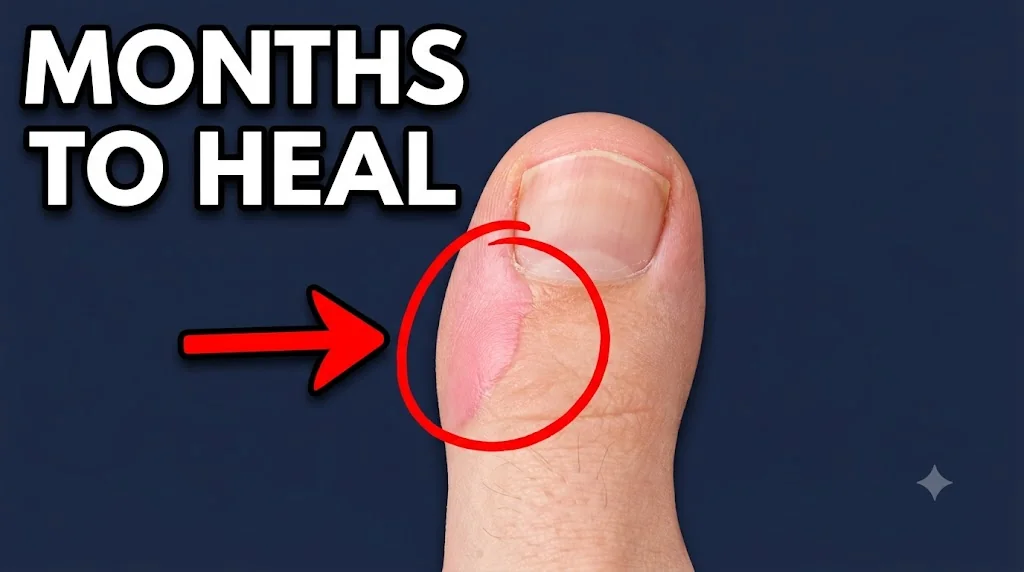
Onychocryptosis, the medical term for an ingrown toenail, happens when the nail's edge grows into the skin instead of over it, most often on the big toe. It is one of the most common foot complaints people bring to a podiatrist, and cutting shape is one of the few genuinely controllable factors in preventing it (foot health guidance on cutting toenails straight across). None of this means round toenails are dangerous for everyone. It means the flat, square-based cut carries meaningfully lower risk, which is why it is the shape most foot health professionals default to recommending.
Length plays a part too, and it gets left out of most square vs round toenails discussions entirely. Nails cut too short, in either shape, are more likely to catch on the surrounding skin as they grow back. The safest approach pairs the flat cut with a length that sits just at the edge of the toe, not tucked below it, so there is nothing for the skin to grow over. Repeated pressure from tight shoes only makes this worse, which is part of why the shape and the fit of your footwear end up working together rather than as separate issues.