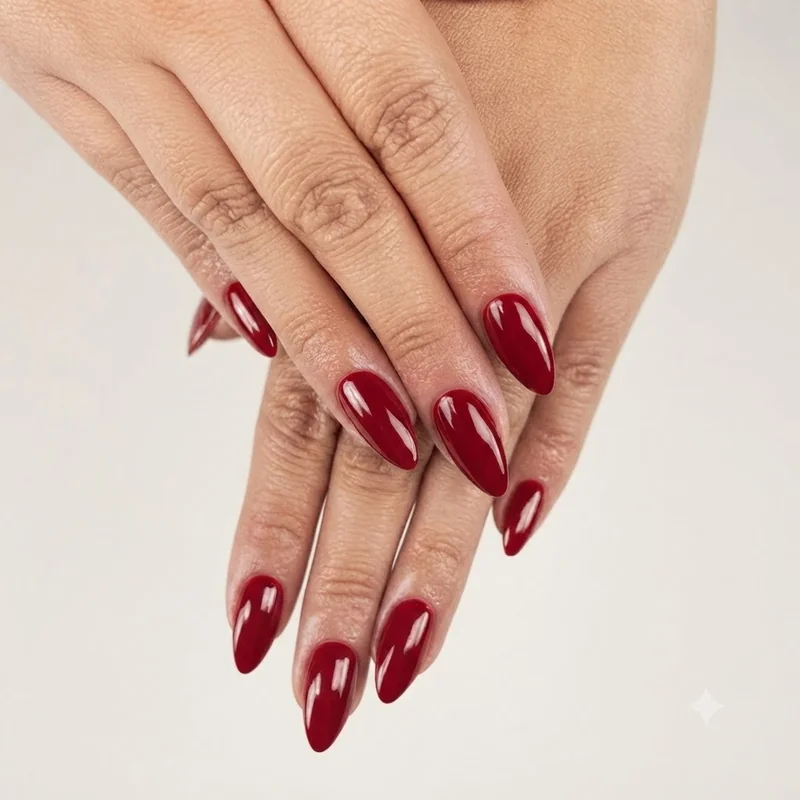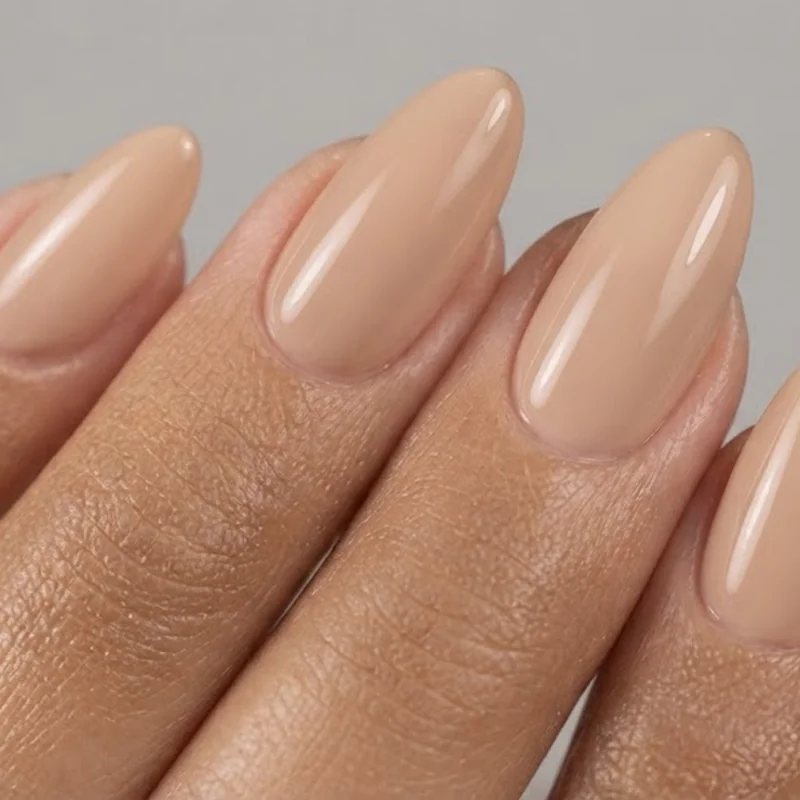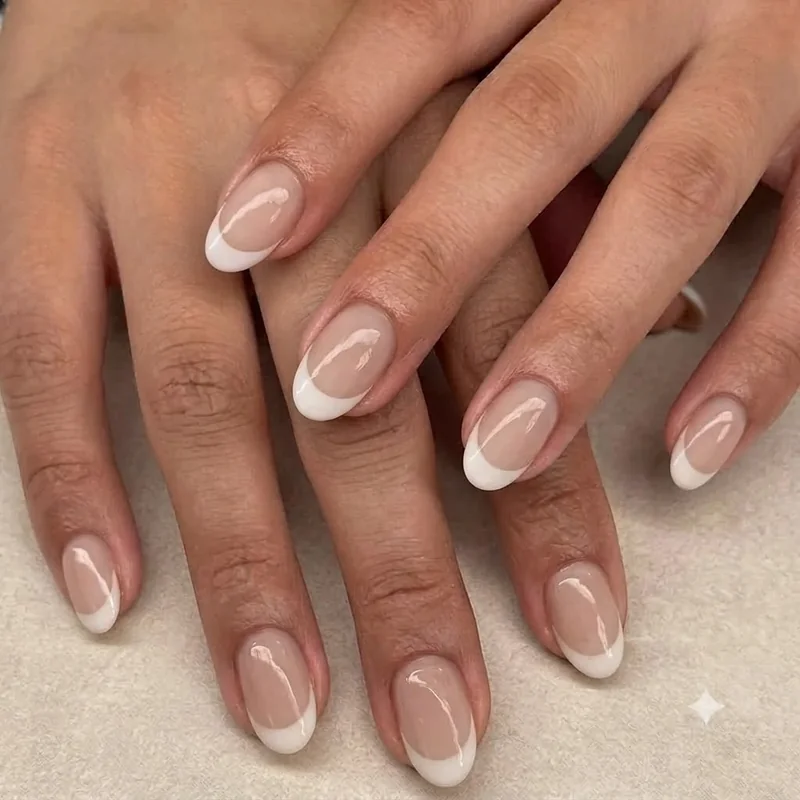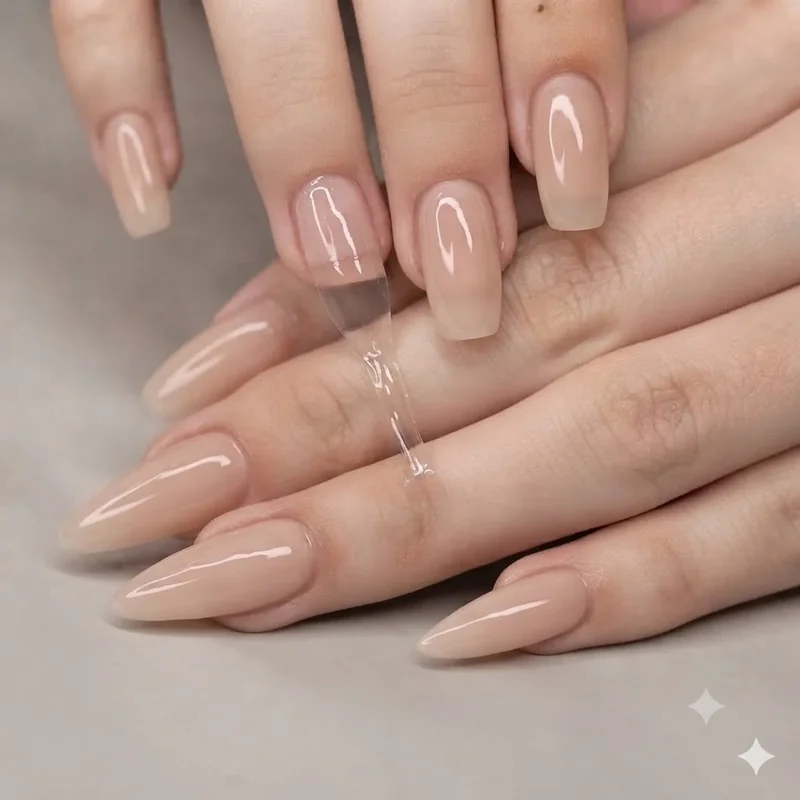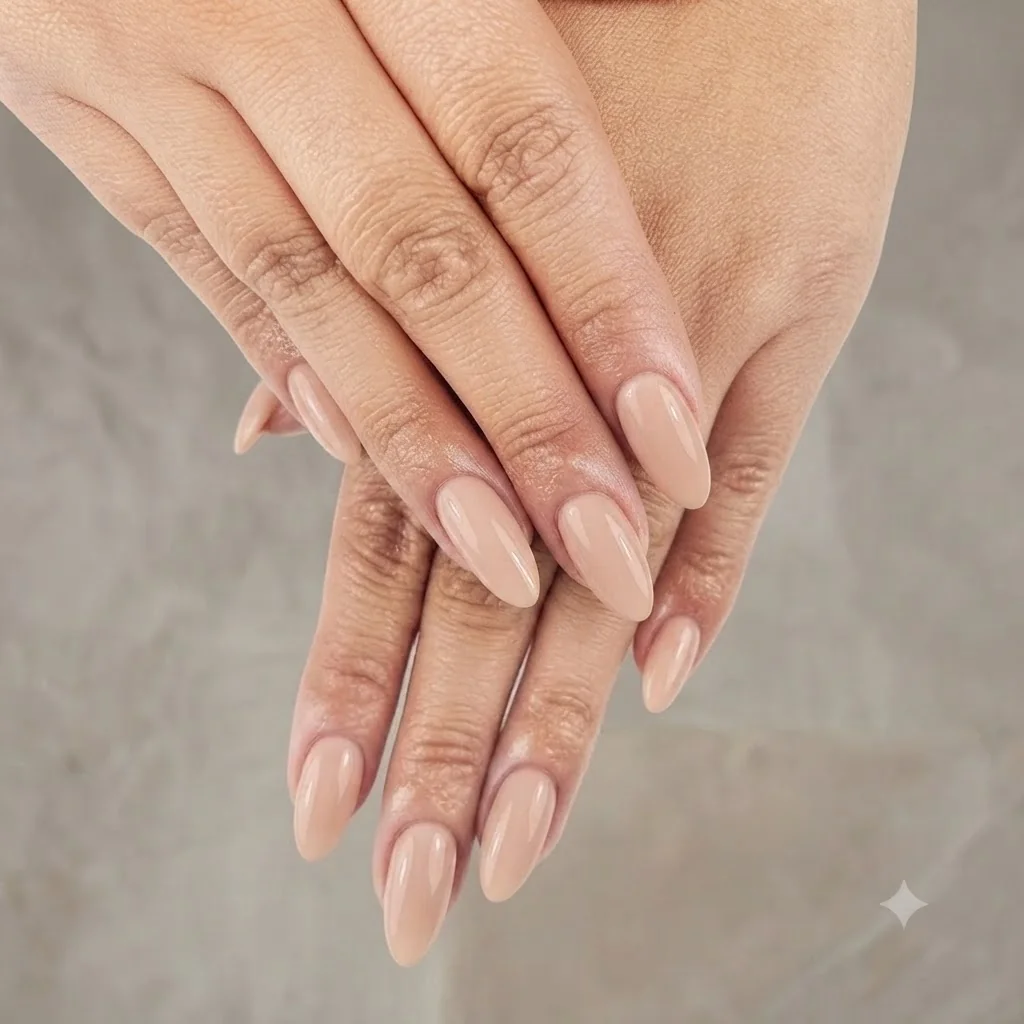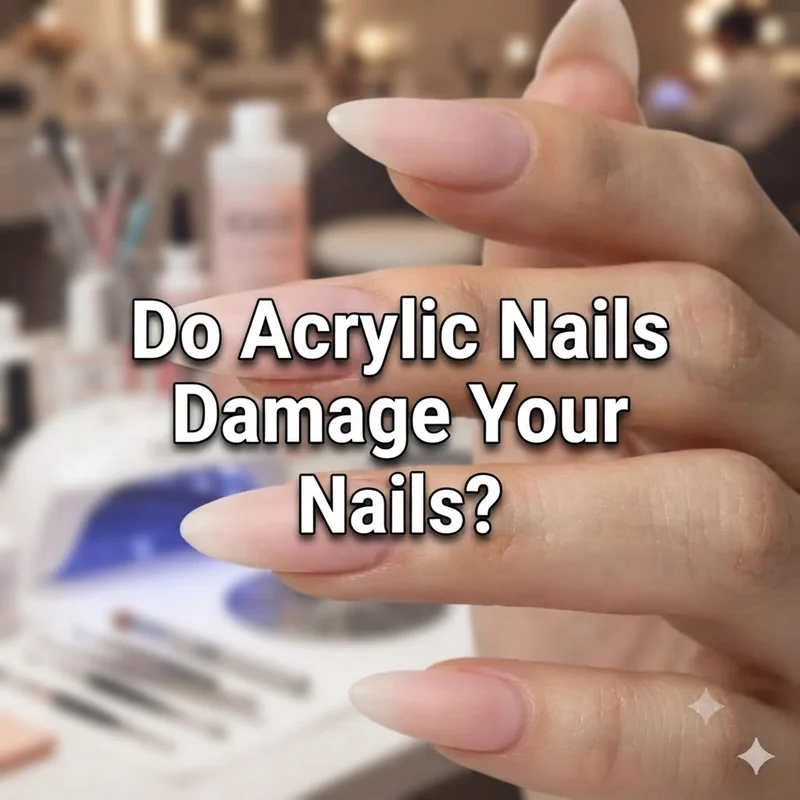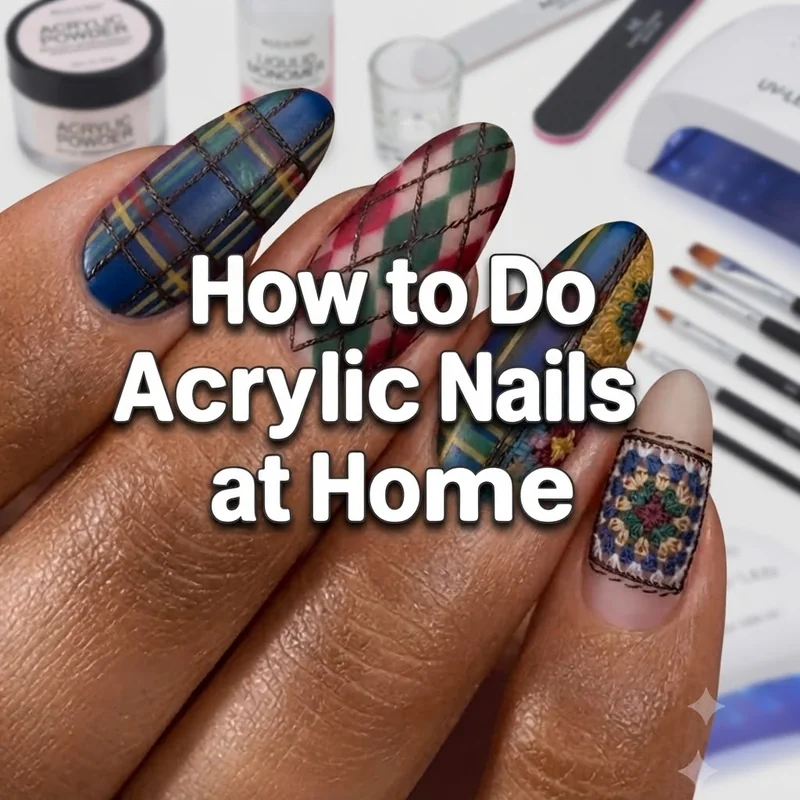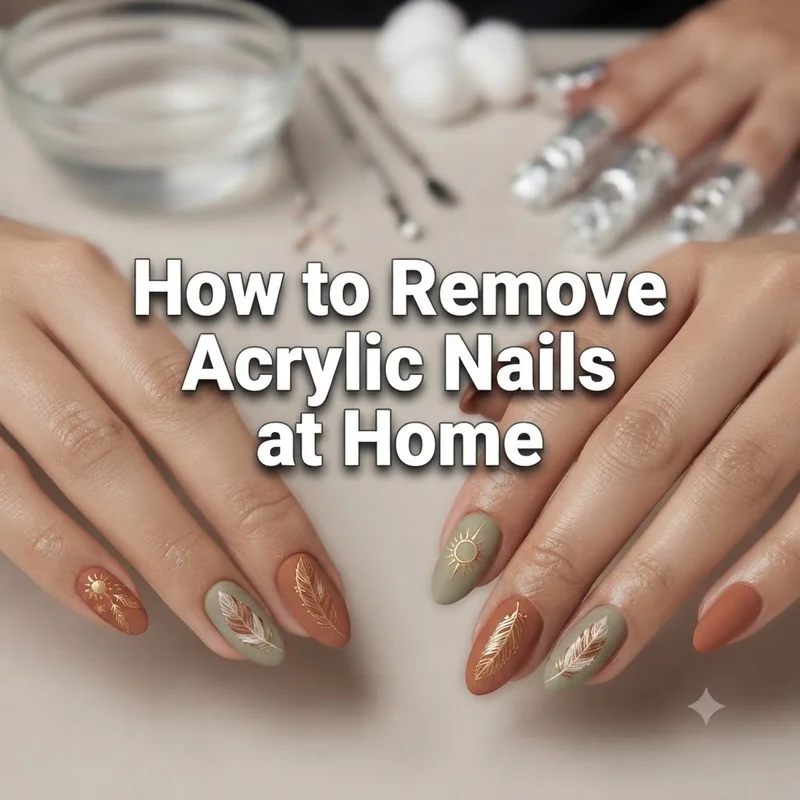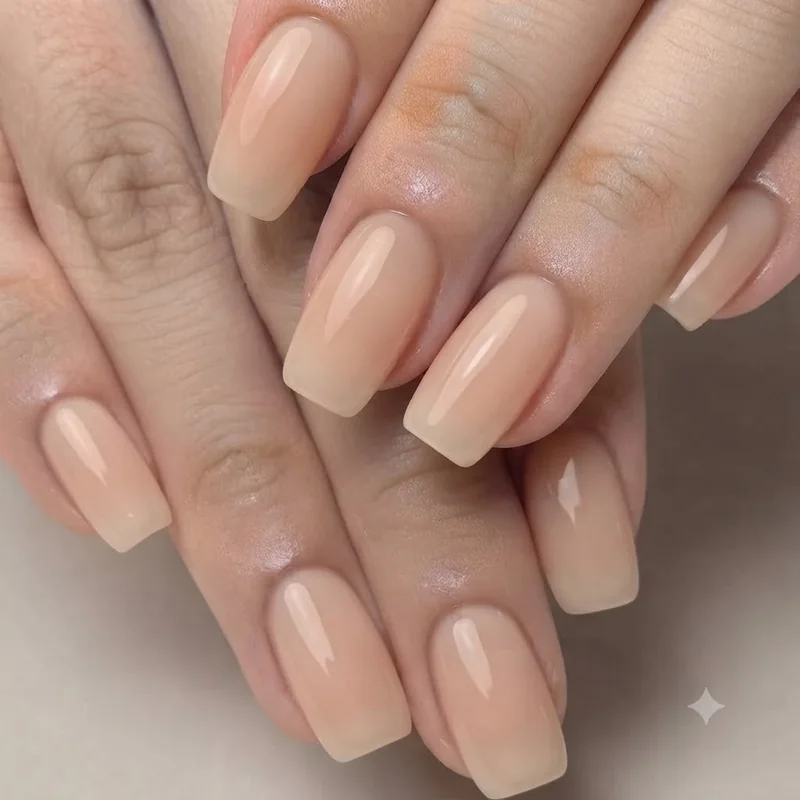
Pick a shape before you pick a length. That's the decision most people get backwards, and it's why so many acrylic sets look wrong within a week. Acrylic nail shapes aren't a styling afterthought, they're a structural decision that determines how a set wears, breaks and grows out on your specific hands. Get the shape right for your nail beds and lifestyle first, and length becomes the easy part.
Most people walk into a salon with a saved photo and no idea what the shape in it is actually called, or whether it will suit their own fingers. This guide fixes both problems. You'll work out what your nail beds and lifestyle actually call for, then match that to one of the eight shapes acrylic techs use most, with the real name for each one. Follow the acrylic nails complete guide if you're still deciding on the bigger picture beyond shape, length, finish, upkeep, before booking anything.
How Do You Know Which Acrylic Nail Shape Suits Your Hands?
Look at your nail bed width and finger length before you look at any shape photo at all. Acrylic nail shapes work with or against your hands, and the shape that looks striking on a narrow, long finger can look completely different on a wider or shorter one. Three things decide this: how wide your nail bed sits relative to your finger, how long your fingers are compared to your palm, and what your hands actually do all day.
Wider nail beds tend to suit shapes with some taper, almond, coffin, stiletto, since the narrowing at the tip visually slims the nail. Shorter fingers usually do better with a shape that doesn't add length at a sharp angle, round, squoval, or a shorter oval, because a dramatic taper can look disproportionate rather than elegant. And if your hands are in near-constant use, typing, gloves, lifting, childcare, that alone should weight your decision toward the lower-maintenance end of the list before beauty preference does. If you're planning to try shaping at home rather than in a chair, how to shape acrylic nails at home walks through the filing technique for each shape once you've picked one.
None of this is about ranking shapes as better or worse. It's about which shape does its job on your hands specifically, and that's a very different question than which shape looked best in the last set of photos you saved.
Square Acrylic Nails
A square nail doesn't try to be subtle about it. Straight sidewalls, a flat tip, sharp corners, the shape reads as clean and deliberate rather than soft. It's also one of the most forgiving shapes for a first-time acrylic set, since the flat tip is easier for a tech to file evenly than a tapered or curved one.
Square suits wider nail beds particularly well, since the straight lines balance the width rather than narrowing it the way a tapered shape would. It's a mid-maintenance shape: the corners are the first place regrowth becomes visible, so fills every three to four weeks keep the line looking sharp rather than grown-out. Square photographs beautifully with bold colour and French tips precisely because the flat canvas doesn't compete with the design.