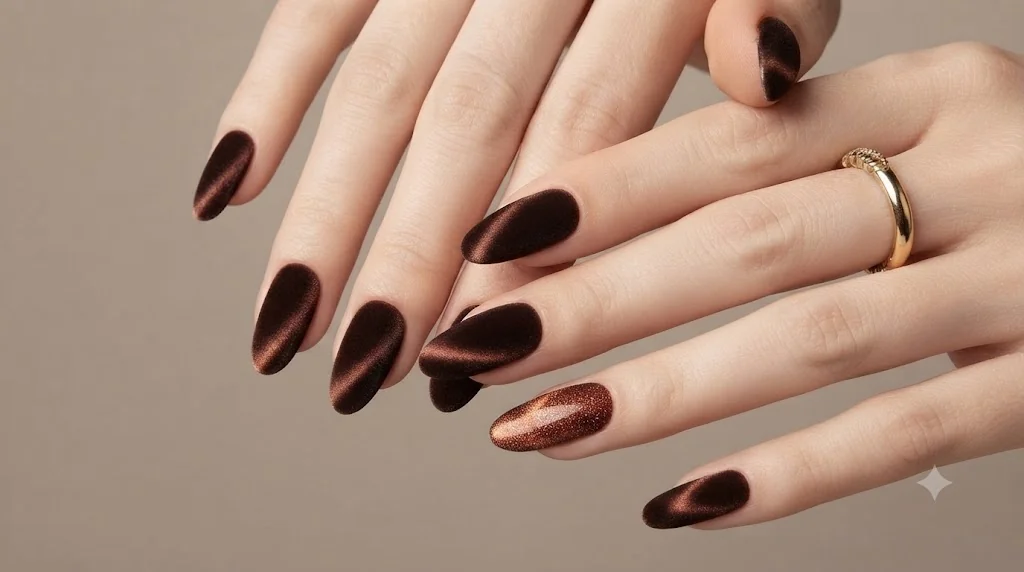
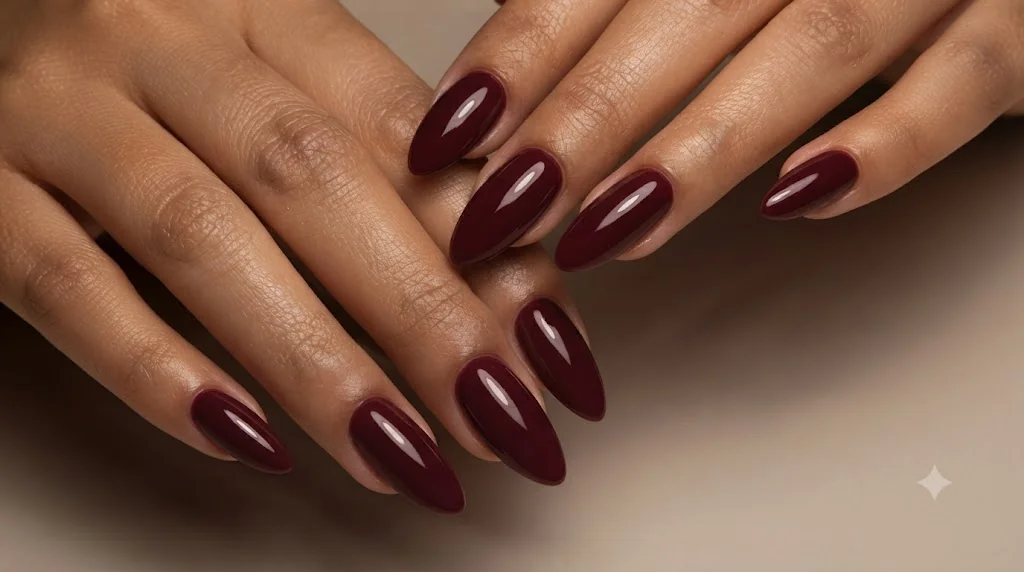
Bangle nails did not creep into your feed quietly. One week you were scrolling past the usual glazed-donut manicures, the next every third nail photo looked like someone had wrapped a bracelet around a fingertip and cured it in place. That is not an accident of algorithm. Nails have become jewelry, full stop, and bangle nails are the manicure carrying that shift right now. This is the look worth understanding before you book, because the difference between asking for "3D nail art" and asking for a proper bangle set is the difference between a flat imitation and the real thing.
What Are Bangle Nails? (The 3D Jewelry Trend, Explained)
Bangle nails are raised, sculpted gel bands built onto the nail to mimic the look of a stacked bracelet, wrapped around the nail bed the way a cuff sits above skin. They are not painted on. They are built up, filed, and finished so they genuinely stand off the surface, catching light and shadow the way real metal does.
That distinction matters more than it sounds like it should. Plenty of nail art plays with metallic polish or a foil accent and calls itself dimensional. A true bangle set uses builder gel or 3D sculpting gel worked into a raised strip, then coated in chrome powder or gem gel until it reads as jewelry rather than paint. The technique gives nail artists enormous creative range, which is exactly why the trend has splintered into so many directions: one thin gold line on a single accent nail, three stacked bands in graduating widths, or a full jewellery-box set across all ten fingers.

How Bangle Nails Are Made (Salon Technique, Simplified)
Getting this right is a sculpting job, not a polish job. A nail artist works with 3D sculpting gel, an unusually thick, moldable gel formula that holds its shape under a UV or LED lamp instead of settling flat the way regular gel polish does. That property is the entire trick behind the look.
The process starts with a base colour, often something quiet and neutral so the bands do the visual work rather than competing with a loud polish underneath. From there, the sculpting gel is built into a strip and rolled or shaped by hand across the nail, cured, then filed until the edges sit smooth rather than lumpy. Chrome powder gets buffed onto the cured band for that mirror-metal finish, and any gems, chains, or charms go on last, sealed under a final layer of clear gel. Every step depends on the last one curing properly, which is why timing and a controlled lamp setup matter so much here.
Flash-curing between layers is what separates a clean set from a lumpy one. A tech cures each band in short bursts under a UV or LED lamp rather than one long pass, checking the shape holds before adding the next layer. Skip that patience and the gel slumps before it sets, which is the exact failure point most home attempts hit. It also explains why appointment times run long for a full bangle manicure, since every additional band adds another cure cycle to the process rather than a few extra seconds of polish.