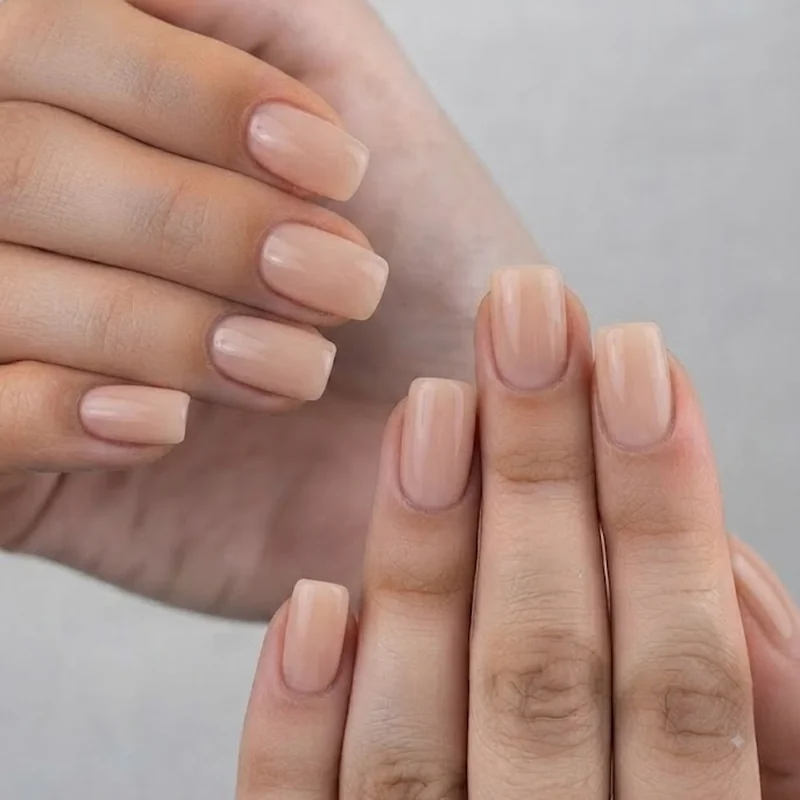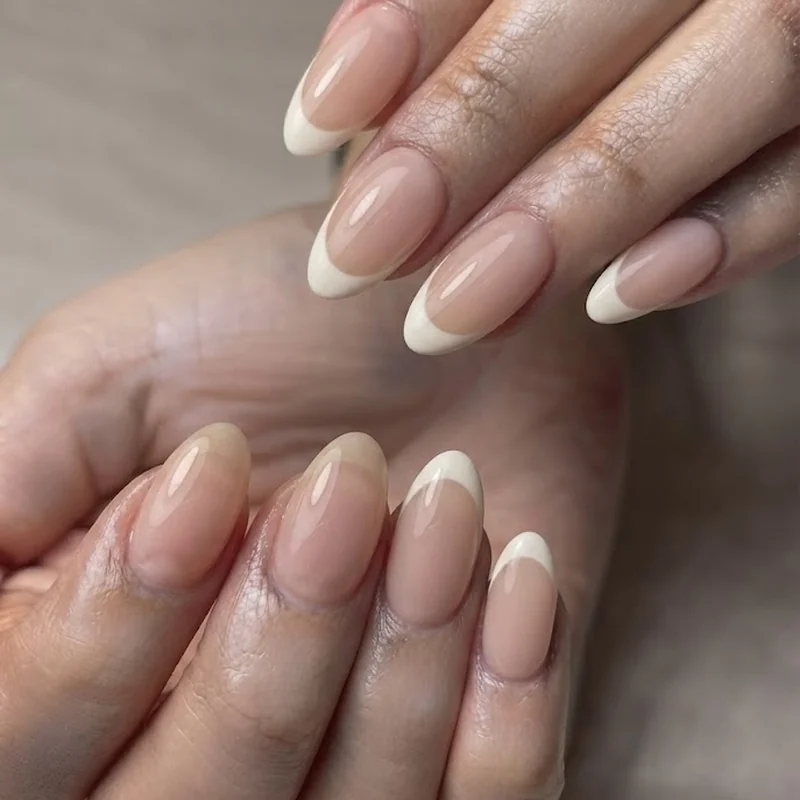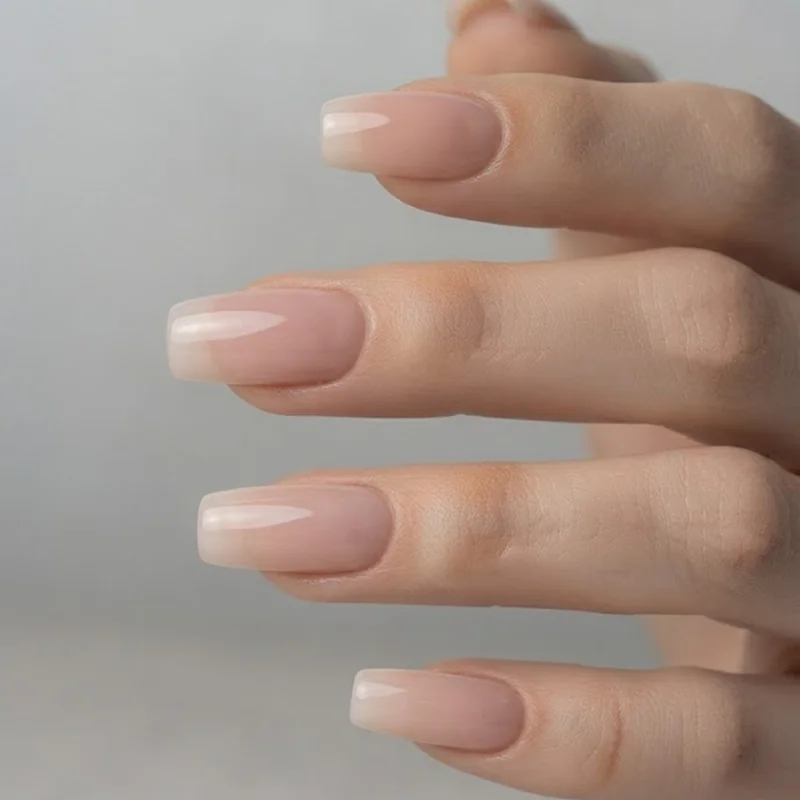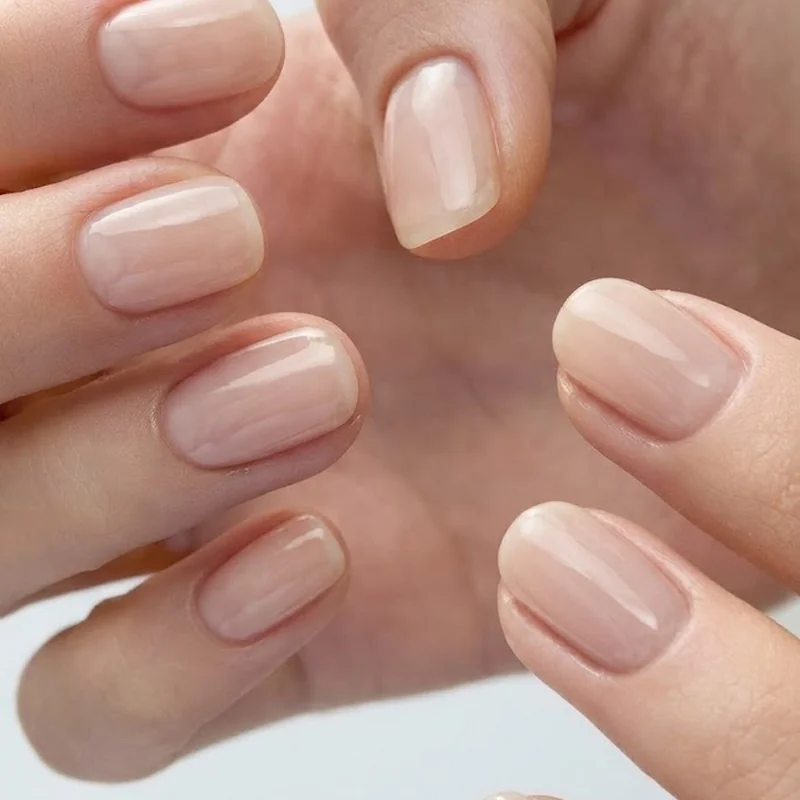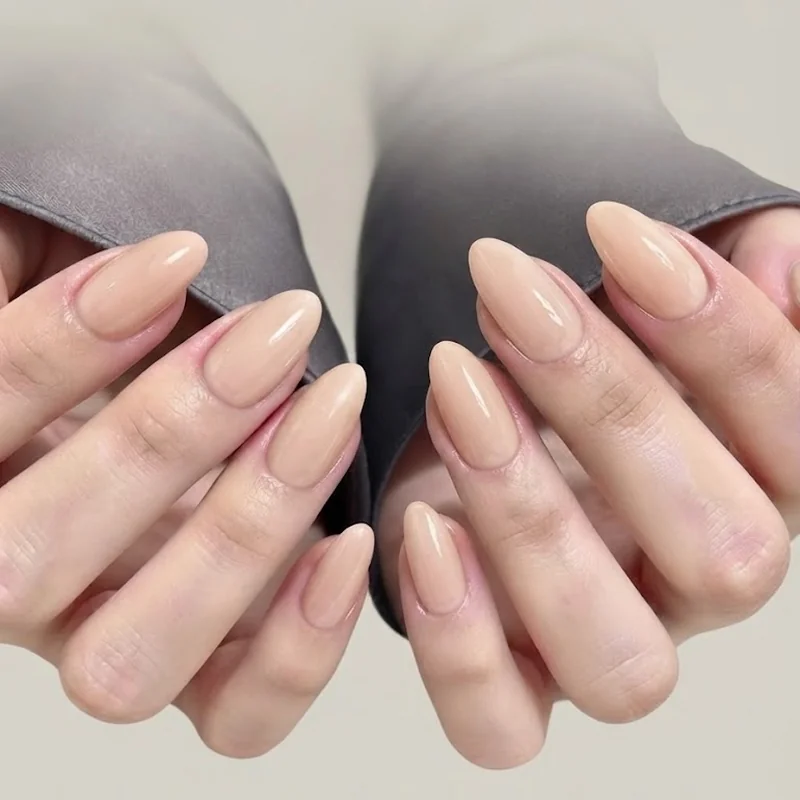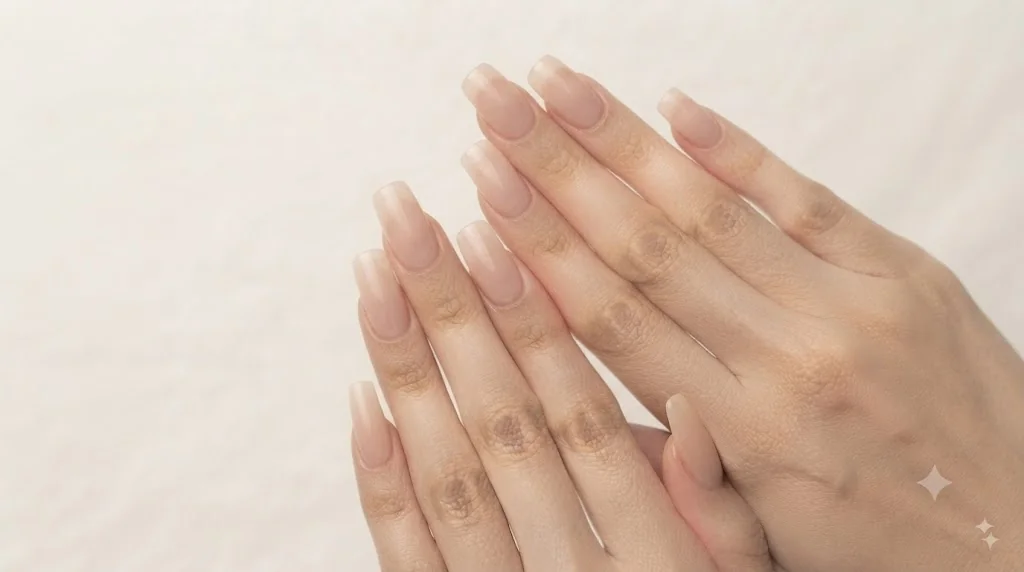
Not a French manicure with the tip left off. A British manicure is a natural-nail look built entirely on grooming: a soft square shape, a nourished cuticle, and one sheer coat of polish standing in for what a French tip usually announces. Where a French mani earns its contrast with a painted white line, this one earns its polish through condition. That's the whole philosophy in a sentence, and it's the reason so many people confuse the two on sight.
The confusion is fair. Both trends live in the same "natural nails" territory, both photograph well against skin tones, and both have shown up on the same red carpets within months of each other. But a British manicure isn't a lighter version of French. It's a different set of priorities entirely, one where the polish is almost beside the point and the nail itself is doing the work. This is the exact confusion Sofia Richie's wedding manicure, done by celebrity nail artist Georgia Rae, put in front of millions of people at once: short, soft square nails, one wash of sheer color, and not a French tip anywhere near it.
That single manicure did more to define "quiet luxury nails" than a decade of nude polish launches combined. Not because it was flashy. Because it wasn't.
What Is a British Manicure?
A British manicure is a natural nail manicure defined by three things: a soft square shape, meticulously groomed cuticles, and a single sheer or nude polish shade applied in a thin, even coat. There's no painted tip, no color-blocking, no ombre. The nail is shaped, buffed, conditioned, and finished with something close to its own color, just healthier and glossier.
This is what separates it from most other natural-nail trends. Soap nails and "your nails but better" looks share the same instinct, but this specific trend pairs the soft square shape with cuticle grooming as the core technique, not an afterthought. Navy Professional's founder, who pioneered the British manicure movement, built the look around exactly this: nail health as the visible feature, polish as the finish, not the point.
The result reads as expensive without reading as done. That's the entire appeal for a reader who's tired of committing to a color choice every few weeks. Skip the color decision. Fix the shape and the skin around it instead, and the rest takes care of itself. Editors keep coming back to this one for a reason: it photographs like effort without ever looking like it.