Why Do Salons Set an Age Guideline in the First Place?
Do 13 year olds need parental consent for acrylic nails? In practice, yes, and this is the piece of the can a 13 year old get acrylic nails question competitors skip. Most salons that will accept a client this young require a parent to sign a consent form, and many ask the parent to stay in the salon for the whole appointment. This is not bureaucracy for its own sake.
A technician who agrees to work on a 13-year-old is taking on a client whose nail plate is thinner and softer than an adult's, whose hands are smaller, and whose aftercare habits, not picking, not biting, not using nails as tools, are far less predictable. Consent protects the salon. Presence protects your daughter, since a parent in the room usually means a more conservative application: shorter length, gentler filing, less pressure to go dramatic.
Some salons go further and set their own floor at 15 or 16, regardless of consent. That is not a legal requirement. It is a business avoiding the risk of long-wear extensions on nails still developing. If you get turned away somewhere, that is the reason, not a sign you have done something wrong.
What Acrylic Nails Actually Do to a Younger Nail Bed
Is it safe for a 13 year old to get acrylic nails? Acrylics themselves, properly applied and removed, do not inherently damage a healthy nail, the physical half of the can a 13 year old get acrylic nails question. Acrylic nails are created by combining a liquid monomer with a powder polymer, hardening into a sculpted extension bonded over the natural nail. Damage, when it happens, comes from what surrounds the application, not the chemistry.
One distinction worth having clear: the nail plate is the hard, visible nail you can see and file, while the nail bed is the soft skin underneath it that the plate grows from. Acrylics sit on top of the plate. Damage to the bed, thinning, weakening, lifting, tends to come from picking the set off instead of soaking it, ripping a nail backward by accident, or leaving fills too long between appointments. A young teen is statistically more likely to do the first two, often through impatience.
Infection is the other real risk, worth naming plainly. Moisture trapped between the acrylic and the natural nail creates the exact environment fungal infections need, and fungal infections can develop under acrylic nails when moisture becomes trapped in that gap. Manageable with good aftercare, not a reason to panic, but real.
If she mentions soreness afterward, it helps to know why acrylics sometimes leave nails sore afterward, since mild first-day tenderness differs from ongoing pain or discolouration. The dermatologist guidance on reducing artificial nail damage covers the clinical detail.
The 'Everyone Else Has Them' Conversation
"But so and so has them." "Everyone at school loves them." You have heard some version of this by now, and it is worth taking seriously rather than dismissing, because it is the strongest card in the can a 13 year old get acrylic nails negotiation, and brushing it off usually makes things worse.
Underneath those words is a request to feel included, to take part in something her friends are doing. That is a real, age-appropriate need. It does not mean the answer has to be an unqualified yes, but "no, because I said so" will land as dismissive, and tends to push the request underground rather than end it.
A better response names the actual concern. Something closer to: "I hear that everyone has them. My worry isn't the nails, it's whether your nail beds can handle the ongoing commitment, and whether you'll keep up the fills." That turns a power struggle into a shared problem, which is usually where the compromise below becomes possible rather than feeling like a consolation prize.
One parent summed up the tension well online: her daughter tried press-ons first, just to see how she coped, managed the responsibility fine, and asked for gels next rather than pushing straight for acrylics.
A Safer Middle Ground: Press-Ons, Gel, or a Short Trial Set
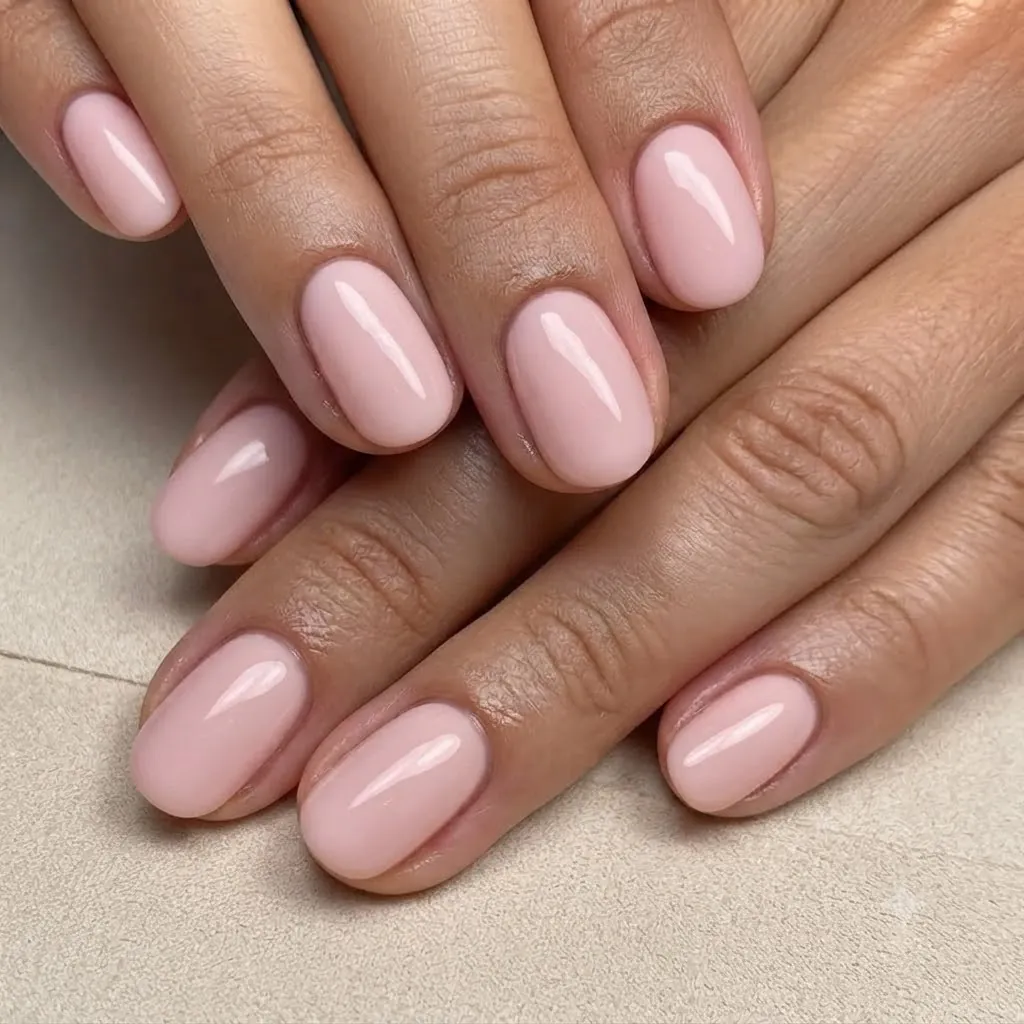
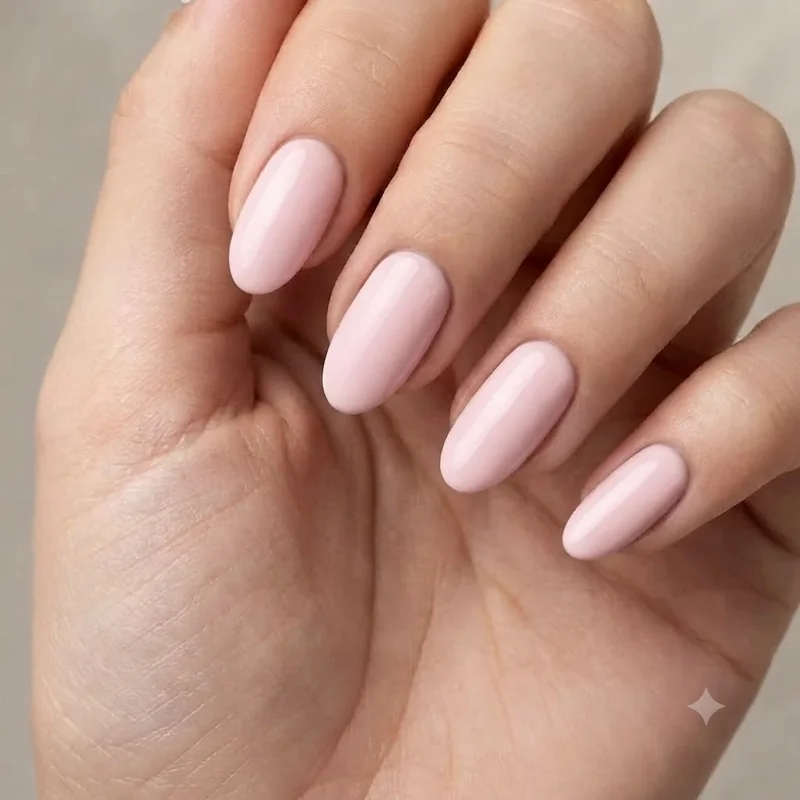
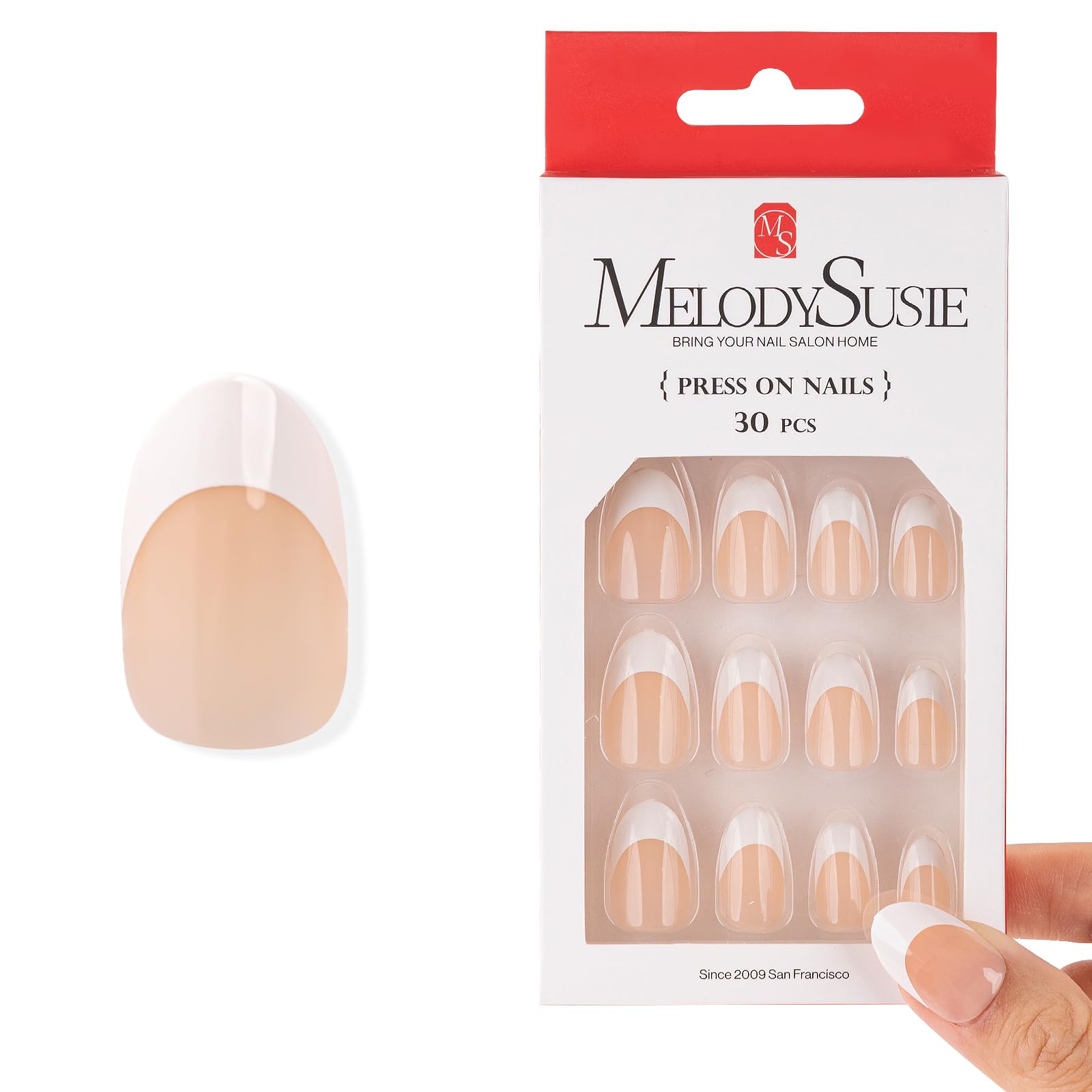
What is a safer alternative to acrylic nails for a 13 year old? For parents still weighing up can a 13 year old get acrylic nails, press-on nails and gel polish both deliver most of the look she wants, length, colour, a grown-up finish, with a fraction of the risk.
Can a 13 year old get gel nails instead of acrylics? Yes, and it is usually the easiest yes in the whole negotiation. Gel sits directly on the natural nail, lasts roughly two to three weeks, and comes off with proper soaking rather than force, giving her the finish without an extension to infill.
Press-ons are the lowest-commitment option, worth introducing first if you are undecided. A good quality set, properly applied, can look nearly indistinguishable from salon acrylics in photos, and comes off the same evening if needed. For a 13-year-old testing whether she can handle the responsibility, it is often the better choice, not just the safer one.
If she is set on the real thing, a short trial set for one occasion, a birthday, a dance, a holiday, with a firm plan for professional removal after, is a reasonable middle ground.