Dry Cracked Cuticles in Winter: The Fix That Actually Works
BY jyoti-mirelle
August 6, 2026
Cold weather does not cause dry cuticles. It exposes a routine that was already too thin to survive it. The skin at the base of your nail has no oil glands of its own, which means every bit of moisture it holds has to come from somewhere else, and in winter, that supply line gets cut fast.
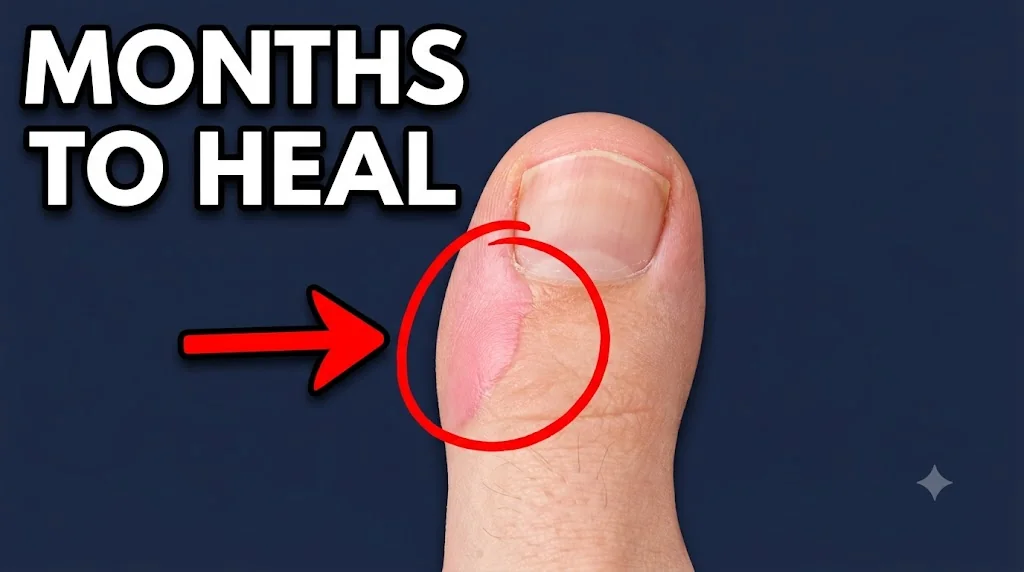
Dry cracked cuticles in winter show up as flaking, splitting, or painful little tears at the edge of the nail, and they get worse within days once cold air and indoor heating team up against your skin. The damage is not random. It follows a pattern: hot water strips the barrier, dry air prevents recovery, and by the third or fourth wash of the day there is nothing left to protect the skin. Dry cracked cuticles in winter respond to a specific kind of care, not just more product, and that distinction is the whole story here.
You have probably already bought the oil. Maybe two of them. The problem was never the ingredient list.
Elevate the Season with Mirellé
Elevate the Season with Mirellé
Trend forecasts, product picks, and reader FAQs from Mirellé Inspo. Unsubscribe anytime. Privacy Policy
Why Winter Attacks Cuticles Specifically
Skin loses water through evaporation constantly, and humidity in the air is what slows that process down. Cold air holds less moisture than warm air, and indoor heating drops relative humidity even further, sometimes into single digits. That combination pulls water out of skin faster than your body can replace it, and the thin skin around the nail, with no oil glands to cushion it, shows the damage first.
Hand washing compounds it in a way most people underestimate. Soap does not just clean skin, it dissolves the lipid layer that holds moisture in, and hot water accelerates that loss. Wash your hands eight times in a cold, dry house and you have run the same stripping cycle eight times before lunch. The cuticle cracks because it is the thinnest, least protected part of the equation, not because it is fragile in some special way.
This is also why a single nightly application never holds. If the barrier gets stripped every time you touch water, one application at 10pm has nothing to protect by mid-morning.
The Real Reason Your Cuticle Oil Stops Working
It is not the oil. Sweet almond, jojoba, and vitamin E all do genuinely useful things for skin, and none of them are the reason your cuticles still crack by February.
The failure point is frequency and timing, not formula. Cuticle oil applied once in the morning gets washed off by the second hand wash of the day, and from that point forward the skin is unprotected until you remember to reapply, which for most people is not until the damage has already started. The oil is not failing. It was simply asked to protect skin through six or seven washing cycles it was never present for.
There is a second timing issue that matters just as much: applying oil to completely dry, already-cracked skin does less than applying it to skin that still has a trace of moisture on it. Oil works by sealing moisture in, and if there is nothing there to seal, it is sitting on top of the problem rather than solving it. The better moment is right after washing hands and patting them dry, while the skin still holds some of that residual water.
The Routine That Actually Repairs Cracked Cuticles
Start with the wash-and-reapply habit, since this single change does more than switching products ever will. After every hand wash, dry hands properly, then work a small amount of cuticle oil into the base of each nail with the pad of your finger, thirty seconds per hand is enough. This is the shift from "product that sits in a drawer" to "product that actually intercepts damage."
Layer cream on top at night, not instead of oil. Oil absorbs fast and suits daytime use between washes, while a heavier cuticle or hand cream, the kind built with shea butter or lanolin, holds moisture through a full night without reapplication. Applying both, oil first and cream sealed over it before bed, gives you coverage for the longest stretch you are not actively washing your hands.
Address the air itself, because no topical routine outworks a bone-dry room. A humidifier that keeps indoor humidity somewhere around 40 to 50 percent removes a large share of the evaporative pull that central heating creates, and it protects every part of your skin, not just your hands.
Dry cracked cuticles in winter heal faster with one more change: stop cutting. Cuticles act as a seal against bacteria entering the nail fold, and cutting that seal, even carefully, removes a barrier your skin needs during the driest months of the year. Soften the area with oil for two to three minutes, then use a wooden cuticle stick to gently push the softened skin back. Trim only an obvious loose hangnail with clean, sanitised scissors, and leave the rest alone.
Follow us on
Instagram@mirelle_inspo
Pinterest@mirelle_inspo
X@mirelleinspo
FacebookMirelleInspo
YouTube@mirelleinspo
LinkedInmirelleinspo
Elevate the Season with Mirellé
Elevate the Season with Mirellé
Trend forecasts, product picks, and reader FAQs from Mirellé Inspo. Unsubscribe anytime. Privacy Policy
When a Home Routine Is Not Enough
Most cracked cuticles improve within one to two weeks of consistent care. A smaller number do not, and that gap usually points to something a routine alone cannot fix. Persistent cracking despite proper care sometimes traces back to a biotin, zinc, or vitamin E deficiency, and eating more of the foods that supply them, eggs, nuts, oily fish, is worth doing alongside topical care rather than instead of it.
See a doctor if a crack bleeds and will not close, if the surrounding skin swells or turns warm and red, or if there has been no improvement after two full weeks of the routine above. Anyone managing diabetes should treat even minor cracking as worth a same-week call to a doctor, since healing is slower and infection risk is higher. None of this is common. It is worth naming plainly so a small crack does not turn into something that needed attention three weeks earlier.
Where This Leaves Your Hands
A cuticle oil bottle sitting on the bathroom shelf was never the failure. Using it once and calling it done was. Winter does not ask for a better product. It asks for the same small habit, repeated at the moment your skin actually needs it, which is every single time water touches your hands. Do that consistently for two weeks and the difference will not be subtle.
Frequently Asked Questions
Mirellé Inspo
The biggest beauty stories, trends, and product recommendations.
You'll receive nail trend forecasts, product recommendations, and reader FAQs from Mirellé Inspo. Unsubscribe anytime. See our Privacy Policy for details.
Researched & Written By
Co-Founder, Content Writer & Social Media Manager
Jyoti
Jyoti is the co-founder of Mirellé Inspo. She writes all editorial content across the publication and manages Mirellé's social presence, turning research into writing the nail community actually wants to read.
Mirellé is an editorial platform dedicated to nail trends and inspo. We track what the nail community is searching, pinning, and loving, and turn that into curated style guides, trend breakdowns, and inspiration.
Every piece on this site starts with real research: Pinterest data, search trends, and what nail enthusiasts, techs, and salons are actually gravitating toward. We curate so you don't have to.