You have used cuticle oil. You have felt nothing dramatic happen. And somewhere around week two, you started wondering whether the little glass bottle by your sink is doing anything at all, or whether it is just a ritual your nail tech taught you to keep you buying product. That doubt is fair. Most guides to cuticle oil benefits how to use skip straight to a benefits list without ever explaining the mechanism, which is exactly why the skepticism never gets resolved. This one does not. We are going to walk through what is cuticle oil benefits how to use actually doing beneath the surface, why the results feel subtle rather than dramatic, and precisely how often and when to apply it so the habit earns its place in your routine. No vague reassurance. Just the mechanism, the schedule, and the honest limits.
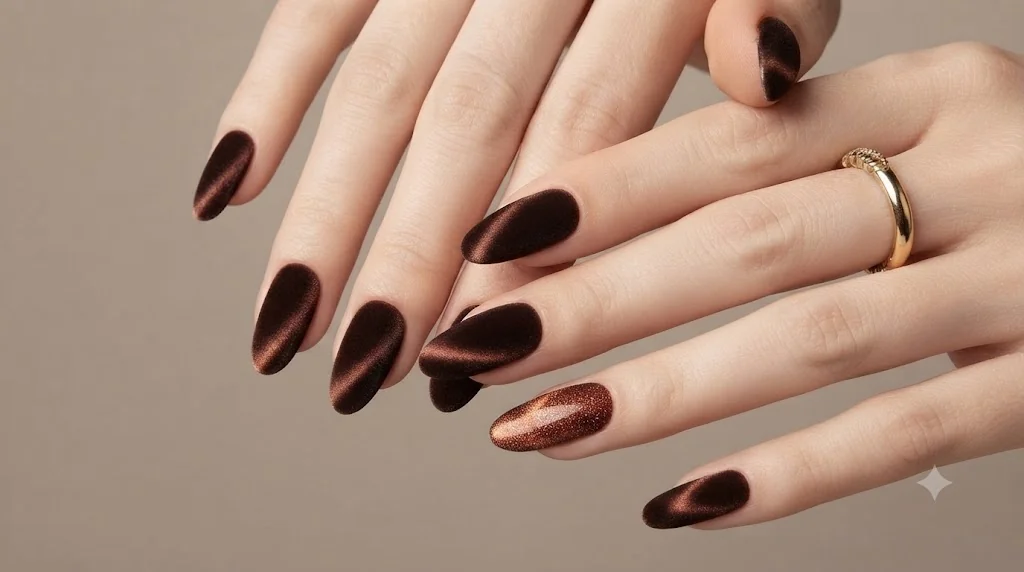
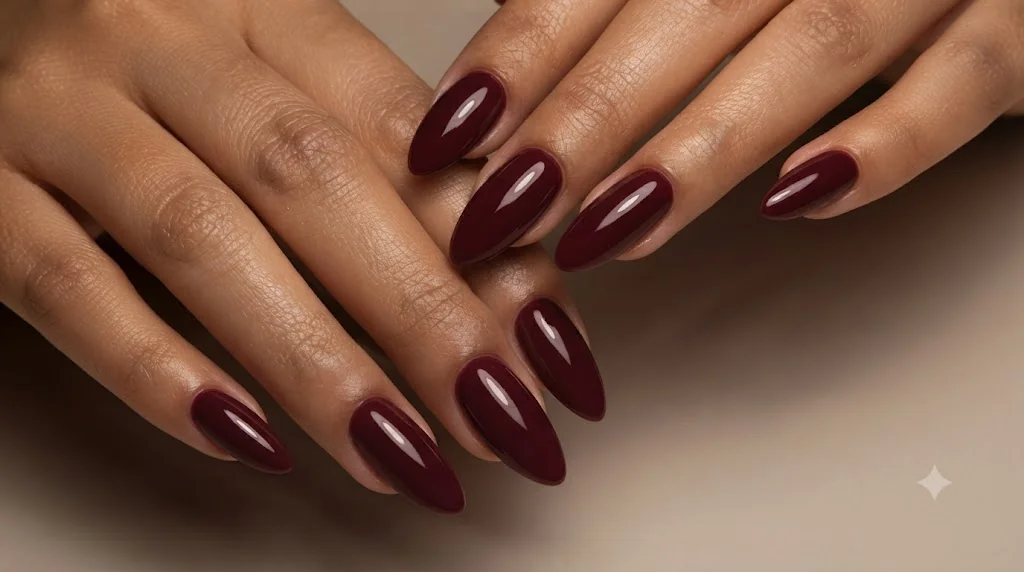
For a visual sense of the routine this builds toward, the cuticle care inspiration gallery is worth a look before we get into it.
Does Cuticle Oil Actually Do Anything?
Fair question, and the honest answer is yes, but not in the way most bottles imply. Cuticle oil does not add moisture to skin that has none. What it does is seal moisture that is already there, forming a thin lipid layer over the proximal nail fold that slows water loss. That sealing function is the entire mechanism, and it is also why nothing dramatic happens the first time you use it.
This is where the "oils just sit on top" complaint actually gets something right, and something wrong. Oils are occlusive. They do sit on the surface rather than being absorbed the way water is. But sitting on the surface is precisely the job. An occlusive layer traps the water already in your skin instead of letting it evaporate into dry air, which is a different task from hydration and a more useful one for cuticles specifically, since the skin there has no oil glands of its own to do this naturally.
Think of the cuticle seal as weatherproofing rather than watering. It will not rescue skin that has no moisture to begin with, which is why oil alone rarely fixes cuticles that are already cracked. It is also the reason cuticle oil benefits how to use shows up gradually rather than overnight, and why two weeks of use with no visible change usually means the habit needs pairing with actual hydration first, not that the oil has failed. It is also doing quieter work you would not notice day to day: keeping the skin flexible enough that small tears do not start, which is why hangnails keep coming back and how to prevent them is worth reading if that is your specific frustration.
What Cuticle Oil Is Made Of (And Why It Matters)
Jojoba, sweet almond, vitamin E. Those three ingredients show up in more cuticle oil formulas than almost anything else, and the reason is not marketing, it is chemistry. Jojoba oil's molecular structure closely resembles human sebum, the natural oil your skin already produces, which is why it absorbs faster and feels less greasy than heavier plant oils.
Sweet almond oil brings a different property to the blend: it is rich in fatty acids that reinforce the skin's own barrier rather than just coating it temporarily. Vitamin E is the outlier of the three, an antioxidant rather than an emollient, added less for sealing and more to support the skin underneath as it repairs from daily wear, whether that is dish soap, hand sanitiser, or a gel removal session.
Not every bottle on a drugstore shelf earns its price with this combination. Some rely almost entirely on mineral oil, which is occlusive but offers none of the fatty acid or antioxidant support the better formulas do. Reading the ingredient list, rather than the front-of-bottle claims, is the fastest way to separate a serious cuticle oil from a scented filler. Whatever the base, the goal stays the same: a thin, fast-absorbing layer, never a thick, greasy one that just sits there unused.