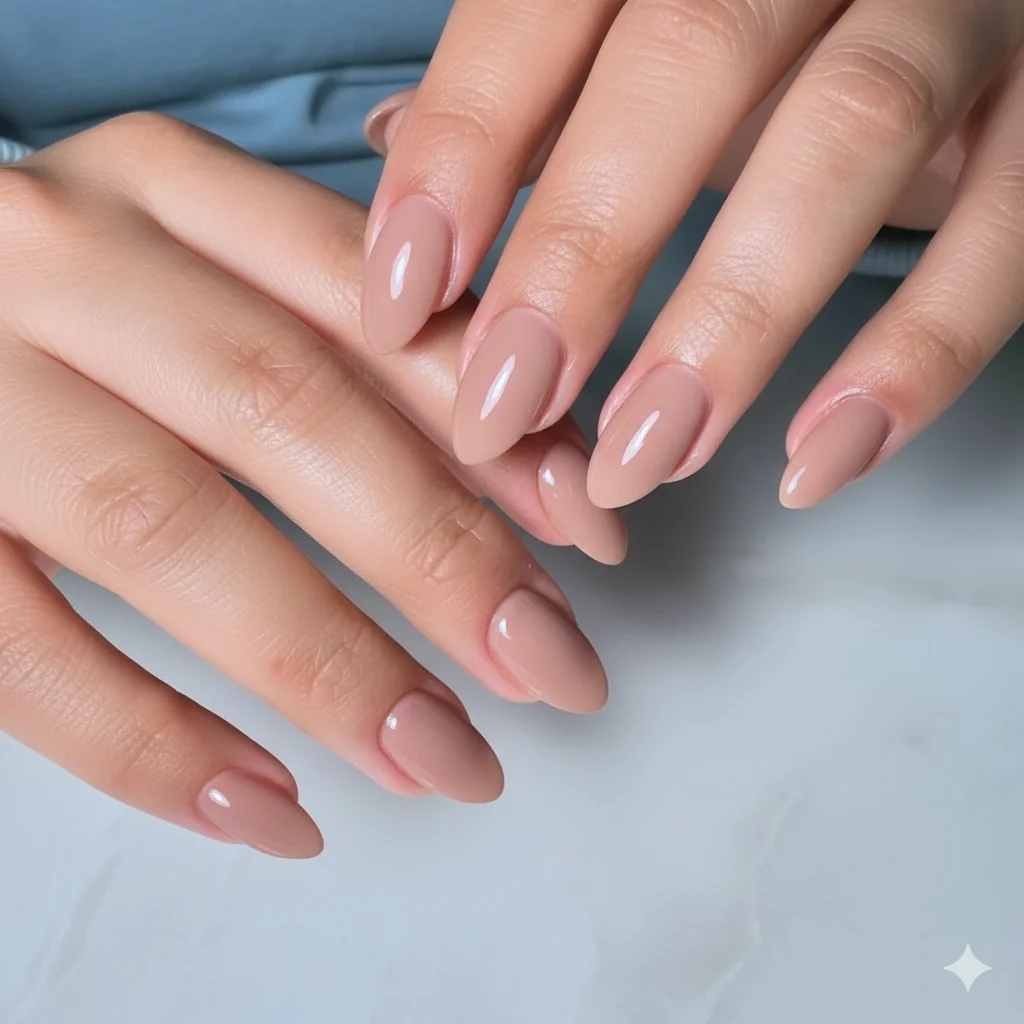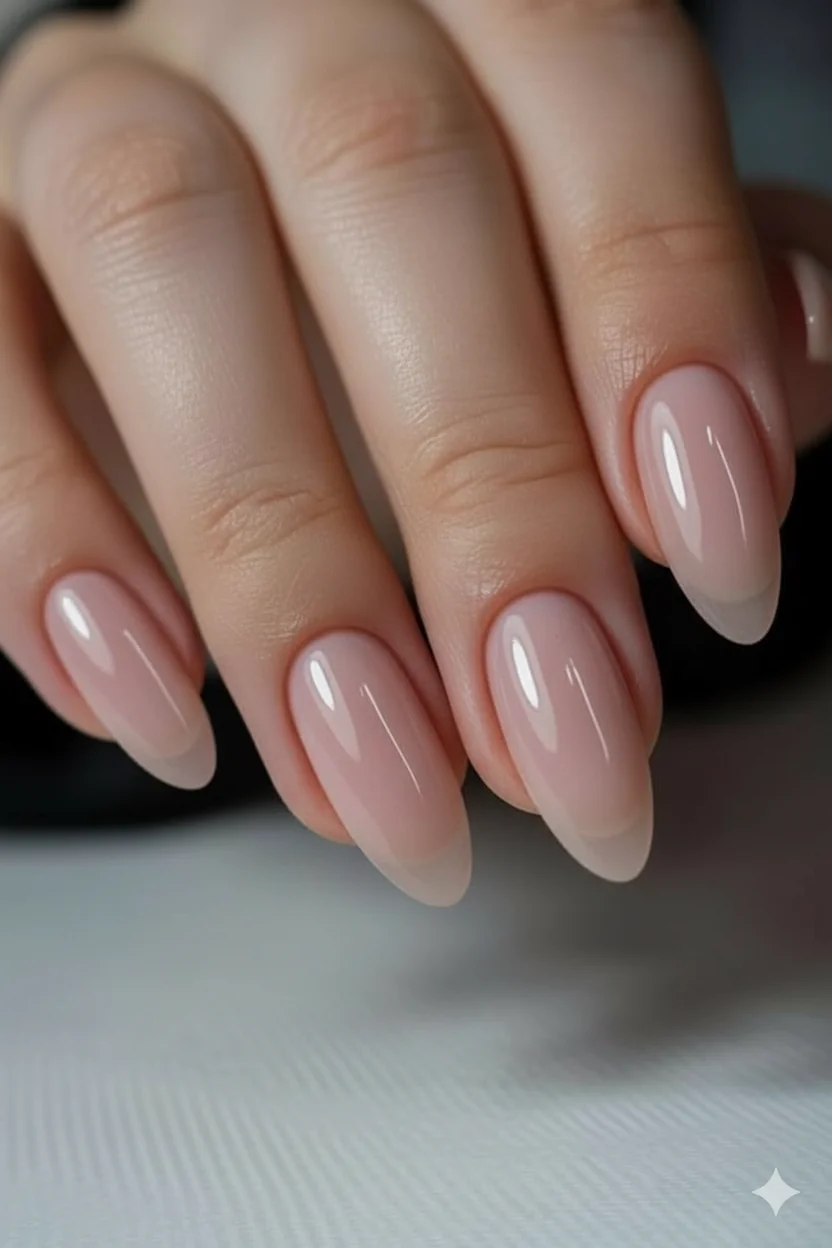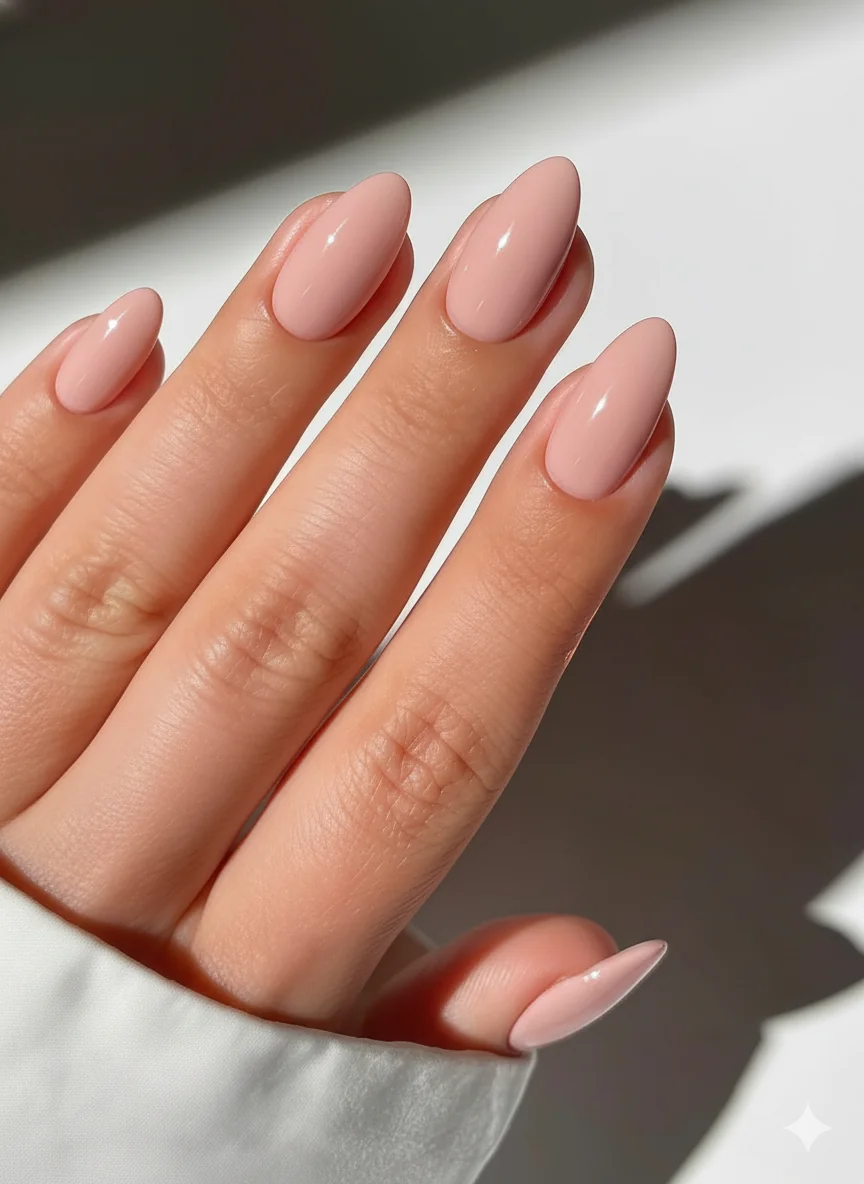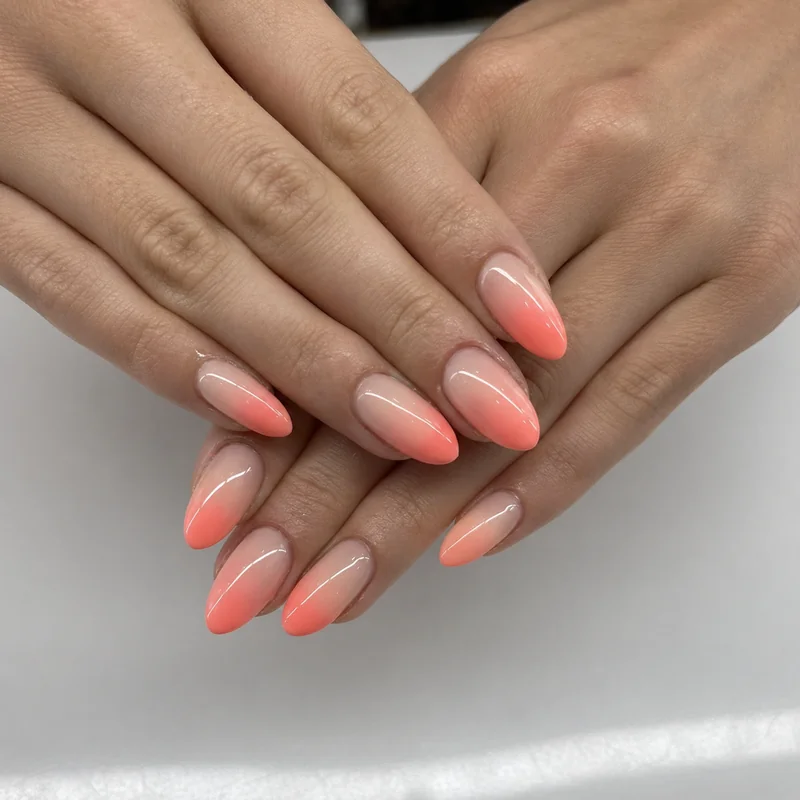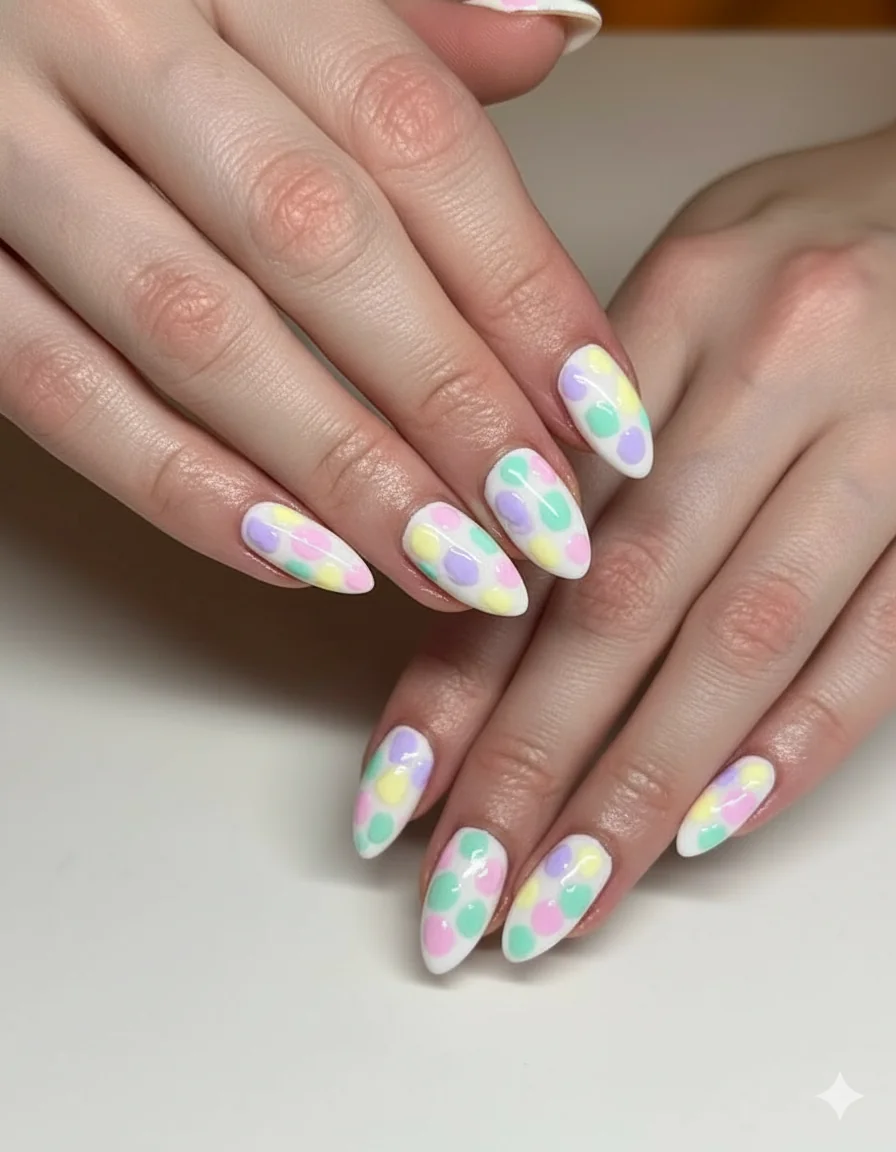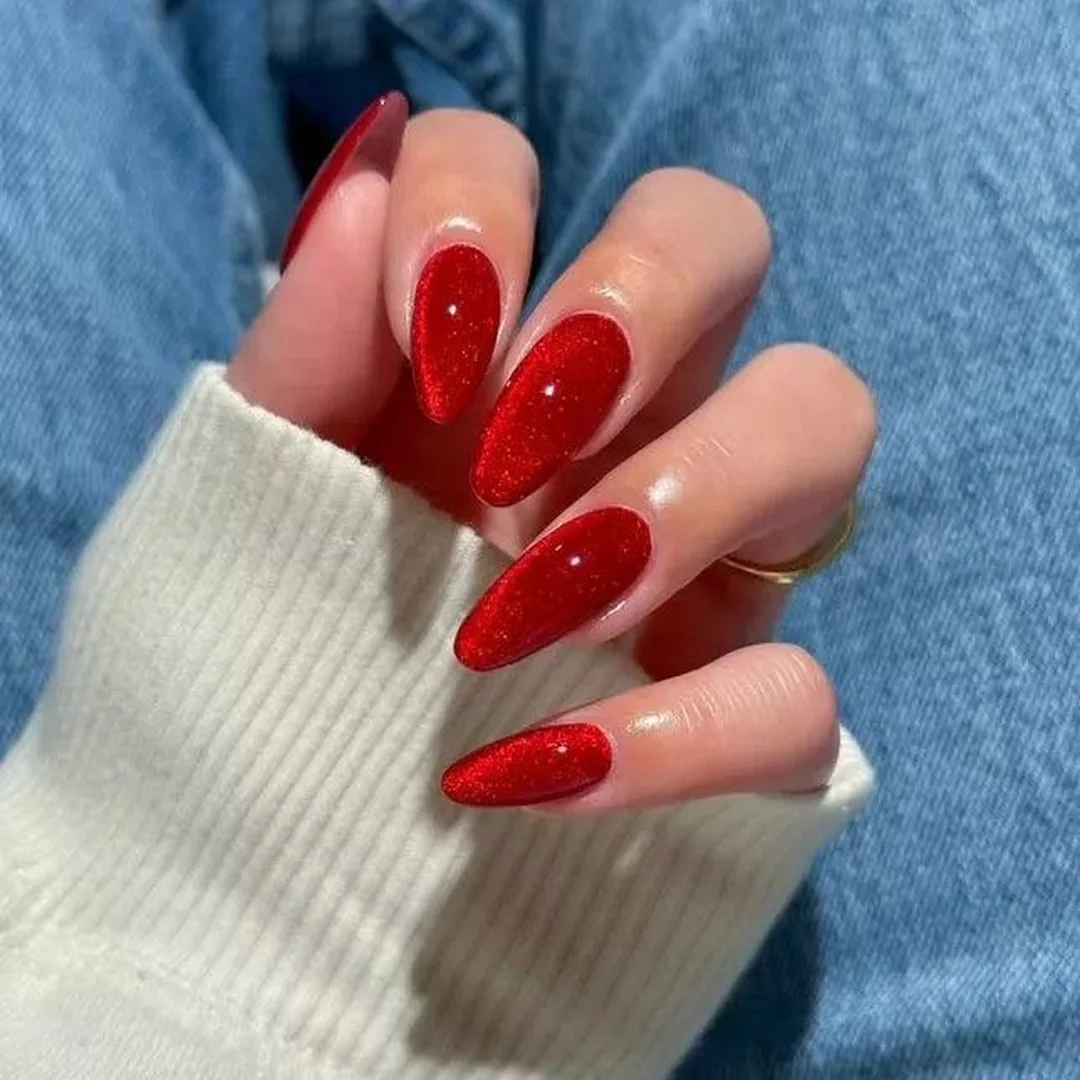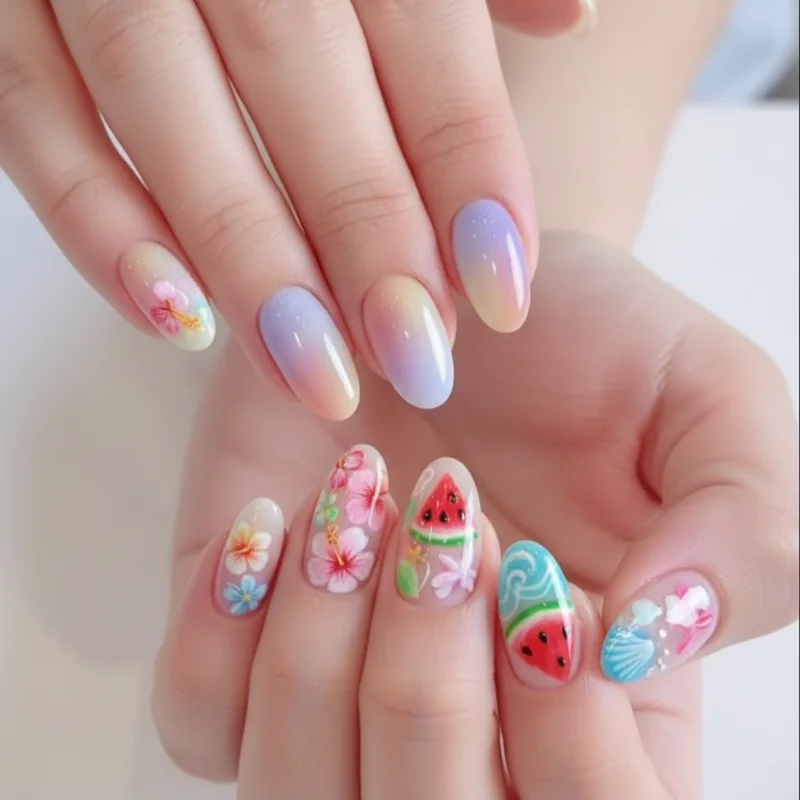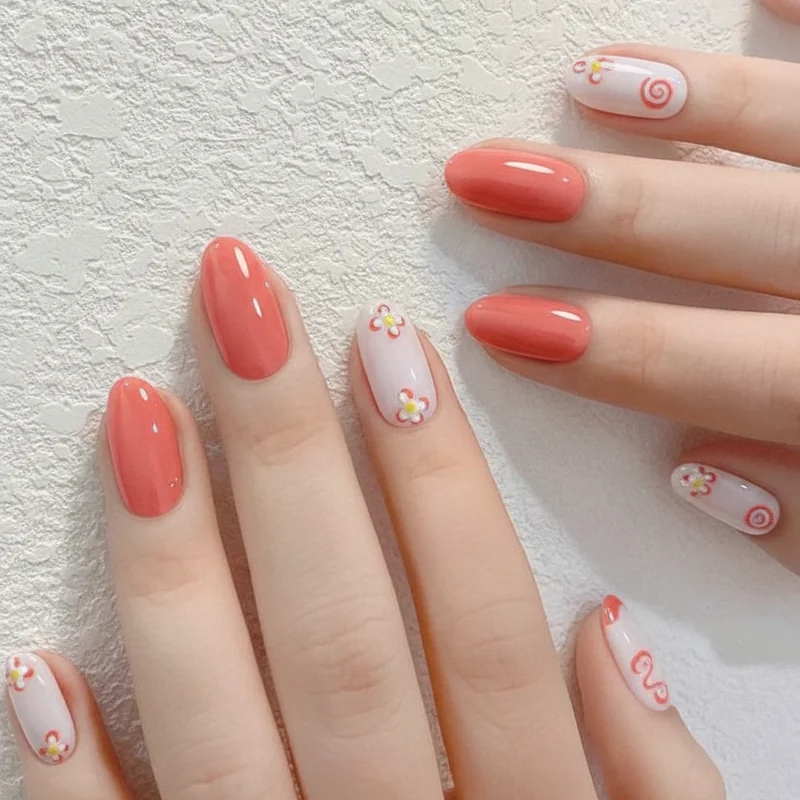

There is a particular kind of frustration that sets in around day six. The set looked perfect at the salon — clean tip, glossy finish, that satisfying almond taper — and now one edge is lifting and you're trying very hard not to pick at it. You paid for three weeks. You got less than one.
How to make almond nails last longer is one of the most searched nail questions online, and the answers most people find are the same recycled list: wear gloves, use cuticle oil, don't use your nails as tools. All true. None of them explain why your specific set isn't lasting, or what the almond shape does to make longevity harder to achieve than with square or oval nails.
This post goes deeper. It covers the structural reasons almond nails lift faster, the prep steps that actually determine whether your set survives week two, and the daily habits that separate a one-week set from a three-week one. If your sets have been failing and you want the real explanation — not a tip list — this is it. And if the foundational knowledge on shape and application feels shaky, the almond nails beginner's guide is a solid place to start before diving in here.
Why Do Almond Nails Lift Before They Should? (The Real Reasons No One Tells You)
Lifting is not random, and it is not bad luck. Every premature lift has a cause — and most of them happen before you ever leave the salon chair.
The most common culprit is incomplete prep. If the nail plate wasn't properly dehydrated before product was applied, the gel never had a clean surface to bond to. Oils, moisture, and cuticle residue are all invisible to the eye but devastating to adhesion. The product goes on fine, looks perfect, and begins to separate within days because the bond was compromised from the start.
The second most common cause is undercuring. Gel that hasn't been fully hardened under a UV or LED lamp stays slightly flexible at a molecular level — meaning it hasn't reached its full adhesion strength. Over the next few days, it loosens. Not visibly at first, but enough that the first time you catch your nail on a zip or submerge your hands in hot water, it starts to lift.

Product type and quality matter too, though less than most people expect. A well-prepped set with a mid-range gel will outlast a rushed set with a premium brand every time. The prep is the foundation. Everything else is finishing.
What Happens During Nail Prep — and Why Skipping It Destroys Your Set
Nail prep is the step that determines the entire lifespan of your set. It is also the step most often rushed, abbreviated, or skipped entirely when a salon is busy.
A proper prep sequence looks like this: the nail plate is lightly buffed to remove shine and create texture for the product to grip, any cuticle film is pushed back and removed from the nail surface (not just the skin — the translucent film that grows onto the plate itself), a nail dehydrator is applied to strip residual moisture and oil, and then a bonding primer goes on before any product touches the nail. Each of these steps has a specific job. Miss one and the whole sequence is weaker for it.

The dehydrator step is where most home kits fall short and where rushed salons cut corners. Skipping it leaves a microscopically oily surface — invisible, but enough to prevent a true chemical bond. The gel sits on top of oil rather than bonding to the nail plate, and lifting is essentially guaranteed within the first week.
If your sets consistently fail in the first few days, ask your nail tech exactly what prep steps they use. It's not a rude question. It's the most important one you can ask. For a full picture of what strong application technique looks like, the beginner's guide to almond nails covers what proper application should feel and look like from start to finish.
Does the Almond Shape Make Nails More Likely to Lift or Break?
Honestly? Yes — but for specific, fixable reasons.
The almond shape tapers to a rounded point, which means the free edge (the tip of the nail that extends beyond your fingertip) is narrower than it is on a square or oval shape. That tapered tip concentrates stress. Every time you type, open a can, or catch your nail on fabric, that impact travels up through a smaller surface area than a wider shape would distribute it across. The tip of an almond nail bears more force per millimetre than a square tip does.

The apex — the highest structural point of the nail — is also critical for almond nails specifically. On a well-built set, the apex sits roughly in the centre of the nail and creates an arch that distributes pressure. A flat apex, or one placed too far forward or back, leaves the nail structurally vulnerable at exactly the point where almond shapes are already most stressed: the tip. If your sets frequently break at the tip rather than lift at the cuticle, this is almost certainly the conversation to have with your nail tech.
Over-filing the sidewalls is the third almond-specific risk. The side wall on an almond shape is already narrower than a square, and filing too aggressively to achieve the taper weakens the nail at the point where it needs the most structural support. A good nail tech achieves the almond shape with minimal sidewall removal — if your tech files heavily into the sides, it's worth raising.
How to Protect Almond Nails From Lifting at the Tip — The Free Edge Rule
Capping the free edge is the single most important application technique for almond nail longevity, and it is the step skipped most often on faster sets.
To cap the free edge, the nail tech runs product along the very tip of the nail — not just the top surface, but the thin edge itself — sealing the gel or acrylic across the full thickness of the extension. This creates a closed seal that prevents water, cleaning products, and daily impact from working their way underneath the product from the end.

Without this seal, the tapered tip of an almond nail is effectively open at the end. Product begins to separate from the natural nail at the tip and works backward — what starts as a tiny lift at the very edge becomes a full nail lifting from the tip inward within days. Capping is a ten-second step that determines whether the tip holds for two weeks or two days.
At your next appointment, specifically ask your nail tech to cap the free edge on every nail. Watch to see whether they do. If they're not, that's the first thing to address — before dehydrator, before product brand, before anything else.
Does Water Really Ruin Almond Nails? (What You Can and Can't Control)
Water is the most consistent enemy of gel adhesion, and understanding exactly why helps you protect your set more precisely than just "avoid getting them wet."
The natural nail plate is porous. When it absorbs water, it expands slightly. When it dries, it contracts. This cycle happens every time you wash dishes, take a shower, or swim. The gel coating on top does not expand and contract at the same rate as the nail plate underneath — and that mismatch is what causes the bond to loosen over time. Research by professional nail service providers confirms this repeated expansion and contraction is one of the primary mechanical causes of gel lifting, particularly at the free edge.

You cannot avoid all water. You can reduce prolonged submersion. Dishwashing, cleaning, and long baths are the high-risk activities — these involve extended exposure to hot water, which accelerates the expansion cycle significantly. Wearing gloves for dishwashing and cleaning is not just a cliché tip; it is the single most effective daily habit for extending gel wear time.
Showering is lower risk than it appears — the exposure time is shorter and the water is usually not hot enough to cause rapid expansion. Swimming in chlorinated or salt water is higher risk than showering. Hand washing is unavoidable, but you can reduce impact by patting rather than rubbing your nails dry.
The Daily Habits That Separate a 1-Week Set From a 3-Week Set
The difference shows up in the small decisions made every day after the salon visit. None of them are dramatic. All of them compound.
Cuticle oil, twice daily. This is not optional. Cuticle oil keeps the natural nail flexible, which means it expands and contracts with less stress — reducing the cracking and lifting that comes from a rigid, dehydrated nail plate flexing under product. Apply it in the morning and again before bed, working it into the base of the nail and along the sidewalls. Scratch Magazine, the UK's leading professional nail publication, identifies consistent cuticle oil use as the single highest-impact aftercare habit for extended gel wear time.

Stop using your nails as tools. Opening cans, scraping labels, popping ring pulls — each of these puts lateral stress on the tip at exactly the point the almond shape is most structurally vulnerable. The habit is usually unconscious. Becoming aware of it is most of the battle.
Gloves for cleaning. Non-negotiable if you want three weeks. Hot water and cleaning products together dissolve the bond between gel and nail plate faster than anything else in daily life. A pair of rubber gloves costs almost nothing. They protect against the two most aggressive longevity threats at once.
No picking. When a nail starts to lift, picking at the edge feels satisfying and makes everything worse. Peeling gel off takes layers of the natural nail plate with it — the next set adheres to a thinner, more damaged surface and lasts even less time. If a nail lifts, file the edge smooth or visit your nail tech.
For a complete daily aftercare routine, the almond nail aftercare guide has every step laid out in detail.
How Often Should You Get Almond Nails Filled — and What Happens If You Wait Too Long?
The fill schedule is not arbitrary. It exists because the gap between your natural nail and the product — which grows larger every week — creates a structural weak point and a space where moisture and bacteria can accumulate.
For gel, a fill every two to three weeks is the standard. For acrylic, every two to two and a half weeks. These windows exist because beyond that point, the grown-out section of the nail becomes a lever: daily pressure on the tip transmits force through a longer, thinner gap, and the risk of cracking, lifting, and tip breakage rises sharply. Professional nail technicians are clear that waiting too long between fills is one of the most common causes of structural failure that clients attribute to "bad nails" or "bad luck."

Water trapping is the most serious risk of leaving a set too long. Once the product lifts enough to create a gap, water gets in during handwashing and doesn't fully dry out — this creates a warm, moist environment that can lead to discolouration and, in more serious cases, infection beneath the nail plate. What looks like a nail that "just needs a fill" can already be harbouring moisture damage.
Book your fill appointment at the three-week mark regardless of how the set looks. If it looks good, great — the fill keeps it that way. If there's any lifting, you'll catch it before it becomes a water-trapping problem.
Does Gel or Acrylic Last Longer on Almond Shape? The Honest Answer
The product type matters less than how it's applied. A well-built acrylic set and a well-built gel set will both last two to three weeks. A poorly prepped version of either will fail within a week.
That said, there are real structural differences worth knowing. Acrylic is harder and less flexible than gel, which gives it more rigidity at the tapered almond tip — useful if you're hard on your hands or work with them. The rigidity also means acrylic is less likely to bend at the stress point and more likely to snap cleanly if it does break, rather than peel from the base. Gel is more flexible, which means it moves slightly with the natural nail — an advantage for nail plate adhesion, but a slight disadvantage at the tip where almond nails face the most impact stress.
The full comparison of gel versus acrylic for almond nails goes into this in more detail, including which product works better for different hand types and lifestyle demands. But the short answer: ask your nail tech what they build better, not which product lasts longer in theory. Their technical skill with a given product matters more than the product itself.