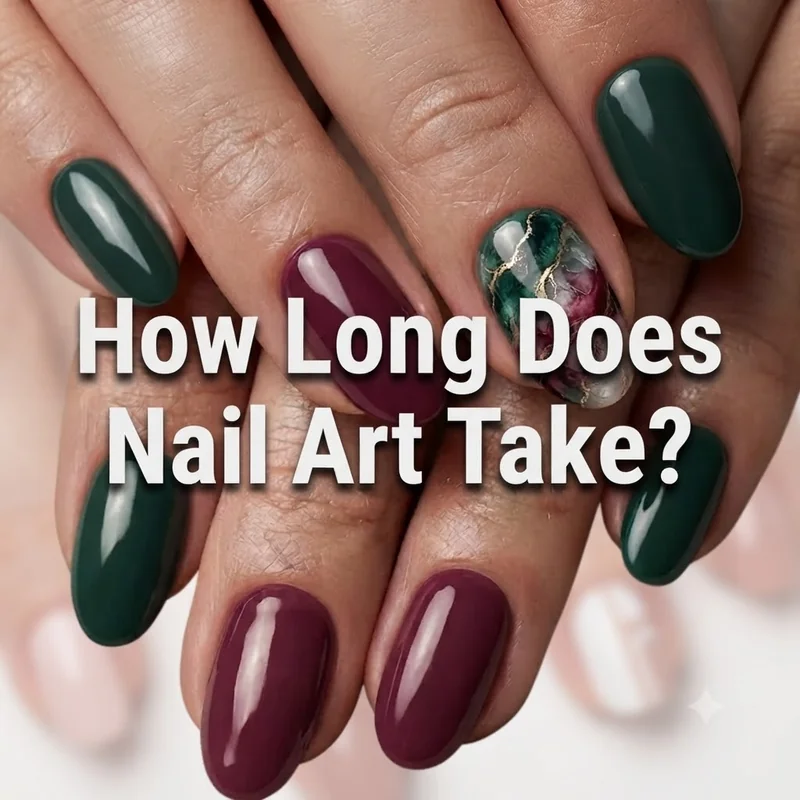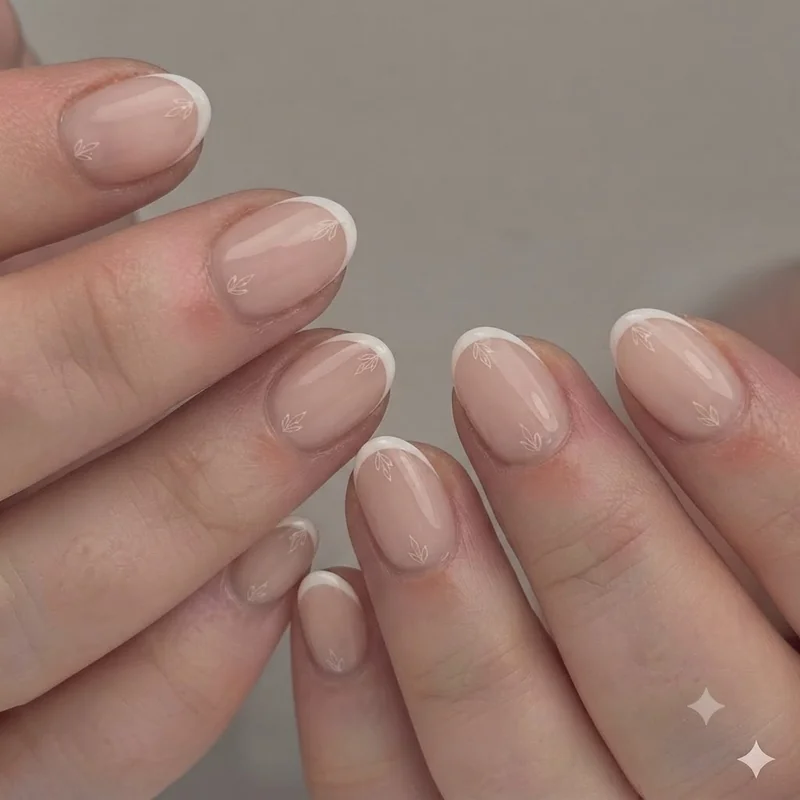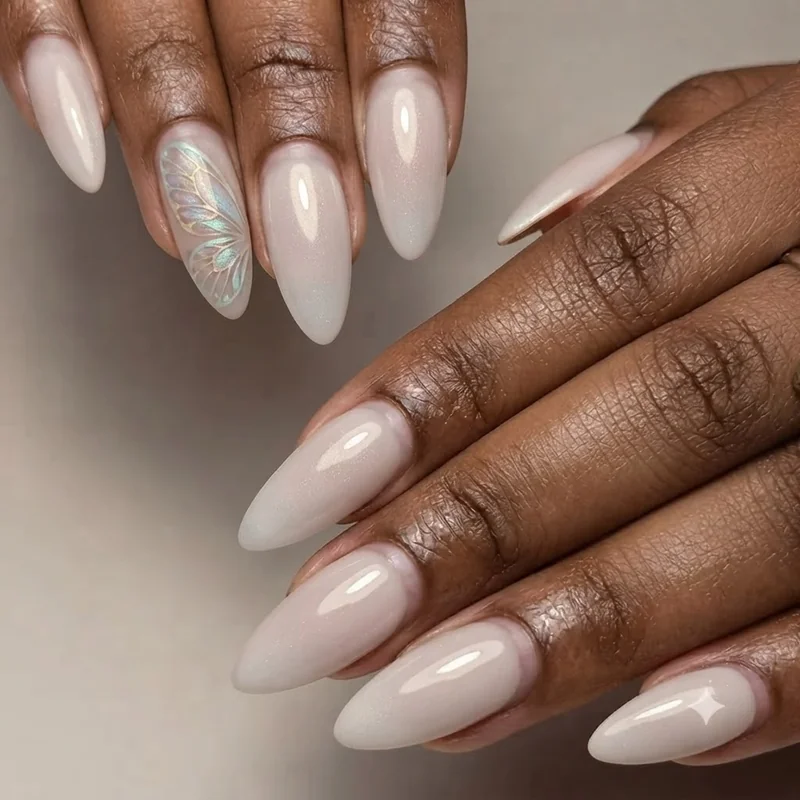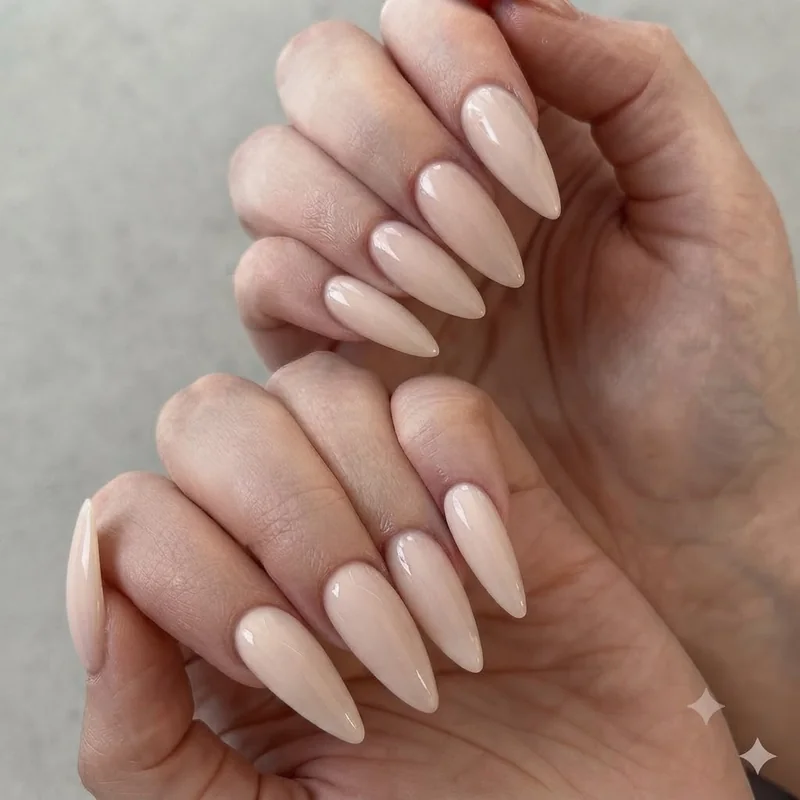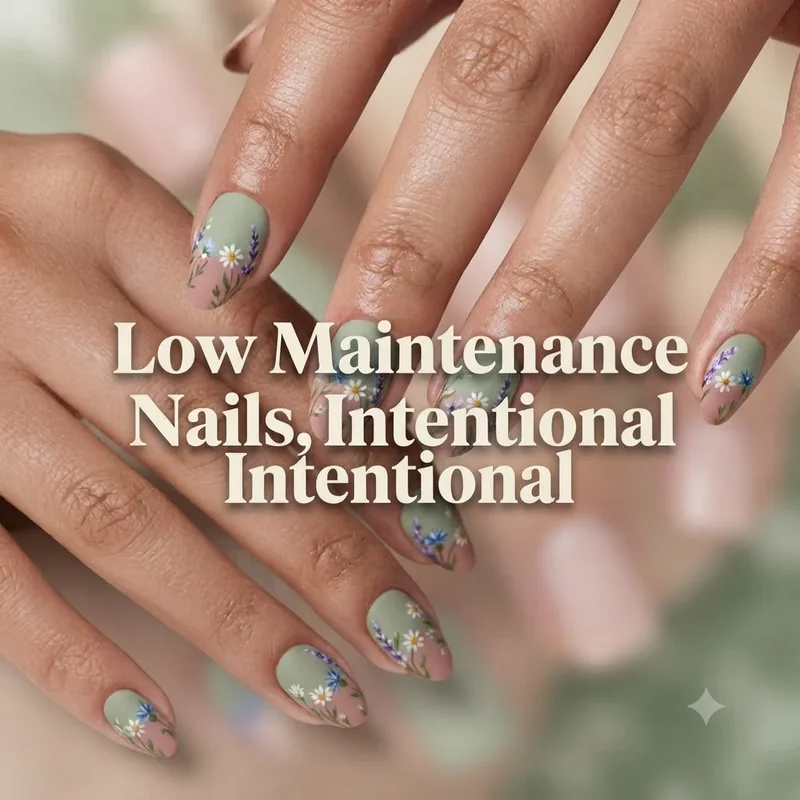
Low maintenance nail designs are not a compromise. Squoval or rounded tapered shapes resist chipping best, sheer and negative-space colors disguise regrowth for weeks instead of days, and a glossy top coat does more work than any elaborate design ever could. There is a quiet judgment baked into that phrase "low maintenance," as if wanting nails that hold up between salon visits means you could not be bothered to try. That judgment is wrong. Choosing low maintenance nail designs on purpose, the shape, the color, the finish, is not the absence of a decision. It is the decision. This is not about standing out. It is about knowing you could get something elaborate and choosing not to, because your actual life does not have room for a manicure that demands weekly repair.
This post gives you the framework the trend lists skip: which shape genuinely resists chipping, which colors grow out without a visible line, and which finishes stretch a manicure from ten days to a month. No filler, no "it depends." Just what to ask for at your next appointment, and why it works.
What Nail Shape Is Actually the Most Low Maintenance?
What nail shape is actually the most low maintenance? Squoval and rounded tapered top the list, because both follow the natural width and C-curve of the nail bed instead of fighting it. A squoval nail shape combines a straight top edge with softened corners, so there is no narrow point to catch or snap. That is the whole mechanism. Shapes fail when the free edge tapers to a point unsupported by the nail underneath it.
Multiple celebrity manicurists, asked separately to name the most durable natural nail shape, have landed on the same underlying principle: durability comes from shapes that mirror the nail bed itself and follow the curve of the cuticle, rather than fighting against it. That is the cuticle-following principle behind squoval, round, and rounded tapered alike. Almond can hold up too, but it asks more of the nail. It needs a longer, structurally sound tip to maintain its point, which means thinner or shorter natural nails are more likely to see it chip or snap at the narrowest section.
Length interacts with shape here more than most people expect. If you are still deciding between committing to length or keeping things short, the full long vs short nails comparison breaks down how each length changes what a shape can realistically do for you day to day.
For the reader whose priority is genuinely daily wear, a rounded tapered shape is worth naming specifically. One celebrity nail artist and OPI global ambassador has called it a shape that flatters every length while asking almost nothing of the wearer in return, exactly the combination good low maintenance nail designs are built around. Not the safest-looking shape. The one that survives your week.
Shape is only half the equation, though. A squoval nail in a bold opaque red will still show a regrowth line within a week. That is where color takes over.
For a deeper dive into matching a shape to your actual hands and habits rather than what looks good on someone else's Instagram, matching nail shape to your daily routine and hand type walks through the full decision tree.