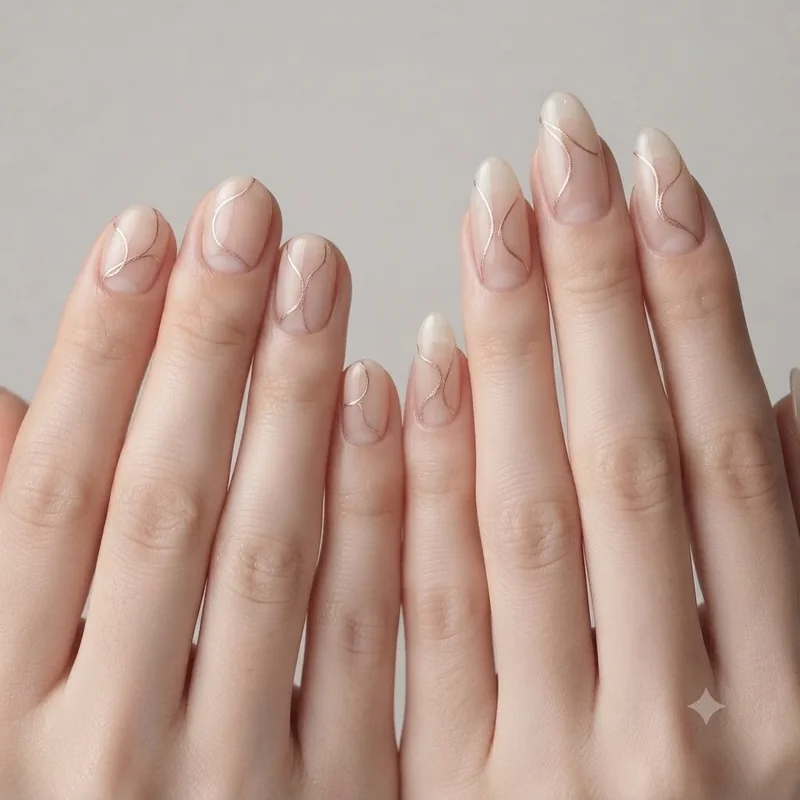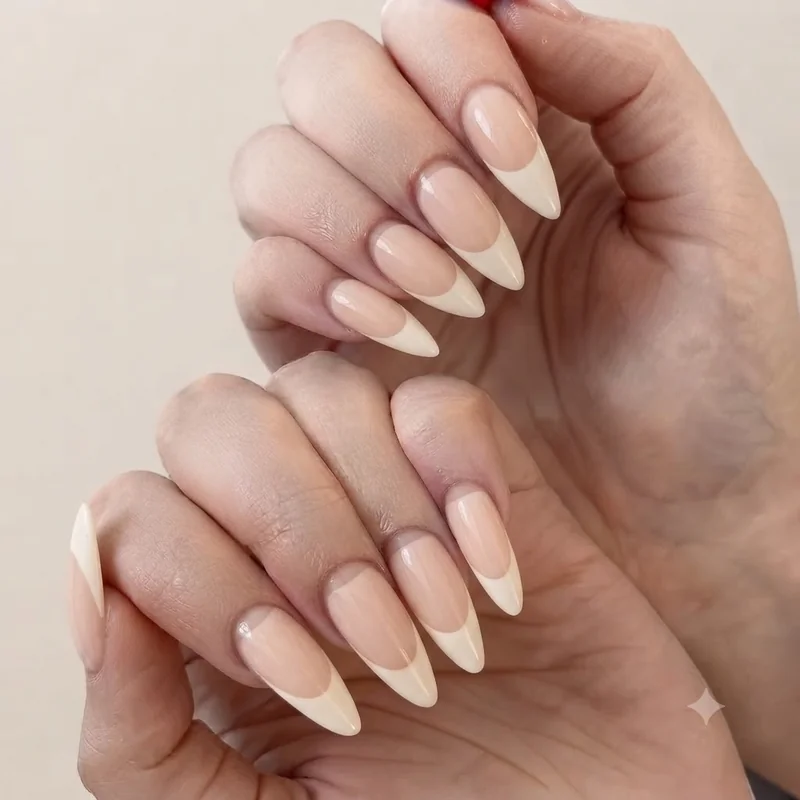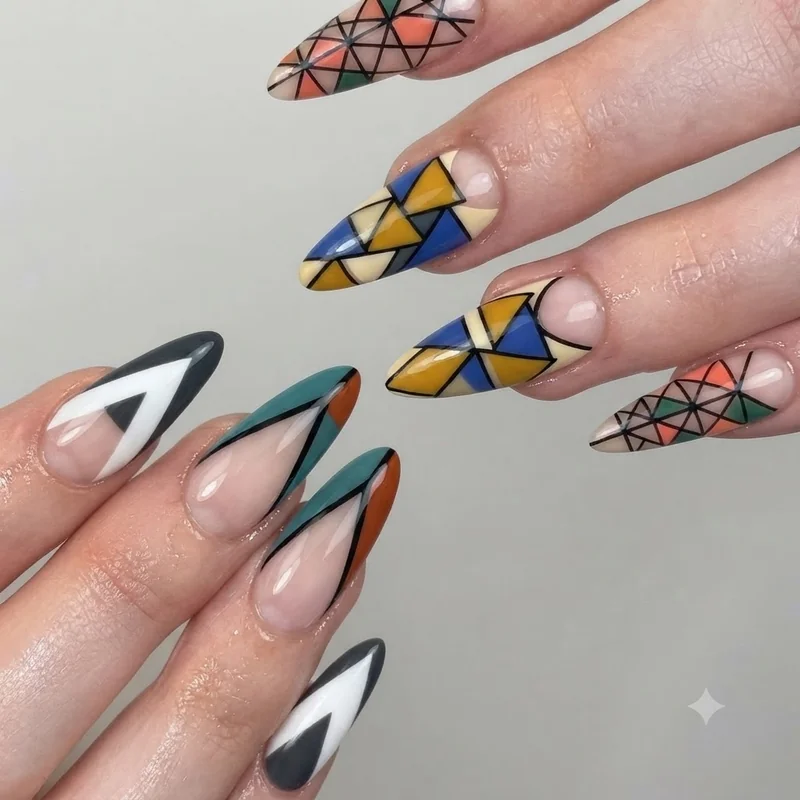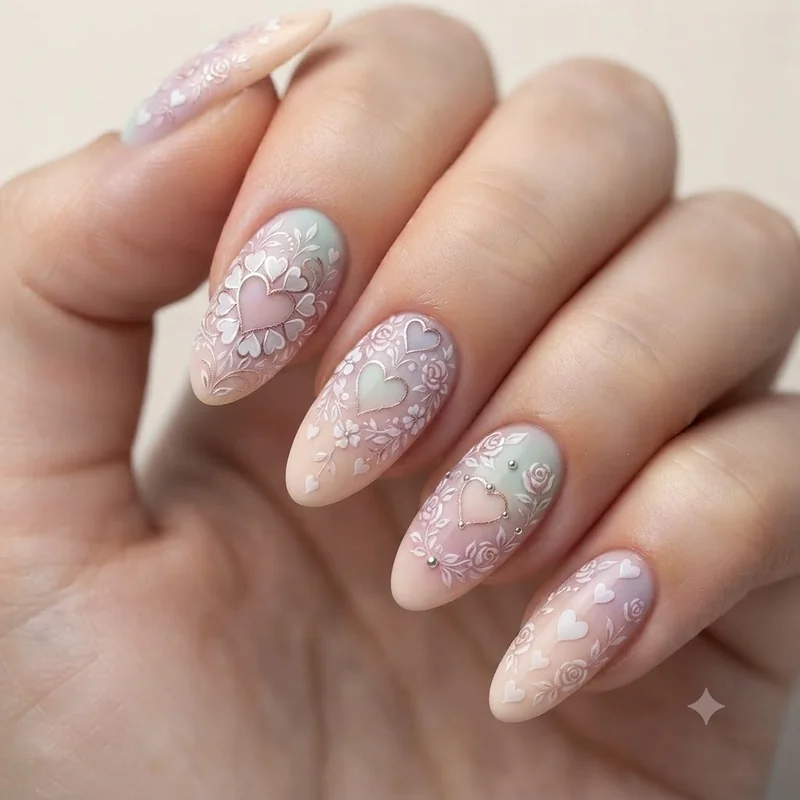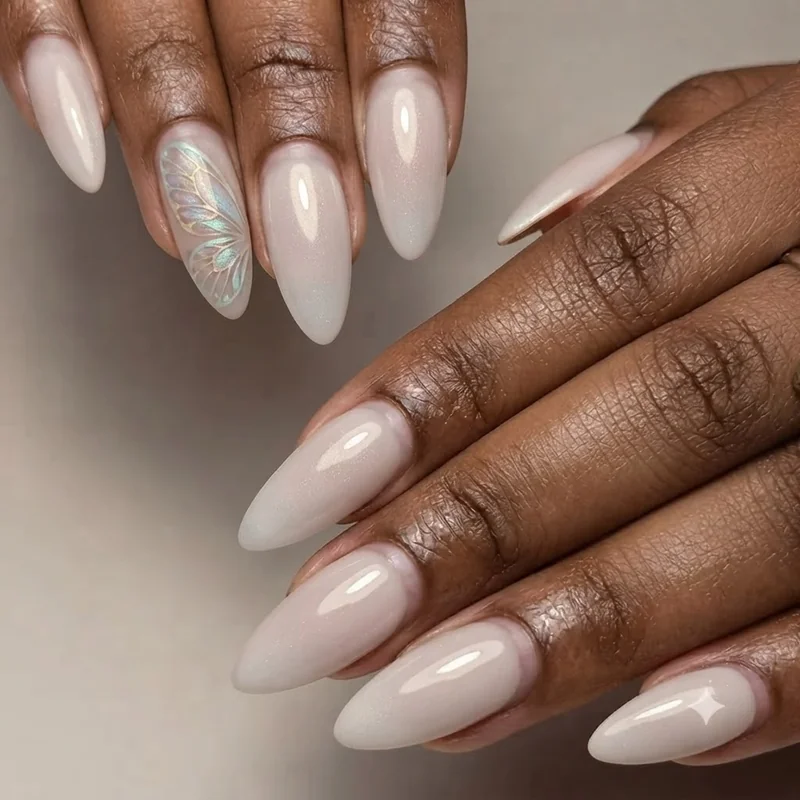
Most people scroll straight past negative space nails on Pinterest without knowing what the term actually means. It is a manicure where sections of your bare, natural nail are left unpainted on purpose, and that exposed skin becomes part of the design rather than a mistake. Once you understand it, the appeal is obvious: negative space nails work whether your set is short or long, at every skill level. Here are 15 looks to screenshot before your next appointment.
Byrdie's roundup of negative space designs makes a similar point about the format's flexibility. This guide breaks the trend into five categories, from a single sheer stripe to full floral cut-out work, so you can find the version that matches your patience and your nail length.
What Are Negative Space Nails, Exactly?
Negative space nails are a technique where part of the natural nail is left intentionally bare, and that gap becomes the design instead of being filled in. Rather than adding a pattern on top of full polish, the shape comes from what is left out. Industry publication Nailpro has tracked the technique as a mainstream, salon-standard style for years, not a fleeting fad.
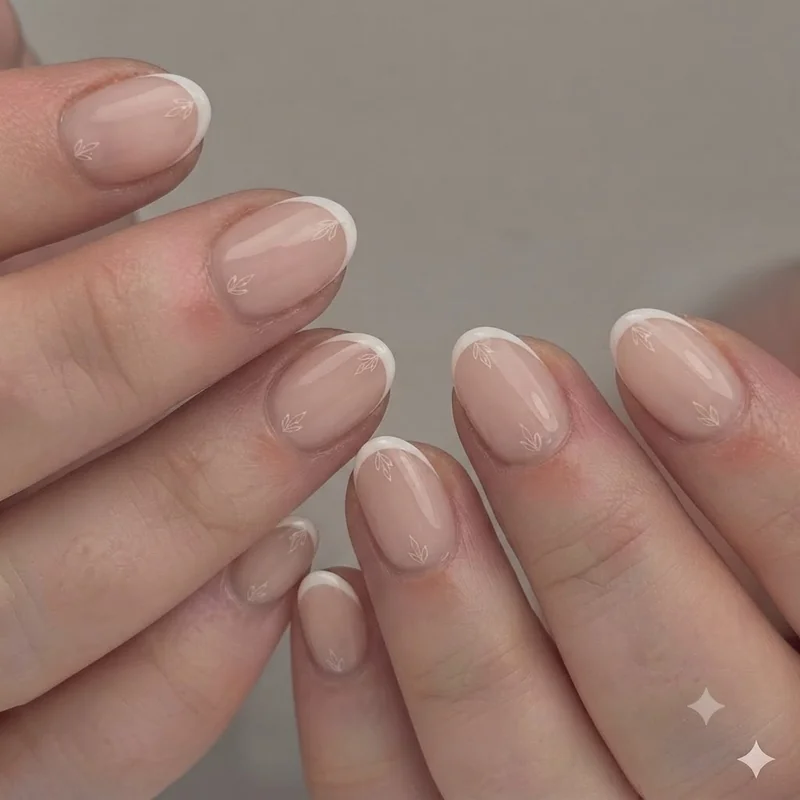
Think of it as sculpting with absence. A thin unpainted line through a solid colour, a bare triangle at the base, a gap where a French tip would normally be filled. The nail itself does half the work, drawing the eye to shape and contrast rather than colour alone.
It pairs naturally with a sheer or nude base coat, since a bare section against sheer polish creates a softer contrast than bare skin against opaque colour. Some versions use nail tape to mask a straight edge, others rely on freehand precision from a technician. Either way, the bare nail is the star, not the backdrop.
Do Negative Space Nails Work Better on Short or Long Nails?
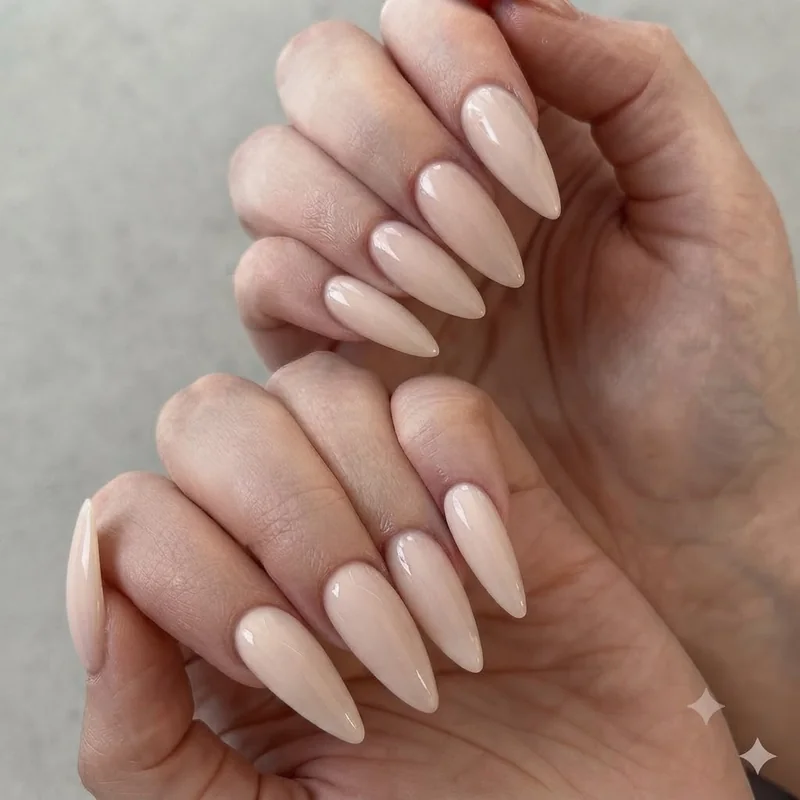
Short and long nails are not competing for this trend, they are winning it for different reasons. On short nails, a vertical stripe or high French line creates a lengthening illusion your eye reads as taller. On long nails, the extra surface area gives intricate cut-out work room to actually register.
This split matters because it is the exact debate covered in the pillar guide, and negative space is one of the rare styles that flatters both sides of it equally. If you are still weighing which length suits you generally, the long vs short nails comparison breaks that decision down beyond just this one style.
Short nails benefit from the elongating effect of a narrow bare gap running lengthwise, tricking the eye into seeing more nail bed than is actually there. This is the same principle behind a lot of intricate nail art for short nails, where strategic line placement does more visual work than complexity does.
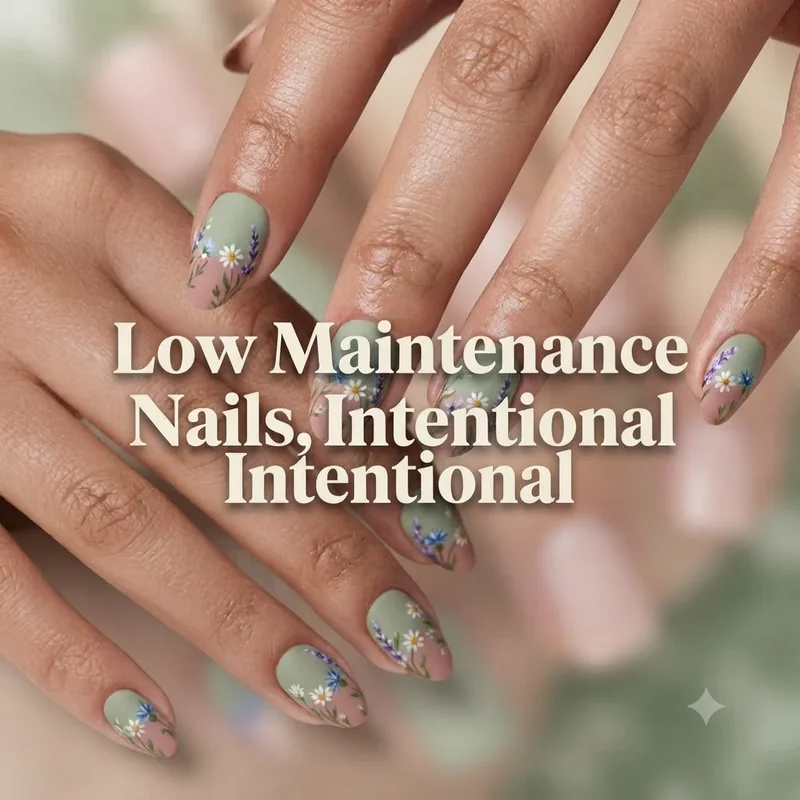
Long nails, meanwhile, become a canvas. There is enough surface to layer a geometric cut-out with a secondary detail, or let a floral negative space design breathe without crowding the tip. If minimal styling on a longer set appeals to you, simple nail designs for long nails covers more of that restrained-but-detailed territory. Either length gets a genuine version of the trend, not a scaled-down compromise.