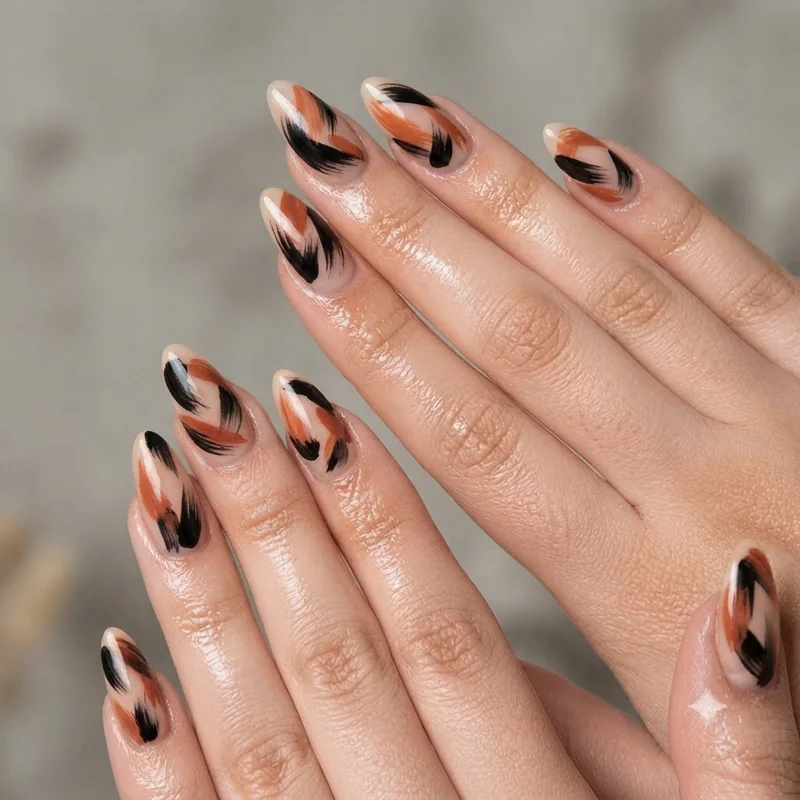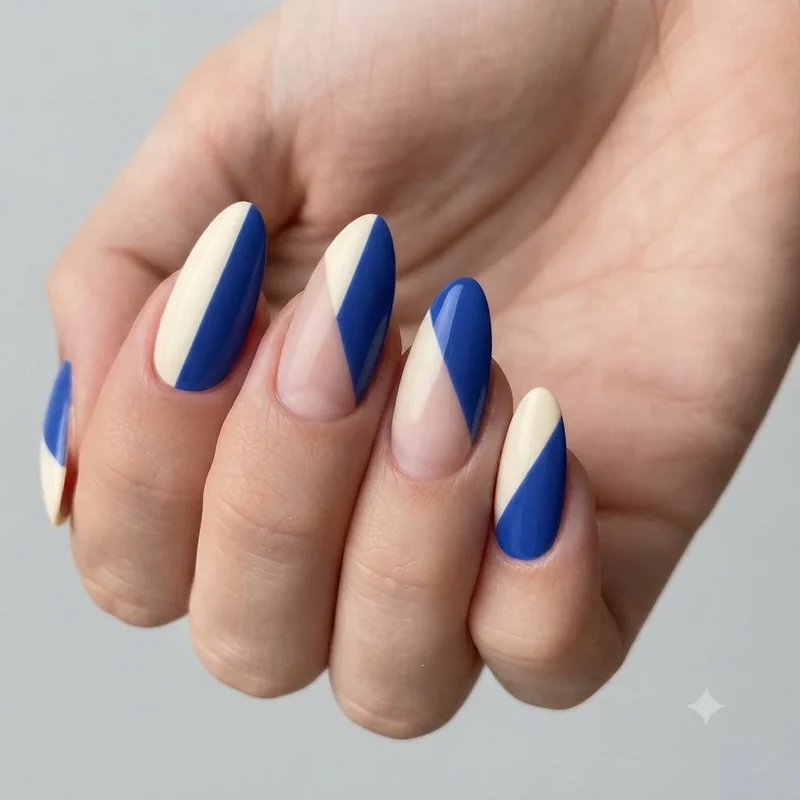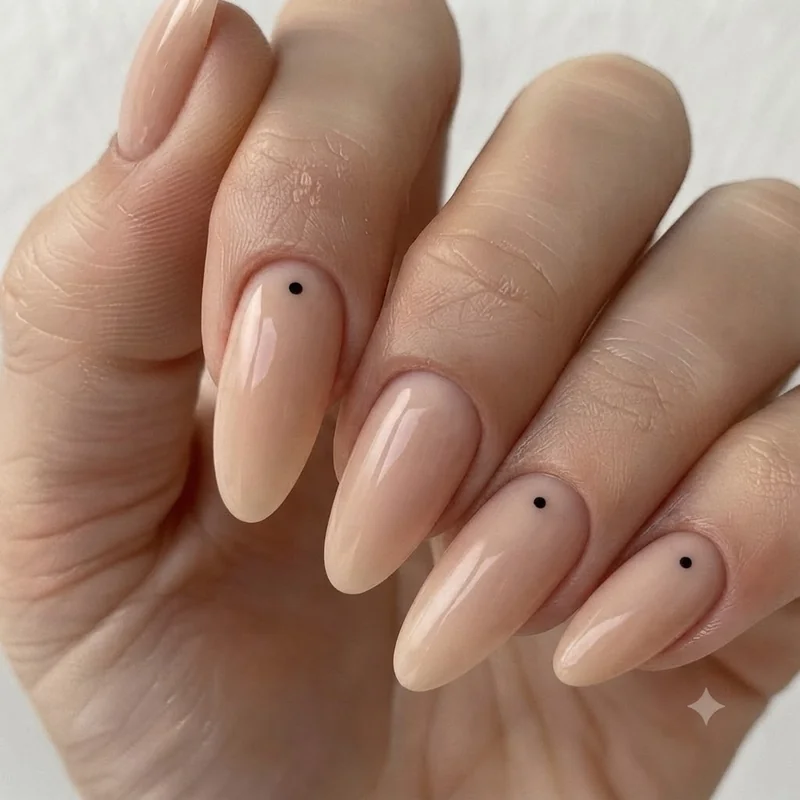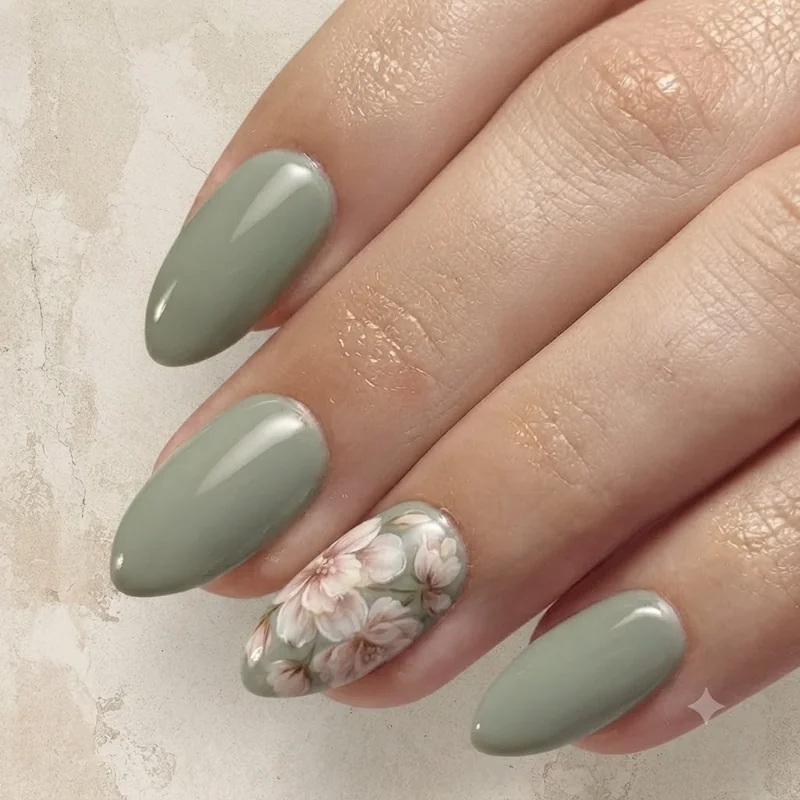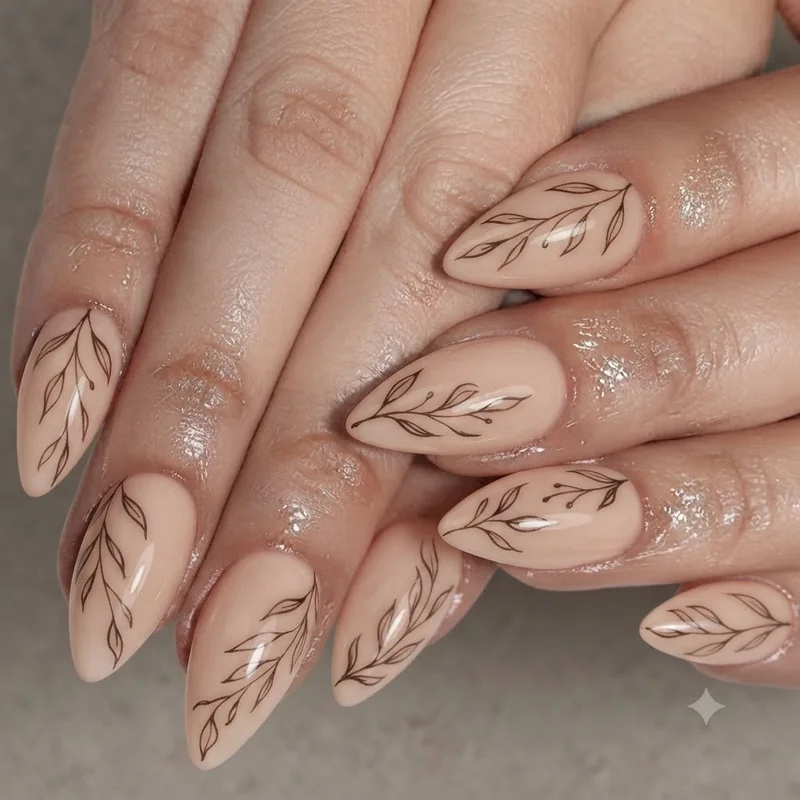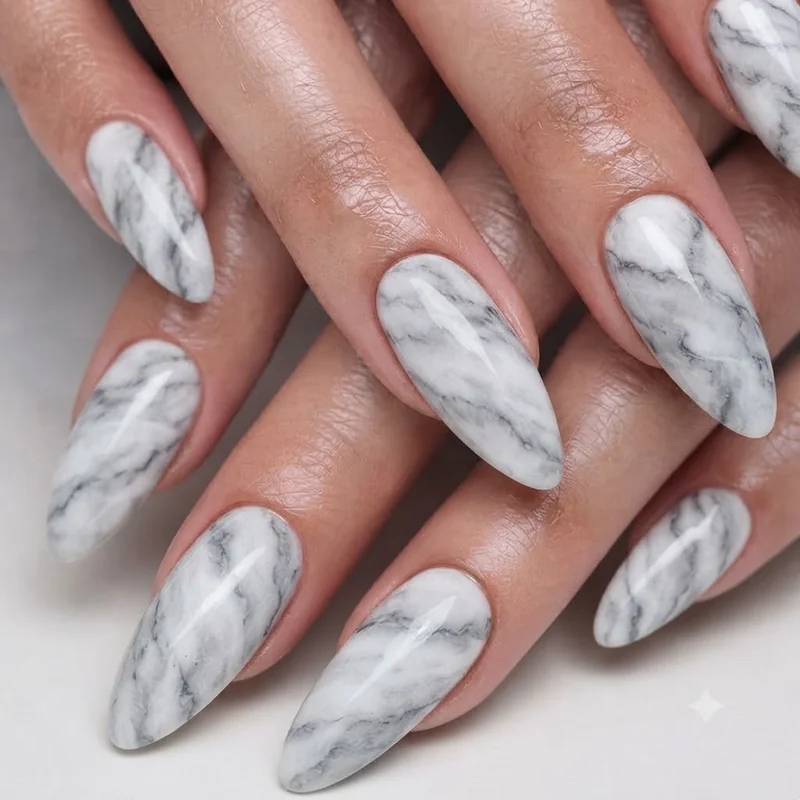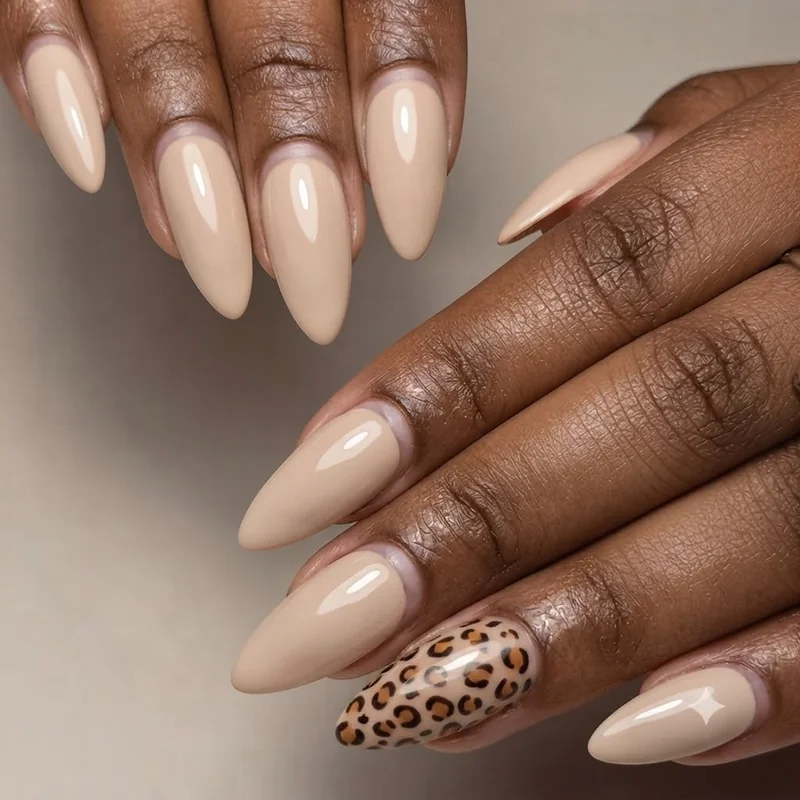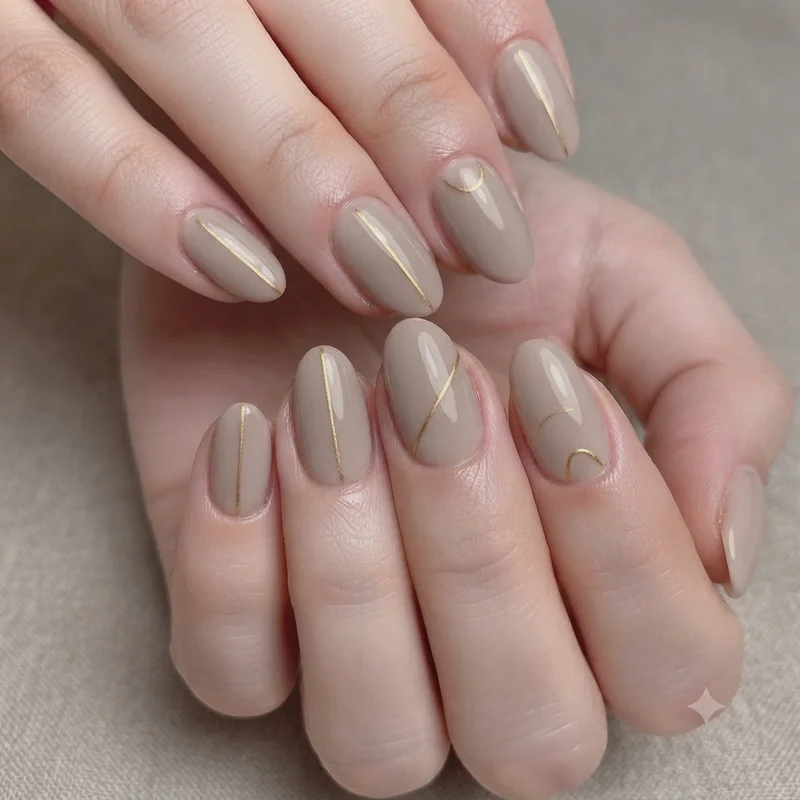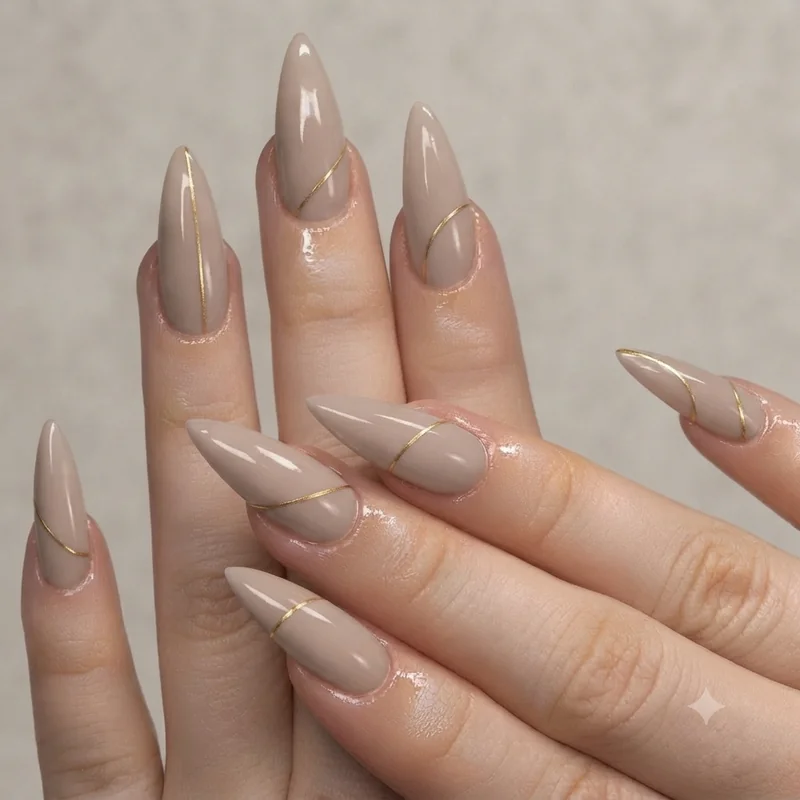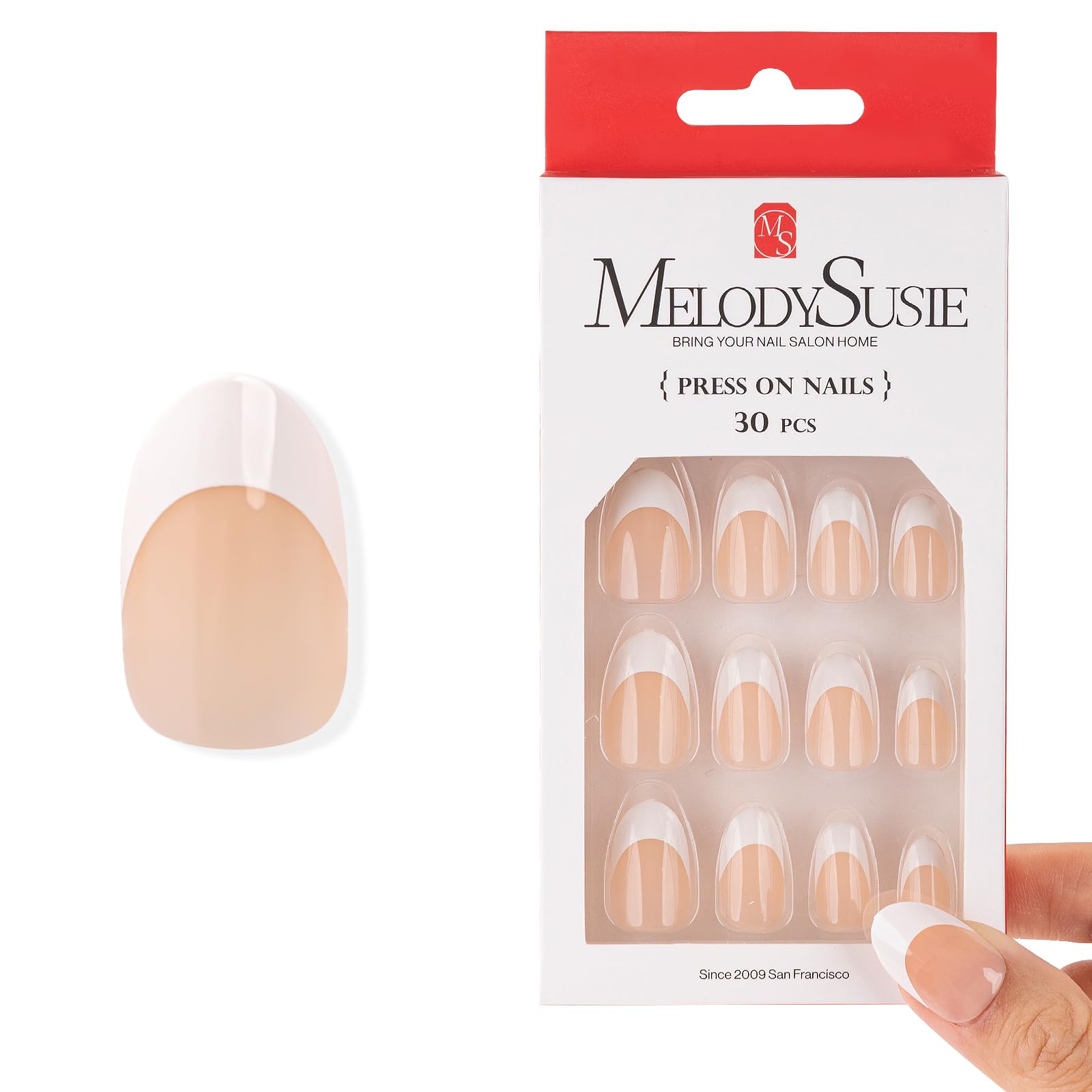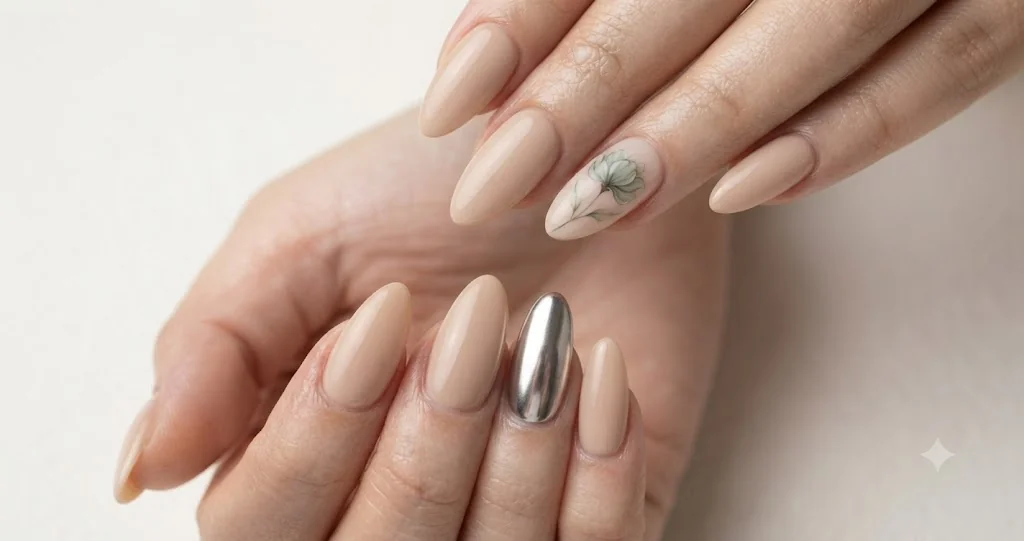
Twenty tabs open. Forty saved posts you will never look at again. That is what searching for nail art ideas usually turns into, and it is exactly the problem this edit exists to solve. The best nail art ideas share three things in common: a clear technique your nail tech can execute, a look that holds up past the first week, and a design specific enough that you are not just staring at a vague mood board. This edit gives you twenty of them, sorted, named, and ready to screenshot.
We curate so you don't have to. Every nail trend account, every salon Instagram, every "get the look" carousel, it all blurs together after a while. This is not a trend report. It is a specific, countable list, twenty designs, each one chosen because it earns its place rather than filling a number. Some are quiet. Some are loud. All of them are worth the appointment.
Consider this your nail art ideas shortlist, not your homework. Scroll through once, screenshot the two or three that stop you, and bring them straight to your next appointment.
Minimalist and Clean-Girl Nail Art Worth Saving
Restraint is the hardest thing to get right in nail art, and minimalist nail design proves it. Nothing here hides behind embellishment. Every line has to earn its place.
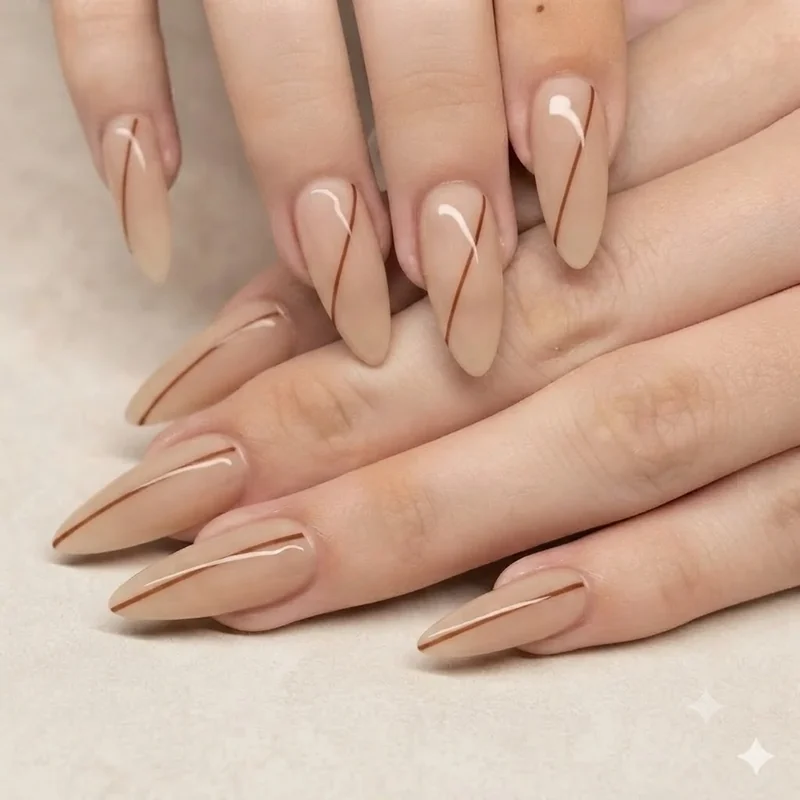
1. The Single Line
One thin line, drawn freehand across a bare or barely-there base, is the entire design. It works because it asks for precision rather than skill in the traditional sense, a steady hand matters more than years of training. The line typically sits diagonally across the nail bed or traces the edge of the cuticle, and either placement reads as intentional rather than accidental. Ask for it in black for contrast or a tonal shade for something quieter. It suits short and long nails equally, which is rare for a design this specific. At a salon, describe it exactly as one continuous line rather than a "simple design," since that phrasing gets you a more precise result.
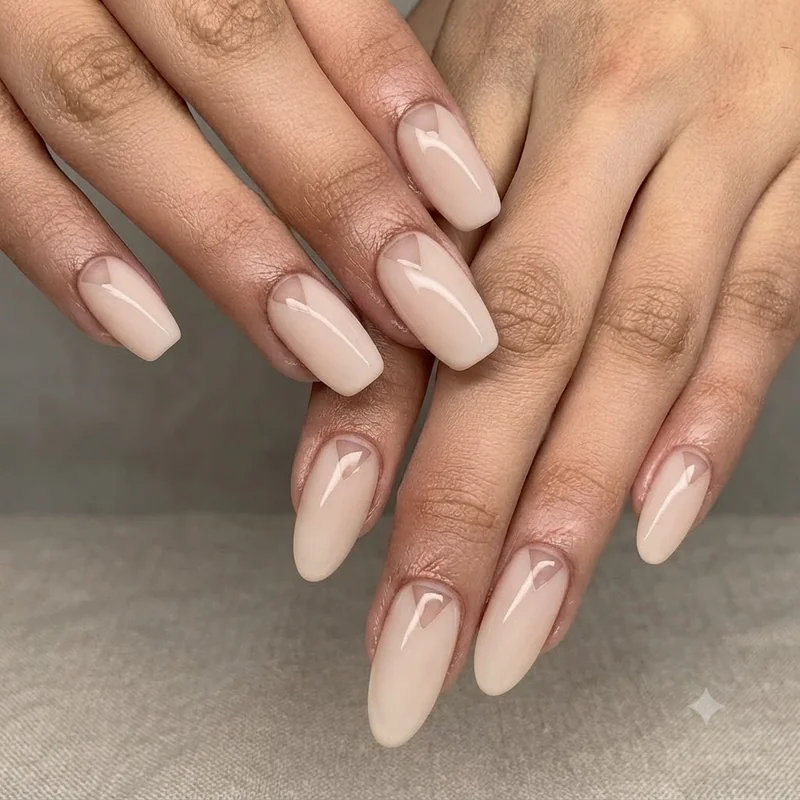
2. Bare Canvas
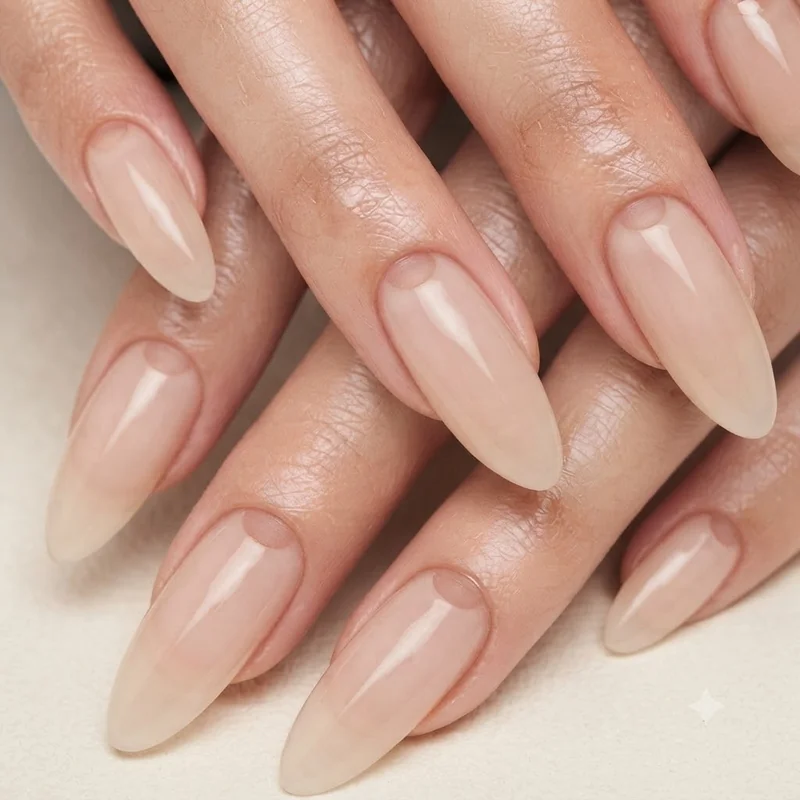
Negative space done at its most minimal, Bare Canvas leaves most of the nail untouched and lets a sheer or clear base carry the look. A small cut-out near the cuticle or tip is the only design element, often filled with a hint of colour or left completely open. This one photographs beautifully because the negative space catches light differently depending on the angle. It suits anyone whose job or lifestyle rules out anything too busy, since from a distance it reads as a clean, bare manicure. Ask for a gel base specifically. A regular polish base tends to show wear at the cut-out edge faster than gel does.
3. Tone on Tone
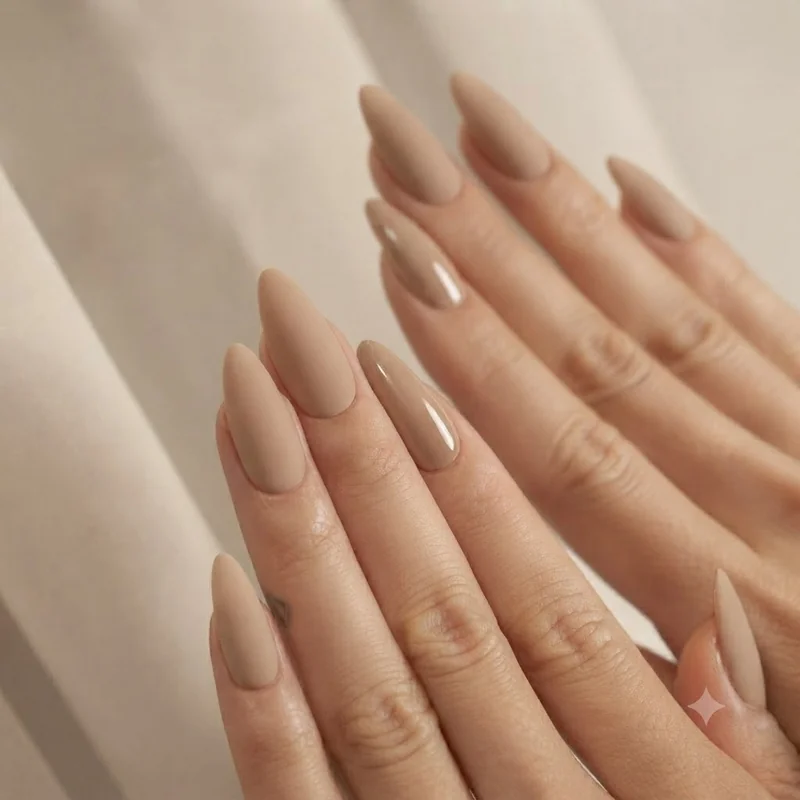
This design skips colour contrast entirely and builds interest through finish instead, matte over glossy, or two shades of the same colour layered with a subtle line between them. The effect is closer to texture than pattern, which is what makes it read as sophisticated rather than plain. It works particularly well in neutral and skin-adjacent shades, where the tonal shift is felt more than seen. Request it by asking your tech for a matte top coat on part of the nail with a glossy finish on the rest, since that specific instruction gets the effect more reliably than describing the end result.
French Tip Nail Art, Reimagined
The French manicure has not disappeared. It has just stopped being one thing. These three versions prove the classic tip is still the most flexible format in nail art.
4. The Color-Dipped Tip
Swap the traditional white line for a saturated colour and the entire manicure shifts mood without changing shape. A dipped tip in cherry red, cobalt, or acid green keeps the familiar French silhouette but reads current rather than classic. The line can be crisp and straight or slightly rounded depending on your natural nail shape, and either version holds up well since the colour sits in the same protected zone the white tip always occupied. This is one of the easier custom nail art ideas to request, since most techs already have the muscle memory for a French line, just not in white.
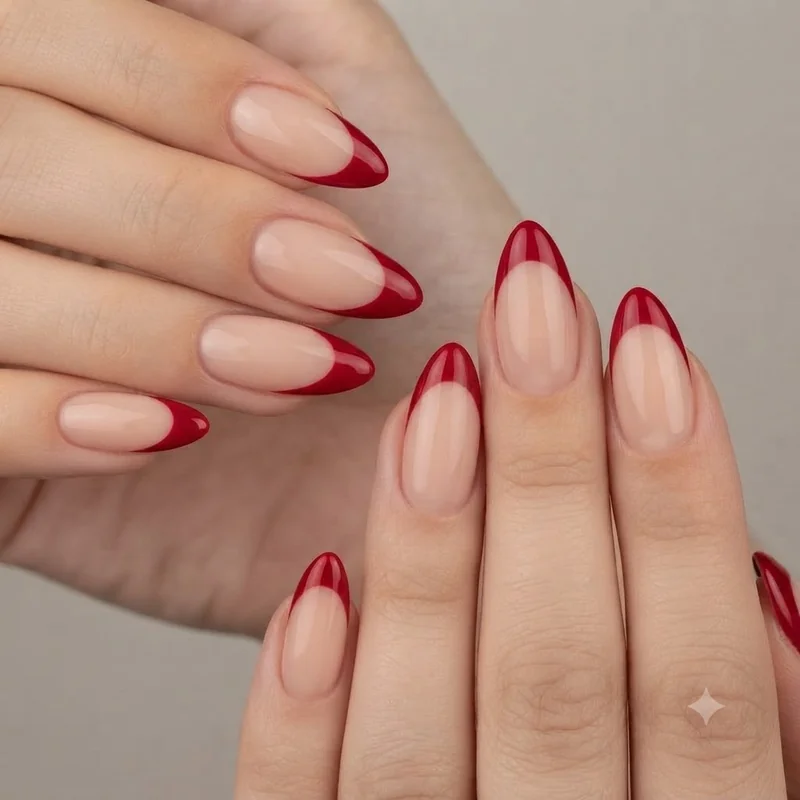
5. Barely-There French
A micro-thin tip line, sometimes no wider than a millimetre, replaces the traditional bold French stripe. The effect is closer to a hint of definition than a design statement, which is exactly the appeal for anyone who wants nail art without it announcing itself. It suits shorter nails especially well, where a thick tip line can look heavy relative to the nail's overall size. Ask specifically for a "micro French" or bring a close-up reference photo, since the difference between this and a standard French tip comes down entirely to line width.
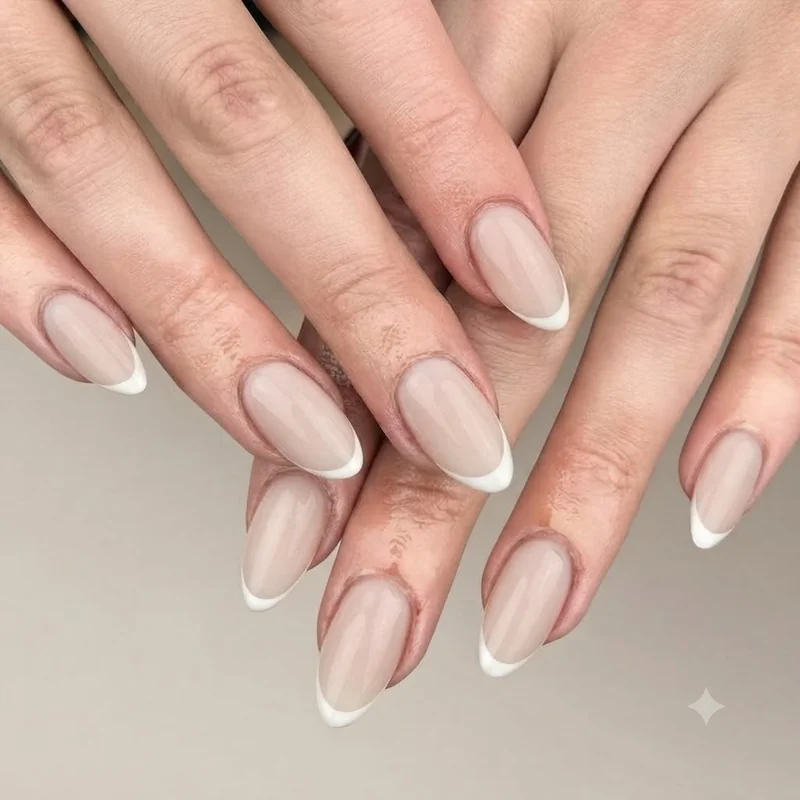
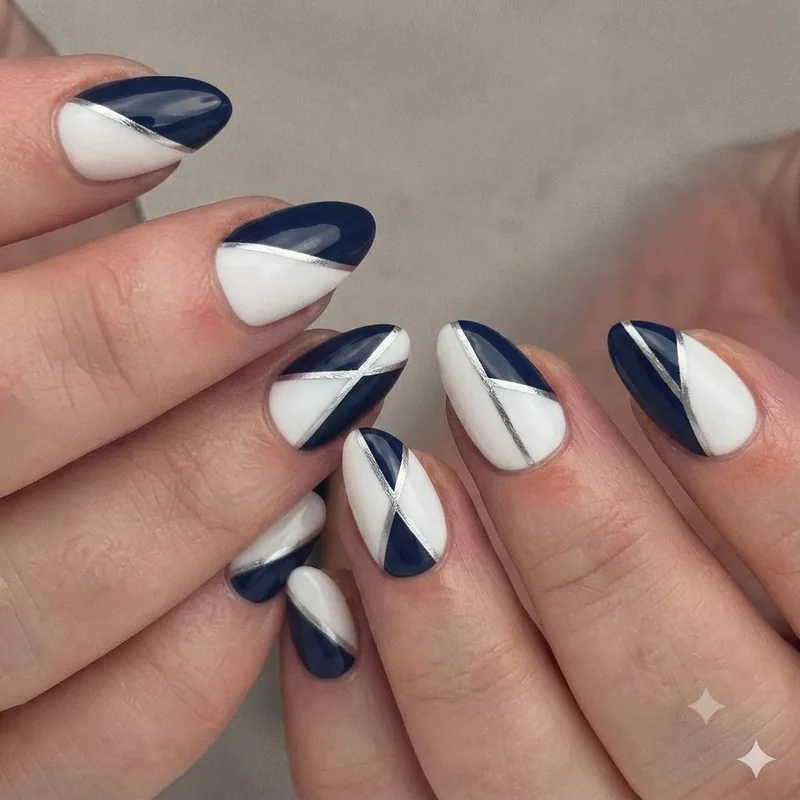
6. Graphic French
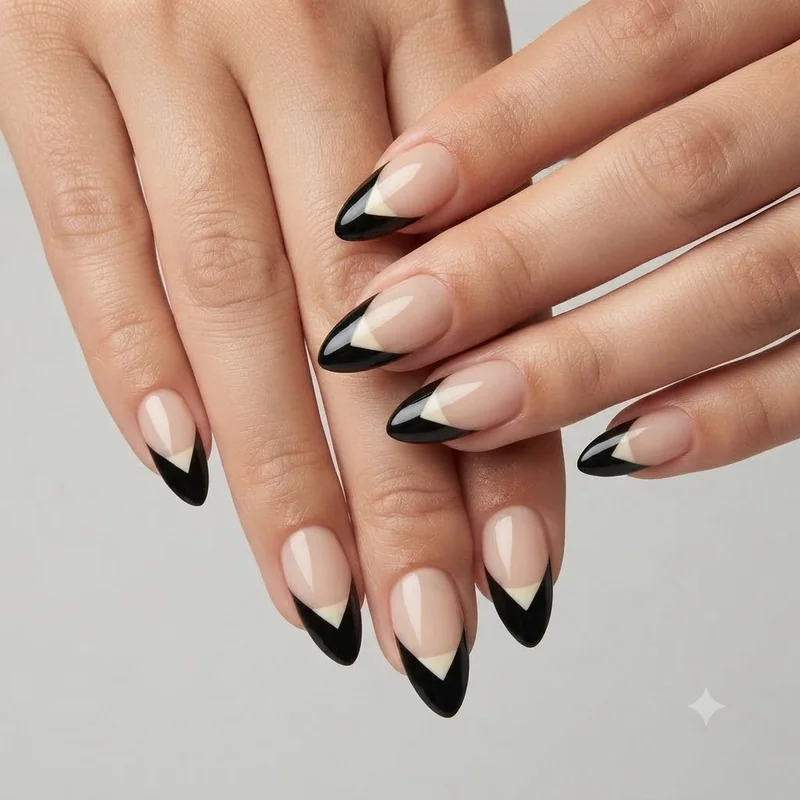
This version takes the tip line and turns it into a shape, a chevron, a double line, or an asymmetrical angle instead of the traditional straight edge. Two contrasting colours at the tip read as considered rather than busy, especially when the base stays neutral. It is one of the more editorial entries on this list, better suited to someone comfortable standing out slightly. Bring a specific angle reference when requesting this one. "Graphic French" alone can mean several different things to different techs, so the reference photo does real work here.