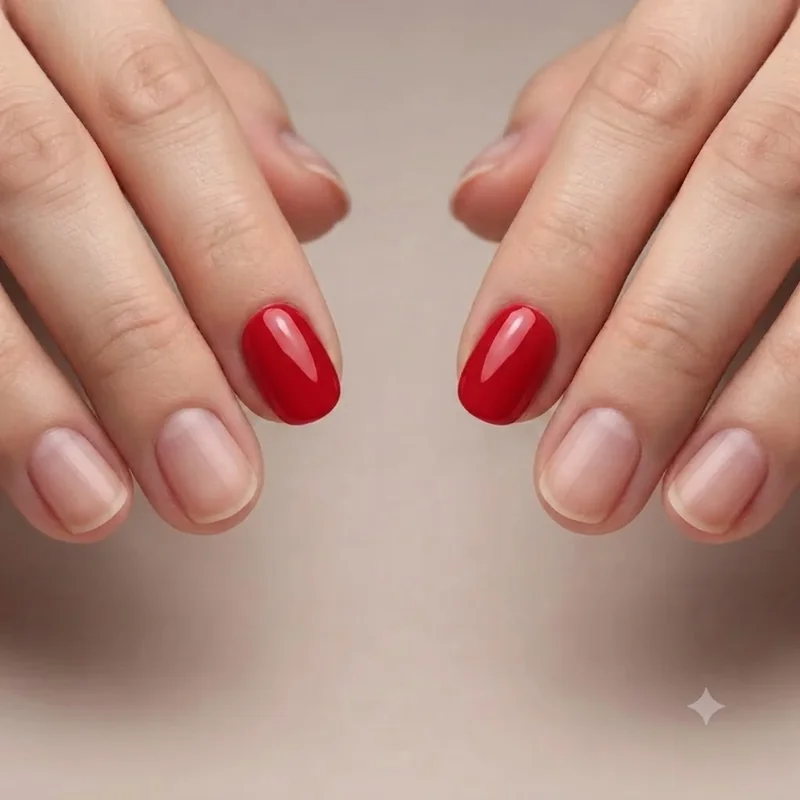
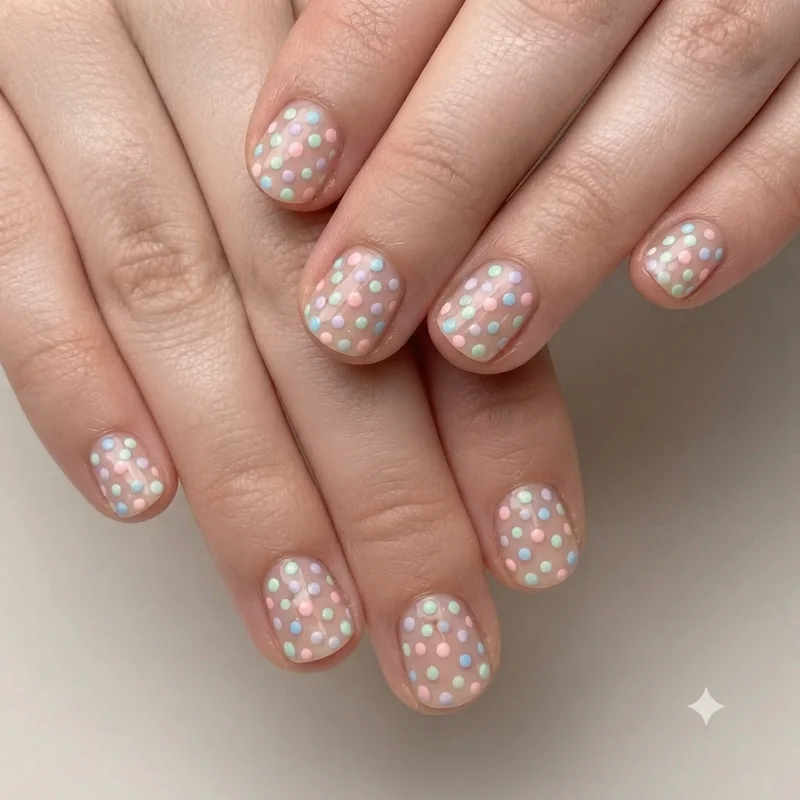
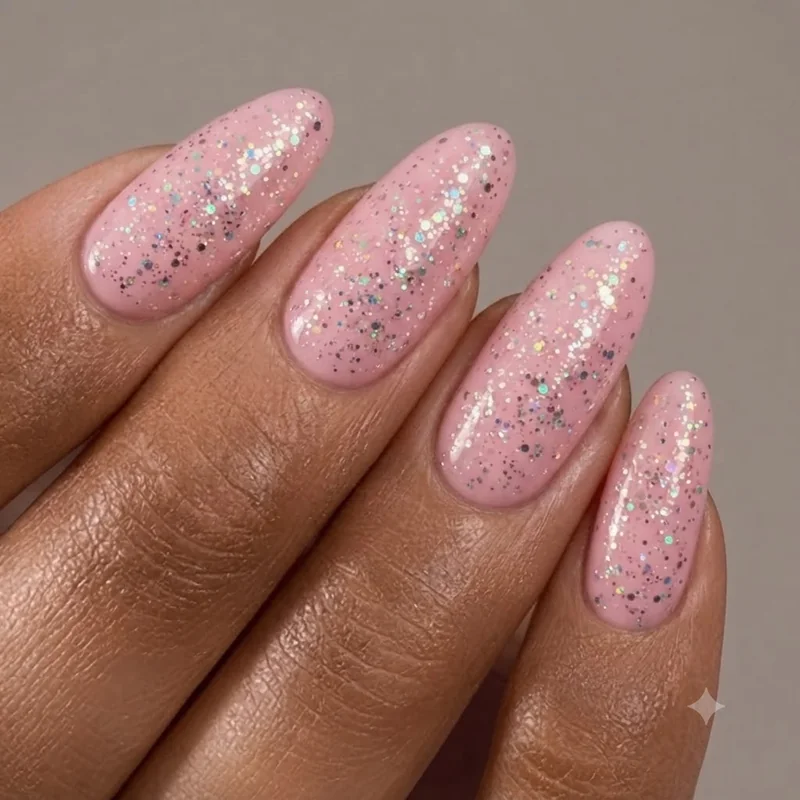
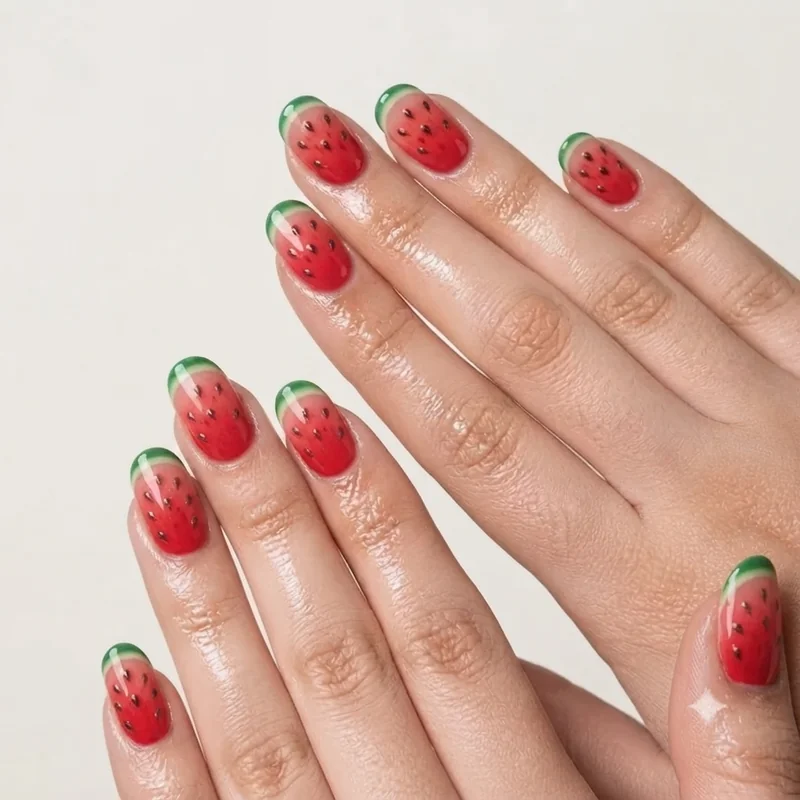
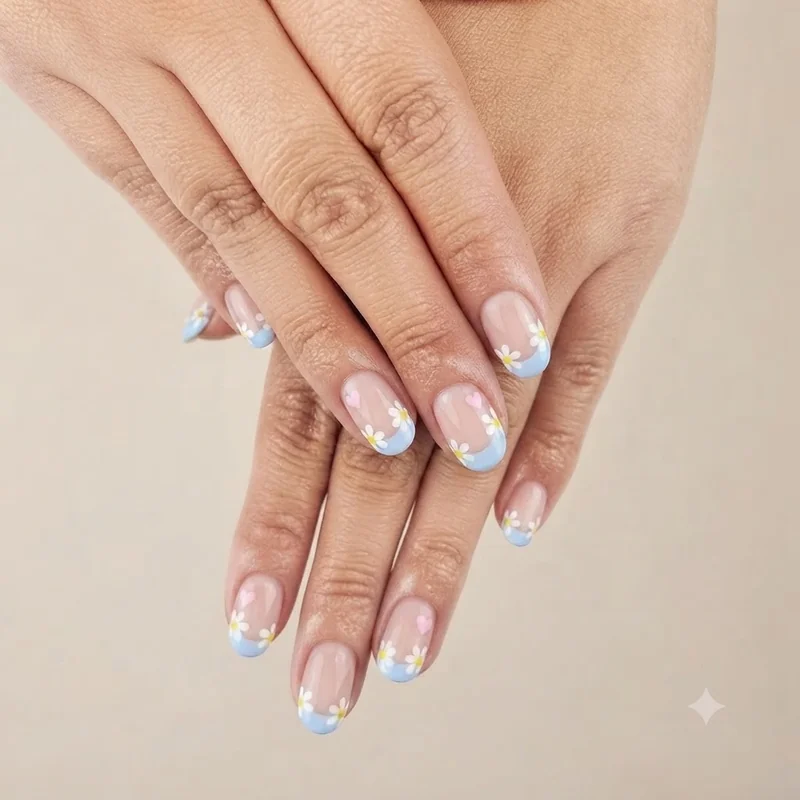
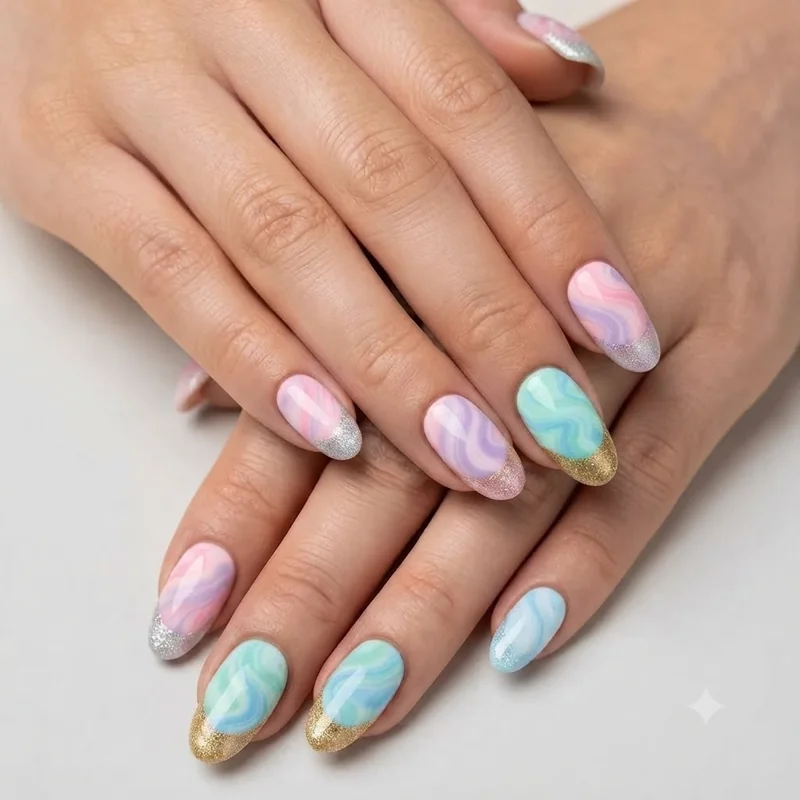
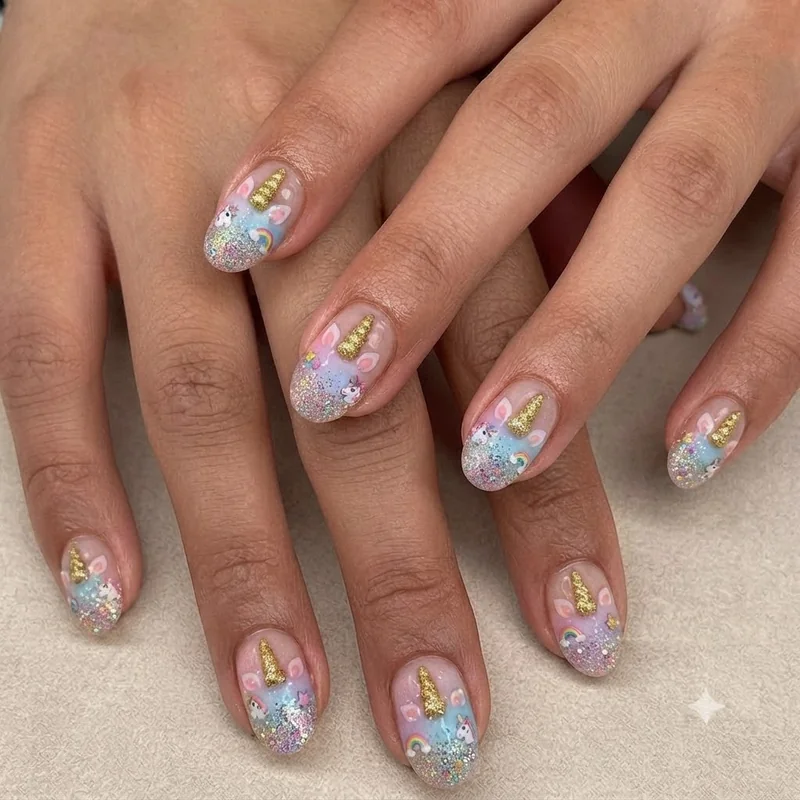
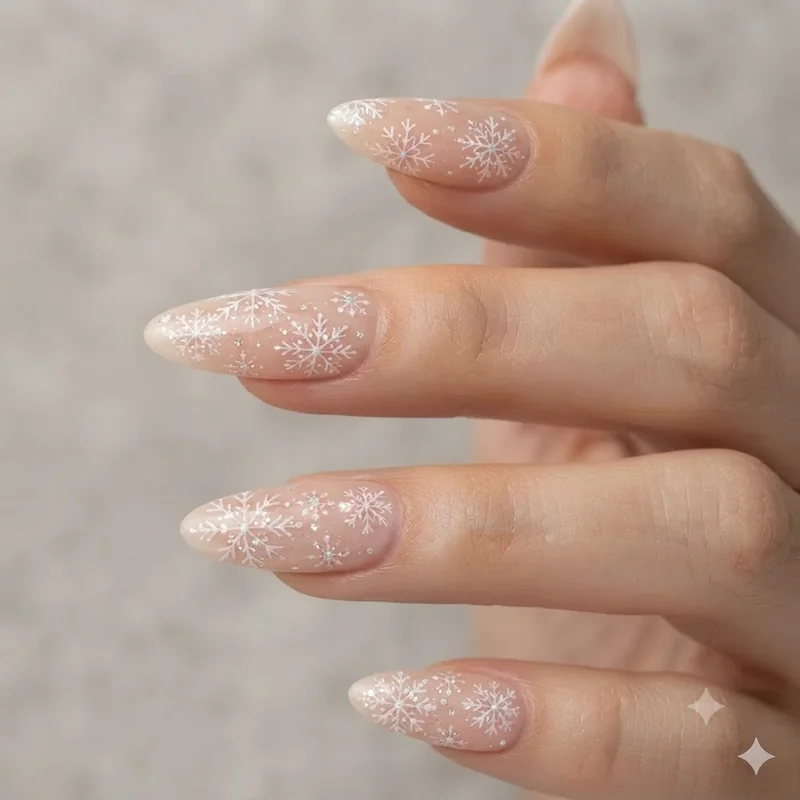
Nail polish is safe for kids when you choose the right formula for their age. Nail designs for kids do not have to mean a trip to the salon or a bottle of the same solvent-based polish sitting in your own bathroom cabinet. For toddlers and young children, water-based and peel-off formulas skip the harsher chemicals altogether, and for school-age kids, a 10-free polish used occasionally is widely considered low-risk. That is the part most parents want settled before anything else.
Once that question is out of the way, the fun part starts. You want something cute, your child wants something that looks like what they saw on a friend or a cartoon, and neither of you wants to sit through a 40-minute salon-style manicure that ends in a wiggling toddler and a smudged mess. This list of nail designs for kids covers 37 ideas, sorted by age and by how long your child can realistically sit still, so you are not scrolling through adult nail art scaled down to fit a five-year-old's fingers.
Every idea below works with a basic dotting tool, a toothpick, or a press-on set. Nothing here needs a salon appointment.
What Age Can Kids Start Getting Their Nails Done?
There is no official minimum age for nail polish, but most paediatric and dermatology guidance points to five as the age where regular, solvent-based polish becomes reasonable to use occasionally. Below that, water-based or peel-off formulas are the safer route for any nail designs for kids you try, since younger children still put their fingers in their mouths far more often than we'd like to admit.
The reasoning is not about the polish being dangerous in one sitting. It is about repeated exposure. Formulas built for children skip formaldehyde, toluene, and dibutyl phthalate (DBP), the three ingredients that show up most often in the "is this actually safe" conversation among parents. A toddler's skin also absorbs more, relative to body weight, than an adult's does, which is why a formula made for a grown woman's hands is not automatically fine for a three-year-old's.
Practically, that breaks down into three loose bands. Ages 3 to 6 do best with peel-off or water-based polish, kept to short sessions. Ages 7 to 9 can handle a 10-free conventional polish used now and then, with proper ventilation. Tweens aged 10 to 12 can manage most standard kids' formulas and the occasional press-on set without much extra caution, though gel and acrylic still belong further down the road.
Nail Polish vs. Press-Ons vs. Stickers: What's Actually Safe for Kids
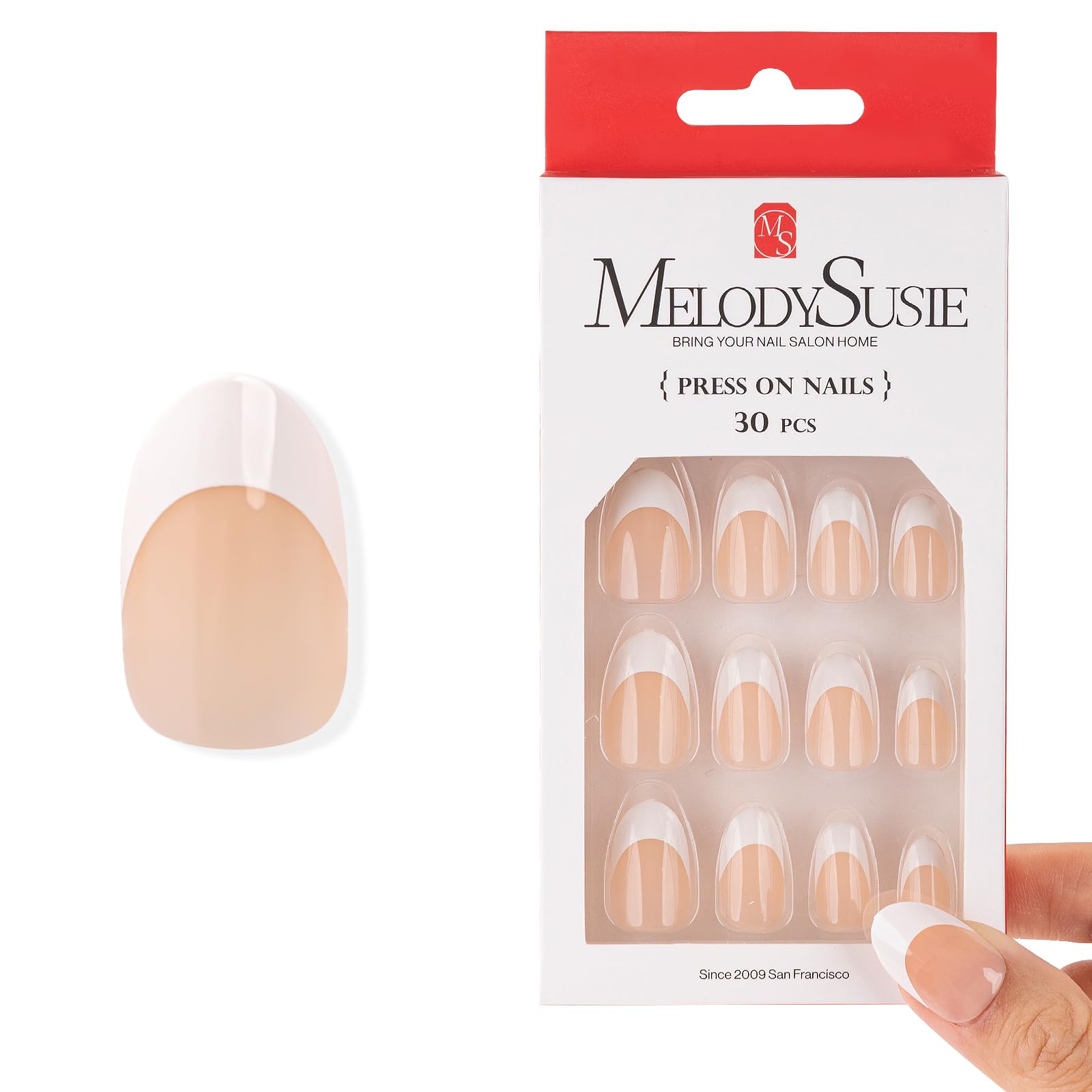
Press-on nails are safe for kids when they are a children's-specific set, applied with a gentle adhesive tab rather than glue, and sized to fit a small nail bed. That distinction matters more than most parents realise walking into this decision, and it applies across nearly every format of nail designs for kids you will see in a shop or online. A regular adult press-on kit is not automatically appropriate just because the picture on the box shows a child's hand.
Non-toxic, water-based polish is a formula where colour pigment is suspended in water instead of solvents, which means it skips formaldehyde and toluene entirely and rinses off with warm water rather than acetone. That single feature, no acetone required, is often the deciding factor for parents of younger kids, since it removes an entire category of harsh chemical from the routine.
Stickers sit in a slightly different lane. They are the fastest option, need zero drying time, and are the best fit for a child who genuinely cannot sit still for a polish session. Press-ons last the longest through active play, often a full week or more. Polish, even the kid-safe kind, chips fastest, typically three to five days once a child is back to climbing, digging, and washing hands a dozen times a day.
If your child's main complaint is chipped polish by Wednesday, the fix usually is not a "better" polish. It is switching formats.