Stiletto vs Almond Nails: The Real Difference
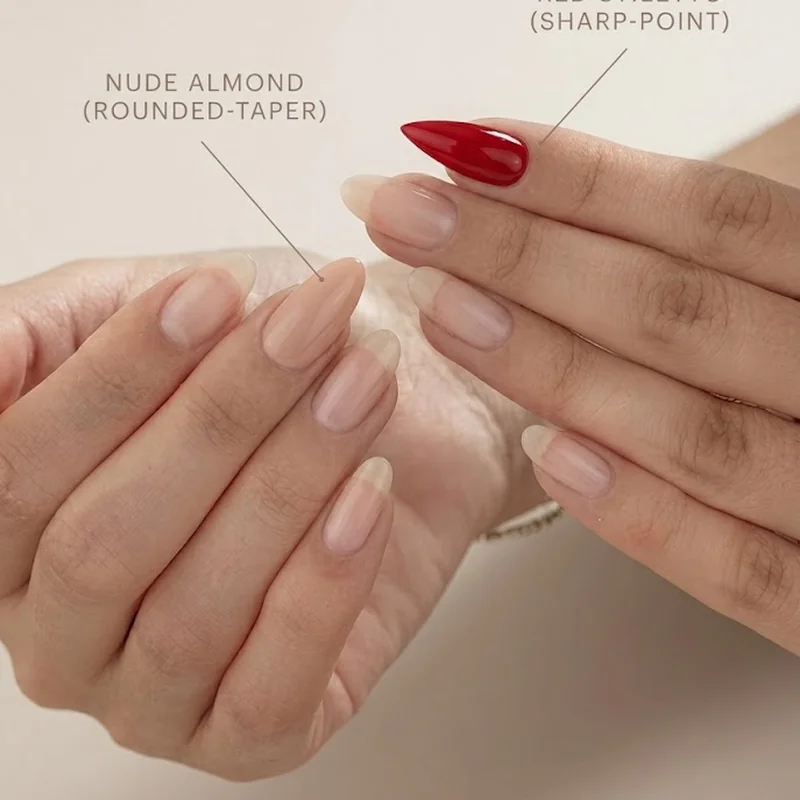
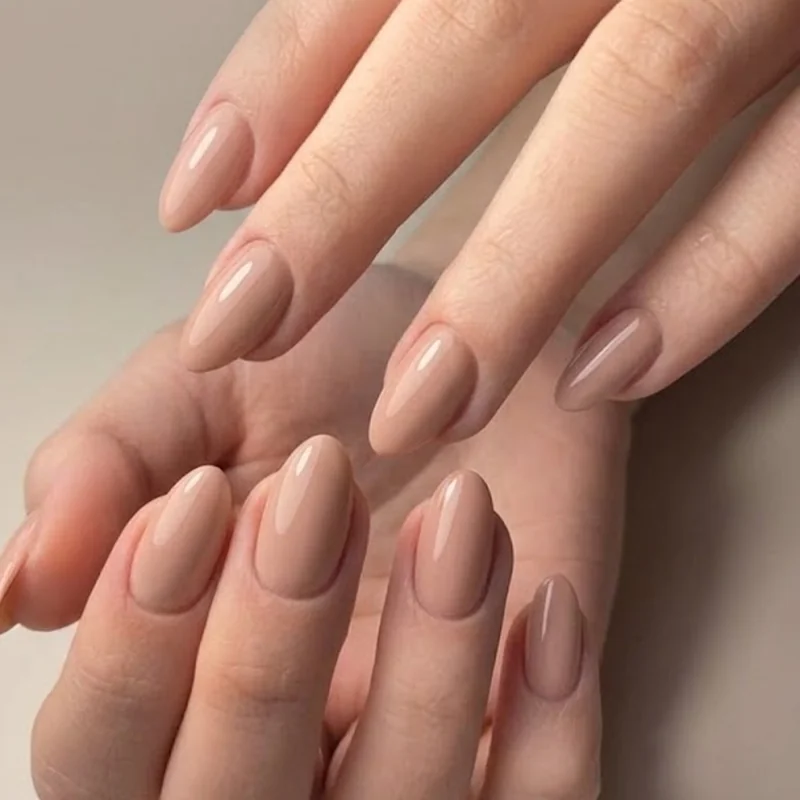
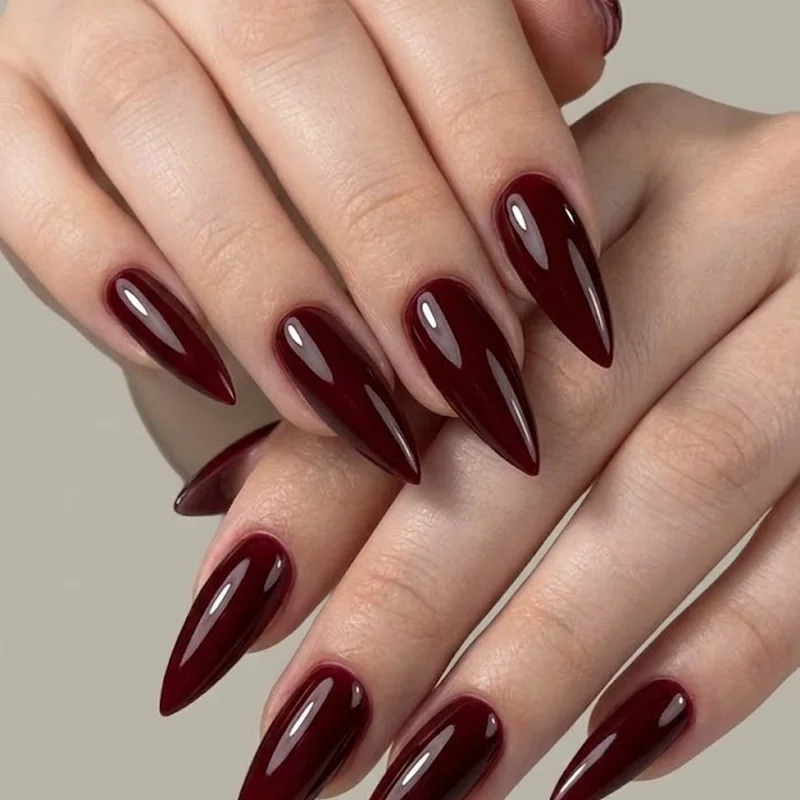
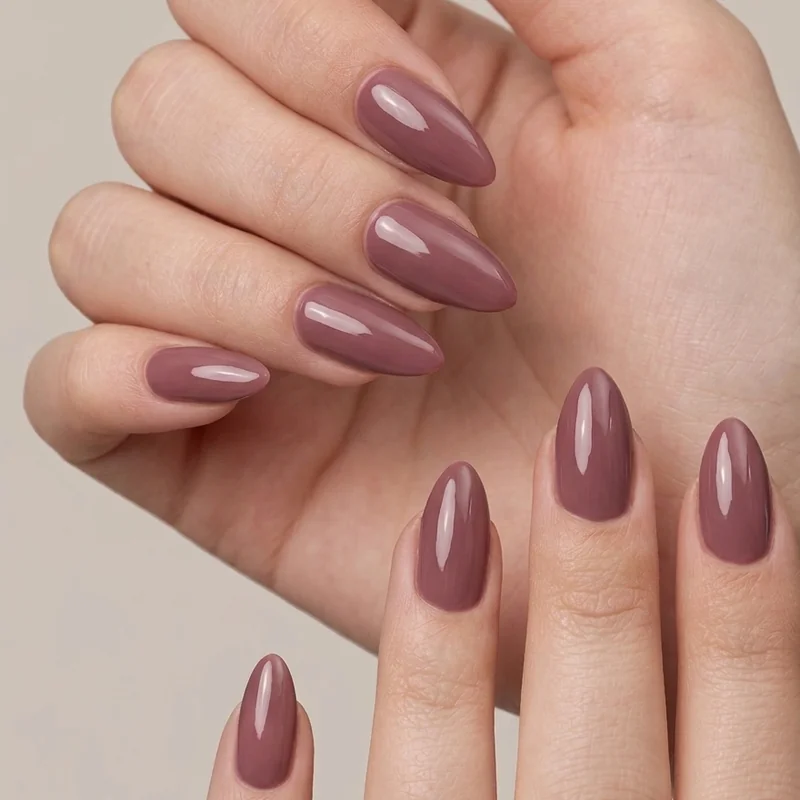
Picture two nails filed from the same square base. One gets tapered on both sides until it narrows to a sharp, defined point. That's stiletto. The other gets the same tapering treatment, but the tip stays rounded instead of sharpening, closer to the shape of a real almond. That's almond. The difference is entirely in what happens at the very tip, and that difference is the reason everything else in this comparison exists.
Stiletto nails are not a recent invention dressed up in a new name. The shape has circulated through nail culture for years precisely because it reads as bold, editorial, and instantly recognizable, and our stiletto nails ideas guide covers the full range of how the shape gets styled today. Almond, by contrast, has always leaned toward the wearable end of the dramatic-shape spectrum. It keeps the elongating taper that makes stiletto so popular while sanding off the part that causes most of stiletto's problems.
Length plays a role in how obvious the difference looks in practice. A short stiletto and a short almond can sometimes read as similar shapes to an untrained eye, since there isn't much room for the point to fully form. Push either shape past medium length, though, and the distinction becomes unmistakable. Stiletto sharpens into that unmistakable blade-like tip, while almond keeps rounding gently no matter how long it grows.
The sidewall taper matters here too. Both shapes narrow from the cuticle to the free edge, but stiletto's taper is more aggressive and ends in a genuine point rather than a curve. That structural choice is what separates a shape you can wear through a full workweek from one that needs babying. For a deeper look at how almond compares across lengths and finishes on its own, the full almond nails guide covering shape, length, and what to say at the salon is worth a read before you book.
Visually, the two shapes send different signals. Stiletto is the fiercer, more attention-grabbing cousin in the family of tapered nail shapes, unapologetic and a little dangerous-looking. Almond is confident without shouting. Neither is more "grown up" than the other. They're just different tools for different intentions.
Which Is More Durable: Stiletto or Almond?
Almond is more durable than stiletto in nearly every real-world scenario. The rounded tip distributes pressure across a wider surface area, while stiletto's point concentrates force on a single narrow spot that's structurally the weakest part of the entire nail.
This is not a close call once you look at where breaks actually happen. A stiletto tip is, mechanically, the thinnest and most exposed part of the nail. Every bump against a doorframe, every dropped phone catch, every reach into a tight bag puts direct pressure on that point. There's no wider surface to absorb the impact, so the point either bends or snaps. Almond's rounded free edge spreads that same impact across a broader curve, which is a big part of why it holds up so much longer between fills.
Stiletto vs almond nails durability isn't just anecdotal, either. Nail techs who file both shapes daily will tell you the same thing: stiletto sets need touch-ups more often, and the breaks tend to happen closer to the tip, right where the point narrows. If you've broken a nail within days of a fresh stiletto set, it wasn't bad luck. It was the shape doing exactly what a sharp point under pressure does. We go deeper into the specific mechanics behind this in why stiletto nails keep breaking, including which length ranges make the problem worse.
Length compounds the issue. A short stiletto point is far more forgiving than a long one, because there's simply less leverage working against the tip. Almond, on the other hand, stays relatively stable across a wide range of lengths, which is one reason it's the shape most nail techs default to for clients who don't want to think about their manicure between appointments.
None of this means stiletto is a bad shape. It means stiletto asks more of you, and almond asks less. If durability is your top priority, almond wins clearly. If you're willing to trade some durability for visual drama, stiletto still has a place, just with eyes open about the maintenance that comes with it.
Can You Actually Live With Them? Typing, Work, and Everyday Tasks
Typing with stiletto nails is possible but genuinely harder past a certain length, since the point interferes with hitting individual keys and often forces you to type from an angle. Almond, even at longer lengths, keeps enough of a flat underside that typing stays close to normal.
This is the section most comparisons skip entirely, and it's the one that actually decides whether a shape works for your life. Start with typing. A short-to-medium stiletto is manageable for most people, but once the point extends past the fingertip by any real margin, hitting a single key without also brushing the two beside it becomes a skill you have to relearn. Almond doesn't have this problem in the same way. The rounded tip still contacts keys directly, so the adjustment period is minimal even at longer lengths.
Then there's the smaller stuff that adds up. Picking up a debit card off a flat counter, unlocking a phone with a fingerprint sensor, peeling a sticker, buttoning a shirt. Stiletto's point can genuinely get in the way here, turning small daily tasks into something you have to think about instead of do automatically. This is one of the most common frustrations wearers describe after their first stiletto set. It's rarely the length itself that surprises people. It's how many small moments in a day quietly require a fingertip that isn't a point.
The gym adds another layer. Gripping weights, adjusting machines, or bracing your hands during certain movements puts direct pressure on the tip of the nail, and stiletto's structural weak point makes it more prone to snapping mid-workout. Childcare follows a similar pattern. Anyone lifting, buckling, or reaching for a toddler knows hands get bumped constantly, and a sharp point near a child's face or skin is a real, not hypothetical, risk.
If you love stiletto's look but want to sidestep most of this, how short stiletto nails solve the same practicality problem without losing the point is worth exploring before you write the shape off entirely. There's also a genuine middle-ground shape worth knowing about: soft stiletto, sometimes called micro stiletto, keeps the tapered silhouette of a stiletto set but rounds the very tip just enough to remove most of the poking and snagging risk. It's the shape a lot of nail techs quietly recommend to clients who love stiletto's drama but hate stiletto's problems.