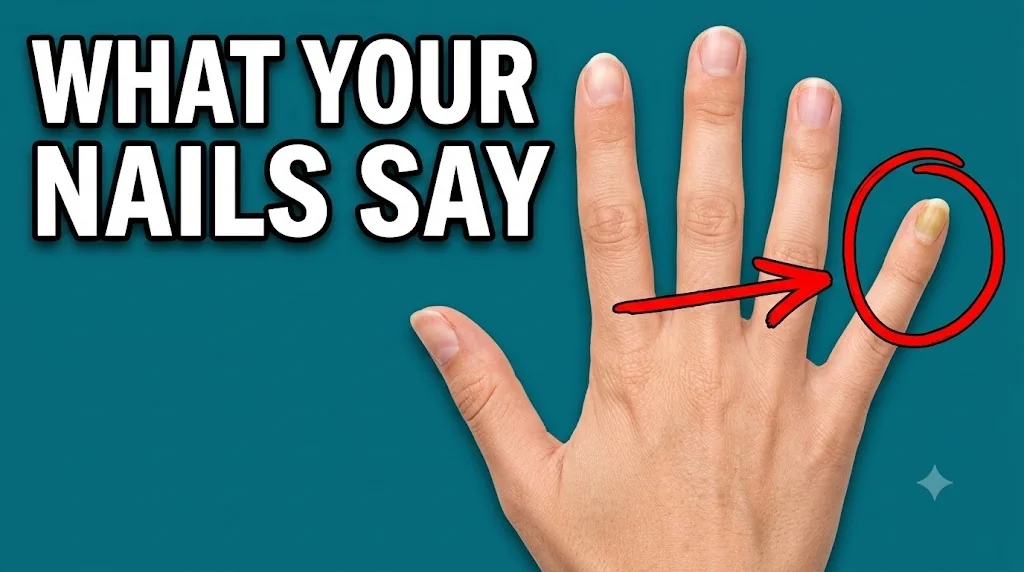
Most people notice it quietly. A slight yellowing at the tip of a nail, a texture that feels a little off, a thickness that wasn't there before. They assume it's damage from a manicure, or just a nail going through something. Weeks pass. Then months. Nail fungus does not announce itself dramatically it moves slowly, and that slowness is precisely why so many people are living with it right now without quite knowing what they're dealing with.
Nail fungus affects roughly one in ten adults, with rates rising sharply past the age of 60. It is not rare. It is not a hygiene failure. And it is one of the most frequently misidentified nail conditions often confused with polish damage, nail trauma, or psoriasis for months before anyone addresses it properly. This post covers what it actually is, how to recognise it at every stage, what causes it, and how to decide whether you can manage it yourself or need to see a professional. By the end, you will have a clear picture and a clear next step.
What Nail Fungus Actually Is (and Why So Many People Have It)
Nail fungus is an infection. Not a surface stain, not polish damage, not something that will resolve by itself if you switch to a breathable top coat. Onychomycosis is the medical term for nail fungus a fungal infection that invades the nail plate and nail bed. Once the fungus is inside the nail structure, it feeds on the keratin that makes the nail hard, progressively breaking it down from within.

The organisms responsible are predominantly dermatophytes fungi that are extraordinarily common in the environment. You encounter them on gym floors, pool surrounds, shared bathrooms, and inside the warm darkness of shoes. Most people brush past them without incident. Nail fungus develops when those fungi find a way in: through a tiny crack in the skin around the nail, a small separation between the nail plate and nail bed, or any microtrauma that breaks the protective seal. After that, the nail plate itself becomes both the habitat and the barrier which is why the infection is so persistent once it takes hold.
The prevalence is genuinely significant. Estimates put onychomycosis at around 10% of the general adult population globally, climbing to 20–30% in adults over 60. Community spread is real: shared showers, communal gyms, and nail salons with inadequate sterilisation are all documented transmission routes. It is also self-spreading an untreated infection on one nail can move to adjacent nails, and athlete's foot on the surrounding skin can serve as a reservoir that re-infects nails even after treatment.
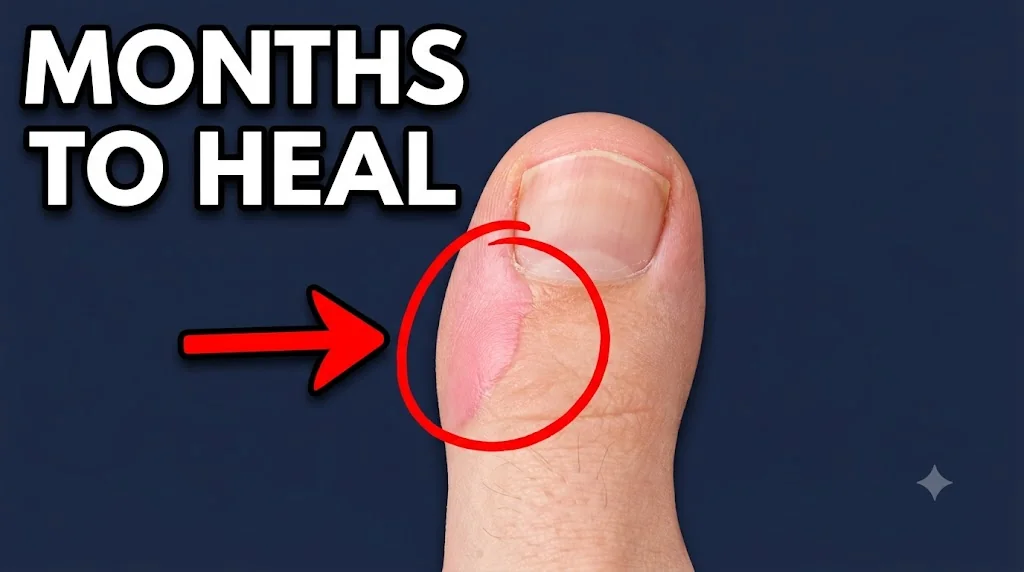
Mark Bradley, a chiropodist/podiatrist at Mississauga Podiatry Associates, separates a fungal nail infection from paronychia by where the infection sits:
"Short answer is the fungal infection of the nail, will usually affect only the nail tissue and not the surrounding soft tissue. Conversely the paronychia causes inflammation and swelling of the soft tissue and is usually accompanied by discomfort. If bacterial in origin there may be exudate and the nail will partially change color as the bacterial spread detaches the nail. Management of the paronychia is best managed by professional help. Traditionally poultices and soaking were used to manage this and often resulted in prolonged pain and discomfort."
Mark Bradley, D.Pod.M, Chiropodist/Podiatrist at Mississauga Podiatry Associates
The Four Types of Nail Fungus and Why the Type Matters
There are four clinically recognised types of nail fungus, and the distinction between them is not just academic. The type affects how the infection looks, where it starts, who tends to get it, and how responsive it is to treatment. Most people and many online articles lump them together as though all nail fungus looks and behaves identically. It does not.

Distal lateral subungual onychomycosis (DLSO) is the type the vast majority of people have. Distal lateral subungual onychomycosis or DLSO is the most common form of nail fungus, beginning at the tip or side of the nail and spreading toward the cuticle. It is caused almost exclusively by dermatophytes, particularly Trichophyton rubrum. The nail develops yellow or white discolouration at the free edge, gradually thickens, and accumulates debris underneath. DLSO responds well to treatment but progresses slowly if left alone, eventually affecting the entire nail plate.
White superficial onychomycosis (WSO) is visually quite different and often mistaken for something benign. In WSO, the infection attacks the surface of the nail plate directly rather than entering from underneath. The result is a chalky, white, powdery appearance on top of the nail. This type is more common in children and in people with compromised immune systems. Because it is superficial, topical treatments tend to work well when caught early. Onycholysis the medical term for when the nail plate separates from the nail bed is less common in WSO than in DLSO.
Proximal subungual onychomycosis (PSO) is the rarest of the common types in otherwise healthy adults, and its presence should raise clinical attention. PSO begins at the base of the nail, near the cuticle, and works its way outward. This pattern of spread is unusual and is strongly associated with immunocompromised individuals, including people living with HIV. White or yellow areas appearing at the nail base rather than the tip warrant a GP conversation.
Endonyx onychomycosis is a less frequently discussed variant in which the fungus invades the interior of the nail plate without causing the subungual debris and thickening characteristic of DLSO. The nail surface may appear relatively normal while the interior is infected. This type can be difficult to diagnose visually.
Knowing which type you might have guides the conversation with a doctor and prevents months of applying the wrong product to a nail that isn't responding for reasons you couldn't have predicted.