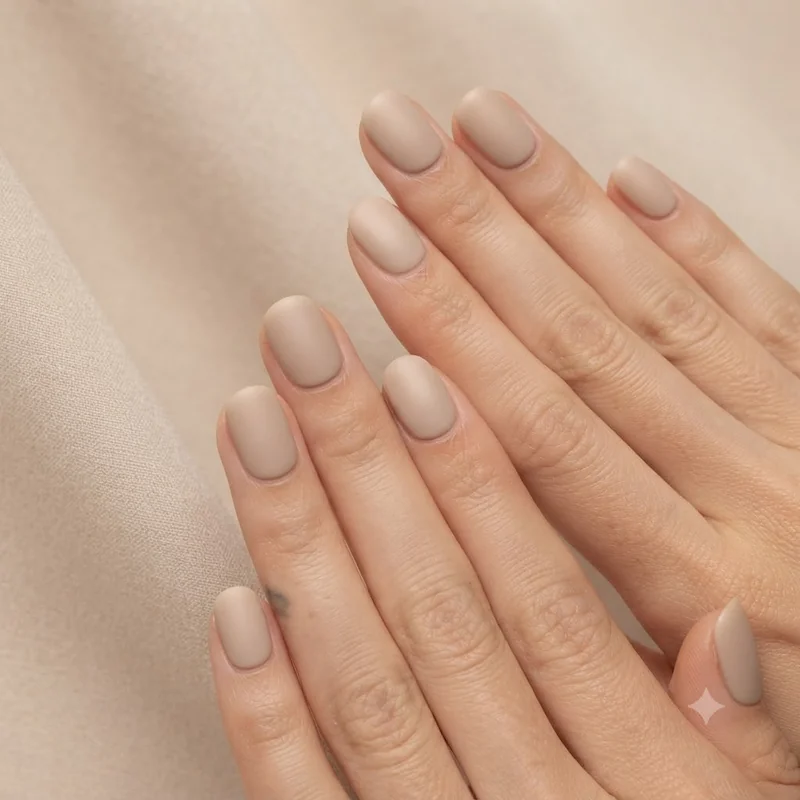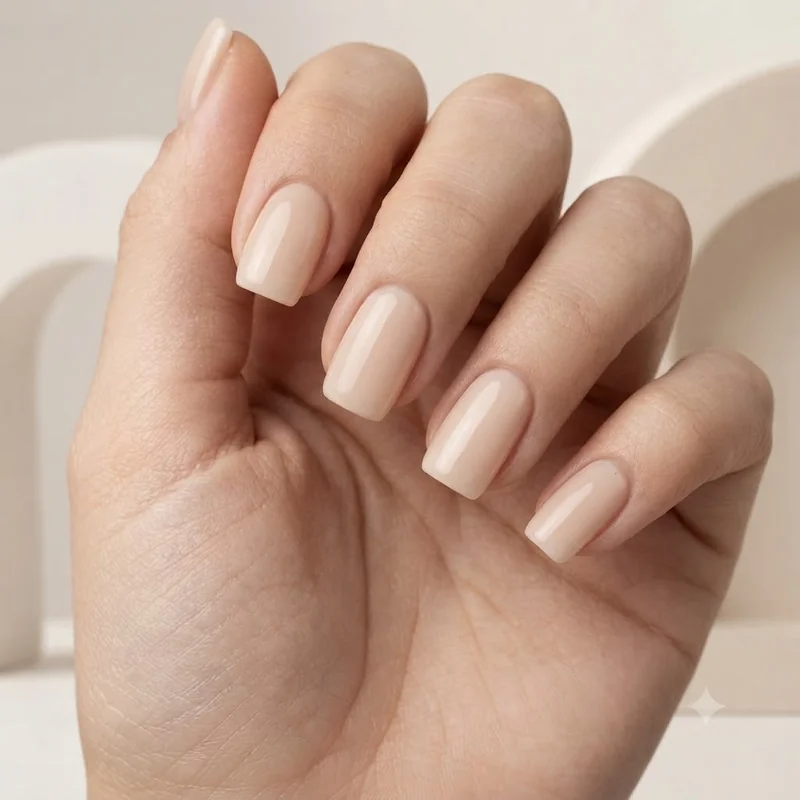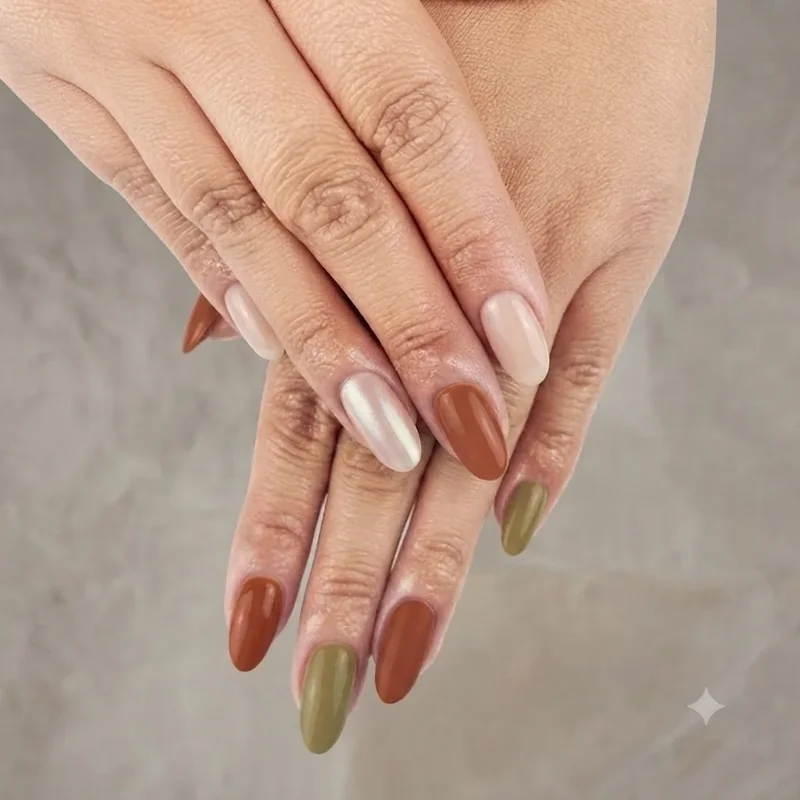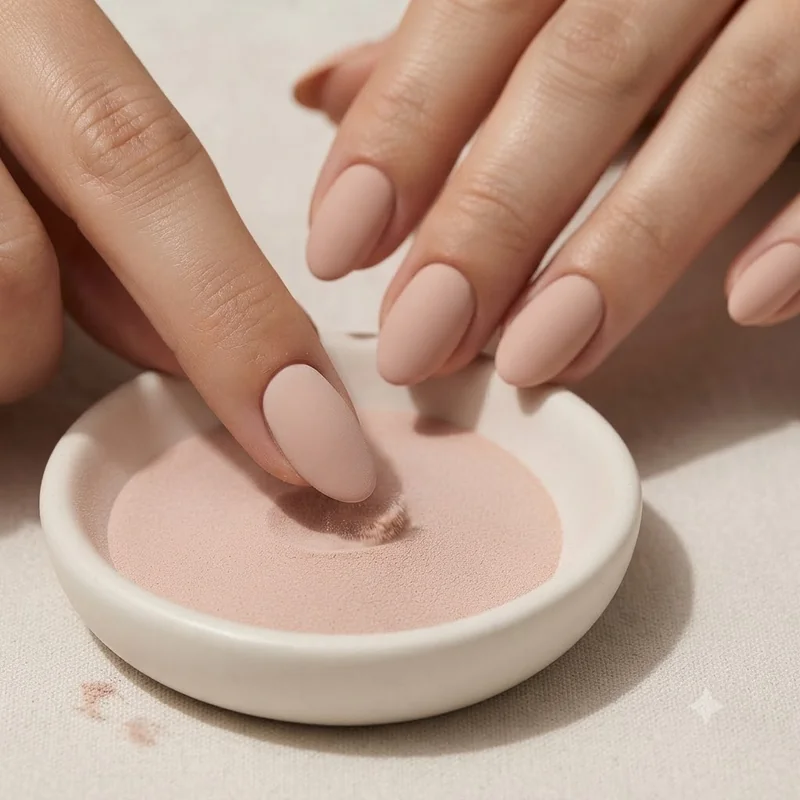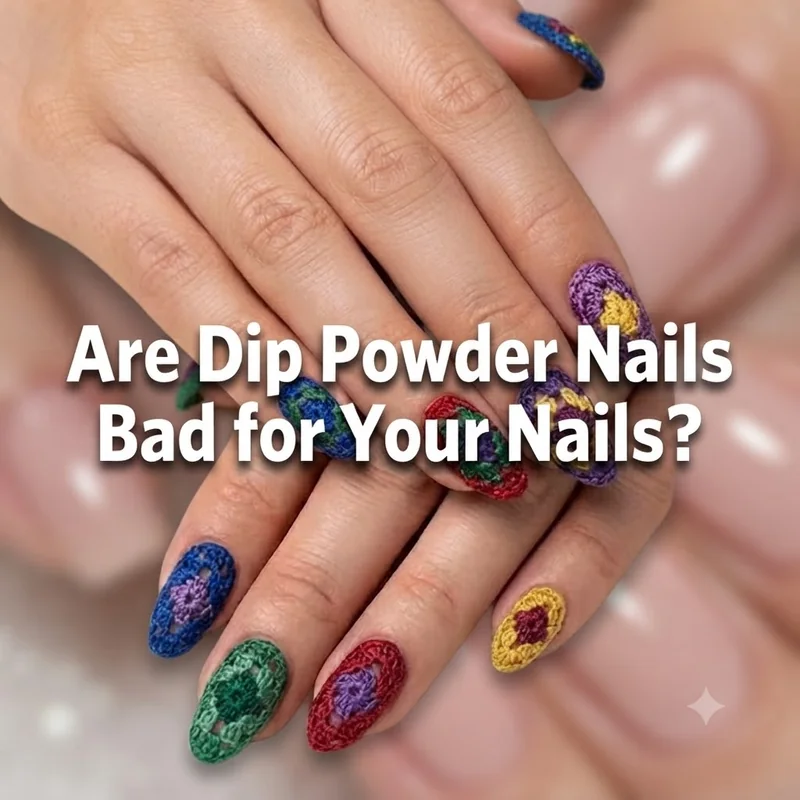
So, are dip powder nails bad for your nails? Not inherently. The powder itself does not damage the nail plate. What causes damage is over-filing, peeling the product off, and repeated acetone exposure during removal, three technique problems, not a formula problem. If you have been carrying that worry into every appointment, the honest verdict is this: rarely, and only when the process around the powder goes wrong.
That distinction matters more than it sounds, and it is the entire reason so many people can't get a straight answer to are dip powder nails bad for your nails from a quick search. Most warnings on this topic blur the product and the process together, which leaves you no clearer on what to actually watch for. Separate them, and the picture gets simple. A dip set applied with light prep and removed by proper soak-off behaves like any other manicure system. A dip set filed aggressively at application and picked off at week three does real, visible harm. The powder was identical in both cases. The technique was not.
This matters if your nails already feel thinner since you started dip, if you are wondering whether to try it for the first time, or if you just want a straight answer to whether are dip powder nails bad for your nails long term. The mechanism is straightforward once someone actually explains it, rather than listing pros and cons and leaving you to guess.
Is dip powder bad for your nails?
Most people expect that question to get hedged. It will not be here: are dip powder nails bad for your nails long term? No, not when it is applied and removed correctly. The damage people associate with dip almost always traces back to three specific habits, aggressive filing before application, peeling the set off instead of soaking it, and going too long between breaks, not to the powder formula itself.
This is the part competing advice tends to skip. Dermatology sources and nail professionals agree on this distinction, yet most articles still present dip as a vague gamble rather than naming the actual variables. Once you know what those variables are, dip powder stops being a mystery risk and becomes a manicure like any other: safe with good technique, damaging without it. The question of whether are dip powder nails bad for your nails really comes down to who is holding the file, not what is in the jar.
The nail plate itself has no nerve endings and cannot "feel" powder sitting on it, so any sensation of tightness or heaviness you notice is coming from the prep work underneath, not the product on top. That is worth holding onto as you read the rest of this, because it reframes every symptom that follows.
Is it the powder or the process causing damage?
Every case of nail damage from dip powder splits cleanly into one of two buckets: what the acrylic ester polymer itself does, and what the technique around it does. The powder and adhesive are inert once cured. They do not leach into the nail plate or continue reacting after the set is finished. What actually stresses the nail is mechanical, filing to rough up the surface so the product adheres, and later, filing or soaking to remove it.
Nail techs apply dip by brushing on a bonder, dipping the nail into the powder, and repeating that layering two to three times before sealing with a top coat. That layering needs the nail plate slightly roughened first, which is where risk enters the picture. A light buff creates enough texture for adhesion. A heavy buff, especially with an e-file used carelessly, strips down layers of nail plate that took months to grow.
At Mirellé, we think of this as a two-variable system: product risk is close to zero, technique risk is where nearly all outcomes are decided. That is exactly why asking are dip powder nails bad for your nails without asking about technique never gets you a useful answer.