What Actually Determines How Long Your Dip Nails Last
Why does one person get six weeks and another gets barely two out of the same product? Four factors decide it, and none of them are luck.
Nail growth rate matters more than anything else on this list. Fingernails grow roughly three millimetres a month on average, but that pace shifts with age, hormones, diet, and even the season, and faster growers will see a visible gap at the cuticle sooner even when the dip powder itself is holding perfectly. Application quality comes next. A technician who properly dehydrates the nail plate, applies a thin, even bonding base coat, and buffs correctly before the first dip is building a foundation that resists lifting for weeks longer than a rushed application ever will.
Daily hand use plays a bigger role than most people expect. Hot water expands the nail plate, harsh cleaning chemicals erode the bonding layer, and using nails as makeshift tools stresses the edges where lifting starts first. Product quality rounds out the list. Salon-grade powders and bonding agents from established brands adhere more evenly than budget alternatives, and a cheaper product paired with a rushed application is the most common combination behind a set that fails within a week or two instead of holding for the full how long do dip nails last average of three to four weeks. Individual health factors matter here too, which is worth knowing if you are pregnant and researching is it safe to get dip nails while pregnant, since hormonal changes during pregnancy can shift nail growth rate and therefore wear time.
Dip Nails Week by Week: What to Expect
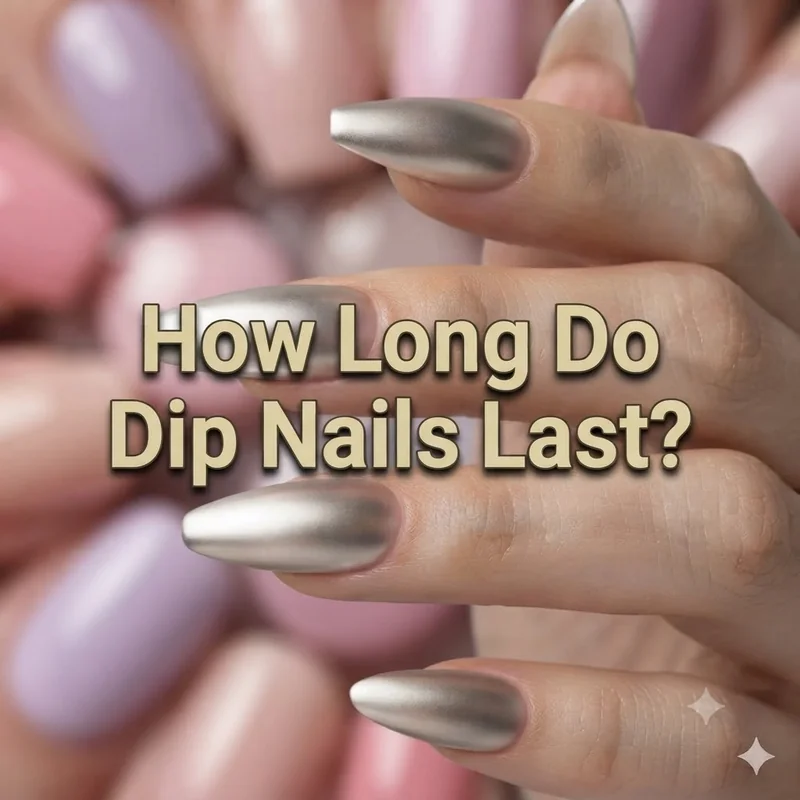
A nail growth gap is the bare strip of natural nail that appears at the cuticle as your nails grow out from underneath a still-intact dip set, and it is the single most useful thing to understand before your next appointment. It shows up on a predictable schedule, and knowing that schedule is what makes how long do dip nails last feel less like a guess and more like a plan.
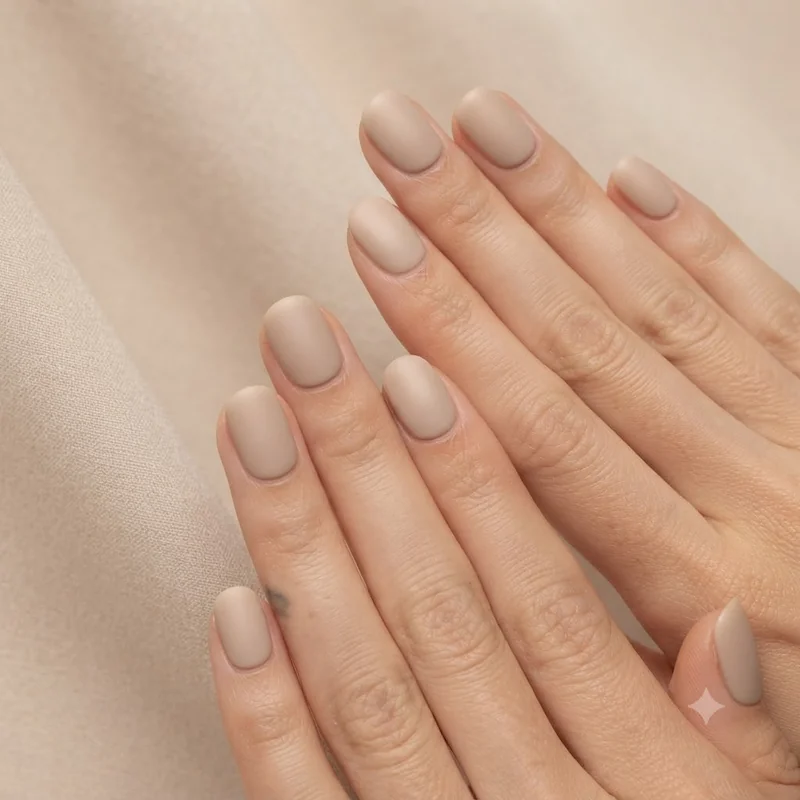
Week one looks essentially flawless. The set is glossy, the edges are smooth, and there is no visible line at the cuticle yet. This is the baseline every comparison to "my nails aren't lasting" should be measured against. By week two, the first faint hairline of growth becomes visible for most people, though it is subtle enough that only you would notice it up close. If lifting or cracking shows up this early instead of a clean growth line, that points to an application issue rather than the product reaching a natural limit.
Week three is where the gap becomes genuinely noticeable, particularly with darker or more saturated shades where the contrast against bare nail is sharper. The powder itself is typically still smooth and firmly bonded at this stage. This is also the point where many people mistake normal growth for the product failing, when in fact the dip is doing exactly what a well-applied set should do. Week four brings visible regrowth that most people find distracting enough to book a fill or full removal, and this is the point where the decision genuinely needs to be made. For slower growers or particularly careful hands, weeks five and six are achievable, but this is the outer edge of the range rather than a realistic expectation for most wearers.
Signs It's Time to Refill or Remove Your Dip Nails
A visible growth gap alone does not mean your dip nails have failed. It means they are doing their job while your body does its own separately, and the two are not the same signal, which is exactly the confusion at the heart of most how long do dip nails last questions.
The clearest sign it is genuinely time to act is lifting at the free edge or sides, where the powder separates from the nail plate rather than simply revealing bare nail underneath. Cracking across the surface of the powder, rather than a clean gap at the cuticle, is another clear signal, since it usually means the structural layer itself has been compromised. Clumpy or uneven texture developing over time, especially near the tips, suggests the bond is breaking down unevenly across the nail. A change in colour or unusual tackiness can also point to product degradation rather than normal wear.
None of these signs mean dip powder is inherently harmful to your natural nails, and it is worth understanding whether dip powder nails are bad for your nails if this is a recurring worry, since most nail health concerns trace back to removal technique rather than the wear period itself. What matters during the wear period is distinguishing a cosmetic growth gap from an actual structural sign, because treating one like the other means either removing a perfectly good set too early or leaving a genuinely compromised set on for too long.
Do Dip Nails Last Longer Than Gel or Acrylic?
Dip nails generally outlast gel polish and hold up comparably to acrylic, though each comparison depends on what "lasting" actually means to you. Gel typically wears for two to three weeks before edges start lifting or peeling, while dip commonly stretches to three or four weeks on the same hands doing the same daily tasks.
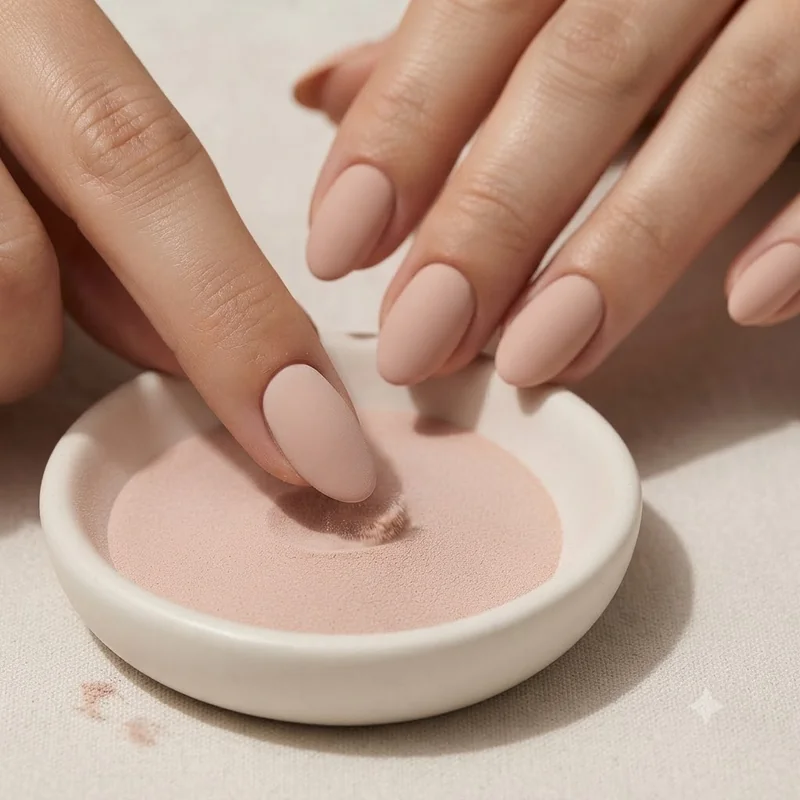
The difference comes down to how each system bonds. Gel is cured layer by layer under UV or LED light, which creates strong initial adhesion but a thinner overall shell that shows wear sooner at the tips and edges. Dip builds a denser, more cross-linked layer through repeated powder coats, and that added thickness is what buys the extra week or two of wear most people notice when they switch from gel to dip.
Acrylic tells a slightly different story. A traditional acrylic set can technically last six to eight weeks with regular fills, which on paper beats dip's average. But acrylic needs a fill roughly every two to three weeks to keep the growth line from becoming obvious, while dip typically goes the full three to four weeks with less mid-cycle upkeep. So acrylic wins on theoretical maximum longevity, dip wins on lower maintenance between appointments, and which one "lasts longer" genuinely depends on whether you are measuring total wear time or convenience.