What's Actually in Dip Powder - And Which Chemicals Matter
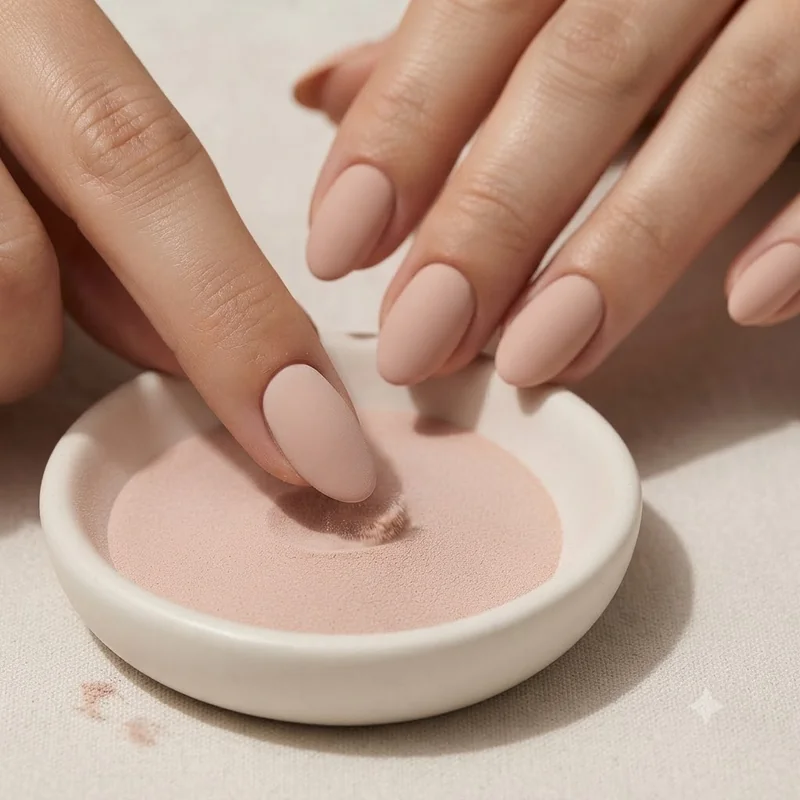
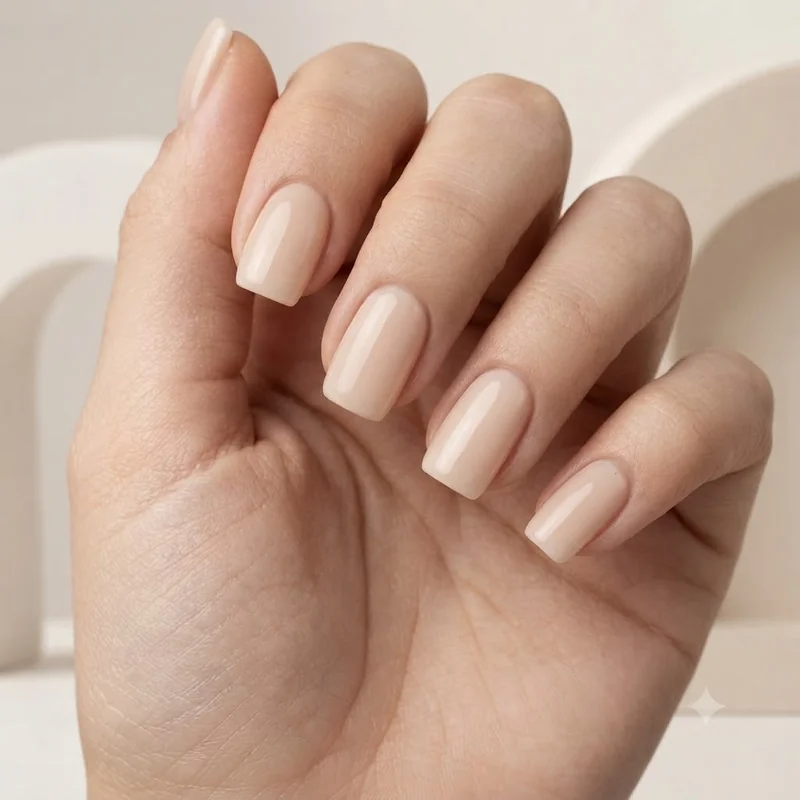
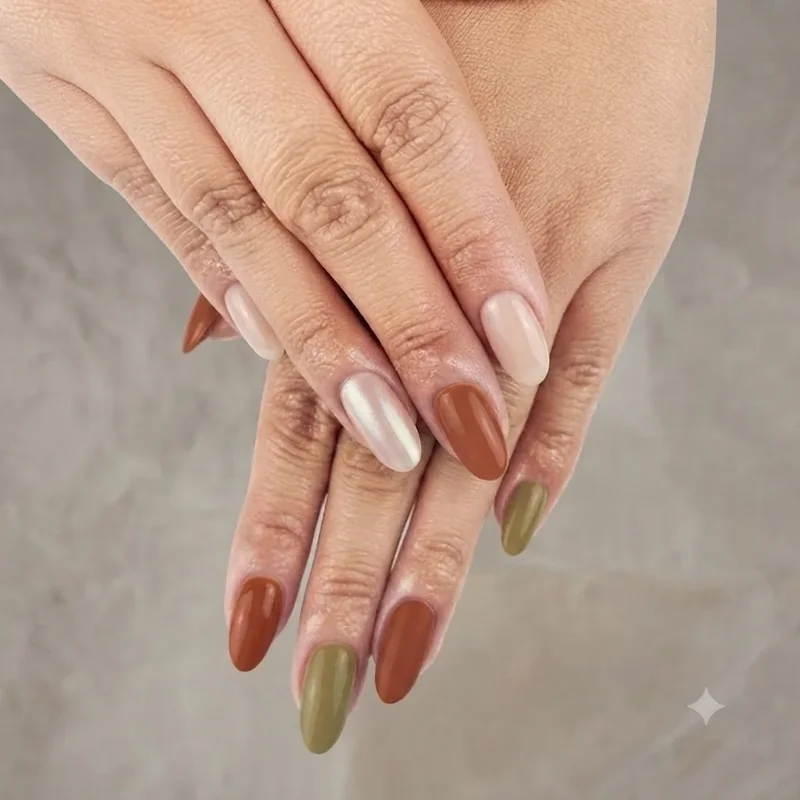
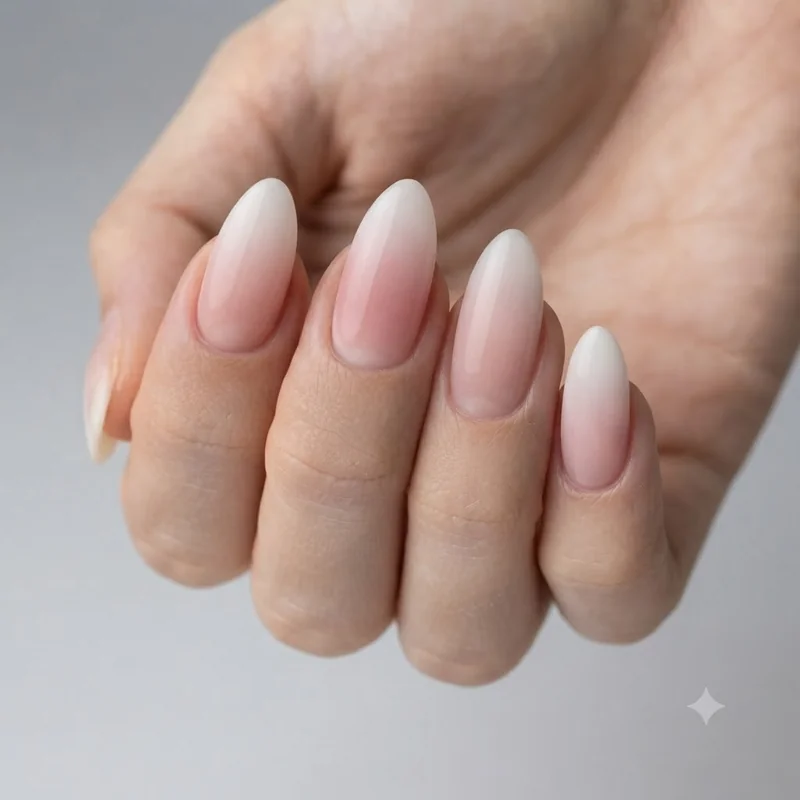
A dip powder manicure is a nail treatment where the nail is coated in a liquid base, then dipped or brushed into a finely milled colour powder, sealed with an activator, and finished with a glossy topcoat. That is the entire process, and it is worth defining plainly because most of the anxiety around it comes from not knowing which ingredient is doing what.
The powder itself typically contains an acrylic polymer along with benzoyl peroxide or calcium pantothenate, neither of which absorbs meaningfully through skin. That is the part of dip powder least likely to concern anyone. The liquid activator is where the real ingredient conversation happens, and it comes down to one distinction almost no dip-specific article actually names: methyl methacrylate (MMA) versus ethyl methacrylate (EMA). MMA is an older, stronger-bonding monomer that has been banned or restricted by most US state cosmetology boards, partly over skin sensitisation and respiratory irritation concerns. EMA is the modern substitute used in nearly every legitimate dip and acrylic system sold today, with a milder odour and a meaningfully lower irritation profile, though it belongs to the same chemical family.
If a salon's product still uses MMA, that is a genuine reason for caution, pregnant or not. If it uses EMA, which is true of the overwhelming majority of professional dip lines, the exposure picture looks very different, and much safer.
Reading a nail product's label is not always intuitive, and knowing how to read a nail product's ingredient label without panicking can settle a lot of this uncertainty before you ever sit down at the table. It is also worth asking whether dip powder nails are bad for your nails generally, since some of the nail-health concerns people raise during pregnancy are really just standard dip powder considerations that apply to anyone.
Why Do Experts Disagree About Dip Nails During Pregnancy?
The disagreement you have noticed is real, and it comes down to which chemical each source assumes you are being exposed to. One site says dip is generally safe. Another says it is probably fine, with a shrug built into the wording. A third says avoid it, citing reproductive-toxicity data. All three can be technically accurate and still contradict each other, because they are not always talking about the same formulation.
Sources leaning reassuring are usually describing standard, EMA-based dip systems used in most professional US salons today, the ones that replaced MMA specifically because of safety concerns. Sources leaning cautious are often pulling reproductive-toxicity data that was generated using MMA, or written broadly enough to cover both monomers without distinguishing them. Neither camp is lying to you. They are answering slightly different questions about dip nails while pregnant and calling it the same answer.
This is also why "ask your doctor" so often falls flat as advice. Most OB-GYNs are not going to know which specific liquid activator your salon stocks, and most patients do not think to ask their nail tech before they think to ask their doctor. The gap between those two conversations is exactly where the contradiction lives. Once you know to ask your salon whether their system is MMA-free, and most reputable salons will answer that instantly and proudly, the conflicting advice mostly resolves itself.
I Already Got Dip Nails Before I Knew I Was Pregnant - Now What?
It feels like this should be worse news than it is. A single dip manicure done before you knew you were pregnant is not something the available evidence links to fetal harm, and there is a specific reason for that rather than just a comforting platitude. Fetal exposure to inhaled chemicals runs lower than maternal exposure, because your body absorbs and filters most of what you breathe in before very much of it ever reaches the placenta. Research tracking nail salon workers, people exposed to these same chemicals for years at occupational levels, has not shown an elevated rate of miscarriage compared to the general population. One appointment, at consumer-level exposure, sits well below that threshold.
The panic that shows up after the fact, the sinking feeling of realising you soaked your hands in acetone or sat through a fresh coat of activator without knowing, is completely understandable and completely disproportionate to the actual risk. Guilt is not a diagnostic tool. It tends to attach itself to the thing you happen to remember doing, rather than to whatever the data actually says mattered.
Going forward, there is nothing urgent to undo. No detox, no special test, no reason to mention it at your first prenatal visit unless it would genuinely put your mind at ease to say it out loud. The single best next step for dip nails while pregnant going forward is simply applying what you now know, MMA-free salon, decent ventilation, reasonable spacing between appointments, to whatever you do from here.
Is Dip Nail Removal Safe During Pregnancy?
Yes, acetone-based dip removal is considered safe during pregnancy at normal salon exposure levels, though a well-ventilated space still matters here just as much as it does during application. Acetone evaporates quickly and does not build up in tissue the way some solvents do, which is part of why brief soak times have not been linked to pregnancy complications in the available research.
The bigger risk during removal was never really the chemical exposure. It is forced removal, meaning peeling, prying, or drilling dip off before it has fully softened, which damages the natural nail bed whether you are pregnant or not. That advice does not change with pregnancy, but it is worth repeating here because a rushed or anxious removal session is more likely when someone is trying to get in and out of a salon quickly.
If you would rather manage this at home in a space you control, on your own schedule, with your own ventilation, how to remove dip powder nails safely at home walks through the process step by step.