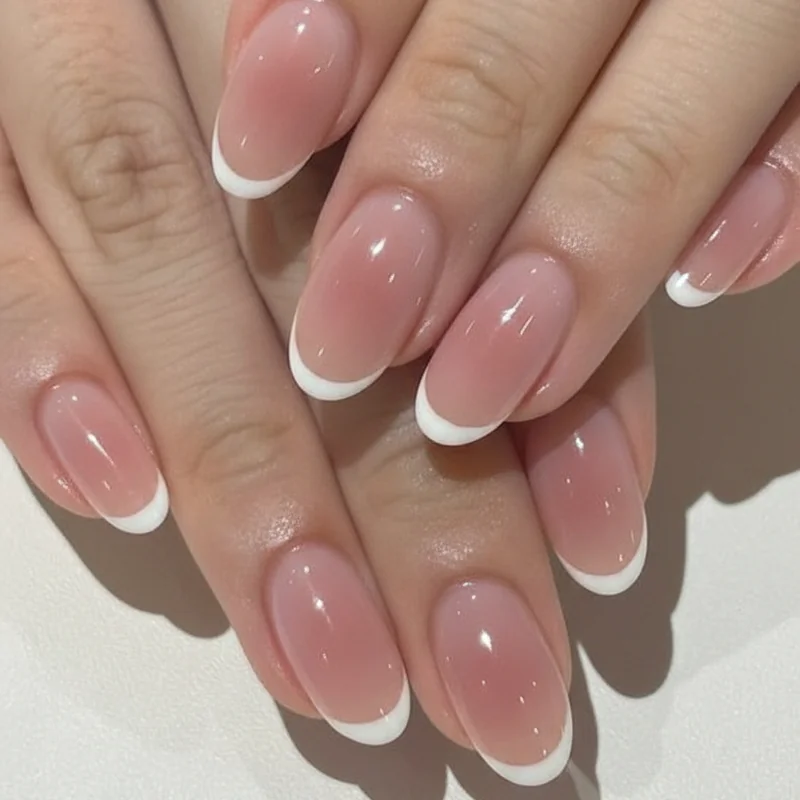
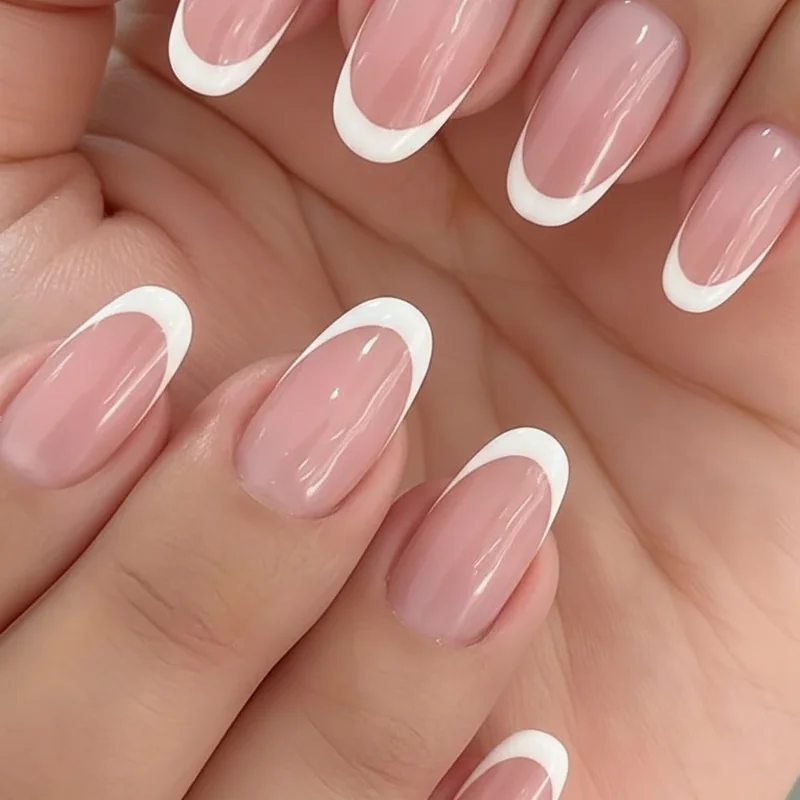
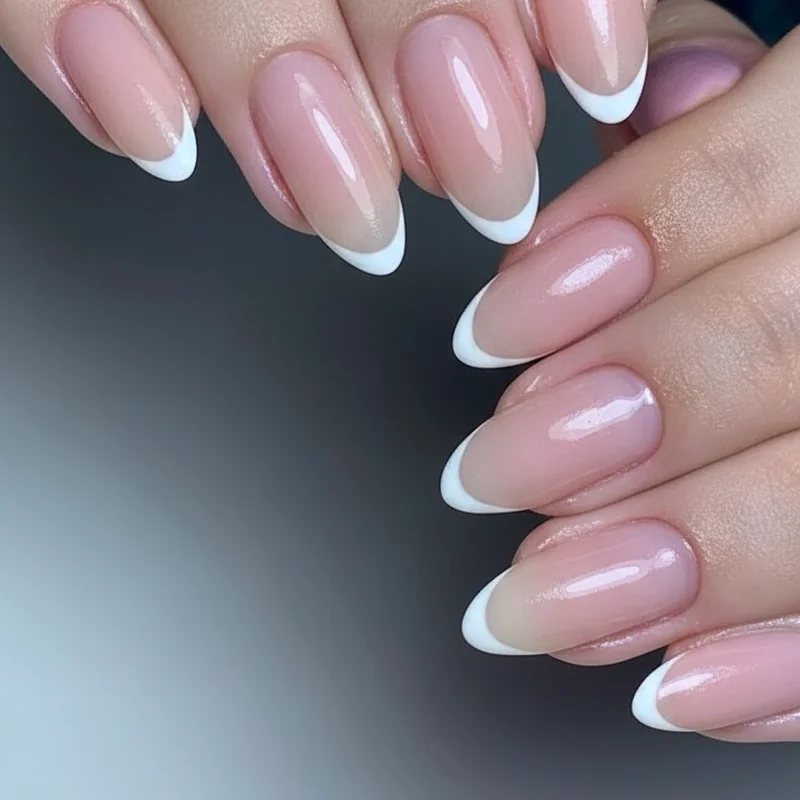
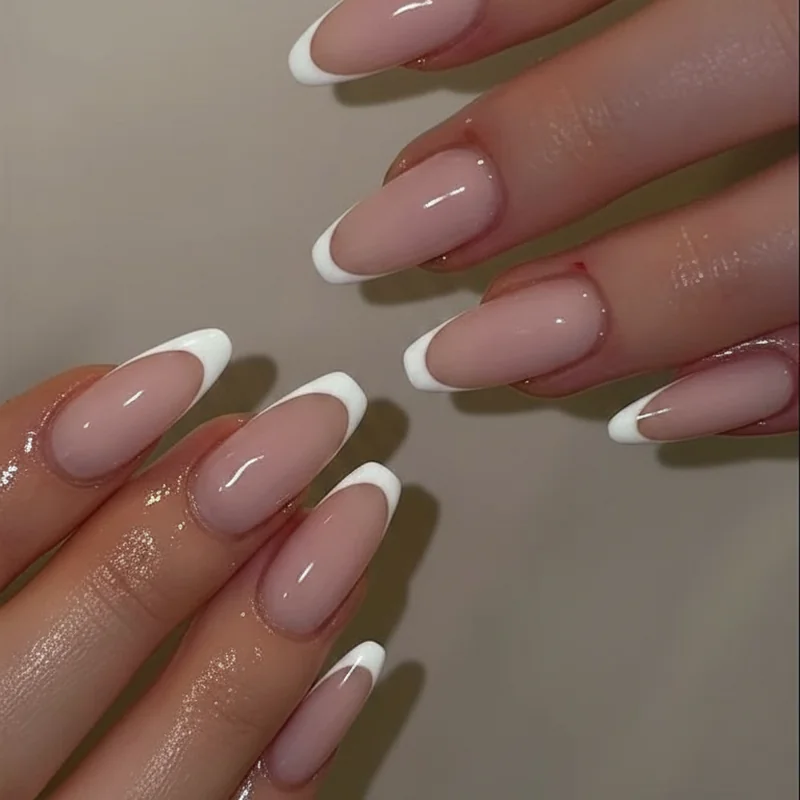
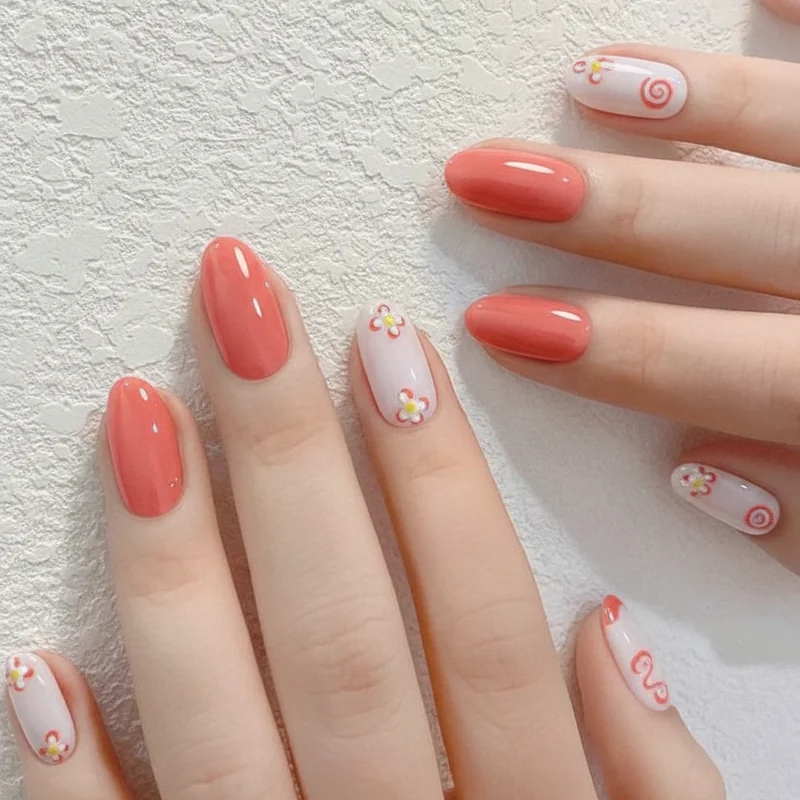
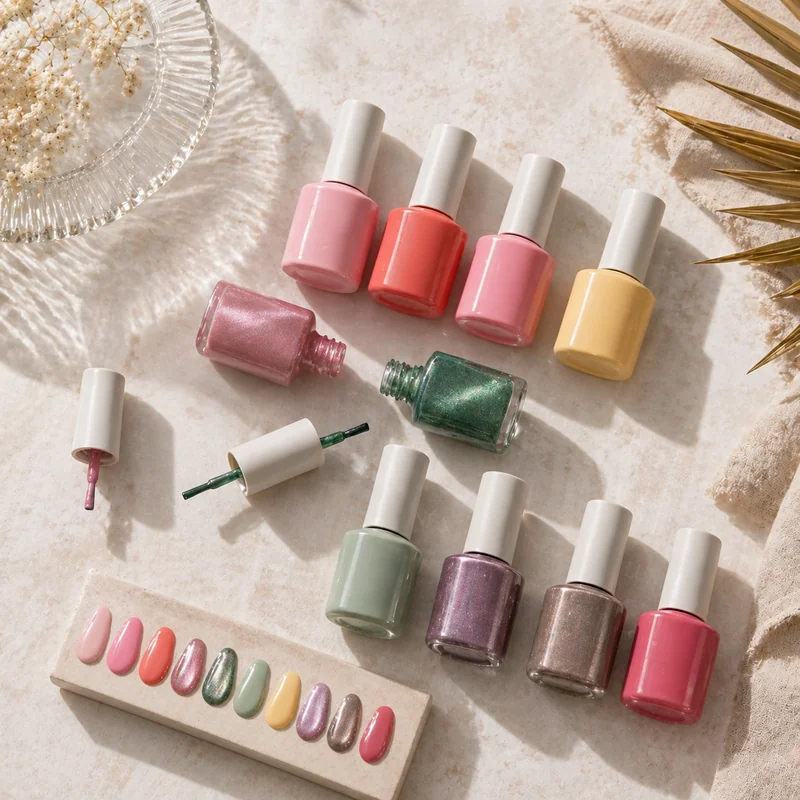
What You Actually Need (And What You Can Skip)
Forget the shopping list you've seen elsewhere. Two things actually matter.
A 9mm liner brush. This is the tool that makes a micro French achievable freehand. The 9mm length gives you enough bristle to draw a smooth arc without having to reload mid-stroke. A fine-detail brush that's too short means multiple strokes, and multiple strokes mean visible joins in the line.
An angled cleanup brush with acetone. Every freehand smile line needs cleanup. This is not a sign you've failed. It's part of the process. The cleanup brush is what takes a good line to a sharp one.
What you can skip: guide stickers, if you're applying regular polish. They peel before the polish dries and drag the line with them. If you want a stencil-style approach without the risk, a silicone stamper is a far better option. It transfers an instant, symmetrical smile line with no drawing required, according to tool comparison tested for 2026. No skill needed, no steady hand required. It's not cheating. It's a different method.
Step-by-Step: How to Do Micro French Tips at Home
The part that competitors never explain: every nail has a slightly different curve. The reason your smile line looks even on your index finger and wobbly on your ring finger is not shaky hands. It's that you applied the same stroke to two differently shaped nails. Fix this first.
Before you start: draw your smile line on paper, matching the arc of each nail. Ten nails, ten different curves, ten practice strokes. It sounds fussy. It takes three minutes and it's the single thing that produces consistency.
Step 1: Prep. Clean nails, push back cuticles, apply a thin base coat. Let it dry completely; micro French on a tacky base smears immediately.
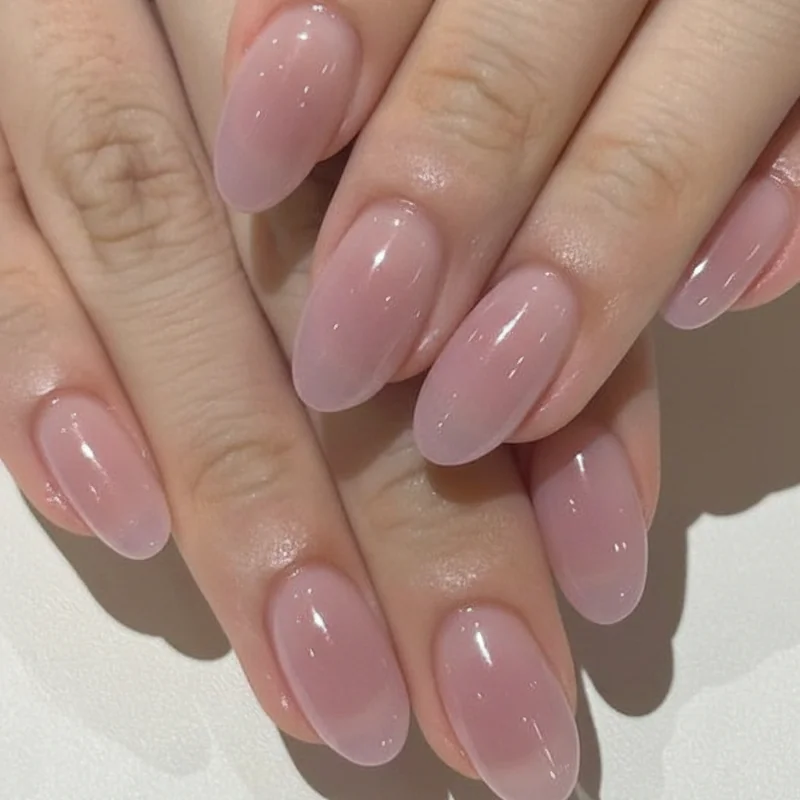
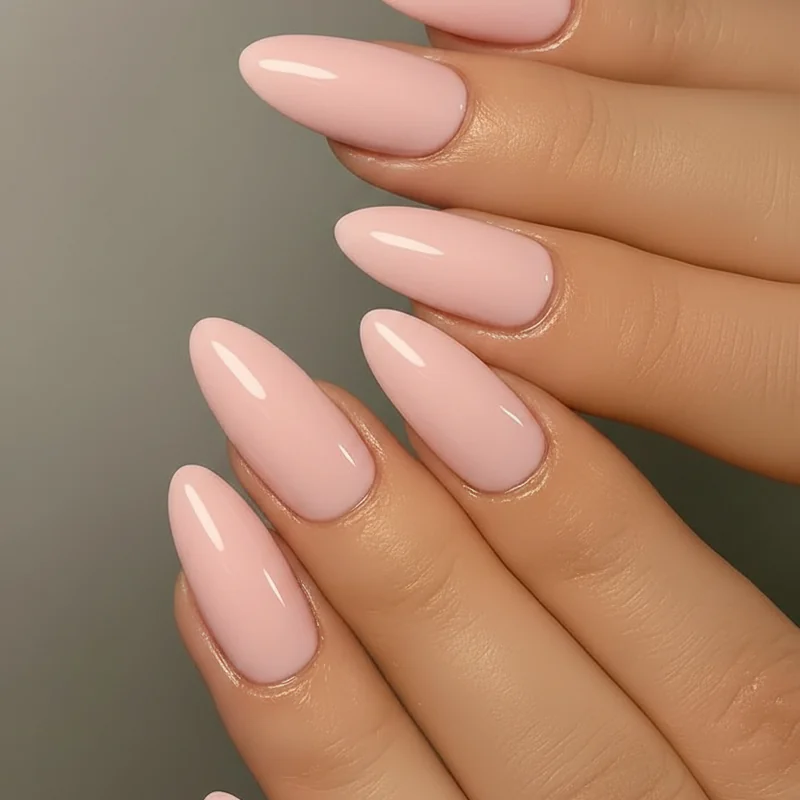
Step 2: Apply your base colour. A sheer nude or milky pink is the standard for micro French, and the best choice for summer. Two thin coats. Let each coat dry fully.
Step 3: Load the liner brush sparingly. Wipe most of the product off before you touch the nail. You want the bristles damp, not loaded. Too much polish floods the line before you can control it.
Step 4: Draw from the side, not the centre. Start at one corner of the free edge, follow the curve of the nail toward the opposite corner in a single smooth arc. Anchor your wrist on a flat surface. Breathe out as you stroke. If it wobbles, stop. Do not try to correct while wet.
Step 5: Clean up. Dip your angled brush in acetone, remove the excess on a paper towel, then trace along the edge of your smile line. This sharpens everything. Work one nail at a time.
Step 6: Top coat. One coat of no-wipe top coat, applied end to end including over the tip line itself.
The Short Nail Question: Does Micro French Actually Work?
It works better on short nails than the classic French does. Here's the proportion logic: a thick French tip on a short nail takes up a disproportionate amount of the nail bed, making the nail look shorter. A 1mm micro French sits at the very tip, adds definition without stealing length, and makes the free edge look intentional rather than unpolished.
The practical guideline is the 1/5th rule: your tip width should be no more than one-fifth of your nail bed length. On a nail bed that's 10mm from cuticle to free edge, that's a 2mm maximum. On a shorter nail of 7mm, you're at 1.4mm. That's exactly micro French territory.
Short squovals and short ovals are the most forgiving shapes for this. Short squares can work, but the straight edge makes any wobble in the smile line more visible. For readers with very short nails looking for more design options, Cute Short Summer Nails That Are Actually Practical has the full range.
Colour Variations Worth Trying for Summer 2026
White is the reference point, not the only option. The technique stays the same across variations; what changes is brush pressure and formula consistency.
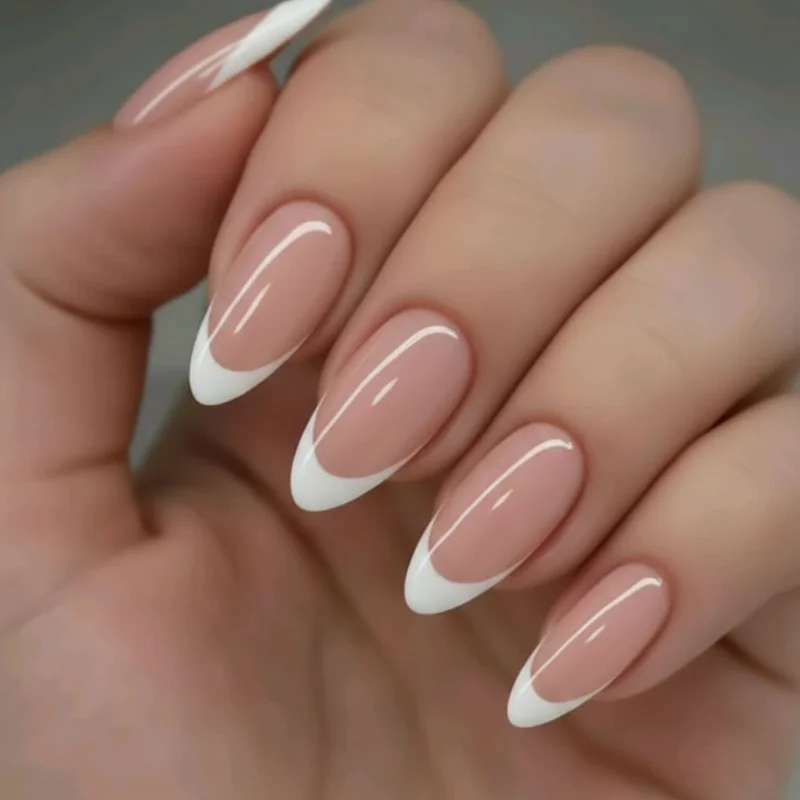
White: The sharpest, highest-contrast option. Works on every skin tone. Use a gel liner polish rather than regular white for a cleaner, less streaky line.
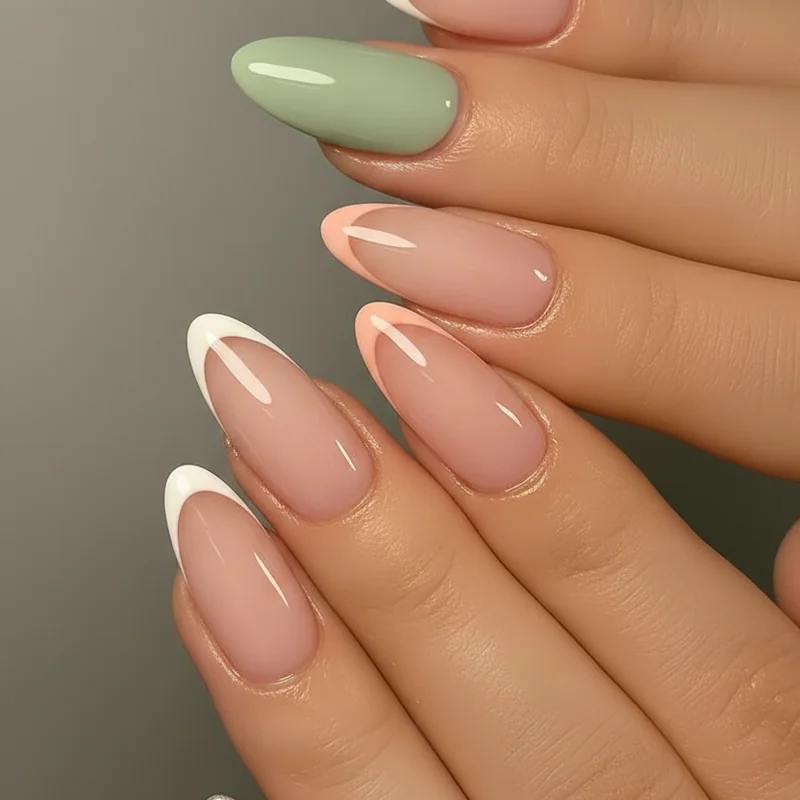
Pastel: Sage and peach are the 2026 moves here, both landing softer than white without disappearing against the base. The line reads as a colour accent rather than a tip, lighter, more summery. Look at broader Summer Nail Art Designs for more creative tip colour directions if pastels feel too subtle.
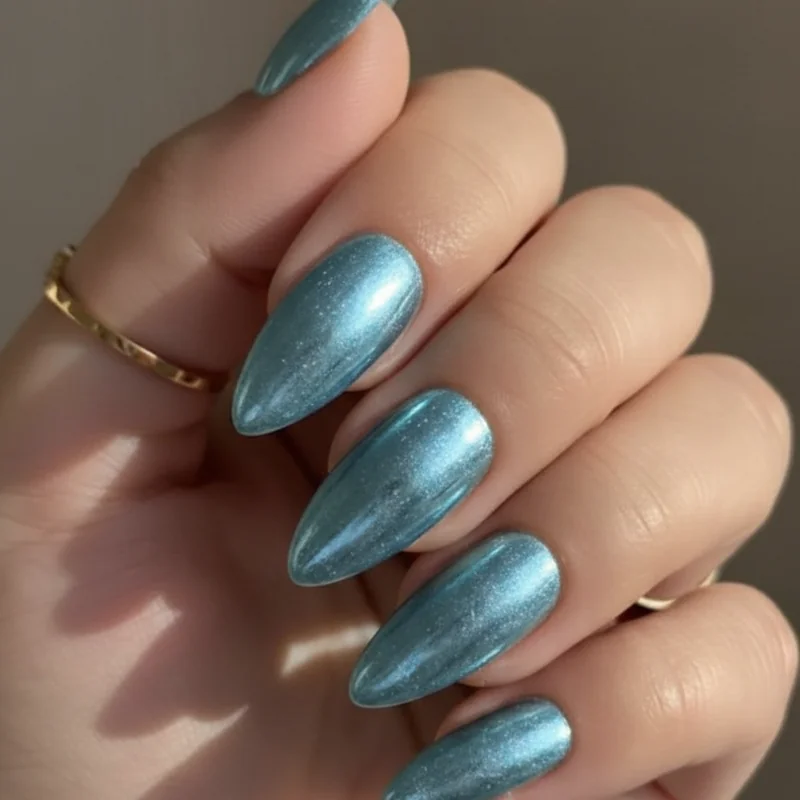
Chrome: The hardest variation to apply, and the most striking when done right. Use a chrome powder over a gel top coat, not a chrome polish, which is too opaque to sit at 1mm without looking chunky. Use the lightest possible brush pressure. Even a fraction too much makes the line bleed. For the full chrome powder technique, the guide to Icy Blue Chrome Nails covers the application method in detail.
For the wider 2026 colour context, trending micro tip colour options for 2026 confirms sage, blush, and chrome as the strongest performers this season.