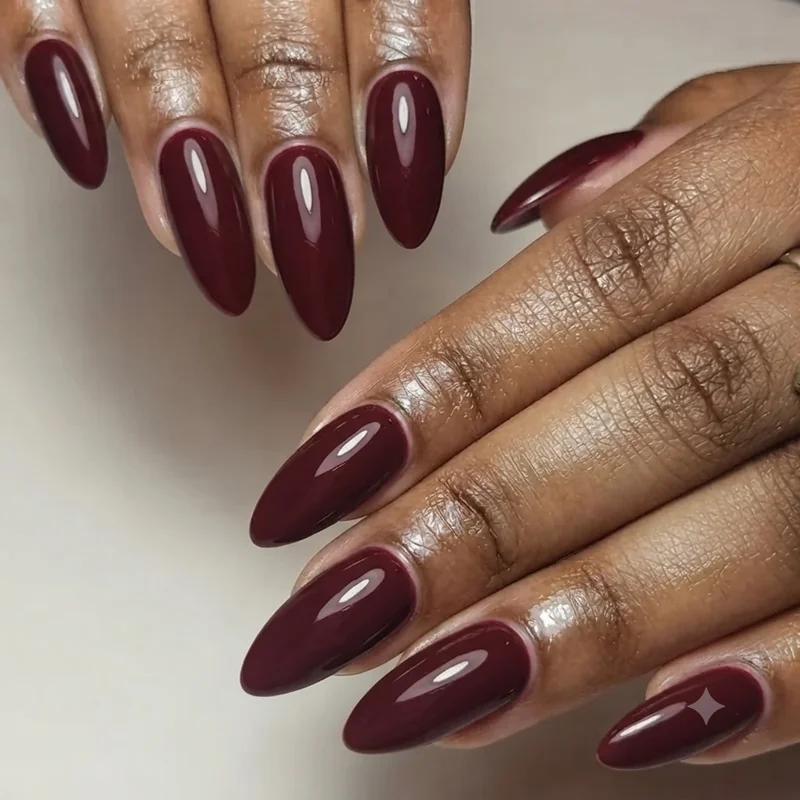
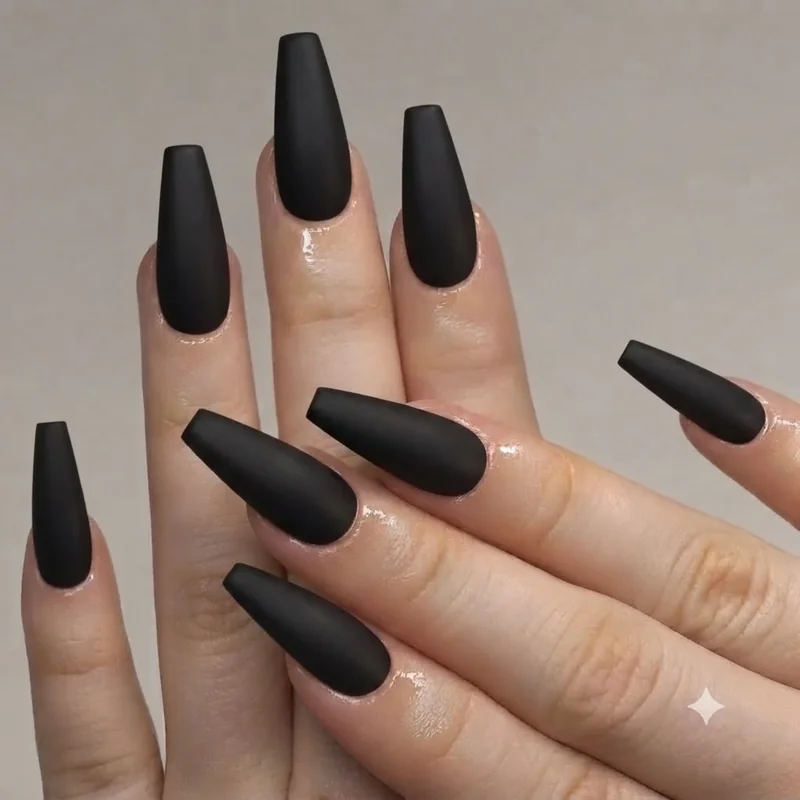
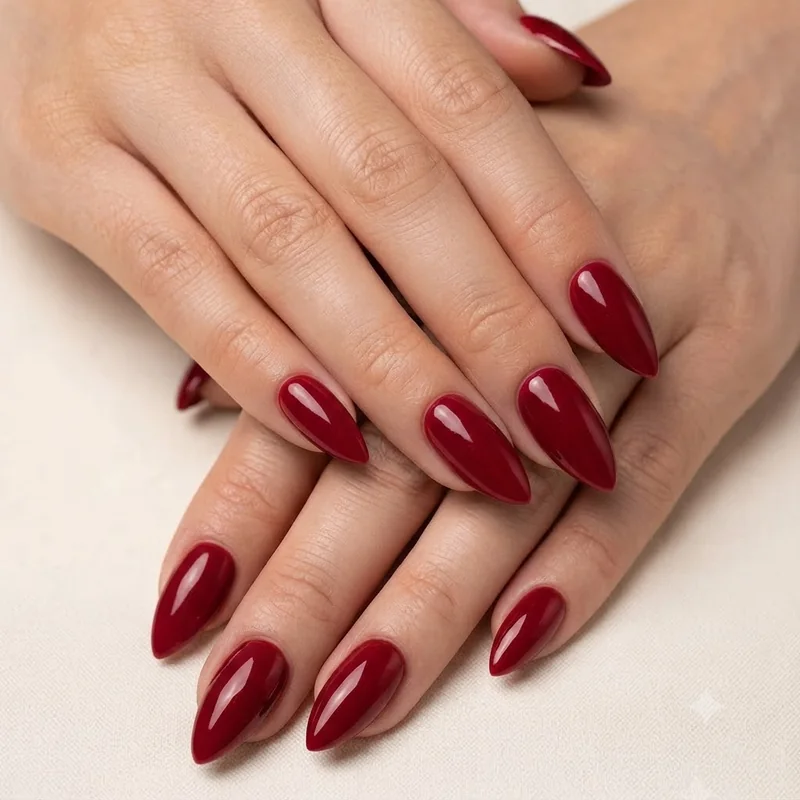
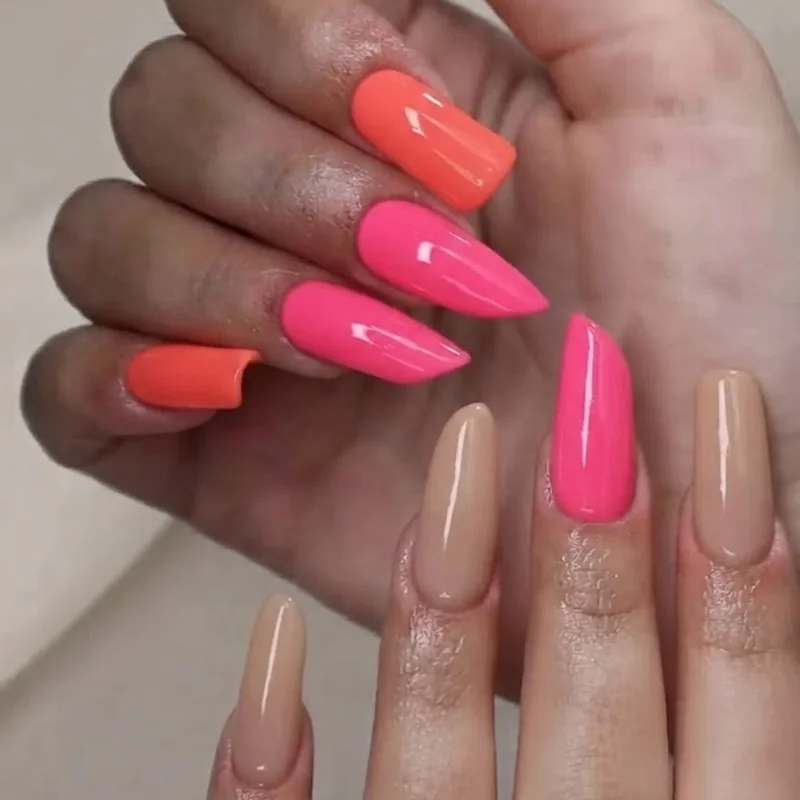
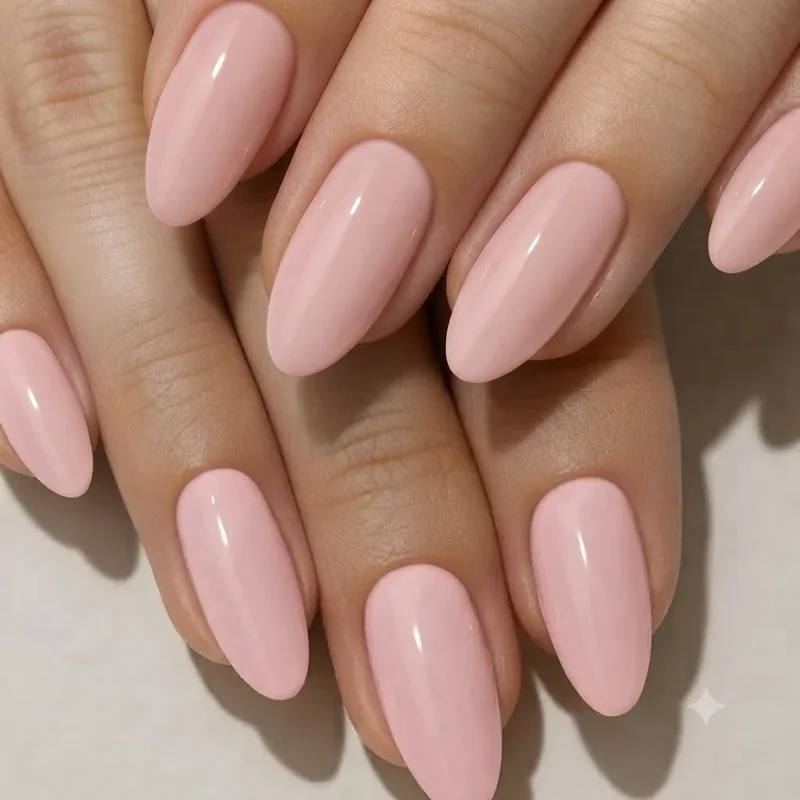
Somewhere between pointing at a photo of a nail shapes chart on your phone and actually saying the word out loud to your tech, the confidence disappears. You knew what you wanted five minutes ago. Now you are nodding along to "squoval or soft square?" like it is a trick question. It is not, and this nail shapes chart puts all 10 side by side, so you can stop guessing and start pointing with certainty.
This is the reference competitors split across a dozen separate posts. Shape, typical length, and how well each one survives daily life, in one scroll. No naming confusion left standing. No "it depends" where a straight answer will do.
What Are the Different Nail Shapes Called?
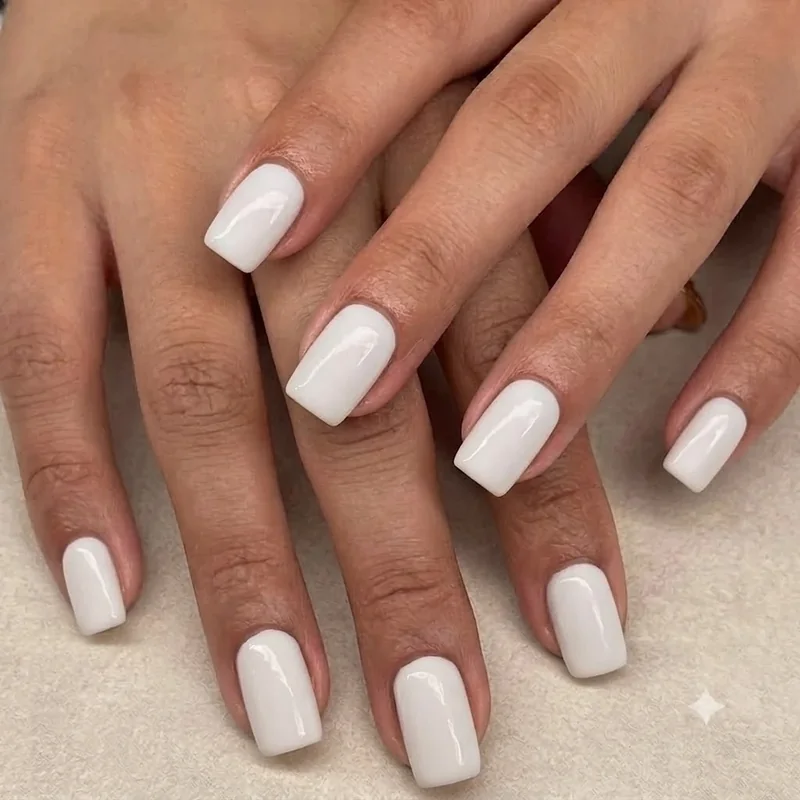
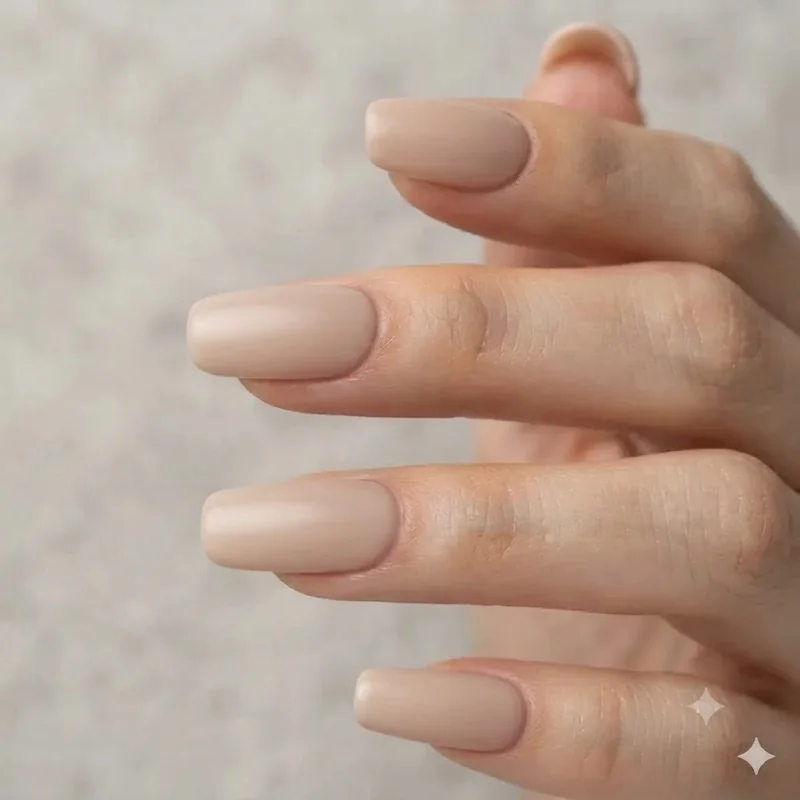
There are 10 nail shapes worth knowing by name: round, oval, square, squoval, almond, coffin, stiletto, duck, lipstick, and flare. Round, oval, and square are the base shapes almost every other style is built from, while squoval, almond, and coffin are the most requested variations in salons right now.
The naming gets messy fast, mostly because some shapes go by two or three names depending on where you are and who is filing your nails. Soft square and square round both mean squoval. Ballerina means coffin. None of that changes what the shape actually looks like on your hand, only what word gets used to ask for it, which is exactly why a single nail shapes chart is more useful than ten separate posts.
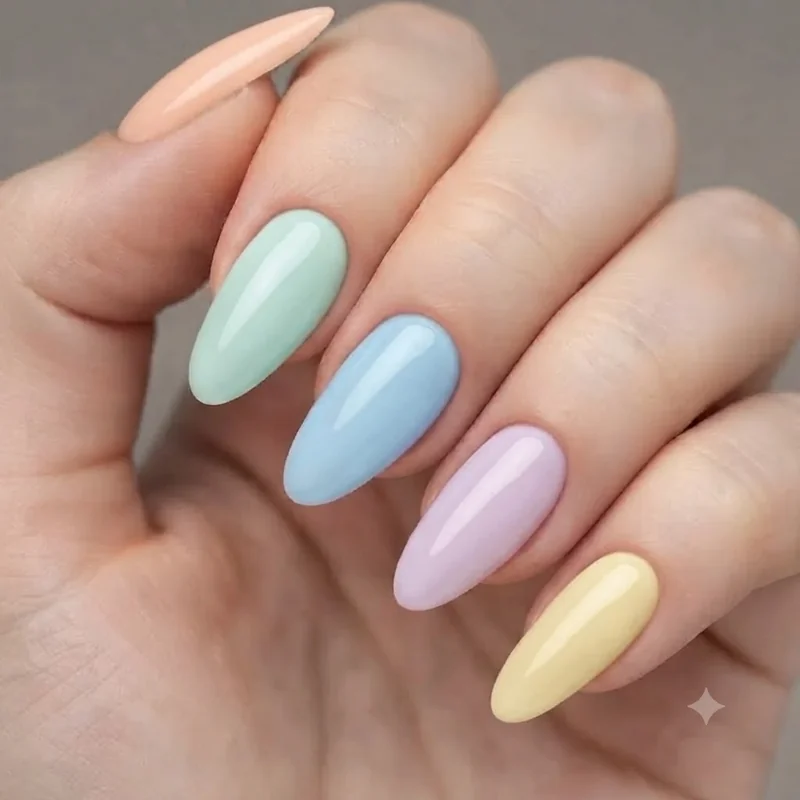
Round Nails
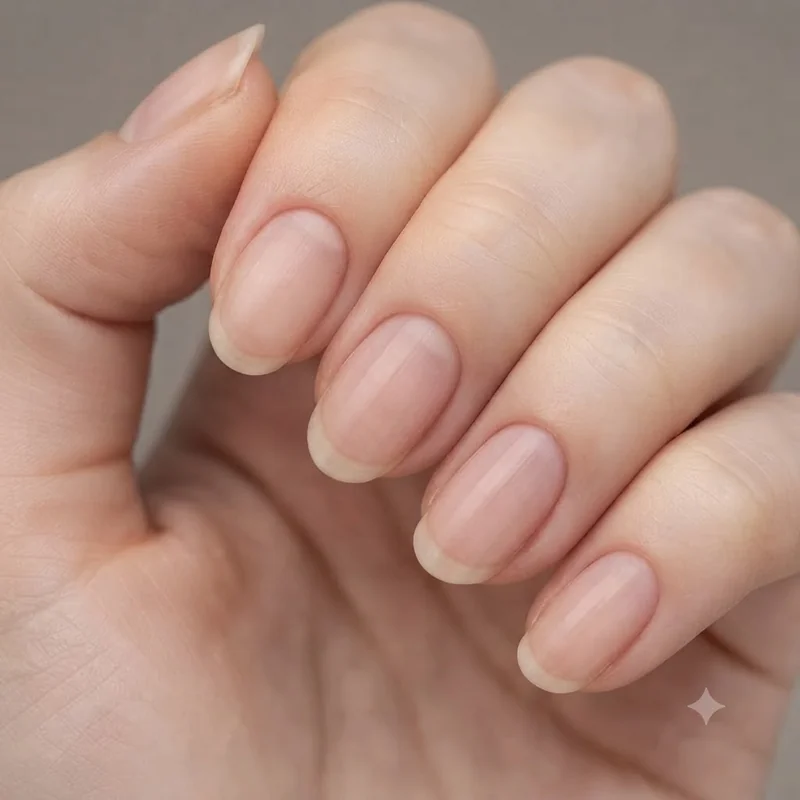
A round shape is not the beginner's compromise it gets treated as. It is the shape that survives a full week of gripping bags, opening jars, and typing without a single snag.
The nail follows the natural curve of the fingertip with no straight edges and no corners to catch. Filing stays close to the sides of the nail bed, then rounds off gently at the free edge rather than tapering or squaring anything off. Best kept short to medium, round is the lowest-maintenance shape on this entire chart, and one of the most durable because there is no weak point anywhere along the edge.
It suits every nail bed width and every finger length, which is part of why it never actually goes out of style, trend cycles aside. Every ranked nail shapes chart puts round near the top for exactly this reason. If your hands are in water constantly, or you type for a living, round is the shape that asks the least of you and gives back the most wear.
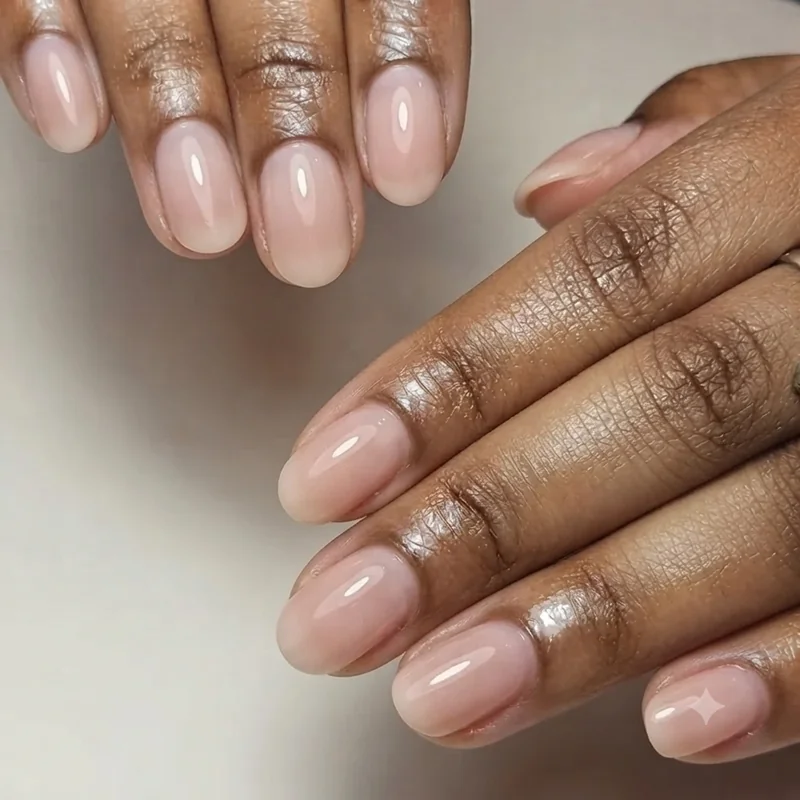
Oval Nails
Most people assume oval and almond are the same shape wearing different names. They are not, and the difference is exactly where the taper stops.
Oval keeps the sides relatively straight before curving into a rounded tip, mirroring the natural shape of a healthy nail bed rather than narrowing it. Almond, by contrast, tapers the sides inward well before the tip. Oval reads softer and more natural because it is closer to what a nail grown out with minimal shaping already looks like. It works especially well on shorter or wider nail beds, since the gentle curve elongates the finger without narrowing the nail itself into something that looks pinched.
Medium length is where oval performs best. Too short and the curve barely registers; too long and it starts drifting into almond territory without meaning to. Side by side on any nail shapes chart, oval and almond look closer than they actually feel on the hand.